When the United States government purchased the Louisiana Territory from France in 1803, it doubled the size of our nation. It also brought a significant cultural, political, and legal shift for the residents who had previously lived under French rule. Few of these changes were more significant than those affecting women.
Women’s rights in the small Missouri town of Ste. Geneviève were quite a bit different before the French Colonial village became part of the United States. French customary law had granted women a considerable amount of economic independence. For one thing, French inheritance laws did not discriminate against a widow, who would receive half of the estate when her husband died. The other half would be split evenly among her heirs – regardless of gender – and if there were no heirs, the wife received everything.
French law also allowed women to buy and sell property and to enter contracts in their own names. They could manage households, farms, and businesses, often having influential control over estates. Women could lend or borrow money, marry or separate, bring a lawsuit or be sued, engage in commerce, and even use their maiden names. A husband could not dispose of his wife’s property without her consent.
It’s difficult to know how many women in colonial Ste. Geneviève played active roles in property transactions and legal matters, since few were educated enough to leave written records of their daily decisions and achievements. Most women were consumed by the labor-intensive work of sustaining a frontier settlement as they managed households and participated in religious life.
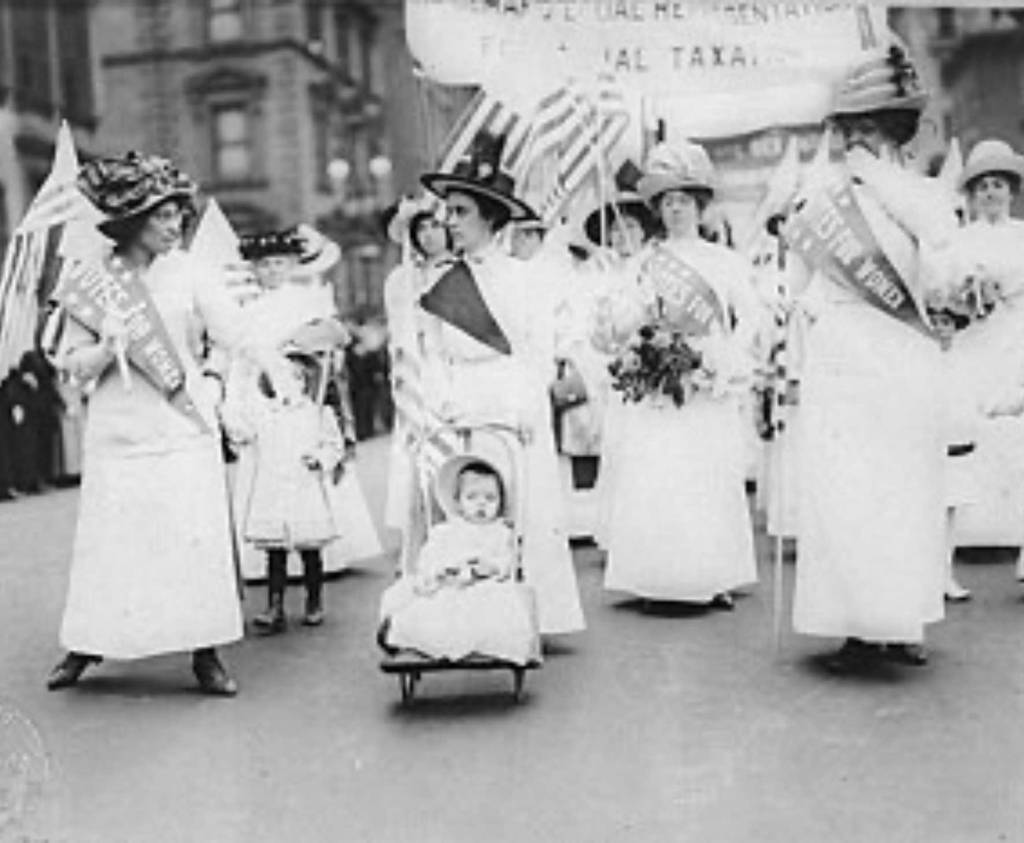
However, most of their legal rights ended in 1804 when the Louisiana Purchase was finalized and Ste. Geneviève became an American village, subject to a system based on English common law. Married women were stripped of their independent legal existence, merging their rights with their husbands. They could no longer own property, sign contracts or bring lawsuits. A husband now owned his wife’s personal property, wages, and real estate, and held sole rights to their children.
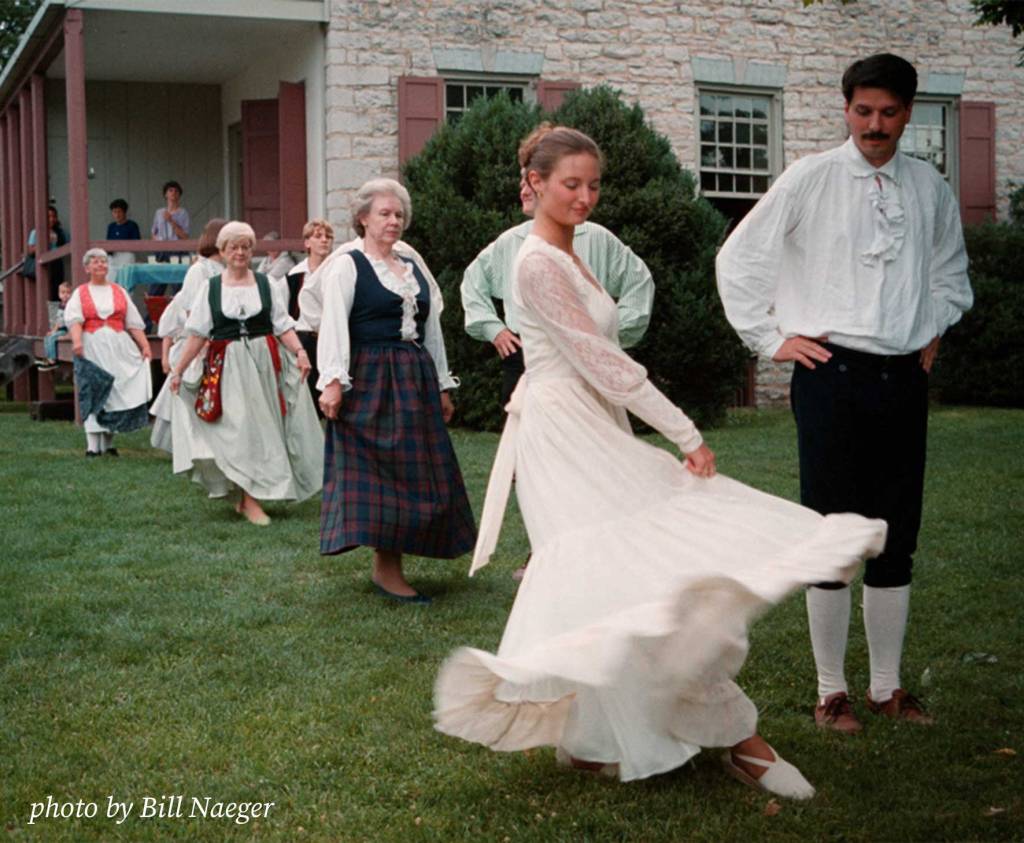
Women in Ste. Genevieve slowly adapted to these changes, of course. They continued to be active participants in churches, schools, courts, and many businesses. They were also primarily responsible for keeping the town’s French traditions alive, like the annual La Guiannée (New Year’s Eve singing tradition).
Over time, of course, women’s rights throughout America slowly progressed from a limited legal status to constitutional equality in many areas, driven first by the women’s suffrage movement then by legislative gains addressing workplace discrimination, voting rights, reproductive rights, and economic autonomy.
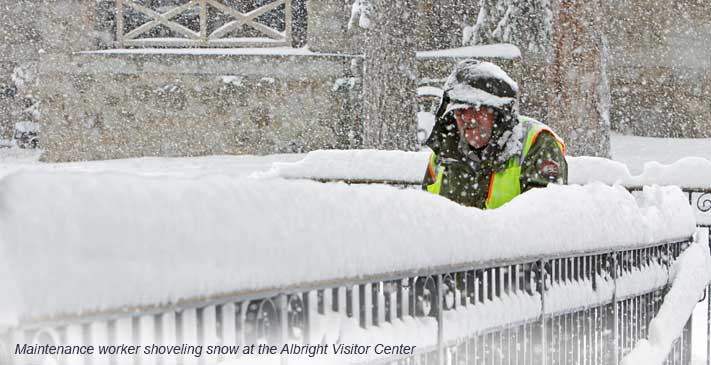
So far, it’s been a challenging winter for many of us. If you live in the Midwest, you’ve probably had to bundle up in recent weeks as snowstorms and bone-chilling temperatures have settled in. If you still need a few more additions to your winter wardrobe, our partner park stores have just the thing to keep you toasty and warm, and you can order all of them online.
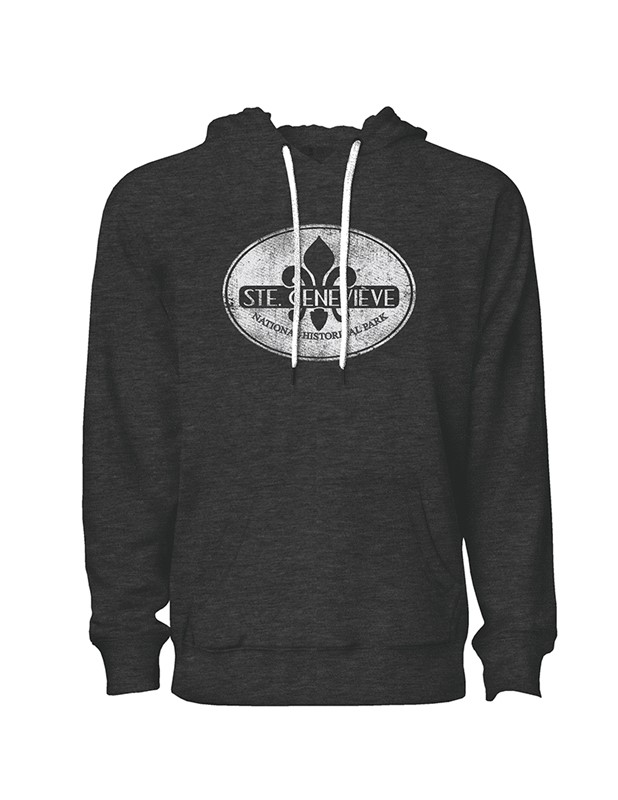
Are you craving a new hoodie or sweatshirt to snuggle into? We’ve got you “covered” (ahem). How about this charcoal-colored hooded sweatshirt made of cozy French terrycloth, featuring the logo of Ste. Geneviève National Historical Park?
Or this handsome hoodie from Missouri National Recreational River, in a light ash gray?
For those who want to make a political statement, there’s our “I Was Expelled” black hooded sweatshirt from Little Rock Central High School National Historic Site. It features an image and quote from Minnijean Brown Trickey, one of the Little Rock Nine.
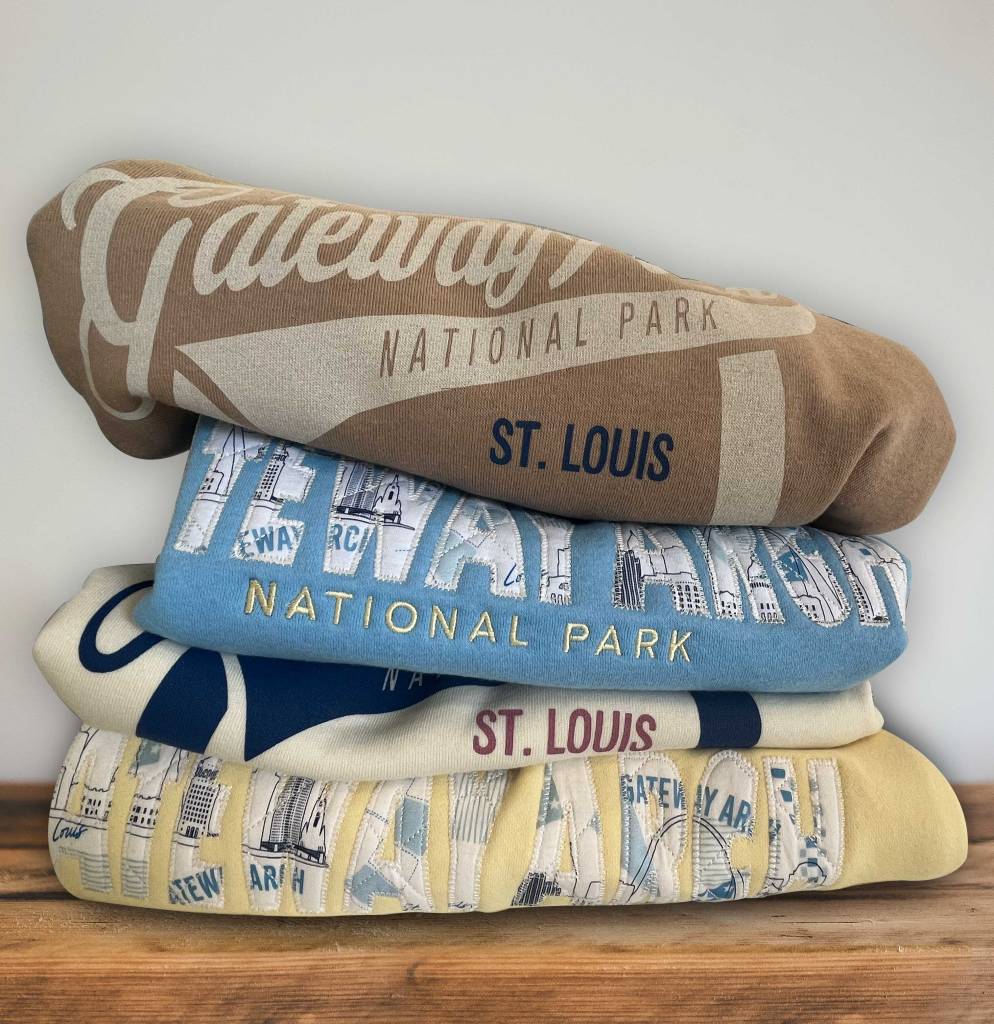
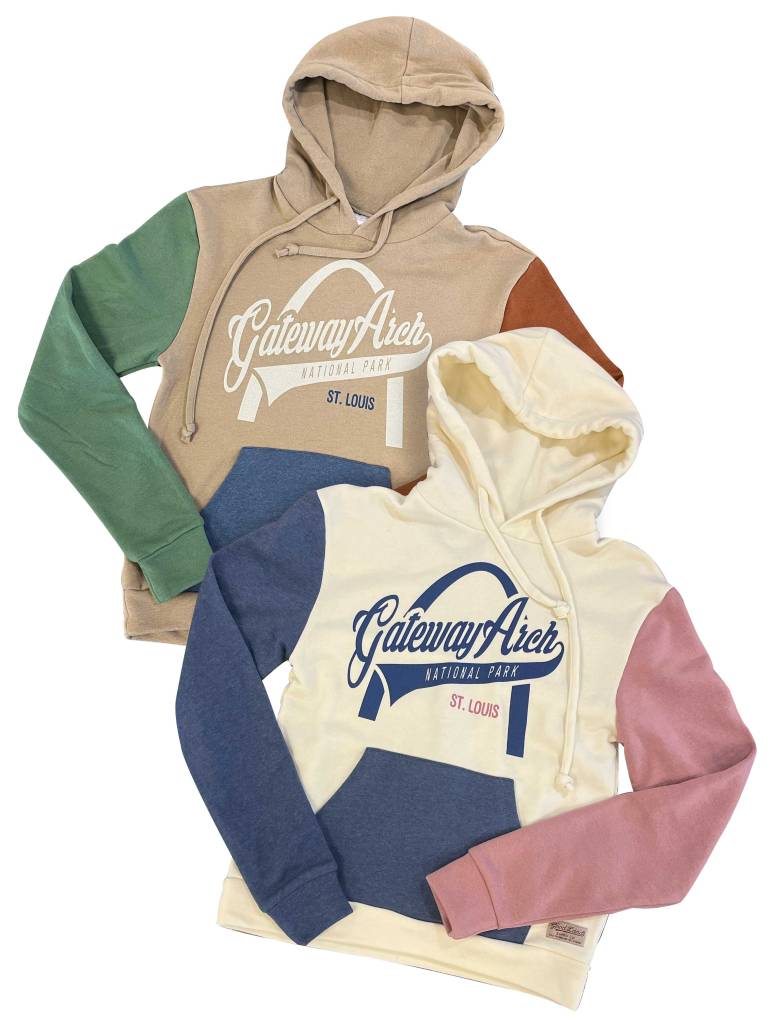
Or how about this multi-colored, super soft sweatshirt from Gateway Arch National Park?
Not to worry, we haven’t forgotten your head and your toes! Fans of Voyageurs National Park will love this warm pom-pom beanie, knitted in a colorful design.
Or maybe you’d prefer to sport these fun socks that celebrate Gateway Arch National Park.
Whatever winter apparel you choose, you can feel even warmer when you know your purchases directly support educational programming and exhibits at each of our parks.
How do YOU celebrate the holidays? Your answer may depend upon your religious practices or your family traditions. But if you’d lived in the French colonial village of Ste. Geneviève in the 1700s, chances are you and your neighbors would have commemorated the winter holidays in very similar ways.
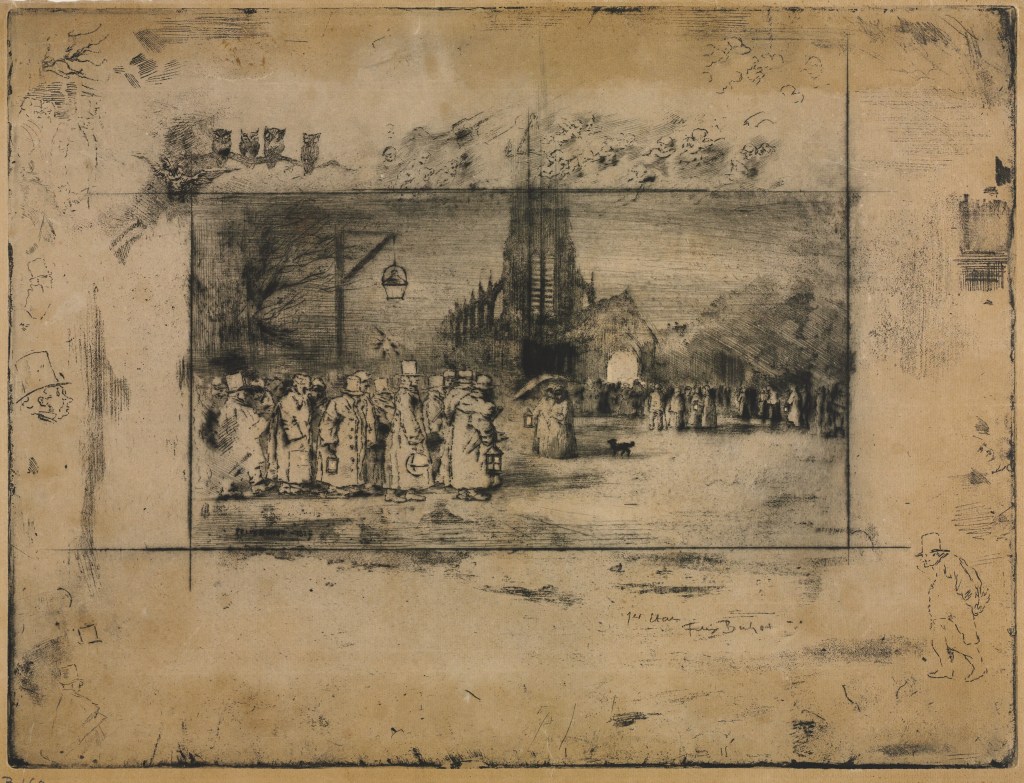
The Midnight Mass, Félix Hilaire Buhot
The townspeople of 18th-century Ste. Geneviève were predominantly Catholic, having brought their religious and cultural traditions from France. One of their most festive seasons of the year was December to mid-January. The four weeks prior to Christmas was Advent, a time of reflection, fasting, and merriment. The culmination of Advent was Christmas Eve, when most of the community attended midnight Mass.
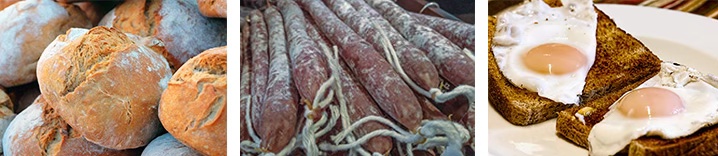
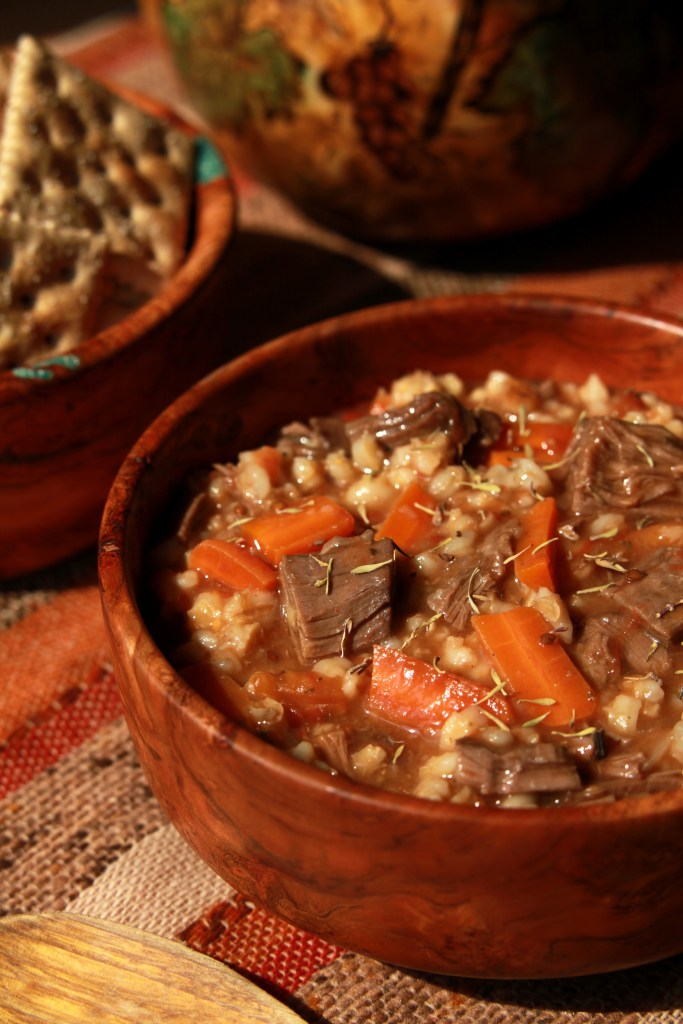
After the church service ended, the townsfolk gathered with their extended families for a feast called La Réveillon. This special breakfast would start in the early hours of the morning and proceed well into the next day. La Réveillon featured traditional breakfast foods such as eggs, sausage, and breads along with non-traditional items like puddings, stews, and cakes. Christmas Day festivities would continue throughout the day with more feasting, church services, and in some households, balls or parties.
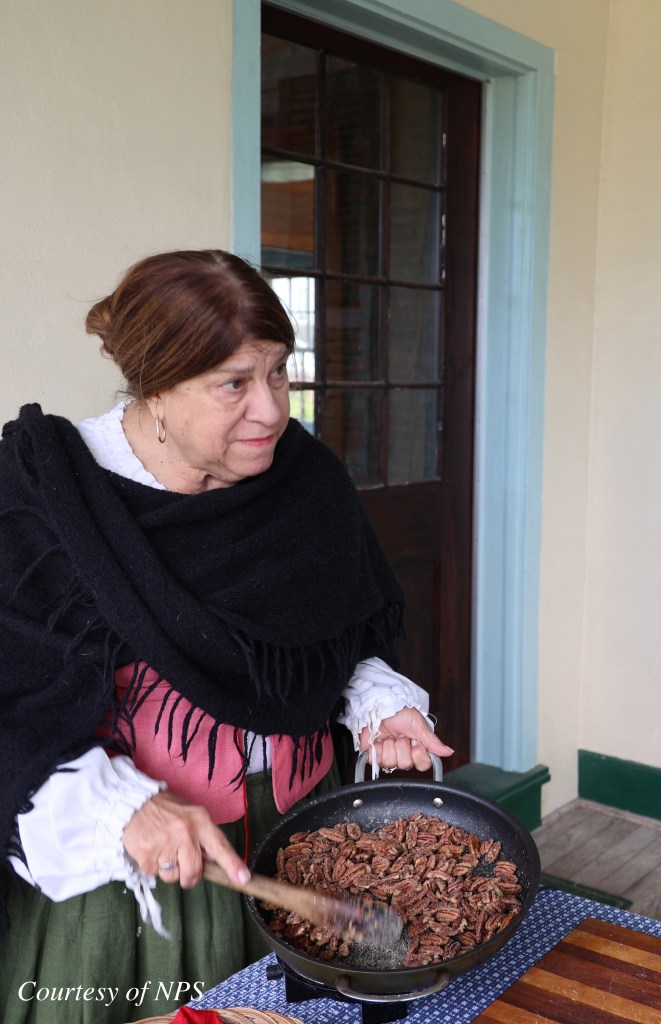
During this time of year the Frenchwomen of Ste. Geneviève were able to show off their cooking skills, using the new foods they found available in the New World, and incorporating African and Native American influences.
In 1811 Henry M. Brackenridge wrote that “The table was provided in a very different manner from that of the generality of Americans. With the poorest French peasant, cookery is an art well understood. They make great use of vegetables and prepared in a manner to be wholesome and palatable. Instead of roast and fried, they had soups and fricassees, and gumbos…”
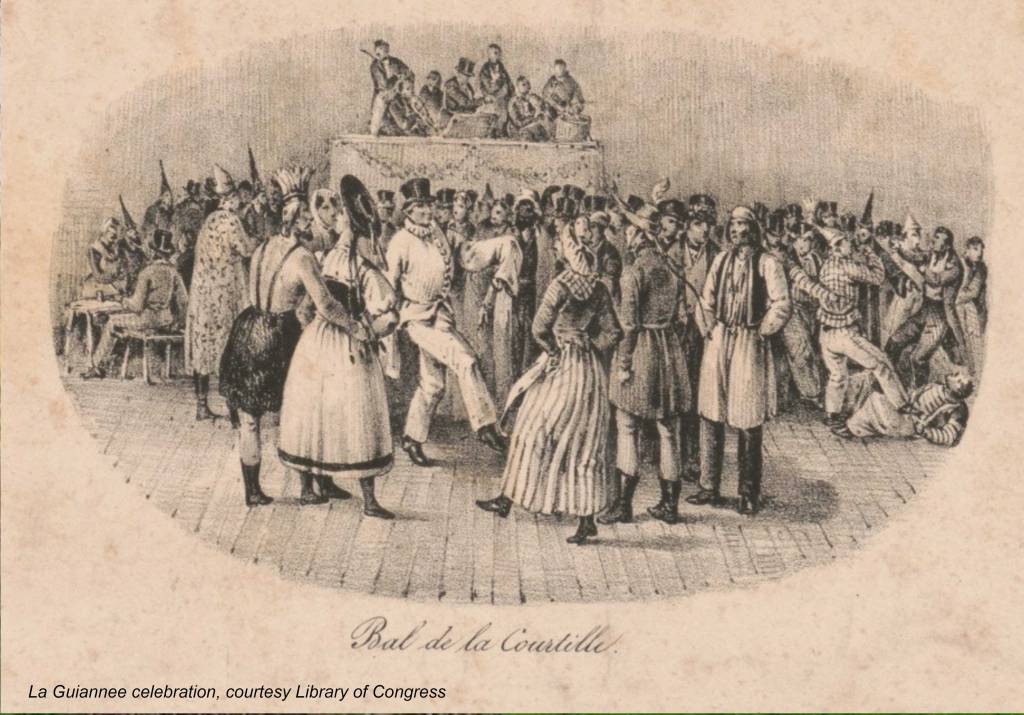
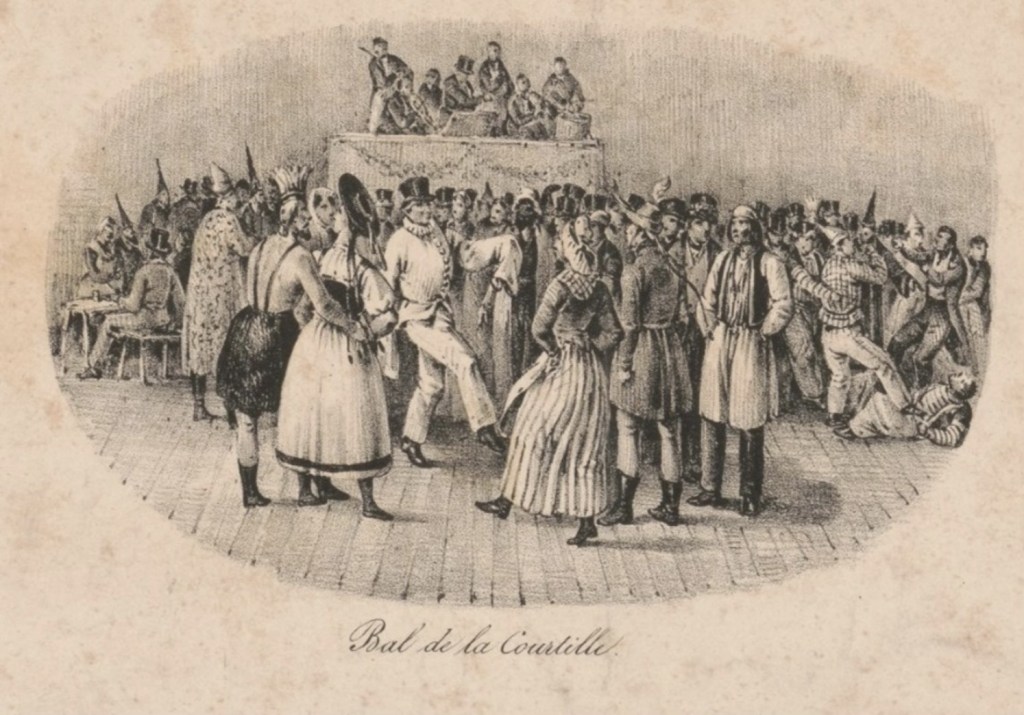
The Kings Ball featured finely dressed participants like those seen in this sketch of the “Bal de la Courtille” from 1820. Library of Congress)
The next holiday celebration, La Guiannée, took place on New Year’s Eve. On the evening of December 31st, a troupe of male singers dressed in costume went door-to-door throughout the community. As they sang, they asked for donations from each household for the upcoming Epiphany feast. The group collected things like lard, poultry, eggs, wheat, and candles to feed the community and decorate for the Epiphany Celebration. (The 250-year-old tradition of La Guiannée is still celebrated in Ste. Geneviève to this day.)
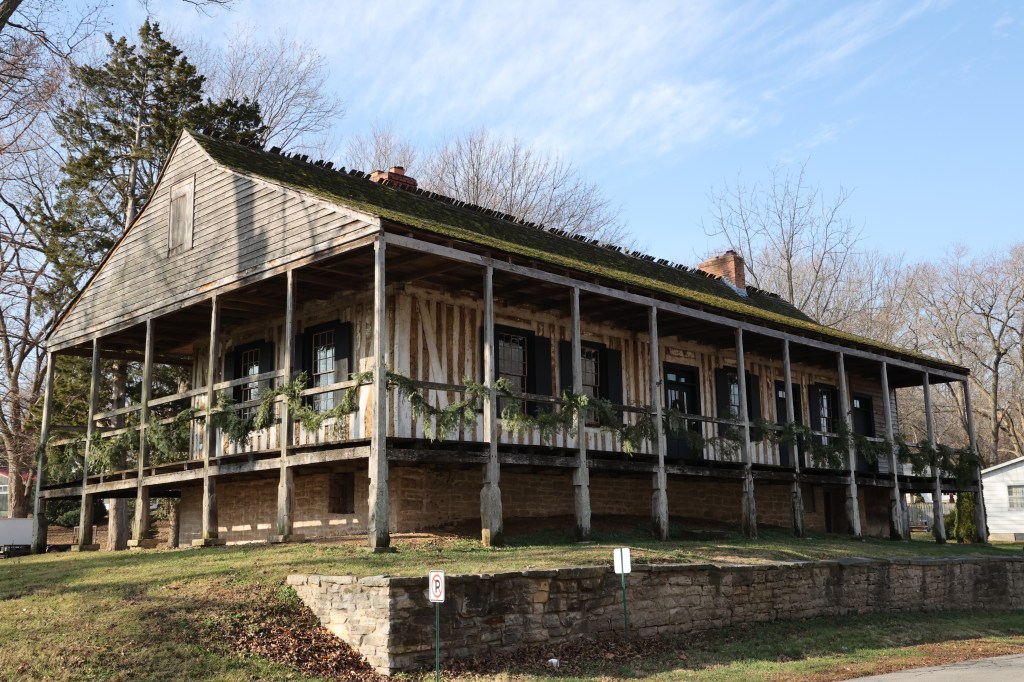
Green Tree Tavern, courtesy NPS
As the years went on and the village changed, the holiday traditions for the French Catholic residents of Ste. Geneviève ebbed and flowed. With the arrival of new residents from American and German backgrounds, new traditions emerged, and old traditions adapted to suit the growing community. The changes have allowed for many of the French Catholic traditions to continue into the present-day community.
Several of our partner parks are planning events to honor Juneteenth, one of the oldest known commemorations related to the abolition of slavery in the United States. The holiday marks the day that enslaved people in Texas learned they had been freed. News of the Emancipation Proclamation had taken two-and-a-half years to reach Texas, arriving June 19, 1865.
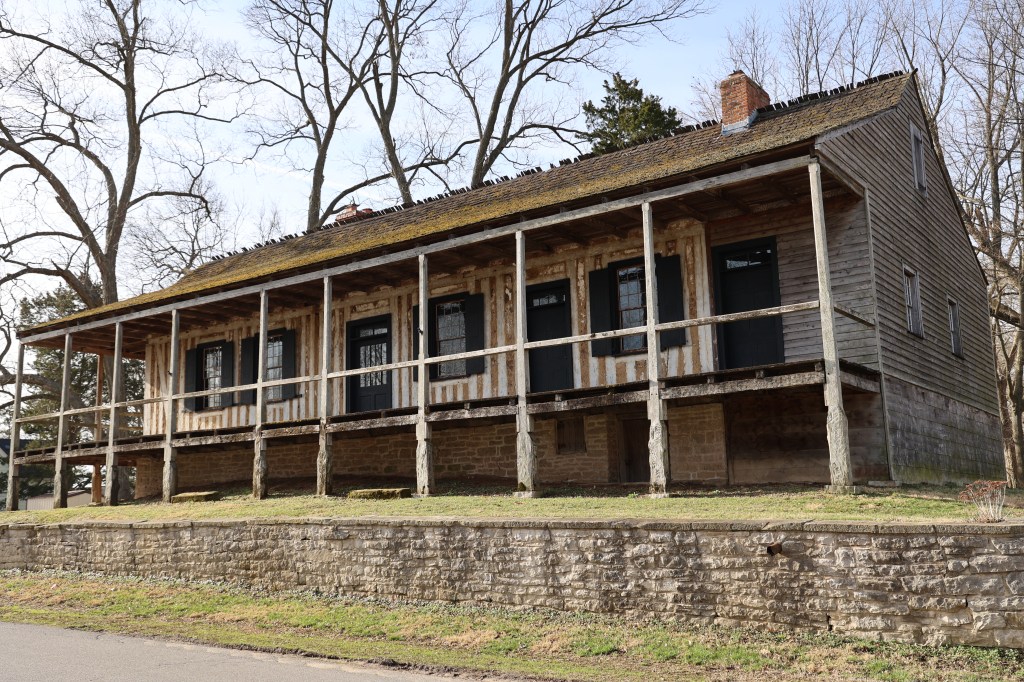
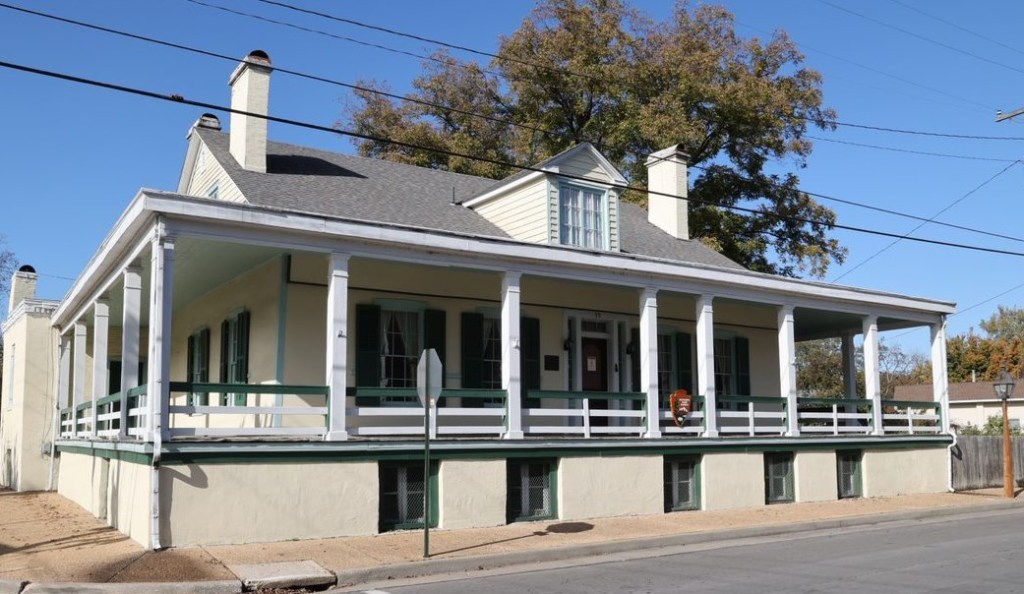
Staff at Ste. Geneviève National Historical Park have found a unique way to honor the enslaved residents of the park’s historic houses during the annual Juneteenth commemoration. They place flowers on the porches of the Jean Baptiste Vallé House, Bauvais-Amoureux House, and Green Tree Tavern. Each flower memorializes an individual who was enslaved at that home.
Credit: NPS
This project is an outgrowth of the park’s ongoing effort to learn more about the early Black residents of Ste. Genevieve. So far, staff and volunteers have confirmed the names of 46 individuals who were enslaved at the three NPS-managed houses. They hope to uncover the larger narratives of these residents and learn about their connections among the free and enslaved people of color in the historic community. The park plans to share the details of these findings through public events like Juneteenth.
Lynne Jackson
Another Juneteenth-related program will take place at the park on Saturday June 22. Lynne Jackson, a descendant of Dred and Harriet Scott, will share the story of her famous ancestors’ long-awaited emancipation in 1857. She will also discuss the Freedom Suit Memorial in St. Louis, a bronze sculpture erected in 2022 commemorating the many lawsuits that enslaved people filed against slaveholders in an effort to gain their freedom.
The lecture begins at 1:30 at the park’s Welcome Center. The event is free, but reservations are recommended; reserve your spot by calling 573-880-7189.
Peggy Harris
Ulysses S. Grant National Historic Site will celebrate Juneteenth on Saturday June 15 with a unique program– Rhythms, Rhymes and Cultural Times. This one-woman show by performer Peggy Harris is a collection of narratives depicting the lives of various strong Black women, including an African Royal’s recounting of the slave trade, Harriett Tubman’s journey to freedom, Harriet Scott’s support of her husband Dred, and Luisah Teish’s call to join women of color together to embrace their culture and spirituality.
The free program takes place at the park at 1:00 p.m. For reservations call 314-842-1867 ext. 230.
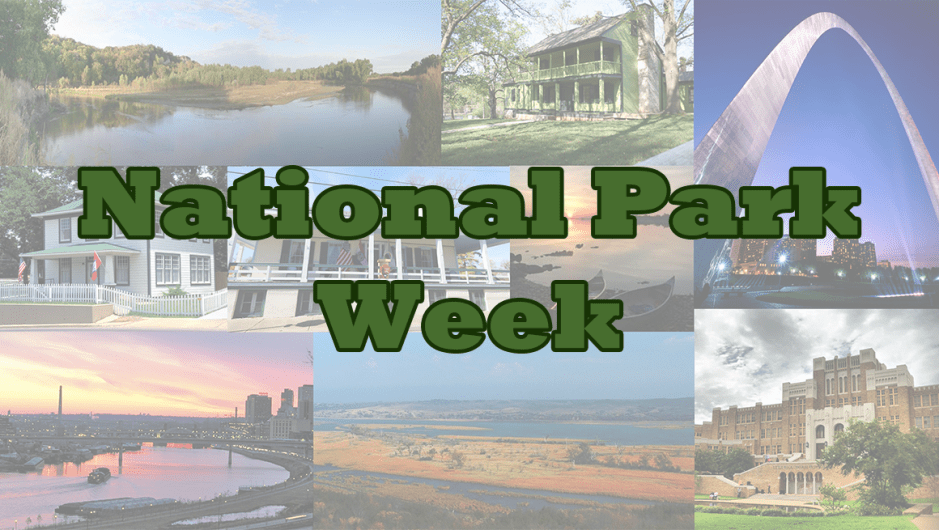
Are you a fan of national parks? Beyond just paying them a visit, do you want to get more involved in their events and activities? Then National Park Week is for you!!
In August of 1991, the very first National Park Week was established to honor the National Park Service’s 75th anniversary. Since then, it has been celebrated in April alongside Earth Day. This year, National Park Week is April 20-28, and each day is themed around a unique aspect of the national parks.
It is also Park Rx Day, focusing on the connection between the health of people, the health of parks, and the health of our planet.
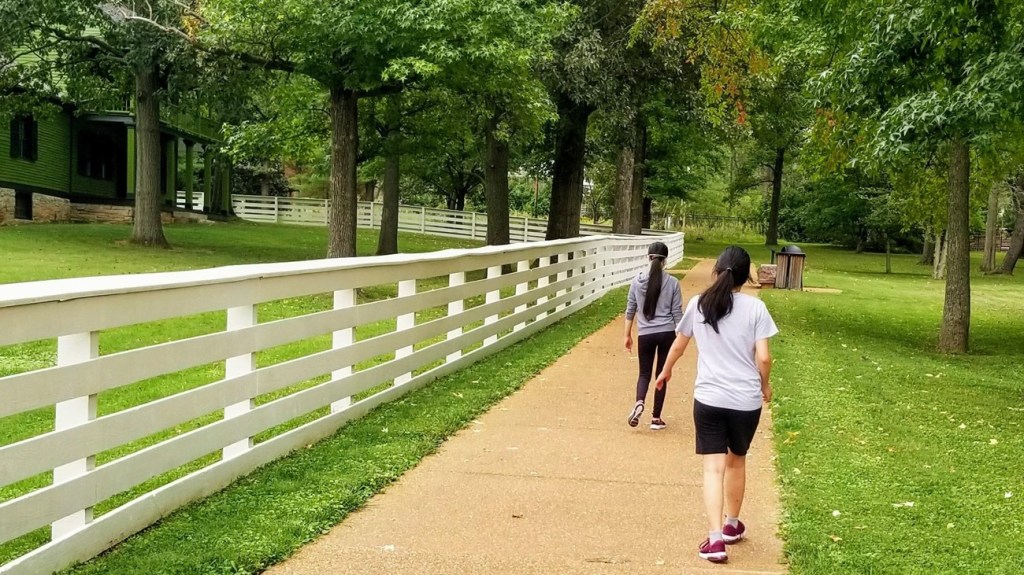
If you are in Missouri, we highly recommend attempting the NPS Wellness Challenge. All seven of the national park sites in Missouri offer challenges in three categories that visitors can complete: mental, physical, and learning. If you complete a challenge, you can earn a Wellness Challenge Badge!
Visitors take a walk through history as part of the NPS Wellness Challenge at Ulysses S. Grant National Historic Site. Credit: NPS
April 21 – Volunteers
Have you ever wanted to volunteer at a national park but either lived too far away or could not find activities that fit your schedule? Now you can volunteer VIRTUALLY as a citizen archivist! Ahead of the upcoming 250th anniversary of American Independence, the National Archives and Records Administration is collaborating with the National Park Service to have volunteers transcribe Revolutionary War Pension Records. These records hold incredible, untold stories of the American Revolution, and once transcribed, will be a permanent contribution to our country’s historical record.
Want to get outside to volunteer? Gateway Arch National Park is having its first ever BioBlitz on April 28. Volunteers will use the iNaturalist app to document various types of wildlife found in the park.
April 22 – Earth Day
On Earth Day, you can join an event at a park near you, or you can learn about all the great ways to practice conservation at home. By taking a few small steps, you can do your part to help protect pollinators, birds, bats, oceans, and even our night skies!
April 23 – Innovation
National Park sites are full of innovative ideas, programs, and technology. For Innovation Day, check out a few of our past blog posts about innovation in some of our partner parks:
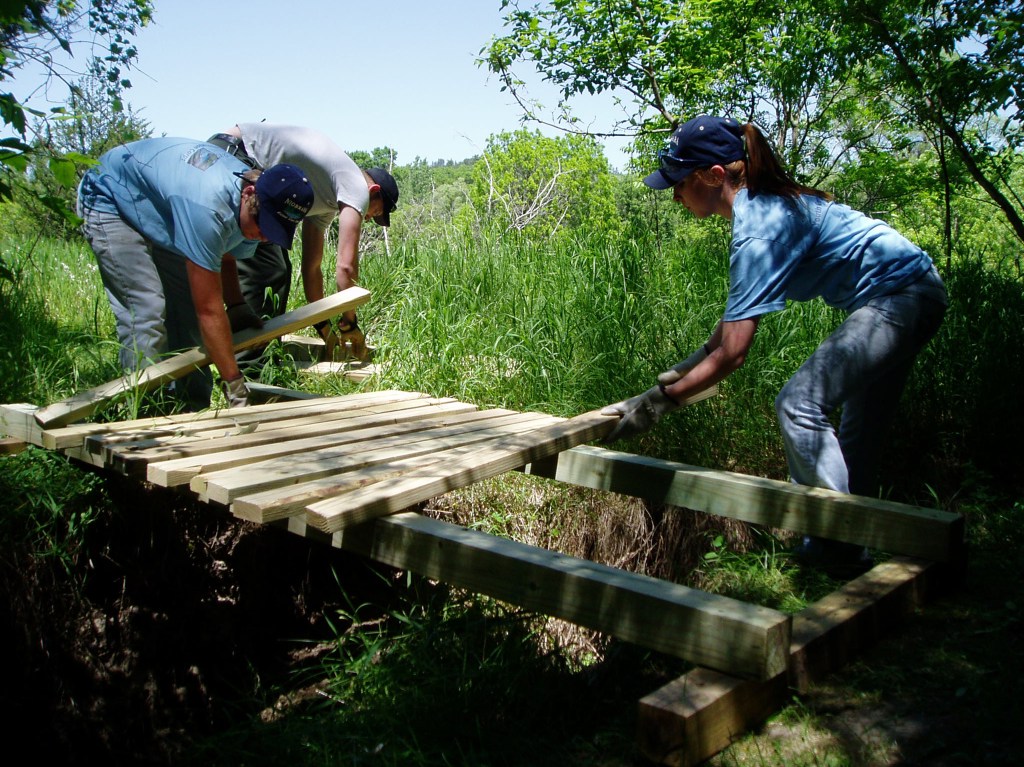
After joining the webinar on Workforce Wednesday, young people between the ages of 15 and 18 can take the next step on their National Park Journey by researching and applying for opportunities with the Youth Conservation Corps! One of our partner parks, Voyageurs National Park, even has an upcoming opportunity May 13 – June 13 for Corps members to repair boardwalks and complete trail maintenance in the park.
Youth Conservation Corps installing a bridge at Niobrara National Scenic River. Credit: NPS
April 26 – Community Connections
Did you know that the National Park Service’s work does not stop at a park’s boundary? Every day, parks across the country partner with their surrounding communities to expand their mission of conserving the natural and cultural resources of our country for the “enjoyment, education, and inspiration of this and future generations.” A few notable examples in the JNPA network of sites include:
Mississippi National River and Recreation Area– This park is incredibly unique because the National Park Service owns only 67 of the 54,000 acres that the park encompasses. The rest is made up of city, state, and regional parks, a national wildlife refuge, and private businesses and homes. This “partnership park” can only achieve its mission by working closely with the community to achieve their shared goals.
Lower Mississippi Delta Initiative (LMDI)- This outstanding grant program is funded by the National Park Service and co-administered by JNPA. These grants fund small-scale cultural heritage projects at not-for-profit community organizations in the Lower Mississippi Delta Region.
Crosby Farm at Mississippi National River and Recreation Area. Credit: NPS
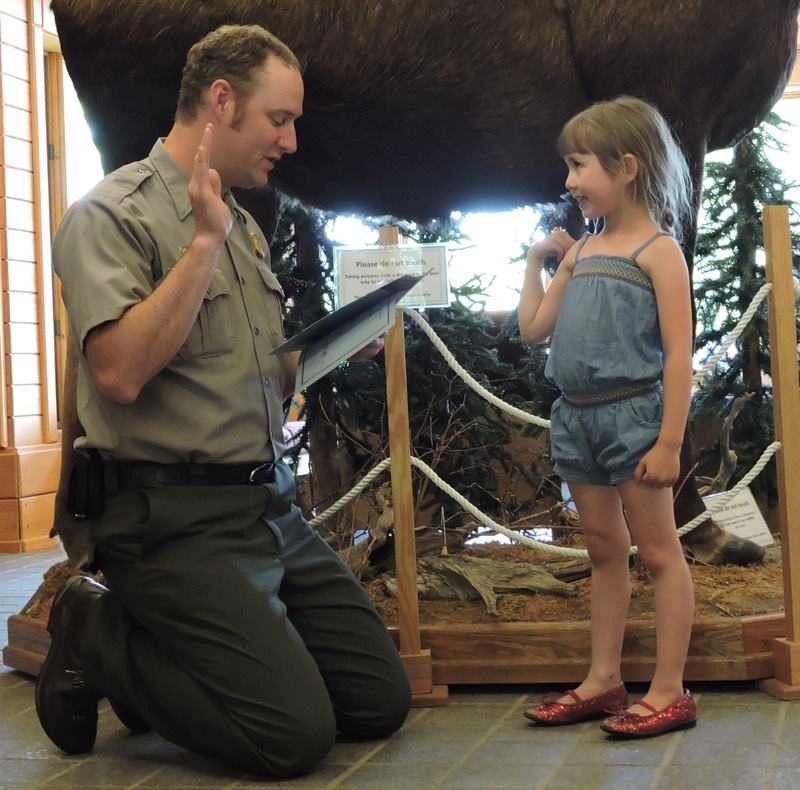
Swearing in a Junior Ranger at Voyageurs National Park Credit: NPS
April 28 – Arts in the Parks
When you think of national parks, art may not be the first thing that comes to mind. However, all five of the “fine arts” play an important role at national park sites.
Painting – Beginning in the 1800’s, beautiful landscapes of the American West were captured by the painters of the Hudson River School. These paintings helped inspire support for the creation of the national parks. This tradition continues today with the NPS Artist-in-Residence program.
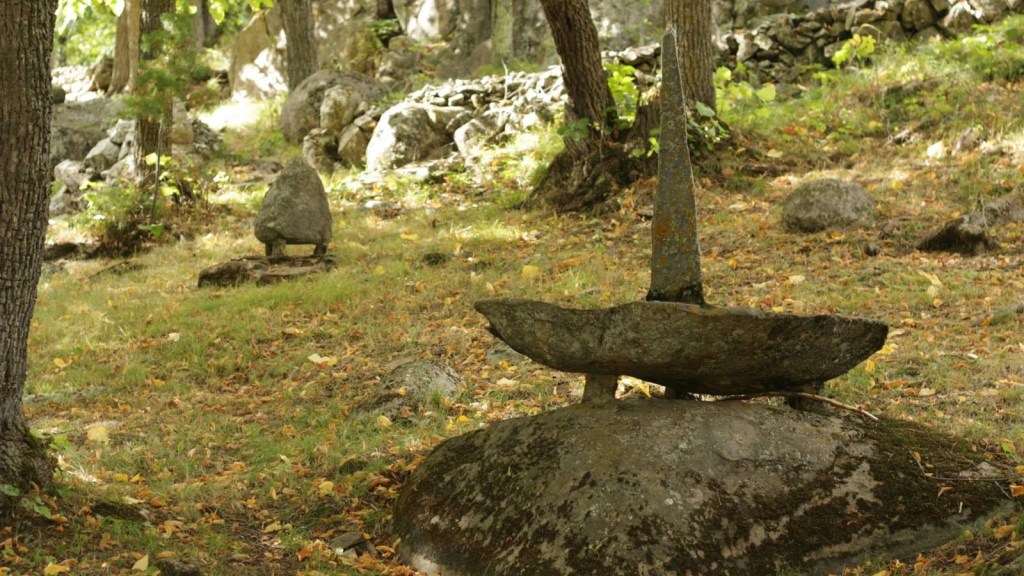
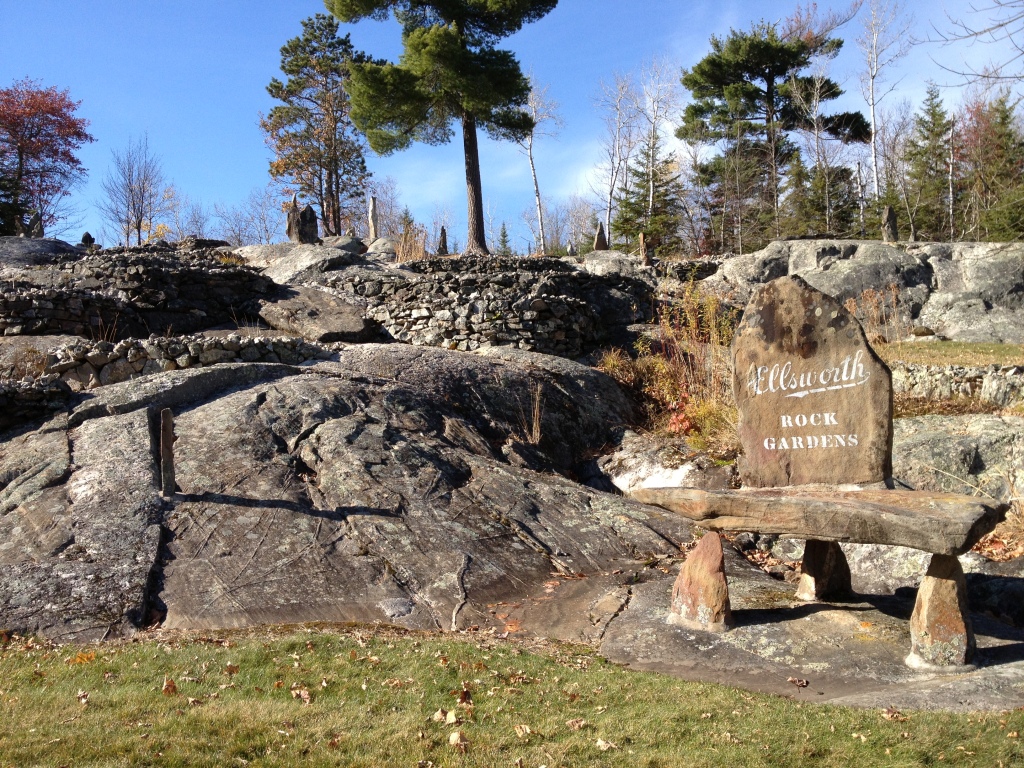
Sculpture – The Ellsworth Rock Gardens at Voyageurs National Park is home to over 200 abstract rock sculptures.
Architecture– Standing at 630 ft, one of the most iconic architectural marvels in the National Park Service is the Gateway Arch.
Music – Little Rock Central High School National Historic Site, Oxford American, and composers Christopher Parker and Kelley Hurt partnered to create a musical tribute to the Little Rock Nine, a jazz composition entitled “The No Tears Suite.”
Poetry – A new initiative this year is “Poetry in Parks.” U.S. National Poet Laureate Ada Limón selected historic American poems which will be displayed as public works of art on picnic tables in seven national parks. The installations will be unveiled throughout the summer and fall.
Rock sculptures at Ellsworth Rock Gardens/Voyageurs National Park. Credit: NPS
No matter what theme speaks to you, no matter how old you are, no matter if you visit in person or virtually, go to a national park next week!
One of our solar system’s most awe-inspiring events will be on full display for many lucky Americans next week: a total eclipse of the sun. And visitors to Ste. Geneviève National Historical Park will get a front-row seat!
An excerpt of a NASA map shows the path and timing of the eclipse over Missouri. Credit: NASA’s Scientific Visualization Studio
Next Monday April 8, people who live in a broad swath of the U.S. will be able to watch as the moon slowly obscures the sun. The lucky ones, including those in southwestern Missouri, will witness up to a four-minute window of “totality” when the sun is completely covered by the moon’s shadow.
A total eclipse occurs somewhere on Earth only once every one-and-a-half years. The next one to pass over Missouri is predicted for 2045. However, only a tiny portion of the state will be in totality then. So now’s the time to catch it!
The little town of Ste. Geneviève is getting ready for a full day of eclipse events next Monday. Various local groups, including staff from Ste. Genevieve National Historical Park, will host a “viewing event” at the county community center (21390 Highway 32 Ste. Genevieve, MO) from 10:00 am to 4:00 pm. The period of actual totality starts at 1:59 p.m. Event activities include:
Learning about the eclipse from knowledgeable experts, including park rangers.
“Hearing” the eclipse through an innovative LightSound device developed by Harvard astronomers that translates light into sound.
Marveling at the total eclipse with the community of Ste. Genevieve, MO!
Credit: The Planetary Society and NPS
In addition, kids can pick up a solar filter and an Eclipse Explorer Junior Ranger book (after completing the book, they’ll receive a special badge). Fourth graders with a printed voucher can also pick up an Every Kid Outdoors pass.
For more details, check out the park’s solar eclipse page. We hope to see you in Ste. Gen!
A composite image of the October 2023 eclipse over Bryce Canyon National Park. Credit: NPS/Peter Densmore
French soldiers, explorers, and fur traders established settlements in North America as early as the 1500s. The vast territories of “New France” spanned a large portion of eastern North America, from what is now Canada south to the Gulf of Mexico.
Map of New France circa 1750
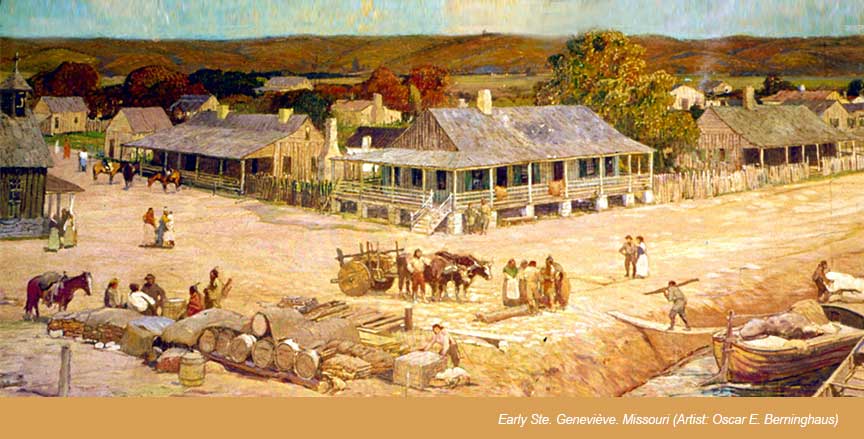
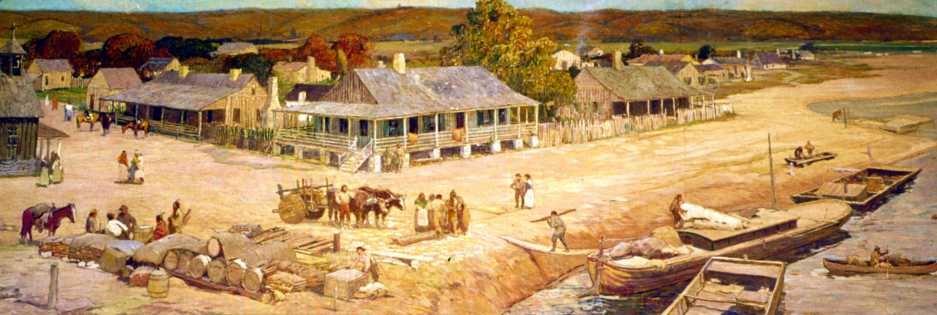
Among the earliest French settlements in the so-called Illinois Country was the village of Ste. Geneviève, founded by French Canadians in 1750. These hardy immigrants were drawn by the rich soils deposited by the nearby Mississippi River and by minerals and other natural resources the region offered. Naturally they brought their Old World culture, religion, laws, architecture, and language with them. But it wasn’t long before they adopted new habits, customs, and even words that fit their new lives in the New World.
In fact, the residents of Ste. Geneviève created what historians call a French Creole cultural zone in the middle Mississippi Valley. The influences of European immigrants, Native Americans, and free and enslaved Blacks combined to create customs that were unique in terms of law, religion, clothing, use of the land, architecture, personal philosophy, and slave law. This regional culture was unlike anything else in what is now the United States, and substantially different from its parent cultures in Canada and France.
Credit: NPS
The Creoles of Ste. Geneviève (a term used to describe a French, Spanish or African person born in America) lived in tight-knit communities along the river rather than on isolated farmsteads as most Anglos did. Their agricultural system evoked that of northern France, in which the residents grazed and farmed on common lands just outside the village.
Creoles also dressed differently than Anglos and seem to have been influenced by the local indigenous people. An 1811 traveler recalled that “Men wore a blanket coat of coarse cloth or coating, with a cape behind, which could be drawn over the head…They wore a blue handkerchief on their heads; but no hats, or shoes, or stockings; moccasins, or the Indian sandals, were used by both sexes.” And despite their shared Christian religion, Creoles apparently scandalized their Anglo neighbors on Sundays. After church they held auctions, conducted business, danced, and bet on cards and horse racing.
Then there was the Creoles’ language. Though most settlers in Ste. Geneviève were of French ancestry, it didn’t take long for them to adopt new words, phrases, and pronunciations. Naturally, the New World presented new influences on the immigrants. Unfamiliar animals and plants needed names, tools and objects long used by Indigenous peoples needed descriptions, as did new patterns of commerce and trade. In many cases they adopted or adapted words from African or Native American languages to fill these descriptive gaps.
Some of these terms seem quaint to modern ears: bete puante (literally, stinking beast, i.e. skunk; bete rouge (red beast, i.e. chigger); and chat sauvage (wildcat, i.e. raccoon). Other Creole words have been absorbed into the modern English language: bayou (from an Indian word for a body of water cut off from a river); butte (for a hill); and cache (for a place to store or hide goods).
Photo Credit: Robert Mueller, Ste. Genevieve Tourism
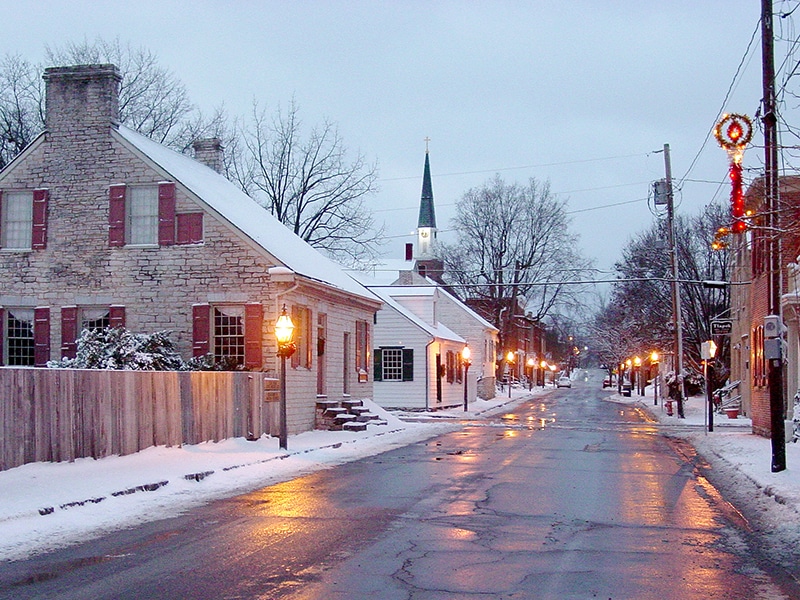
For an in-depth immersion in early French colonial life, a trip to Ste. Geneviève, Missouri, is a must. As one of America’s oldest permanent European settlements, the proud little community offers a mixture of fascinating history and modern charm. And don’t miss the guided tours of its unique historic buildings offered by the rangers at Ste. Geneviève National Historical Park.
ça vaut le détour!
*Featured Image Credit: capitol mural of early Ste. Genevieve by Oscar Berninghaus- State Historical Society of Missouri
When the days get shorter and the weather gets colder, families can start to get cabin fever. If you and your loved ones are looking for fun activities, we’ve got you covered! Lucky for national park enthusiasts, there are several activities inspired by our favorite parks that can help pass the time during the long winter months.
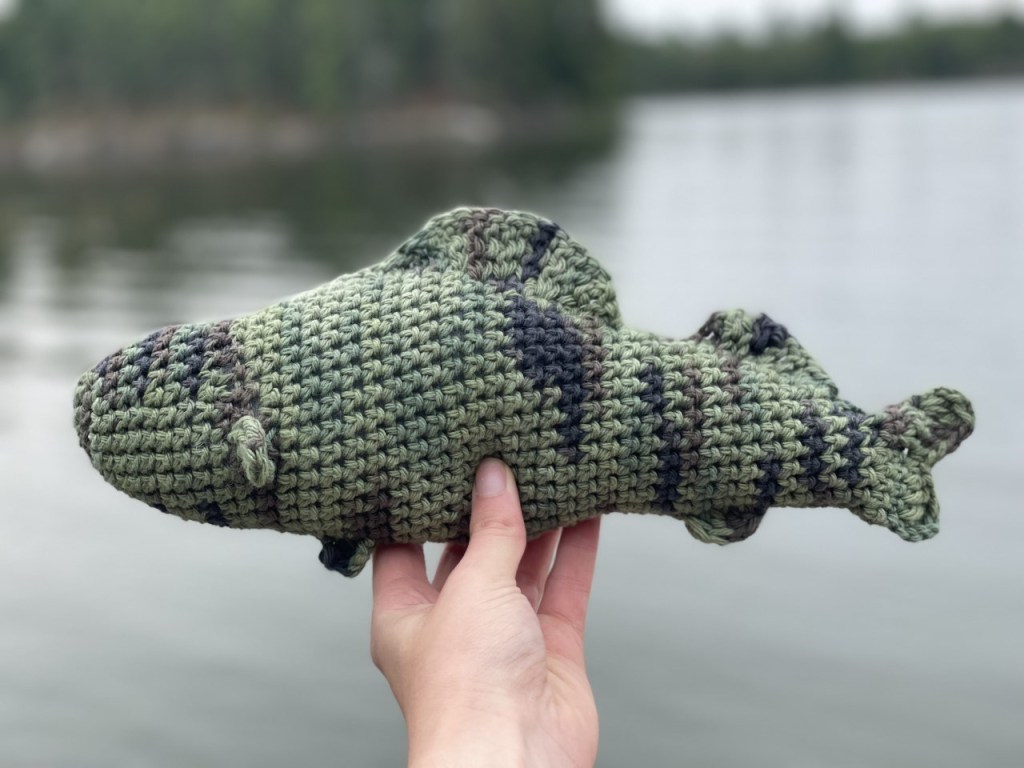
Crochet a Walleye
Voyageurs National Park has 54 species of fish that can be found in the park’s aquatic habitats! Walleyes are some of the most popular, and you can make a cute, cuddly one for yourself. This activity is great for both older kids and adults. If you are new to crocheting, this is a great pattern to try, since it is on the simpler side. Click here to view the instructions.
Credit: NPS
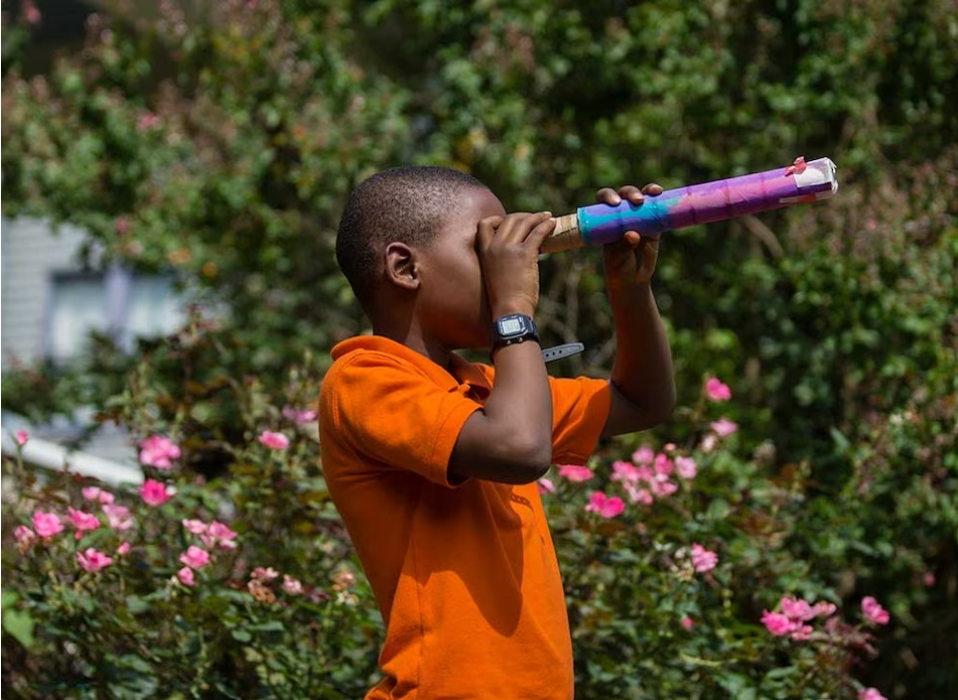
Make a Telescope
On May 14, Lewis and Clark’s Corps of Discovery embarked from St. Louis, MO on an expedition to find a route to the Pacific Ocean. This expedition has been commemorated by many public lands sites along the route they journeyed, including Gateway Arch National Park and the Lewis and Clark Visitor Center at Gavin’s Point Dam. While the kids in your life are cooped up indoors, you can make these working telescopes and go on your own pretend expedition. Since the telescopes are actually functional, you can also use them to view the winter landscape and wildlife out your window! Click here to view the instructions.
Credit: National Geographic Kids
Bake an Old-Fashioned Apple Pie
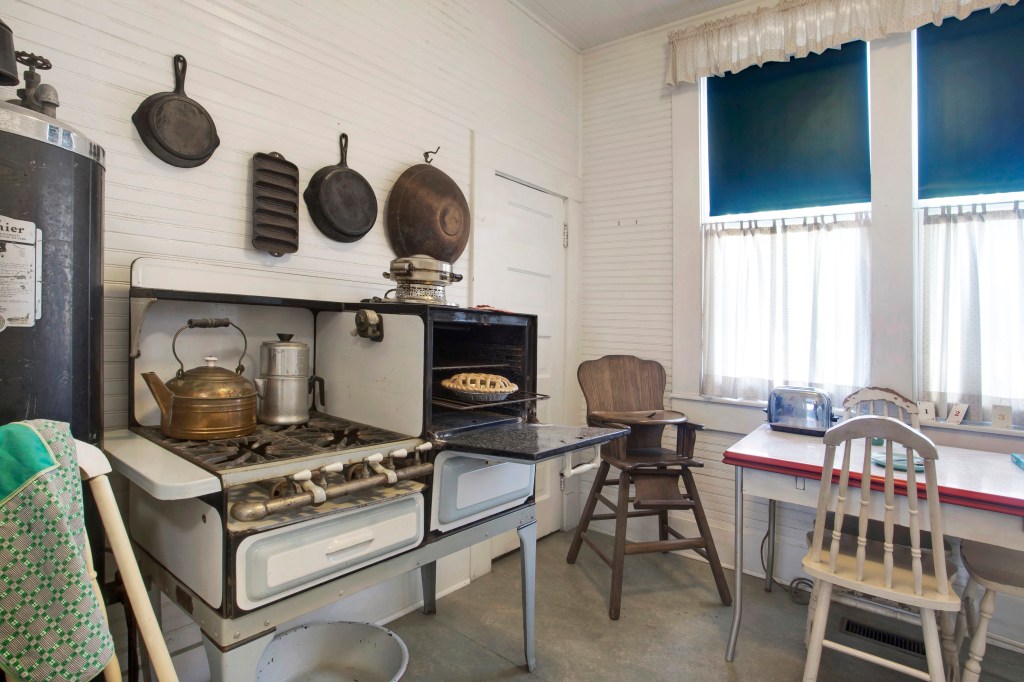
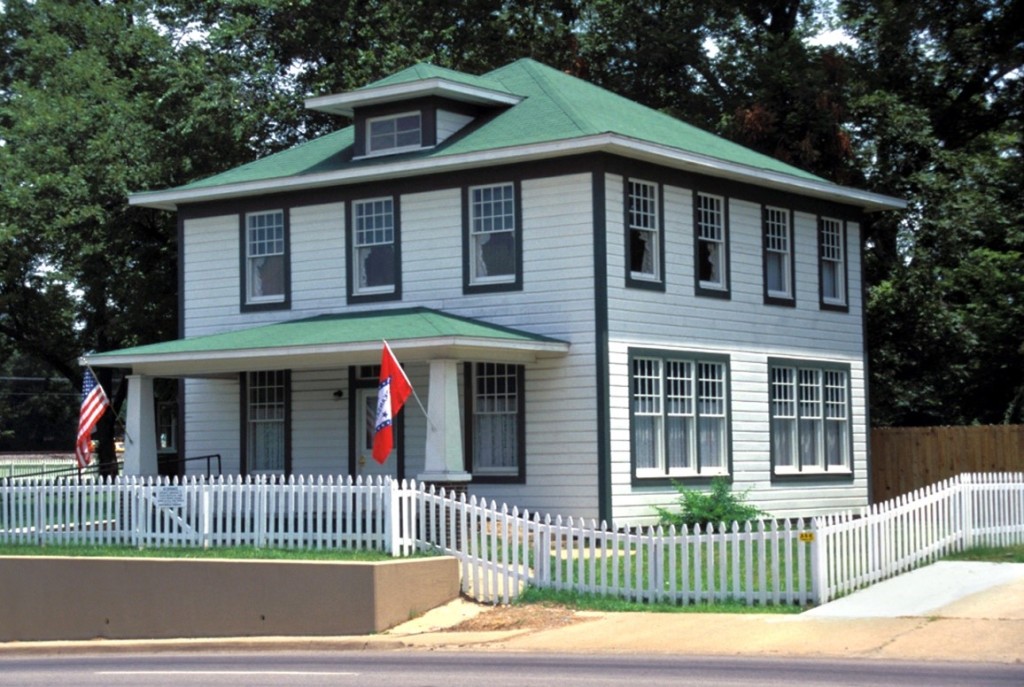
One of visitors’ favorite rooms at President William Jefferson Clinton Birthplace Home National Historic Site is the quaint 1940s-era kitchen, which is fitted out to look as it did when President Clinton lived in the home as a child. It is easy to imagine the family enjoying many warm meals in the modest home, including a nice pie like the one on display. If you want to recreate that same cozy feeling, try baking a delicious old-fashioned apple pie. You can serve it warm on a chilly day or make it à la mode with some vanilla ice cream! Click here to view the instructions.
William Jefferson Clinton Birthplace Home National Historic Site
Weave a Diversity Heart
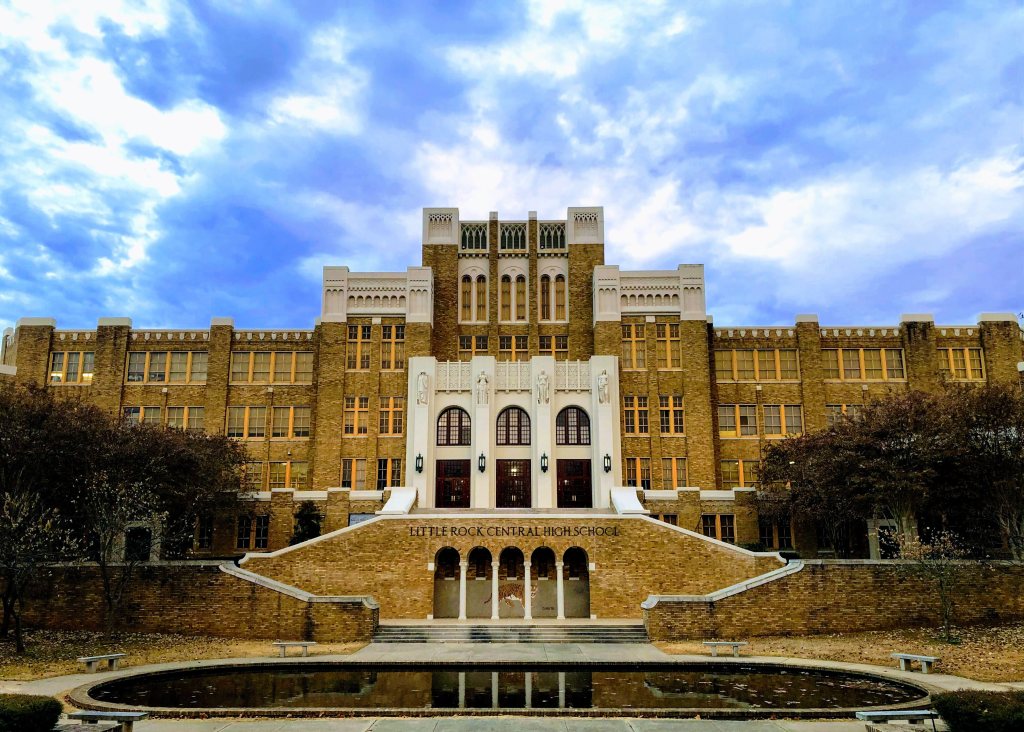
On September 23, 1957, nine African American teenagers entered Little Rock Central High School, defying an angry mob of adults protesting the desegregation of the school. Today, Little Rock Central High School National Historic Site commemorates the story of those brave students as well as the broader civil rights movement in the United States. It is vital that we learn about and remember the struggles in our nation’s history.
If you’d like to help a young person learn to respect people with all shades of skin color, we have a fun craft for you – create a diversity heart. This charming activity was created for classroom students but it’s easy to do at home and doesn’t require many materials. Once it’s complete, it can display the many different skin tones we see in the world, including yours! Just follow the step-by-step instructions here.
Credit: Teach Starter
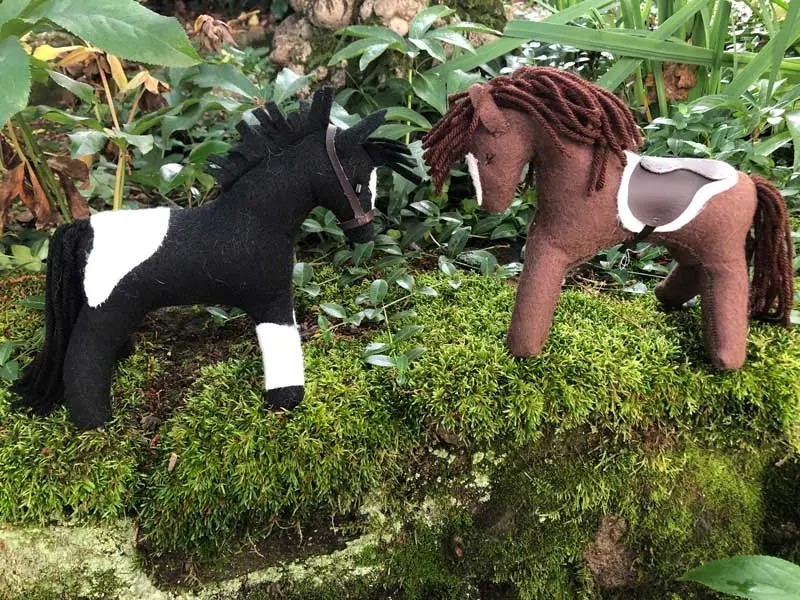
Create a Stuffed Horse
Fans of Ulysses S. Grant probably know the former U.S. president was a superb horseman who kept a number of horses while he lived at White Haven. How about creating a little horse of your own? Younger kids will probably need help making this unique little craft, but the teamwork will be half the fun!
You’ll find complete instructions on making your stuffed horse here.
Credit: Allpony
Make a Whirligig
Kids have always played with toys, but a few hundred years ago there were no stores or websites that sold toys. So what did a child play with when growing up in French Colonial America, like in Ste. Geneviève, Missouri? They created their own toys!
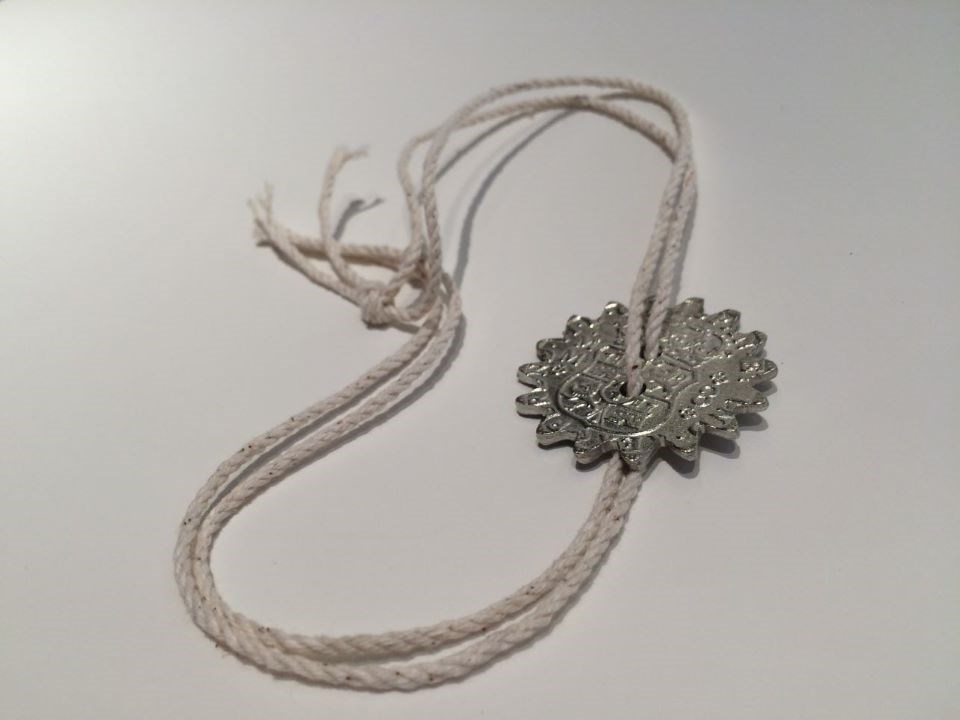
A whirligig was a favorite among 18th century children. This little spinning toy was easy to make from just a few common materials, such as buttons, worn out coins, or hammered musket balls. It was almost as much fun to make as it was to play with.
Want to make your own paper whirligig? Check out these simple instructions. The more you decorate it, the better it looks!
One of our partner park sites – Ste. Geneviève National Historical Park – understandably carries the name of the small Missouri town where it’s located. But have you ever wondered who the “real” Sainte Genevieve was?
Now known as the Patron Saint of Paris, Geneviève lived in 5th century France, where she was widely admired for her piety, devotion, and charitable works. She had frequent visions of angels and saints, and she was appointed by the bishop of Paris to look after other religious women of the city. Though she was reportedly born to a wealthy family in a Paris suburb, Geneviève followed an austere lifestyle. Not only did she impose strict punishments on herself, she ate only twice a week, surviving on small portions of barley bread and beans.
In 451 when Attila the Hun threatened to attack Paris, Geneviève persuaded the panic-stricken residents of the city not to flee but to pray. When Attila’s army diverted to Orléans instead, many credited her intervention with saving Paris. Years later she prevented famine by penetrating a military blockade and delivering much-needed grain to the city.
After living a remarkable 90 years, Geneviève was laid to rest in a Paris abbey. Her burial site became a place of pilgrimage, as worshippers reported many instances of miracles and cures attributed to her intercession. Even today, her name is invoked during natural disasters such as drought, flooding, and widespread fever.
When the town of Ste. Geneviève was founded along the Mississippi River in the 1750s, the French Catholic immigrants named their settlement after Geneviève in the hopes she would protect them from the trials and hardships they would encounter in their new home.
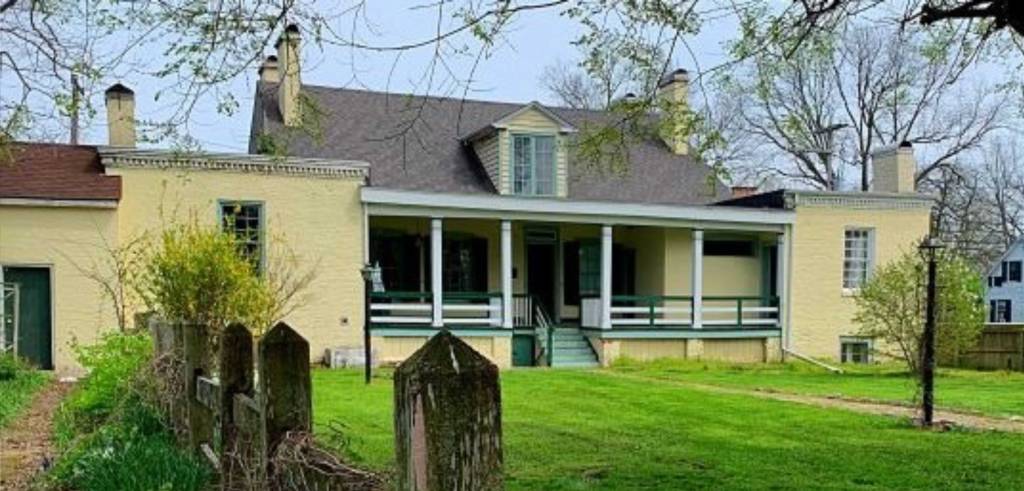
The staff at Ste. Geneviève National Historical Park also honor her legacy with a statue of the beloved saint on an outside wall of the historic Jean-Baptiste Vallé House. Be sure to look for it next time you visit the park.
Feel like hitting the road? Check out our suggestions for a few fun weekend adventures.
Trip 1- St. Louis
Day 1– Let’s start this trip with St. Louis’ own iconic Gateway Arch! Your first stop will be the museum at Gateway Arch National Park, where you will learn all about the history of St. Louis, westward expansion, and the unique architecture contest which resulted in the construction of the Arch. Next, catch a showing of the documentary film Monument to the Dream followed by a tram ride to the top of the Arch. At 630 feet high, you can’t beat those views! For lunch, you can grab a bite at the Arch Café, have a picnic on the beautiful park grounds, or go check out the restaurants downtown. (St. Louis is known for its diverse food offerings.) In the afternoon, take a riverboat tour of the Mighty Mississippi before you do some exploring of Downtown St. Louis. Catch a Cardinals baseball game, go for a stroll through Citygarden Sculpture Park, or take a tour of the National Blues Museum. For dinner, check out the restaurants and nightlife at Ballpark Village.
Day 2– Your main attraction for today will be Ulysses S. Grant National Historic Site in south St. Louis County. Check out the orientation film and take a self-guided tour of the park’s museum, housed in the historic 1872 horse stable that Grant himself designed. Then embark on a guided tour of White Haven, the home where Ulysses S. Grant and his wife, Julia, fell in love and made their life together. Next, head to brunch or lunch at The Barn restaurant before taking a tour of the Thomas Sappington House Museum next door. When you’re done, make sure to take a stroll through Father Dickson Cemetery, one of the first public cemeteries for African Americans in St. Louis. For dinner, take your pick from the many wonderful restaurants in nearby Crestwood, Kirkwood, or Webster Groves.
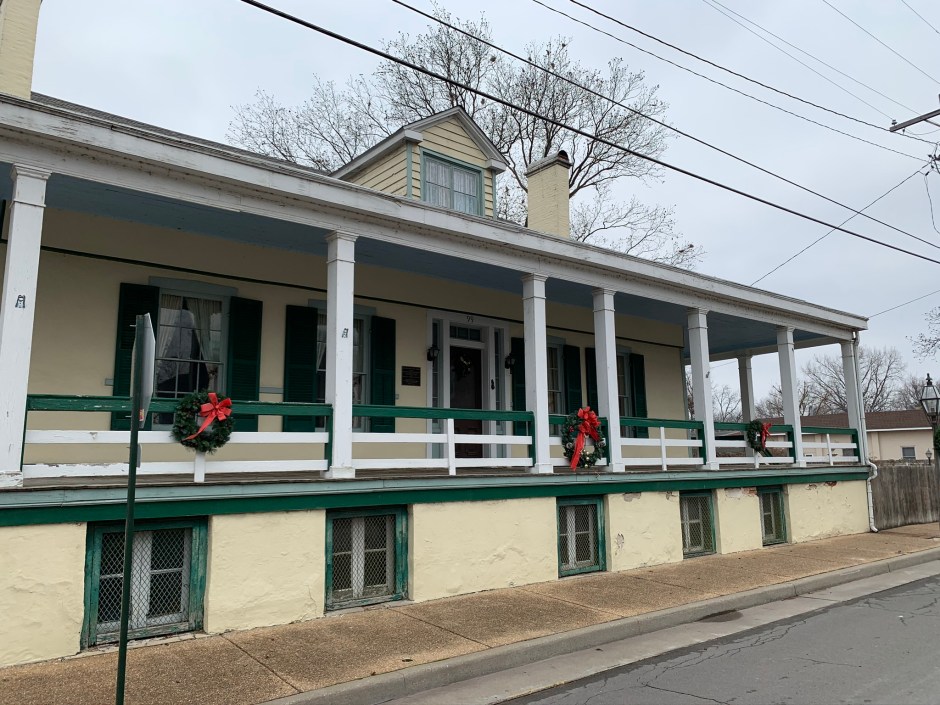
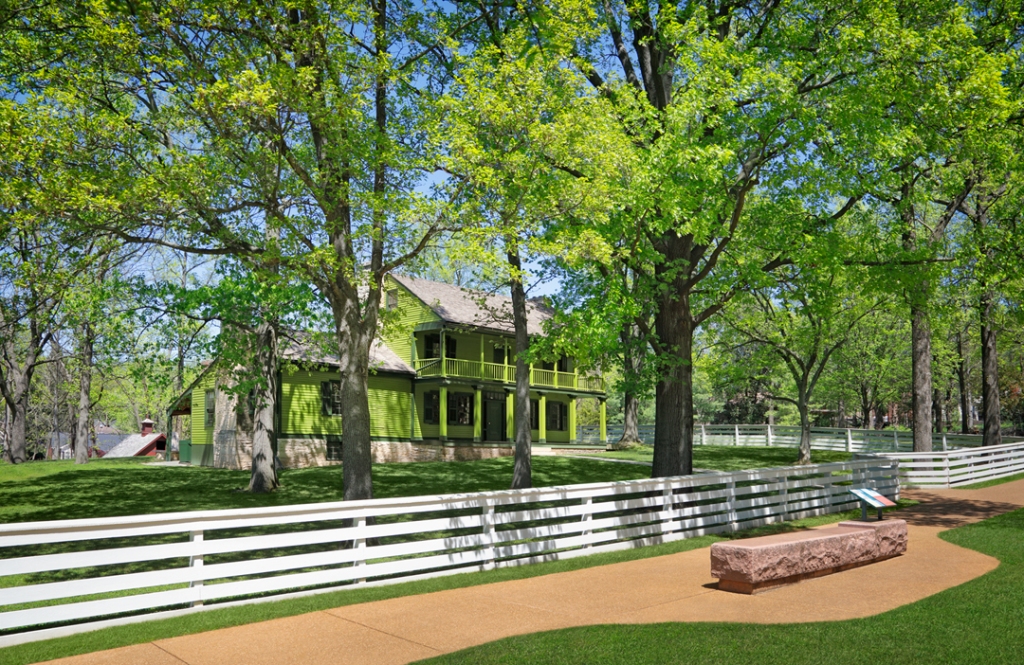
Green Tree TavernJean Baptiste Valle House
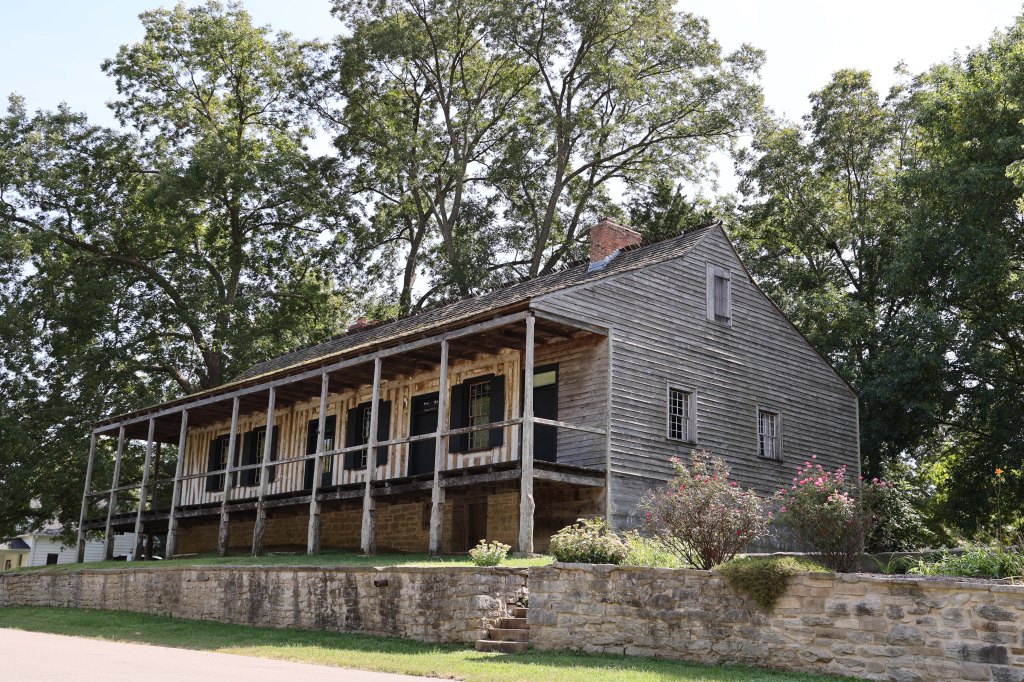
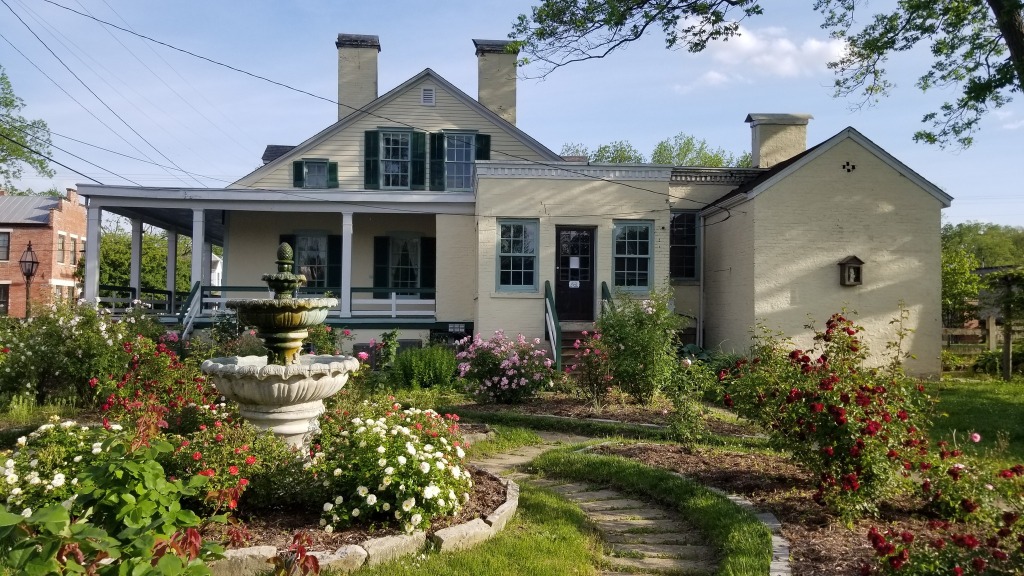
Day 3– On the final day of your weekend trip, you are going to head an hour south along the Mississippi to the beautiful Ste. Genevieve National Historical Park. This unique park is spread out across multiple buildings in the 18th century town of Ste. Genevieve. You can take ranger-led tours of the historic Green Tree Tavern and the Jean Baptiste Valle House. Next, you can wander through this picturesque small town and visit the multitude of shops, museums, and restaurants. For dinner, visit one of the six wineries on the Route du Vin Wine Trail.
Trip 2- Arkansas
Day 1– Every good trip begins with a little hope, and for this trip, we are taking that literally! Your first stop is the President William Jefferson Clinton Birthplace Home National Historic Site in the quaint town of Hope, Arkansas. Stop by the park’s visitor center before taking a ranger-led tour of the home where our 42nd President was born. Next, head down the road for lunch at Tailgaters Burger Co. or one of the other local restaurants. In the afternoon, you can check out the Hope Visitor Center and Museum or the quirky Klipsch Museum of Audio History.
Credit: NPS/Calvin Smith
Day 2– About a 90-minute drive from Hope is the unique town of Hot Springs. One of the first “spa towns,” Hot Springs has a mix of historic architecture and natural beauty. Though Hot Springs National Park is not one of JNPA’s partner parks, we still don’t want you to miss this gem! Your first stop is the Fordyce Bathhouse Museum and Visitor Center to talk to a ranger and learn more about the history of the area. Next, you can check out historic Bathhouse Row or go for a hike on one of the park’s many miles of trails. For lunch, stop by the Superior Bathhouse Brewery, the only brewery located in a national park! In the afternoon and evening, go for a soak at one of the bathhouses, take another hike, or check out Downtown Hot Springs.
Day 3– Continuing northeast for an hour, this trip ends at the capital of Arkansas, the bustling city of Little Rock. At Little Rock Central High School National Historic Site, you will learn about the bravery of the Little Rock Nine and the rocky beginnings of the desegregation of America’s schools. Stop by the park’s visitor center first to view the exhibits and watch the interpretive film. Then, take a ranger-led tour of the school, which is still in use today. Ask the park rangers for a lunch recommendation before heading into the city to check out one of the many other cultural institutions. Don’t forget to visit the State Capitol Building, which offers free guided tours. Animal enthusiasts may want to see the Little Rock Zoo, or art aficionados may enjoy the Arkansas Museum of Fine Arts. For an outstanding ending to your Arkansas vacation, check out one of the many local restaurants for dinner.
Trip 3- Northern Minnesota
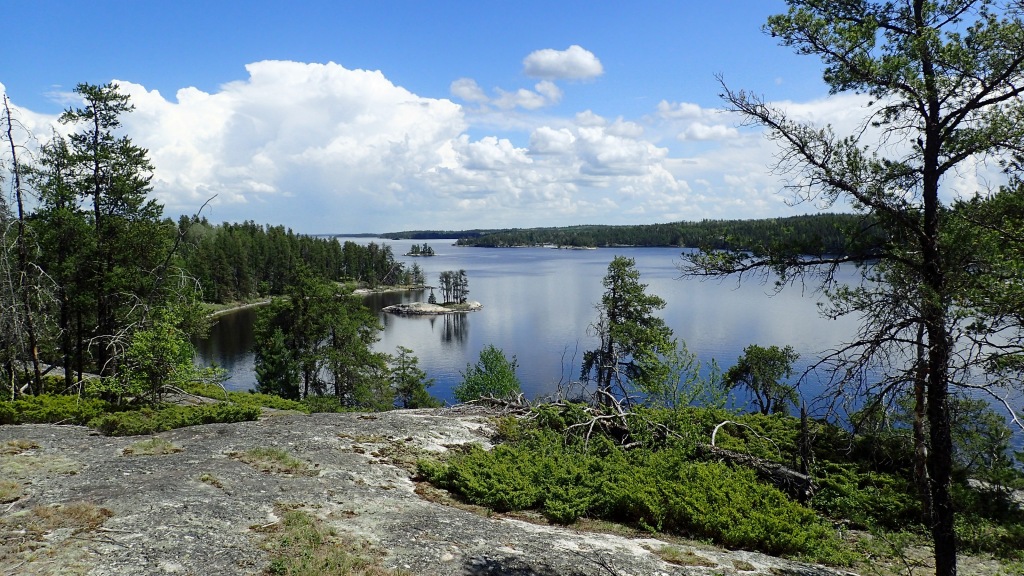
Day 1– At over 200,000 acres, Voyageurs National Park will take up all three days of this getaway. Your first stop will be one of the three visitor centers. The largest, Rainy Lake Visitor Center, offers exhibits, an orientation film about the park, and a bookstore (operated by you-know-who). Next, head out on one of the park’s many hiking trails to take in the scenery. Bring a picnic lunch to enjoy along the trail, but make sure to pack out what you pack in. End your day by getting settled into your lodgings. You could opt for the Kettle Falls Hotel or get a bit more adventurous: there are a variety of camping options at Voyageurs or you could even rent a houseboat!
Credit: NPS
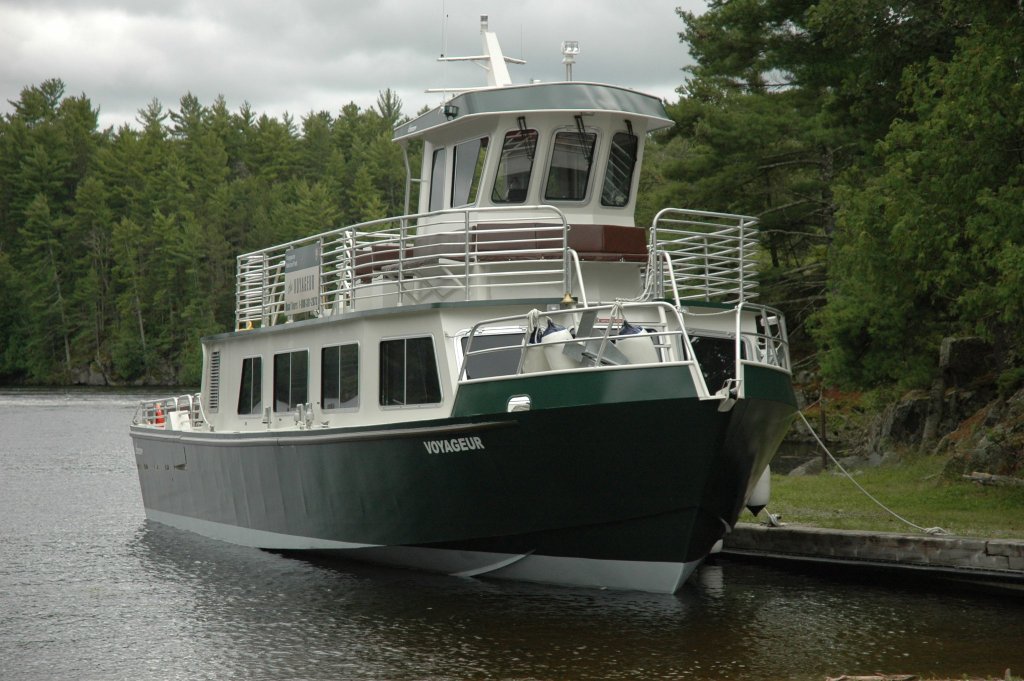
Day 2– For your only full day at the park, take the opportunity to participate in a guided tour or two. In the Rainy Lake district, you can take a boat tour aboard the Voyageur, or in the Namakan district, you can voyage on the park’s newest tour boat, the Ne-zho-dain. If you are feeling extra adventurous, sign up for one of the park’s North Canoe Voyages, where you can paddle a replica of a north canoe while being immersed in an on-the-water living history lesson!
Day 3– For your final day at Voyageurs, take time to check out the Ellsworth Rock Gardens and the Harry Oveson Fish Camp, or do a bit of birdwatching. Then on your way out of the park, stop by one of the gateway communities, such as International Falls, to see the sights and restaurants they have to offer.




















 JNPA Blog