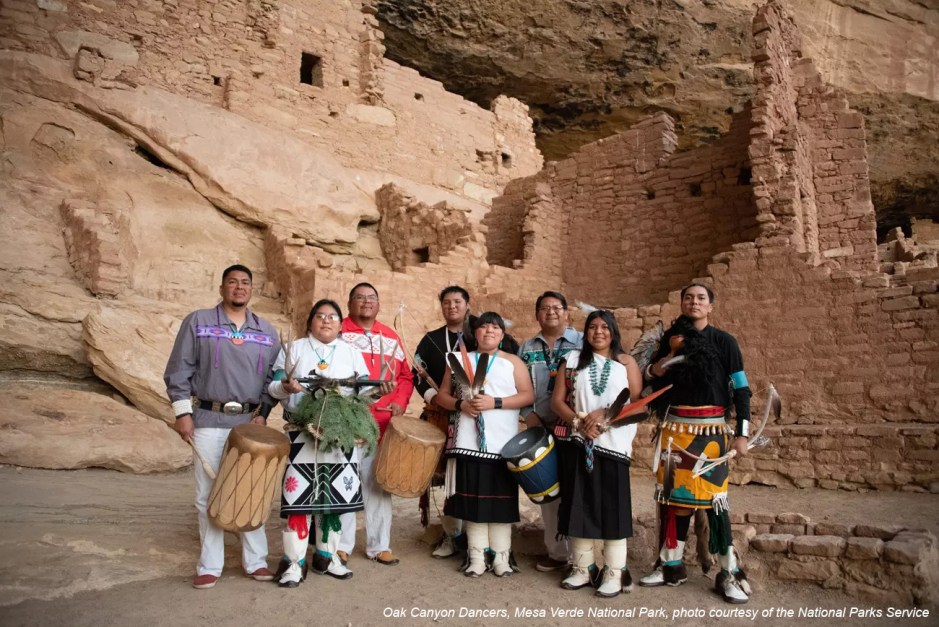
Long before Europeans explored and ultimately colonized the vast expanse of the United States, the land was home to many cultures dating back millennia. Today, our national parks celebrate these Indigenous cultures by preserving and sharing their many stories, histories, traditions and perspectives.
In honor of the upcoming Indigenous Peoples’ Day on October 14, we thought it was fitting to highlight how some of our partner sites are collaborating with neighboring Native tribes to develop new programs and exhibits.
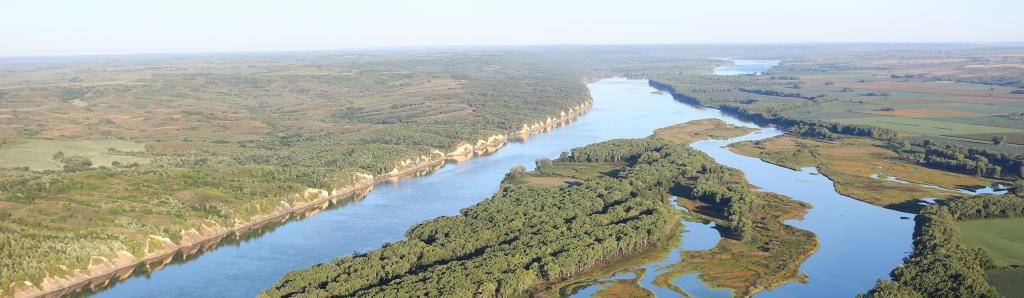
Staff members at this Northern Plains park along the mighty Missouri are working to establish partnerships with the three tribes that call the park’s stretches of river home: the Yankton Sioux Nation, the Santee Sioux Nation, and the Ponca Tribe of Nebraska. They hope to develop programs for Native youth as well as opportunities for tribal elders to share their knowledge and teachings with their youth.
JNPA will support the park’s tribal partnership project with our new Blue Sky Grant funds.
Voyageurs National Park, Crane Lake Visitor Center
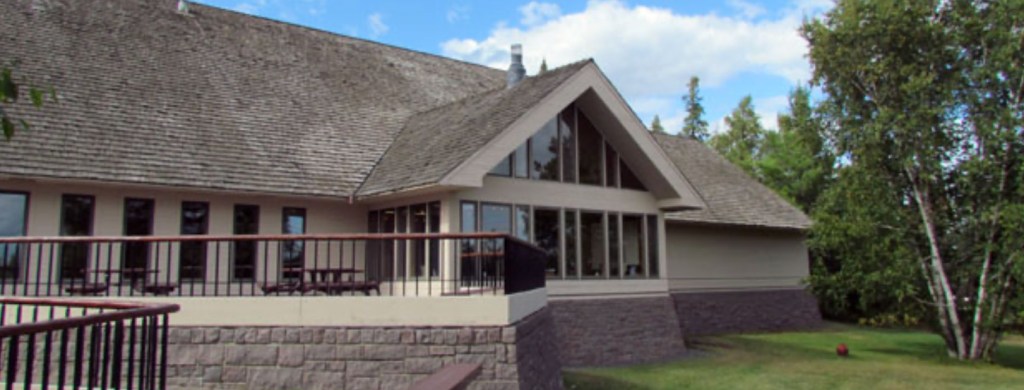
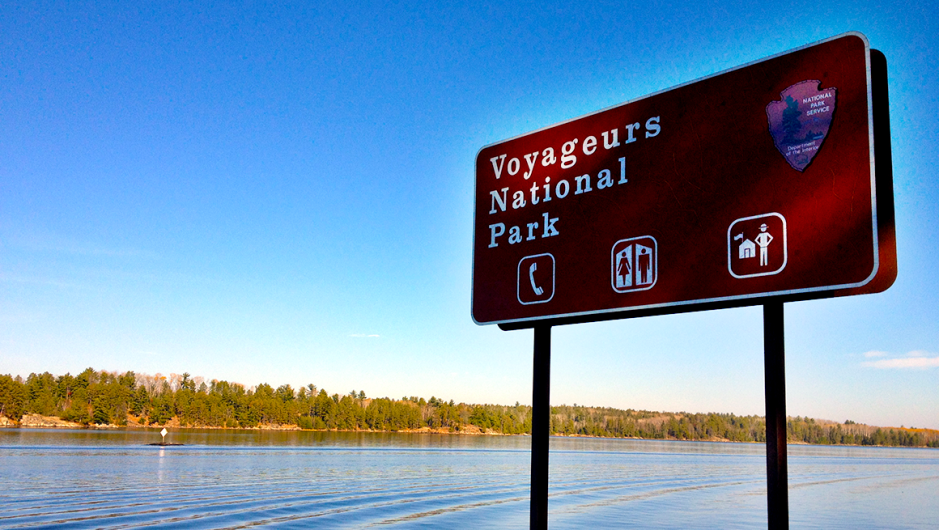
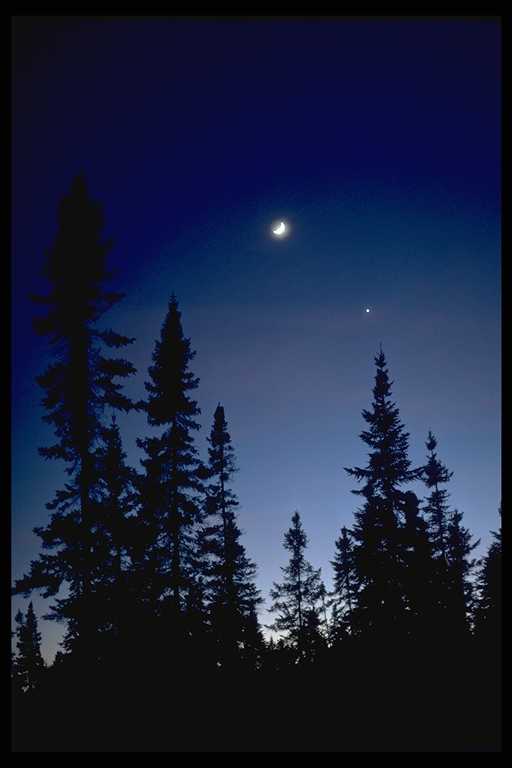
This northern Minnesota park is collaborating with Indigenous Ojibwe members of the Bois Forte Tribe on the creation of exhibits at the new Crane Lake Visitor & Education Center. New interpretive media will highlight themes of Indigenous knowledge, specifically incorporating traditional ecological knowledge of the Ojibwe/Anishinaabe people. There will be exhibits focusing on natural dark sky stories and the cultural history of the waterways that flow through Voyageurs National Park and the borderland region.
JNPA is supporting Voyageurs’ development of new Indigenous-focused exhibits with our new Blue Sky Grant funds.
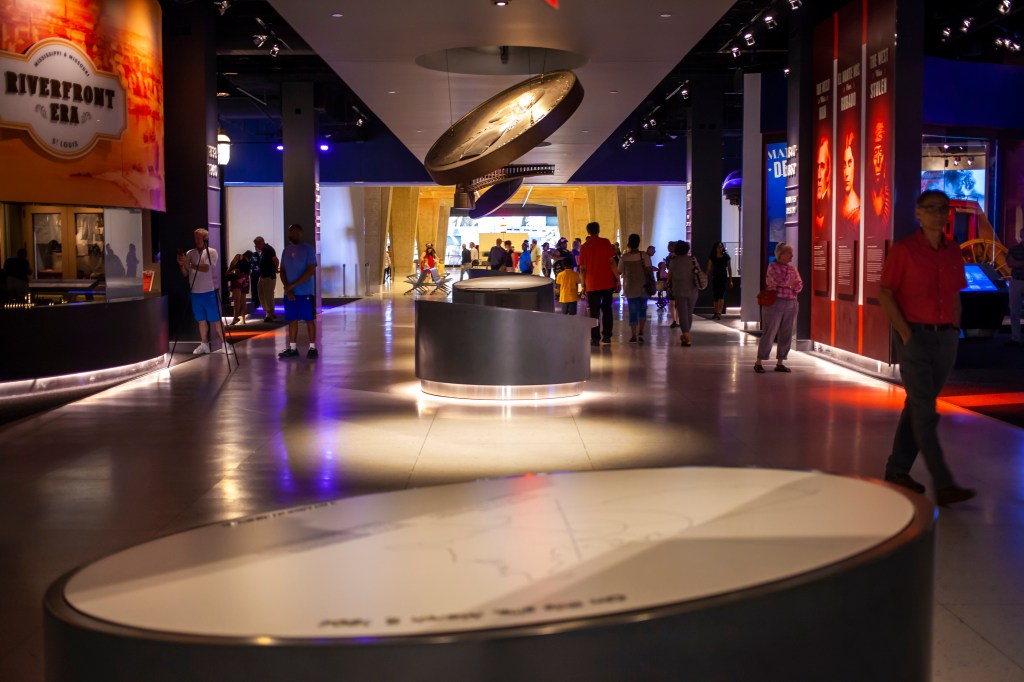
When the new Museum at the Arch was under development, park staff at the Gateway Arch worked with many tribal nations, including members of the Osage Nation, to ensure the exhibits accurately reflected their perspectives. And since terminology tends to change and new Indigenous perspectives or research findings emerge, park leadership plans to host a gathering next year that would bring tribal consultants on site for an in-depth review of the museum exhibits.
The park staff also consults with Native Americans as it develops education and interpretive programs, to ensure the content incorporates tribal perspectives. And for special events, staff training and teacher workshops, the park tries to provide honorariums to Indigenous representatives so they can present programs in person—rather than having staff speak on their behalf.
In addition, the park is working to identify any objects in the collections or on display that might fall under the Native American Graves Protection and Repatriation Act (NAGPRA). With the advice of tribal representatives, the park would need to identify any sacred or burial items that should be removed from display and/or returned to the respective tribes.
JNPA regularly underwrites fees for Indigenous speakers who deliver park programs.
When you picture someone who works for a national park, you probably think of a ranger in a flat hat, but did you know that park rangers are not the only ones who keep these treasured sites running? In fact, it takes a wide range of talented people to protect and maintain these historic sites and natural spaces. Today we’re starting a blog series to shine a light on the employees at our partner sites who spend day in and day out taking care of these amazing public lands and their visitors – ranging from specialists in law enforcement and groundskeeping to administrative staff and so many others.
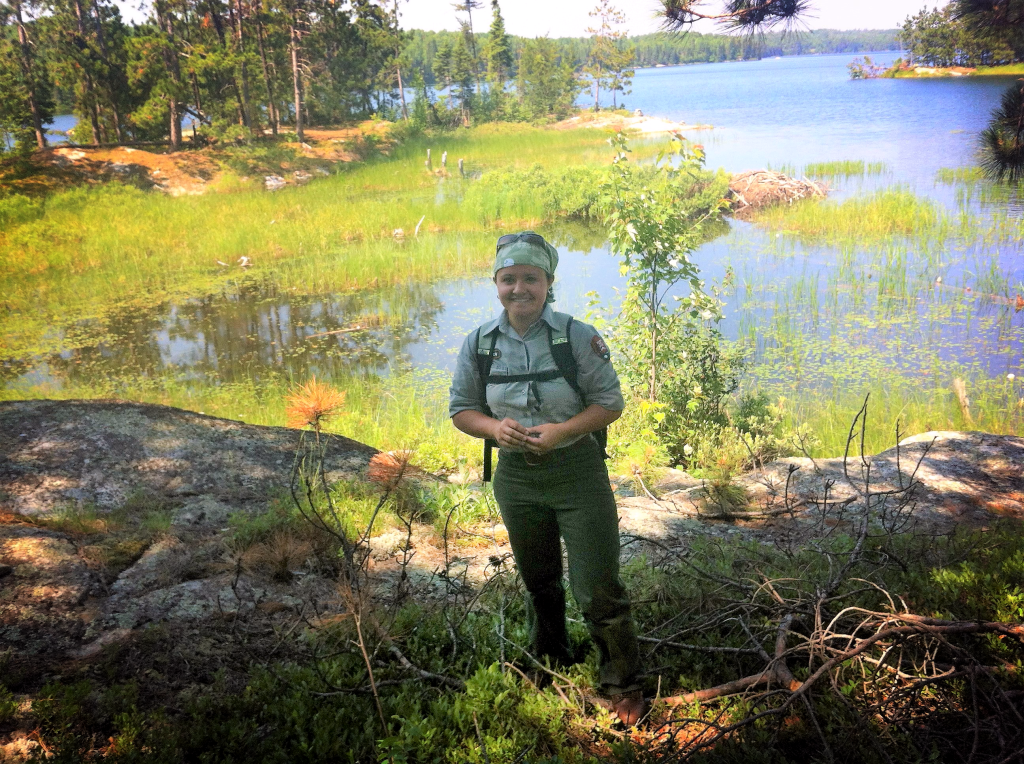
First up, we spoke to Candy Braton, Recreation Fee Specialist at Voyageurs National Park. Candy started her career as a seasonal maintenance worker at Voyageurs in 2001. Seasonal work was perfect for Candy while she completed her master’s degree in environmental studies and raised her two small sons. She also worked at Rocky Mountain National Park before moving into her fulltime current position at Voyageurs in 2018.
Candy on her first hike to Cruiser Lake.
What made you want to pursue a career in public lands?
My desire for a career with the NPS grew very organically. I slowly realized as I attended college that what I was doing for my summer job, and where I was spending my summers, were what I was becoming most passionate about. I wanted to be involved with caring for special places such as Voyageurs and doing what I could to help others understand the need to care for them as well. After two years of college, I switched my major to Environmental Studies and finally felt certain that my educational and future career goals were aligned with what simply made me happy.
What is your favorite part of the job?
I am admittedly a nerd when it comes to helping people plan trips in the park or looking into camping statistics at VOYA, so if I’m in the office I genuinely enjoy doing those things, but I love when I get the chance to get back in the field doing just about anything. One part of managing the Rec Fee program at VOYA is completing collections of park donations, which guarantees me at least a few chances to take a boat to Ellsworth Rock Gardens each season, and managing certain aspects of our backcountry camping opportunities gives me reason to get in a few hiking trips for work in as well.
What is particularly special about Voyageurs National Park?
What I love about Voyageurs is you can always escape crowds. No matter where you are on the lakes you can find somewhere to feel completely secluded. I love that there is so little development that when you look at the long stretches of rugged shoreline, it feels timeless – you’re seeing it the same way people did in the past and how people will continue to see it generations from now because of the existence of the park.
What is a funny/favorite memory from your job?
When I was cleaning campsites one season, I had a student seasonal working with me, and as we were driving our boat in a channel we saw something small swimming in the water. We came to a stop to try and figure out what it was, at which time it turned and started swimming right toward us. As it got close to the boat, we realized it was a racoon, and it started scratching at the boat like it was trying to get in. My coworker started yelling and ran to the other side of the boat, ready to jump out if the racoon got in, because it just so happened that she had an intense fear of racoons of all things! Some other favorite memories are when I got to camp for a week in the backcountry for work, or when I’d sit quietly on random shorelines to have lunch and would see deer come out of the woods for a drink from the lake, families of otters frolicking on the shoreline, loons feeding their babies, and all sort of other things I’d try to remind myself most people don’t get as a job perk!
Candy leading the 2023 Seasonal Rangers to a backcountry lake.
What advice do you have for someone who wants to start a career with public lands?
My advice would be to explore the public lands near you; become familiar with them both from the resource perspective and the visitor perspective. Volunteer your time or apply for a variety of seasonal positions to get tangible experience in the different areas that interest you and help narrow down the type of job you find most fulfilling. Our charitable partner, the Voyageurs Conservancy, leads a Teen Ambassador program that gets groups of youth out into the park for an immersive experience camping, connecting with the land, learning about the park, and getting exposure to the wide array of work and research that happens in the park. There are also a variety of conservation organizations that give groups of high-school-aged students opportunities to camp in parks while completing valuable projects. Here at VOYA, the Conservation Corps of MN (CCM), the Student Conservation Association (SCA), and Youth Conservation Corps (YCC) are common youth organizations that do this.
Why do you think national parks and public lands are important?
National parks and public lands are important because they preserve the most beautiful and unique landscapes throughout the country. They are places of great historical and cultural significance, while also being home to some of the most biologically diverse environments. They are places that offer inspiration with their breathtaking views, the ability to slow down and feel connected to nature in a busy, fast-paced world, and an endless array of recreational opportunities so everyone can experience them in the ways that they enjoy most.
We’ve all heard about invasive plants and the havoc they can wreak on natural ecosystems, including our own backyards. But what do you do when you’re faced with 500 acres of an aggressive invasive plant that is threatening wildlife and degrading local habitats?
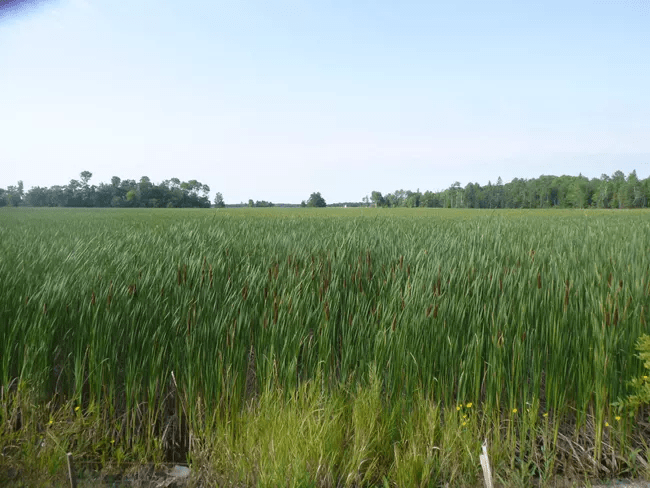
Dense mats of invasive cattails crowd out native plants – NPS photo
That’s the problem facing Voyageurs National Park. Several decades ago, hybrid cattails started invading some of the 20,000+ acres of wetlands in Voyageurs. They began to form dense floating mats on the surface of the lakes, choking shorelines and displacing native communities of plants such as wild rice, sedges, rushes, and the less hardy species of native cattails. The invasives also threatened the habitat of numerous aquatic animals in the park, including muskrats, waterfowl and other birds, and various fish species like northern pike.
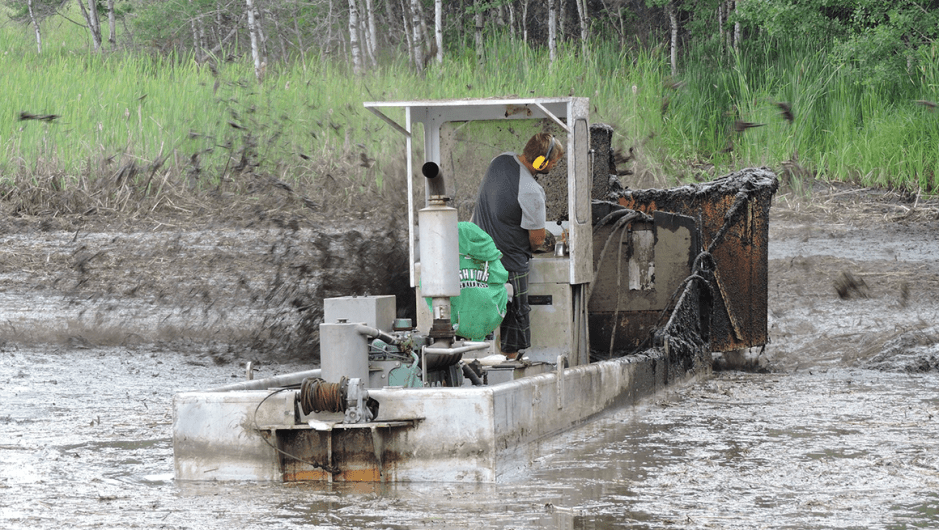
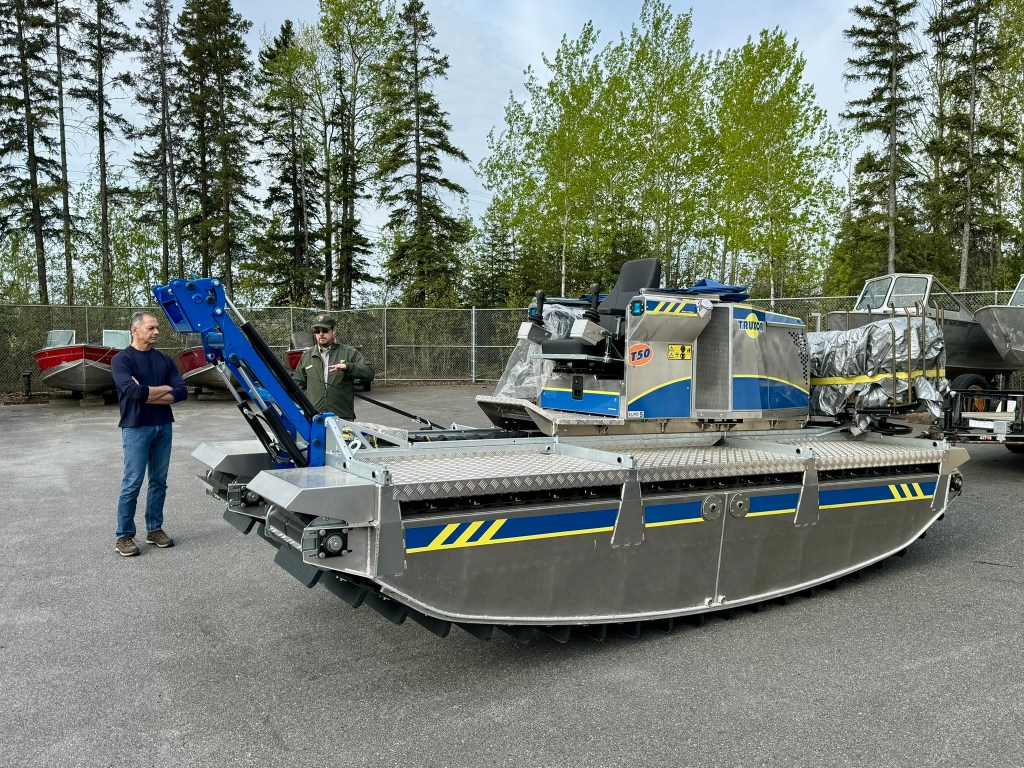
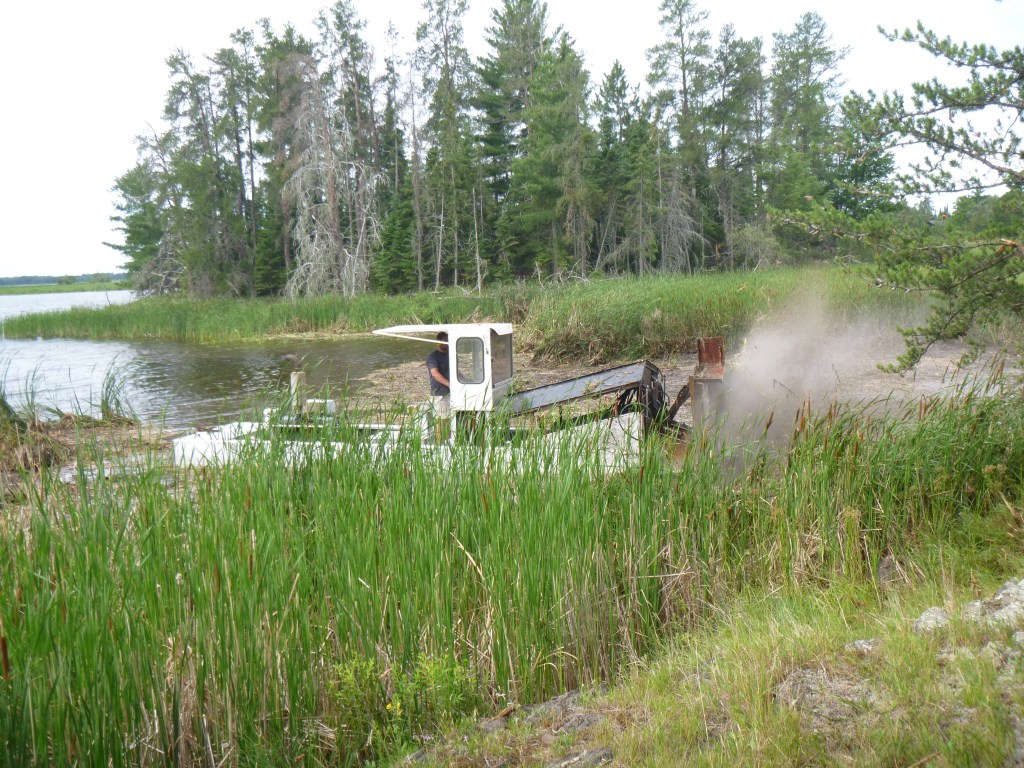
Park officials have had some success in removing the invasive cattails with controlled burning. But they found the most effective scheme is to make use of large (and costly) amphibious equipment to mechanically remove the unwanted cattail clumps.
One of the new amphibious machines
Fortunately, Voyageurs was able to qualify for a new Guaranteed Match Program that JNPA started offering its partner sites. With $10,000 in matching funds from both JNPA and the Voyageurs Conservancy, the park was able to secure a $20,000 grant from the Conservation and Outdoor Recreation Challenge Cost Share Program from the National Park Trust. A total of $40,000 was dedicated to the cattail removing equipment.
Removing invasive cattails – NPS photo
“JNPA is proud to serve our park partners by supporting their important work,” says JNPA President & CEO David Grove. “So we’re very pleased to help fund this ecosystem restoration project at Voyageurs.”
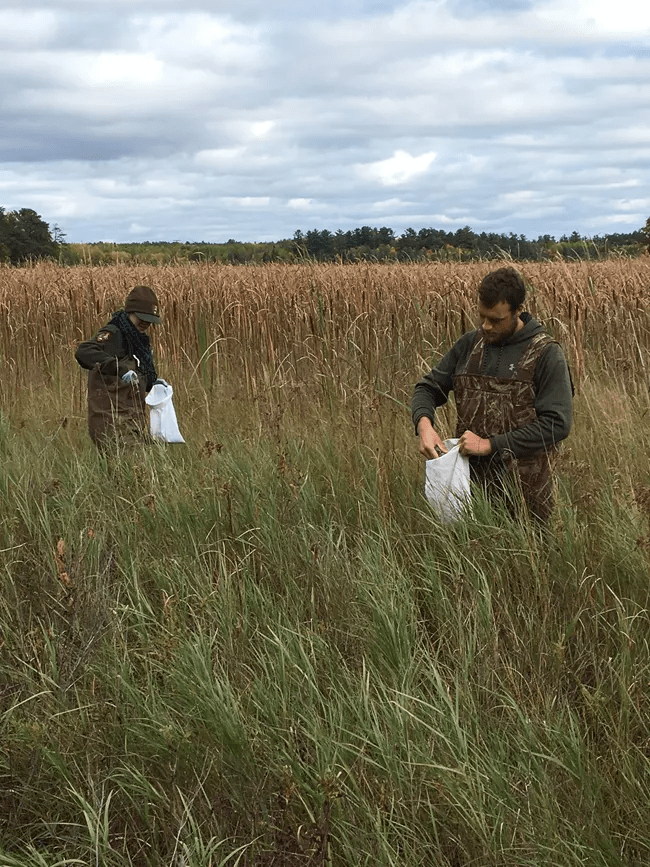
Gathering seeds from native wild rice – NPS photo
Once the non-native cattails are removed, the park plans to restore many of the degraded wetlands using seeds from local plant species, encouraging the return of healthy and diverse ecosystems. This fall, the Voyageurs Conservancy will host a volunteer program aimed at collecting wild rice seeds from healthy areas of the park and sowing them in the newly renovated wetland areas. Wild rice has long been an important food for the native Ojibwe people. Historically the wild rice in the area that is now Voyageurs National Park was so plentiful that during the fall harvest the Ojibwe could fill one canoe with 400 pounds of rice! When you visit one of JNPA’s stores in the park, be sure to pick up a few bags of native wild rice.
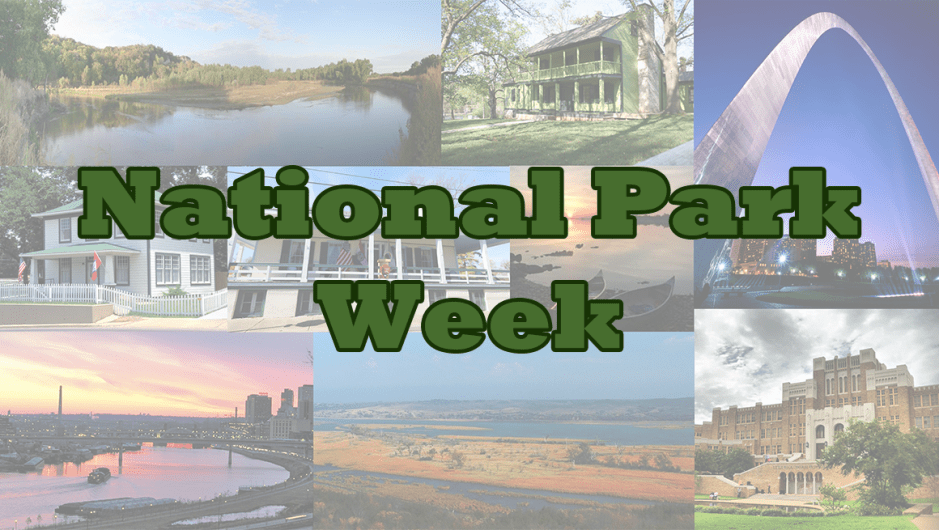
Are you a fan of national parks? Beyond just paying them a visit, do you want to get more involved in their events and activities? Then National Park Week is for you!!
In August of 1991, the very first National Park Week was established to honor the National Park Service’s 75th anniversary. Since then, it has been celebrated in April alongside Earth Day. This year, National Park Week is April 20-28, and each day is themed around a unique aspect of the national parks.
It is also Park Rx Day, focusing on the connection between the health of people, the health of parks, and the health of our planet.
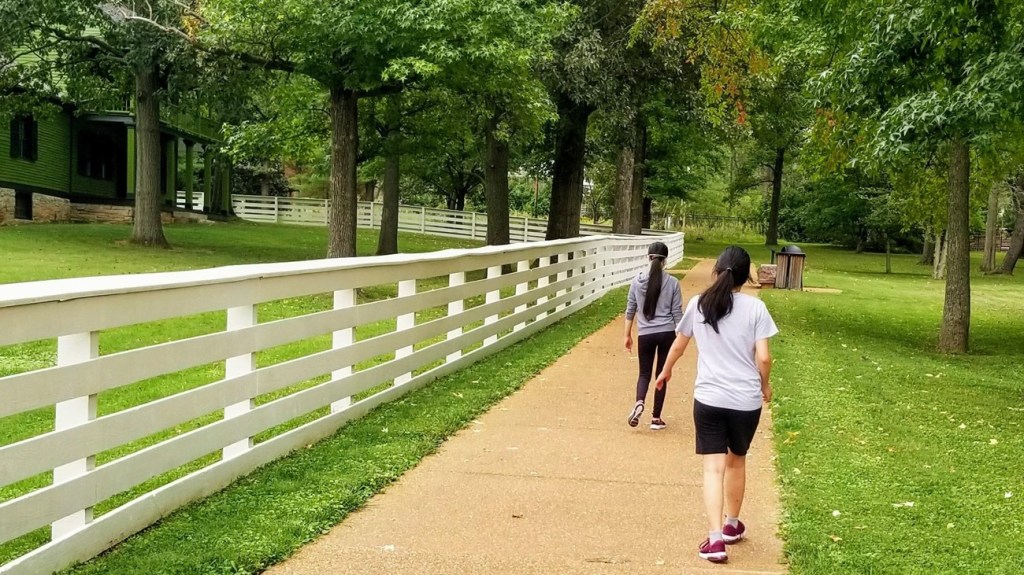
If you are in Missouri, we highly recommend attempting the NPS Wellness Challenge. All seven of the national park sites in Missouri offer challenges in three categories that visitors can complete: mental, physical, and learning. If you complete a challenge, you can earn a Wellness Challenge Badge!
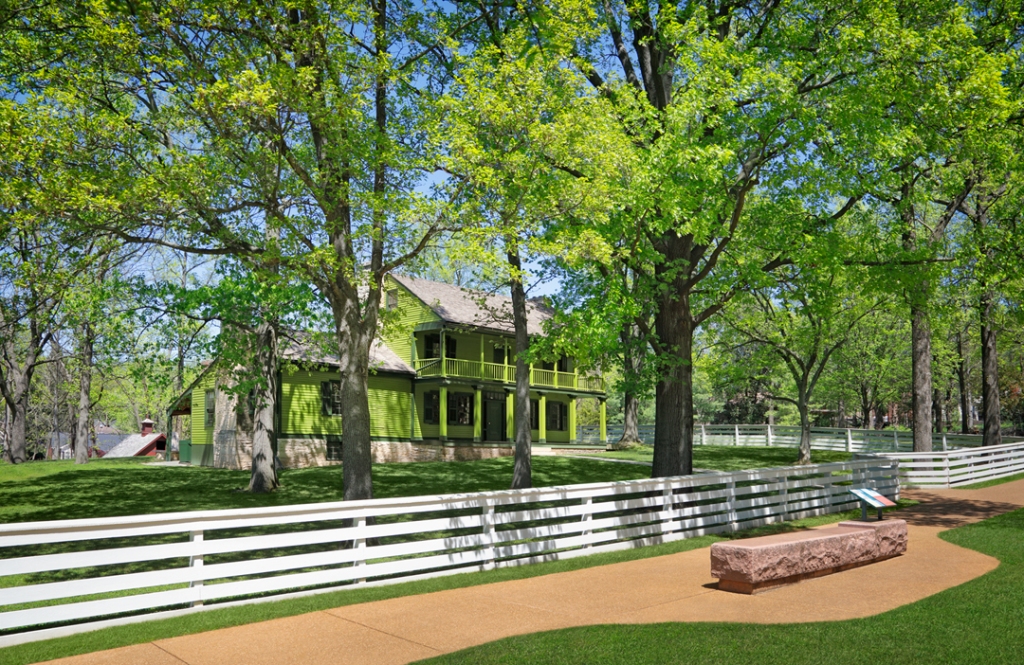
Visitors take a walk through history as part of the NPS Wellness Challenge at Ulysses S. Grant National Historic Site. Credit: NPS
April 21 – Volunteers
Have you ever wanted to volunteer at a national park but either lived too far away or could not find activities that fit your schedule? Now you can volunteer VIRTUALLY as a citizen archivist! Ahead of the upcoming 250th anniversary of American Independence, the National Archives and Records Administration is collaborating with the National Park Service to have volunteers transcribe Revolutionary War Pension Records. These records hold incredible, untold stories of the American Revolution, and once transcribed, will be a permanent contribution to our country’s historical record.
Want to get outside to volunteer? Gateway Arch National Park is having its first ever BioBlitz on April 28. Volunteers will use the iNaturalist app to document various types of wildlife found in the park.
April 22 – Earth Day
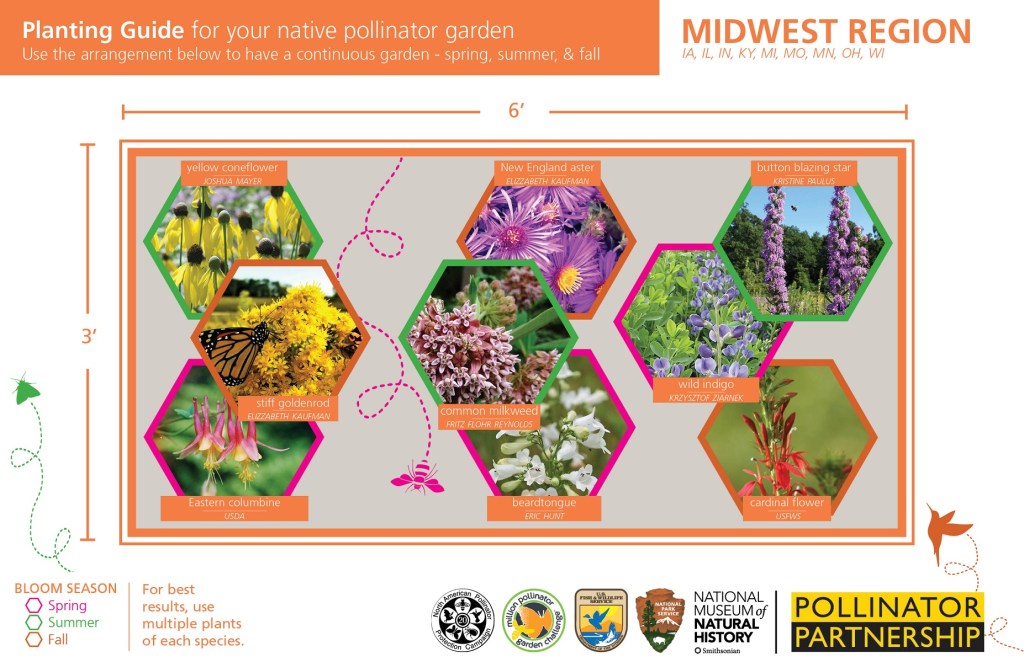
On Earth Day, you can join an event at a park near you, or you can learn about all the great ways to practice conservation at home. By taking a few small steps, you can do your part to help protect pollinators, birds, bats, oceans, and even our night skies!
April 23 – Innovation
National Park sites are full of innovative ideas, programs, and technology. For Innovation Day, check out a few of our past blog posts about innovation in some of our partner parks:
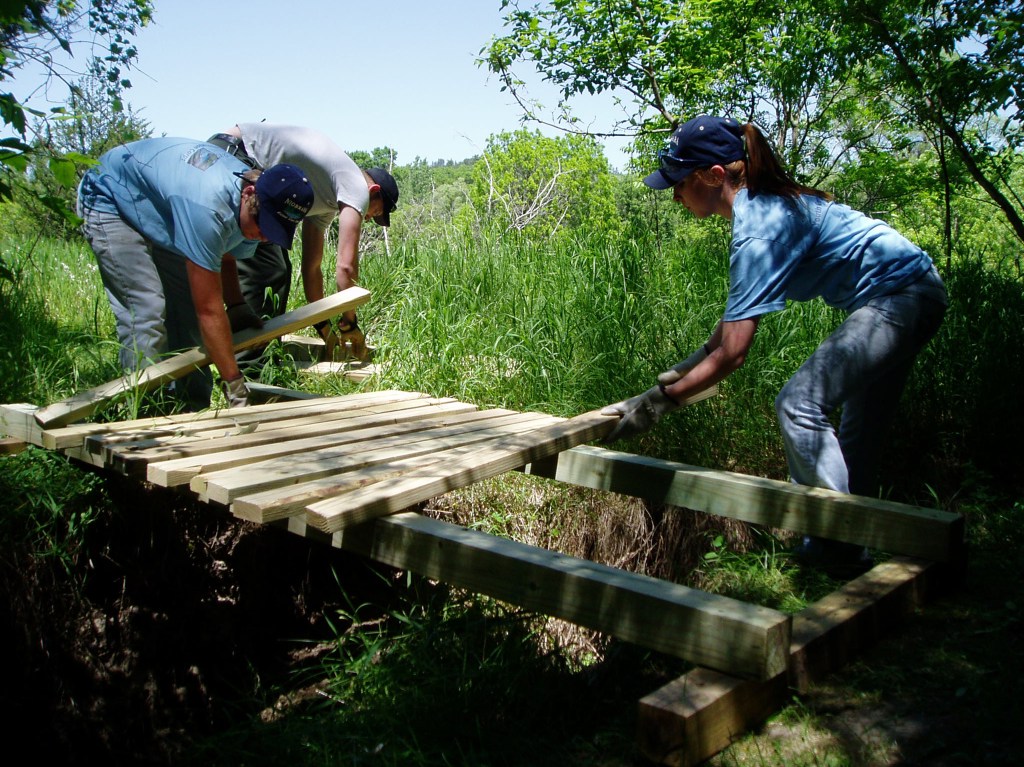
After joining the webinar on Workforce Wednesday, young people between the ages of 15 and 18 can take the next step on their National Park Journey by researching and applying for opportunities with the Youth Conservation Corps! One of our partner parks, Voyageurs National Park, even has an upcoming opportunity May 13 – June 13 for Corps members to repair boardwalks and complete trail maintenance in the park.
Youth Conservation Corps installing a bridge at Niobrara National Scenic River. Credit: NPS
April 26 – Community Connections
Did you know that the National Park Service’s work does not stop at a park’s boundary? Every day, parks across the country partner with their surrounding communities to expand their mission of conserving the natural and cultural resources of our country for the “enjoyment, education, and inspiration of this and future generations.” A few notable examples in the JNPA network of sites include:
Mississippi National River and Recreation Area– This park is incredibly unique because the National Park Service owns only 67 of the 54,000 acres that the park encompasses. The rest is made up of city, state, and regional parks, a national wildlife refuge, and private businesses and homes. This “partnership park” can only achieve its mission by working closely with the community to achieve their shared goals.
Lower Mississippi Delta Initiative (LMDI)- This outstanding grant program is funded by the National Park Service and co-administered by JNPA. These grants fund small-scale cultural heritage projects at not-for-profit community organizations in the Lower Mississippi Delta Region.
Crosby Farm at Mississippi National River and Recreation Area. Credit: NPS
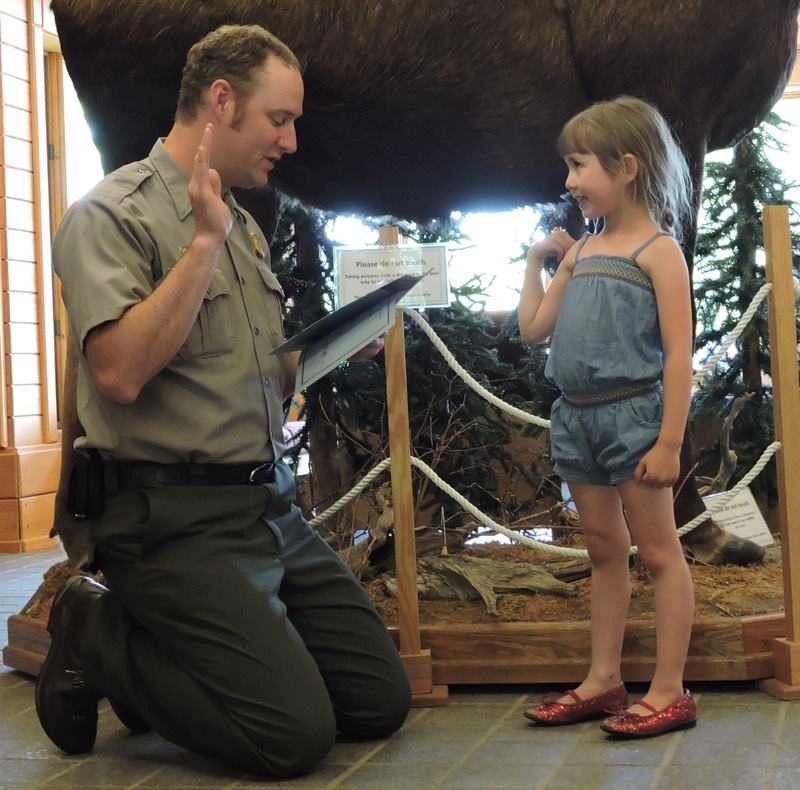
Swearing in a Junior Ranger at Voyageurs National Park Credit: NPS
April 28 – Arts in the Parks
When you think of national parks, art may not be the first thing that comes to mind. However, all five of the “fine arts” play an important role at national park sites.
Painting – Beginning in the 1800’s, beautiful landscapes of the American West were captured by the painters of the Hudson River School. These paintings helped inspire support for the creation of the national parks. This tradition continues today with the NPS Artist-in-Residence program.
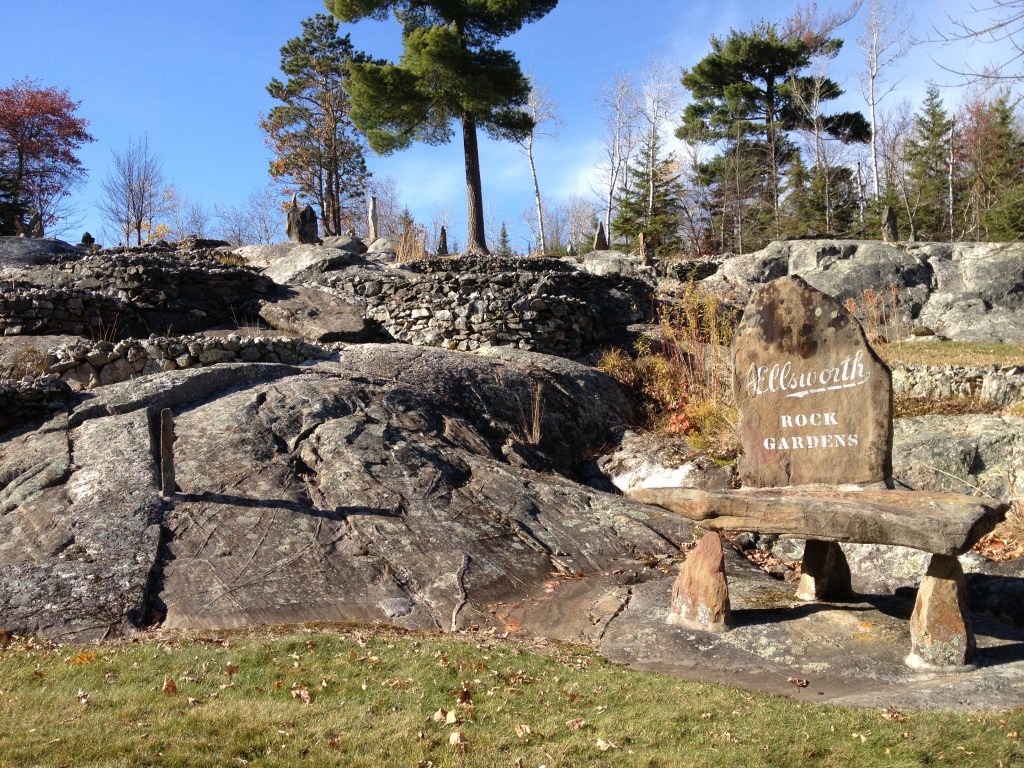
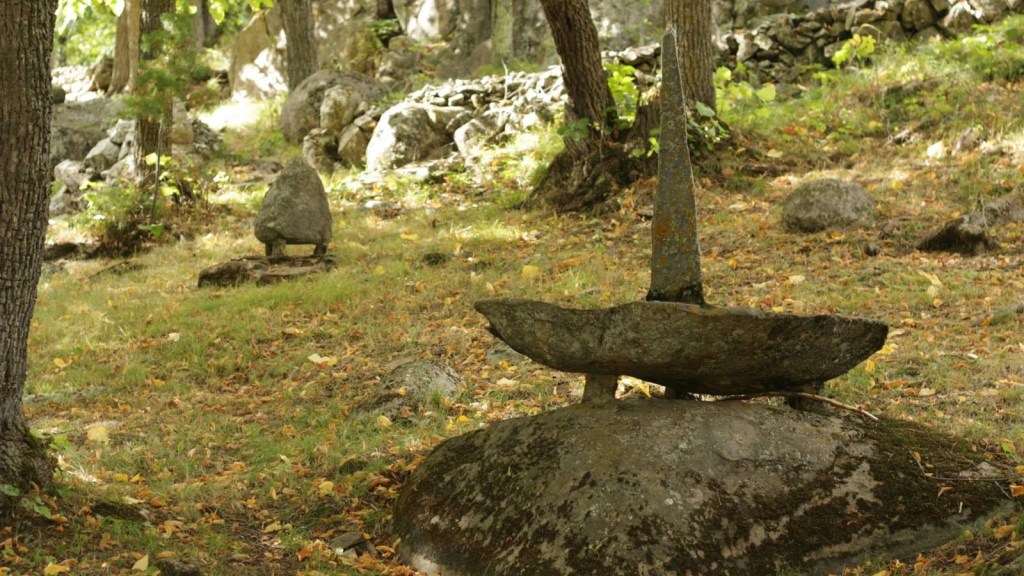
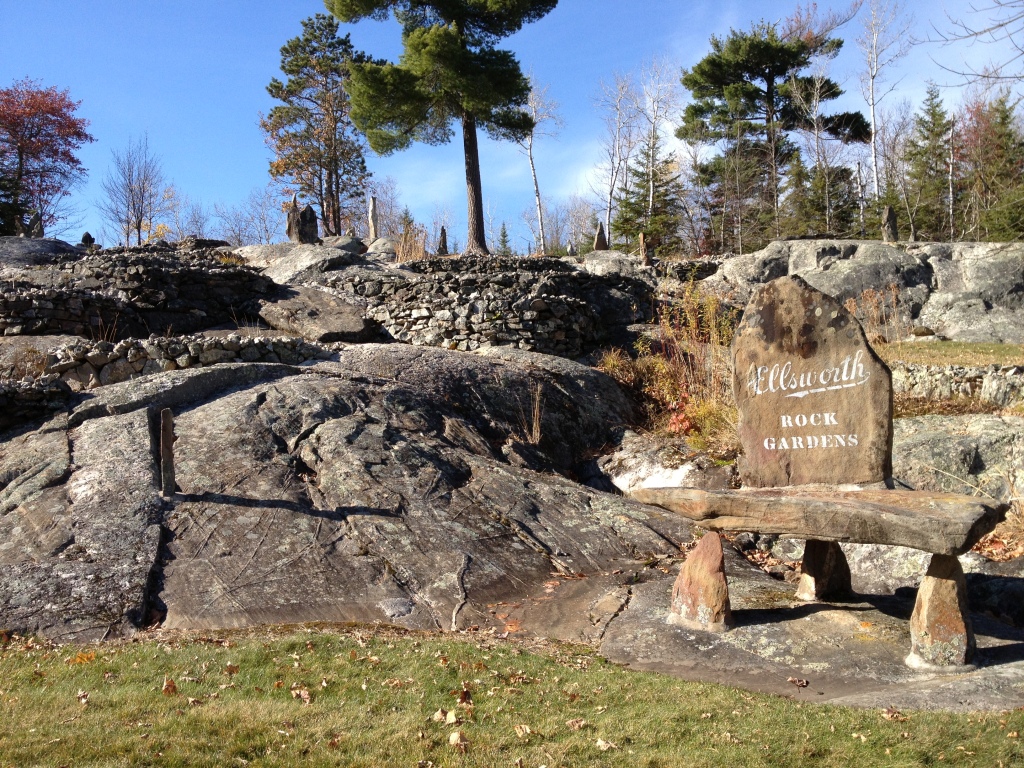
Sculpture – The Ellsworth Rock Gardens at Voyageurs National Park is home to over 200 abstract rock sculptures.
Architecture– Standing at 630 ft, one of the most iconic architectural marvels in the National Park Service is the Gateway Arch.
Music – Little Rock Central High School National Historic Site, Oxford American, and composers Christopher Parker and Kelley Hurt partnered to create a musical tribute to the Little Rock Nine, a jazz composition entitled “The No Tears Suite.”
Poetry – A new initiative this year is “Poetry in Parks.” U.S. National Poet Laureate Ada Limón selected historic American poems which will be displayed as public works of art on picnic tables in seven national parks. The installations will be unveiled throughout the summer and fall.
Rock sculptures at Ellsworth Rock Gardens/Voyageurs National Park. Credit: NPS
No matter what theme speaks to you, no matter how old you are, no matter if you visit in person or virtually, go to a national park next week!
When the days get shorter and the weather gets colder, families can start to get cabin fever. If you and your loved ones are looking for fun activities, we’ve got you covered! Lucky for national park enthusiasts, there are several activities inspired by our favorite parks that can help pass the time during the long winter months.
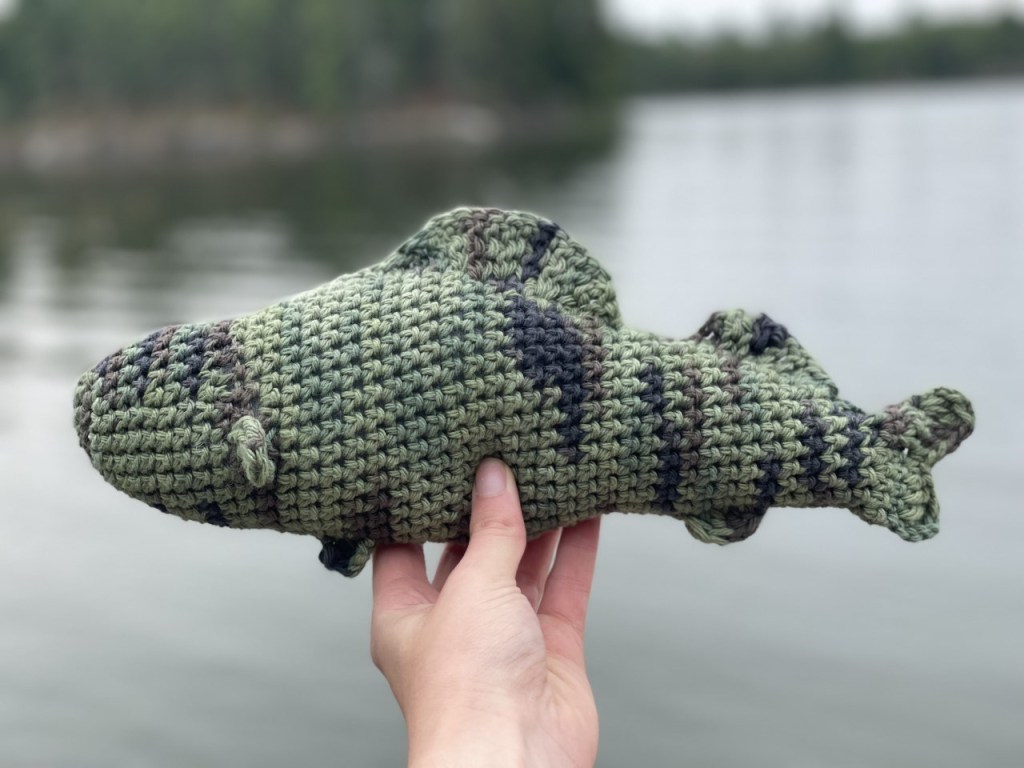
Crochet a Walleye
Voyageurs National Park has 54 species of fish that can be found in the park’s aquatic habitats! Walleyes are some of the most popular, and you can make a cute, cuddly one for yourself. This activity is great for both older kids and adults. If you are new to crocheting, this is a great pattern to try, since it is on the simpler side. Click here to view the instructions.
Credit: NPS
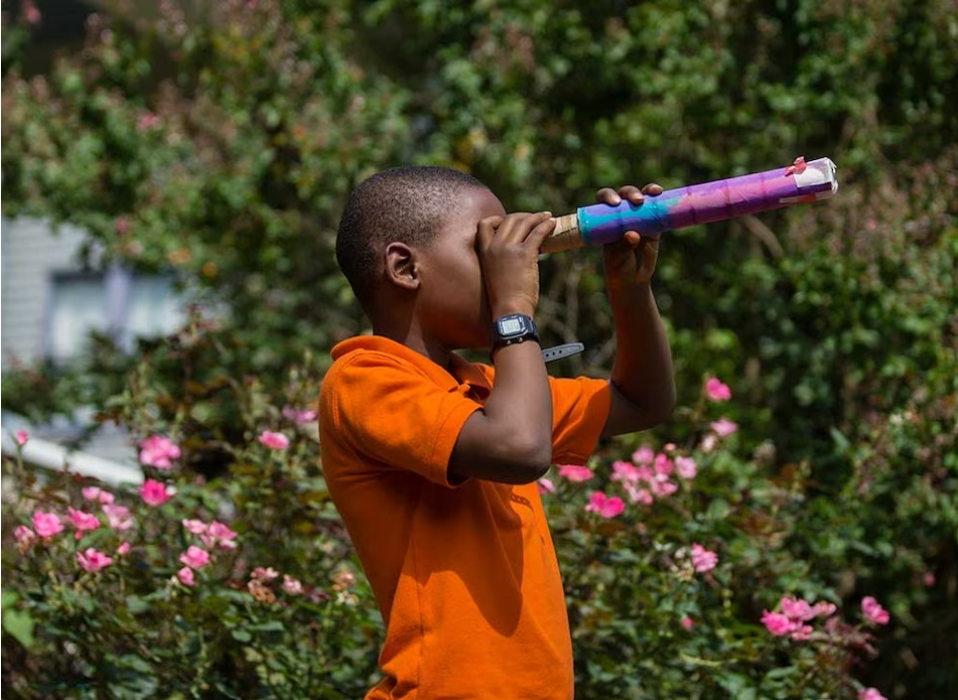
Make a Telescope
On May 14, Lewis and Clark’s Corps of Discovery embarked from St. Louis, MO on an expedition to find a route to the Pacific Ocean. This expedition has been commemorated by many public lands sites along the route they journeyed, including Gateway Arch National Park and the Lewis and Clark Visitor Center at Gavin’s Point Dam. While the kids in your life are cooped up indoors, you can make these working telescopes and go on your own pretend expedition. Since the telescopes are actually functional, you can also use them to view the winter landscape and wildlife out your window! Click here to view the instructions.
Credit: National Geographic Kids
Bake an Old-Fashioned Apple Pie
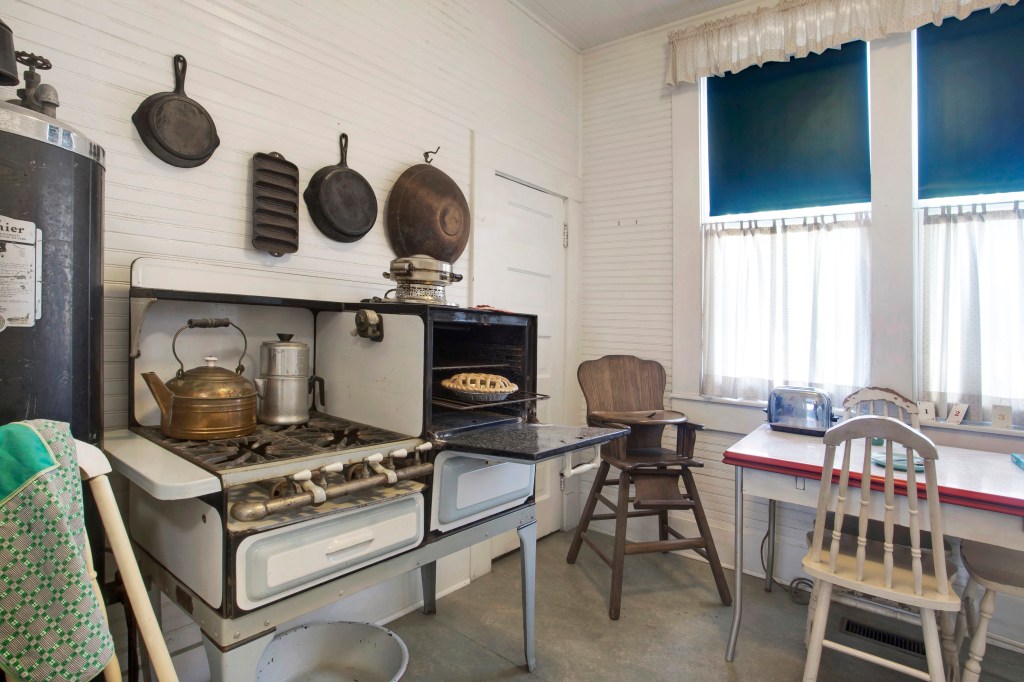
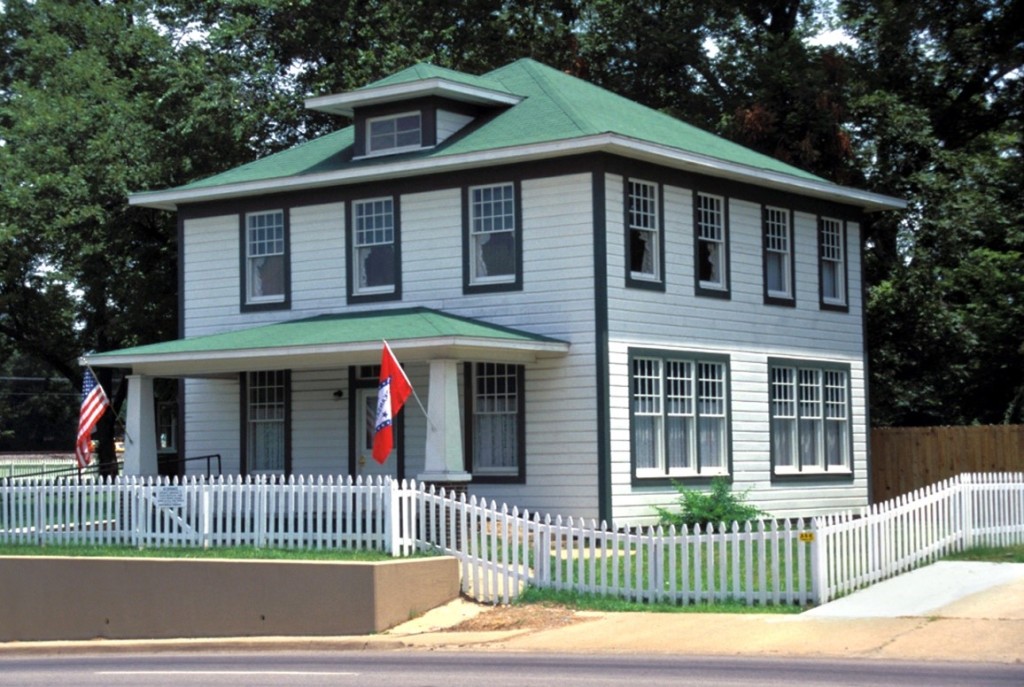
One of visitors’ favorite rooms at President William Jefferson Clinton Birthplace Home National Historic Site is the quaint 1940s-era kitchen, which is fitted out to look as it did when President Clinton lived in the home as a child. It is easy to imagine the family enjoying many warm meals in the modest home, including a nice pie like the one on display. If you want to recreate that same cozy feeling, try baking a delicious old-fashioned apple pie. You can serve it warm on a chilly day or make it à la mode with some vanilla ice cream! Click here to view the instructions.
William Jefferson Clinton Birthplace Home National Historic Site
Weave a Diversity Heart
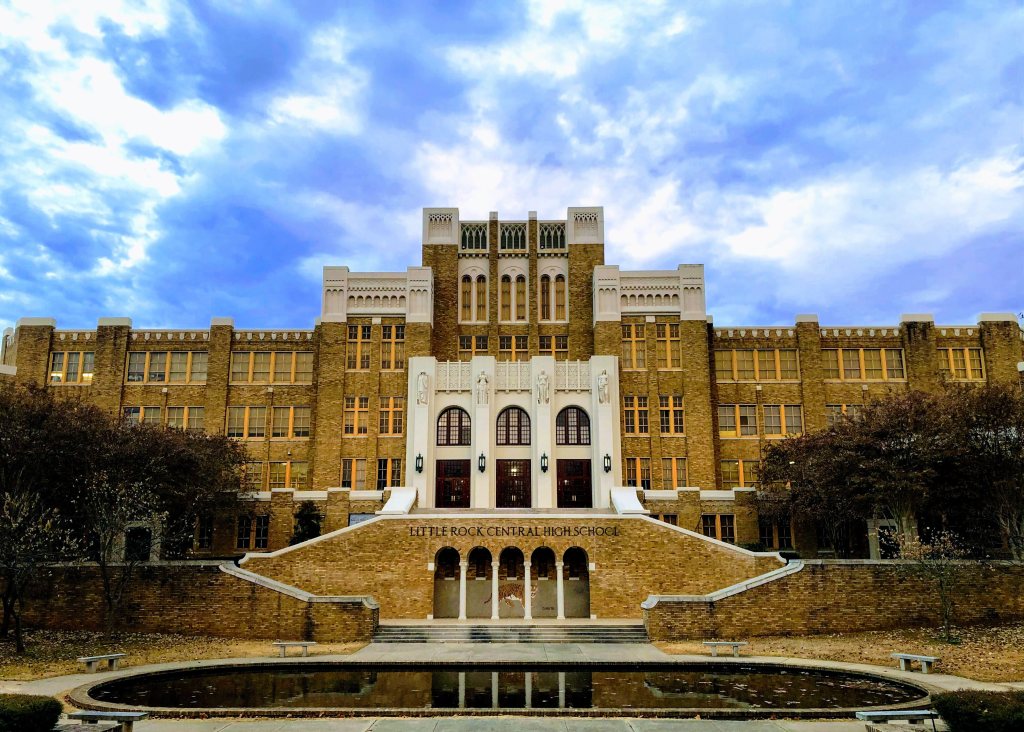
On September 23, 1957, nine African American teenagers entered Little Rock Central High School, defying an angry mob of adults protesting the desegregation of the school. Today, Little Rock Central High School National Historic Site commemorates the story of those brave students as well as the broader civil rights movement in the United States. It is vital that we learn about and remember the struggles in our nation’s history.
If you’d like to help a young person learn to respect people with all shades of skin color, we have a fun craft for you – create a diversity heart. This charming activity was created for classroom students but it’s easy to do at home and doesn’t require many materials. Once it’s complete, it can display the many different skin tones we see in the world, including yours! Just follow the step-by-step instructions here.
Credit: Teach Starter
Create a Stuffed Horse
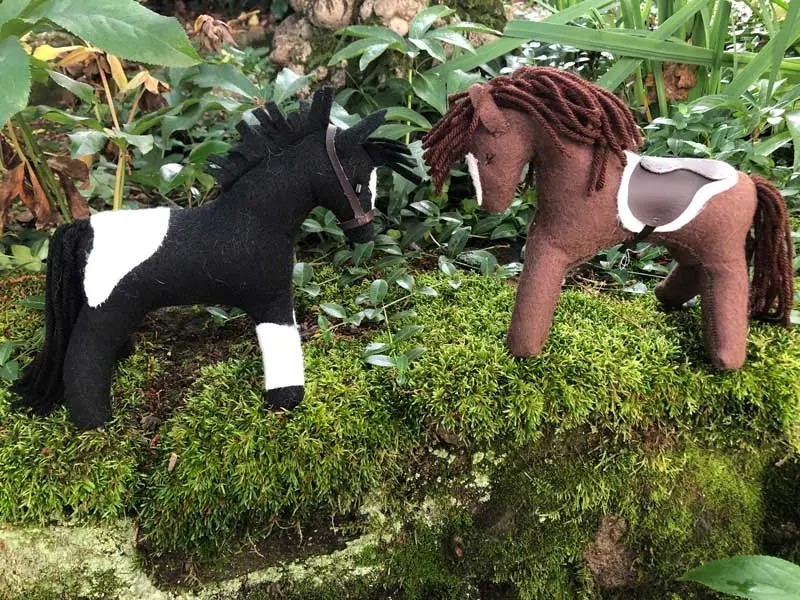
Fans of Ulysses S. Grant probably know the former U.S. president was a superb horseman who kept a number of horses while he lived at White Haven. How about creating a little horse of your own? Younger kids will probably need help making this unique little craft, but the teamwork will be half the fun!
You’ll find complete instructions on making your stuffed horse here.
Credit: Allpony
Make a Whirligig
Kids have always played with toys, but a few hundred years ago there were no stores or websites that sold toys. So what did a child play with when growing up in French Colonial America, like in Ste. Geneviève, Missouri? They created their own toys!
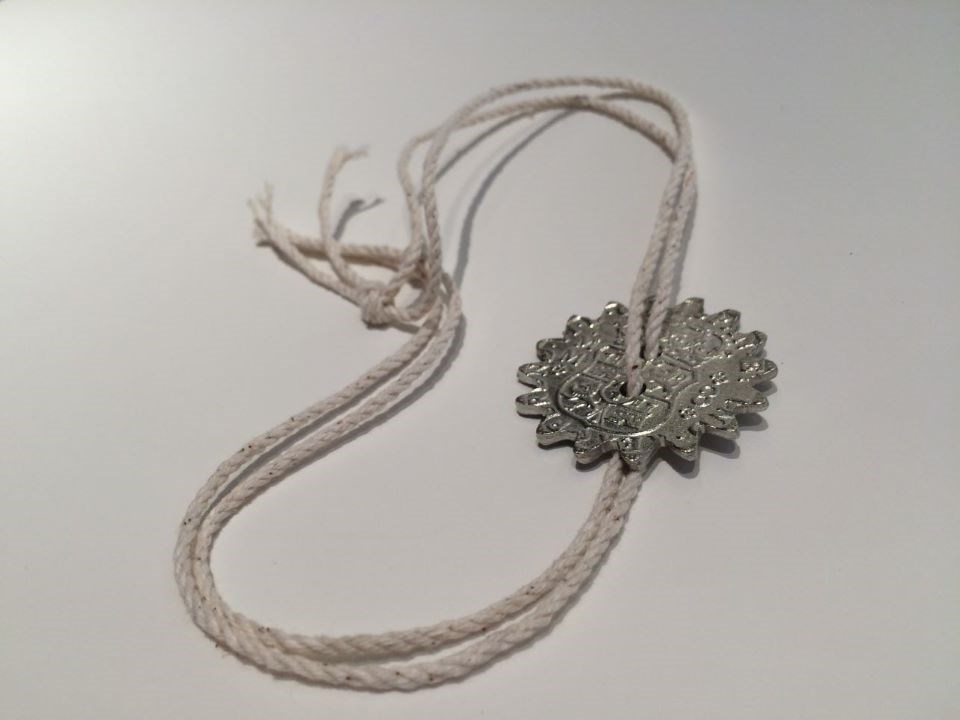
A whirligig was a favorite among 18th century children. This little spinning toy was easy to make from just a few common materials, such as buttons, worn out coins, or hammered musket balls. It was almost as much fun to make as it was to play with.
Want to make your own paper whirligig? Check out these simple instructions. The more you decorate it, the better it looks!
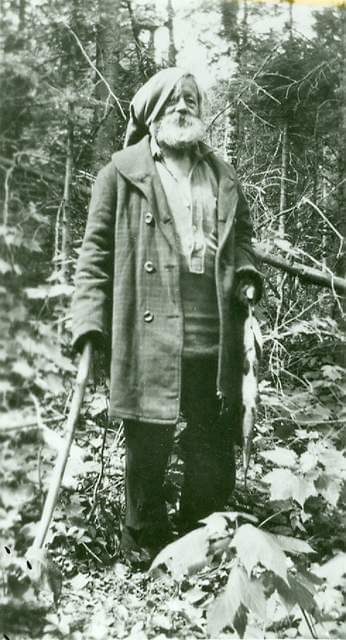
There are many secrets and hidden stories within the forests and waters of Voyageurs National Park. But perhaps one of the strangest is that of a mysterious recluse who made his home in the rugged back woods near Namakan Lake.
Credit: NPS
Sometime in the 1930s, locals spotted a small old man paddling a crude log raft on the park’s waters, earning him the nickname “Catamaran.” No one knew where he came from or why he shunned civilization. He seemed to be educated and reportedly spoke with a British accent. He said his name was Bert Upton but refused to reveal more about himself.
Upton lived in a crude hut built over a dug-out hole in the ground, furnished with a homemade hammock but few other possessions. He occasionally scavenged materials from logging camps but rejected offers of food and clothing from neighbors in the area. He snared rabbits and other wildlife, and he also fished the local waters. He seemed to enjoy his surroundings, forging paths in the woods and even planting attractive gardens around his hut.
Just five feet tall and wildly unkempt, Upton wore hacked-off pants and walked with a large walking stick. He was usually clothed in a cast-off wool jacket and a long cap made from the legs of long underwear. He walked about in bare feet most of the year, but he was seen wearing shoes during the harsh Minnesota winters. It’s hard to believe he could survive the severe cold, though he reportedly followed the old-world custom of conserving body heat by spending most of the winter in bed.
Some suspected Catamaran was fleeing the law; others just considered him a bizarre outcast. Everyone agreed he was peculiar since he often suspected any donations of food were poisoned.
Credit: NPS
Whatever his past, the end of his life was no mystery. He was found frozen to death in the snow by a local explorer, just a half-mile from his home.
If you’re lucky enough to camp out in the magnificent forests of Voyageurs National Park, perhaps you’ll begin to appreciate what brought this mysterious recluse to the North Woods and why he stayed.
Feel like hitting the road? Check out our suggestions for a few fun weekend adventures.
Trip 1- St. Louis
Day 1– Let’s start this trip with St. Louis’ own iconic Gateway Arch! Your first stop will be the museum at Gateway Arch National Park, where you will learn all about the history of St. Louis, westward expansion, and the unique architecture contest which resulted in the construction of the Arch. Next, catch a showing of the documentary film Monument to the Dream followed by a tram ride to the top of the Arch. At 630 feet high, you can’t beat those views! For lunch, you can grab a bite at the Arch Café, have a picnic on the beautiful park grounds, or go check out the restaurants downtown. (St. Louis is known for its diverse food offerings.) In the afternoon, take a riverboat tour of the Mighty Mississippi before you do some exploring of Downtown St. Louis. Catch a Cardinals baseball game, go for a stroll through Citygarden Sculpture Park, or take a tour of the National Blues Museum. For dinner, check out the restaurants and nightlife at Ballpark Village.
Day 2– Your main attraction for today will be Ulysses S. Grant National Historic Site in south St. Louis County. Check out the orientation film and take a self-guided tour of the park’s museum, housed in the historic 1872 horse stable that Grant himself designed. Then embark on a guided tour of White Haven, the home where Ulysses S. Grant and his wife, Julia, fell in love and made their life together. Next, head to brunch or lunch at The Barn restaurant before taking a tour of the Thomas Sappington House Museum next door. When you’re done, make sure to take a stroll through Father Dickson Cemetery, one of the first public cemeteries for African Americans in St. Louis. For dinner, take your pick from the many wonderful restaurants in nearby Crestwood, Kirkwood, or Webster Groves.
Green Tree TavernJean Baptiste Valle House
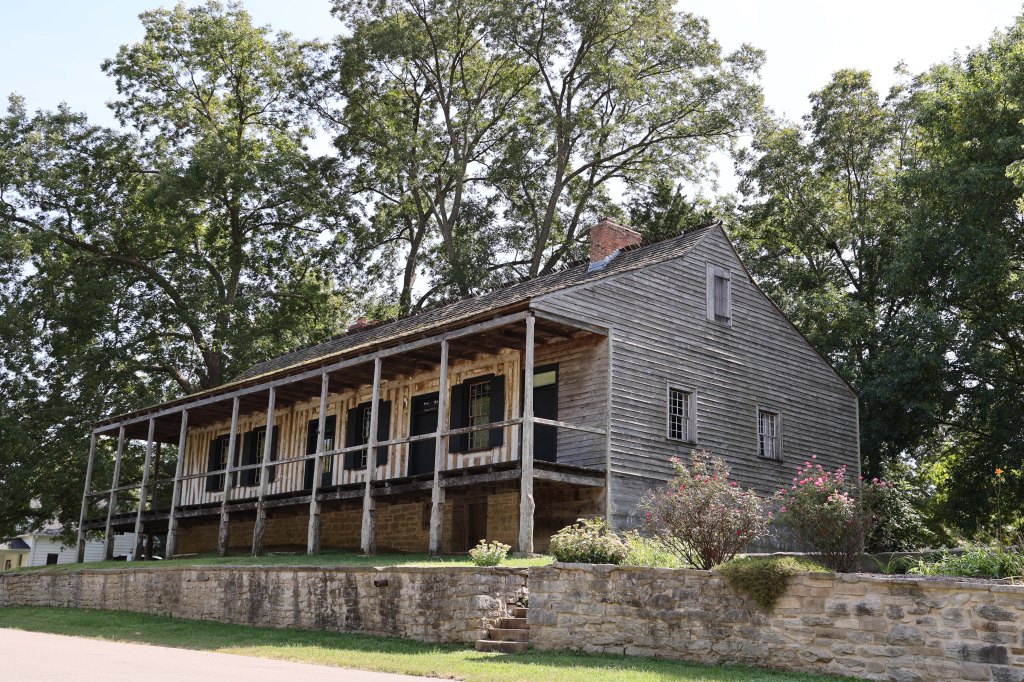
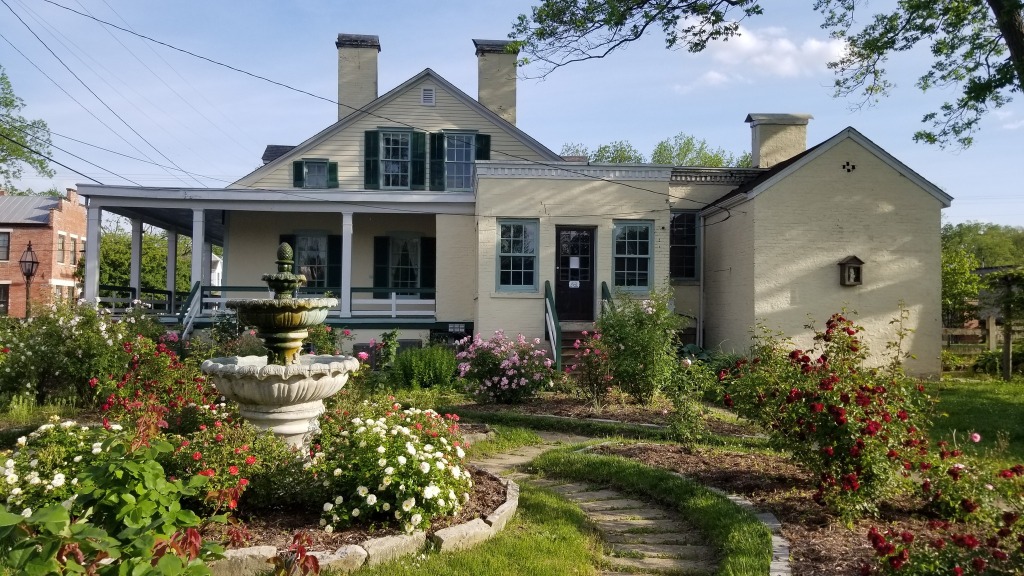
Day 3– On the final day of your weekend trip, you are going to head an hour south along the Mississippi to the beautiful Ste. Genevieve National Historical Park. This unique park is spread out across multiple buildings in the 18th century town of Ste. Genevieve. You can take ranger-led tours of the historic Green Tree Tavern and the Jean Baptiste Valle House. Next, you can wander through this picturesque small town and visit the multitude of shops, museums, and restaurants. For dinner, visit one of the six wineries on the Route du Vin Wine Trail.
Trip 2- Arkansas
Day 1– Every good trip begins with a little hope, and for this trip, we are taking that literally! Your first stop is the President William Jefferson Clinton Birthplace Home National Historic Site in the quaint town of Hope, Arkansas. Stop by the park’s visitor center before taking a ranger-led tour of the home where our 42nd President was born. Next, head down the road for lunch at Tailgaters Burger Co. or one of the other local restaurants. In the afternoon, you can check out the Hope Visitor Center and Museum or the quirky Klipsch Museum of Audio History.
Credit: NPS/Calvin Smith
Day 2– About a 90-minute drive from Hope is the unique town of Hot Springs. One of the first “spa towns,” Hot Springs has a mix of historic architecture and natural beauty. Though Hot Springs National Park is not one of JNPA’s partner parks, we still don’t want you to miss this gem! Your first stop is the Fordyce Bathhouse Museum and Visitor Center to talk to a ranger and learn more about the history of the area. Next, you can check out historic Bathhouse Row or go for a hike on one of the park’s many miles of trails. For lunch, stop by the Superior Bathhouse Brewery, the only brewery located in a national park! In the afternoon and evening, go for a soak at one of the bathhouses, take another hike, or check out Downtown Hot Springs.
Day 3– Continuing northeast for an hour, this trip ends at the capital of Arkansas, the bustling city of Little Rock. At Little Rock Central High School National Historic Site, you will learn about the bravery of the Little Rock Nine and the rocky beginnings of the desegregation of America’s schools. Stop by the park’s visitor center first to view the exhibits and watch the interpretive film. Then, take a ranger-led tour of the school, which is still in use today. Ask the park rangers for a lunch recommendation before heading into the city to check out one of the many other cultural institutions. Don’t forget to visit the State Capitol Building, which offers free guided tours. Animal enthusiasts may want to see the Little Rock Zoo, or art aficionados may enjoy the Arkansas Museum of Fine Arts. For an outstanding ending to your Arkansas vacation, check out one of the many local restaurants for dinner.
Trip 3- Northern Minnesota
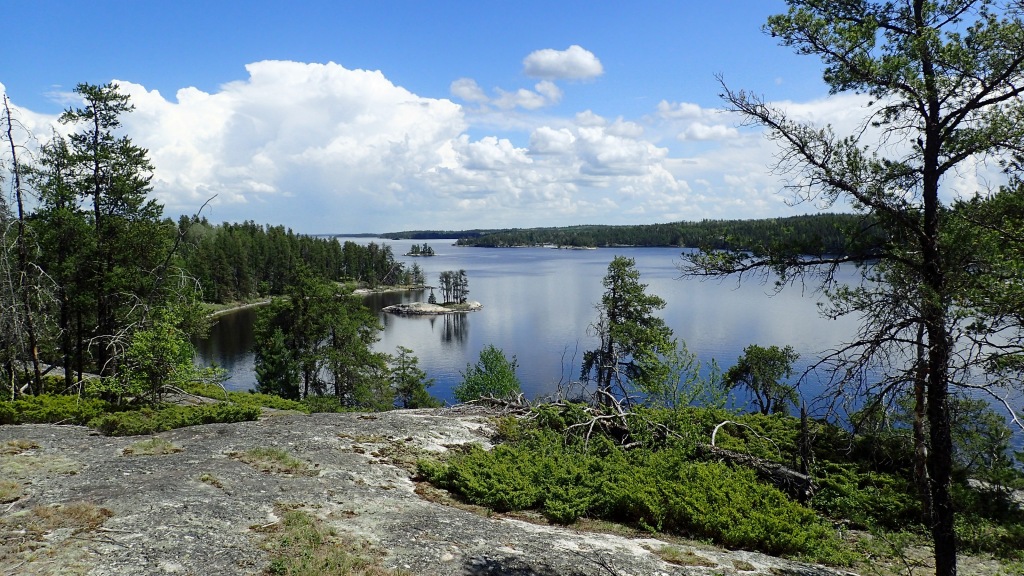
Day 1– At over 200,000 acres, Voyageurs National Park will take up all three days of this getaway. Your first stop will be one of the three visitor centers. The largest, Rainy Lake Visitor Center, offers exhibits, an orientation film about the park, and a bookstore (operated by you-know-who). Next, head out on one of the park’s many hiking trails to take in the scenery. Bring a picnic lunch to enjoy along the trail, but make sure to pack out what you pack in. End your day by getting settled into your lodgings. You could opt for the Kettle Falls Hotel or get a bit more adventurous: there are a variety of camping options at Voyageurs or you could even rent a houseboat!
Credit: NPS
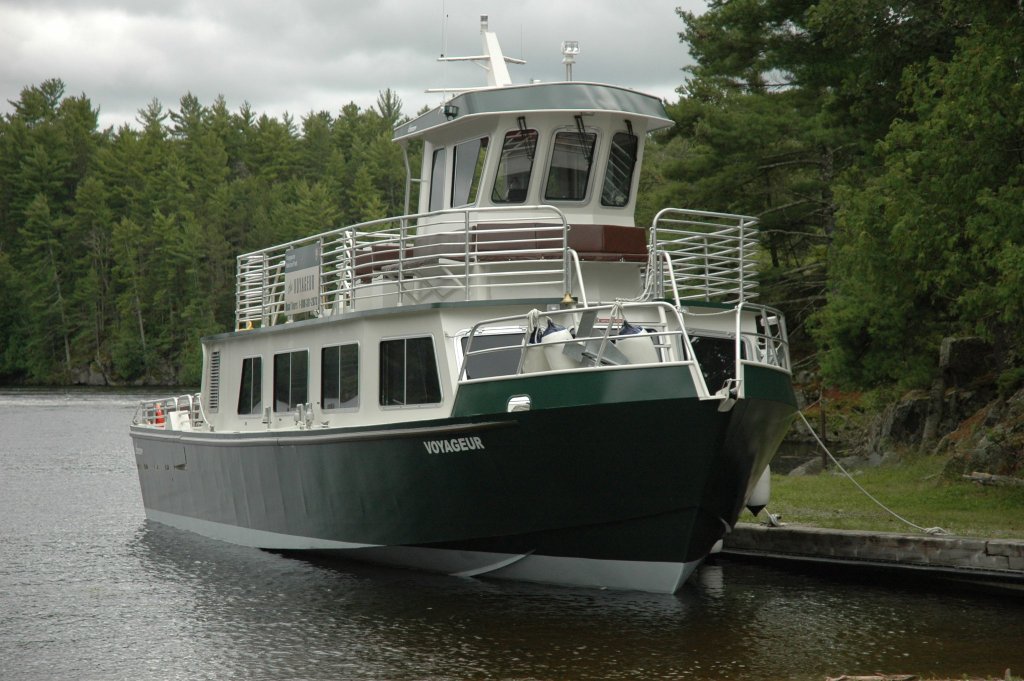
Day 2– For your only full day at the park, take the opportunity to participate in a guided tour or two. In the Rainy Lake district, you can take a boat tour aboard the Voyageur, or in the Namakan district, you can voyage on the park’s newest tour boat, the Ne-zho-dain. If you are feeling extra adventurous, sign up for one of the park’s North Canoe Voyages, where you can paddle a replica of a north canoe while being immersed in an on-the-water living history lesson!
Day 3– For your final day at Voyageurs, take time to check out the Ellsworth Rock Gardens and the Harry Oveson Fish Camp, or do a bit of birdwatching. Then on your way out of the park, stop by one of the gateway communities, such as International Falls, to see the sights and restaurants they have to offer.
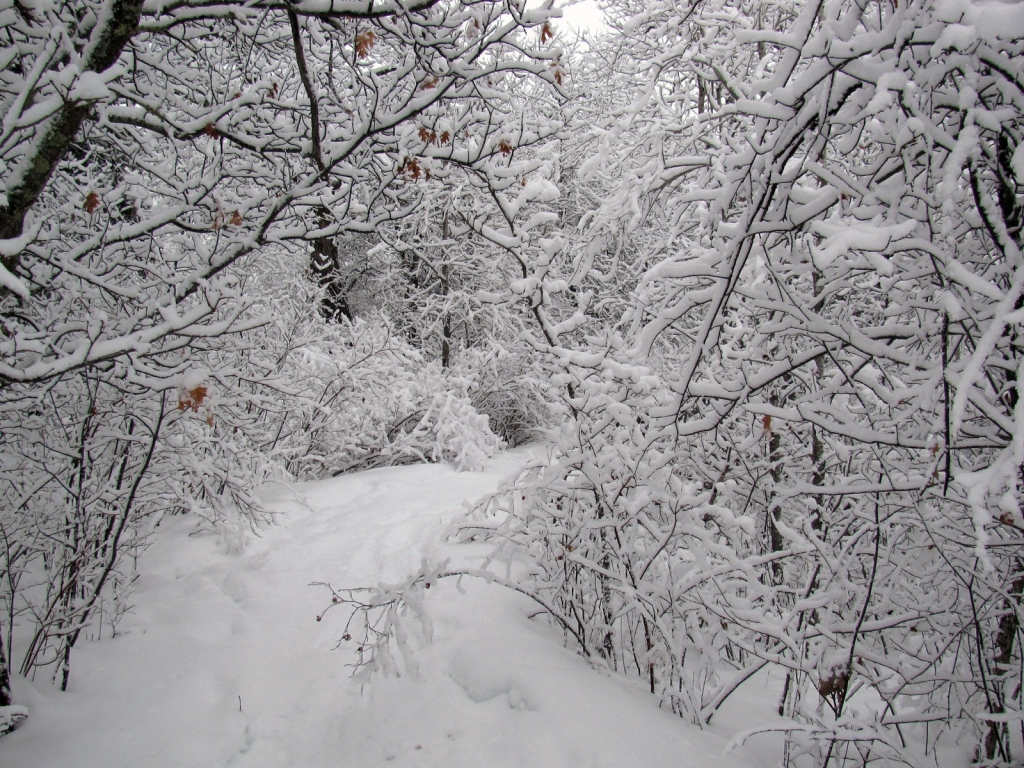
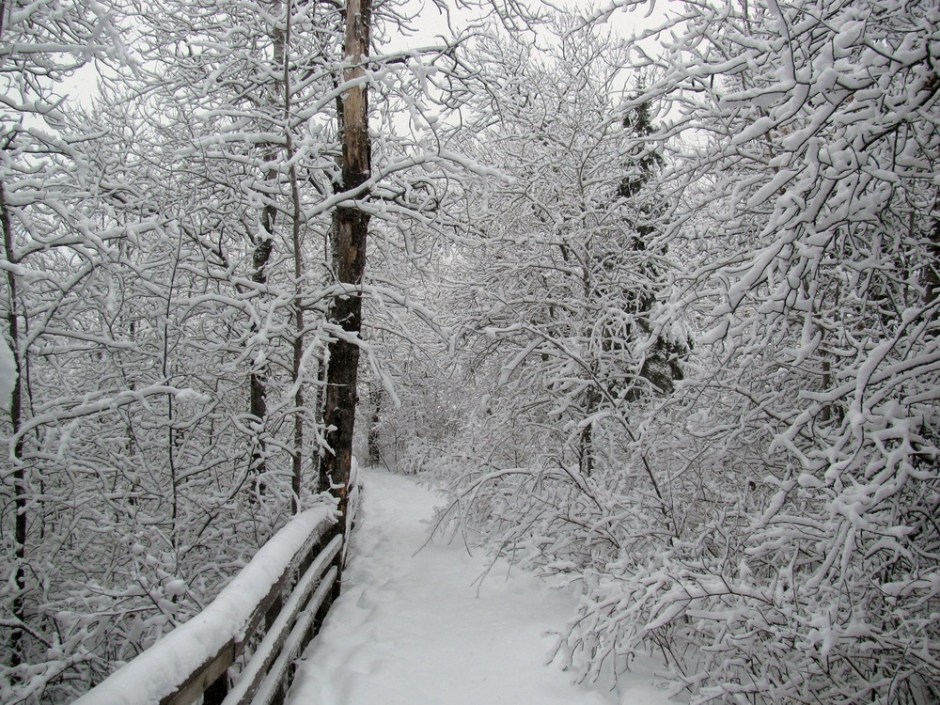
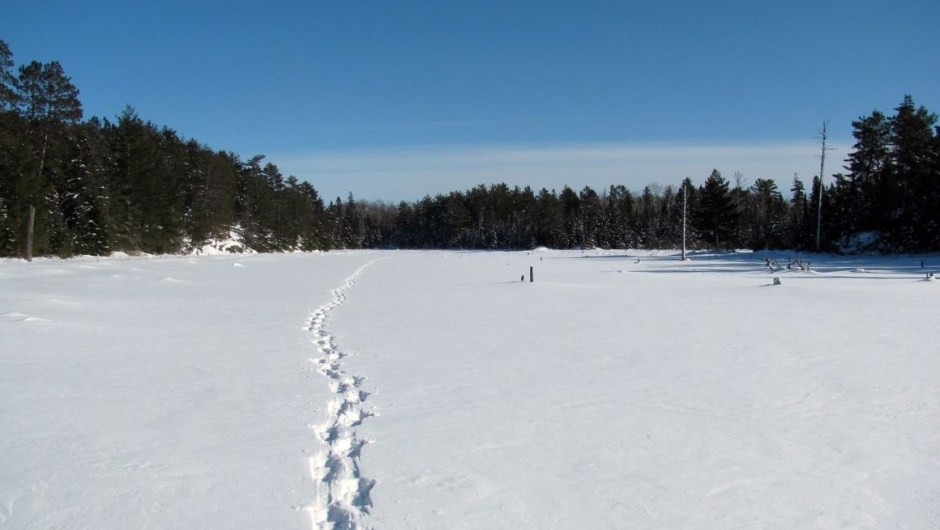
Winter, a time of frozen lakes, sparkling snowfall, frigid temperatures, and… abundant wildlife? If you’re in Voyageurs National Park, then yes! Though temperatures remain below freezing in the park for nearly a third of the year(!), that does not stop some intrepid animals from making an appearance.
Credit: NPS/Grunwald
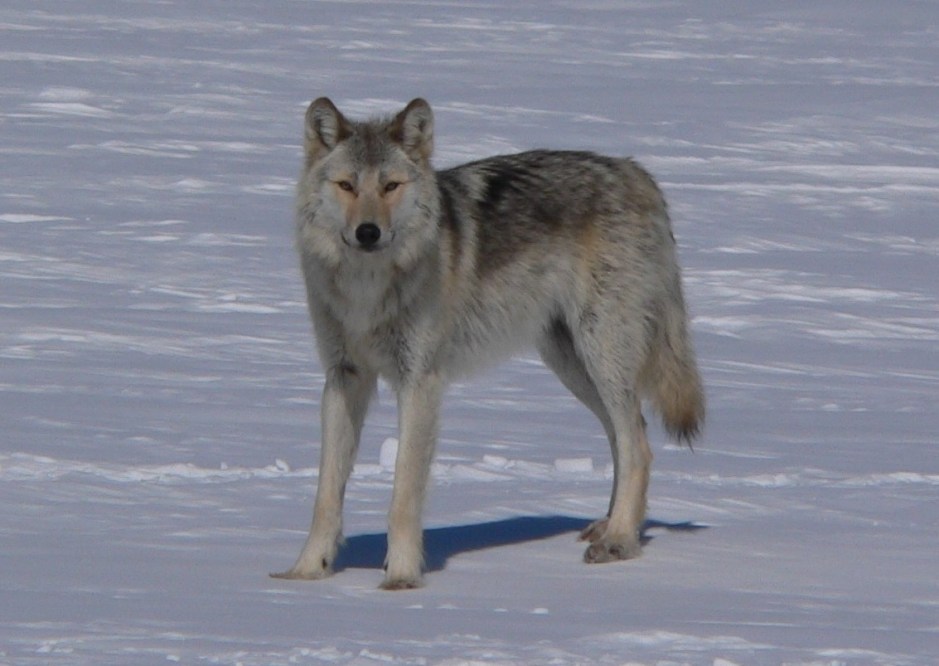
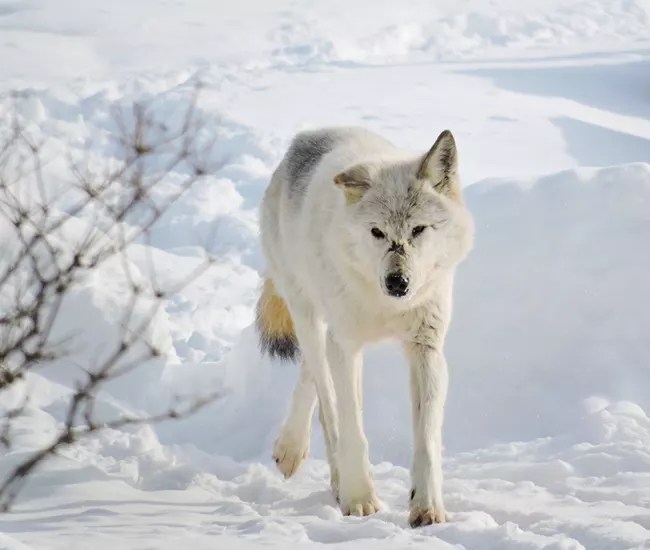
Winter is actually the ideal time of year to visit Voyageurs if you are hoping to see gray wolves in the wild. As the dominant predator in the park, they have an active and healthy population throughout the year, but during winter they can be more easily seen as they move along the lake shores hunting for food.
Credit: NPS/Nathan Hanks
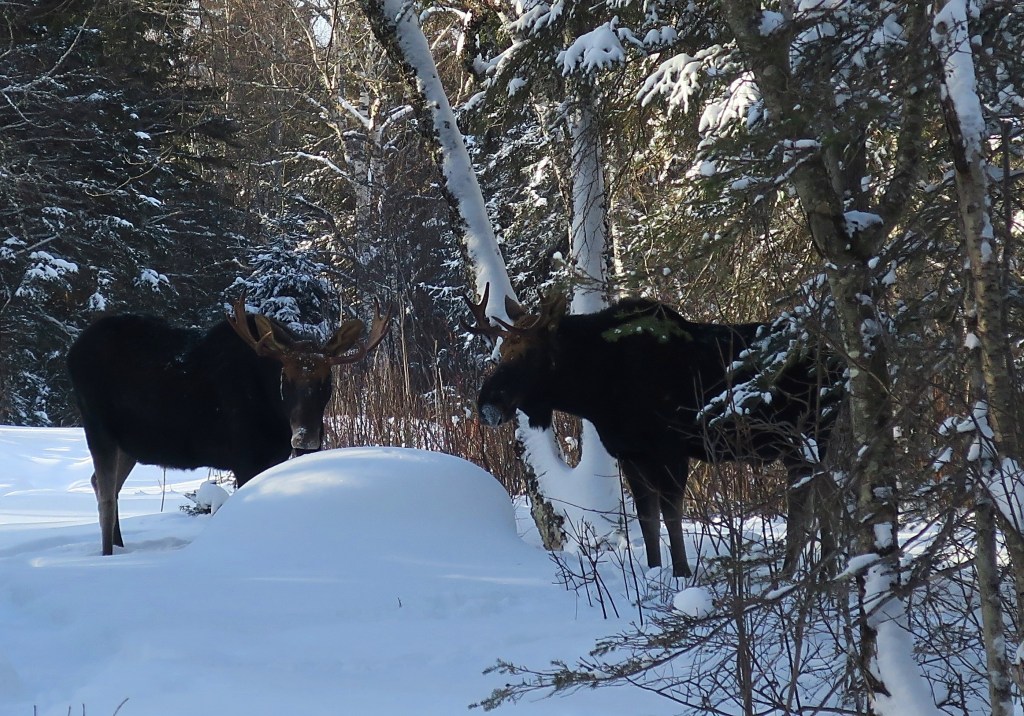
The largest mammal in Voyageurs National Park is the magnificent and formidable moose. During the winter, moose have less access to high-quality foods, instead feeding on large quantities of willow, birch, and aspen. The scarcity of food resources forces the animals to conserve their energy, which includes staying away from deep snow and using packed trails or cleared roads. This increases the likelihood that wildlife enthusiasts might see them, though you will want to be especially alert when driving in moose territory! Even if you do not see wild moose, you may be lucky enough to spot their antlers lying in the snow, as adult bull moose shed their antlers during the winter.
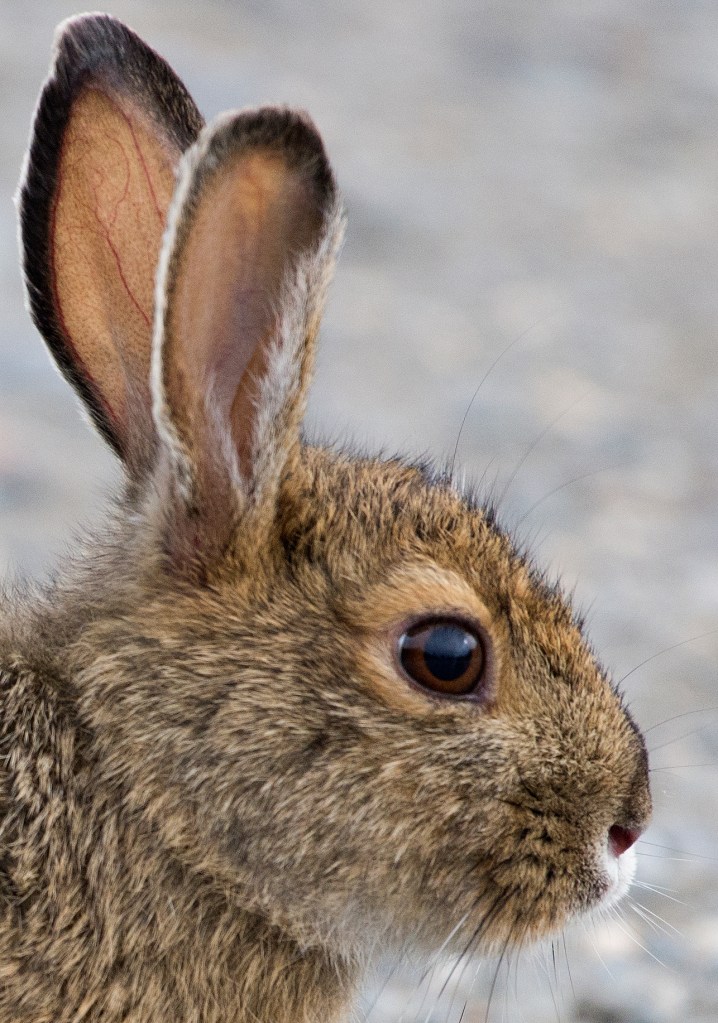
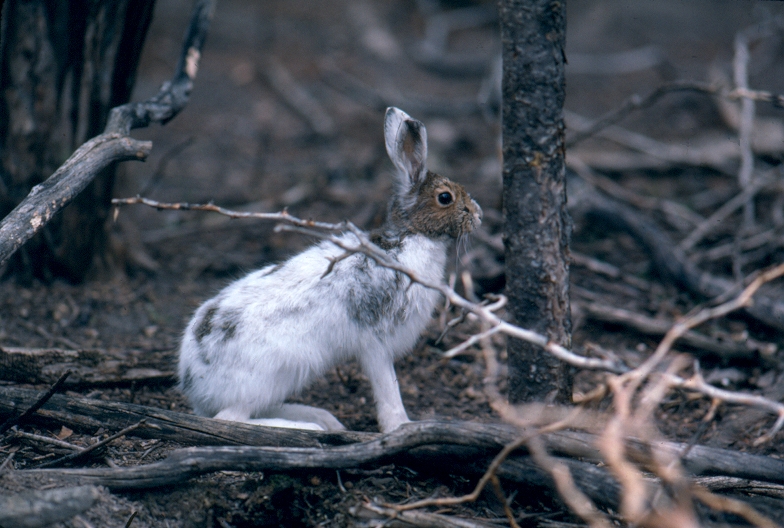
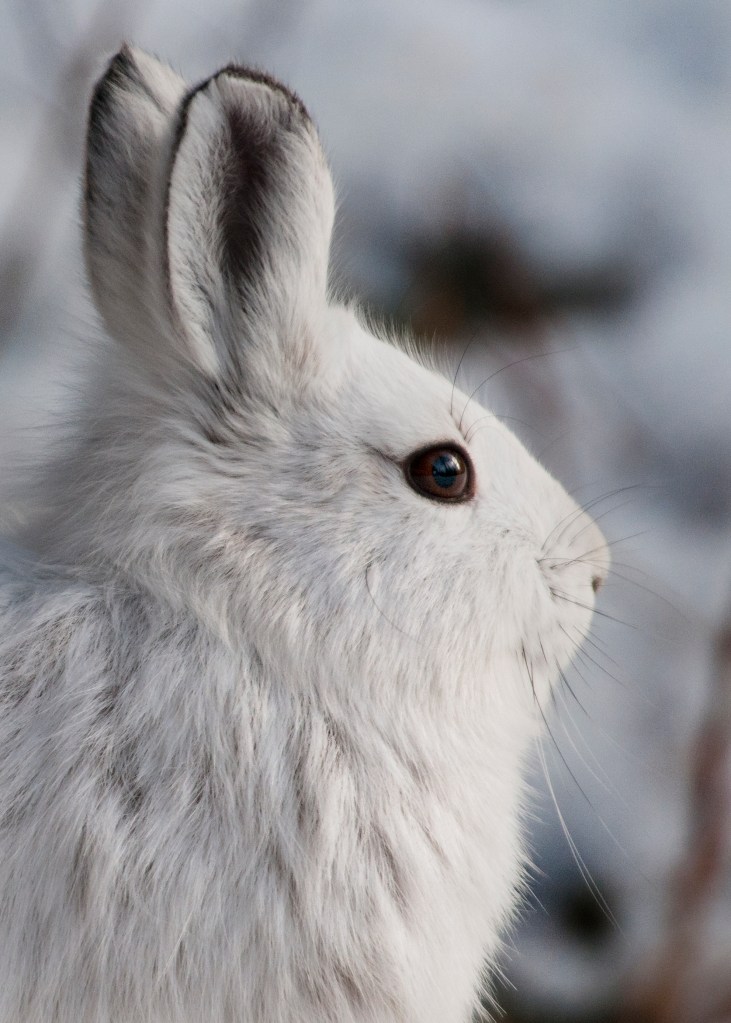
Snowshoe hare in summer, fall, and winter. Credit: NPS
An animal that may be more challenging to spot in winter is the snowshoe hare. These small mammals are slightly larger than a cottontail rabbit and live primarily in coniferous forests such as those found in Voyageurs. Snowshoe hares are unique because their fur actually changes color depending on the season! In summer, they are dark brown to blend in with the shadows of their forest habitat. In winter, their fur turns a brilliant white which helps them to perfectly blend in with the snow.
Credit: NPS/Gordy Lindgren
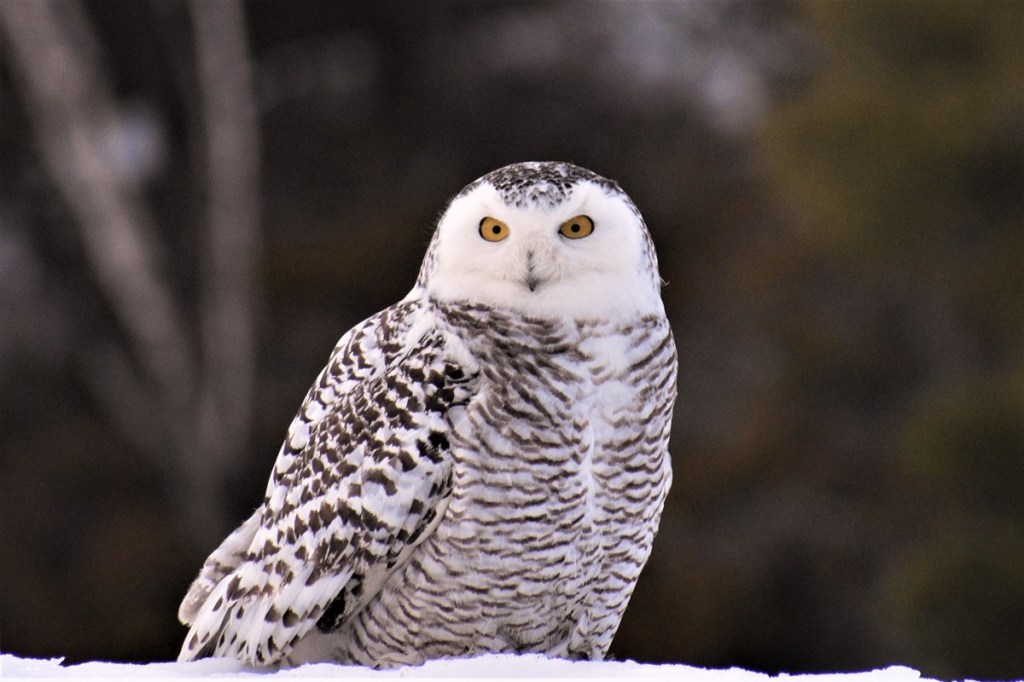
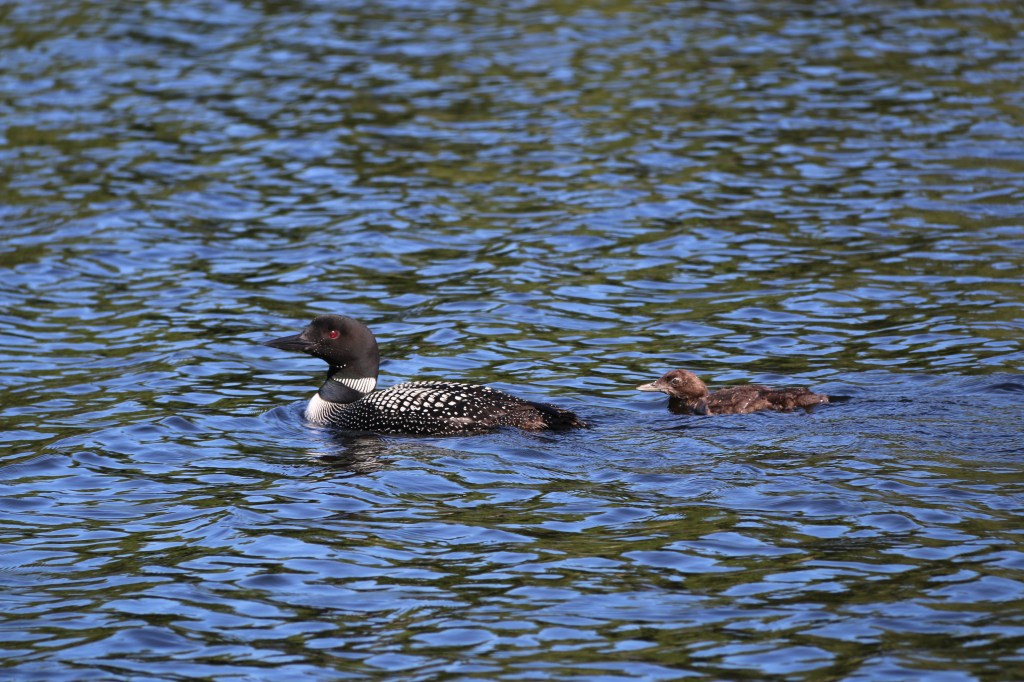
No matter the season, Voyageurs is a perfect place for birdwatching. Many species of birds remain in the park throughout the winter, including loons, grey owls, great horned owls, cardinals, and warblers. One majestic bird actually migrates TO Minnesota in winter! Canadian winters actually drive snowy owls south to the more “moderate” climate of Voyageurs National Park, though they return north during the warmer summer months. These beautiful birds have perfect camouflage for the snowy months and the eerie ability to fly in complete silence, presenting a challenge for birdwatchers. But if you are incredibly lucky, you may be able to spot one!
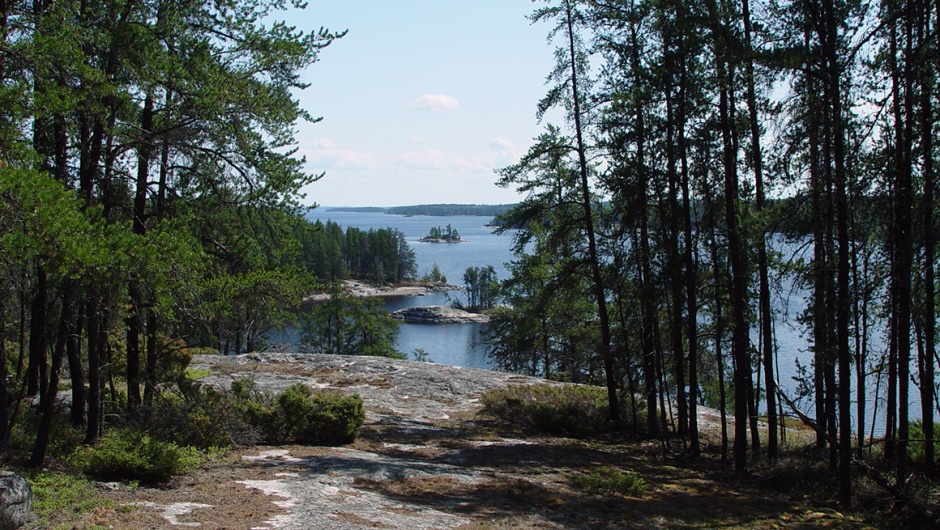
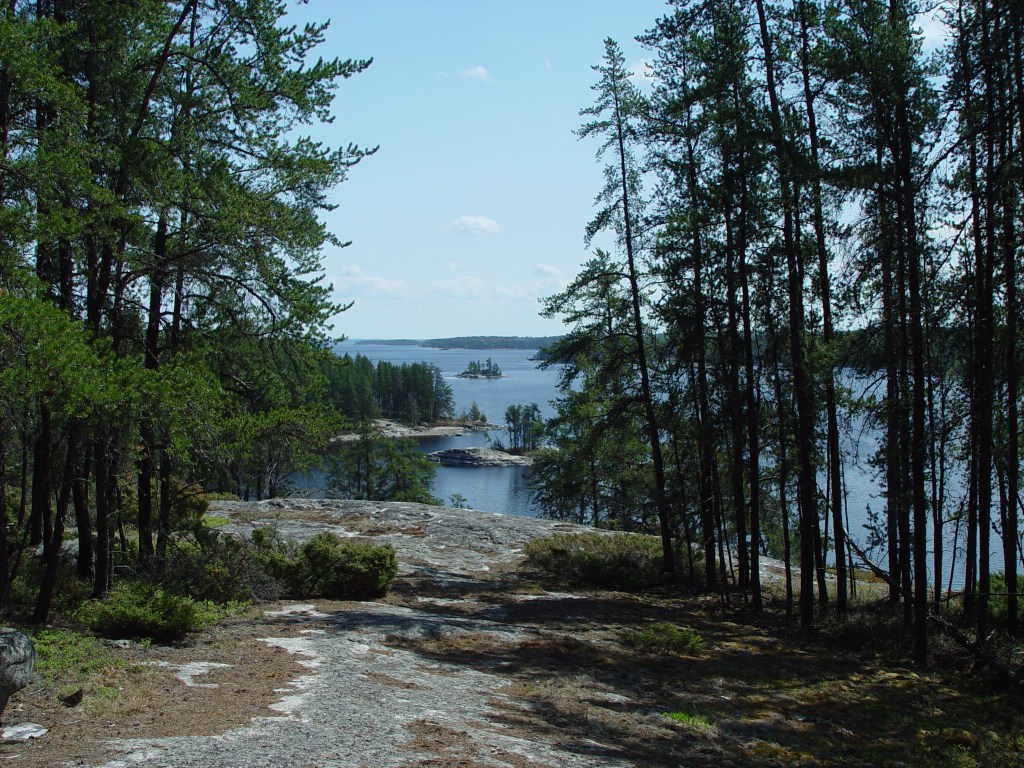
Voyageurs National Park is a wonderland of lakes, streams, forests, and wildlife. It is also one of the few places in North America where you can see and touch rocks half the age of the Earth. The exposed rock is the southern edge of the Canadian Shield, the gigantic dome of volcanic bedrock that forms the core of the continent.
As this special site gets ready to celebrate its 52nd year as a national park on January 8, it’s worth looking back on its controversial beginnings. Voyageurs is a park that took 80 years to create!
All the way back in 1891, the Minnesota Legislature passed a resolution requesting that the federal government create a national park in Minnesota by “setting apart a tract of land along the northern boundary of the state.” Congress never acted upon the request but that didn’t stop nature lovers from continuing to press for some form of federal protection for the forest and water resources of northeastern Minnesota, especially the border lakes region. History lovers, too, wanted the area preserved to commemorate the intrepid French-Canadian voyageurs who once criss-crossed its lakes and streams to transport furs and other goods.
However, opposition to the national park proposal was fierce, especially from business interests who wanted to take advantage of the area’s abundant natural resources, primarily forests, minerals, and water. The battle also pitted locals against what they called “outsiders,” i.e., lawmakers in Minneapolis and St. Paul, and “land grabbing” federal lawmakers.
The stalemate continued through the mid-20th century until the 1950s and 1960s, when park proponents managed to interest the National Park Service in developing a plan for a national park. In October of 1962, the NPS Advisory Board submitted a formal recommendation to the Secretary of Interior, noting that the area was “superbly qualified to be designated the second national park in the Midwest.” (Isle Royale was the first national park in the region.)
It took years for the park’s enabling legislation to pass Congress, part of which required the State of Minnesota to donate 36,000 acres of state-owned land to the effort. Many local residents were still opposed, seeing the move as encroachment by the federal government that would limit logging and hunting in the area and decrease taxable property.
But finally in 1971 President Nixon signed the Voyageurs bill into law, though the site wouldn’t be officially established as the nation’s 36th national park until 1975.
After the creation of the park, NPS began planning and constructing trails, boating sites, and other visitor amenities; it also established the area as a site for scientific research and conservation. In 1992, a wildlife protection zone was established for the gray wolf. More than 220 Indigenous pre-contact sites have been identified within the park, some of which are listed on the National Register of Historic Places.
The path to national park status isn’t always smooth. But JNPA, for one, is gratified that Voyageurs will continue to protect this invaluable wilderness experience for all Americans.
Now that most of us are in the throes of Ol’ Man Winter, what better time to make sure you have the right clothes and drinkware to keep you warm. Luckily, our partner parks offer a wide range of winter-ready products:
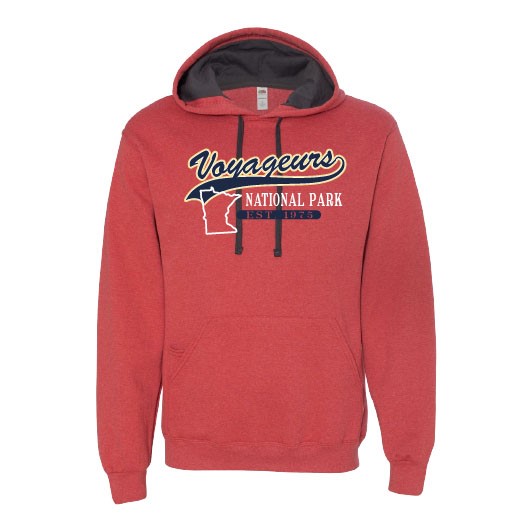
Who knows cold weather better than the folks in northern Minnesota? This cheery red hoodie from Voyageurs National Park promises to keep you warm and toasty. Comes in sizes small to XX-large.
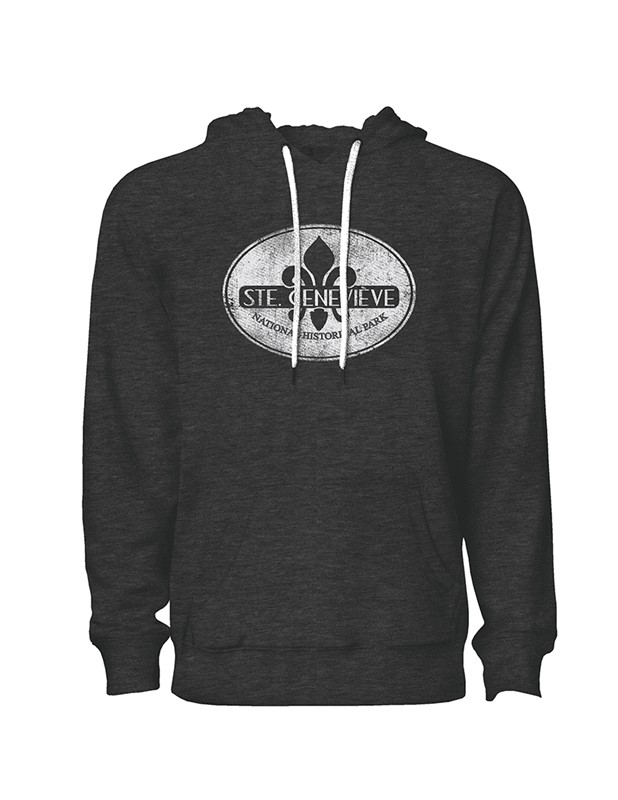
If you’re looking for something more lightweight, you’ll love this French terry hooded sweatshirt from Ste. Genevieve National Historical Park.
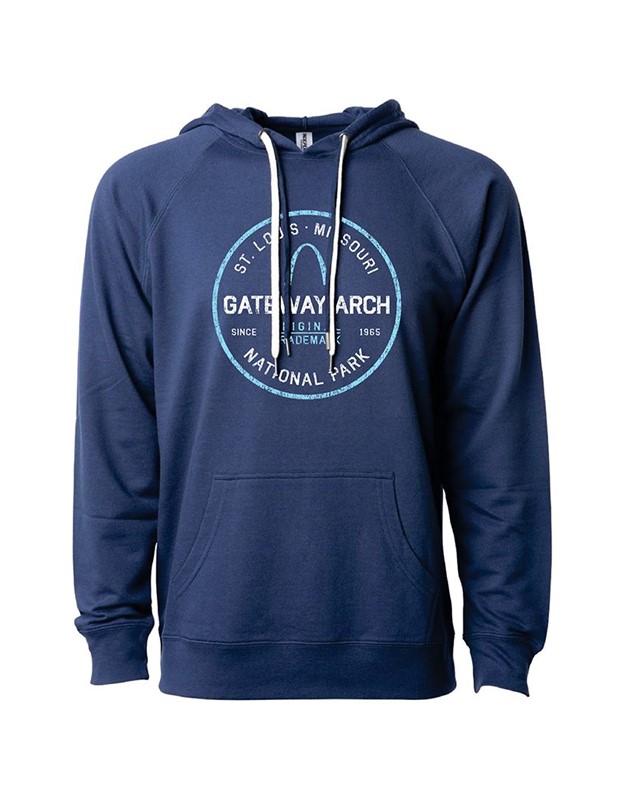
Gateway Arch fans can stay warm in this Docker hooded sweatshirt. It features the park name against a soothing blue background.
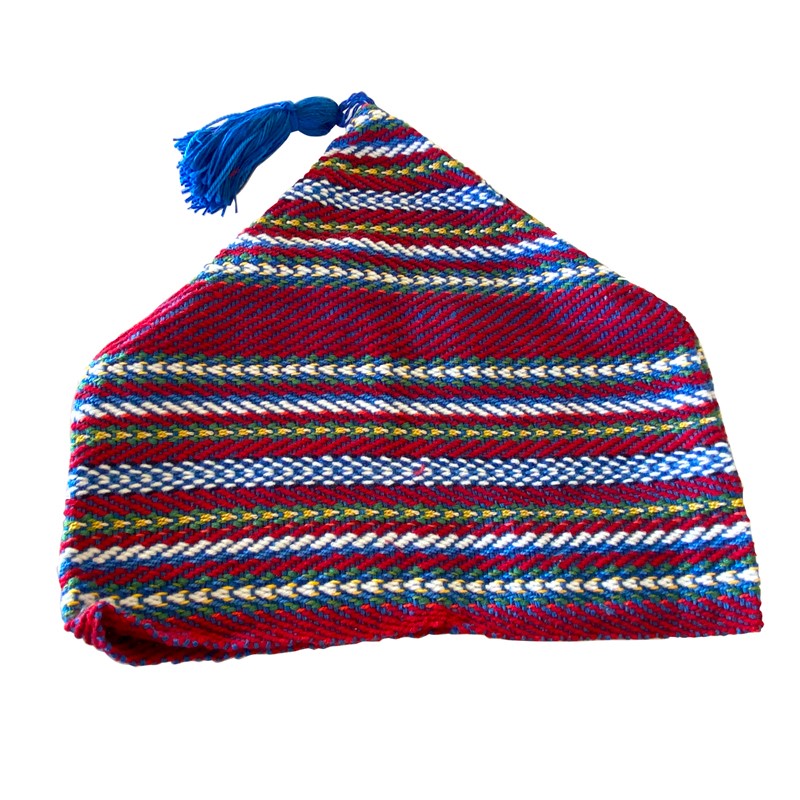
And don’t forget to keep your head warm. This cozy striped toque from Voyageurs not only does the job, but it’s the same design that the original voyageurs wore in the northern latitudes
Need something to keep your coffee or cocoa hot when you’re outdoors? Try this handsome insulated water bottle from The Arch Store. Made of sturdy stainless steel with a silver Arch graphic against a navy background.
All of these products are available both at our stores in their respective national parks, as well as from JNPA’s online store. Remember: each purchase you make helps support the educational programs and exhibits at our partner sites.







 JNPA Blog