
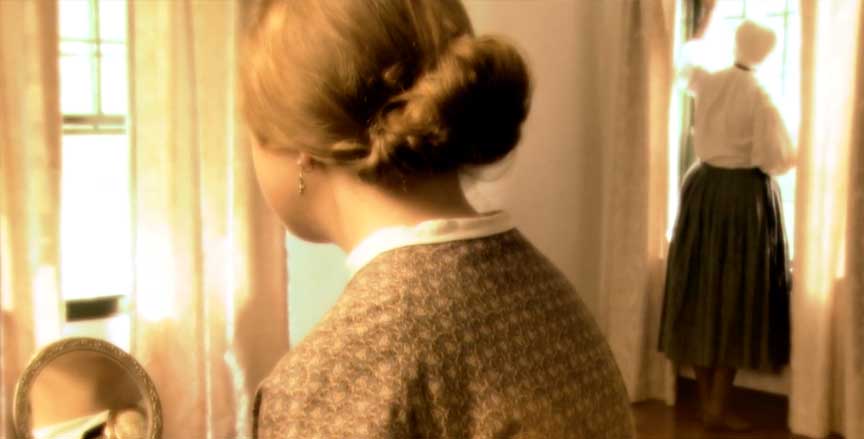
A life of privilege or of hardship. For the women who lived on the White Haven plantation in the 19th century, their overlapping fates depended on the color of their skin.
Ulysses S. Grant spent most of his pre-Civil War civilian years living at the 850-acre plantation. It was also home to his wife Julia Dent Grant and their growing family of four children, Julia’s parents and six siblings, and several of Grant’s own relatives. The family enjoyed a life of wealth and privilege, benefiting mostly from Colonel Dent’s success as a planter and merchant.
At the other end of the spectrum, White Haven was also where dozens of enslaved African Americans lived and toiled. Long before Grant married into the Dent family, slave labor had been essential to the daily operations of the plantation, whether the enslaved worked in the field and orchards or in the home.
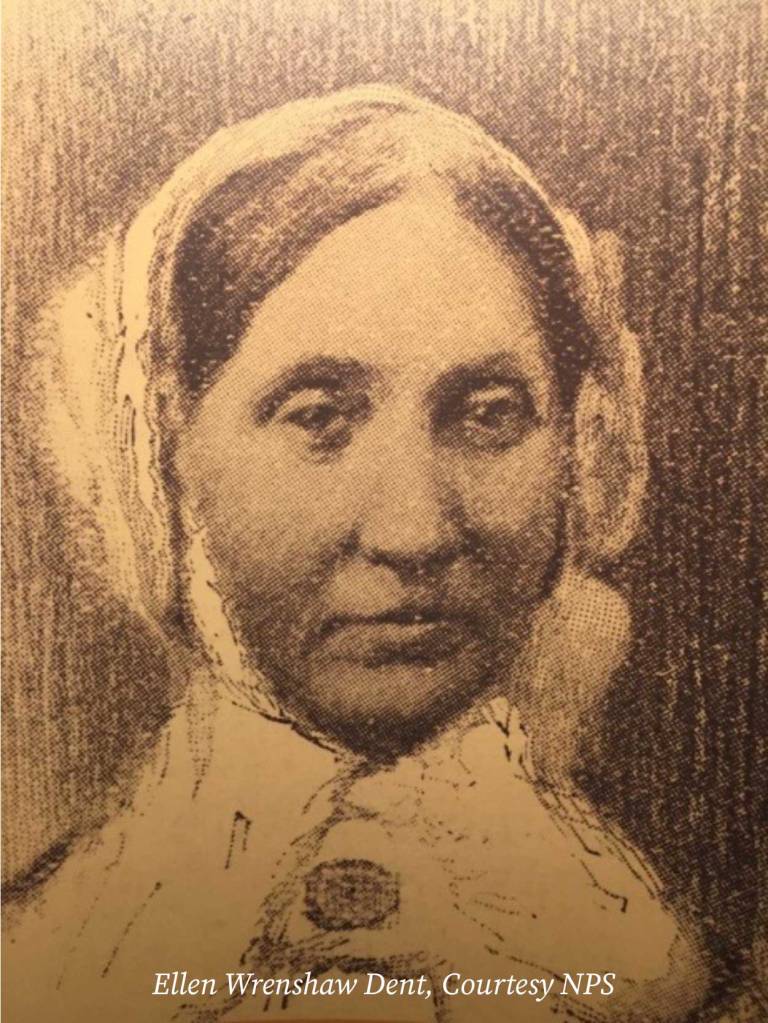
The family matriarch at White Haven, Ellen Wrenshall Dent, managed the domestic duties of the household, overseeing food preparation, clothing production, childrearing, entertaining of guests, and other daily routines (primarily carried out by the enslaved staff). Julia described her mother as “a great reader, fond of poetry and music. She was beautiful, kind, and gentle.”
Julia and her younger sisters Nellie and Emma had access to education, leisure, and social mobility. From the ages of 10 through 17, Julia attended the Misses Mauros’ Academy, a boarding school in St. Louis. She studied literature, history, philosophy, and other subjects considered appropriate for young women of her class, as well as an apt preparation for a woman who would become one of the most prominent First Ladies of the 19th century.
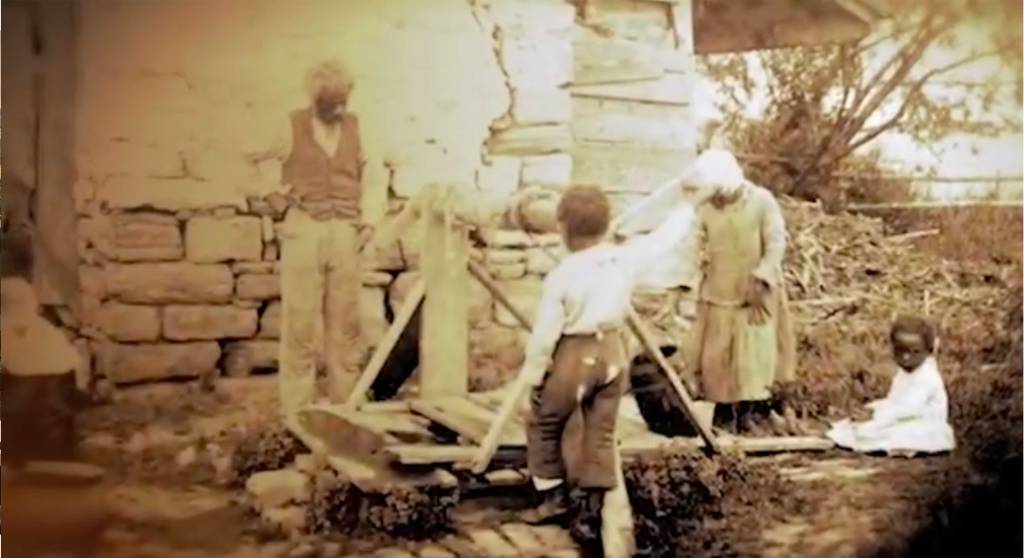
Contrast the Dent women’s genteel lifestyle with that of the enslaved women at White Haven. Like their male counterparts, they lived under a system of forced labor, enduring restrictions on their freedom, harsh working conditions, and the threat of family separation.
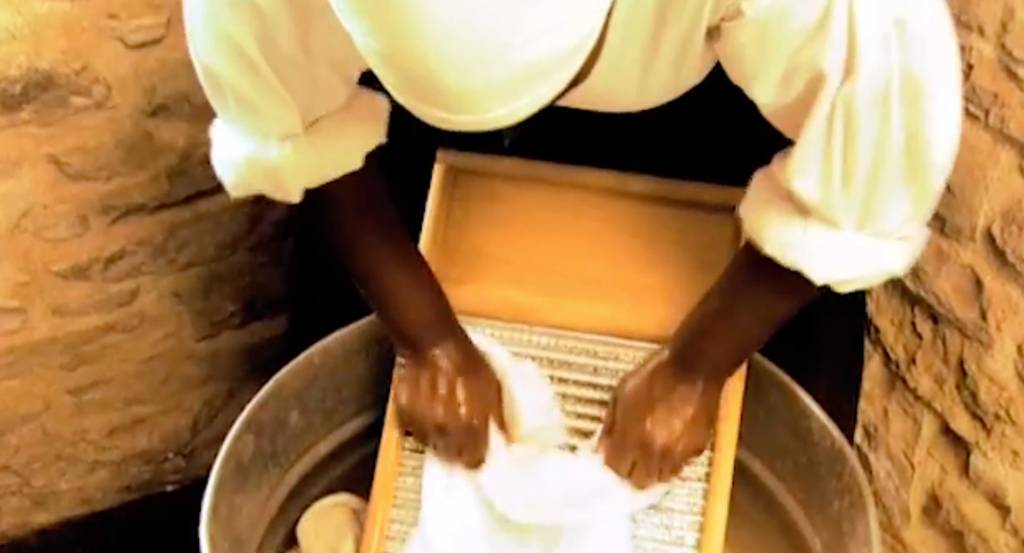
The African American women on the plantation were charged with cleaning the home, feeding the livestock, cooking the Dent and Grant families’ meals, helping raise their children, and serving guests – all the while having to live in crude cabins on the property.
Among these women were Mary Henry, who was enslaved by the Dent family prior to the Civil War and was a playmate of Julia’s as a child; Mary Robinson, another childhood friend of Julia’s who eventually became the family cook; Jule, whom Julia described as “always a favorite of mine” though she ran away while on a journey with Julia; and Henrietta Jones, who nursed the White Haven children.
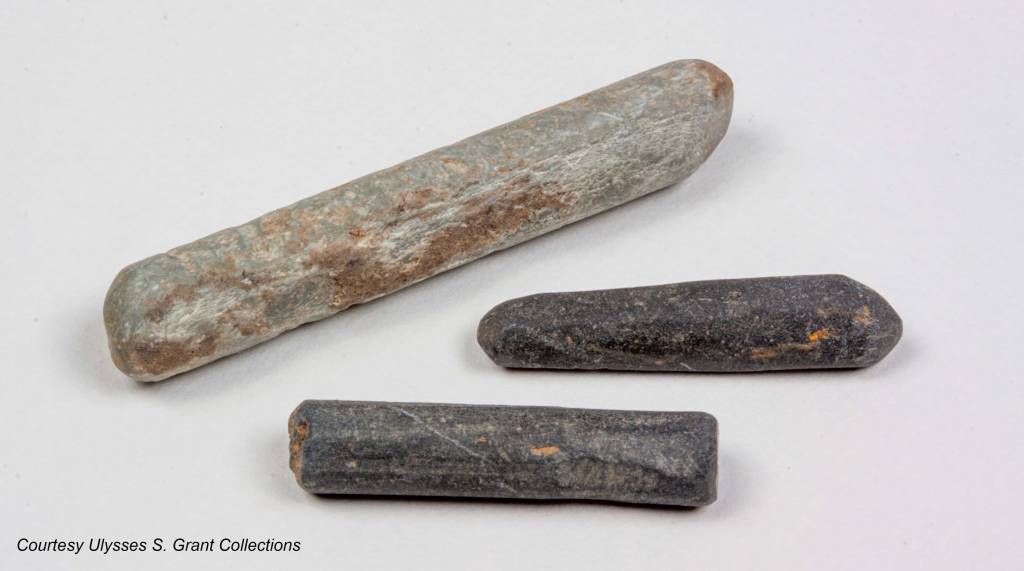
The children of the enslaved were forbidden to attend school, or to read or write, though chalk and other tools found hidden in the floorboards of the winter kitchen show that the plantation’s enslaved were learning to write. Countless other indignities formed the daily life of the enslaved women of White Haven, despite the assertion from Julia and her sisters that they were always treated well.
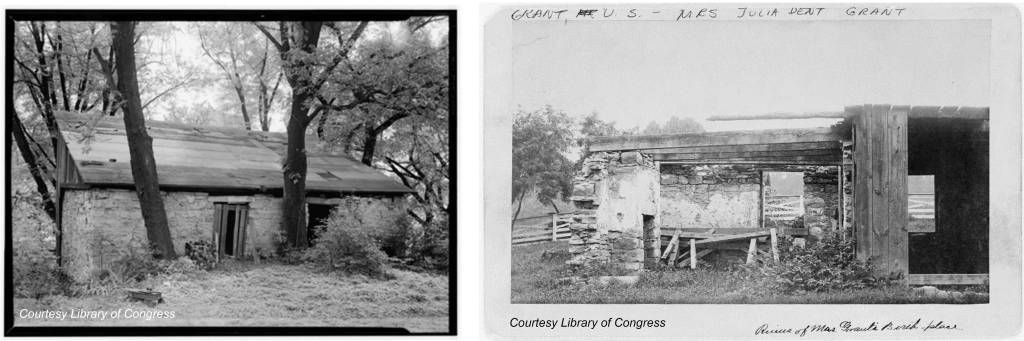
Summer kitchen at White Haven where Mary Robinson cooked and may have lived (right image)
Little wonder that during the Civil War, the remaining enslaved laborers at White Haven simply walked off, as they did on many plantations in both Union and Confederate states. Little is known about where most of them wound up, although Mary Robinson and Mary Henry apparently remained in St. Louis and were interviewed by local newspapers after Grant’s death in 1885.
Want to learn more? Visit the park for a ranger talk on The Women of White Haven on at 10 a.m. Saturday March 21. The lecture is free, but please call 314-842-1867 ext. 230 for reservations.
 JNPA Blog