
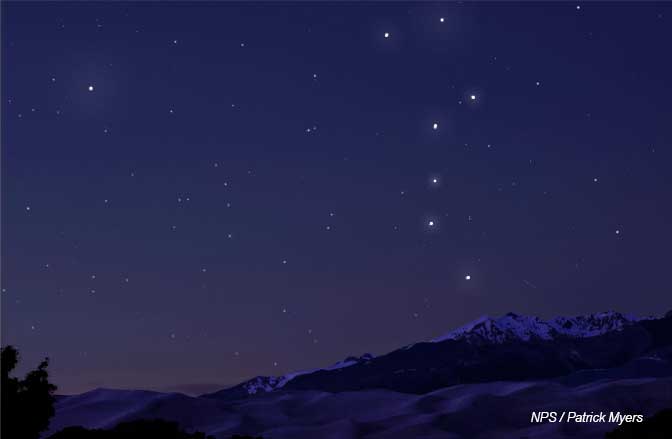
Long before GPS or compasses, people navigated on both land and sea by looking at the stars. For millennia, “reading” the night sky was a reliable way to chart a traveler’s course.
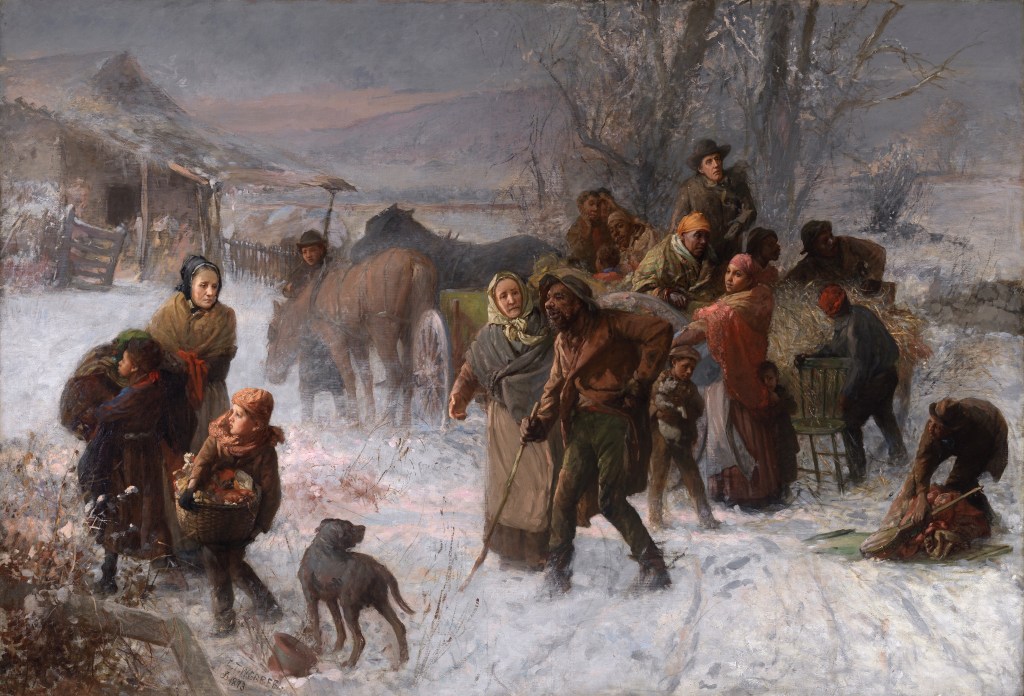
For enslaved people seeking freedom in the 1800s, navigating by the stars could mean the difference between life and death. Traveling under cover of darkness, most had no maps or compasses, making it difficult to reach a safe house, railroad station, or other stop on the Underground Railroad.
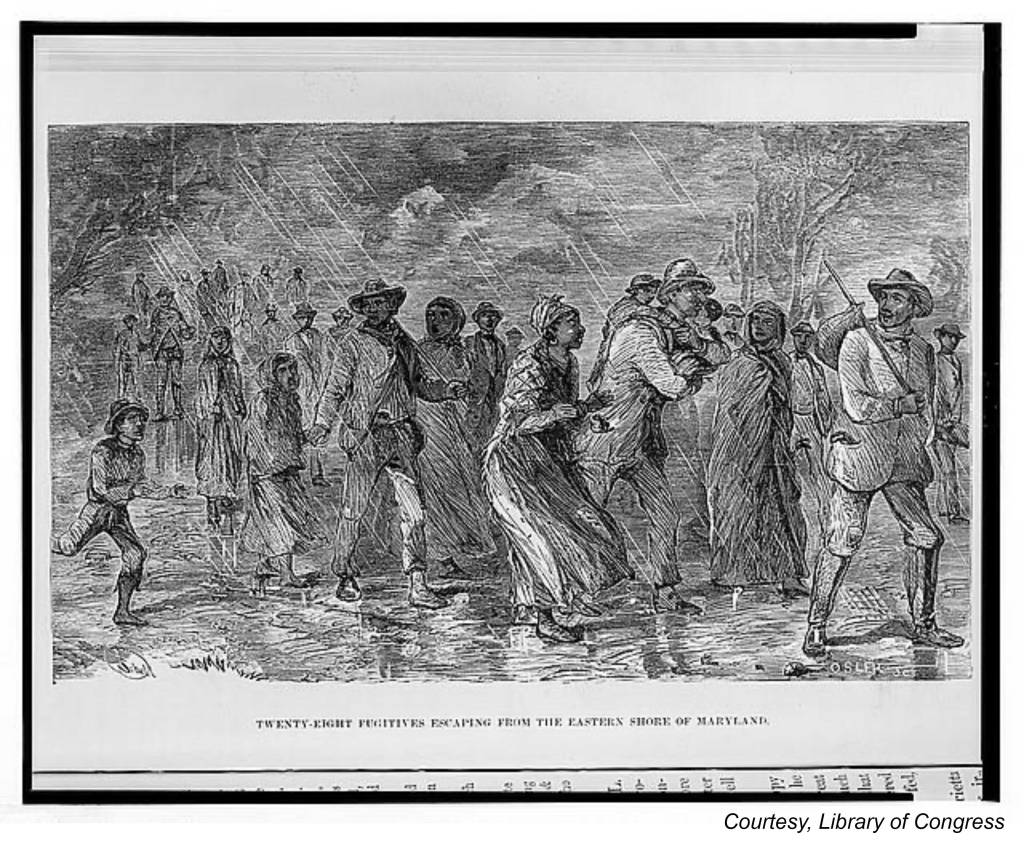
They needed a dependable way to find true north so they could reach Canada, where slavery was outlawed. Many fugitives relied on the North Star, or Polaris, which appears fixed in the northern night sky throughout the year and served as a steady celestial guide.
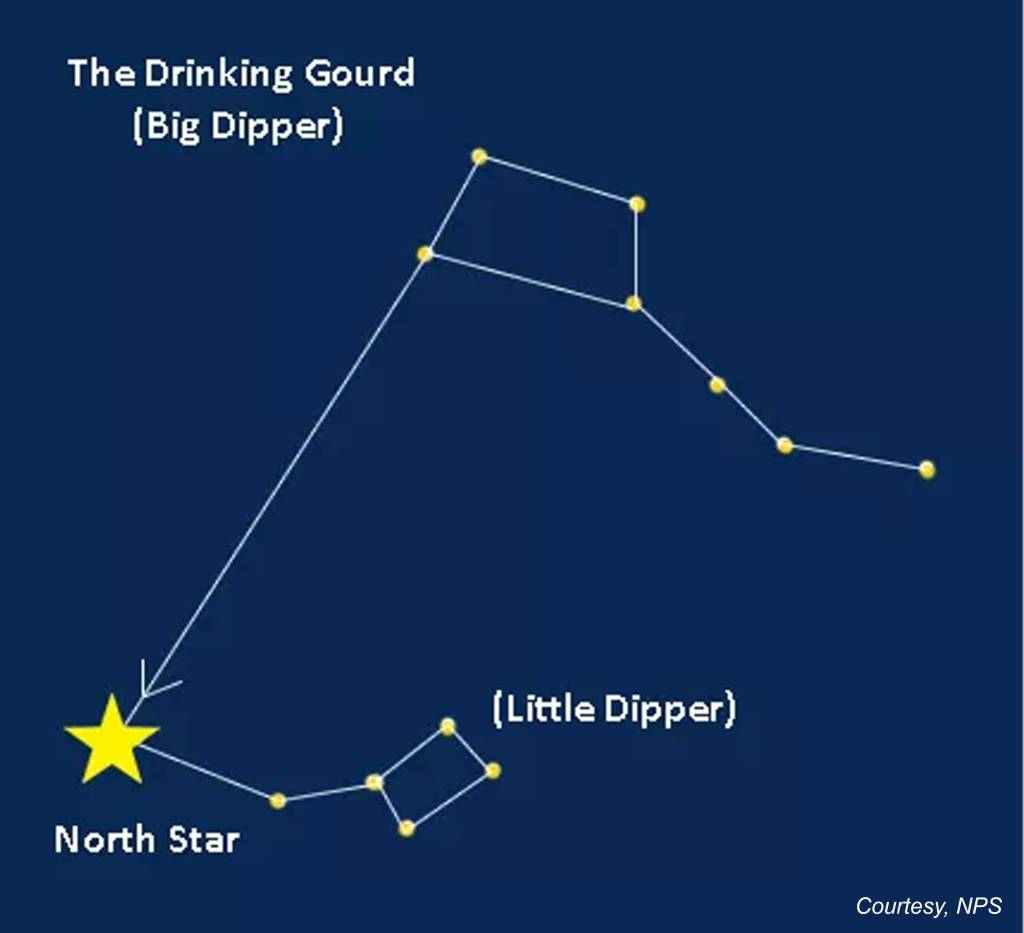
Freedom seekers found the North Star by locating the Big Dipper, a well-recognized constellation. As the name implies, its shape resembles a dipping ladle or drinking gourd. From the gourd’s outline, the North Star could be found by extending a straight line from the outermost star of the bowl. To those fleeing northward, being able to identify the Big Dipper meant the difference between freedom and capture – the sky itself became a lifeline.
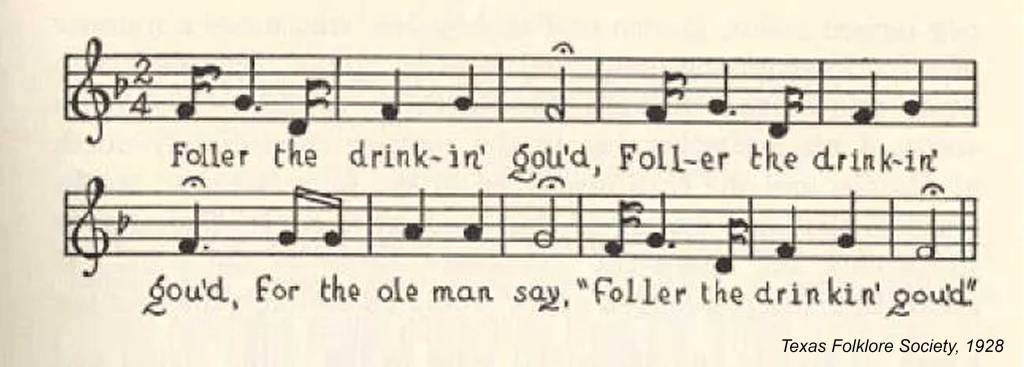
The Big Dipper and North Star were referenced in many 19th century slave narratives and songs. Follow the Drinking Gourd was a popular African American folksong that served as a “musical map” to guide those looking to escape bondage.
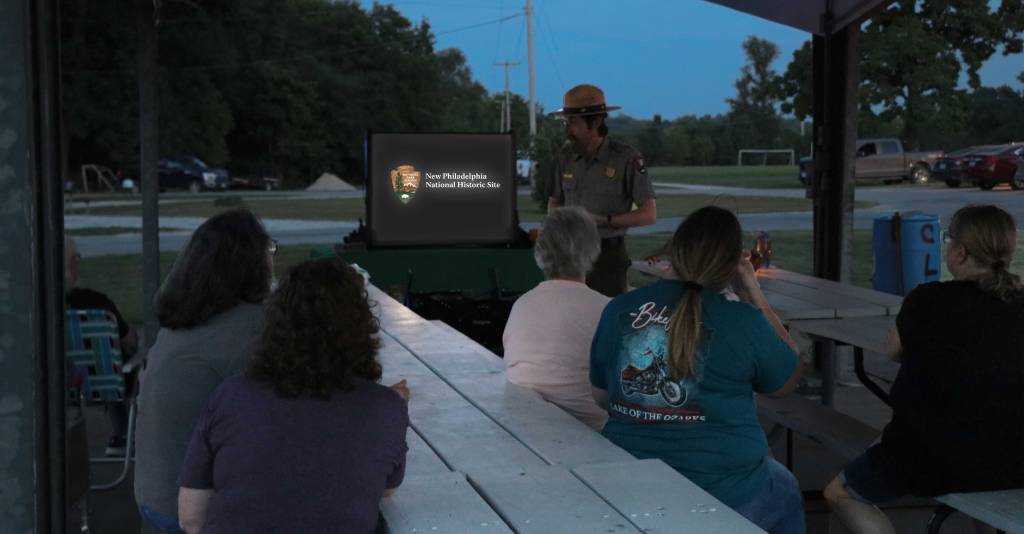
The staff at New Philadelphia National Historic Site in western Illinois recently held two stargazing events as a way to tell the stories of former slaves crossing through the Midwest. After the park’s interpretive program, participants used telescopes from the University of Illinois to view the night sky. “It was a powerful connection for our visitors to be able to see the exact same stars that the freedom seekers saw,” said park ranger Quinn Gilly.
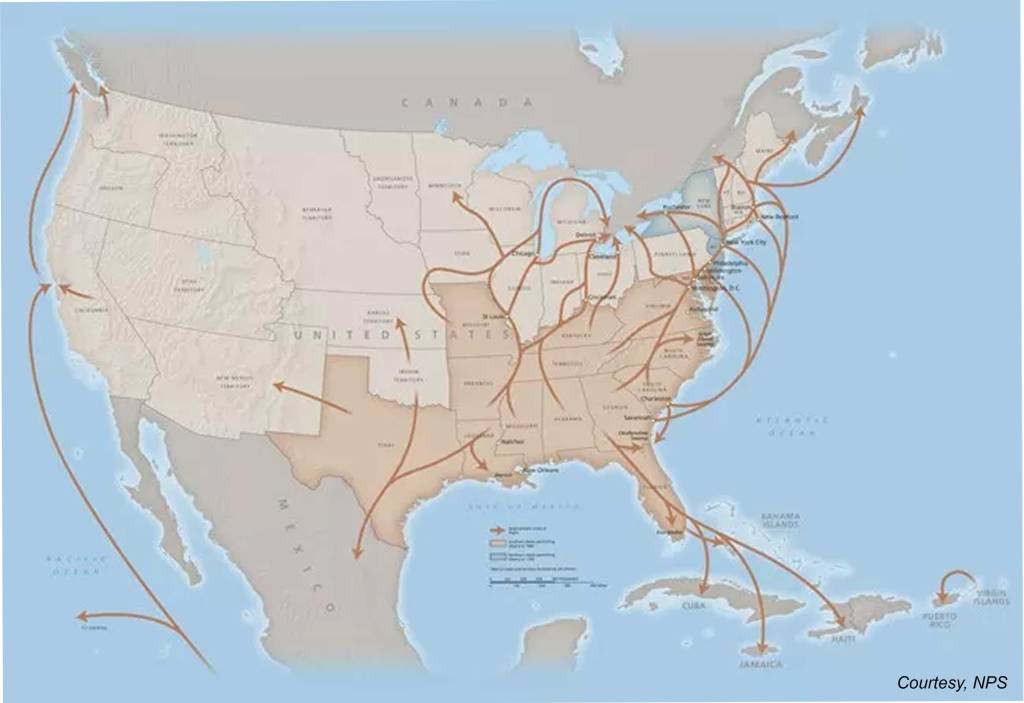
The night sky is a canvas of stories that links us to this past, and national park sites are among the best places to both see the stars and hear these stories. Maybe the next time you gaze at the stars, you’ll consider those early Americans who staked their freedom on a star.

