Want to love where you work? Enjoy providing customer service to visitors from around the world? Want to be part of a dedicated team at a popular national park? Have we got the job for you!
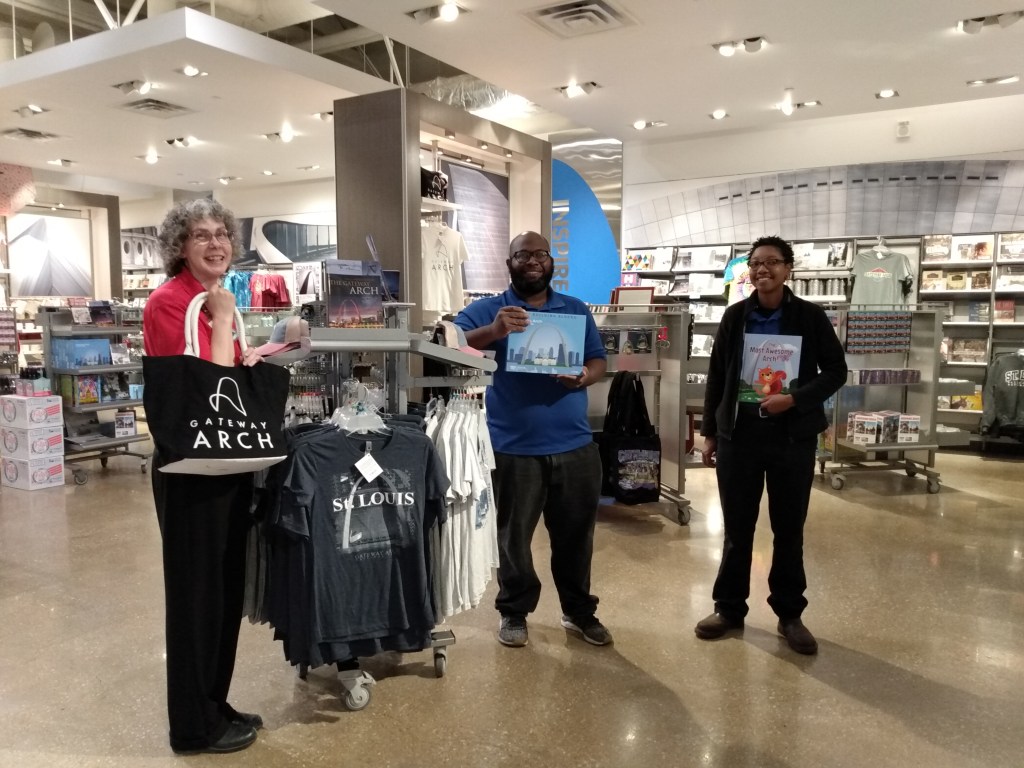
Whether you’re looking for a full-time career, a part-time job, or summer employment, working for JNPA is a rewarding experience. As a sales associate at The Arch Store, you’ll be providing a memorable customer experience to visitors at St. Louis’ iconic Gateway Arch. You’ll also have the satisfaction of knowing you’re helping advance JNPA’s mission of protecting America’s vital national heritage.
Job responsibilities include processing sales transactions, maintaining our beautiful store, providing great customer service and being an ambassador to St. Louis’ greatest treasure. Shifts are available seven days a week. We offer a highly competitive salary, flexible schedules and great benefits.
Come join our friendly, fun and dedicated Arch Store staff. Find out more here and submit your application today!
Gateway Arch National Park is a memorial to President Thomas Jefferson and his role in greatly expanding the borders of the United States.
JNPA greatly respects Jefferson’s accomplishments, as evidenced by the many books and statues we sell at The Arch Store. But we also sell a few more whimsical items that still honor our third president, like this stately bobblehead and mini-building block set. (We trust Mr. Jefferson doesn’t object to our…ahem…taking “liberties” with his likeness.)
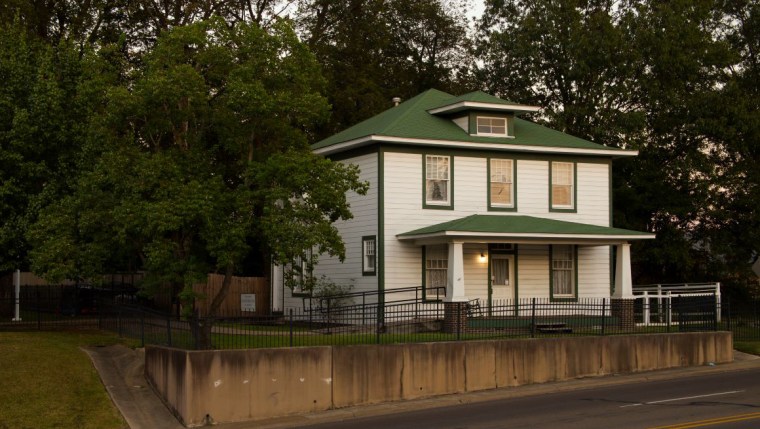
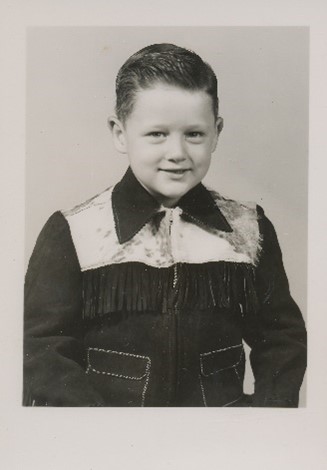
President Bill Clinton spent his early boyhood years in a comfortable two-story frame house in Hope, Arkansas, an experience that he says helped develop his broad views on race relations, social justice, and public service. Our book on Clinton’s early life features numerous photos of the home as well as of the young future president.
Credit: Clinton Foundation
An image of the home is featured on this handsome earthenware mug. And of course, we also sell a fun bobblehead version of the 42nd president.
Credit: David Newmann
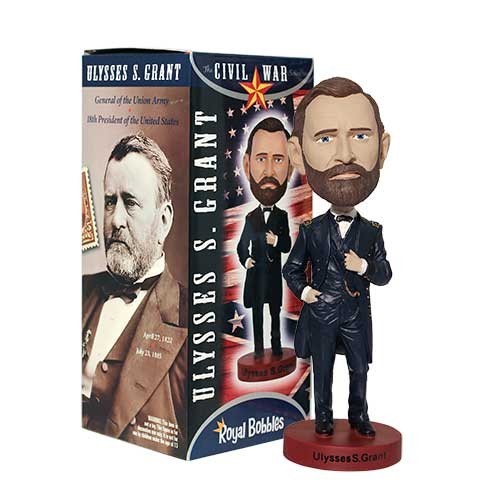
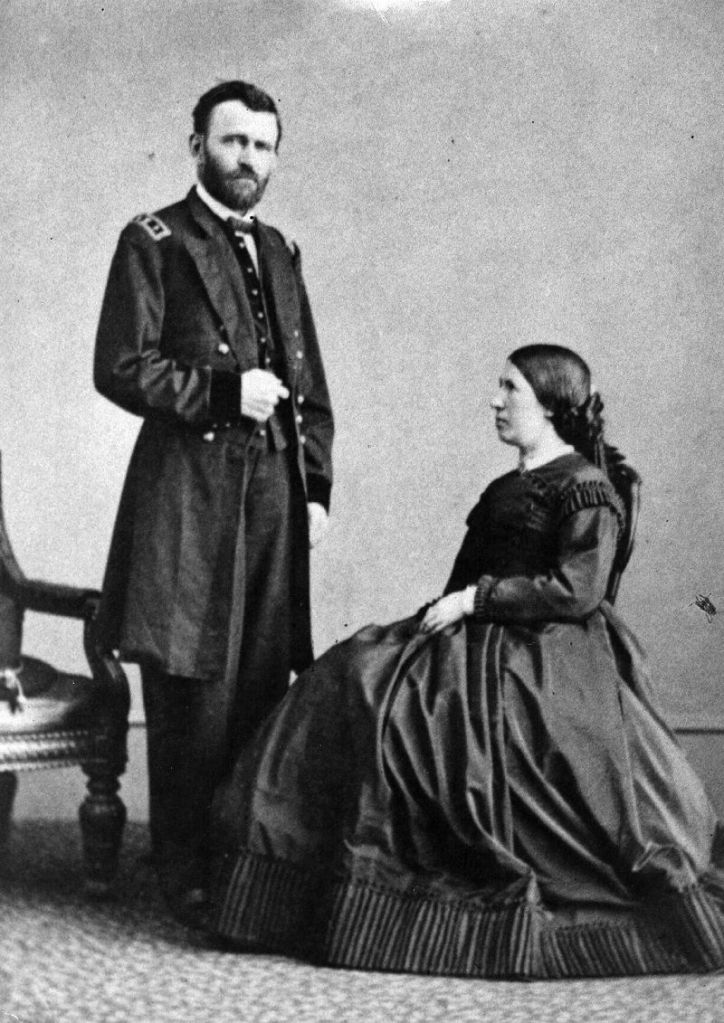
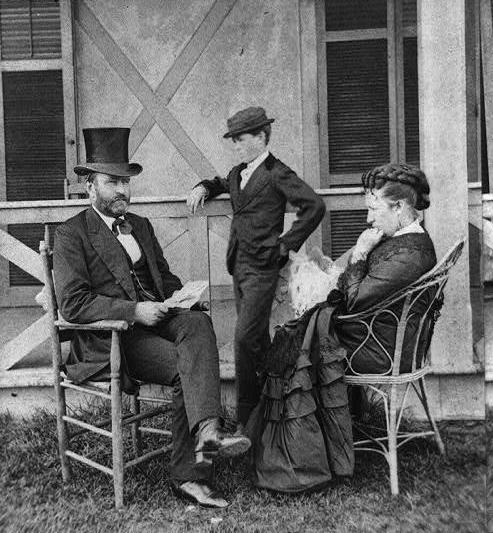
If it’s President Ulysses S. Grant you’re interested in, JNPA offers numerous items commemorating both Grant and his wife Julia. From books to sturdy mugs to fun kids’ products, there’s something for everyone. And don’t forget our popular bobblehead version of our 18th president.
What do you know about Ulysses S. Grant? Victorious commander of the Union troops in the U.S. Civil War: Check. Eighteenth President of the United States: Yep. Devoted lover: Huh??
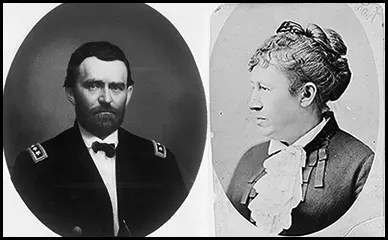
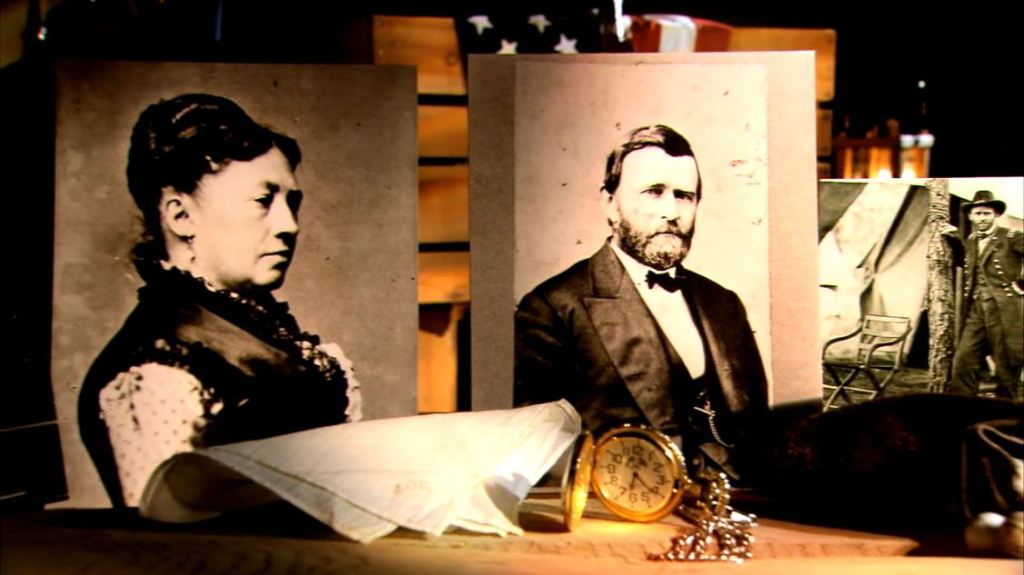
President Grant and his wife Julia Dent Grant sustained a long love affair throughout their lives. What better love story to share in time for Valentine’s Day?
Ulysses and Julia’s romance began at White Haven, the Missouri plantation owned by Julia’s parents. In 1843, while stationed at a nearby Army barracks, the young Lieutenant Grant visited the farm where his West Point roommate had grown up. He was immediately charmed by Julia and often made the 12-mile ride to White Haven to visit her several times a week.
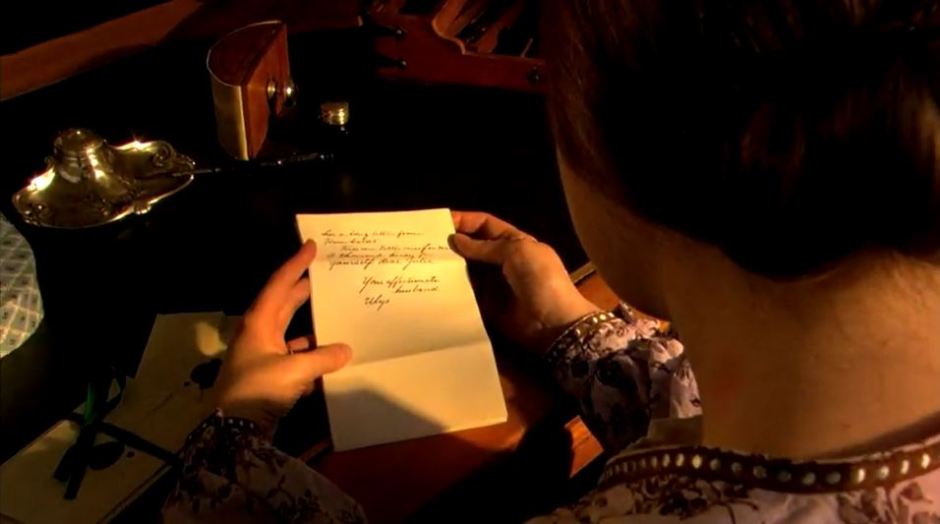
Unfortunately for the young couple, their courtship was marked by long periods of separation while Grant was on assignment for the Army. So they turned to letter writing as their sole method of declaring their love. Although sadly no correspondence from Julia to Grant survives to this day, we are lucky to have numerous letters that Grant sent to his beloved, and his devotion to her is obvious.
When Grant was stationed in Louisiana and Texas in preparation for the coming war with Mexico, he wrote Julia in 1844 “of the depth and sincerity of my love for you.” Writing from Texas the following year, Grant told her “for my own part I would sacrifice everything Earthly to make my Dear Julia my own forever.”
Even during the height of battle, his feelings for her were as strong as ever: “…in the midst of grape and musket shots, my Dearest Julia and my love for her are ever in my mind.” And in that same letter, Grant assures her “I am getting very tired of this war, and particularly impatient of being separated from one I love so much, but I think before I see another birth day I shall see Julia, and if she says so, be able to call her my own Dear for ever.” Grant’s wish eventually came true. The couple was married at White Haven in 1848.
Though Julia was able to travel with Ulysses to some of his Army postings, they still remained apart for much of their early marriage. It is thought that these ongoing separations was one reason Captain Ulysses Grant resigned his commission from the Army in 1854 and returned to White Haven to be with his wife and young children.
To learn more about the love story of Julia and Ulysses, watch A Thousand Kisses, the short video about their early life that JNPA helped produce for the National Park Service.
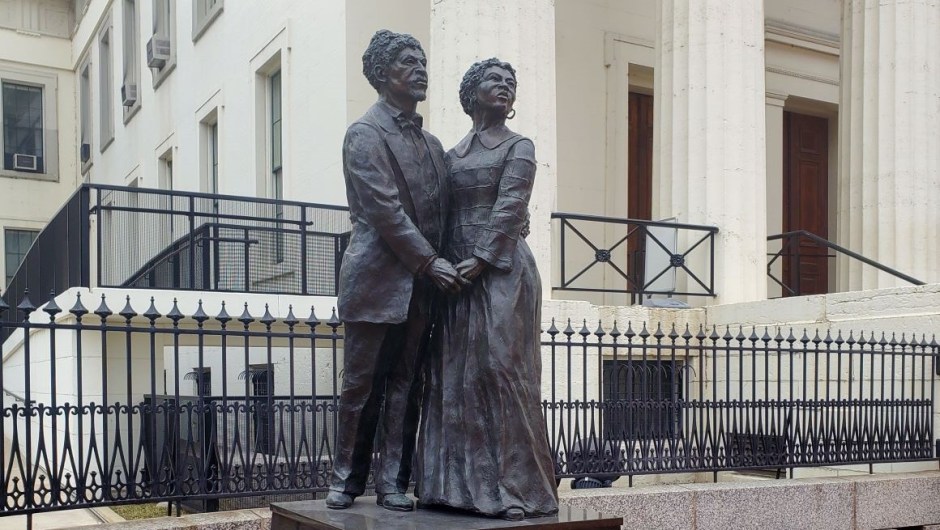
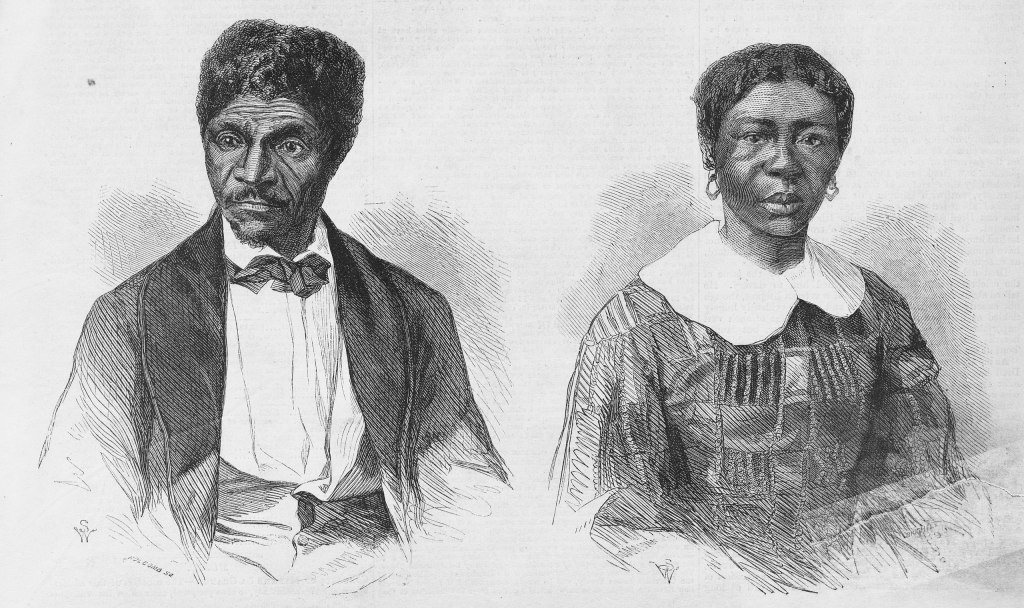
One of the most important stories in African Americans’ battles for civil rights is that of Dred and Harriet Scott, an enslaved couple who turned to the courts in the mid-19th century in their bid for freedom. As we honor Black History Month, we think it is fitting to remember the Scott’s brave struggle as well as the setting for several of their trials – the Old Courthouse.
Dred Scott was born into slavery in 1800 and worked for various families in Virginia, Missouri, Illinois, Wisconsin and Minnesota. In 1936, he married Harriet Robinson, an enslaved woman; 10 years later, the couple was brought to St. Louis. By that time, the Scotts had lived in slave-free territories for nearly nine years. So they sued for their freedom, arguing that since they had been taken into “free” U.S. territories, they were automatically free citizens and should no longer be enslaved.
The case’s lower court trials were heard in 1847 and 1850 at the Old Courthouse (now part of Gateway Arch National Park. Their legal fight lasted many years and eventually reached the U.S. Supreme Court, which ruled against Scott in 1957. The infamous ruling in Scott v. Sanford held that African Americans were not citizens and therefore weren’t protected by the U.S. Constitution, and also that the Missouri Compromise – which created the territories north and west of Missouri as free non-slave regions – was unconstitutional. Many scholars believe this controversial decision from the high court contributed to the start of the Civil War.
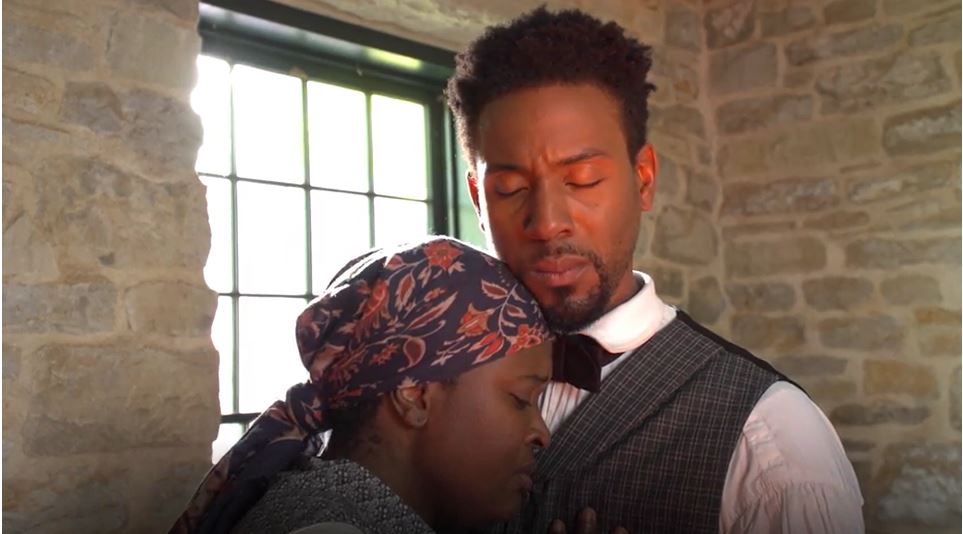
The Scotts and their two daughters eventually won their freedom in 1857, not through the courts but after their owners set them free. Sadly, Dred Scott died of tuberculosis in St. Louis the following year. His wife survived until 1876, long enough to see the end of the Civil War and the establishment of the Thirteenth Amendment, which abolished slavery in the United States. The National Park Service plans a new exhibit gallery devoted to Dred and Harriet Scott’s legacy when it reopens the Old Courthouse after its current renovations. Meanwhile you can view the short video A Bid for Freedom, which JNPA helped create for the park, which dramatizes the agonizing challenges facing the couple.
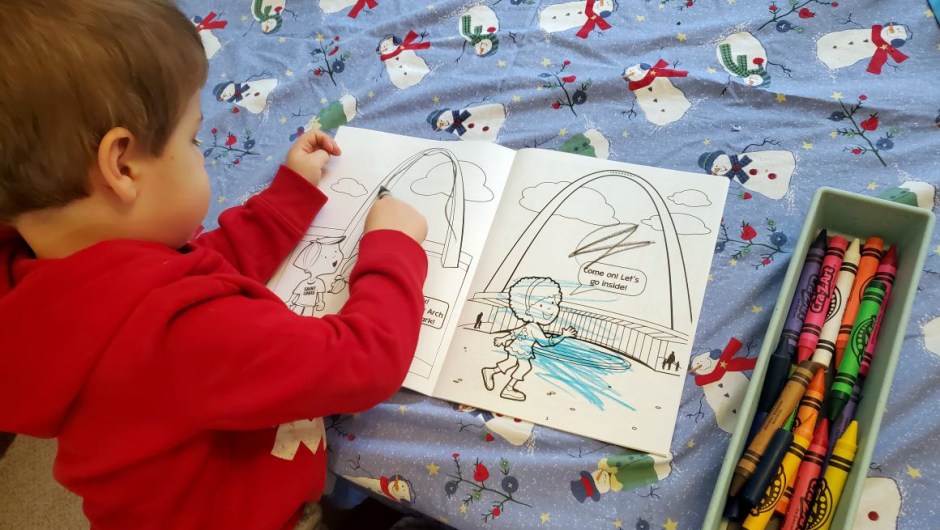
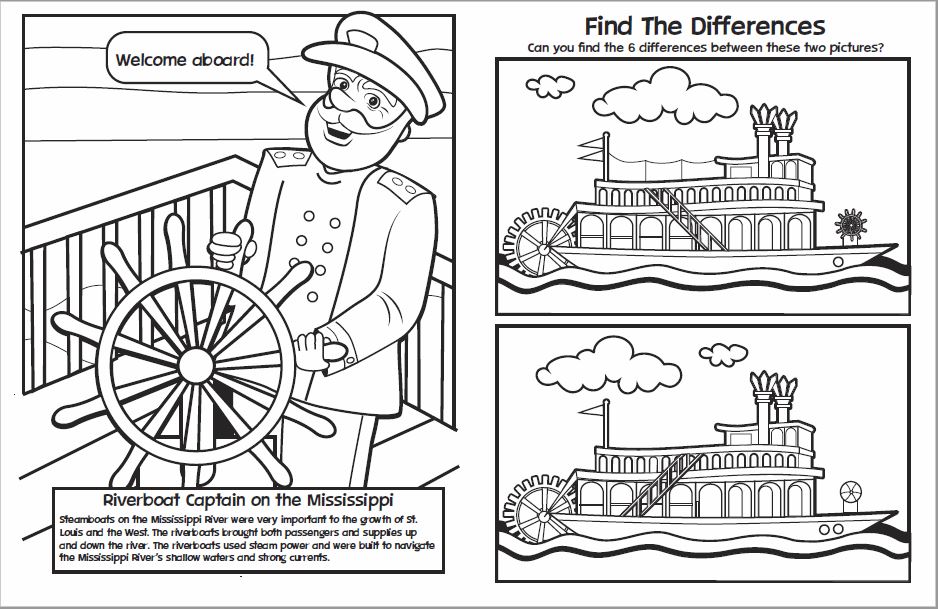
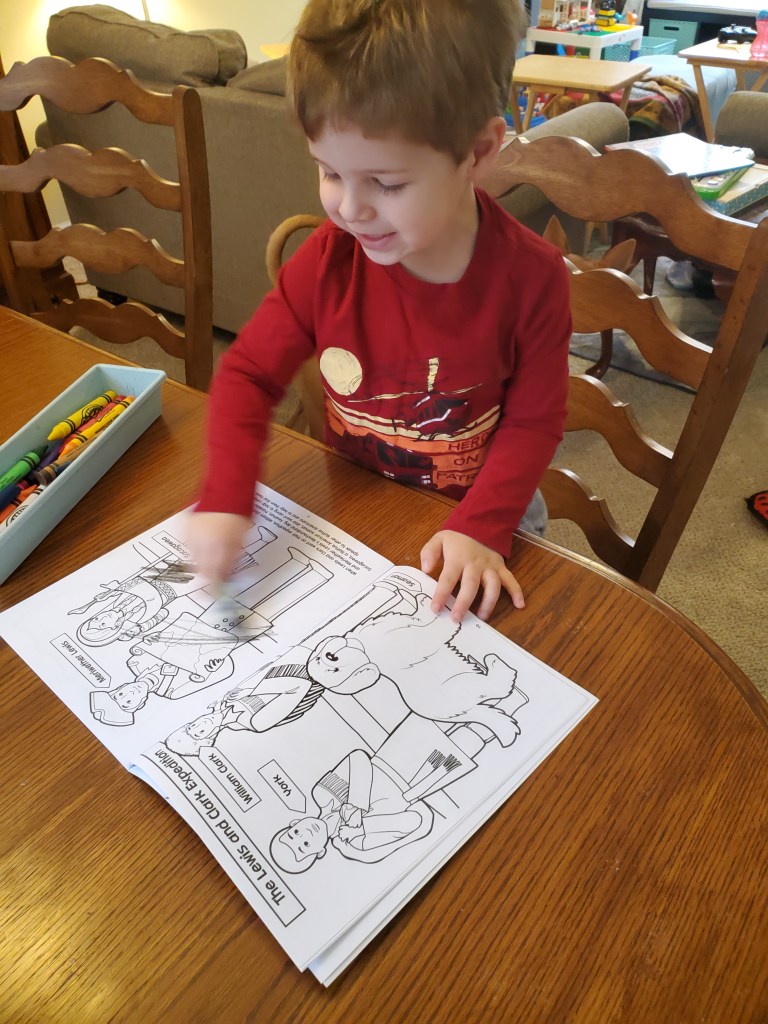
Who says learning has to be boring? JNPA’s new Gateway Arch activity book is packed with all kinds of fun.
This 32-page activity book is hot off the presses. It’s filled with cool pages to color, matching games, tricky mazes, word searches, connect-the-dot games, and a lot more.
And the grown-ups in your life will love the fact that while you enjoy the book, you might also just learn a few things about the Arch and its many stories.
Pick up the Arch activity book when you visit us at The Arch Store or order it – along with other fun Arch products for kids – when you shop at our online store.
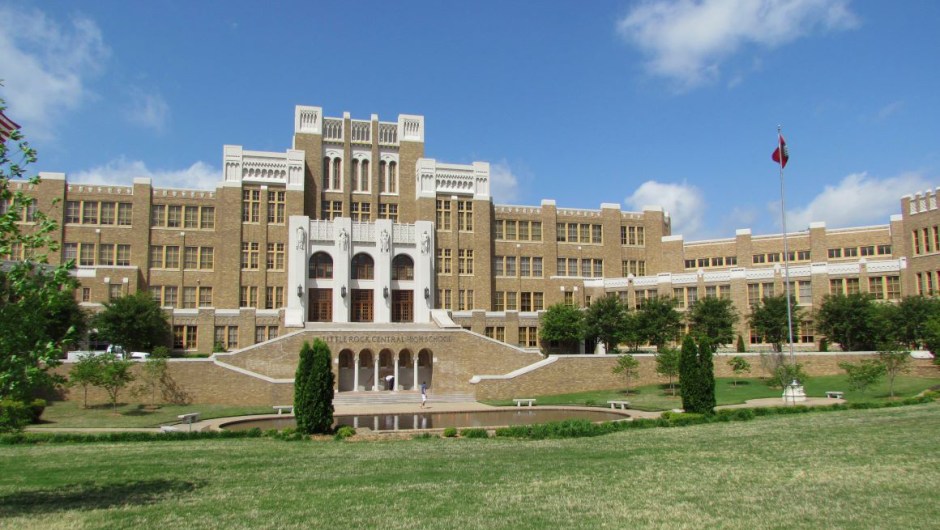
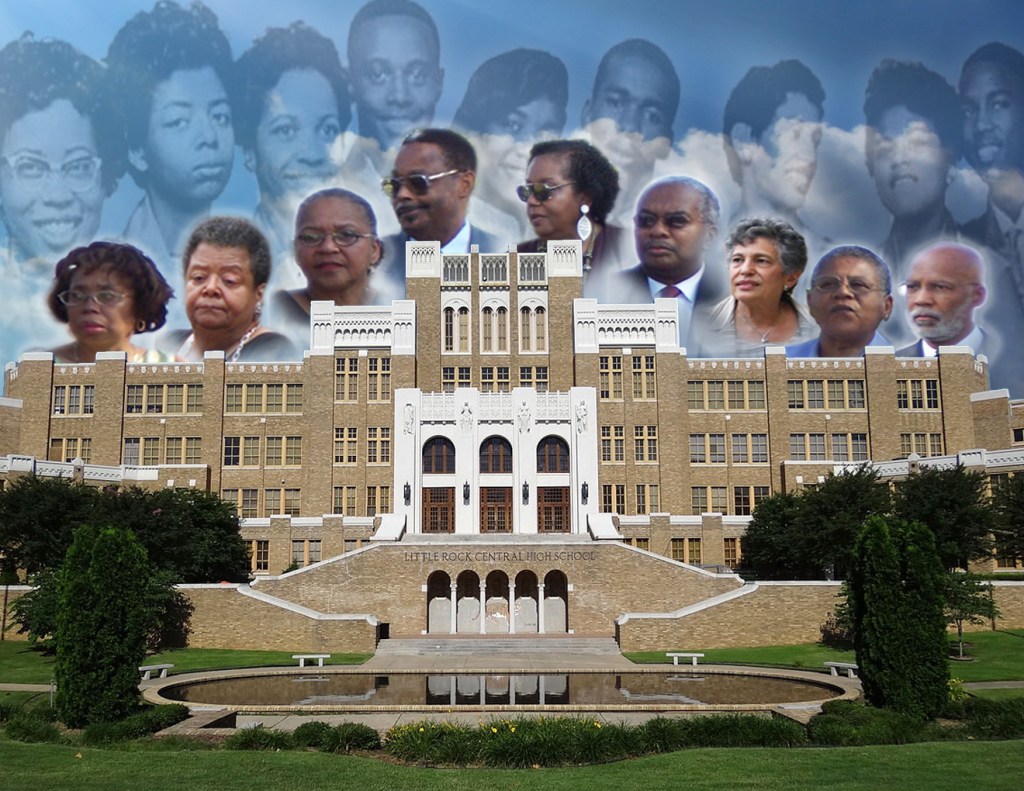
As we reflect on the annual commemoration of Martin Luther King, Jr., we’re also reminded of the many early efforts to end racial segregation across the nation. One of most infamous was the struggle to integrate Central High School in Little Rock, Arkansas, one that eventually spawned a national historic site.
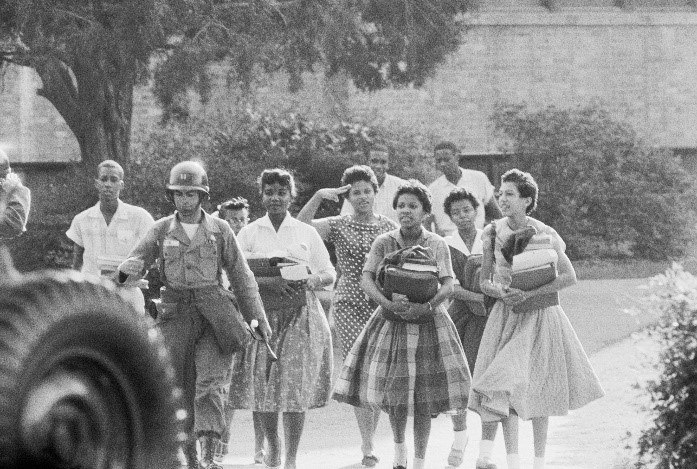
On September 23, 1957, Central High School became the frontline in the battle to integrate America’s schools. That’s the day nine African American teenagers sought to begin the school year in the formerly all-white school – just three years after the Supreme Court’s landmark Brown v. Board of Education decision mandating equal education for all Americans.
Credit: Bettman, Getty Images
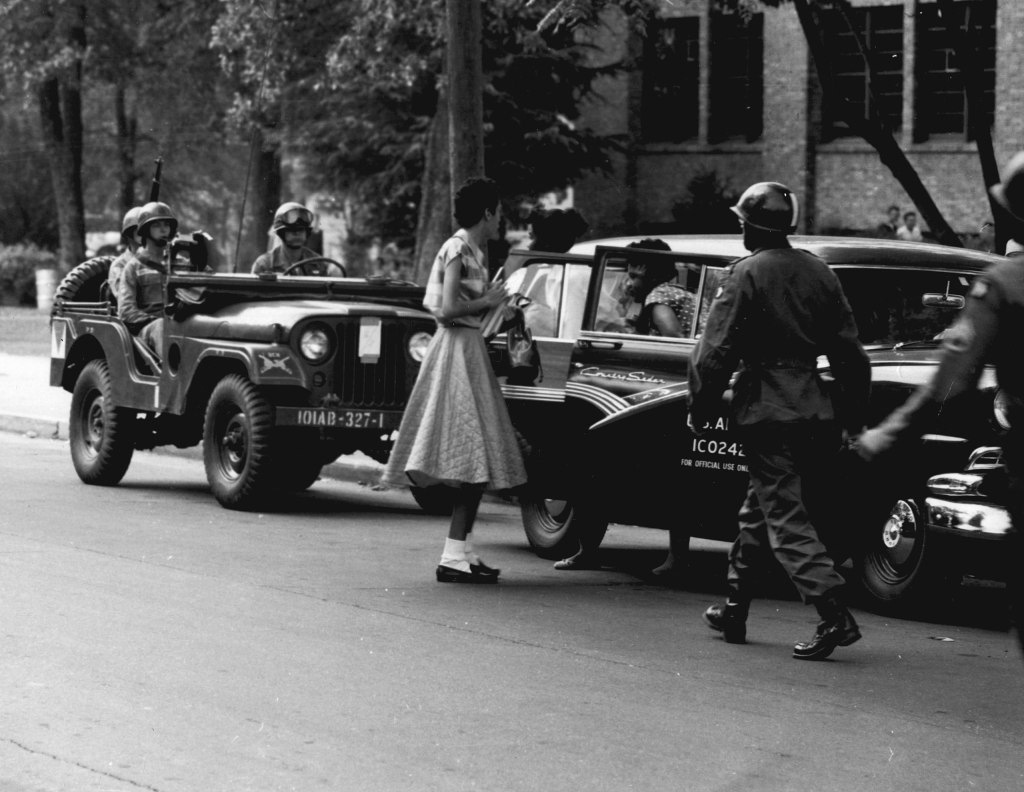
Despite the new law, an angry mob formed outside the high school as the nine students entered the doors. Eventually the Little Rock police removed the African American students, fearing for their safety. But soon after, President Dwight Eisenhower mobilized the U.S. Army’s 101st Airborne Division to escort “the Nine” into the school.
The National Park Service commemorated this historic occasion with the inclusion of the high school as a National Historic Landmark in 1982. In 1999, the Little Rock Nine each received the Congressional Medal, the nation’s highest civilian honor.
Central High School continues to serve as a public high school – the only functioning school located within the boundary of a national historic site. It ranks as one of the nation’s top public schools. The Park Service operates a nearby visitor center that interprets the historic civil rights events that landed the school in the national limelight. And JNPA proudly offers educational products related to the site in the park store.
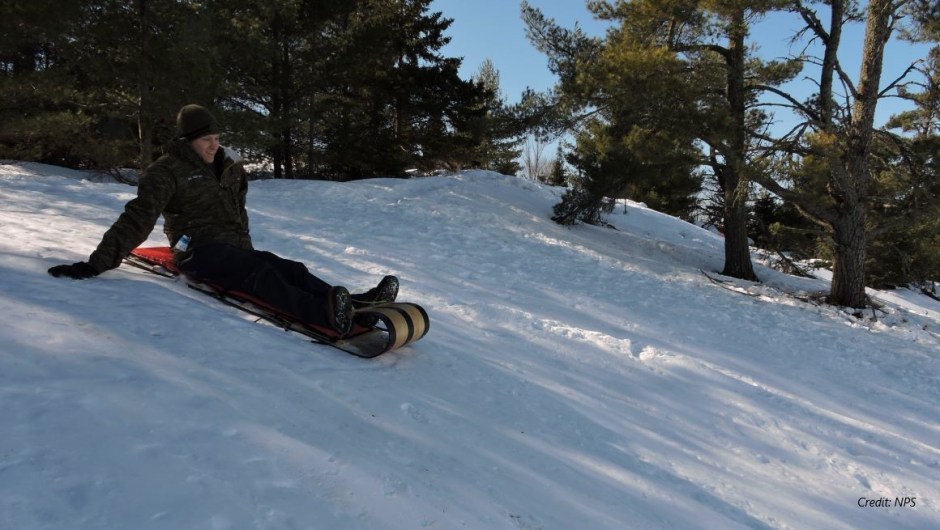
Ready to meet winter head-on with a fun outdoor experience? The National Park Service has you covered with a number of great options. And our partner site Voyageurs National Park just made a nationwide list of 11 national parks with incredible winter activities.
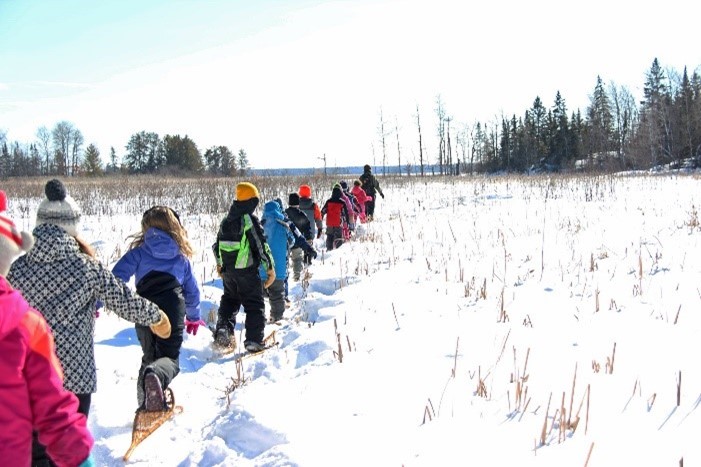
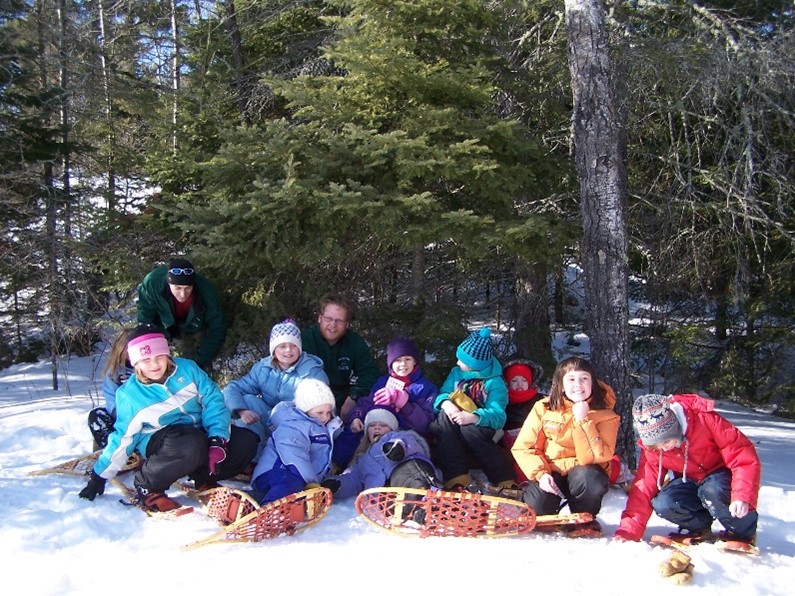
Want snow and ice? Look no further than Voyageurs, a 218,000-acre frozen wonderland in northern Minnesota. Hardy winter visitors have their choice of snowmobiling, cross-country skiing, snowshoeing and ice-fishing. Maybe that’s why Roadtrippers Magazine named Voyageurs one of the country’s best national parks for winter fun.
Start your visit at the Rainy Lake Visitor Center, currently open Friday through Sunday. Rangers will supply you with trail maps, and even lend you cross-country skis and snowshoes.
Or if experiencing winter from your car is more your speed, test your driving skills on one of the park’s two ice roads, when conditions permit. Park staff maintains two of these groomed roads from November to April. The Roadtrippers reviewer calls it a “one-of-a-kind experience.” (Not to worry – the park takes visitor security very seriously and constantly monitors the ice thickness to ensure a safe ride.)
Credit: NPS
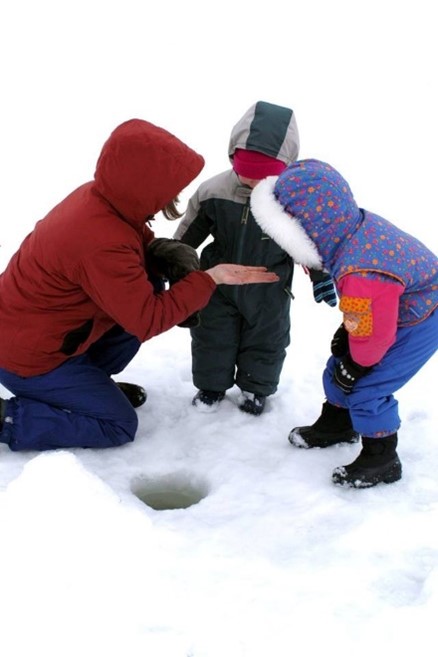
Ice-fishing is another popular activity at Voyageurs. The area is popular for anglers, who enjoy the quiet of the pine-studded shorelines and frozen lakes. Visitors must bring their own ice house, and have a fishing license.
There’s something for kids of all ages at Voyageurs. Put it on your winter travel list!
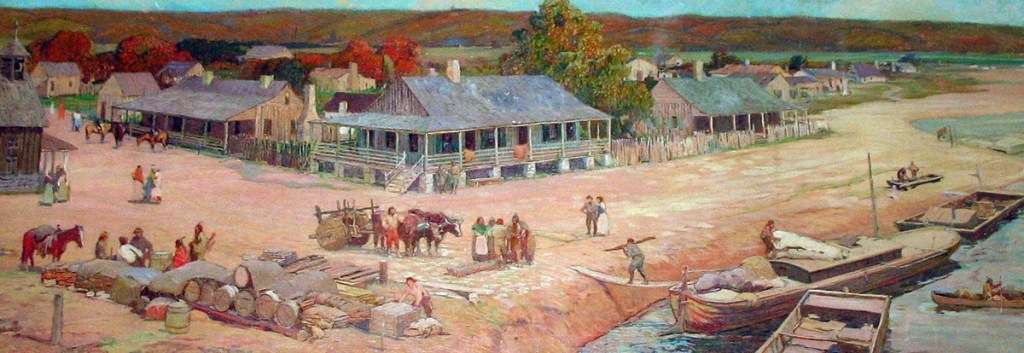
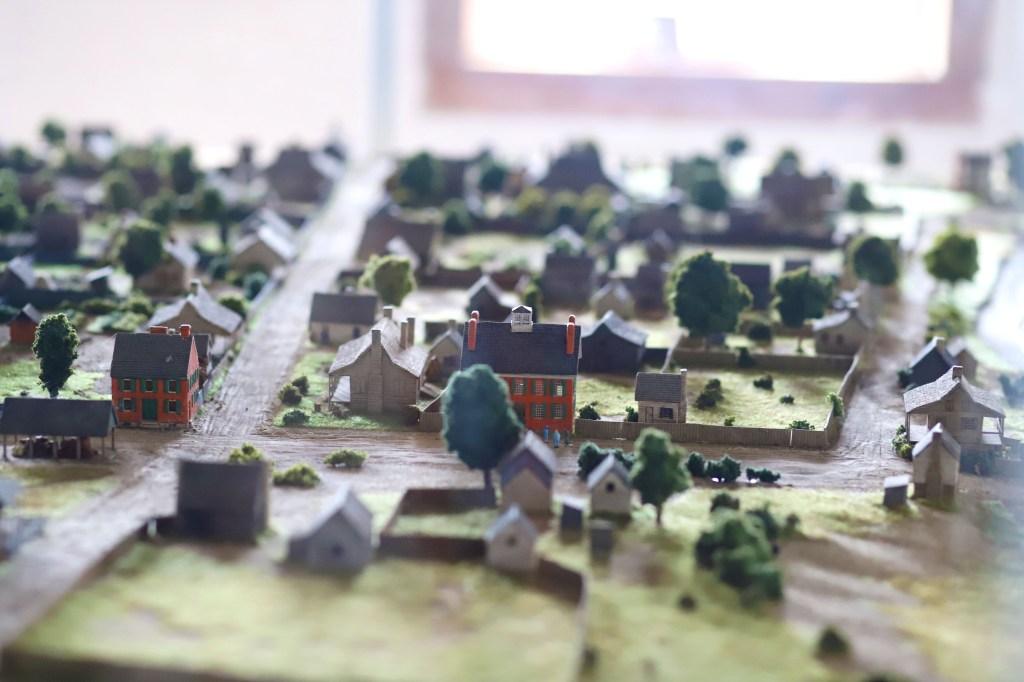
When French settlers founded the village of Ste. Genevieve in the 1750s in what was then Illinois Country, they brought with them a heritage rich in Old World traditions, laws, foods, language, and architecture. But many of their French customs unsettled – even shocked – many of their Anglo neighbors.
The earliest French Canadian settlers who came to the Midwest were primarily farmers who were drawn to the rich soils of the Mississippi River floodplains. They established a regional culture unlike anything else the territory had seen.
Illustration of early scene of Ste. Genevieve in its original location on the banks of the Mississippi River. Cropped from a mural painted in 1924 that is located in the Missouri State Capitol building in Jefferson City, MO. Artist: Oscar E. Berninghaus (1874–1952).
Women and people of color had far more rights under French Creole law than under Anglo law. Women could buy, sell and inherit property, and could engage in business. Enslaved people could earn money by working evenings and weekends, were allowed a day of rest on Sundays, and could purchase property.
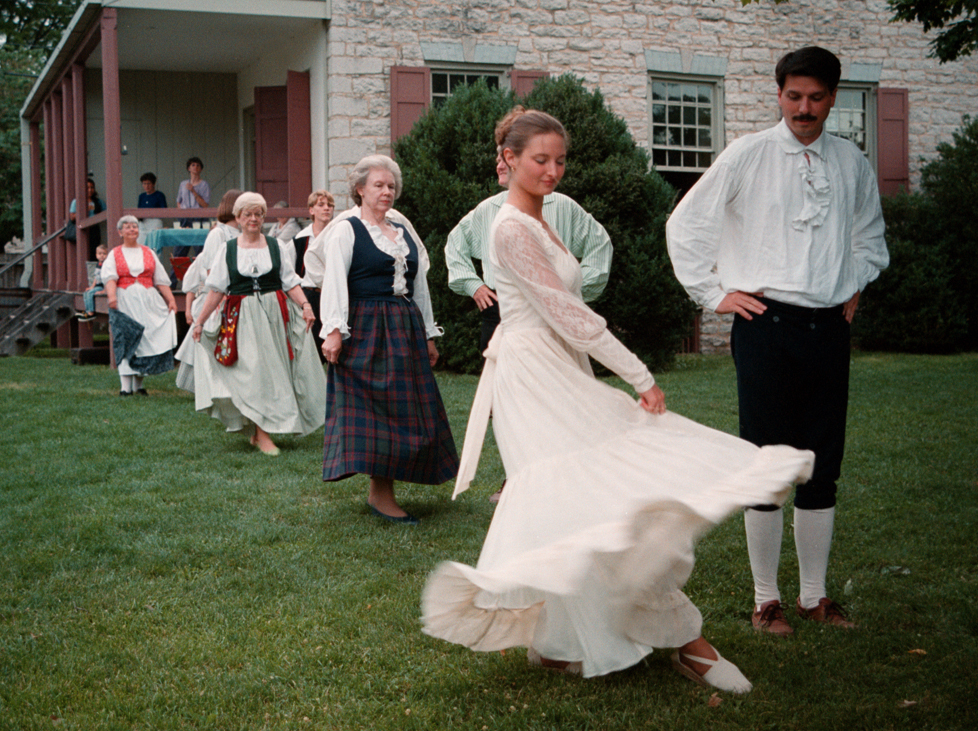
The French lived in tight-knit communities and imported most of their clothing, pottery, wine and other amenities from Europe. Though predominantly Catholic, their frequent celebrations scandalized their Protestant neighbors. After Sunday church services, the Creoles often held spirited parties, playing billiards and betting on cards and horse racing, and dancing to lively music. French cooking figured prominently in most festivities. And since every month saw at least one religious ceremony, the customs of the French often set them apart from the other cultures in the region.
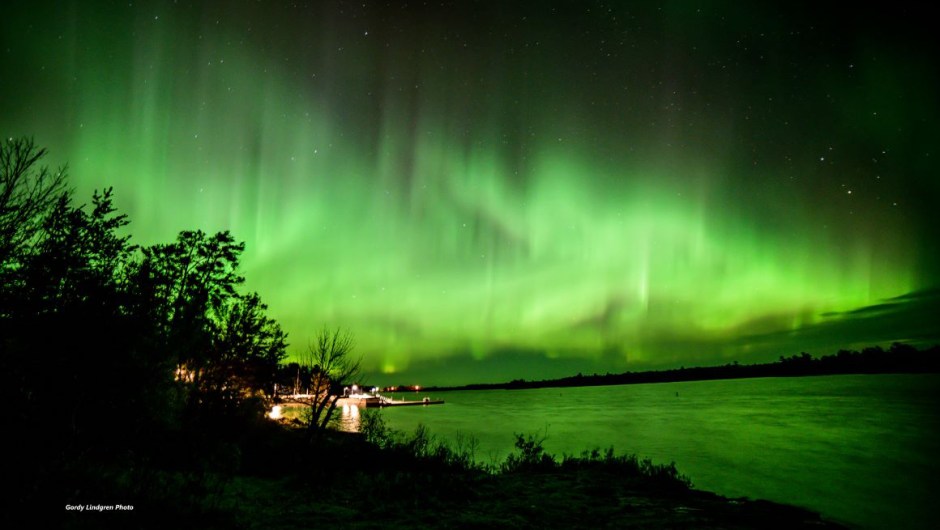
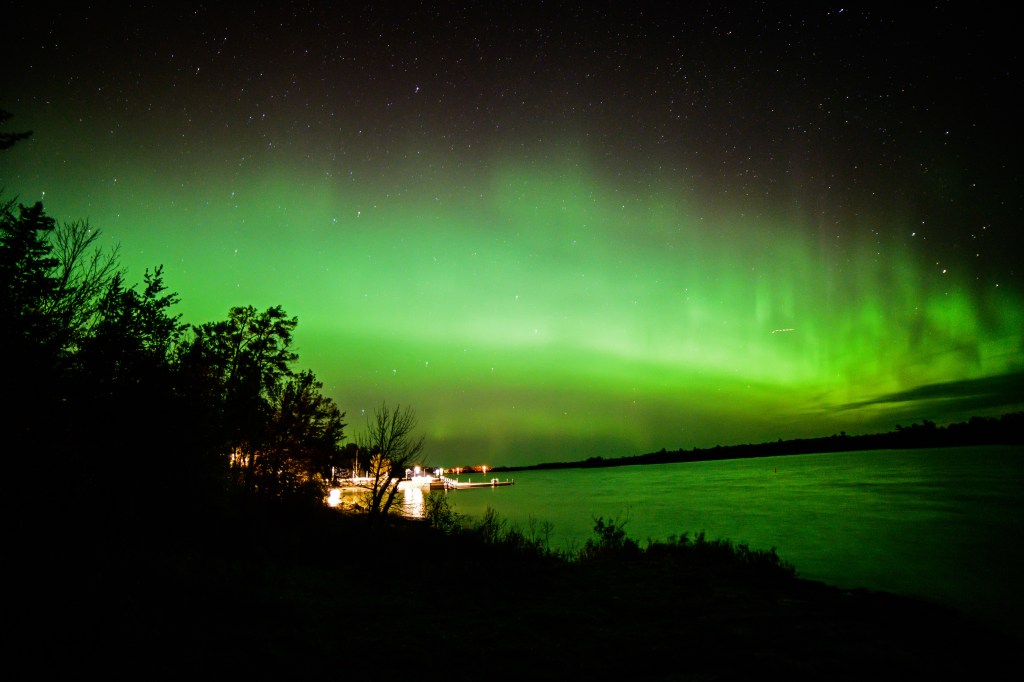
Now that winter is here, many of us dread the inevitable shorter daylight hours. But for those who live in (or visit) the upper latitudes of the northern hemisphere, there’s one spectacular upside to the encroaching darkness: more opportunities to experience the Northern Lights. And few locations are better for viewing these celestial light shows than Voyageurs National Park.
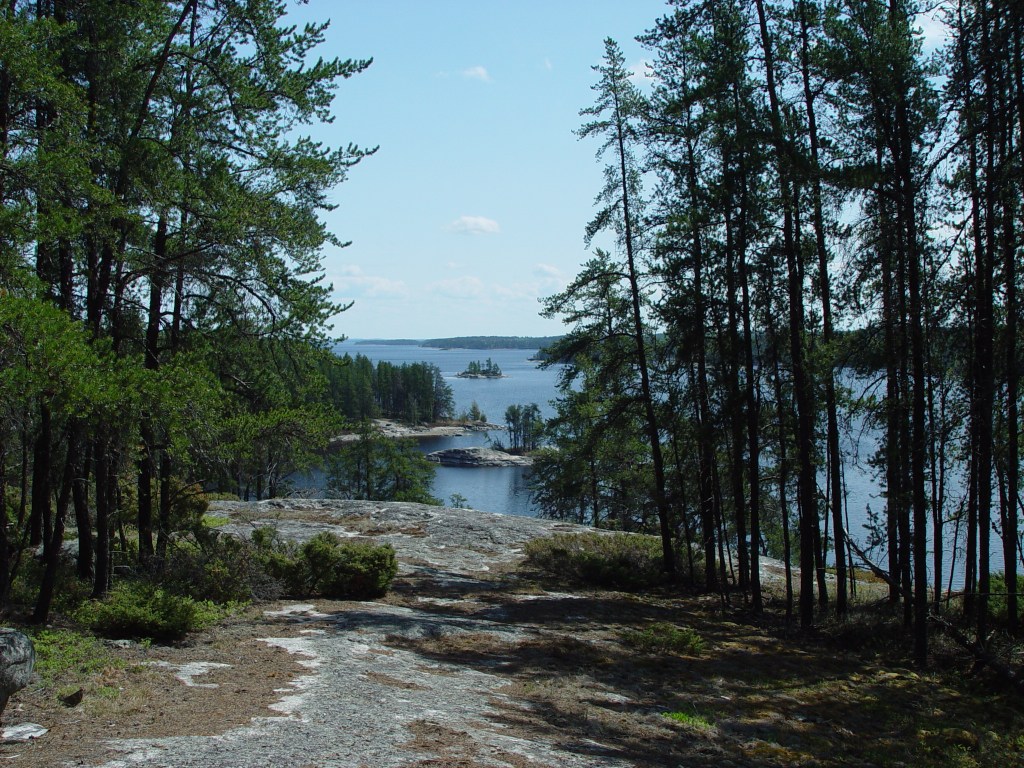
Situated near the Canadian border in northern Minnesota, Voyageurs is a natural wonderland of lakes and forests. And while our longtime partner park offers stunning scenery by day, by night it offers one of nature’s most enthralling light shows – a shimmering cascade of colored streaks and dancing cloud-like formations illuminating the night sky.
The northern lights have fascinated humans since the dawn of civilization, and they’ve been called many names. To the ancient Chinese, they were “cracks in the heavens.” The Lapps in Scandinavia label them “sky fires.” And various Indigenous peoples call them the “dance of the dead.” Scientists refer to them (somewhat less poetically) as the aurora borealis.
Photo by Gordy Lindgren
The lights occur sporadically over the middle and high latitudes of the Northern Hemisphere, triggered when solar radiation collides with nitrogen and oxygen atoms in the Earth’s atmosphere. Considering Voyageur’s northern location, on a clear night you can see stunning displays of the northern lights as shades of greens, red, blues and purples dance in the night sky. (The color of the aurora depends on which atom is struck and the altitude of the collision.)
You can glimpse the northern lights at any time of year, but your chances are better during winter because there are more hours of darkness. If you’re unable to travel to Voyageurs to see the light show for yourself, check out the photos on the park’s website.
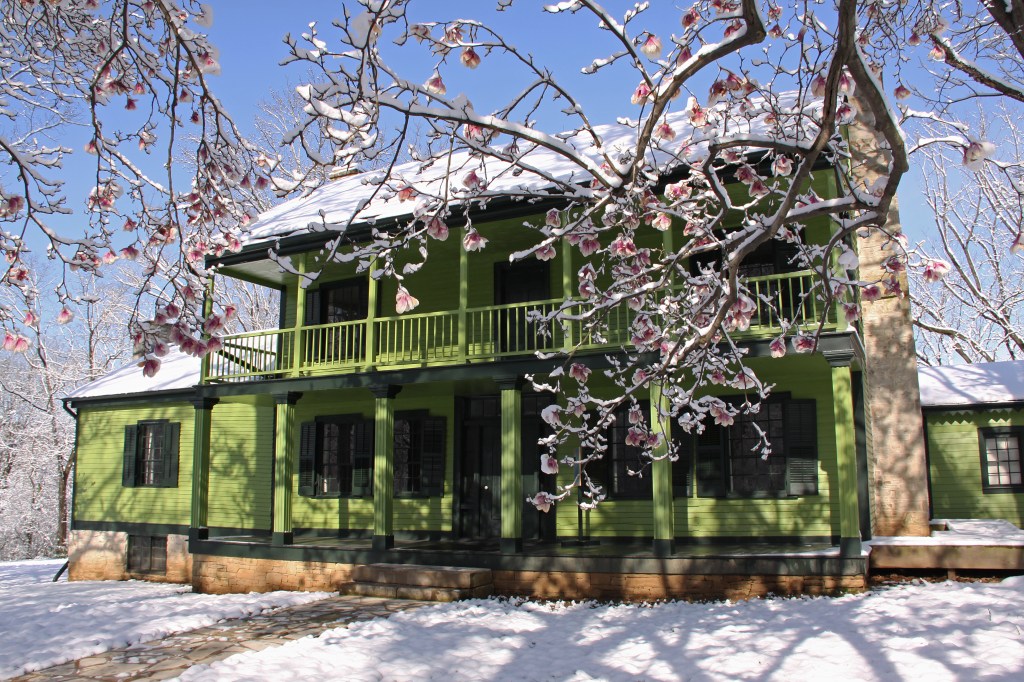
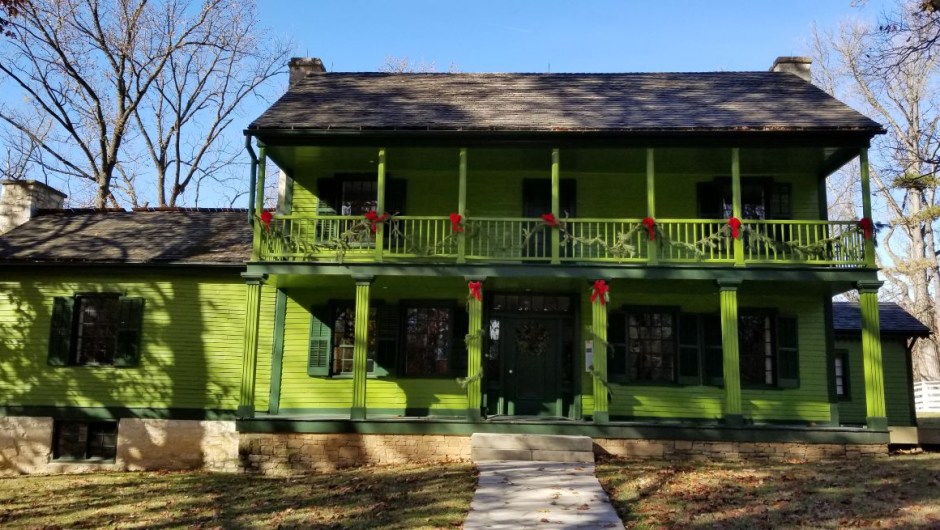
When you visit Ulysses S. Grant National Historic Site, you can take a ranger-led tour of White Haven, the president’s home in the late 1850s. But you’ll probably wonder why the home’s exterior isn’t painted white at all – it’s green!
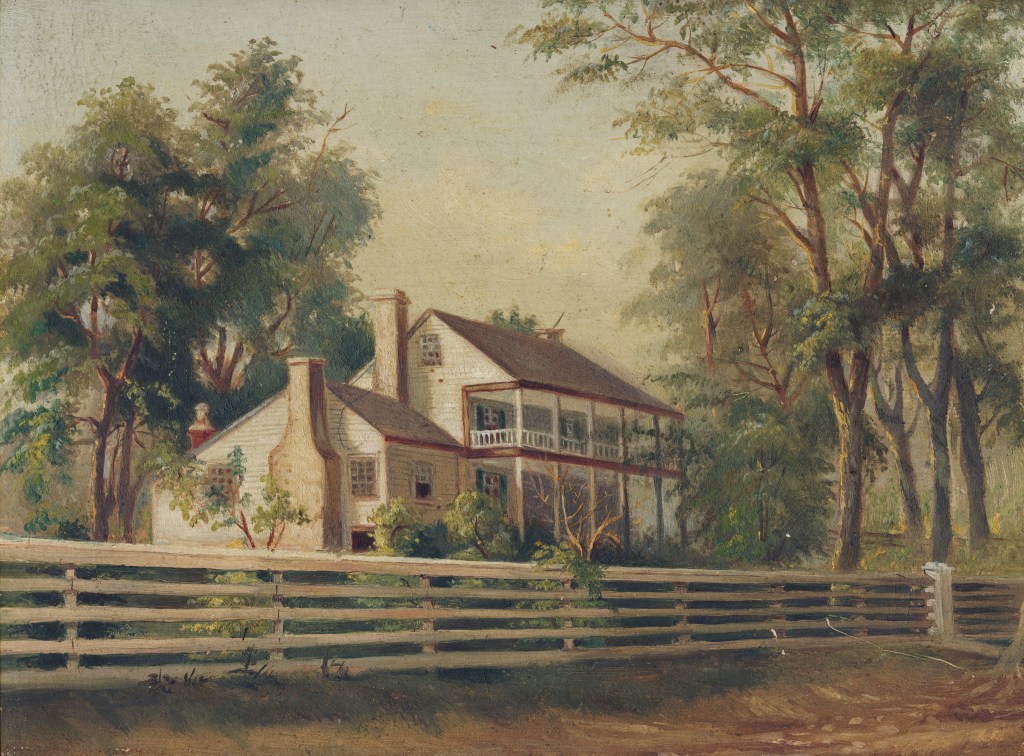
The young Army lieutenant Ulysses Grant first met his future wife, Julia Dent, at White Haven, the Missouri plantation owned by her parents. Colonel Frederick Dent named the property after his family’s ancestral home in Maryland, which was called Whitehaven. The handsome two-story frame house has sported a number of colors since it was first constructed in the early 1800s. It was originally painted a light cream color, then was briefly repainted a medium gray around 1860.
White Haven circa 1850. Credit: NPS
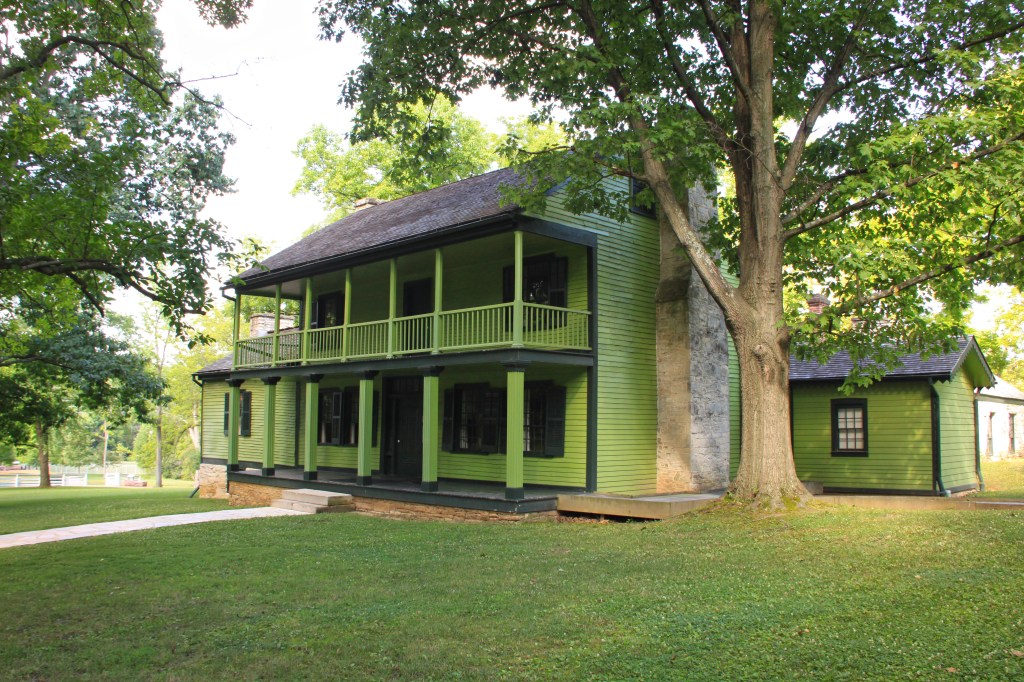
In 1874, President and Mrs. Grant decided to have the home repainted in the fashionable Paris Green color that was all the rage during the Victorian Era. Although it was re-painted white while under private ownership in the 1940s, the National Park Service restored the house to the Grants’ preferred Paris Green color during the home’s restoration in the 1990s.
Credit: David Newmann, National Park Service
Visitors should definitely plan to stop by the 200-year-old home when they visit the historic White Haven estate. Guided ranger tours are offered daily, the only way guests can access the interior of the venerable building.
(You can learn more about the history of the home’s evolving color scheme here.)









 JNPA Blog