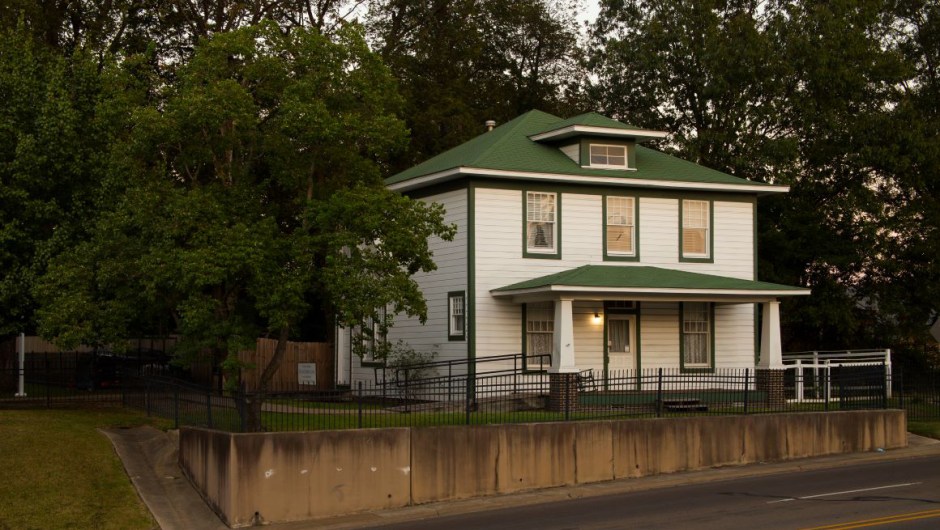
When the National Park Service designates new sites, officials take care to name the park in honor of its founding mission and purpose. But they don’t necessarily consider the name’s ease of use. Case in point: President William Jefferson Clinton Birthplace Home National Historic Site (whew!). Let’s take a virtual tour around the park and inside the home.
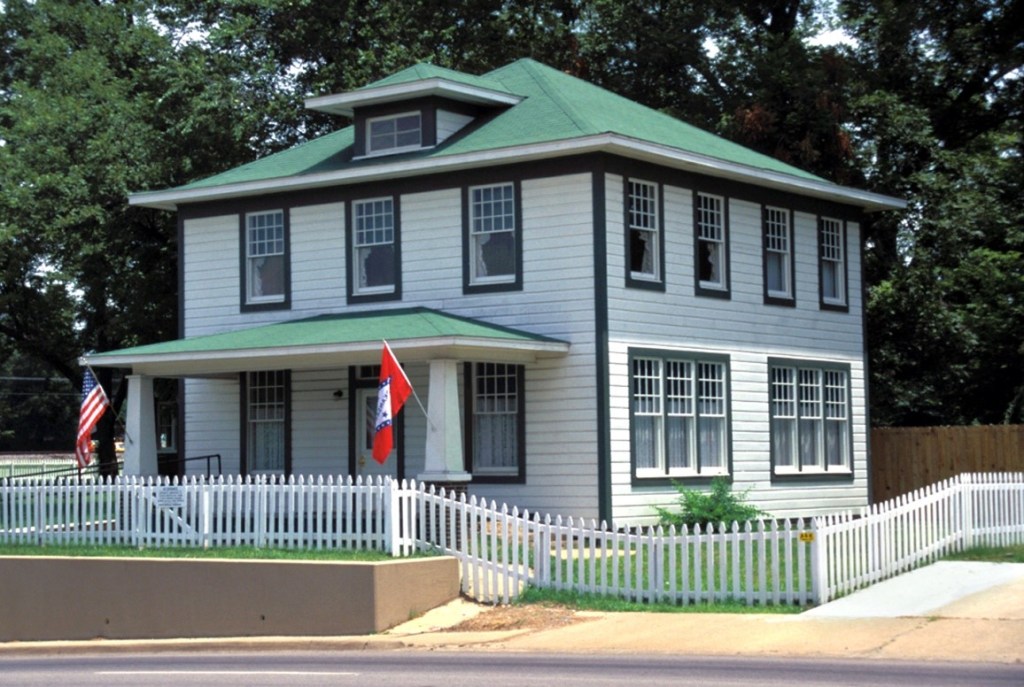
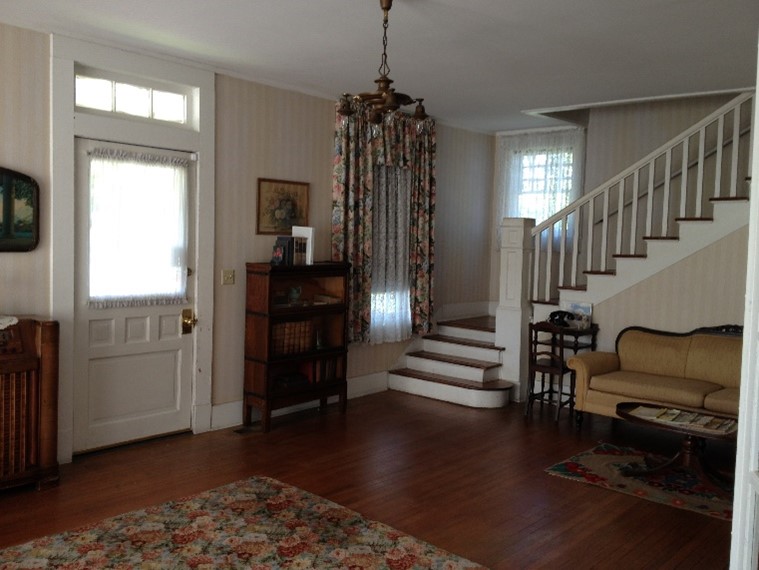
This national historic site in Hope, Arkansas, became part of the National Park Service exactly 11 years ago today. The focal point of the park is the 2½-story home where former President Clinton spent his formative years. Constructed in 1917, the frame house was built in “American foursquare” style, so called because of its square floor plan.
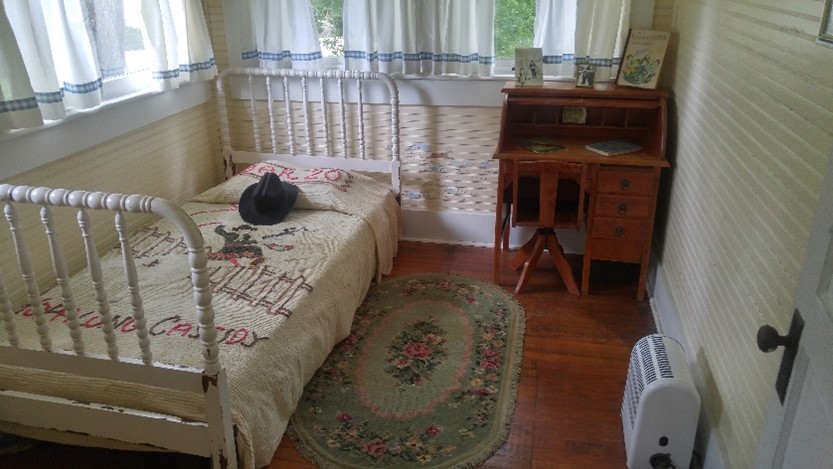
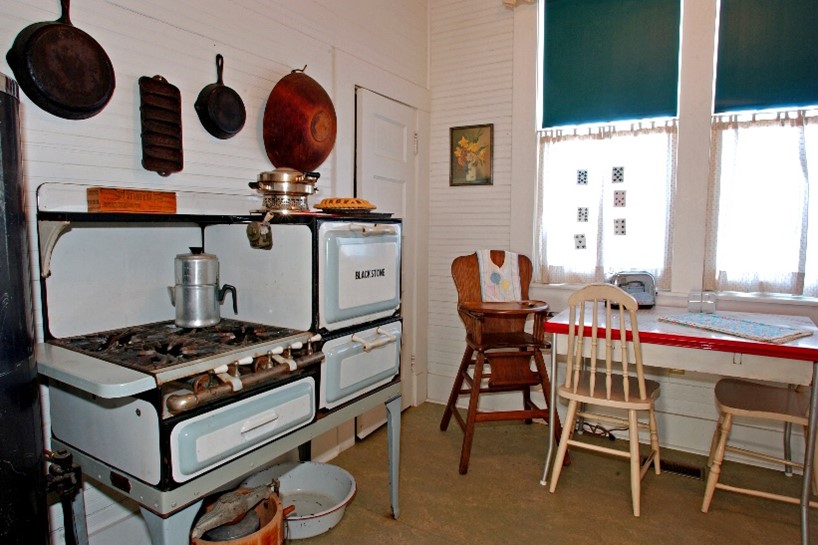
The restored interior has been restored to look as it did in the 1950s, when little Billy lived there with his mother and maternal grandparents. Visitors can see his small childhood bedroom when they tour the home with park rangers, as well as other rooms upstairs and downstairs.
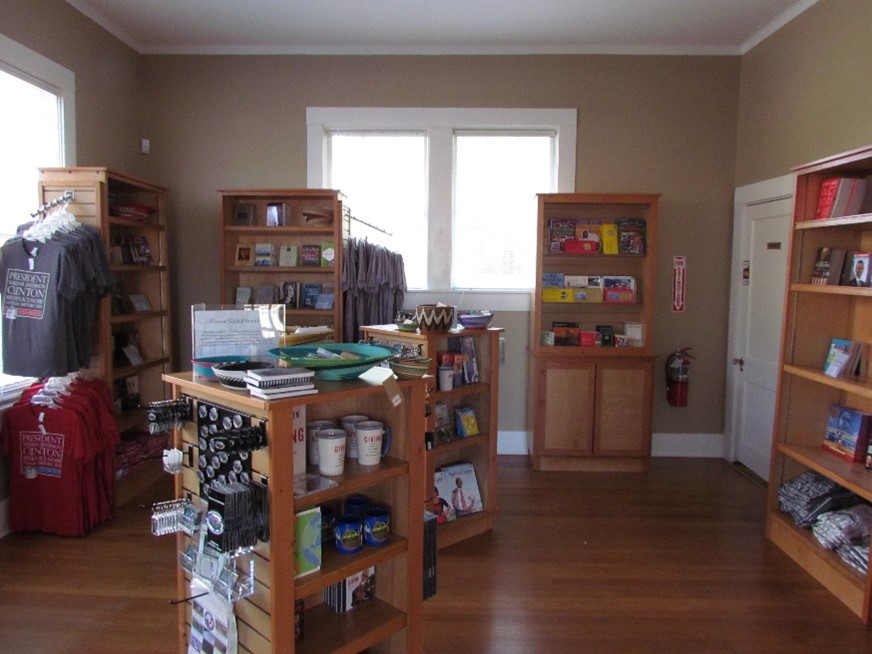
The adjacent NPS visitor center features interpretive exhibits focusing on the life of the 42nd President, as well as JNPA’s park store, which features a range of curated products relating to the former President.
If you’re like us, you want to make your holiday shopping as easy as possible. So if you don’t have time to visit our many partner sites this time of year, you can find many of our popular gift items in our online store. And you can still feel good about your purchases, since they support the educational mission of the parks.
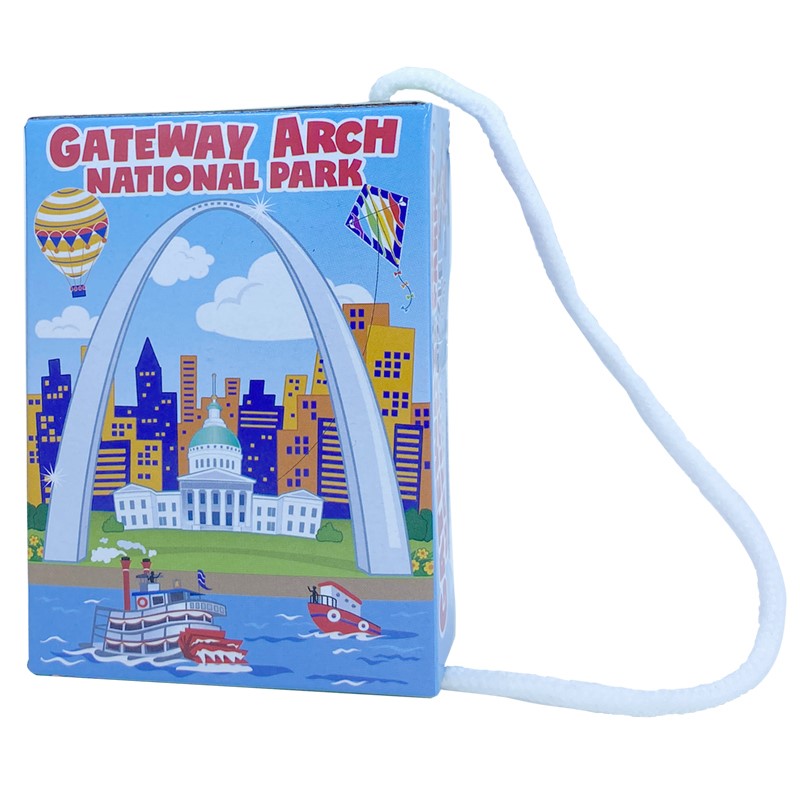
First, for the kiddies. This Gateway Arch Mini-Puzzle – complete with its own carrying handle – would make an adorable stocking stuffer. It contains 24 pieces and the finished size measures 10 x14 inches.
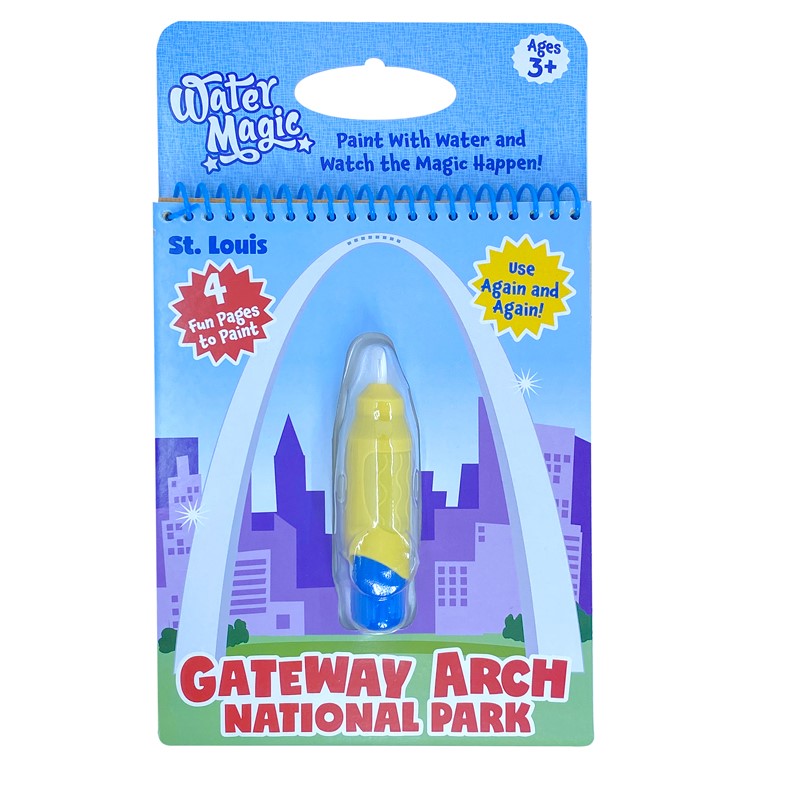
And how about our very popular Arch watercolor book? The pages start out black and white, until the child “paints” them with water from the refillable brush. After the pages dry, the magic colors fade. So the book can be used again and again. No muss, no fuss!
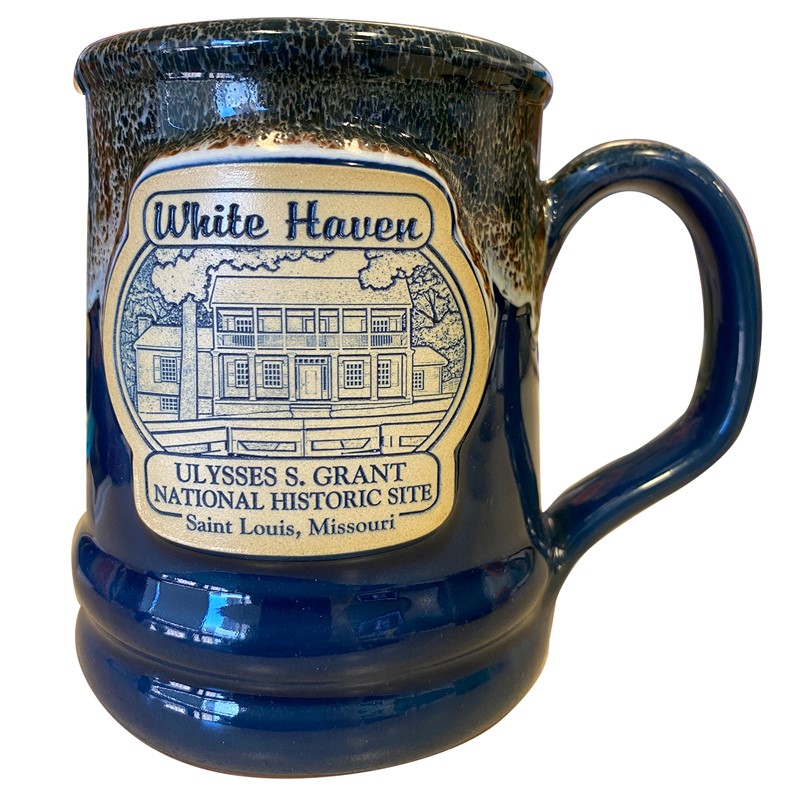
Now for the adults on your list. We have a couple of suggestions that will keep them cozy and warm this winter. When they fill this handsome glazed pottery mug with something hot, they’ll appreciate your thoughtfulness. The dark blue mug features a tan medallion honoring White Haven, the St. Louis home of President Ulysses S. Grant.
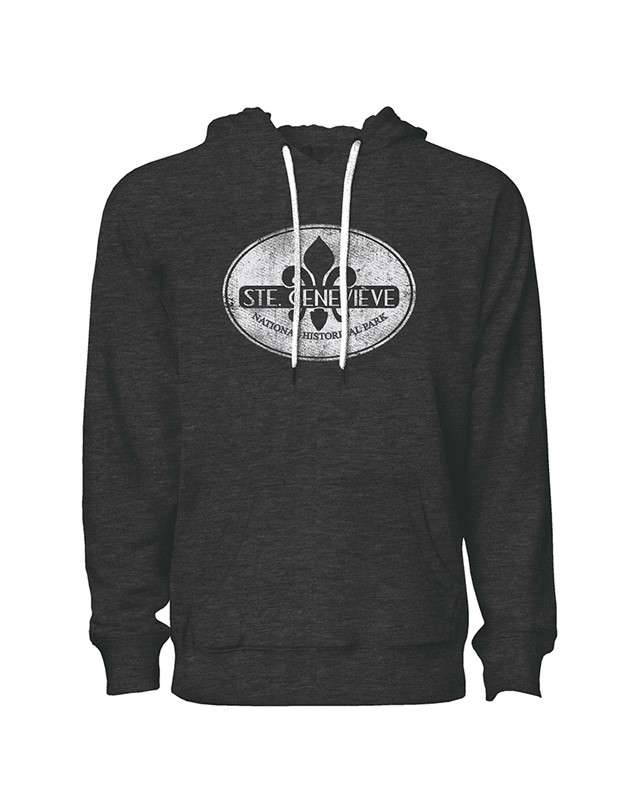
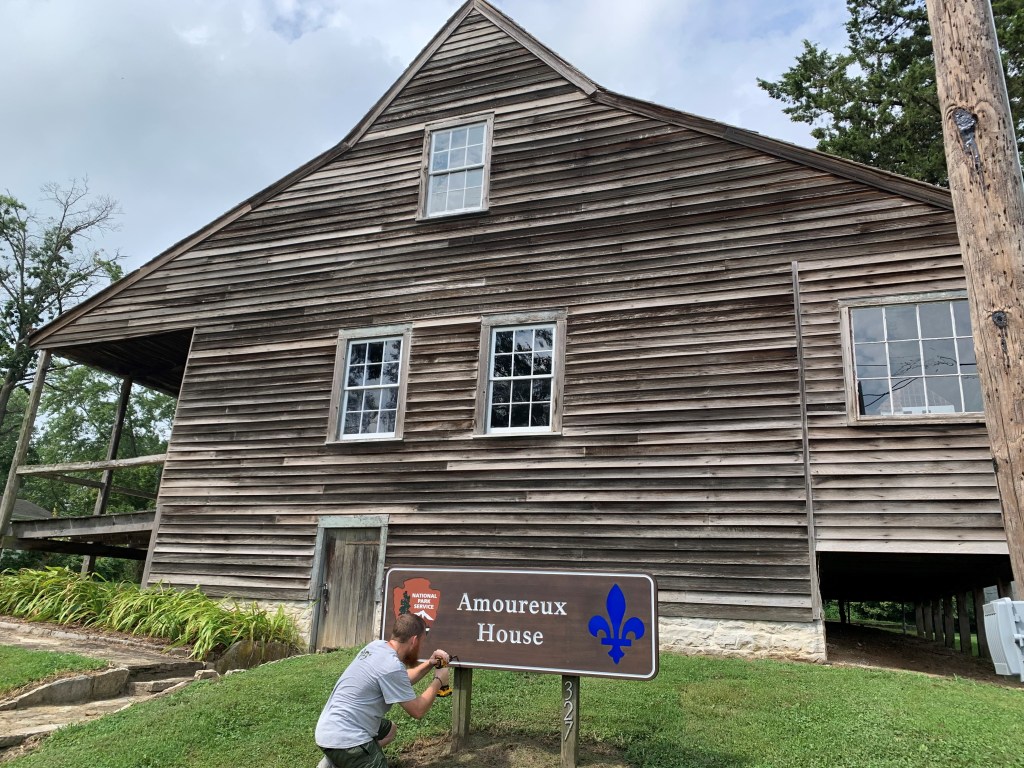
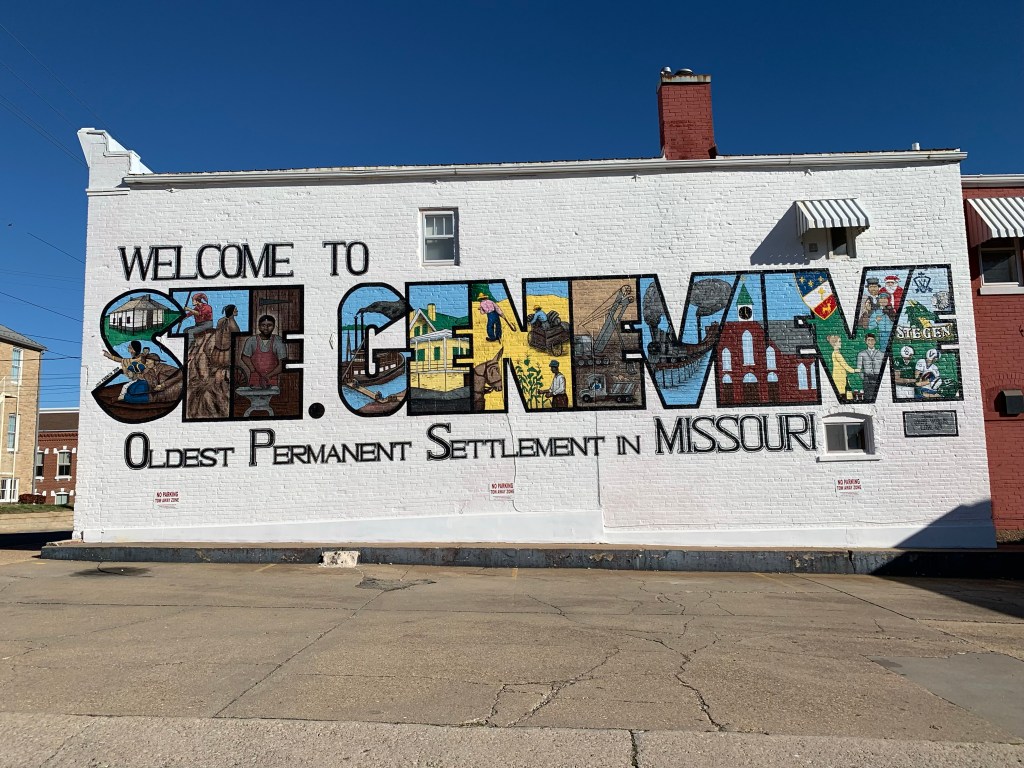
Or perhaps they’d like to cuddle up in a cozy sweatshirt from Ste. Genevieve National Historical Park, one of America’s newest national parks. This charcoal-colored hooded sweatshirt features the park’s name and comes in a variety of adult sizes.
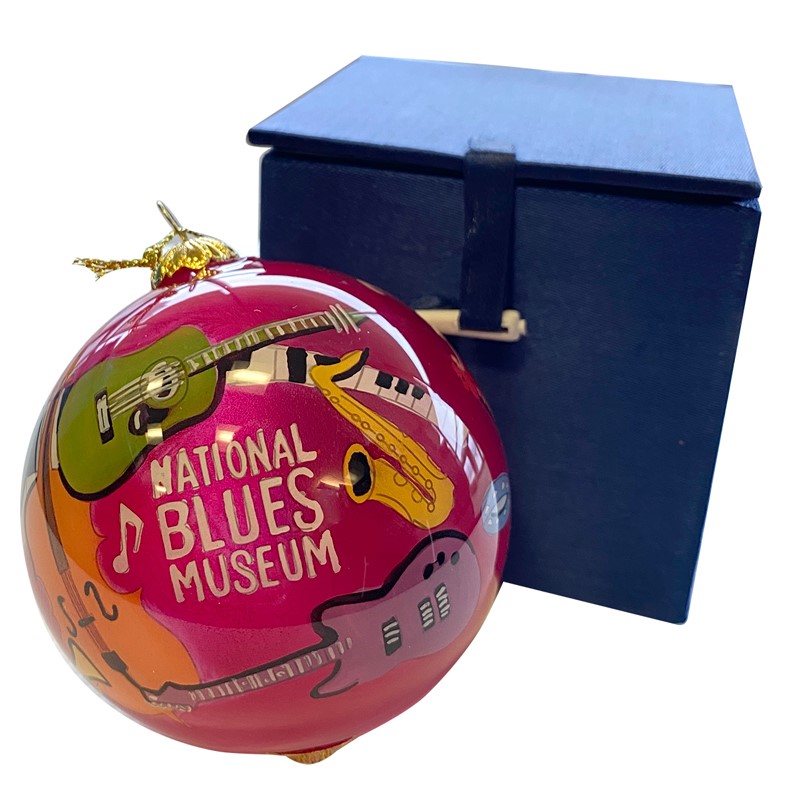
And finally, a bauble for your tree. Check out this hand-painted glass ornament from the National Blues Museum. This snazzy little item comes in its own presentation box.
You’ll find a host of other unique gift ideas in our online store. But be sure to order soon, so we have time to get those packages to you before Christmas.
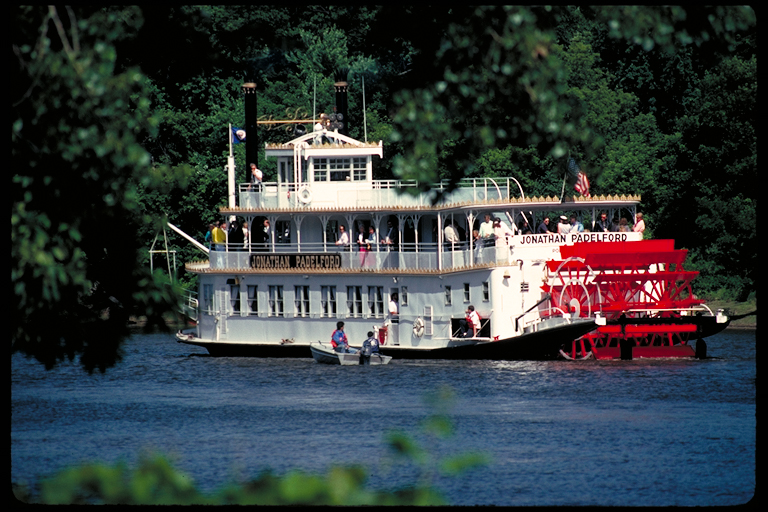
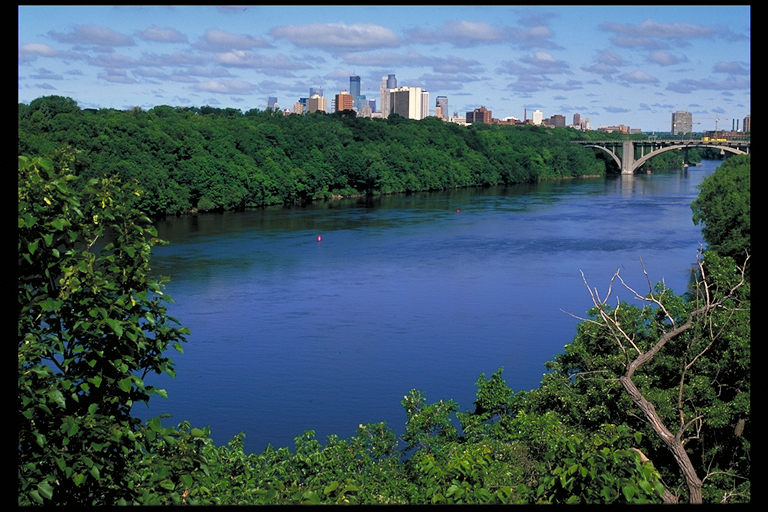
What river is home to a quarter of all fish species in North America? Is the transportation corridor for nearly two-thirds of all grain exported from the United States? Is the focal point for a National Park Service site in Minnesota?
If you answered the Mississippi River, you’re right! This colossal waterway runs through 10 states and its watershed drains half the nation. The Mississippi begins as a trickle in northern Minnesota and more than 2,300 miles later eventually flows into the Gulf of Mexico.
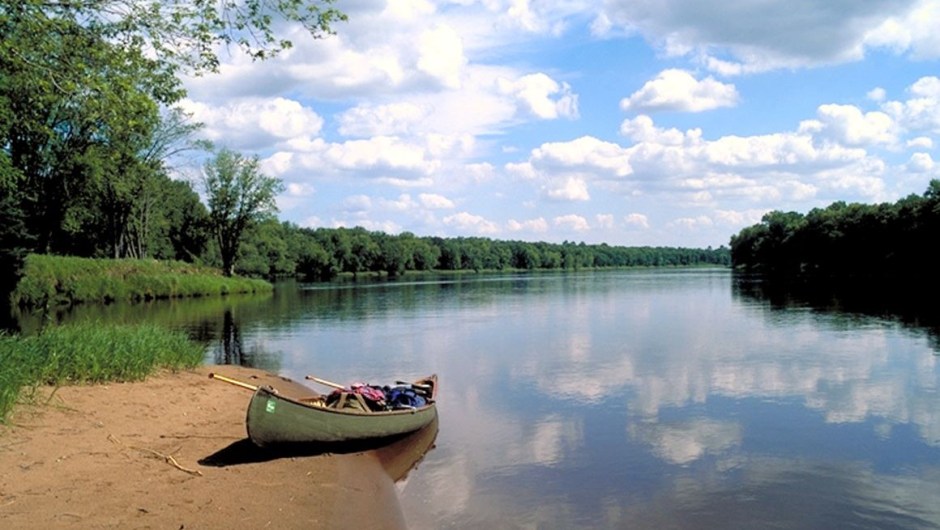
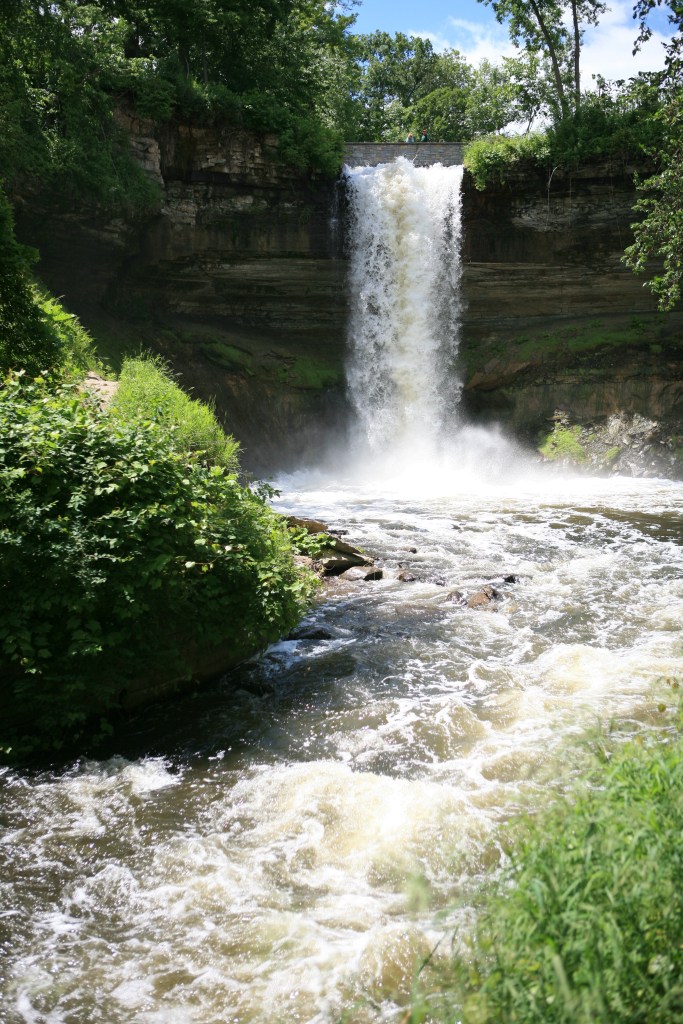
Twenty-three years ago this month, the National Park Service commemorated the upper stretch of the river with the establishment of the Mississippi National River and Recreation Area, in partnership with various local and state governments and other groups. Although located in bustling St. Paul, MN, the 72-mile park offers quiet stretches for canoeing, fishing, birdwatching and hiking. The site also features visitor centers and trails that highlight human and natural history along the river.
JNPA has been a proud non-profit partner of this site for more than 20 years.
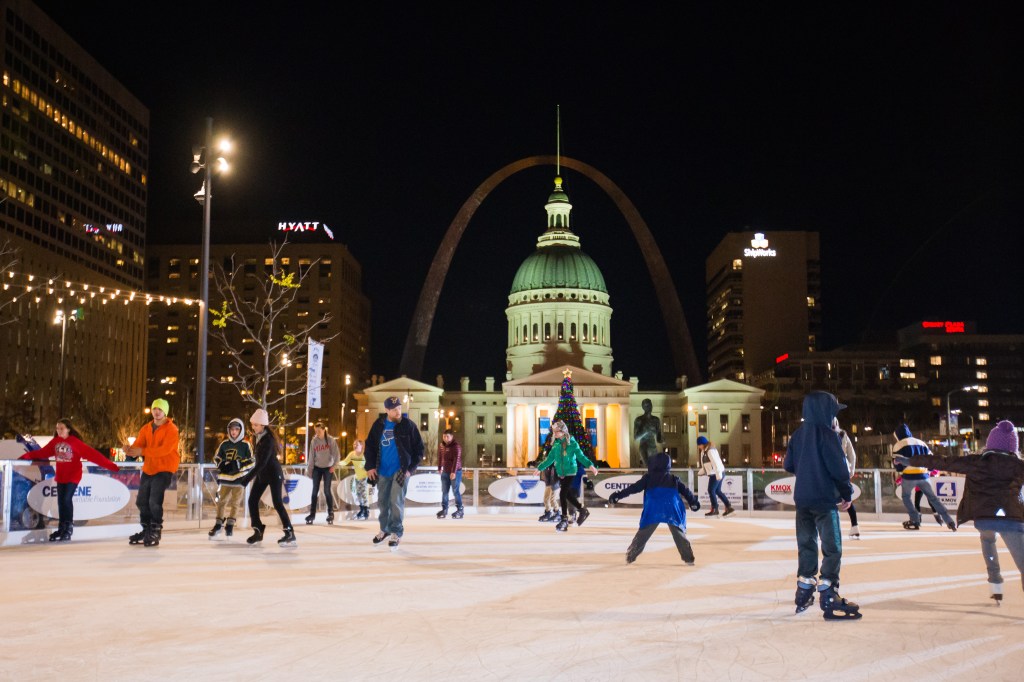
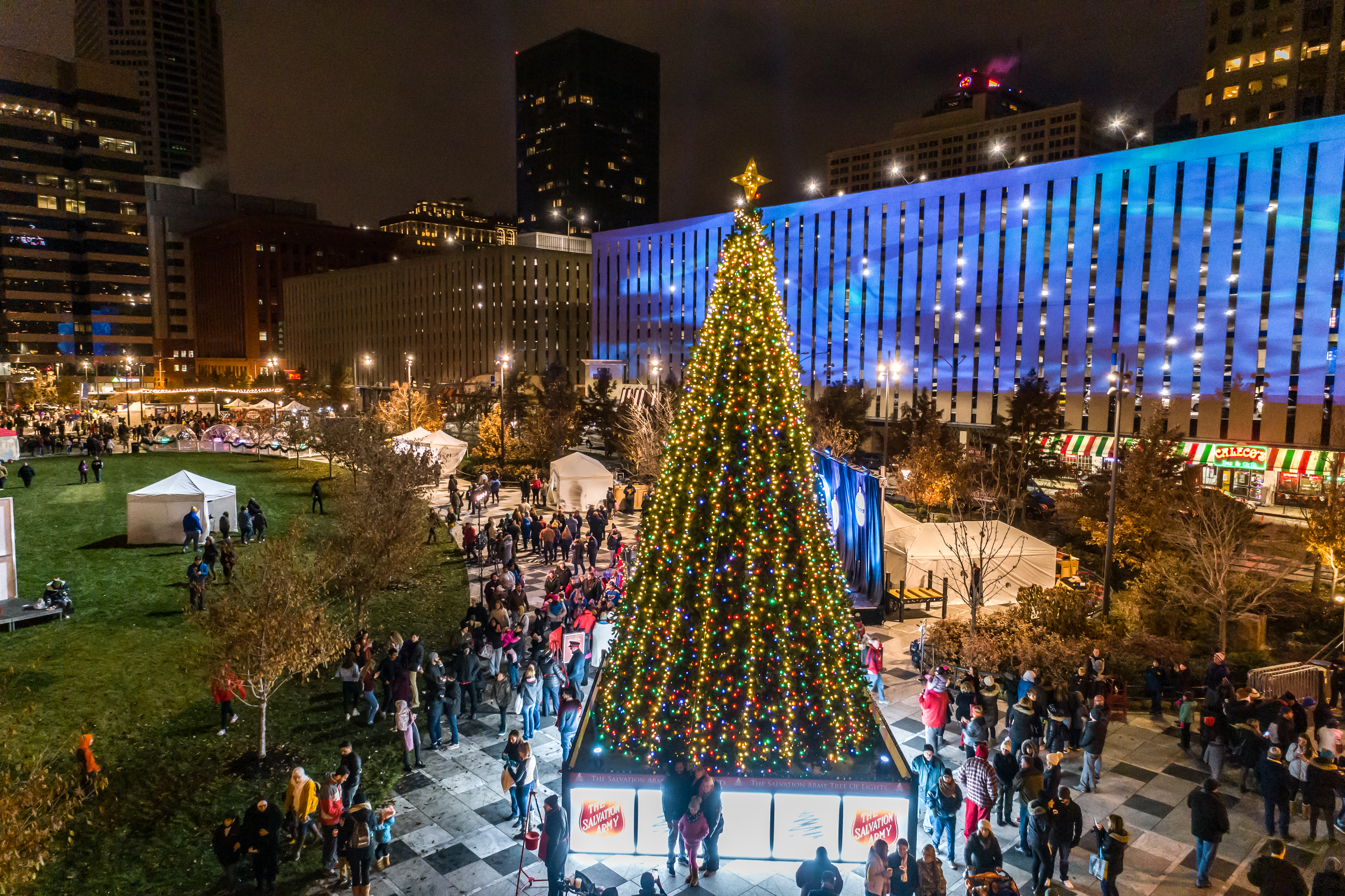
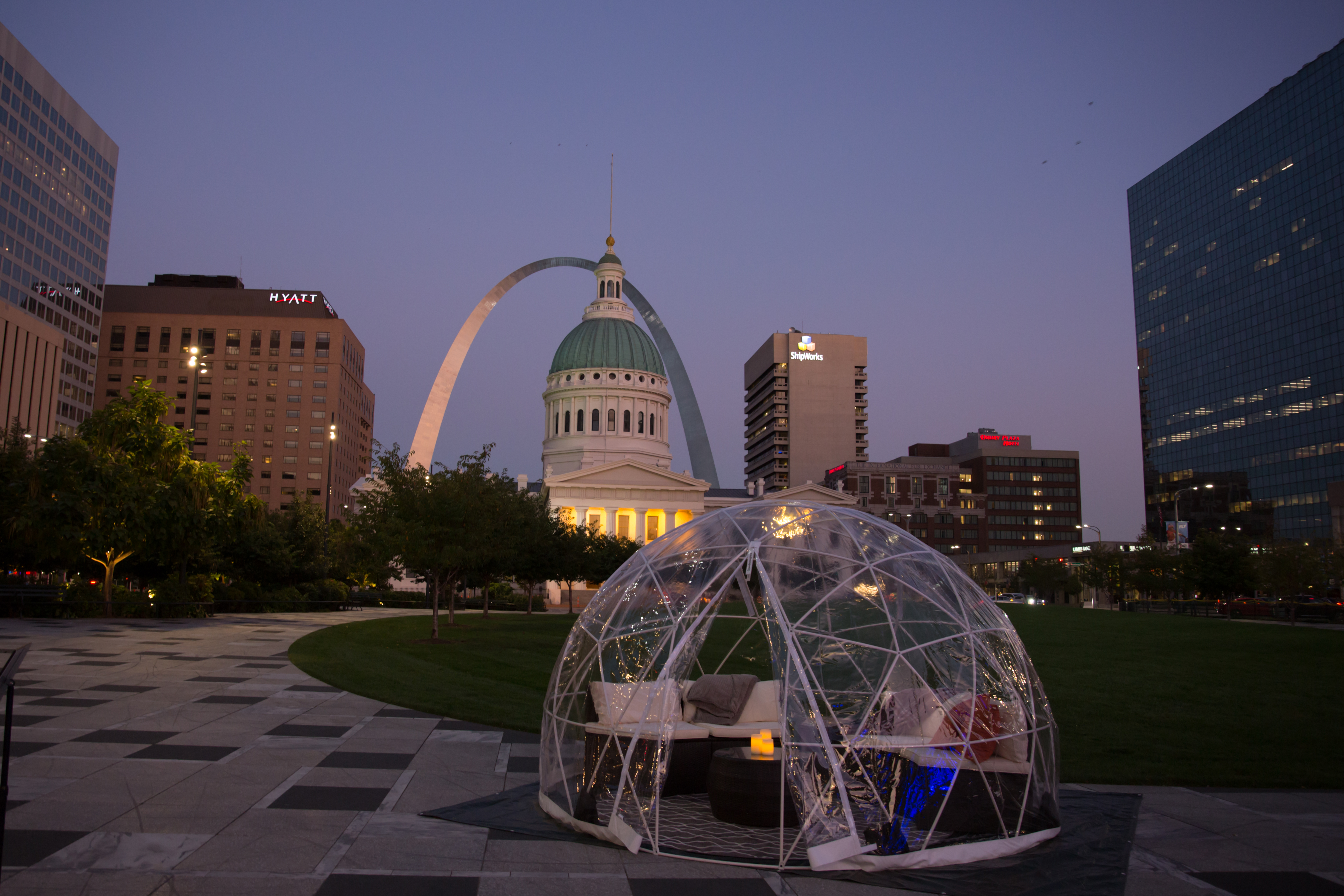
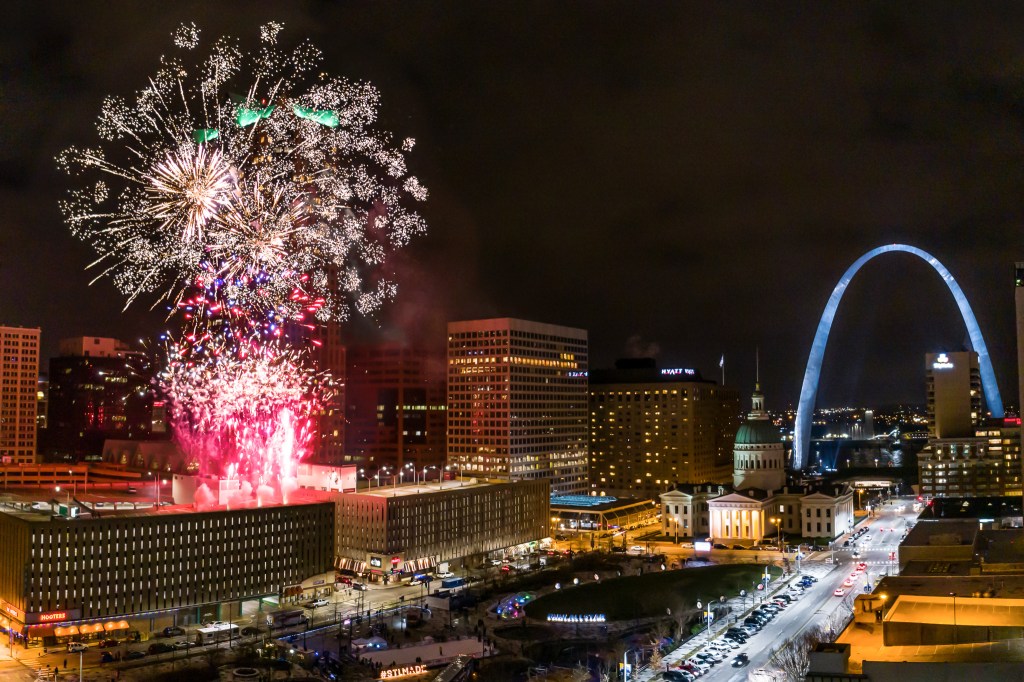
Ice skating, holiday lights and music, cozy igloos, sweet s’mores and fireworks – now THAT’s a way to enjoy winter! All this and more is happening during Winterfest in downtown St. Louis.
The six-week Winterfest celebration is going on now in the shadow of the Gateway Arch in Kiener Plaza on Fridays, Saturdays and Sundays from now through January 2nd, offering activities for all ages.
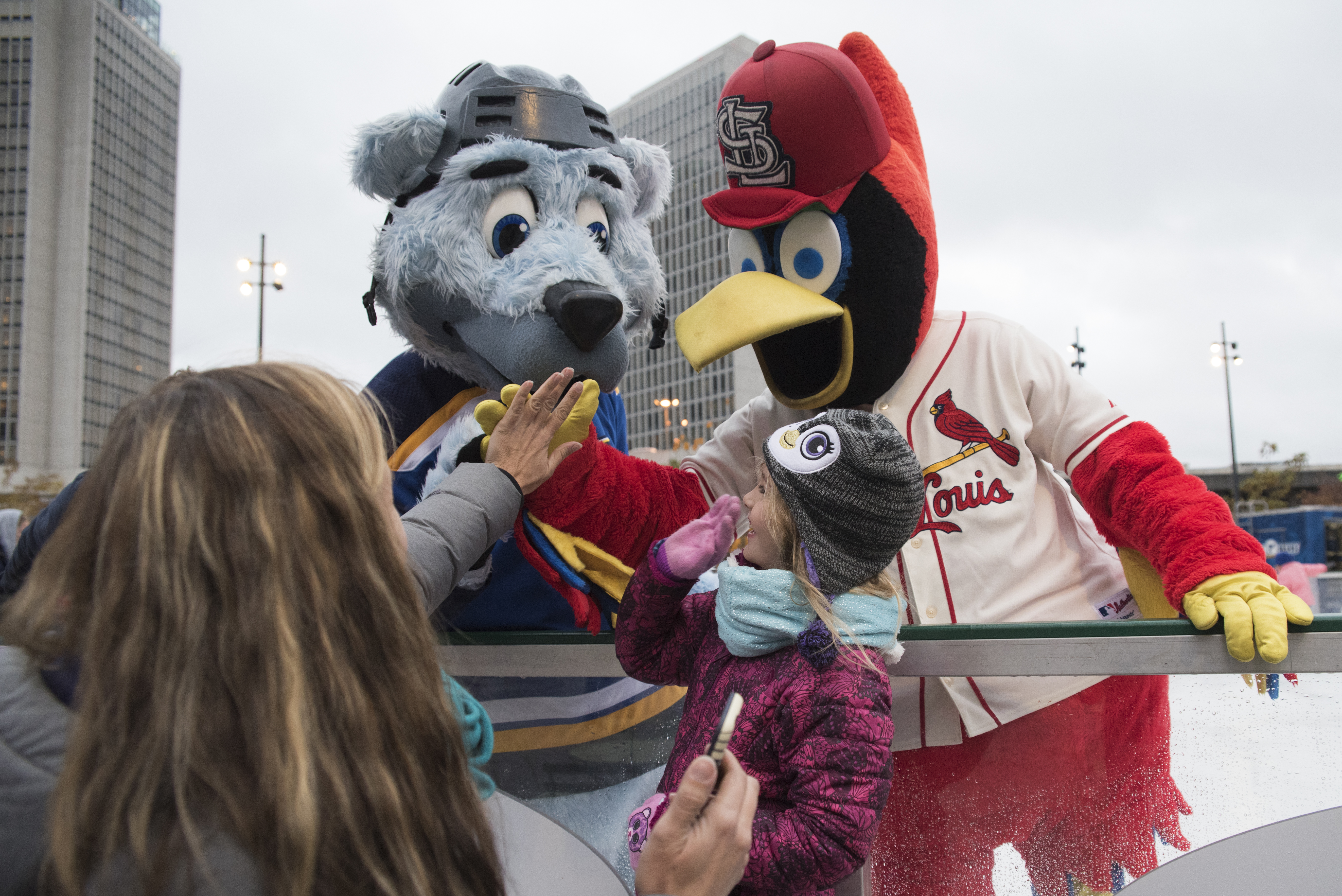
Kids will enjoy ice skating, visits from popular princesses and superheroes, and toasting s’mores over a fire pit. There are even “Try Hockey for Free” events for 4–9-year-olds, courtesy of the St. Louis Blues (advance registration required). Adults can sample festive beverages and foods while they cozy up to their honey in a heated igloo. And everyone will be wowed by the spectacular fireworks show on New Year’s Eve.
(While you’re at Winterfest, be sure to stop by JNPA’s newest shop, nestled within the new Kiener Plaza Visitor Center.)
This sixth annual Winterfest is produced by the Gateway Arch Park Foundation in partnership with the St. Louis Blues. For more information on activities and hours, click here.
*Winterfest photos courtesy of Gateway Arch Park Foundation
Many national parks and public lands are located on what was once the ancestral territories of Indigenous people. In honor of Native American Heritage Month, we think it’s fitting to briefly explore the Indigenous history of our partner parks.
JNPA partners with nine national parks and public lands across five states. As many of our parks are located near each other, we have broken down their Indigenous heritage by region.
Missouri
Gateway Arch National Park, Ulysses S. Grant National Historic Site, and Ste. Genevieve National Historical Park are all located in eastern Missouri. This area was traditionally home to the Otoe-Missouria Nation as well as the tribes of the Illini Confederacy: Cahokia, Kaskaskia, Michigamea, Moingwena, and Peoria. As you might guess, the state’s name comes from the tribal name “Missouria” which means “big canoe people.”
Throughout the 1800s, tribes were forcibly removed from Missouri. The Illini were removed in 1830. The last remaining tribe, the Otoe-Missouria Nation, was removed in 1881. Throughout this period, several other tribes passed through Missouri during their own forced relocations, including the Cherokee, Delaware, Kickapoo, Sac and Fox, and Shawnee. In 1956, Public Law 959 (known as the Adult Vocational Training Program), attracted many Native Americans to St. Louis as part of a program intended to “assimilate” them into the urban areas by promising moving assistance, vocational training, medical insurance, and other benefits.
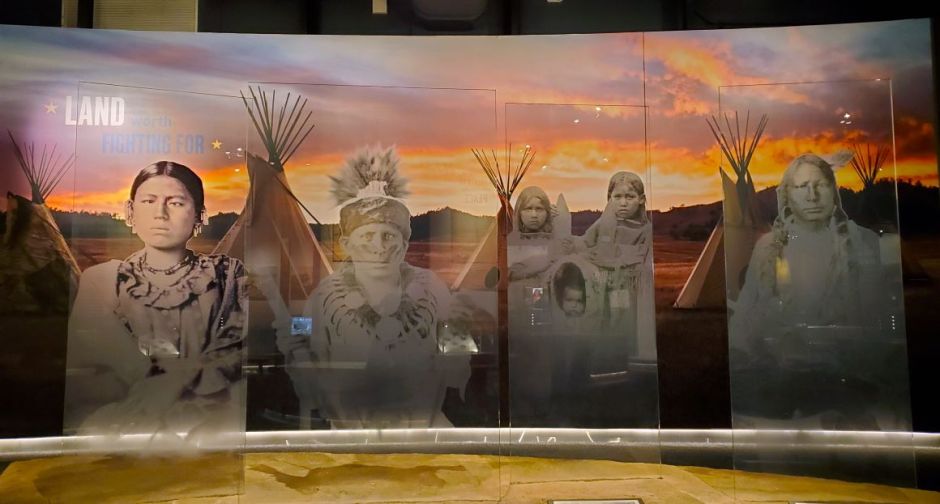
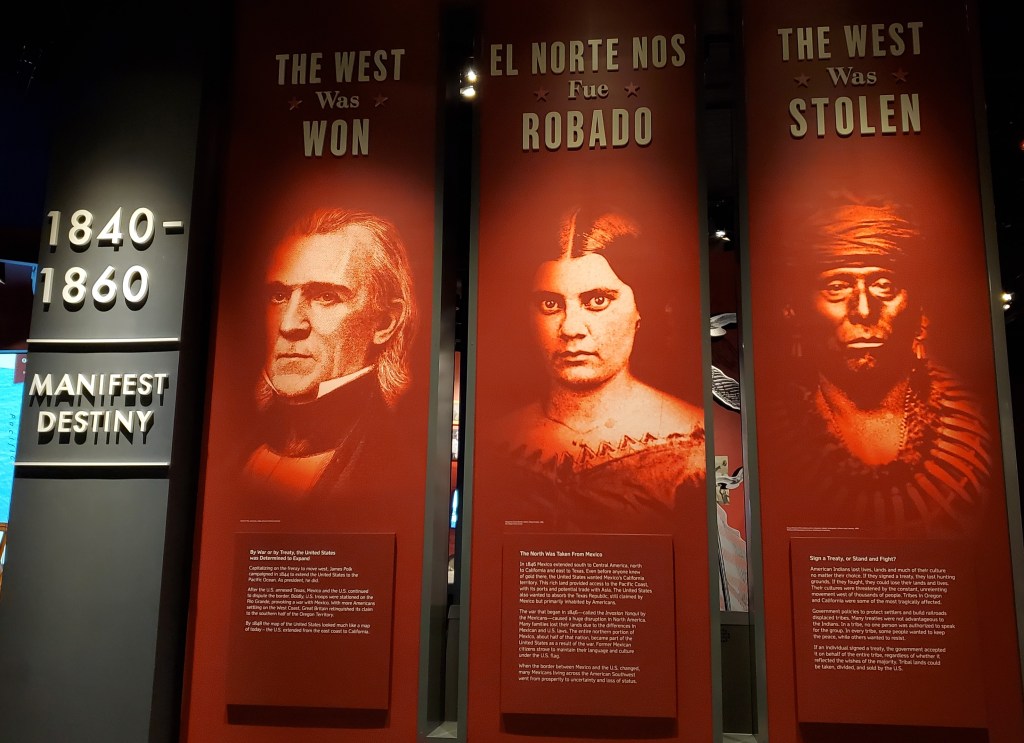
An exhibit at Gateway Arch National Park
Arkansas
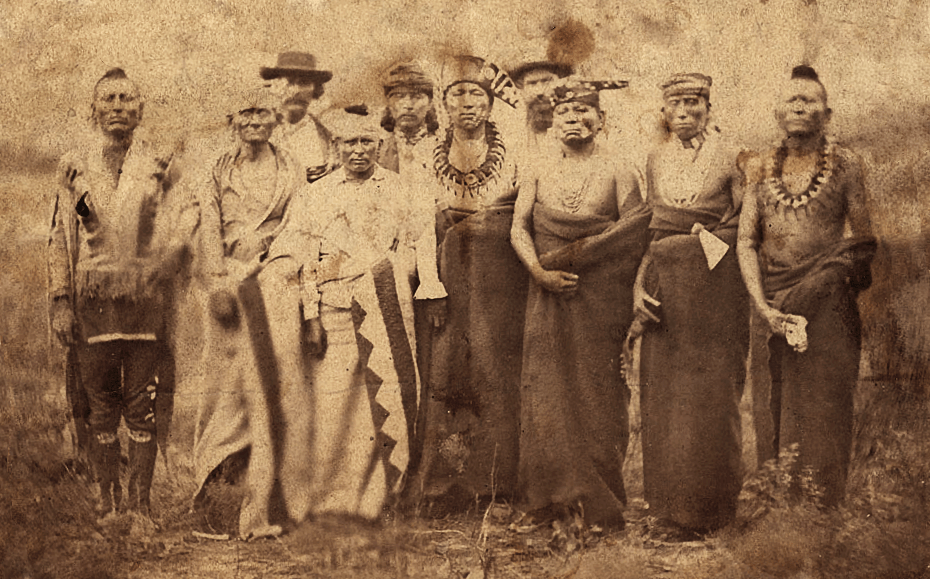
Arkansas is home to two of our partner parks, Little Rock Central High School National Historic Site and President William Jefferson Clinton Birthplace Home National Historic Site. The most prevalent tribes in this region were the Caddos, Quapaws, and Osage before their forced removal in the 1830s. The Cherokee also briefly inhabited the state as they moved along the Trail of Tears to present-day Oklahoma. The French called the Quapaws the “Arkansas,” derived from the Illini word for “people of the south wind.”
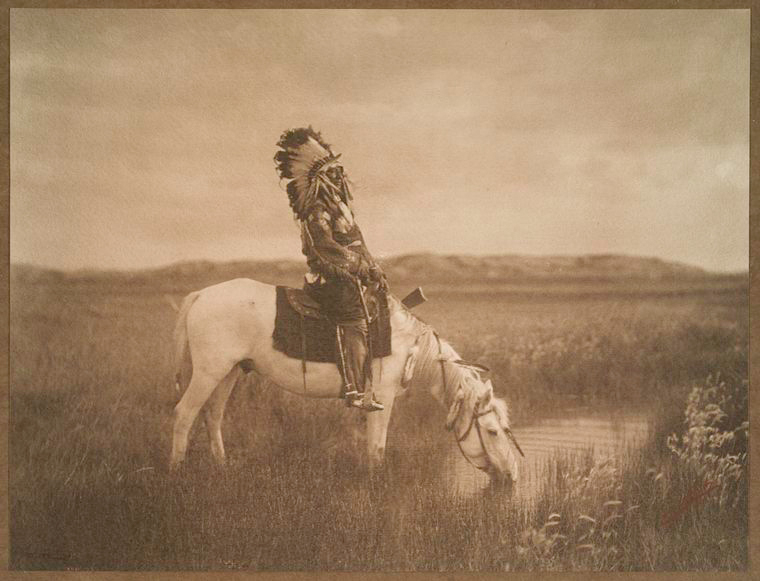
Members of the Osage Nation at Ft. Smith, Arkansas, in 1865.
Nebraska & South Dakota
Along the Nebraska/South Dakota border, you will find our partner sites Missouri National Recreational River and the Lewis and Clark Visitor Center. With the nearby Missouri River, this area was an ideal home for the Ponca, Omaha, Yankton Nakota, and Teton Lakota tribes. The Santee Dakota were also relocated to the area from Minnesota when their lands were seized. As in other parts of the U.S., these tribes were forced out of the area in the mid-1800s.
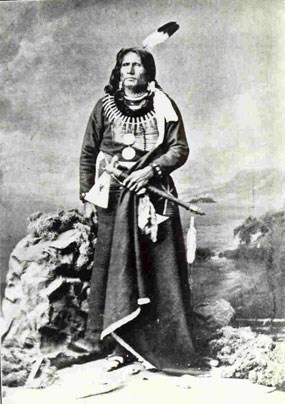
In 1879, a lawsuit involving Ponca leader Standing Bear (Standing Bear v. Crook) was filed in federal court in Omaha. The presiding judge ruled in favor of Standing Bear saying that Native Americans were, in fact, “persons” under the law. The impact of this landmark decision meant that Native Americans were entitled to sever tribal connections and leave their reservations and were free to enjoy the rights of any other person in the land. This paved the way for United States citizenship for all Native Americans. More information about this case can be found here.
Chief Standing Bear. Photo Credit: National Anthropological Archives, Smithsonian Institution
Minnesota
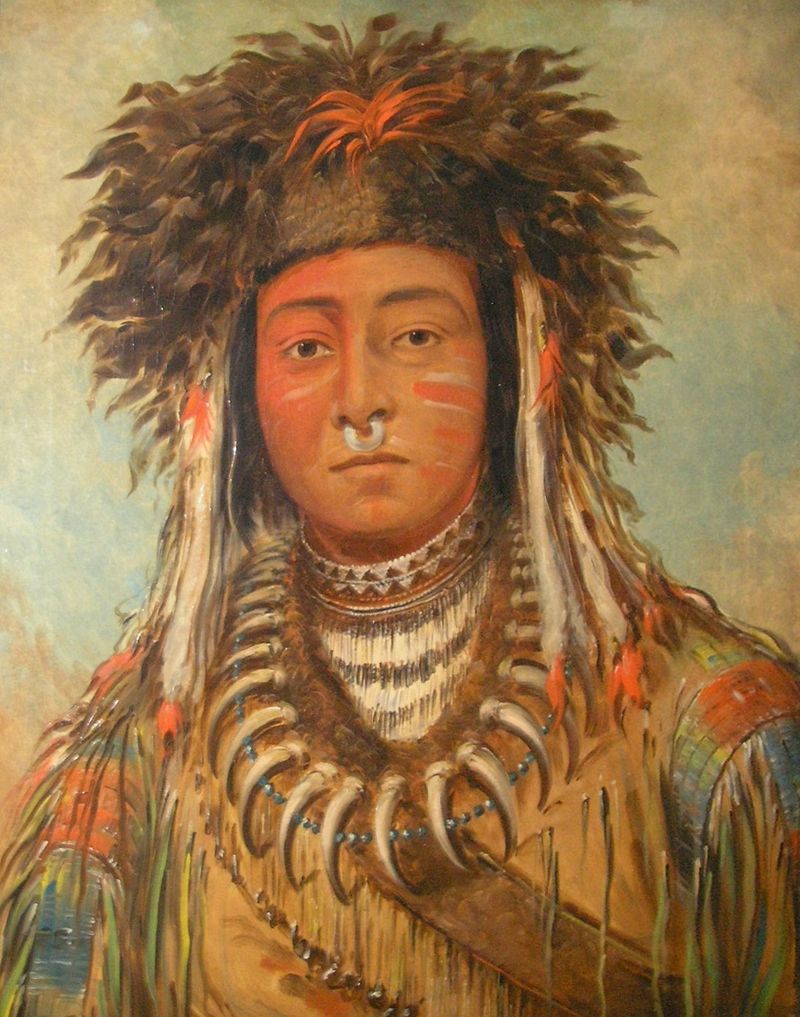
Minnesota, whose name is a Siouan word meaning “cloudy water,” is home to the Mississippi National River and Recreation Area and Voyageurs National Park. This area is the ancestral home of the Monsoni, Assiniboine, Ojibwe, and Dakota Sioux people. The confluence of the Mississippi and Minnesota rivers, called “Bdote Minisota,” played a significant role in the creation stories of the Dakota people. Although much of the tribal lands of Minnesota were seized, there are seven Ojibwe reservations and four Dakota Sioux reservations that remain in the state today.
An Ojibwe named Boy Chief, by the noted American painter George Catlin, who made portraits at Fort Snelling, MN in 1835.
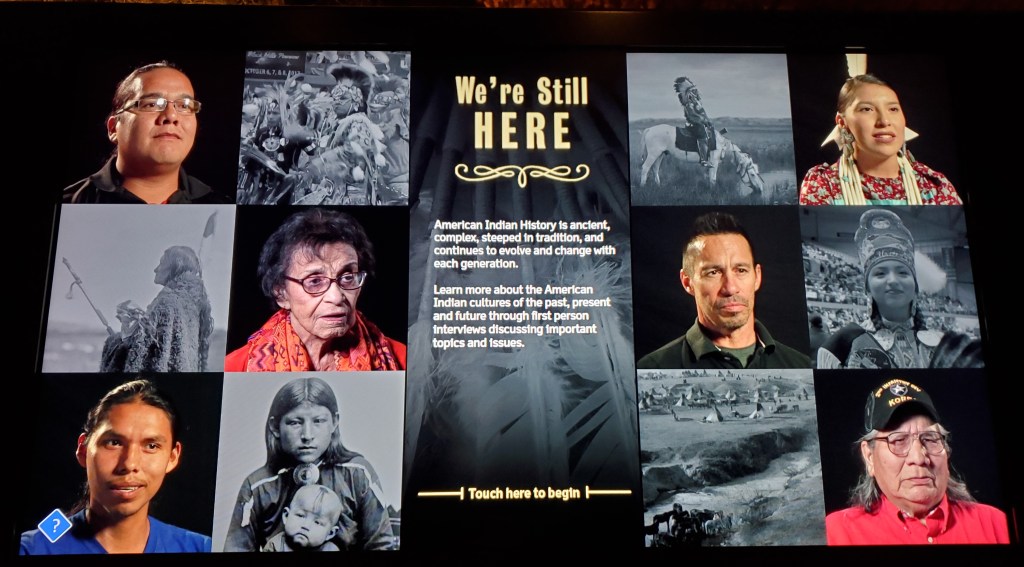
While we celebrate the stewardship efforts of our federal land agencies today, it is important that we do not forget the original stewards of these lands. Many tribes were decimated throughout history, but there are still vibrant tribal communities living across the nation and keeping their heritage alive.
An exhibit at Gateway Arch National Park featuring interviews with modern-day Native Americans.
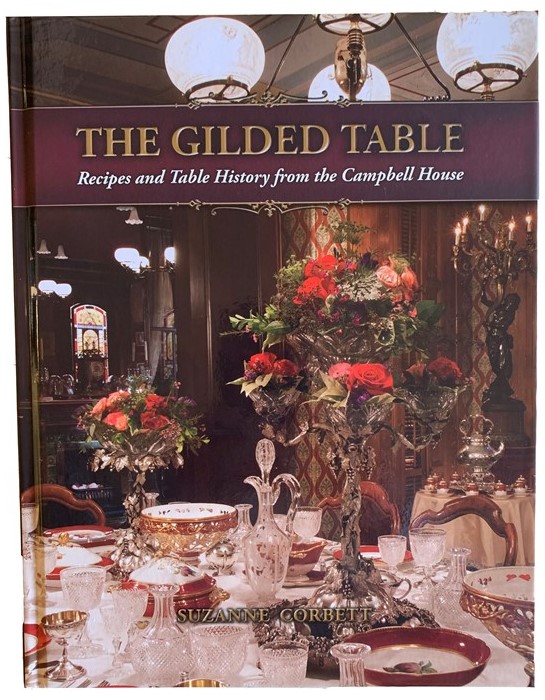
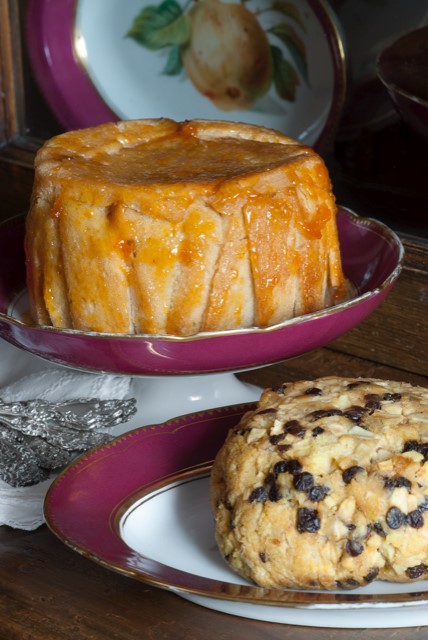
If you’re a history buff looking to re-create the sumptuous tables and extravagant meals from the past, have we got a book for you! There’s nothing like lavish recipes from the 1800s to get your mouth watering, and your Thanksgiving plans started.
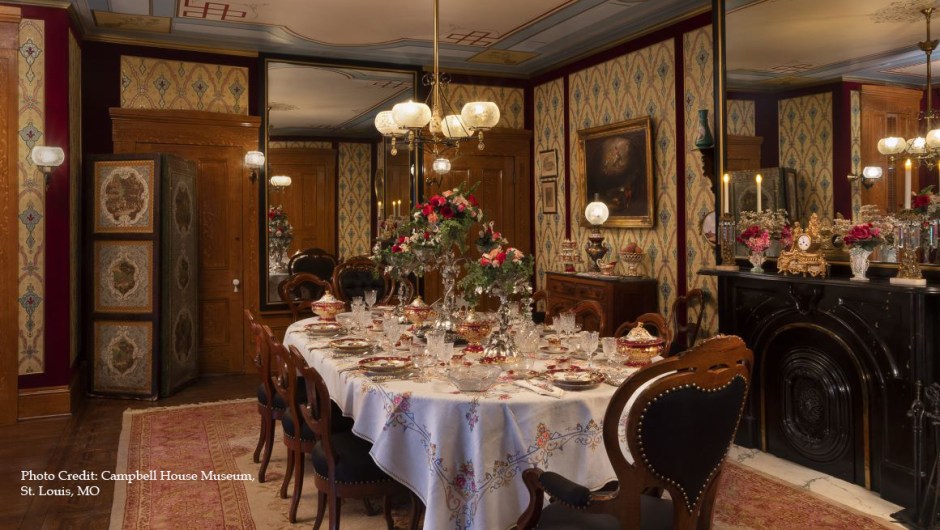
JNPA will take you on a culinary trip back in time with The Gilded Table , authored by food historian Suzanne Corbett. This hardcover book spotlights the food traditions of 19th century America against the lavish background of the Campbell House, a stately Gilded Age mansion in downtown St. Louis. Included are more than 178 original recipes from the 1800s, along with beautiful photographs.
Get your Thanksgiving feast off to a good start with this lovely book, available at our bookstore at Ulysses S. Grant National Historic Site and from our online store. (Also makes a great host/hostess gift!)
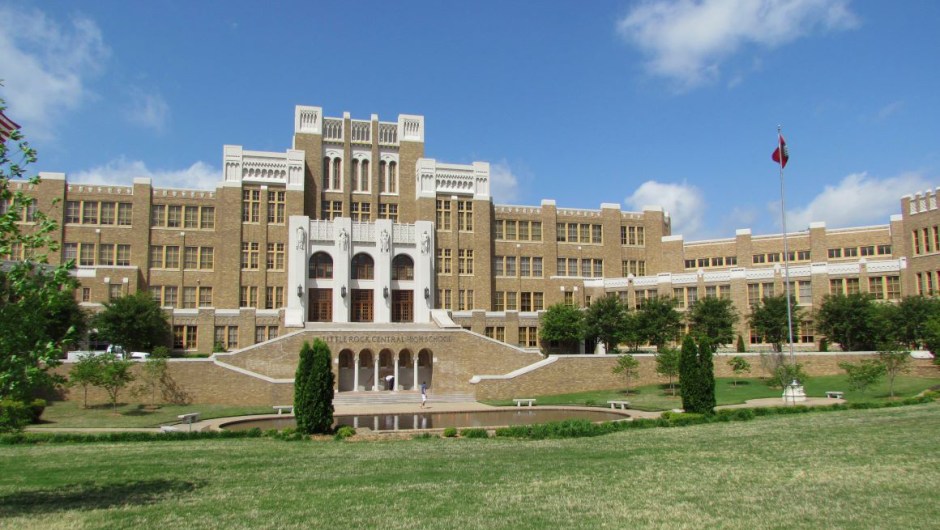
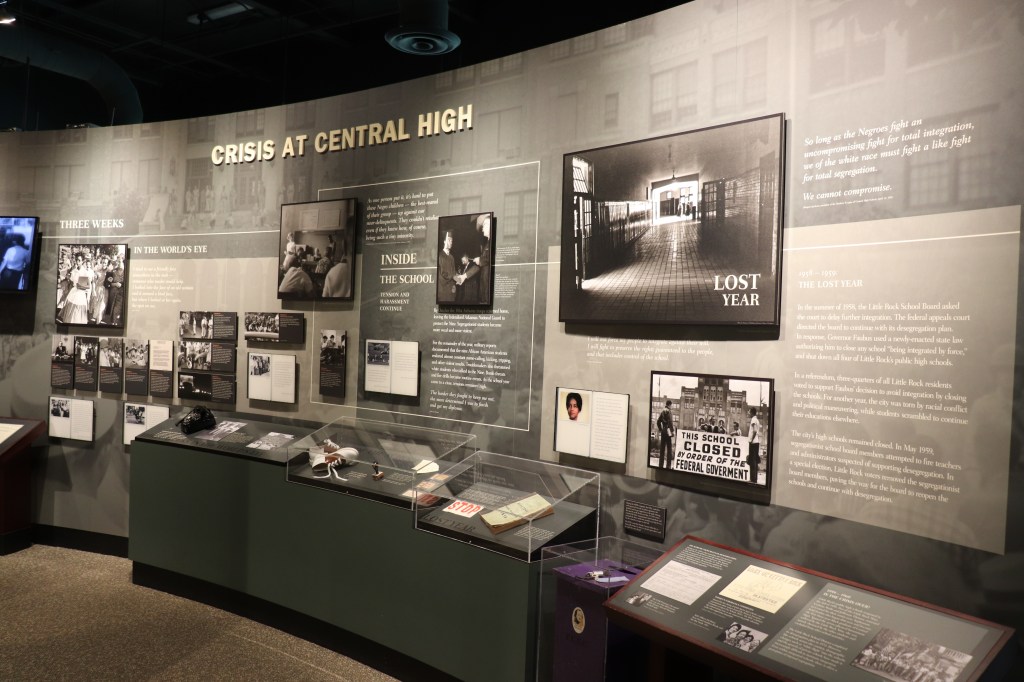
This month marks 23 years that Little Rock Central High School in Arkansas became part of the National Park Service. On Nov. 6, 1998, President Bill Clinton signed legislation designating the school and nearby properties as a National Historic Site. Do you know why?
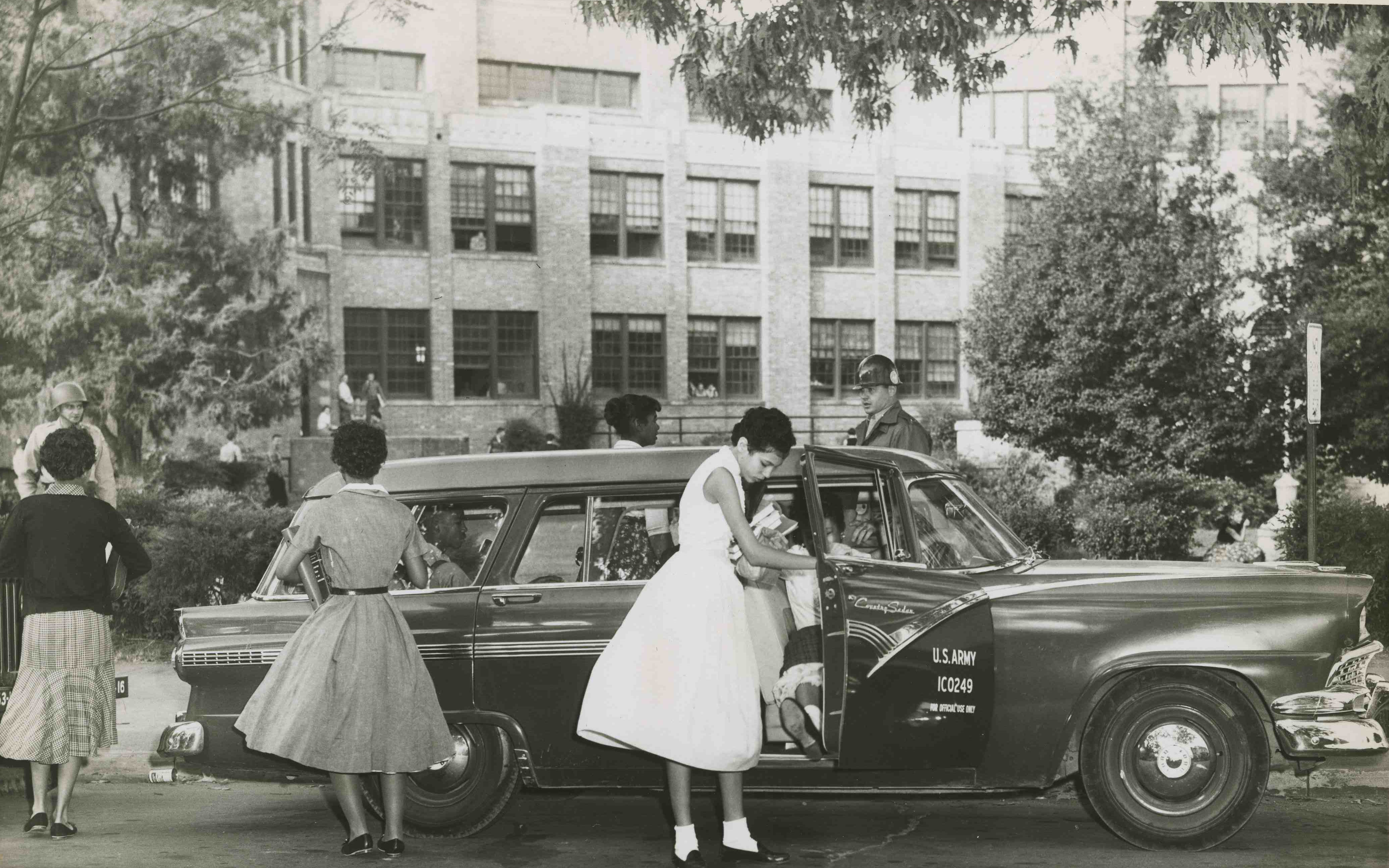
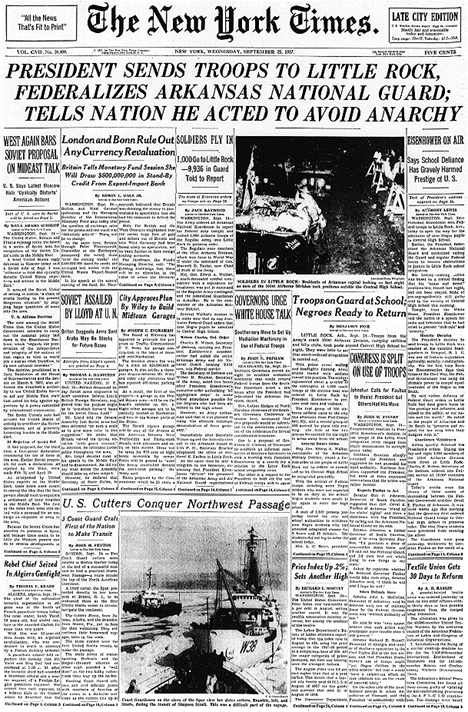
In the 1950s, Central High School became a critical flashpoint in our nation’s struggle for equality and inclusion shortly after the U.S. Supreme Court issued its landmark Brown v. Board of Education mandating desegregation. When nine African American teenagers showed up for class in the formerly all-white high school, they were met with angry mobs. Fearing for their safety, Little Rock police removed the students from the school until federal troops were later mobilized to escort them inside.
In his comments during the site’s official entry into the National Park system, President Clinton said Central High School was commemorated in order to “preserve, protect, and interpret for the benefit, education, and inspiration of present and future generations…its role in the integration of public schools and the development of the Civil Rights movement in the United States.”
Central High is the only operating high school in the nation to receive such a designation, and JNPA is proud to partner with this important site.
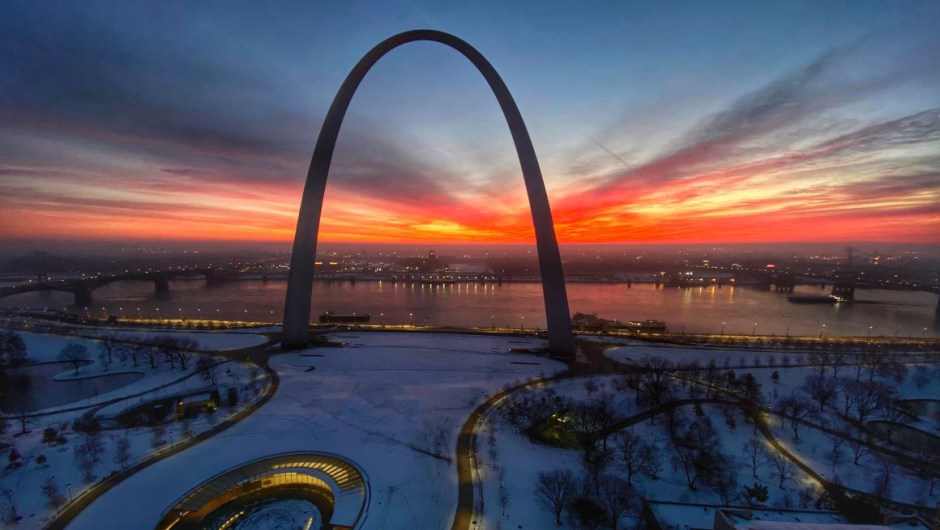
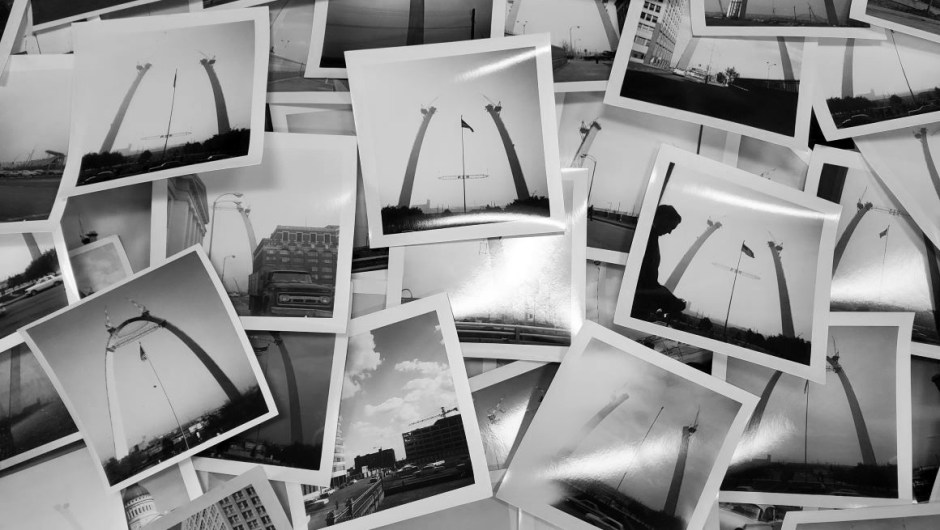
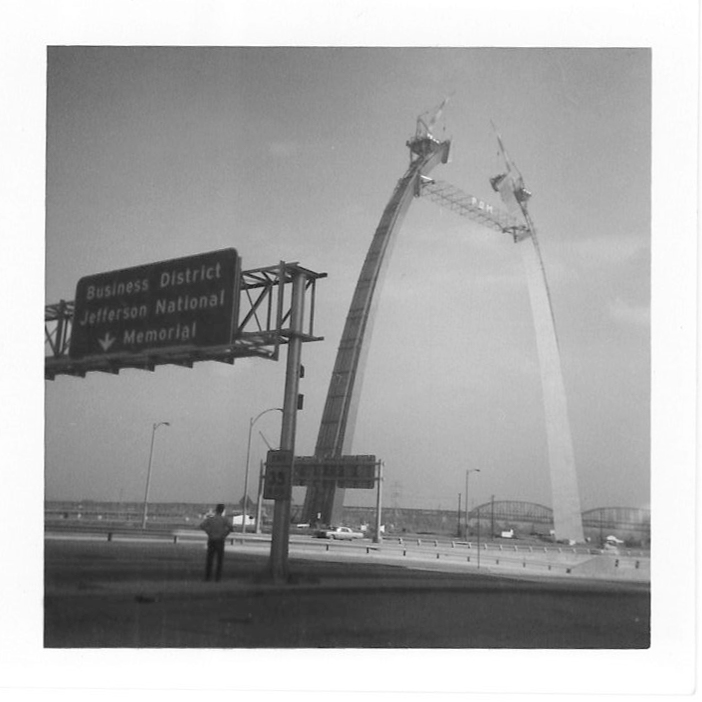
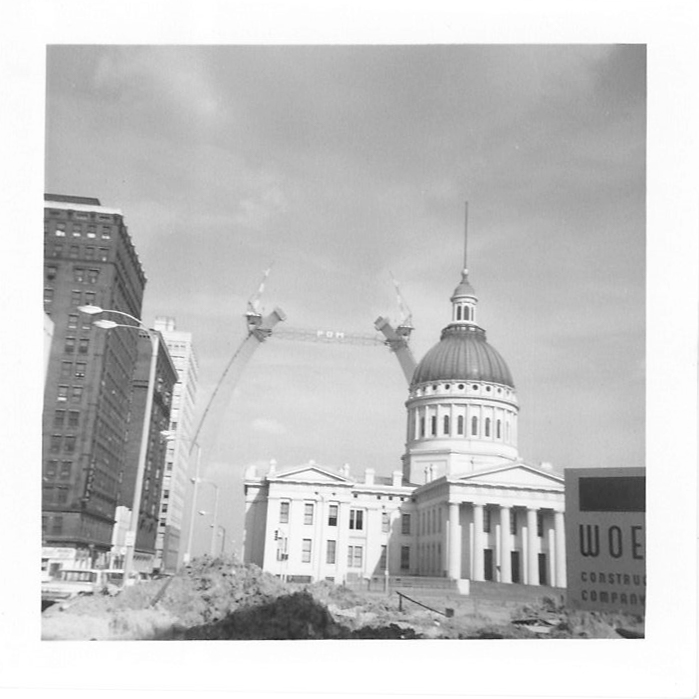
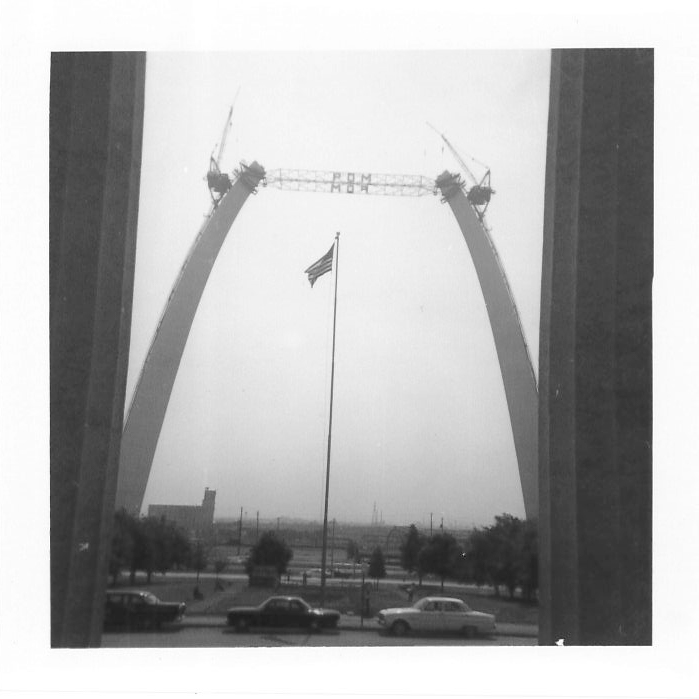
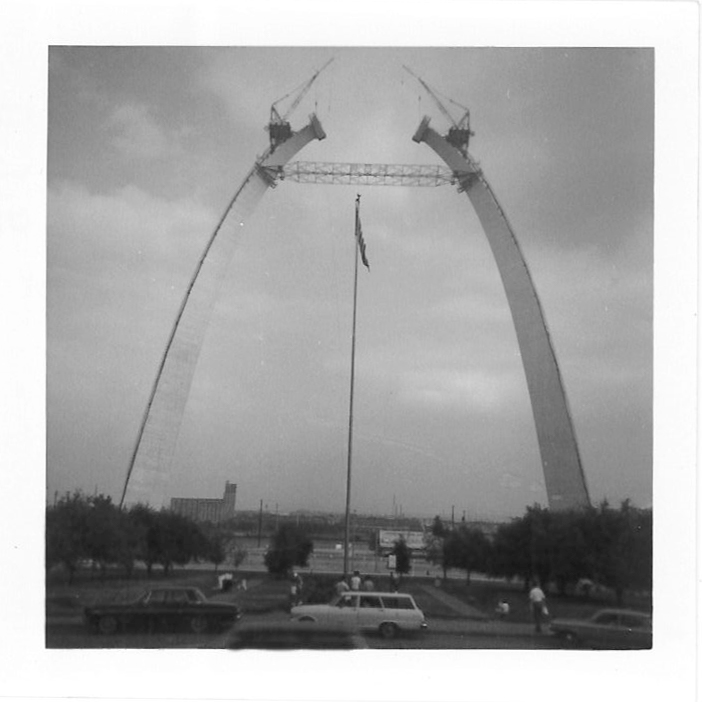
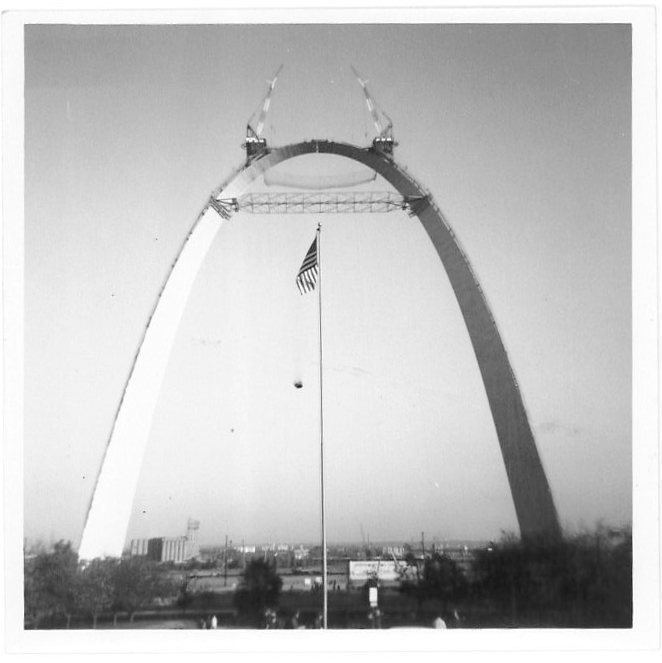
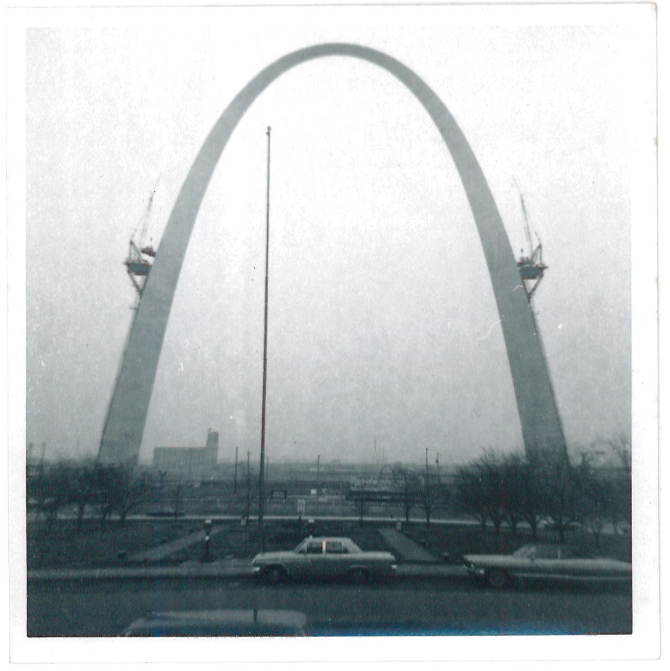
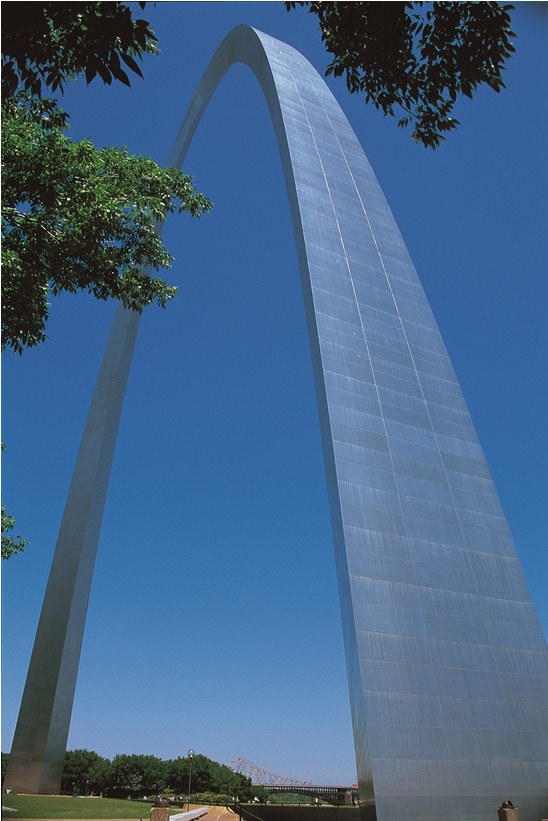
Exactly 56 years ago this week, the awe-inspiring Gateway Arch was completed. The vision of architect Eero Saarinen, the Gateway Arch was built to commemorate President Thomas Jefferson’s push for continental exploration as well as St. Louis’ role in the westward expansion of the United States. But on October 28, 1965, all attention was riveted on the critical insertion of the final keystone piece that would complete the 630-foot structure.
The two “legs” of the Arch were built section-by-section over a five-year period. Cranes and derricks placed the prefabricated steel triangles into place – a total of 71 sections per leg. When the two legs finally reached their full height, all that remained was the placement of the all-important eight-foot-long keystone section that would complete the Arch.
On October 28, 1965, huge crowds lined both sides of the Mississippi Riverfront to watch as the final piece was installed. Enormous jacks spread the monument’s two legs apart just wide enough to insert the keystone, aided by the spray of fire hoses that cooled down and contracted the surface of the south leg. Although the process took about three hours, most of the onlookers stayed around to watch the unfolding drama. When at last the keystone was inserted, the crowd cheered, bands played, and the stunning Gateway Arch soared into architectural and engineering history.
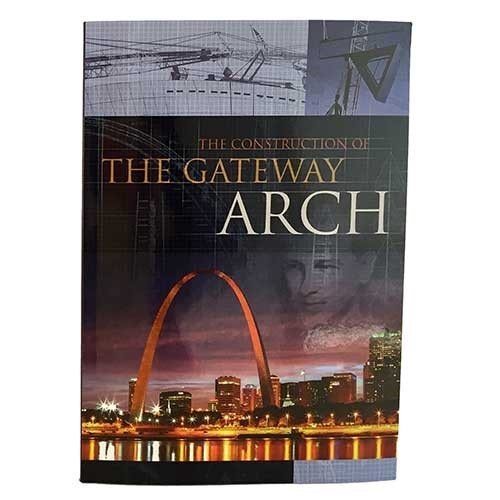
To learn more about the building of the nation’s tallest monument, pick up a copy of The Construction of the Gateway Arch. JNPA sells the book in The Arch Store, or online.
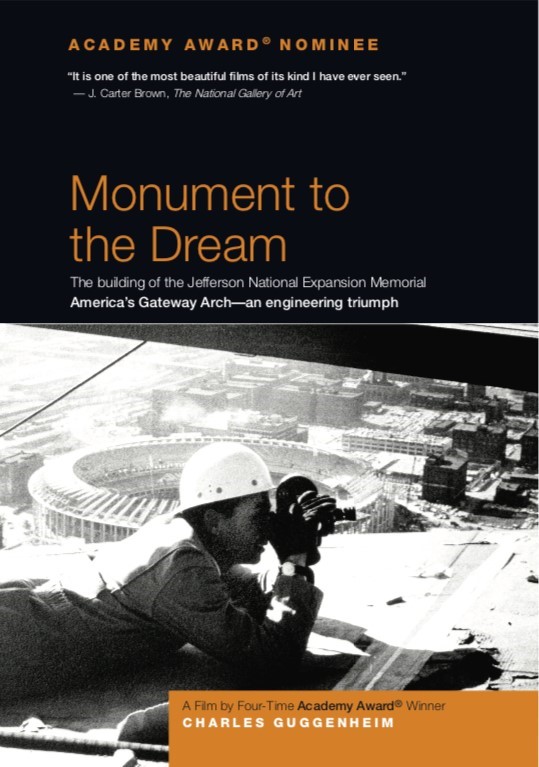
And if you haven’t seen the award-winning documentary about the construction of the Arch – Monument to the Dream – you’re in for a treat. It is shown daily in the theater at the Arch visitor center (advance tickets are recommended) or you can purchase a DVD of the movie at The Arch Store or online.
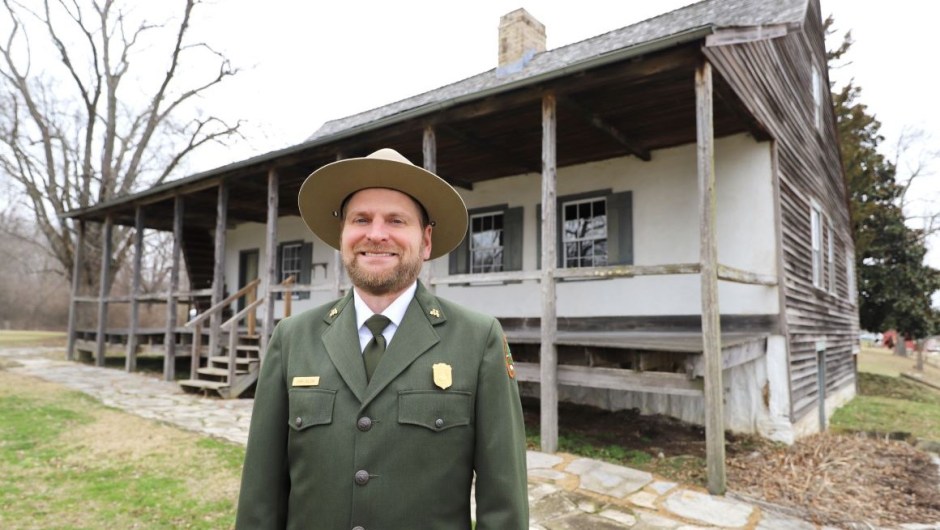
Why did you start working for the National Park Service?
As a kid, I loved visiting parks and outdoor spaces. I couldn’t think of a better place to work where I could get paid to spend my days in amazing places like our National Parks.
How long have you been working for NPS and more specifically, at Ste. Gen?
I’ve been working for NPS since 2002 in various technical and administrative positions in the Pacific West and more recently at Indiana Dunes National Park. I’ve been on the job for Ste Genevieve NHP since January 2020.
What is particularly special about the park you manage, or why should someone visit?
In grade school, so few of us learn about the French colonies that existed in North America. Our schoolbooks focus on the British colonies of New England. It’s an important piece of America’s history that’s overlooked. The French colonies were very different, and it’s fascinating to compare and contrast those two worlds.
What’s your favorite part of the job?
I think my favorite part is watching when new employees get as excited about our places and stories as I am. Priceless! Then, we geek out as a team over all the cool things we can do to give our visitors an experience to remember.
What kinds of careers are available in the Park Service?
I’ve had the amazing opportunity to chat with college students about Park Service careers on several occasions, and I feel that I’ve taken a nontraditional path to get to my current position. So, I like to encourage students to find “their” path to the job they desire and to emphasize that there’s no one way to reach their goals. Follow your passion! We have so many opportunities and fields in NPS, from science, history, and administration to our iconic Park Ranger.
Are you reading or watching anything interesting right now?
I started watching some documentaries produced by Breakwater Studios. I’m captivated by their films and how they portray the lives of the people highlighted in their work. It’s beautiful and compelling. Check them out!
What’s your favorite activity to do at your park?
Of late, it’s being present when someone discovers a new document with unseen information or when someone solves a mystery about the construction of one of our old houses. Then to share that discovery with others, it makes my day!
Your park’s best kept secret is…?
That’s a really good question! I think our secret is the depth of history here including the cultural diversity, stories of civil rights, and of course the amazing architecture. All of that is from the colonial and early American period in the Midwest!
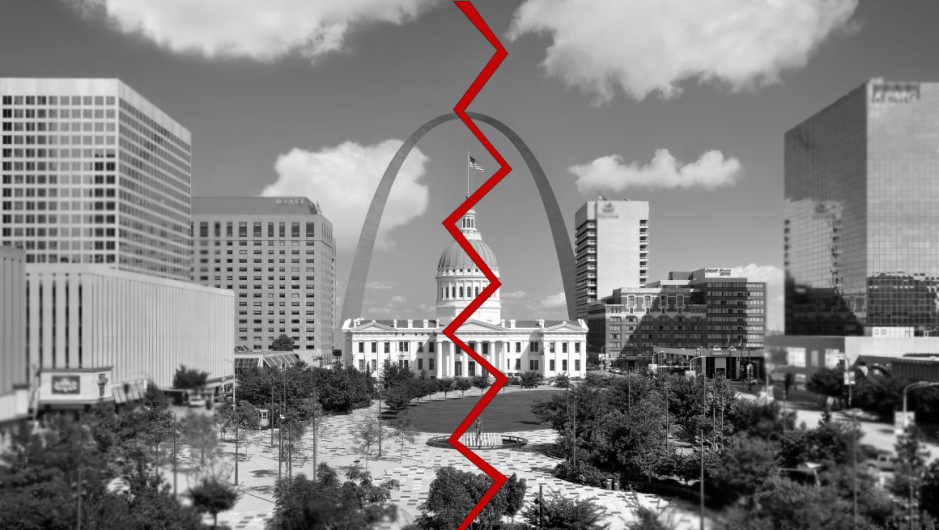
Educators are frequently challenged when trying to present students with information on local racial history. Topics such as segregation, steering, racial covenants, red-lining, and even urban renewal are controversial and often difficult to discuss.
This workshop will examine these topics as they pertain to St. Louis, and will challenge and correct many of the incomplete and over-simplified histories. Presenters will include St. Louisans who lived this history, who will tell their stories and help participants hear and share their truth. The workshop also features a bus tour of significant and relevant local sites.
It is designed to complement middle school and high school curricula. Educators will come away with new content knowledge, primary source documents, classroom activities and best practices for teaching difficult and controversial history topics. The workshop was developed by the education department of Gateway Arch National Park, in conjunction with Challenging History: A St. Louis Collaborative, a multi-institution undertaking hosted by JNPA.




 JNPA Blog