Help the Arch Celebrate a Glorious 60 Years

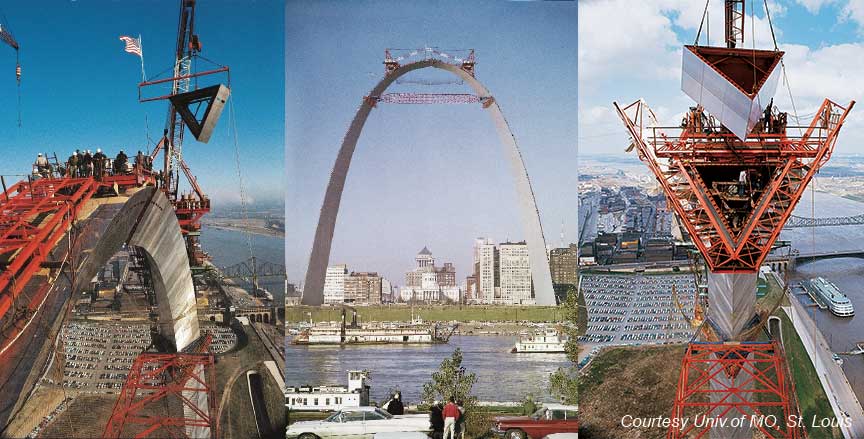
The Gateway Arch is celebrating its 60th anniversary and you’re invited to be part of the celebration! Sixty years ago on October 28, 1965, the final keystone piece was laid at the top of the monument, joining the two curving stainless steel legs of the 630-foot structure. Once that important triangular piece was inserted, the Arch soared into history as a symbol of Thomas Jefferson’s vision of westward expansion. And it took its place as the tallest manmade monument in the U.S.

To commemorate this historic event, starting tomorrow Gateway Arch National Park will host three days of fun – and free! – crafts, musical performances, and activities. (The park has temporarily reopened until November 2 despite the government shutdown.)  

Highlights include:

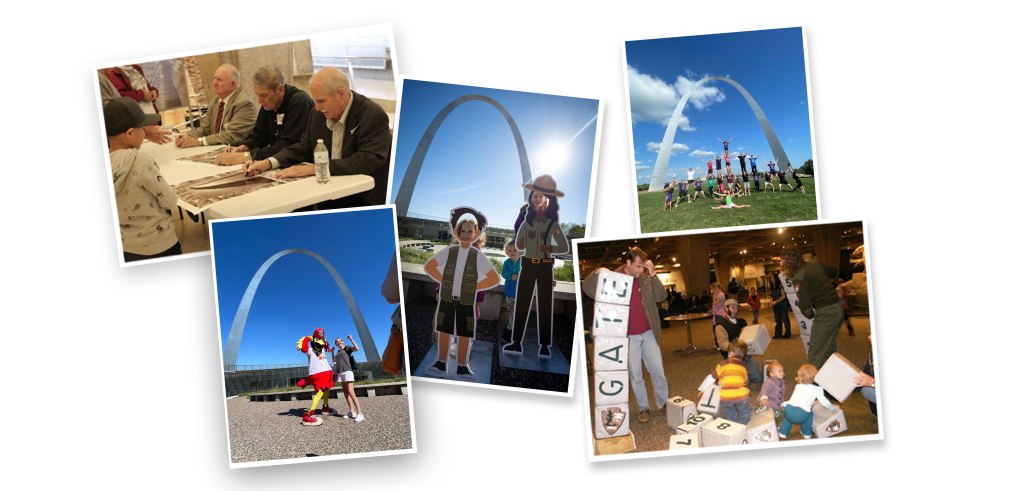
  • Visits from some of the Arch builders, men who helped construct the Arch 60 years ago, who will autograph posters for visitors and reminisce about their contributions to the building of the monument
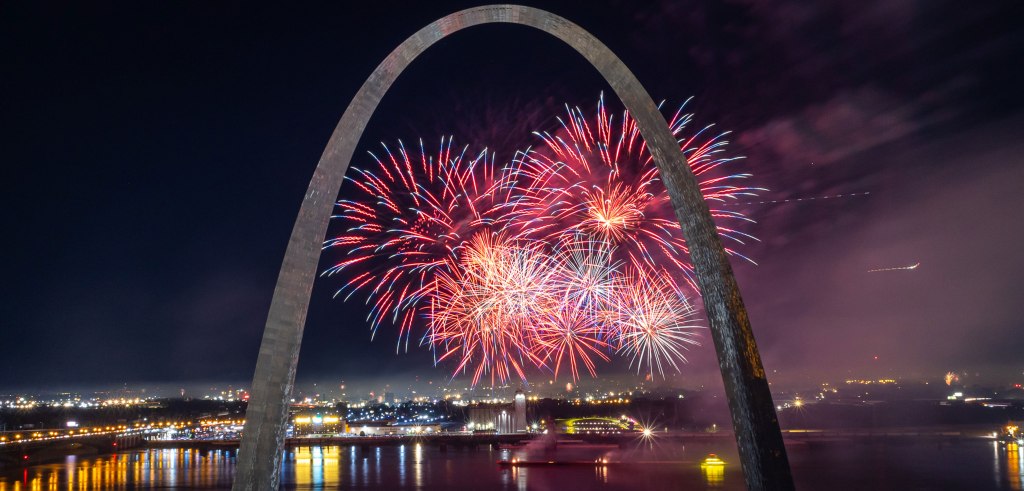
  • A fireworks display under the Arch
  • A performance by the Marching Eagles band from Columbia (IL) High School
  • Performances by the St. Louis Arches, the high-flying acrobats from Circus Harmony
  • Children’s craft activities, including building the “Arch” with giant blocks, getting a (washable) Arch tattoo, posing as an Arch builder or park ranger, and signing a giant birthday card.
  • A visit by St. Louis Cardinals mascot Fredbird, as well as other local team mascots.

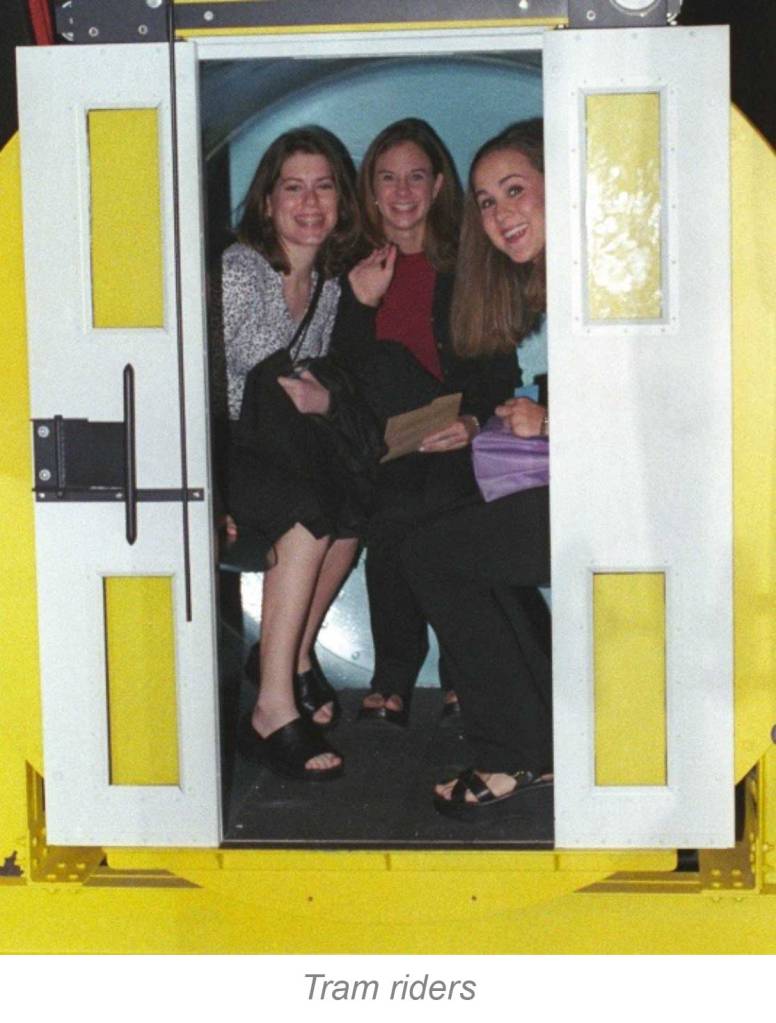
And for the lucky ones who purchase a ticket on the Tram Ride to the Top on October 28, you’ll become an exclusive member of the Tram Ride to the Top Club, entitling you to a special certificate. We highly recommend purchasing your tickets in advance as they are expected to sell out. 

It’s not often we get to commemorate a milestone anniversary of the completion of one of the world’s most iconic monuments. JNPA is proud to have led the collaborative private effort to temporarily reopen Gateway Arch National Park even in the face of the current government shutdown, enabling this birthday celebration to take place. We hope visitors take this opportunity to visit the Arch and Old Courthouse while it remains open through November 2.

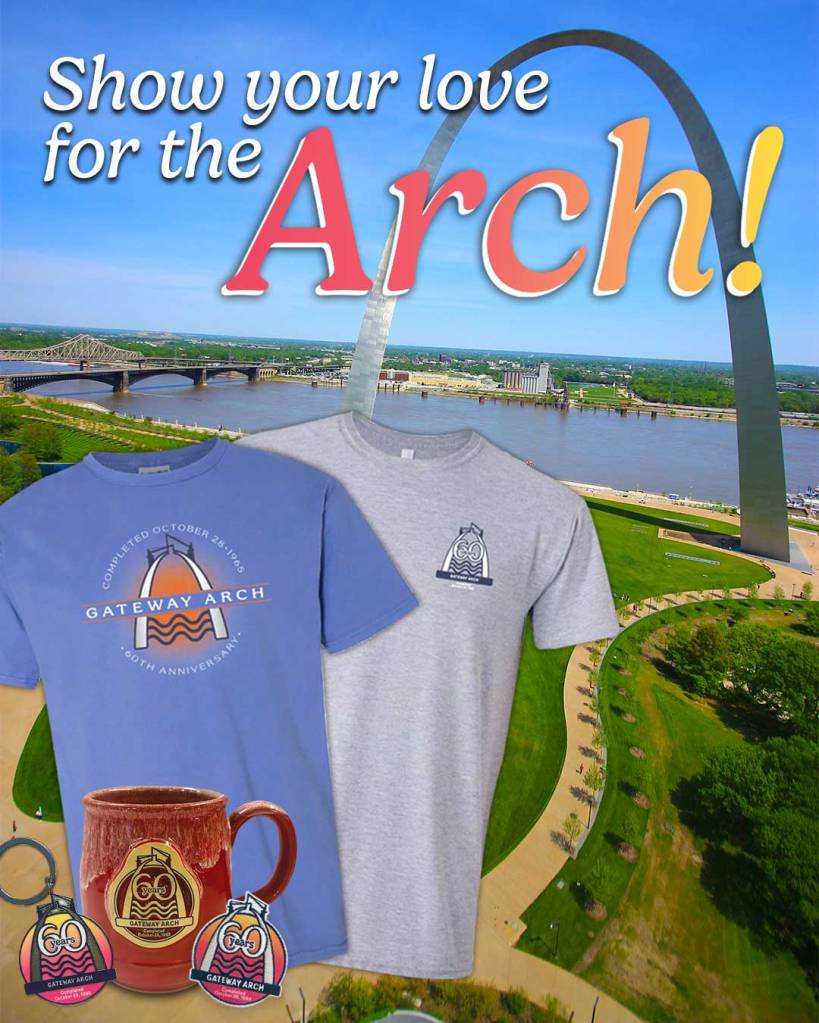
If you can’t stop by for a visit, you can still honor the Arch anniversary with one of our commemorative 60th anniversary products, available from our online store. Show your love for the Arch and help support your favorite park!

A Treasure Trove of St. Louis History Re-opens

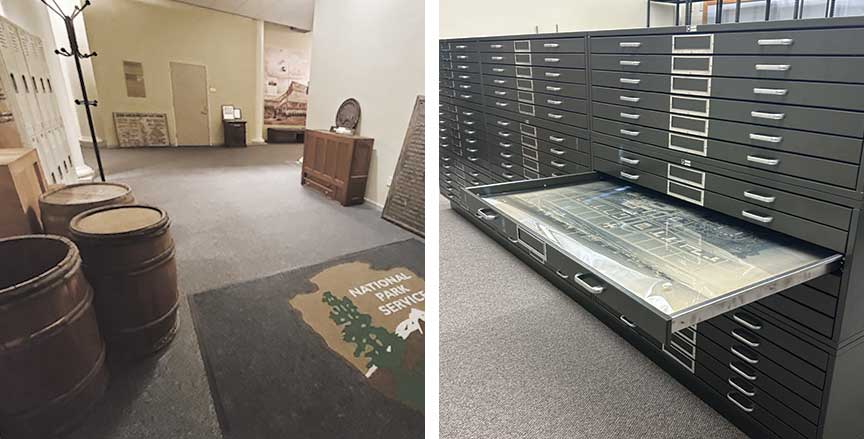
Are you a researcher, writer, or just plain old history buff wanting to learn more about the origins of Gateway Arch National Park, the Lewis and Clark Expedition, or the early history of St. Louis? Well, the park just made it easier to find what you’re looking for. Starting tomorrow, the park will open its new Archives Reading Room at the Gateway Arch National Park Research Center in downtown St. Louis. 

Courtesy of NPS.

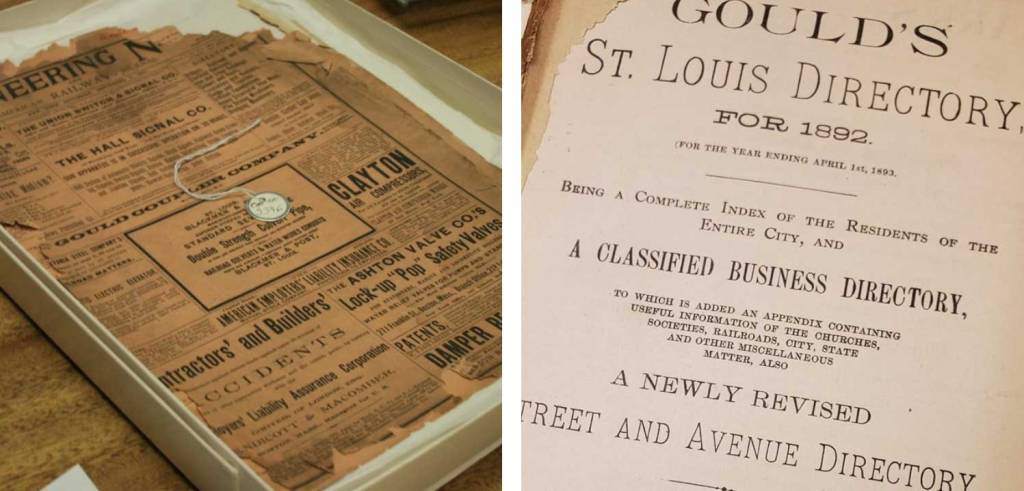
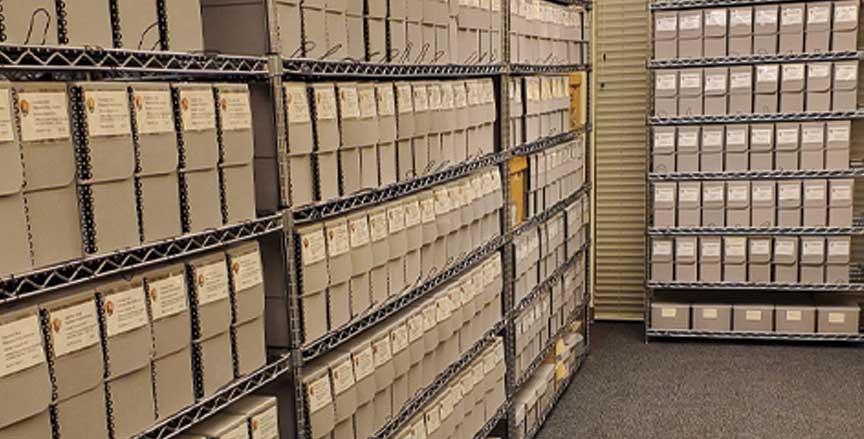
The park’s comprehensive collections include thousands of books, manuscripts, audio recordings, images, objects, and papers. They pertain to the history of the park, the nation’s westward expansion, the design and construction of the Gateway Arch, and St. Louis history. Researchers can access such diverse holdings as records pertaining to widows of Indian wars; as early directories of St. Louis business; documents on the fur trade; and maps, newspaper articles, brochures, engravings, letters and other materials relating to western forts, camps, and trading posts. 

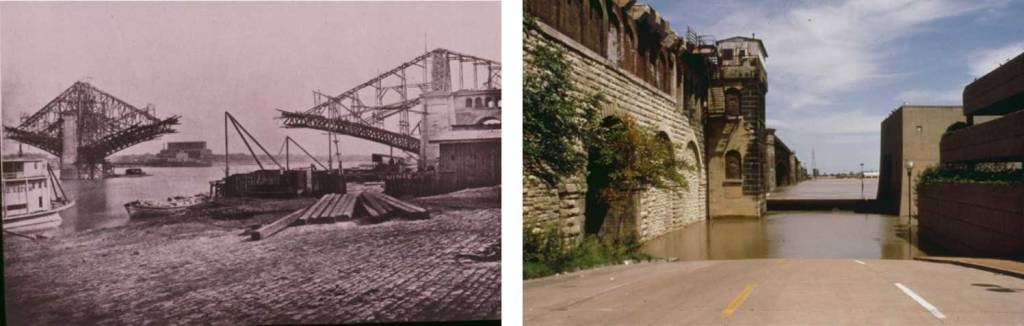
Left: Construction of Eads Bridge, early 1870s. Right: Washington Ave. near Arch garage during 1993 flood. Courtesy of NPS.

The park’s Visual Image Collection alone contains more than 20,000 slides and 8,000 photographs on subjects as wide-ranging as the construction of the Gateway Arch, the early days of the Old Courthouse, and the historic St. Louis Flood of 1993. (Though the images cannot be loaned out, many may be reproduced for purchase, subject to copyright regulation.) 

Then there is the Gateway Arch National Park Oral History Project, a collection of audio interviews with former park employees and others who have played an important role in the history of the Gateway Arch. And of course, there are priceless artifacts from the past such as wagons, stoves, tools, and other remnants from history.

Courtesy of NPS.

This extensive collection of documents and artifacts is accessible to the public for the first time in more than five years. The original archives room was located inside the Old Courthouse, but the National Park Service determined the historic building’s structural integrity would no longer be a safe home for the collection because of its weight. Park staff worked closely with JNPA and the Gateway Arch Park Foundation to locate a new home for the archives. They eventually re-located the holdings to the ground floor of the historic Old Post Office building in downtown St. Louis.

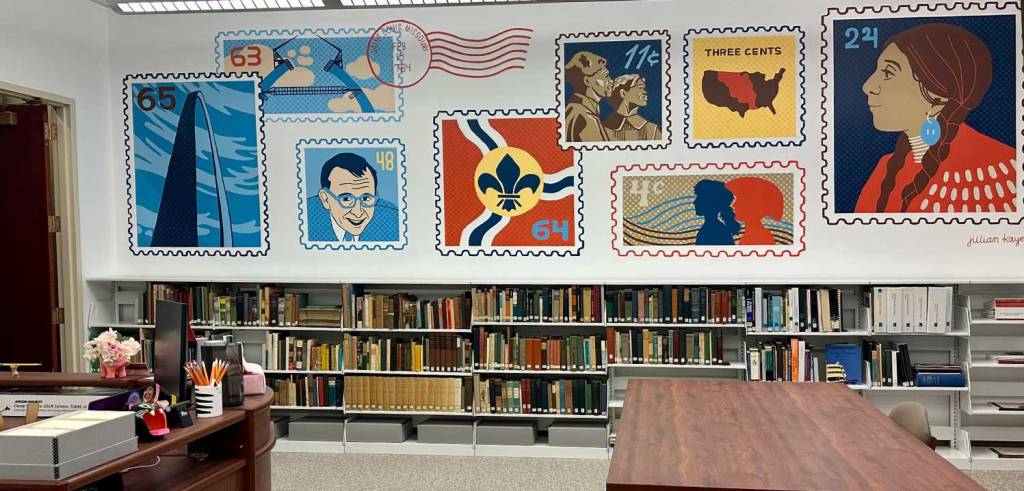
Custom mural by local artist Jillian Kaye.

A fun new addition to the Archives Reading Room is a custom mural by local artist Jillian Kaye, who won a recent design competition hosted by JNPA. The mural on the reading room wall uses postage stamp designs (a nod to the Old Post Office site) that depict various themes from the park’s history.

JNPA is also proud to have supported the Research Center in other ways, including purchasing document cases, furniture, and other supplies.

Researchers are welcome to use archival materials within the park’s Research Center Reading Room. Access to materials is dependent upon physical condition, copyright, and other factors. To inquire about researching the collection or to set up a research appointment, fill out the online contact form on this page or email the park Archivist Katherine Terry to make an appointment.  

Accessible to All

As the Americans with Disabilities Act (ADA) turns 35 years old this month, the Centers for Disease Control reports that more than one in four Americans – roughly 70 million people – are living with a disability. This can include a wide range of conditions from mobility issues and hearing loss to vision impairment and cognitive limitations.  

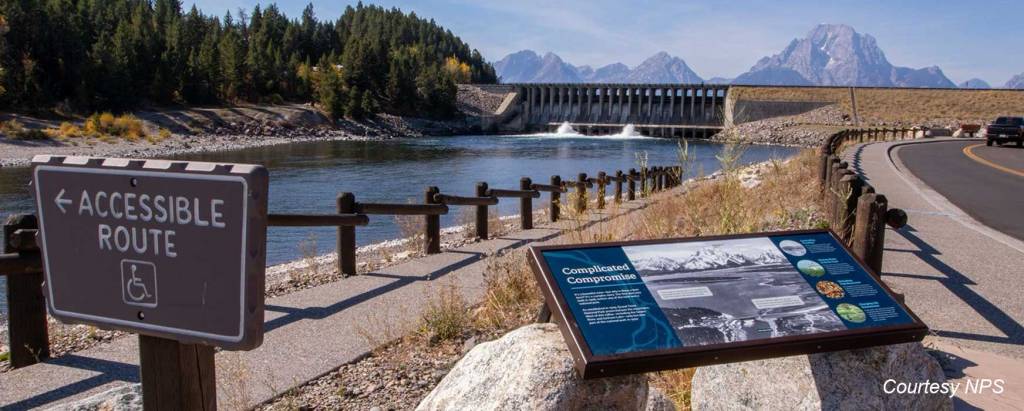
Yet there’s no reason people with physical challenges can’t enjoy our national parks. In fact, the National Park Service “strives to make its parks, monuments, and historic sites available to all.” And it offers a wide range of accessible experiences across its 400+ park sites.

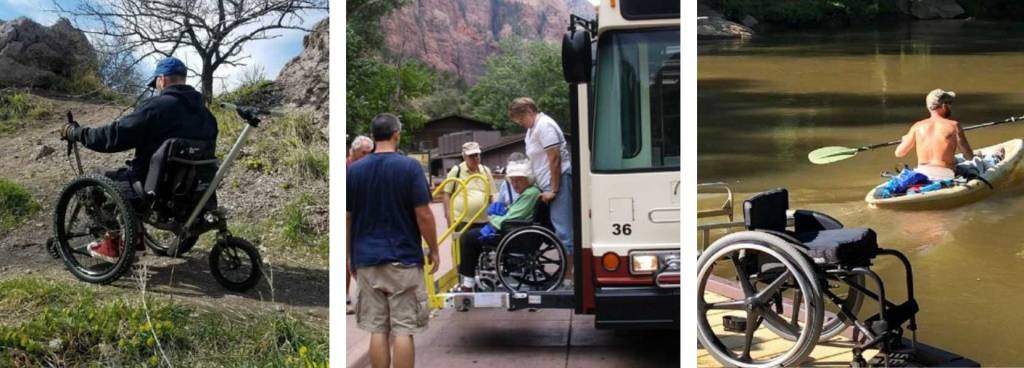
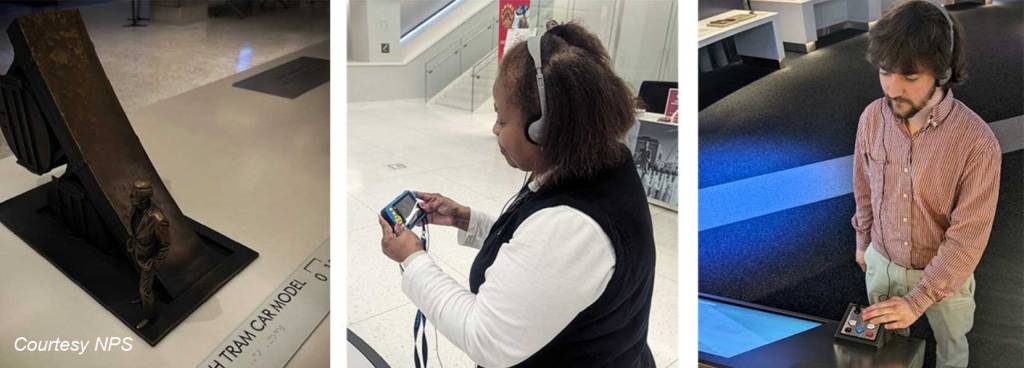
Each park has its own accessibility section on its website, where visitors can find details about its accessibility services and programs. These can go way beyond more traditional services like sign language interpretation of tours, accessible camping sites, paved trails, and ramps. Newer accommodations include all-terrain wheelchairsaudio cave tours,  tactile maps and accessible shuttle buses, and Wheels to Water floating kayak launches

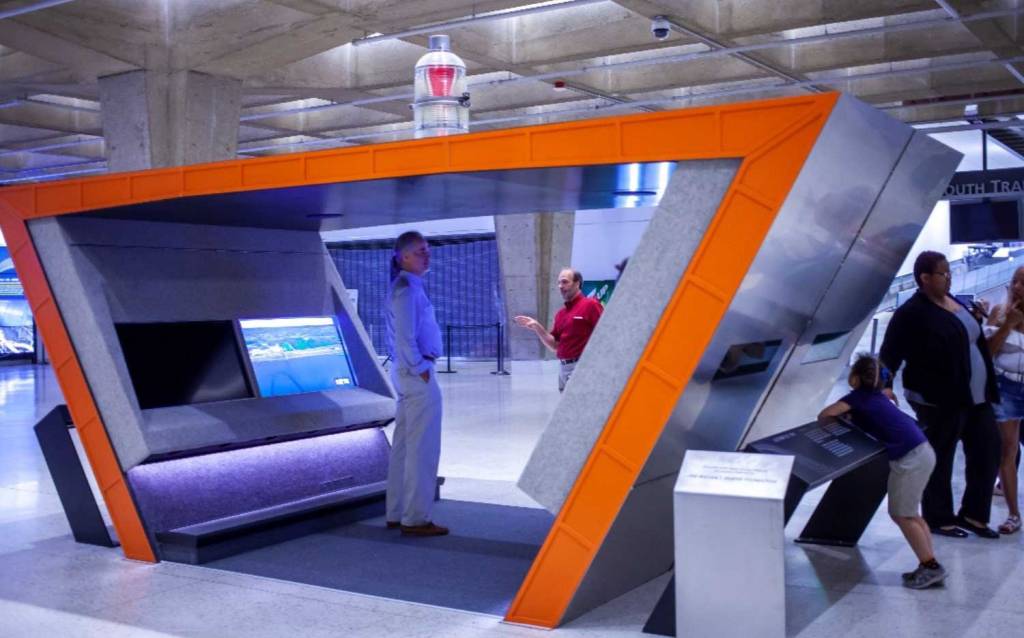
As challenging as some of these physical accommodations are, making museum exhibits accessible is even more complicated. Designers of the new museum at Gateway Arch National Park, for instance, fully embraced the concept of Universal Design when planning new exhibits. The museum includes multiple accessibility features, like tactile exhibits and interactive computer simulations that are visitor-directed through a touchscreen. Visitors can make use of Braille signage, large-print, high-contrast text versions of exhibit copy, assisted listening and captioning devices, as well as a new device that allows non-speaking guests to type questions for museum staff. Similar accommodations are available in the park’s theater.

And since the tram ride to the top of the Arch is not wheelchair accessible, designers created the next best thing. Inside a full-size replica of the final piece of the Gateway Arch, video screens show live views from each side of the top observation deck, replicating the experience as much as possible for visitors who cannot make the trip to the top. 

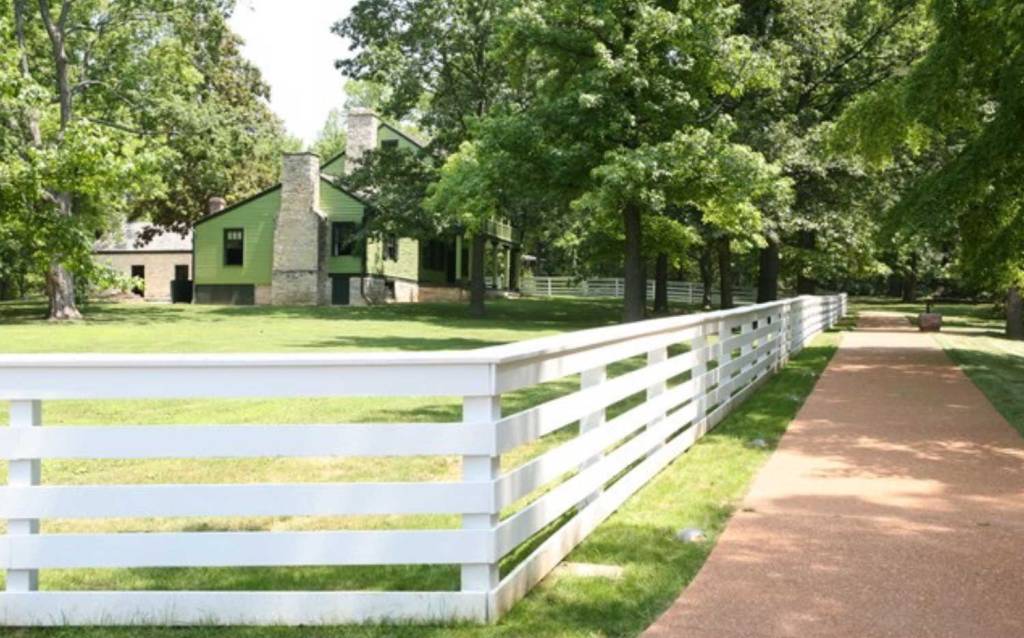
Ulysses S. Grant National Historic Site also offers a range of accessibility services, including free wheelchair use, assisted listening devices for guided tours, audio descriptions of park films, and Braille and large-format brochures.  

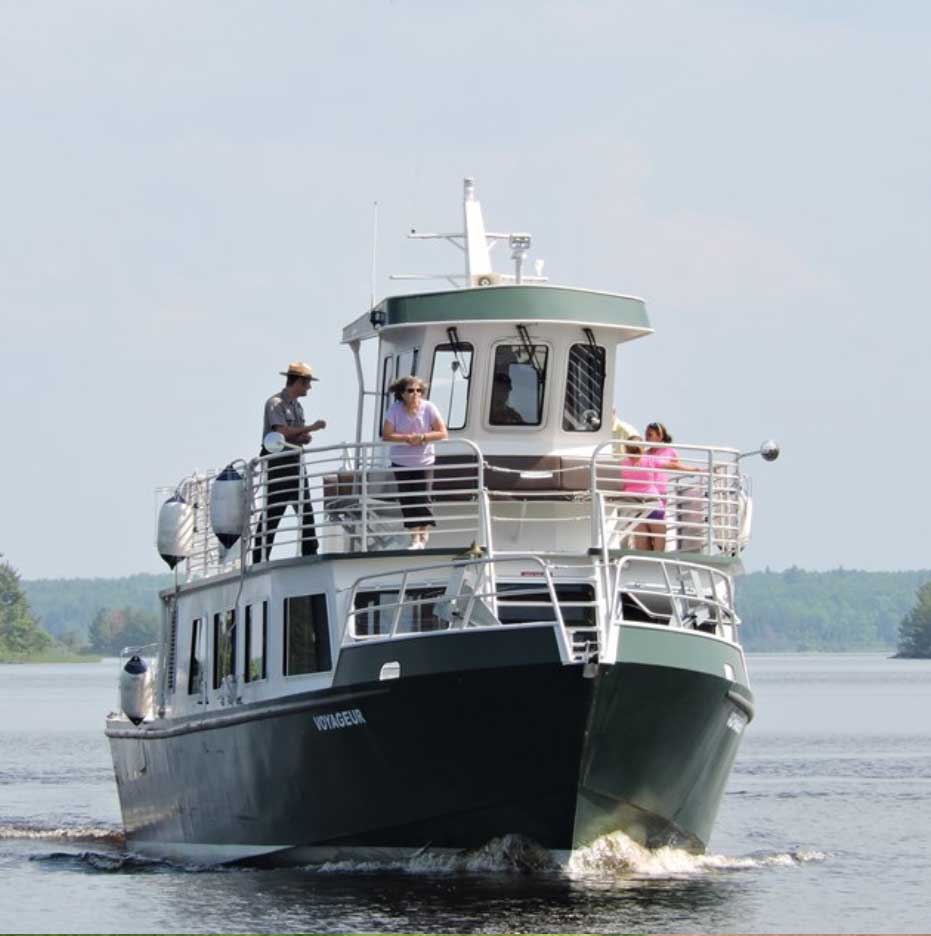
At Voyageurs National Park boating, fishing, and camping are the primary activities. All NPS boats are accessible. And visitors can make use of accessible lifts at boat launches as well as accessible campsites.

Similar accommodations are available at Missouri National Recreational River and the Lewis and Clark Visitor Center, both of which are popular with anglers.  In addition to taking advantage of accessible trails, shelters, and cabins, visitors can fish from several piers that are reachable by those in wheelchairs. 

All in all, NPS efforts to improve accessibility have principally focused on well-developed areas within easier reach, such as park visitor centers and established campgrounds. But accessibility advocates want to see more trails, shelters, and other park areas comply with ADA standards, particularly in more remote natural areas. Park Service officials acknowledge there’s a nationwide backlog of existing trails and structures that don’t meet accessibility standards, especially in the backcountry. But they say they’re making progress where they can.

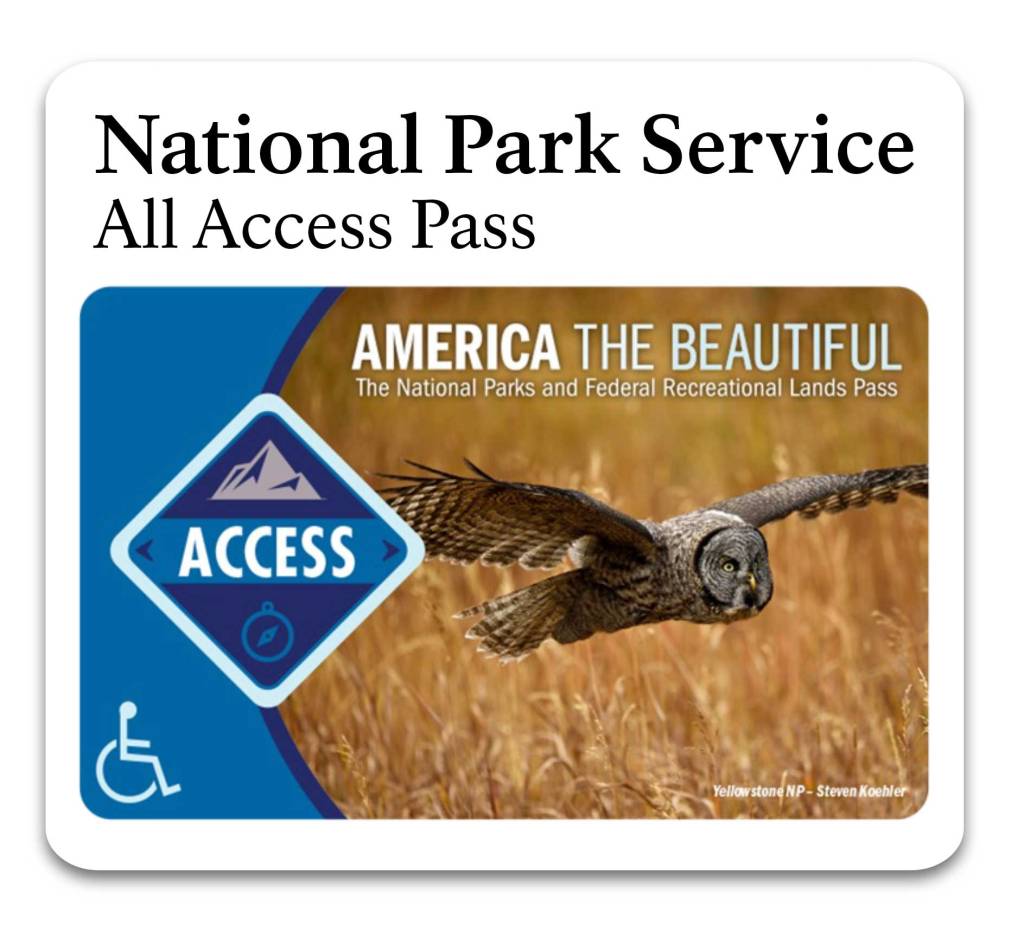
Americans with permanent disabilities are eligible to receive the National Park Service All Access Pass, which provides lifetime benefits at federal lands managed by six agencies, including free entrance to parks managed by the National Park Service that charge an entrance fee. The free passes are available at certain federal recreation sites or can be ordered online (for a small shipping fee). 

The Bridge of Firsts

They said it couldn’t be done.  They said the design of Eads Bridge was preposterous, that it would snarl riverboat traffic, that riverboats wouldn’t fit under it, that its chief engineer had never designed a bridge, that the Mississippi River’s massive currents and 8-foot-thick ice floes would crush it, that its stone piers wouldn’t support its heavy steel spans. 

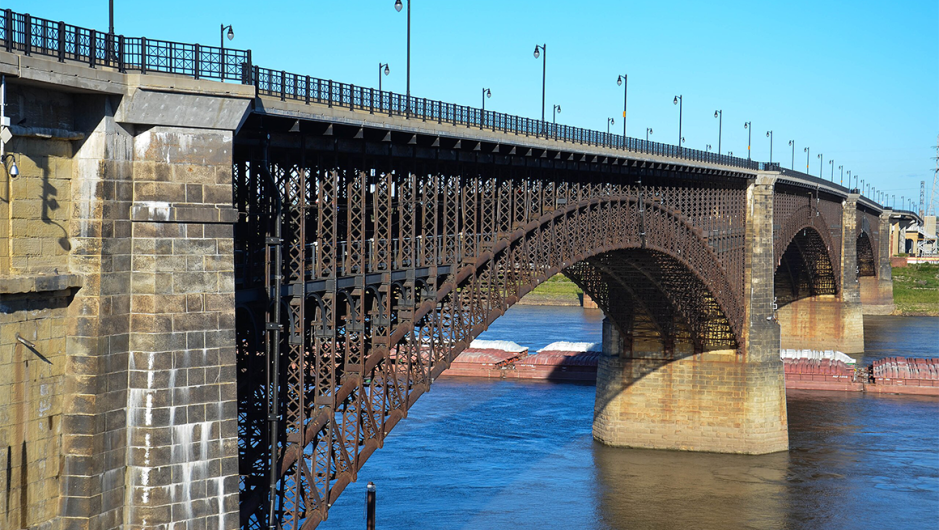
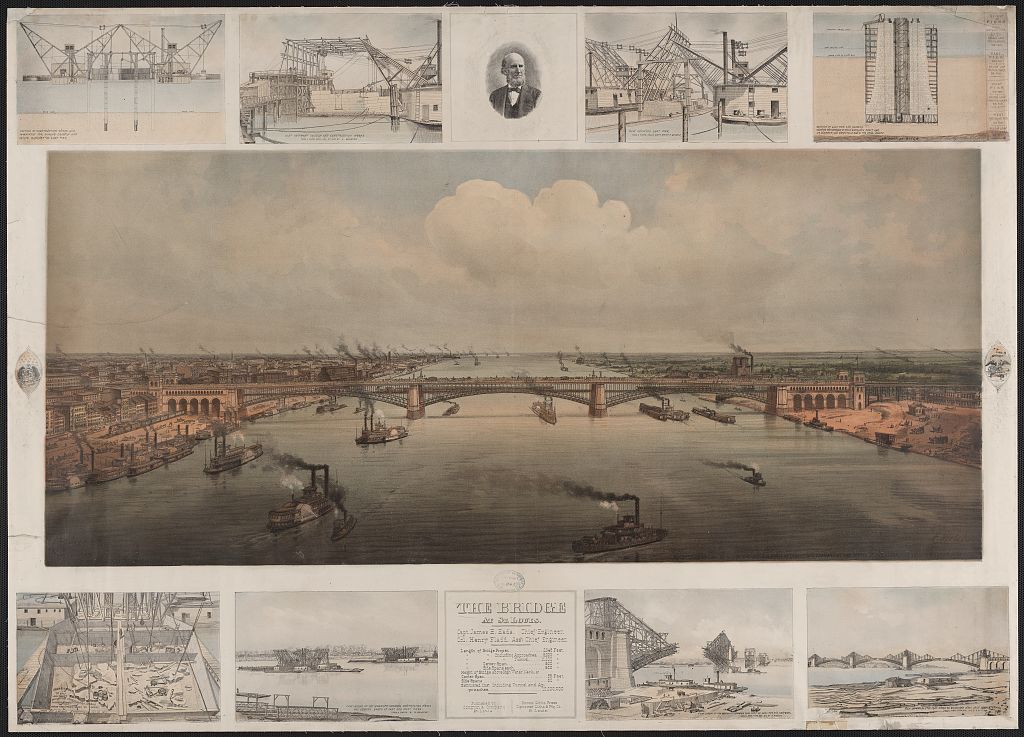
But against all odds, when the Illinois & St. Louis Bridge (later known as Eads Bridge) was completed in 1874, it became the largest bridge built at the time, and the very first steel bridge.  And 150 years later, it still stands as the oldest existing bridge on the Mississippi and a testament to one man’s ingenuity. 

In the decade following the Civil War, railroads began to edge out river traffic as the nation’s primary transportation mode.  But the Mississippi River was a barrier to rail traffic.  Trains would reach the river’s edge, empty their cargo onto a ferry, ship it across the river, then load it onto new trains on the other side.  This cumbersome system meant St. Louis was losing out to Chicago as a center of Midwestern commerce.

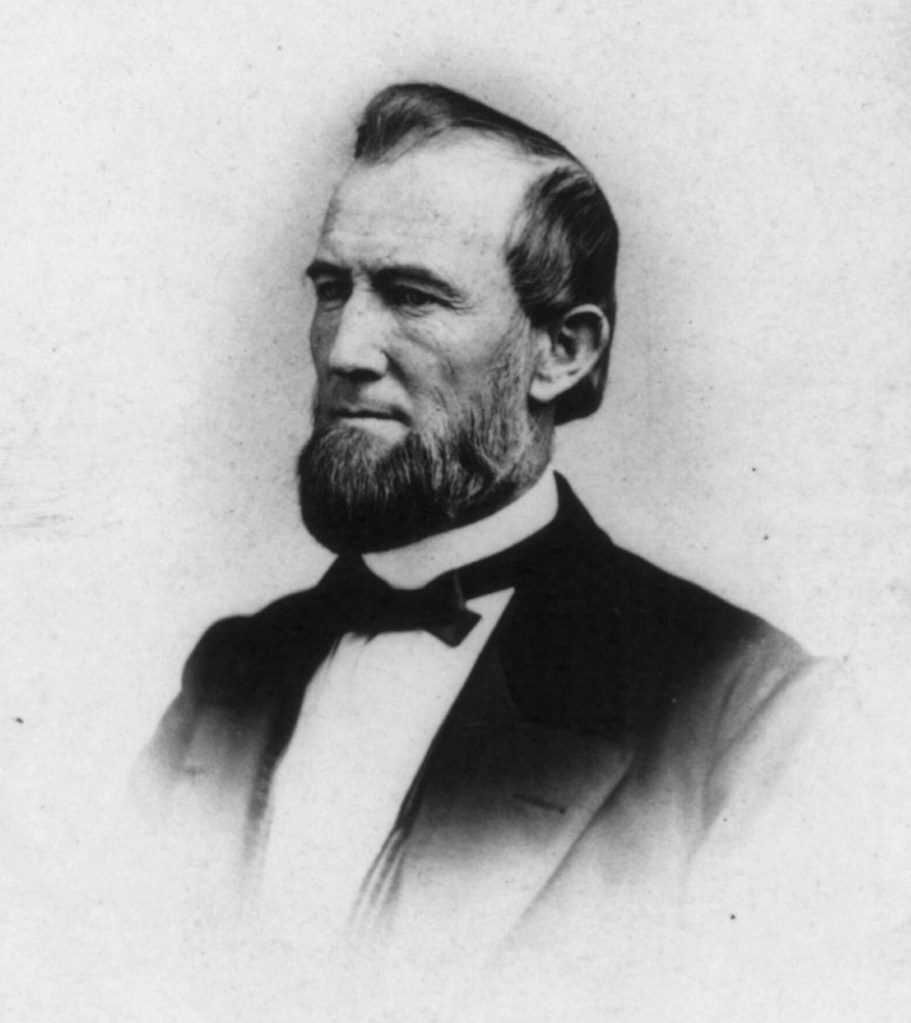
James Eads

A young self-educated river engineer named James Buchanan Eads offered St. Louis leaders a solution.  He had no experience with bridge design, though he’d made a name for himself salvaging wrecks on the river bottom and designing ironclad gunboats for the Union navy during the Civil War.

Credit: Library of Congress

Eads’ design called for giant arches that would support the weight of the bridge from below, leaving ample room for boat traffic while spanning the wide distance from Missouri to Illinois.  Naysayers doubted whether the amateur designer’s enormous arches would hold up.  Eads’ solution?  Steel. The strong and relatively lightweight alloy had never been used as a large-scale building material, but Eads maintained it would be perfect for his bridge.

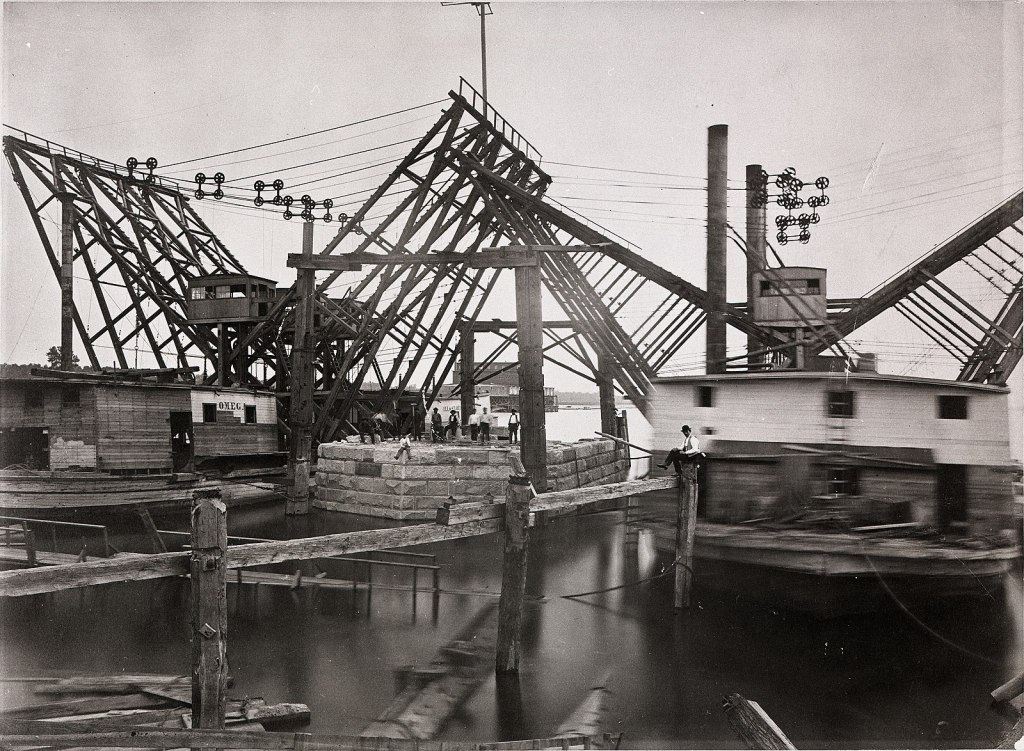
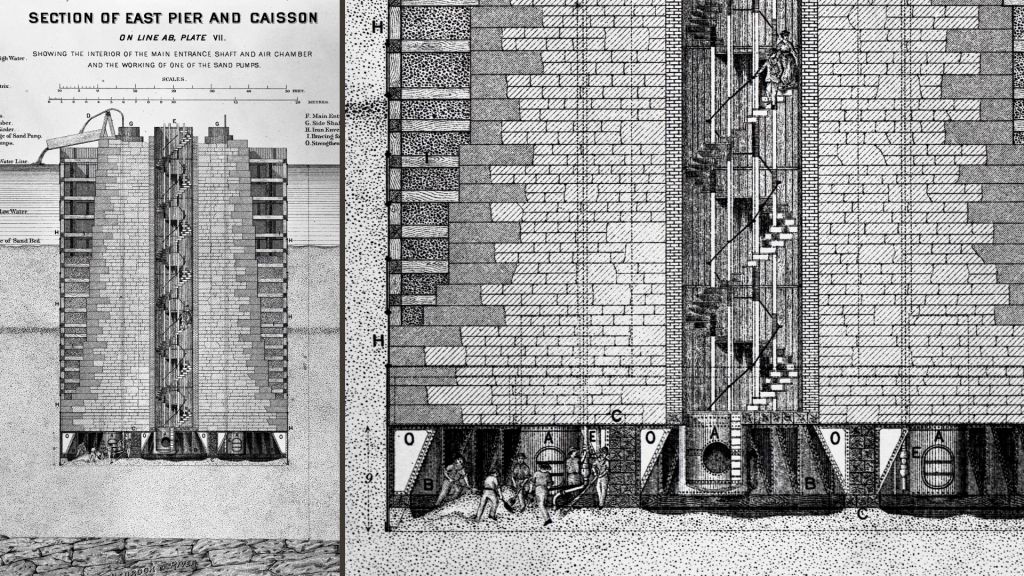
Sinking the east pier of Eads Bridge

Another equally daunting challenge lay below the water. To ensure the bridge would stand up to the notoriously swift currents of the Mississippi, Eads believed that the four stone piers needed to be anchored not just in mud and silt but in bedrock, more than 100 feet below the water’s surface. 

Credit: Missouri Historical Society

To accomplish such a deep underwater pier construction, he invented a pneumatic caisson, a large watertight chamber filled with compressed air to keep out water and mud.  Little did he know, however, that the workers within these pressurized chambers would suffer what came to be known as caisson disease (also known as the bends) when they emerged at the surface too quickly.  Despite the establishment of a floating hospital to treat the ailing workmen, at least 15 died as a result.

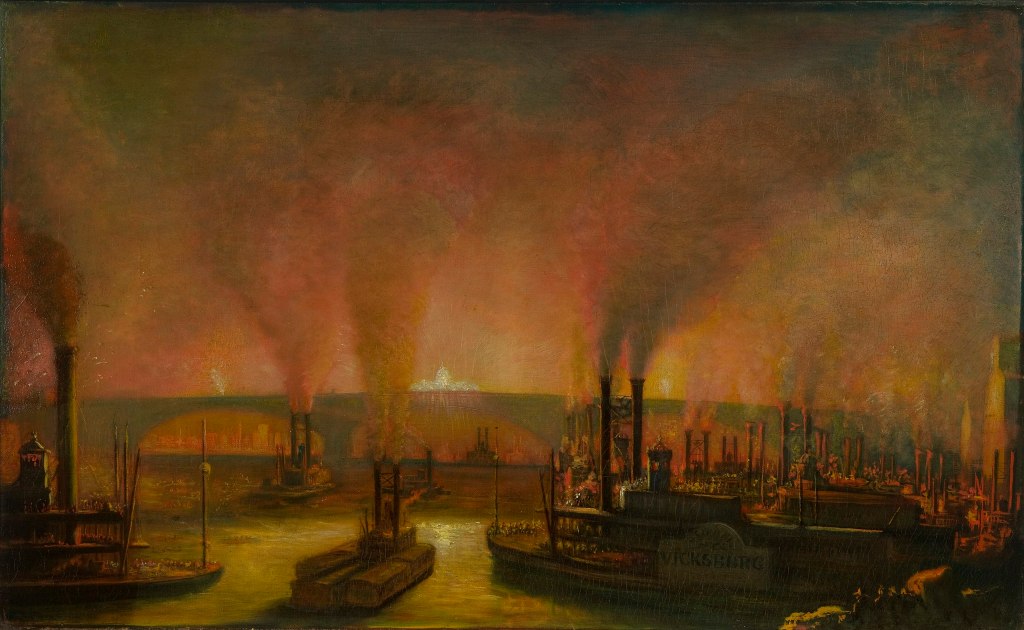
Dedication of Eads Bridge July 4, 1874, Saint Louis Art Museum

After seven long years and a cost of more than $7 million, the bridge opened in 1874 – at the time the world’s largest bridge and the first to use structural steel.  To reassure those who worried it wouldn’t carry heavy loads, Eads brought in 15 50-ton locomotives filled with coal and water, which safely crossed the bridge in both directions. The grand opening ceremony on July 4th – complete with a 14-mile parade, gun salutes, and a fireworks display – was attended by an estimated 200,000 people on both sides of the river. President Ulysses S. Grant was in attendance, as were a host of other elected officials and dignitaries.

Credit: Debbie Franke

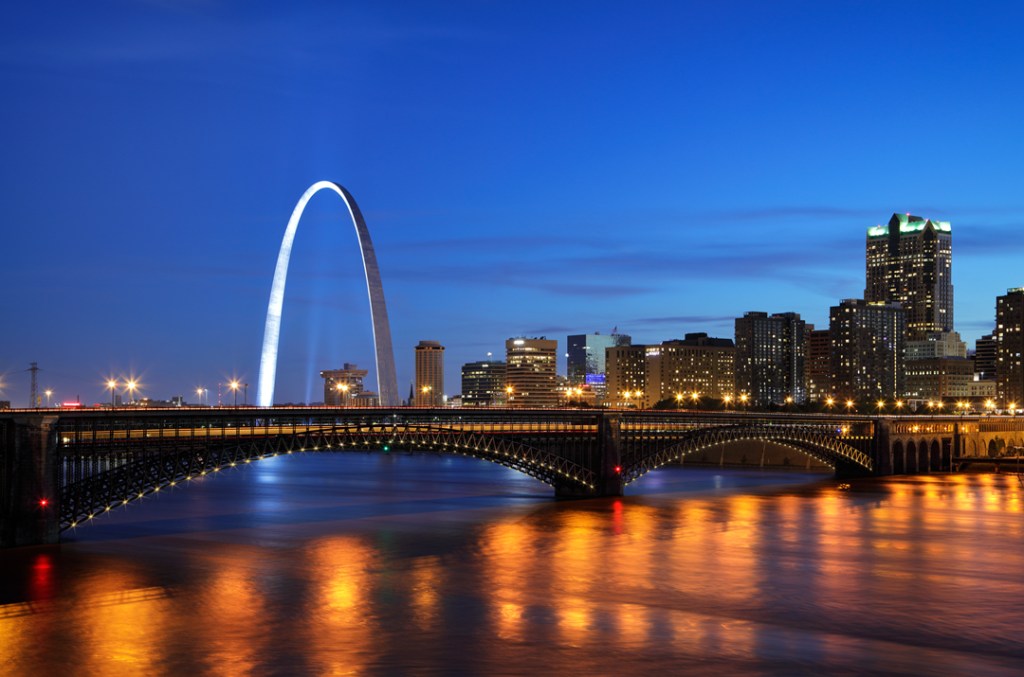
The National Park Service designated Eads Bridge a National Historic Landmark in 1964, and it has since received accolades from the city of St. Louis and from numerous professional organizations.  It continues to carry automobile and light rail traffic across the Mississippi River today, just north of the Gateway Arch.

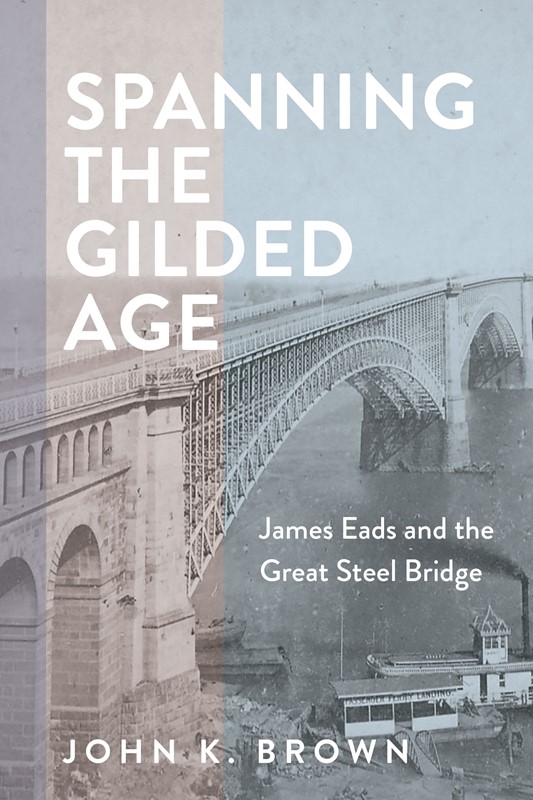
Eads Bridge fans will want to attend one of Gateway Arch National Park’s upcoming educational programs about the bridge offered by historian Paul Giroux and park rangers inside the park visitor center.  The Arch museum will also feature artifacts from the original bridge.  And The Arch Store has a number of commemorative Eads Bridge products and books available for purchase, including the newly published Spanning the Gilded Age

Get Involved at a National Park!

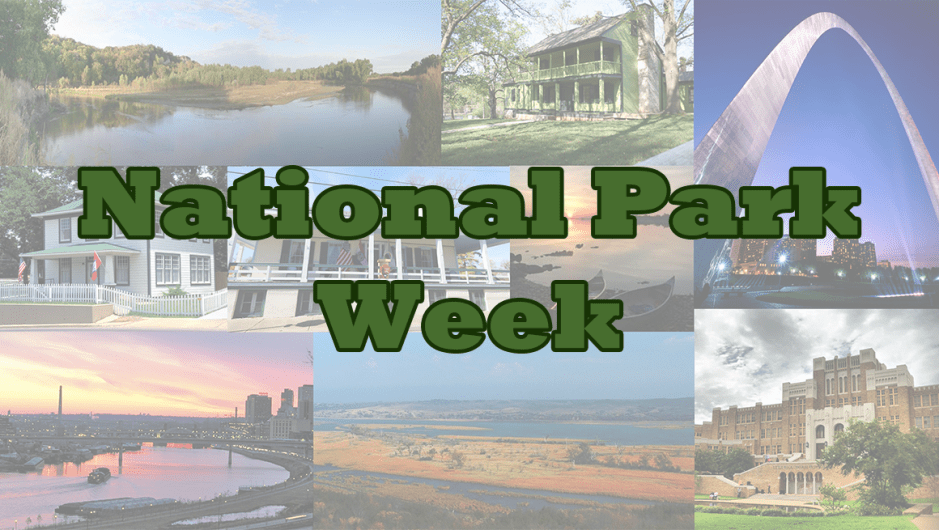
Are you a fan of national parks?  Beyond just paying them a visit, do you want to get more involved in their events and activities?  Then National Park Week is for you!!

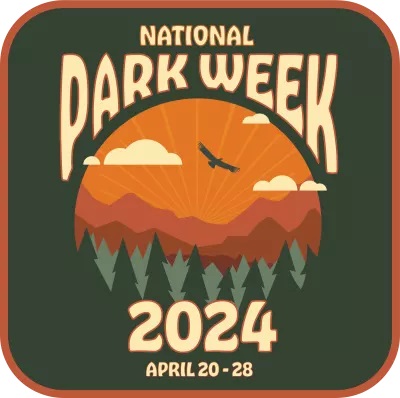
In August of 1991, the very first National Park Week was established to honor the National Park Service’s 75th anniversary. Since then, it has been celebrated in April alongside Earth Day. This year, National Park Week is April 20-28, and each day is themed around a unique aspect of the national parks.

April 20 – Discovery/ Park Rx Day

To kick off the week and also encourage people to discover a new park, entrance fees at all national parks are waived on April 20!

It is also Park Rx Day, focusing on the connection between the health of people, the health of parks, and the health of our planet.

If you are in Missouri, we highly recommend attempting the NPS Wellness Challenge. All seven of the national park sites in Missouri offer challenges in three categories that visitors can complete: mental, physical, and learning. If you complete a challenge, you can earn a Wellness Challenge Badge!

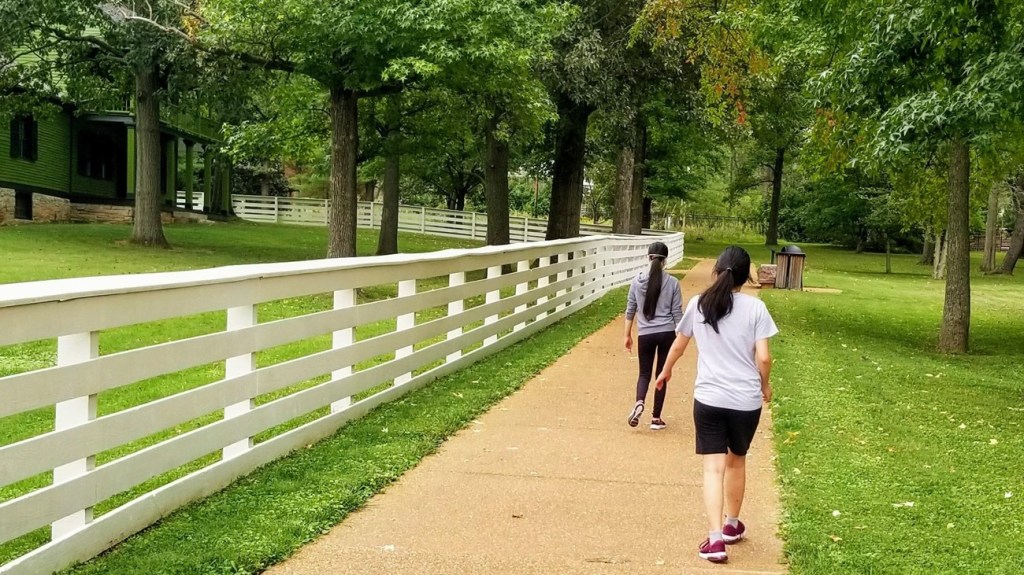
Visitors take a walk through history as part of the NPS Wellness Challenge at Ulysses S. Grant National Historic Site. Credit: NPS

April 21 – Volunteers

Have you ever wanted to volunteer at a national park but either lived too far away or could not find activities that fit your schedule? Now you can volunteer VIRTUALLY as a citizen archivist! Ahead of the upcoming 250th anniversary of American Independence, the National Archives and Records Administration is collaborating with the National Park Service to have volunteers transcribe Revolutionary War Pension Records. These records hold incredible, untold stories of the American Revolution, and once transcribed, will be a permanent contribution to our country’s historical record.

Want to get outside to volunteer? Gateway Arch National Park is having its first ever BioBlitz on April 28. Volunteers will use the iNaturalist app to document various types of wildlife found in the park.

April 22 – Earth Day

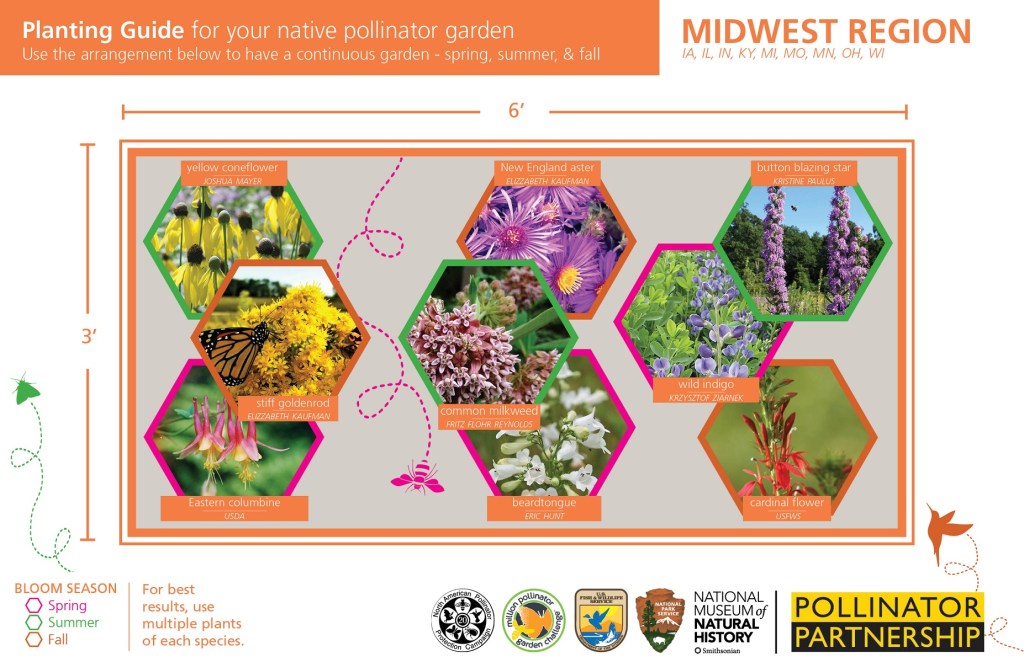
On Earth Day, you can join an event at a park near you, or you can learn about all the great ways to practice conservation at home. By taking a few small steps, you can do your part to help protect pollinators, birds, bats, oceans, and even our night skies!

April 23 – Innovation

National Park sites are full of innovative ideas, programs, and technology. For Innovation Day, check out a few of our past blog posts about innovation in some of our partner parks:
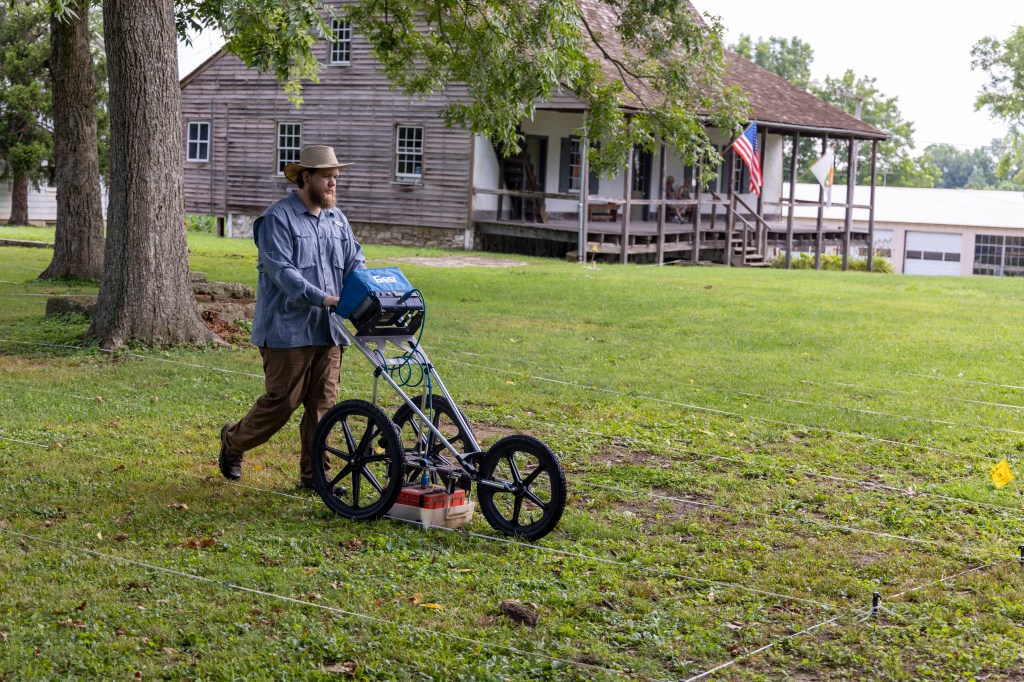
Archeological exploration at Ste. Geneviève National Historical Park. Credit: NPS
April 24 – Workforce Wednesday

On April 24, the National Park Service is hosting a special virtual event, “Then/Now/Tomorrow: Empowering Our Future Conservation and Climate Stewards.” This is a great opportunity for teens and young adults to learn about volunteer and career opportunities in parks!

April 25 – Youth Engagement

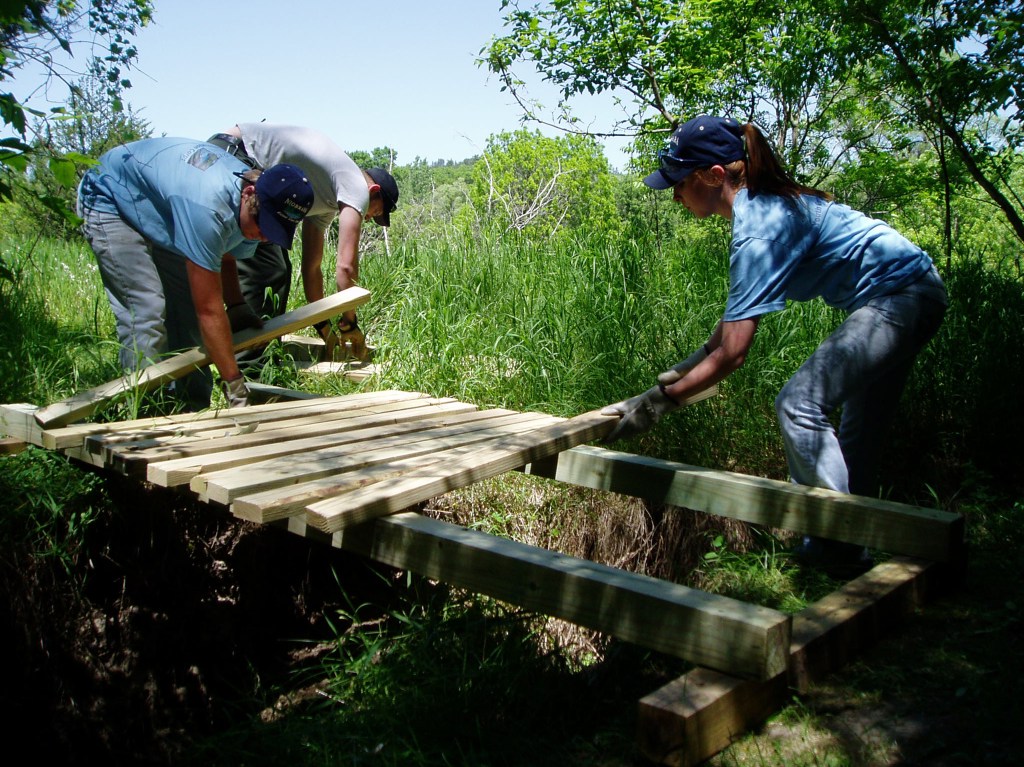
After joining the webinar on Workforce Wednesday, young people between the ages of 15 and 18 can take the next step on their National Park Journey by researching and applying for opportunities with the Youth Conservation Corps! One of our partner parks, Voyageurs National Park, even has an upcoming opportunity May 13 – June 13 for Corps members to repair boardwalks and complete trail maintenance in the park.

Youth Conservation Corps installing a bridge at Niobrara National Scenic River. Credit: NPS

April 26 – Community Connections

Did you know that the National Park Service’s work does not stop at a park’s boundary? Every day, parks across the country partner with their surrounding communities to expand their mission of conserving the natural and cultural resources of our country for the “enjoyment, education, and inspiration of this and future generations.” A few notable examples in the JNPA network of sites include:

Crosby Farm at Mississippi National River and Recreation Area. Credit: NPS

April 27 – Junior Ranger Day

“Explore. Learn. Protect.” This is the motto of the NPS Junior Ranger program, an activity-based program to help kids of all ages learn about parks. On Junior Ranger Day, a variety of special events will be hosted at parks across the country, including Mississippi National River and Recreation Area, Ste. Geneviève National Historical Park, and Ulysses S. Grant National Historic Site.

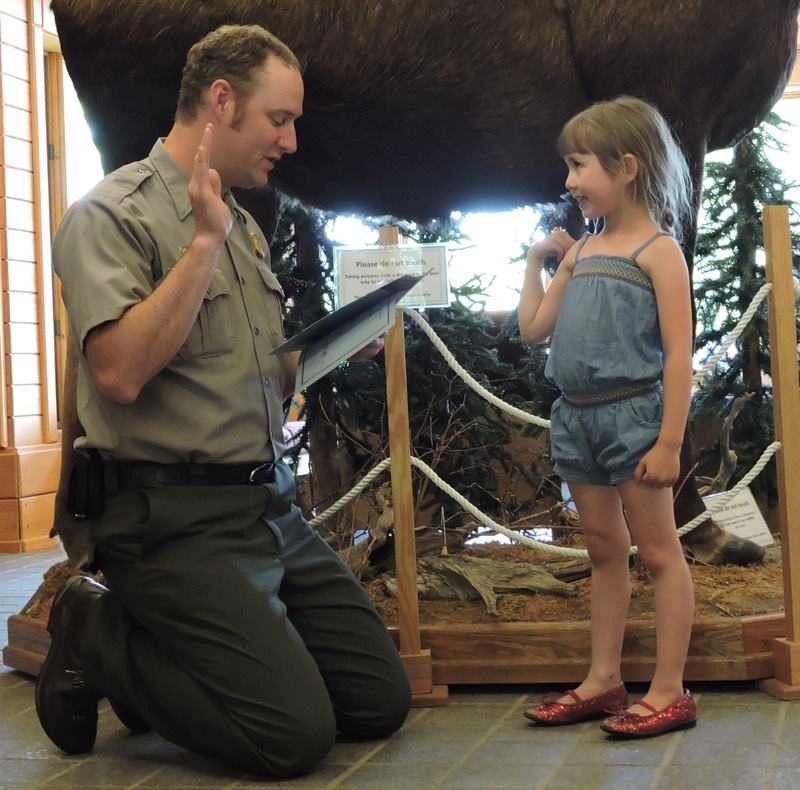
Swearing in a Junior Ranger at Voyageurs National Park   Credit: NPS

April 28 – Arts in the Parks

When you think of national parks, art may not be the first thing that comes to mind. However, all five of the “fine arts” play an important role at national park sites.

  • Painting – Beginning in the 1800’s, beautiful landscapes of the American West were captured by the painters of the Hudson River School. These paintings helped inspire support for the creation of the national parks. This tradition continues today with the NPS Artist-in-Residence program.
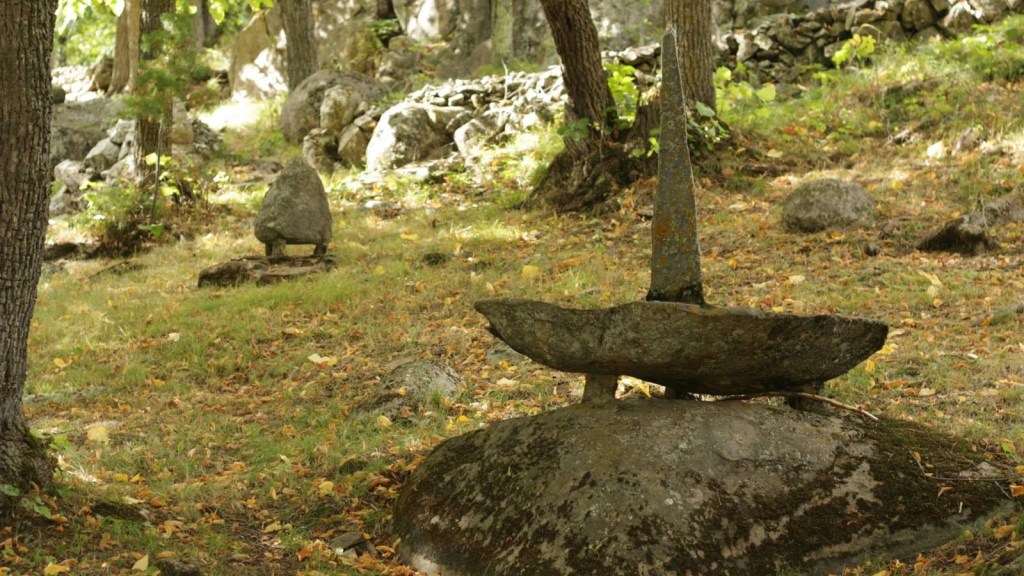
  • Sculpture – The Ellsworth Rock Gardens at Voyageurs National Park is home to over 200 abstract rock sculptures.
  • Architecture– Standing at 630 ft, one of the most iconic architectural marvels in the National Park Service is the Gateway Arch.
  • Music – Little Rock Central High School National Historic Site, Oxford American, and composers Christopher Parker and Kelley Hurt partnered to create a musical tribute to the Little Rock Nine, a jazz composition entitled “The No Tears Suite.”
  • Poetry – A new initiative this year is “Poetry in Parks.” U.S. National Poet Laureate Ada Limón selected historic American poems which will be displayed as public works of art on picnic tables in seven national parks. The installations will be unveiled throughout the summer and fall.
Rock sculptures at Ellsworth Rock Gardens/Voyageurs National Park. Credit: NPS

No matter what theme speaks to you, no matter how old you are, no matter if you visit in person or virtually, go to a national park next week!

Let’s Get Crafty!

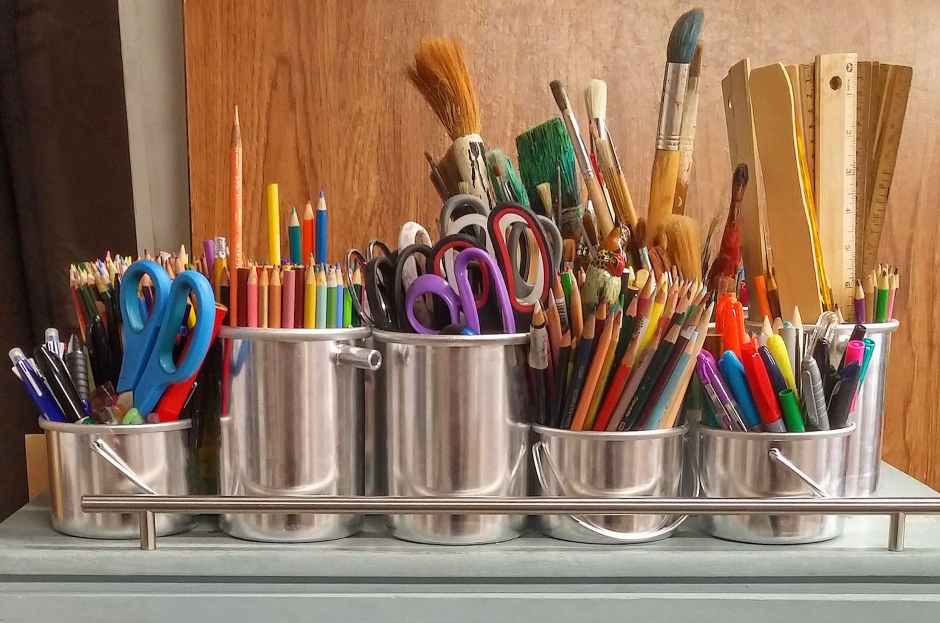
When the days get shorter and the weather gets colder, families can start to get cabin fever.  If you and your loved ones are looking for fun activities, we’ve got you covered! Lucky for national park enthusiasts, there are several activities inspired by our favorite parks that can help pass the time during the long winter months.

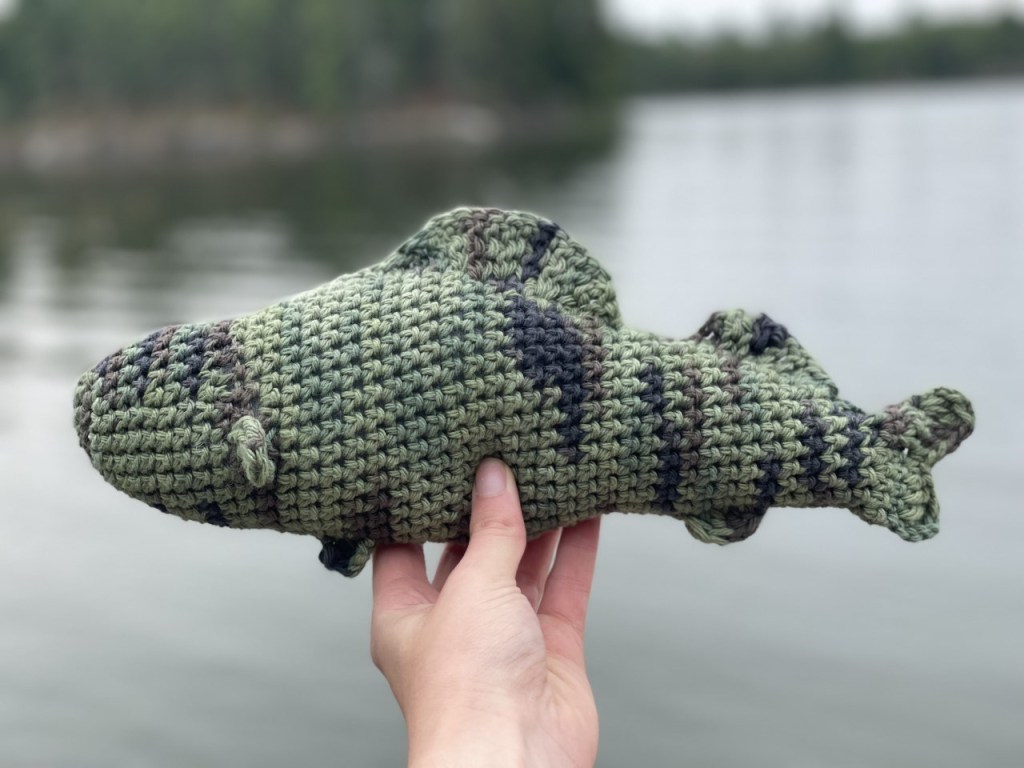
Crochet a Walleye

Voyageurs National Park has 54 species of fish that can be found in the park’s aquatic habitats! Walleyes are some of the most popular, and you can make a cute, cuddly one for yourself. This activity is great for both older kids and adults. If you are new to crocheting, this is a great pattern to try, since it is on the simpler side. Click here to view the instructions.

Credit: NPS

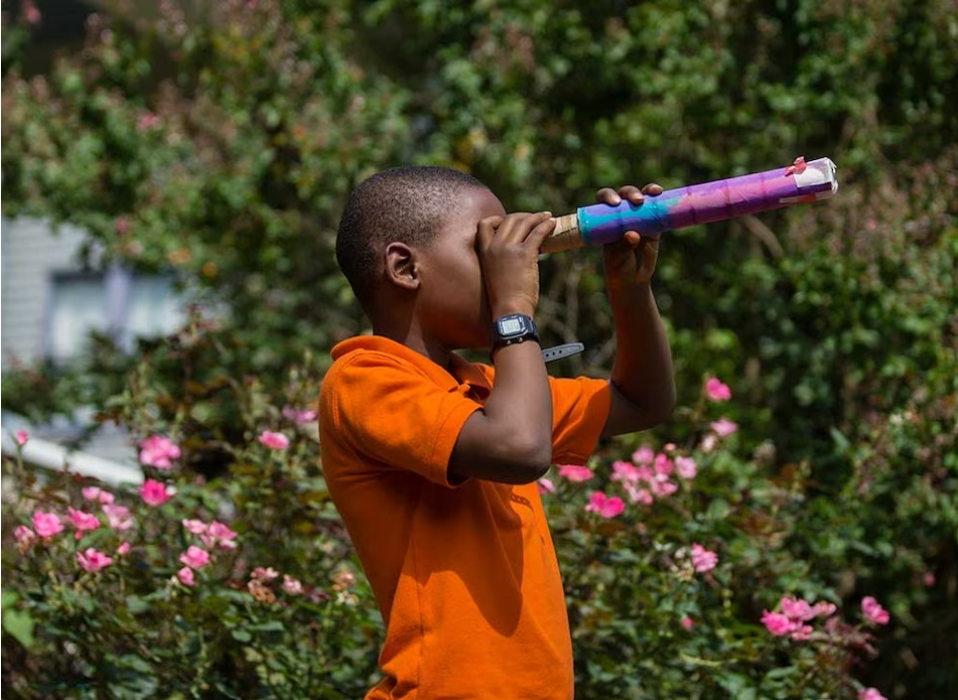
Make a Telescope

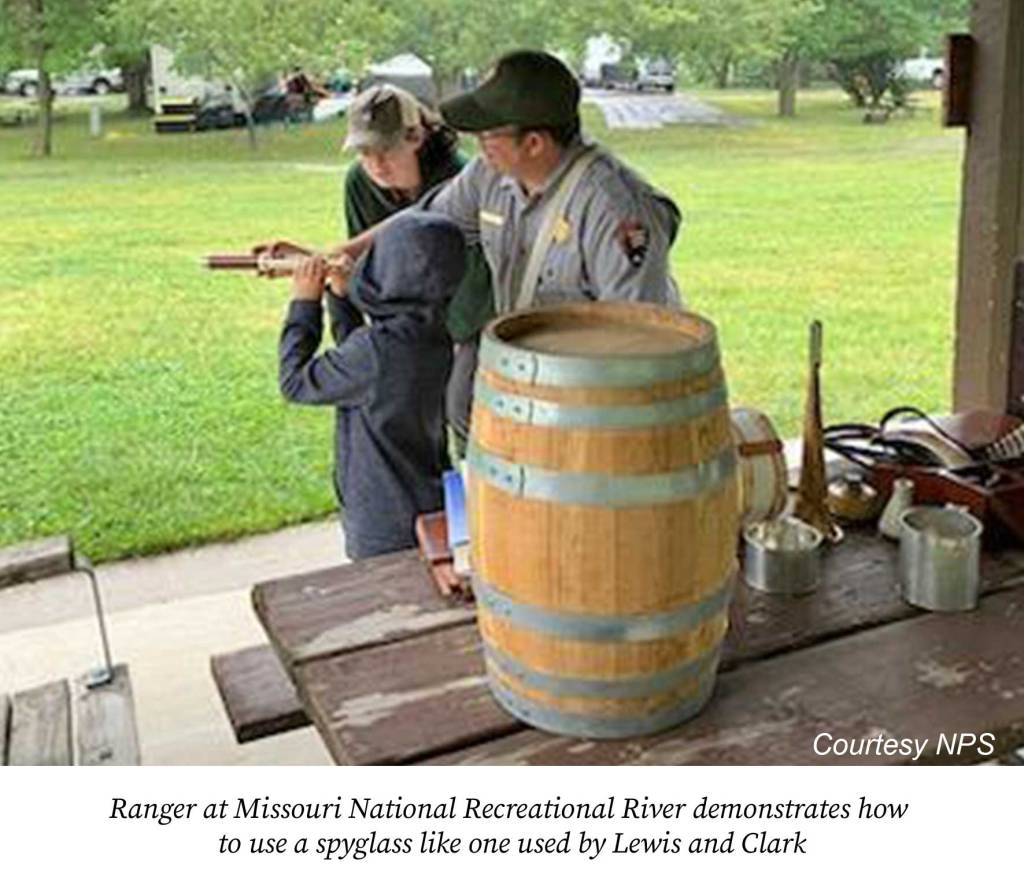
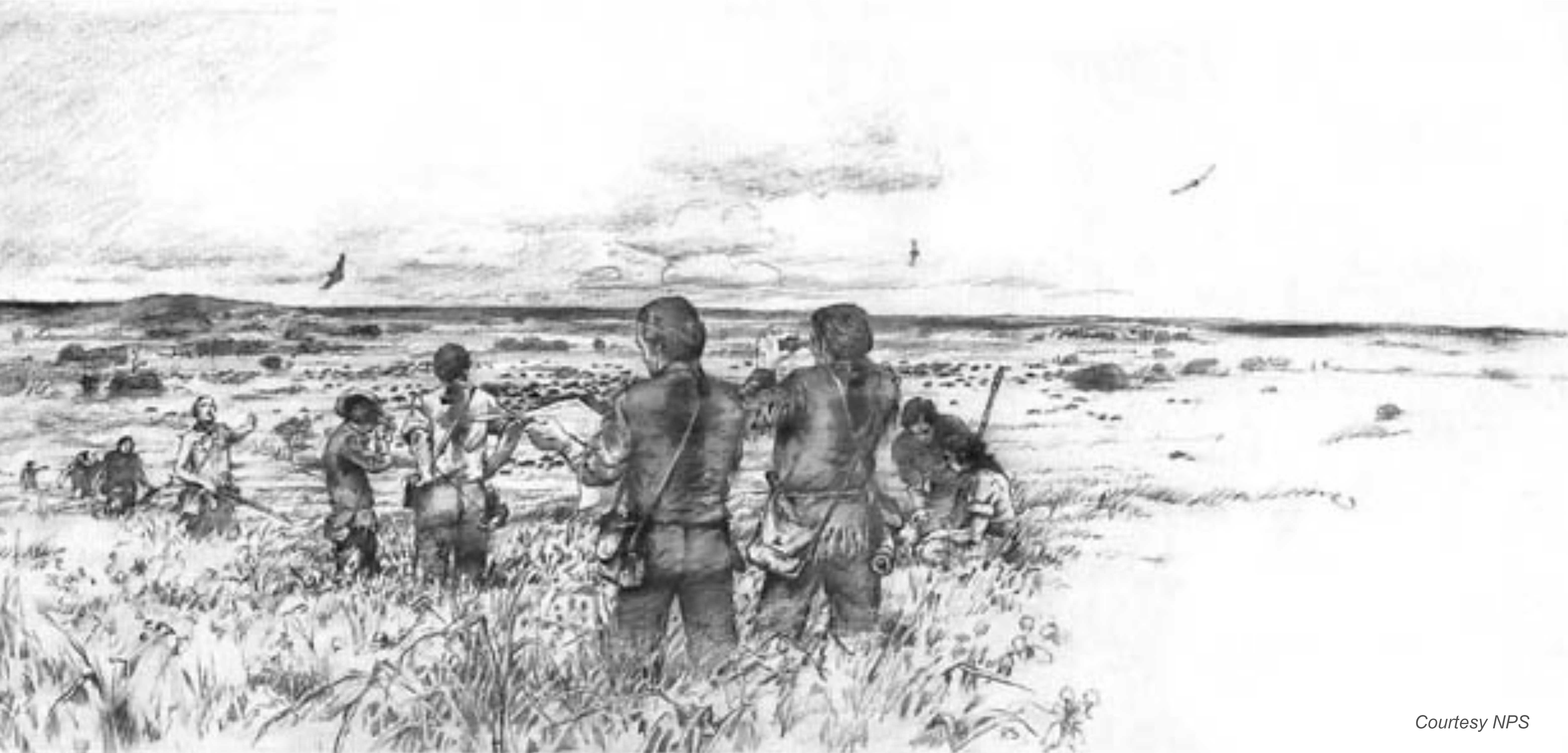
On May 14, Lewis and Clark’s Corps of Discovery embarked from St. Louis, MO on an expedition to find a route to the Pacific Ocean. This expedition has been commemorated by many public lands sites along the route they journeyed, including Gateway Arch National Park and the Lewis and Clark Visitor Center at Gavin’s Point Dam. While the kids in your life are cooped up indoors, you can make these working telescopes and go on your own pretend expedition. Since the telescopes are actually functional, you can also use them to view the winter landscape and wildlife out your window! Click here to view the instructions.

Credit: National Geographic Kids

Bake an Old-Fashioned Apple Pie

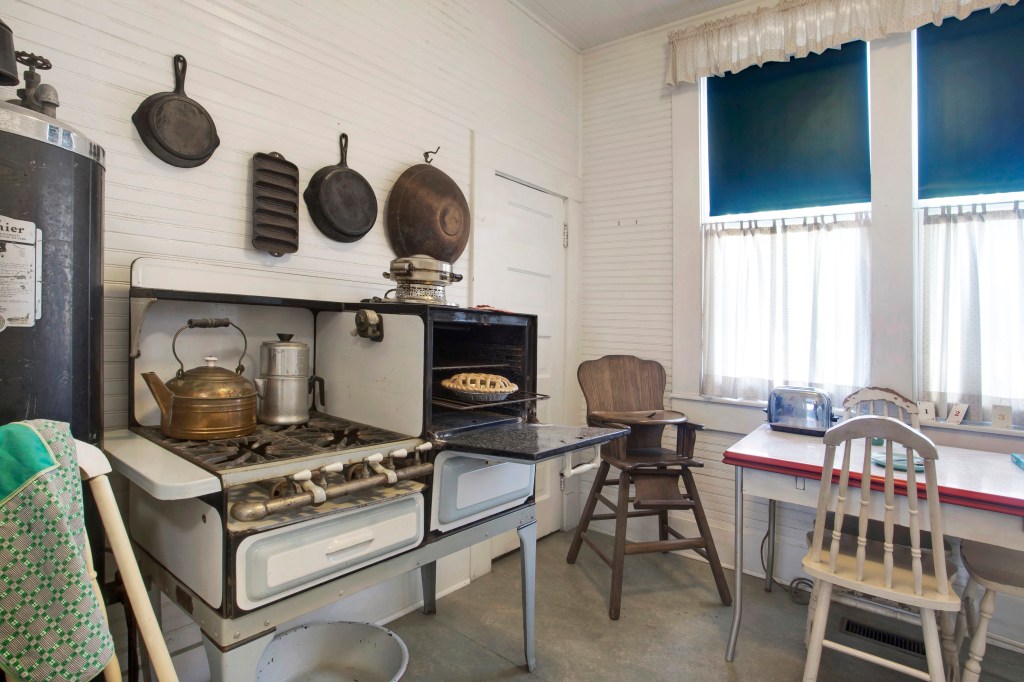
One of visitors’ favorite rooms at President William Jefferson Clinton Birthplace Home National Historic Site is the quaint 1940s-era kitchen, which is fitted out to look as it did when President Clinton lived in the home as a child. It is easy to imagine the family enjoying many warm meals in the modest home, including a nice pie like the one on display. If you want to recreate that same cozy feeling, try baking a delicious old-fashioned apple pie. You can serve it warm on a chilly day or make it à la mode with some vanilla ice cream! Click here to view the instructions.

William Jefferson Clinton Birthplace Home National Historic Site

Weave a Diversity Heart

On September 23, 1957, nine African American teenagers entered Little Rock Central High School, defying an angry mob of adults protesting the desegregation of the school. Today, Little Rock Central High School National Historic Site commemorates the story of those brave students as well as the broader civil rights movement in the United States. It is vital that we learn about and remember the struggles in our nation’s history.

If you’d like to help a young person learn to respect people with all shades of skin color, we have a fun craft for you – create a diversity heart. This charming activity was created for classroom students but it’s easy to do at home and doesn’t require many materials.  Once it’s complete, it can display the many different skin tones we see in the world, including yours!  Just follow the step-by-step instructions here.

Credit: Teach Starter

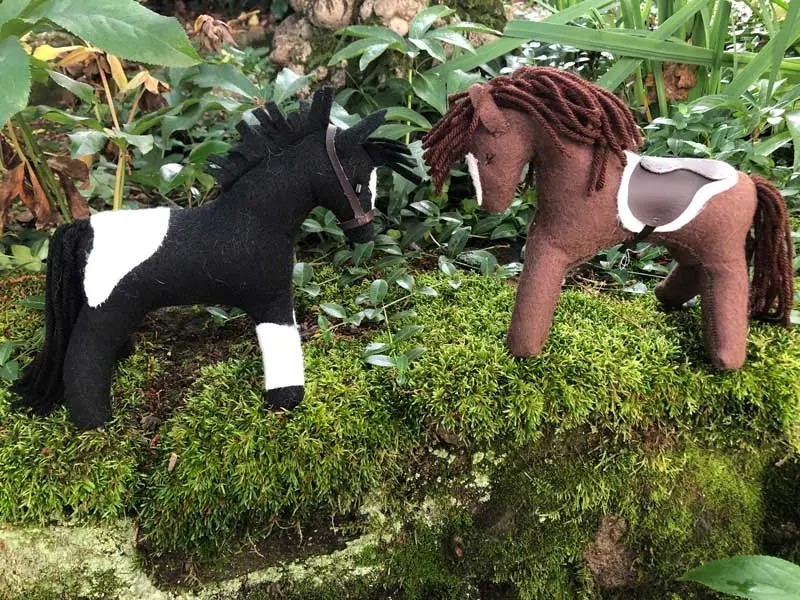
Create a Stuffed Horse

Fans of Ulysses S. Grant probably know the former U.S. president was a superb horseman who kept a number of horses while he lived at White Haven.  How about creating a little horse of your own?  Younger kids will probably need help making this unique little craft, but the teamwork will be half the fun!

You’ll find complete instructions on making your stuffed horse here.

Credit: Allpony

Make a Whirligig

Kids have always played with toys, but a few hundred years ago there were no stores or websites that sold toys.  So what did a child play with when growing up in French Colonial America, like in Ste. Geneviève, Missouri?  They created their own toys!

A whirligig was a favorite among 18th century children.  This little spinning toy was easy to make from just a few common materials, such as buttons, worn out coins, or hammered musket balls. It was almost as much fun to make as it was to play with. 

Want to make your own paper whirligig?  Check out these simple instructions.  The more you decorate it, the better it looks!

Credit: NPS

High School Students Solve Real-World Engineering Problems at Gateway Arch National Park

The Gateway Arch tram system is a one-of-a-kind invention that incorporates components of both Ferris Wheels and elevators in its design. There is nothing else quite like it in the world – and it was invented in only two weeks by Richard Bowser.

It is in this engineering spirit that the Gateway Arch National Park Engineering Contest was created. The contest, held in association with Washington University McKelvey School of Engineering, challenges teams of high school students to create a solution for a real engineering problem that exists in the park. The winning team takes home the coveted Richard Bowser Trophy, which they keep until next year’s competition.

Nine teams from area high schools participated in the 7th Annual Gateway Arch National Park Engineering Contest, making this year’s competition the fiercest yet.  Each year students are presented with a different engineering challenge. This year’s challenge asked students to engineer a system for automatically adjusting the Riverboats at the Gateway Arch dock to the appropriate level as the river rises and falls.

Situated on the river beneath the shadow of the Gateway Arch, the Riverboats at the Gateway Arch have been cruising the Mississippi since 1910. The Riverboats offer daily sightseeing cruises, dinner cruises, private charters, and specialty cruises to tourists and locals.

The boats’ dock structure is 303 feet long and consists of 4 barges. Keeping the dock tethered to the levee are four electric winches, one hydroelectric winch, and five cables. There are also utility lines that must be moved as the dock position varies with the water levels.

With the river level fluctuating daily, the dock must be frequently adjusted, so the ramps are not in the water and the docks themselves do not become grounded. Currently, these adjustments are made by hand, a time-consuming process that requires the full crew. 

In September 2023, students participating in the contest toured the dock with a park ranger and members of the Riverboats at the Gateway Arch team, so they could see how the winches are used, measure the area, take photographs, receive blueprints, and have any initial questions answered. Using this information, the students produced an executive summary that included pictures, diagrams and other visual aids to communicate their design, as well as a budget for the project.

The competition final was held at Washington University’s McKelvey Engineering complex in Whitaker Hall on Saturday, November 11, 2023. Each of the nine teams presented an executive summary to a panel of six judges (all professional engineers). The teams were judged on both their executive summary content and presentation.  They were scored in categories ranging from innovative design, functionality, and ease of use to responsible budget and realistic possibility of the design.

According to Gateway Arch National Park, this year’s contest was fierce and the most competitive yet, with the first-place school winning the trophy by only half a point! Christian Brothers College High School placed first, with teams from St. Louis Centers for Advanced Professional Studies (STL CAPS) taking second and third place. Both STL CAPS teams received the award for Best Executive Summary, as they remarkably tied with a 45.83 score out of 50 points.

The Parkway Spark! program also had two teams enter the competition. The Sparkles took home the award for Best Presentation after receiving a near-perfect presentation score of 49.33 out of 50. Student Ryder Risko of the Parkway Spark! River Tech team received the Charles Janson MVP Award.

The Taylor Tuleja McKelvey Award for Creativity and Ingenuity went to Kate Hulsen of St. Joseph’s Academy.

Other participating teams included Gateway Science Academy of St. Louis – High School, St. Louis University High School, and Gibault Catholic High School, the 2022 contest winner. 

In addition to the competition component, the contest final included a presentation from a professional engineer, a luncheon, and a guided tour of McKelvey School of Engineering for all contest participants and their families and friends in attendance – an excellent opportunity for students considering the engineering field.

For more information on this year’s contest visit gatewayarchengineeringcontest.com. To inquire about participating in the 8th Annual Gateway Arch National Park Engineering Contest in 2024, contact Anthony Gilpin, at tony_gilpin@nps.gov.

💥O Say Can You See💥

Looking for a memorable way to celebrate the Fourth of July this year?  Look no further than Gateway Arch National Park.   

Visitors who gather on the Arch grounds tomorrow evening will have a front row seat to one of the nation’s most spectacular fireworks displays.  The civic organization Fair Saint Louis will set off more than 1½ tons of fireworks from a barge in the Mississippi River, just beneath the Arch. It promises to be the largest fireworks show the organization has ever produced.

The show is scheduled to begin at 9:30 p.m., and last about 30 minutes.  Visitors are encouraged to bring blankets and lawn chairs and to picnic on the grass. No glass or alcohol is allowed. The Arch itself will not be open, but the grounds and riverfront will be accessible. 

This is the 42nd year that Fair Saint Louis will present its Fireworks Spectacular.  It will also host its 140th America’s Birthday Parade the morning of the Fourth.

The Metaverse Has Come to the Arch!

Gateway Arch National Park has added a new attraction to its already-full list of activities…and it just might blow your mind.  It’s a virtual reality (VR) experience that transports visitors to a 360⁰ depiction of the 1850s St. Louis riverfront.  And it all takes place in a newly designed area on the lower level of the Arch visitor center.

When you put on a special 3D headset, you’ll be immersed in the sights and sounds of the St. Louis levee in the 1850s, an era when the city was an important crossroads for America’s westward migration. Watch as steamboats deliver travelers and goods from around the world. And hear the stories of courage, struggle, and hopes of some of the real people who crossed paths there.  The VR program aligns with one of the historic eras that visitors can also learn about in the Arch museum, though it brings it to life in a very unique way.

Jefferson National Parks Association and park staff have teamed up to bring this production – titled Cobblestones & Courage – to park visitors. JNPA funded the work and selected TimeLooper – a pioneering interpretive design firm – to develop the programming.

“Gateway Arch National Park is constantly seeking new and engaging ways to share the story of America’s westward expansion with visitors,” says David Grove, President and CEO of JNPA. “As a park partner, we’re thrilled to bring this unique experience to visitors. Cobblestones & Courage brings history to life in a tangible way using 3D technology to diversify the park’s storytelling methods.”

The new Virtual Reality Theater is located in the lower Gateway Arch lobby, right outside The Arch Store, which JNPA also operates. Tickets are $10 for adults, $8 children (ages 5-15). Reservations are encouraged and tickets can be pre-purchased here

If you’ve ever wanted to travel back in time, this is the way to do it.  Check it out!  And also take a look at a preview video of the production.

Don’t “Pass” This Up!

Now that summer is in full swing, you’re probably making vacation plans. If a national park is on your travel agenda, we have a suggestion you won’t want to pass up:  buy an America the Beautiful Pass

This $80 annual pass entitles you and three guests to free access to more than 2,000 public sites managed by five federal agencies for an unlimited number of visits during the year.  And since some national parks charge up to $20 per person or $35 per vehicle, these savings can add up.  What’s more, the proceeds from the purchase of each pass are dedicated to improving and enhancing visitor experiences at these federal recreation sites.

Ulysses S. Grant National Historic Site. Credit: NPS/David Newmann

Beyond the regular annual park pass, there are other options for certain groups: 

  • Members of the military and their dependents qualify for a free annual Military Pass;
  • Gold Star families and Veterans can receive a free lifetime Military Pass;
  • Those who are ages 62 and up can purchase a $20 annual Senior Pass or an $80 lifetime Senior Pass;
  • Those who have a permanent disability can qualify for a free lifetime Access Pass, regardless of their age.
  • Children in 4th grade and their educators can take advantage of a free Every Kid Outdoors Annual 4th Grade Pass.
  • Those who volunteer for a federal recreation site for more than 250 hours are entitled to a one-year Volunteer Pass.

Where can you get one of these park passes?  If your vacation is more than two weeks away, you’ll have time to order your passes online and have them mailed to you (there’s a $10 processing fee for online orders).  But if you’re travelling sooner, you’ll want to buy your passes at one of more than 1,000 recreation sites managed by the National Park Service, Bureau of Land Management, U.S. Fish and Wildlife Service, U.S. Forest Service, and the U.S. Army Corps of Engineers.  To find one near you, go here.

Clinton Birthplace Home National Historic Site

A number of JNPA partner parks sell passes at their visitor centers:  Gateway Arch National Park, Ulysses S. Grant National Historic Site, Little Rock Central High School National Historic Site, Clinton Birthplace Home National Historic Site, and Lewis & Clark Visitor Center.

Enjoy your summer travels!