Happy 200th Birthday, Julia!! 🎂

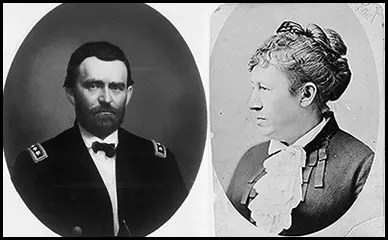
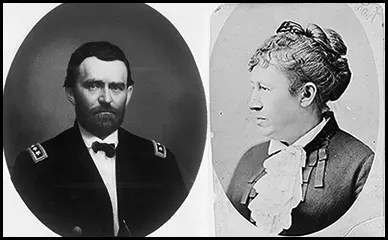
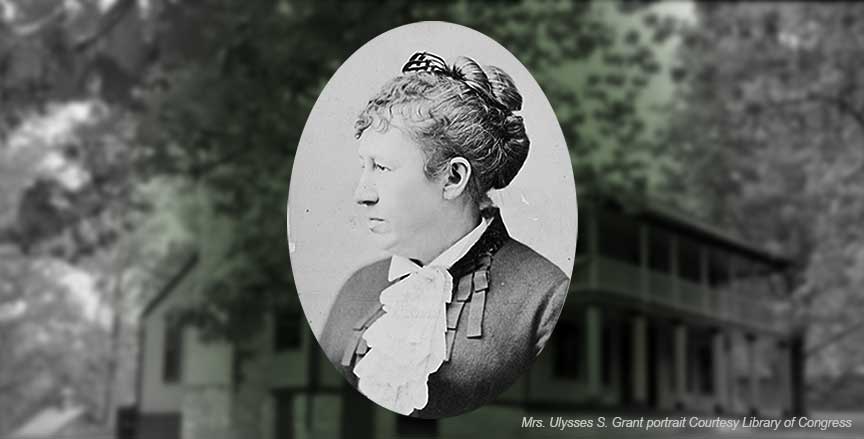
Who doesn’t love a birthday? Well, Julia Dent Grant has a milestone birthday this month. America’s 18th First Lady was born 200 years ago – on January 26, 1826. Throughout this year Ulysses S. Grant National Historic Site will celebrate this auspicious event with special programs and exhibits that focus on various aspects of her life.
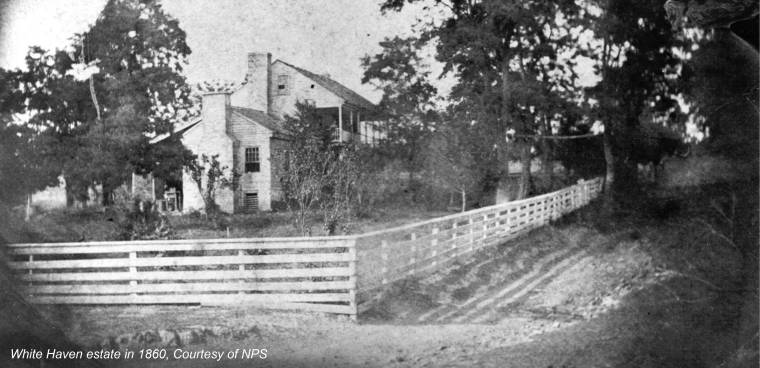
The fifth of seven children, Julia Boggs Dent was born in St. Louis and raised in comfortable surroundings on the 850-acre White Haven plantation. She was an active child who fished, played piano, rode horses, and played in the woods. Many of her early playmates were children of the enslaved who lived on the property. Some of these children would later become her servants.

As a schoolgirl, Julia declared that she would marry “a soldier, a gallant, brave, dashing soldier.” After returning home from boarding school, she met that soldier in Lt. Ulysses S. Grant, a former West Point roommate of Julia’s brother Frederick. When he was stationed at nearby Jefferson Barracks, Ulysses soon became a frequent visitor to White Haven, where he and Julia enjoyed walks and horseback rides. The couple fell in love quickly, and Grant proposed marriage on the front porch of White Haven in the spring of 1844. Because of his military service, however, they had to wait until 1848 to marry.  
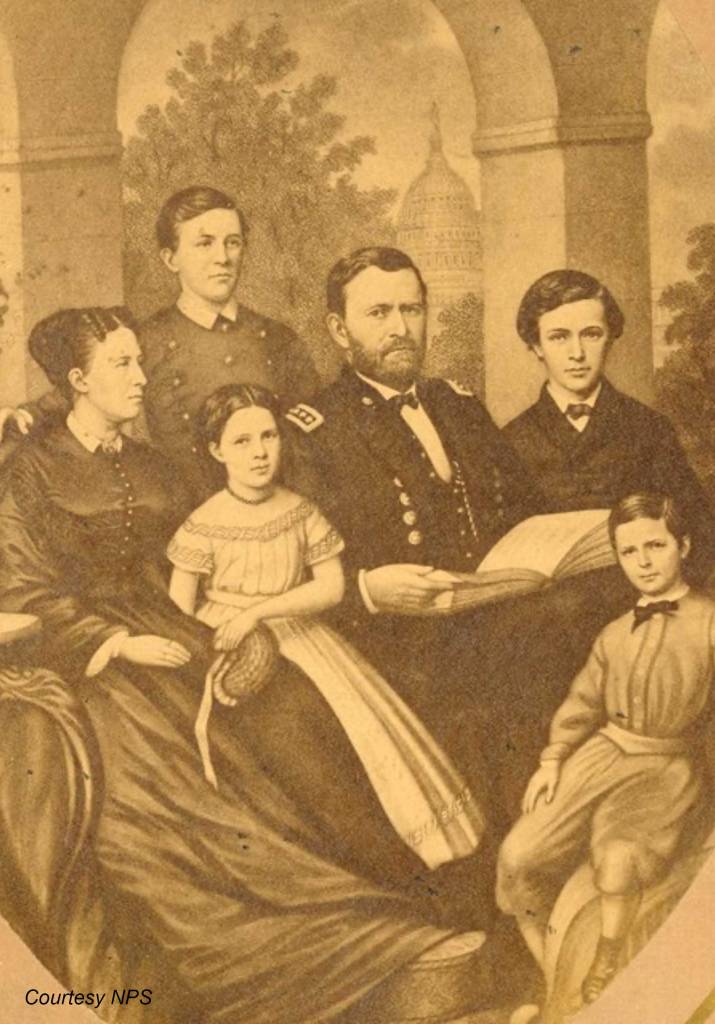
Neither set of parents was enthusiastic about the match – Julia’s were worried about Grant’s earning potential, while his parents objected to the Dents’ ownership of enslaved workers. However, the couple seemed deeply attached to one another and remained so throughout their 37-year marriage. Their four children were born between 1850 and 1858.

When Ulysses’ military career took him to remote locations, Julia did not accompany him. He suffered from loneliness and eventually resigned from the Army, returning to White Haven in 1854 to try his hand at farming. Julia considered herself “a splendid farmer’s wife,” raising chickens and even churning butter, though most of the daily chores were left to the enslaved laborers. 
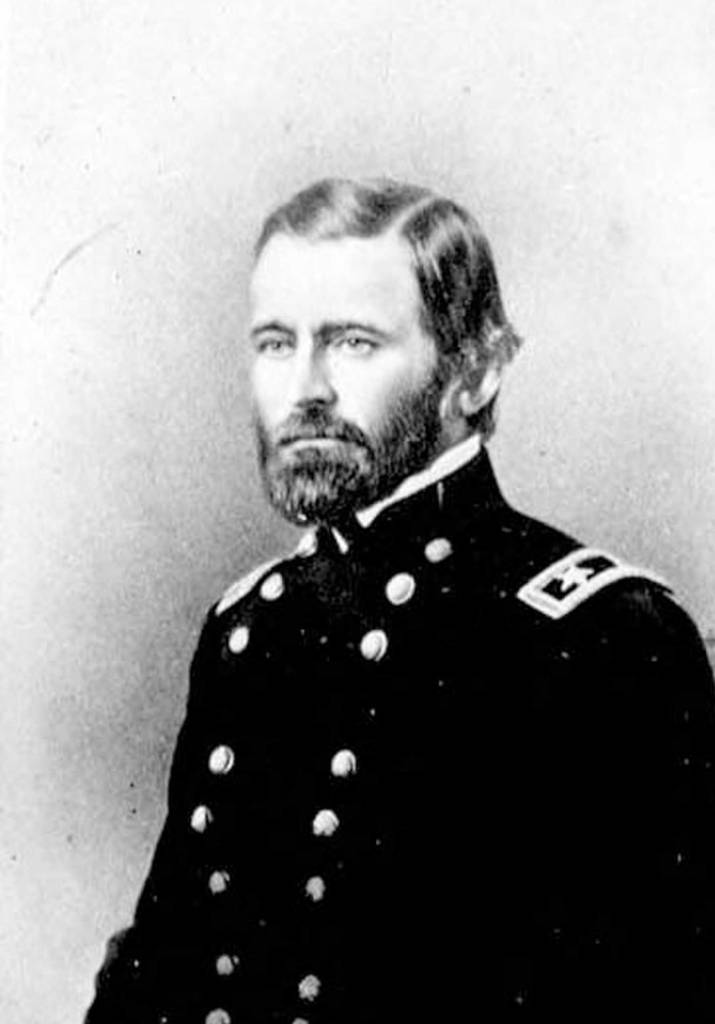
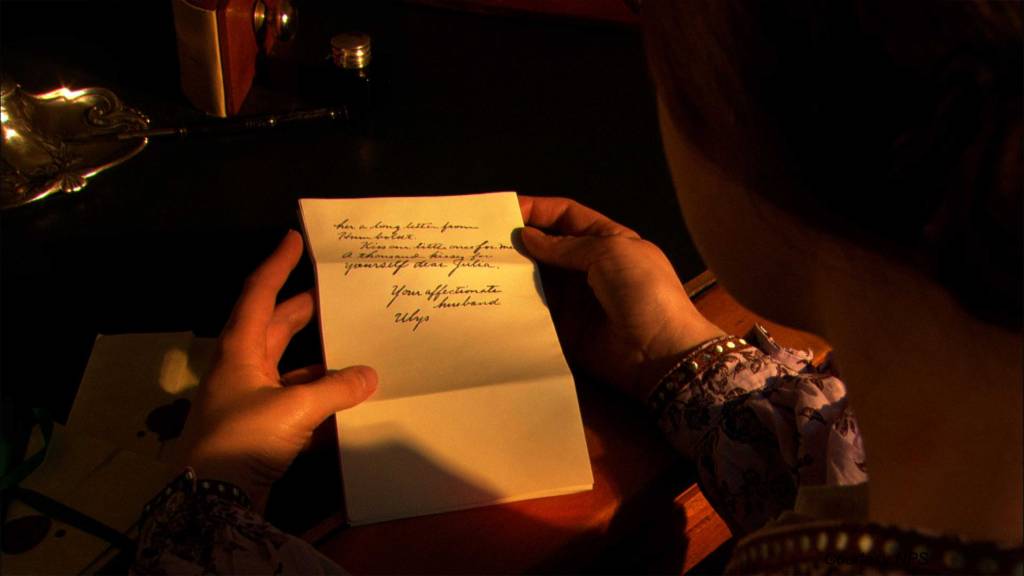
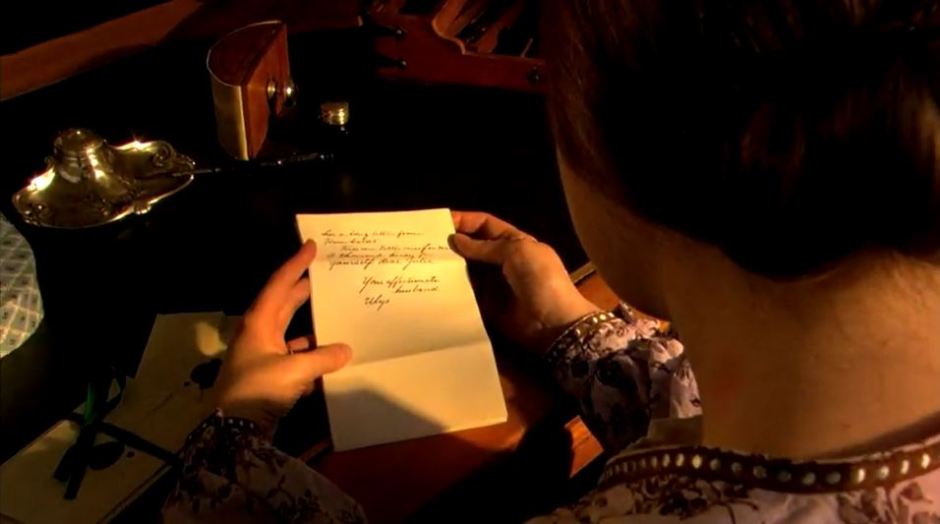
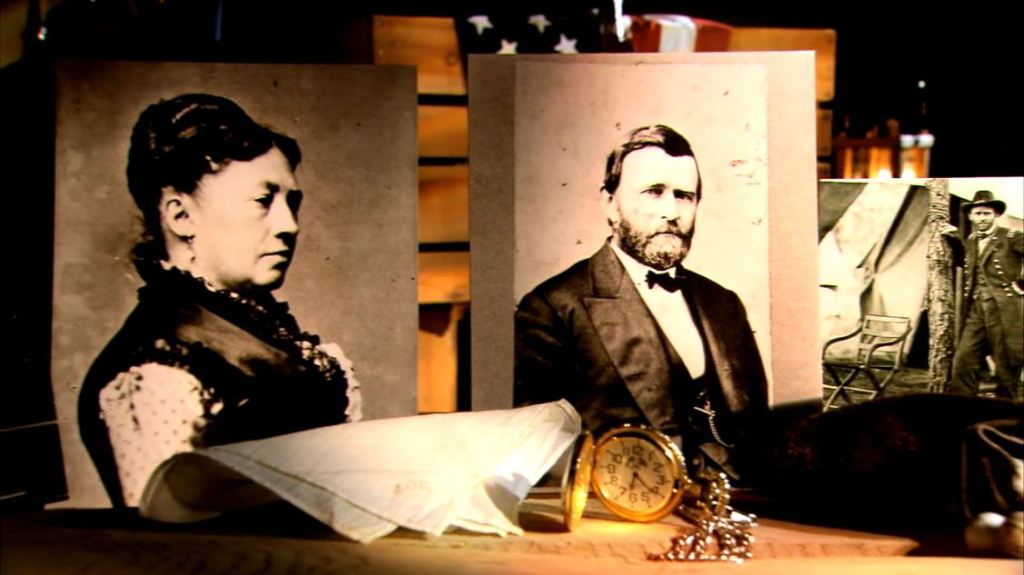
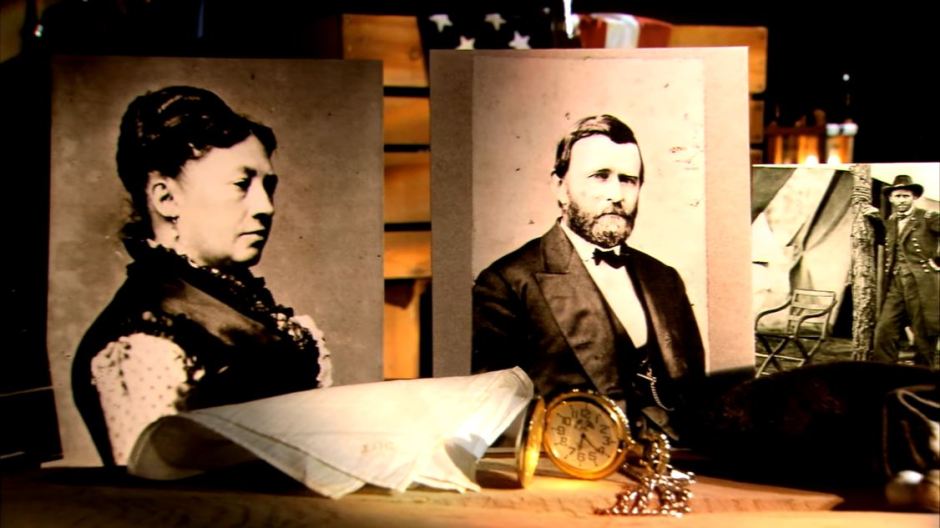
The Civil War dramatically altered the Grants’ lives. In 1861 Ulysses left to serve in the Union army, and his responsibilities kept him away from home for most of the war. Letters helped ease the pain of separation, and Julia frequently traveled to her husband’s encampments, both alone and with the children. For a close-up look at the couple’s intimate relationship, check out A Thousand Kisses, a short video that JNPA produced on behalf of the historic site.
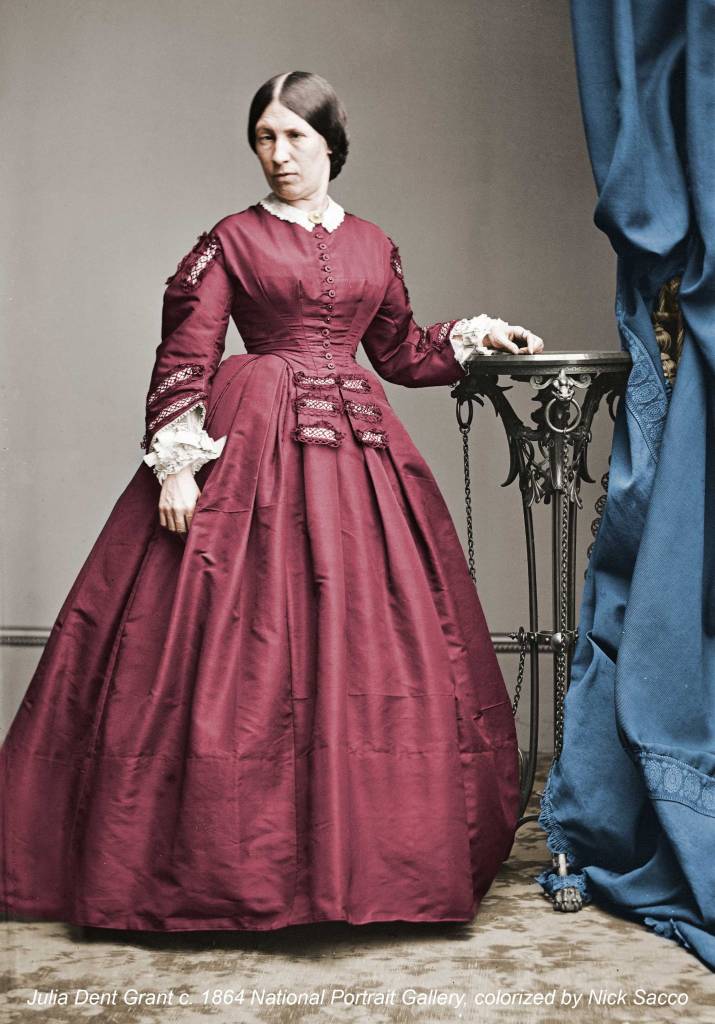
When Grant was elected President in 1869, Julia became a trusted confidant to her husband and often participated in presidential matters. She attended Senate hearings, read through Grant’s mail, and met with cabinet members, senators, justices, and diplomats. She apparently enjoyed her role as hostess to the nation and brought a home-like atmosphere to the White House.

Grant succumbed to throat cancer in 1885, but the profits from publication of his memoirs left Julia a wealthy woman. (Pick up your copy of his memoirs at the park or from our online store.) For the next 17 years, she worked to sustain the memory of her beloved husband. She died in 1902. 

Those interested in learning more about Julia are invited to attend Julia Dent Grant – Diplomat, a special lecture at Ulysses S. Grant National Historic Site on Saturday January 24. The presentation will trace Julia‘s life from her childhood when she interceded with her father on behalf of the White Haven enslaved to her widowhood when she befriended Varina Davis, wife of Confederate President Jefferson Davis. It will also focus on Julia Dent Grant’s role as a diplomat and unofficial ambassador. The program is free but call 314-842-1867 ext. 230 for reservations.
All About Julia

Julia Dent grew up in the early 19th century on a plantation near St. Louis named White Haven.  The fifth of seven children, she was an outgoing, active girl who fished, rode horses, and played in the woods with the plantation’s enslaved children.  Julia once told her school friends she would someday wed “a gallant, brave, dashing soldier.” Little did she know that she would indeed marry a soldier, and that he would become commander of the armed forces and later the 18th president of the United States.

You can learn more about the long and eventful life of Julia Dent Grant later this week.

Some would say Julia Dent and Ulysses Grant were an unlikely pair.  She was spirited and gregarious; he was shy.  She was raised in a slave-owning family; his family was opposed to slavery.  In fact, Grant’s choice to marry into the Dent family worsened tensions with his father, and none of the Grants attended Ulysses and Julia’s wedding in 1848.

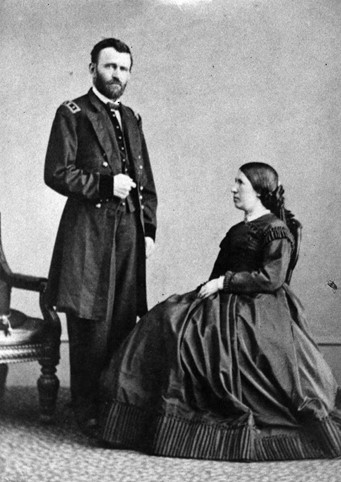
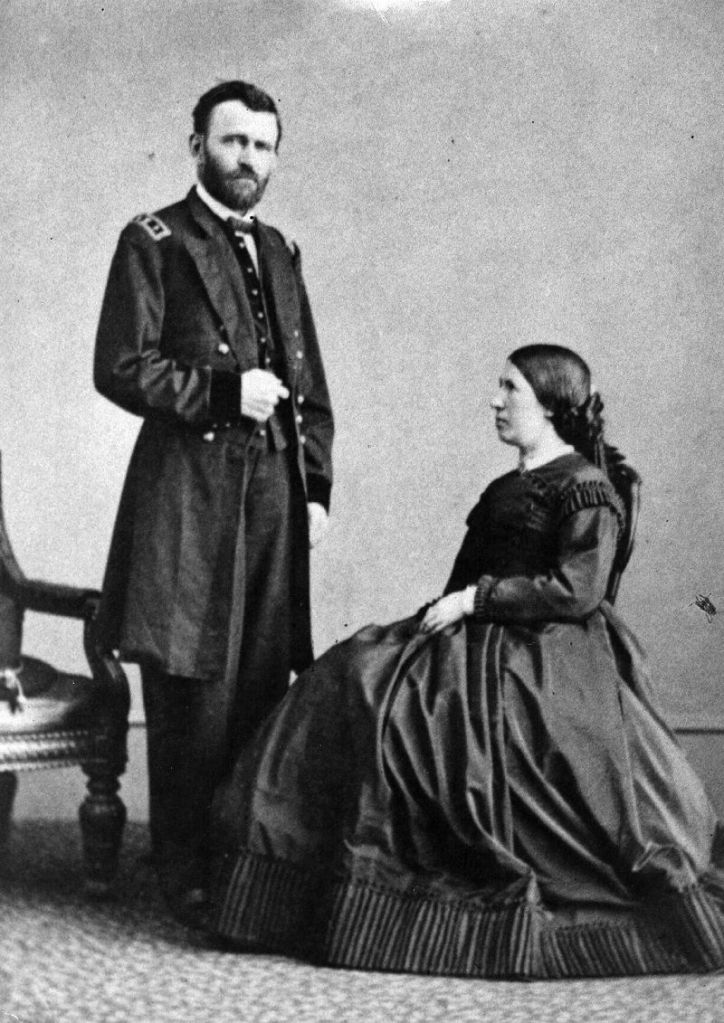
Mr. and Mrs. Grant

Against the odds, the Grants’ marriage lasted for 37 years, and through all their many hardships and accomplishments, their close bond never wavered.  The couple endured numerous separations as Grant pursued his military career.  And though Julia was sometimes able to accompany her husband to distant Army postings, she returned home to White Haven for the birth of their four children.  During the Civil War, she served as the financial manager and agent for White Haven in her husband’s absence, leasing sections of the farm, collecting rent, and consolidating land titles.

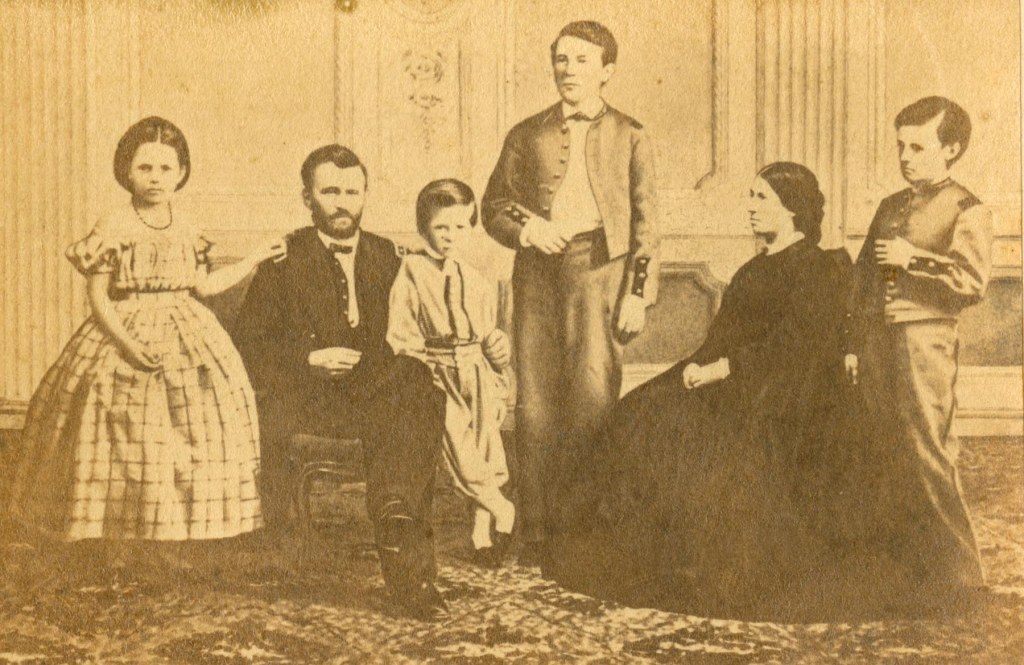
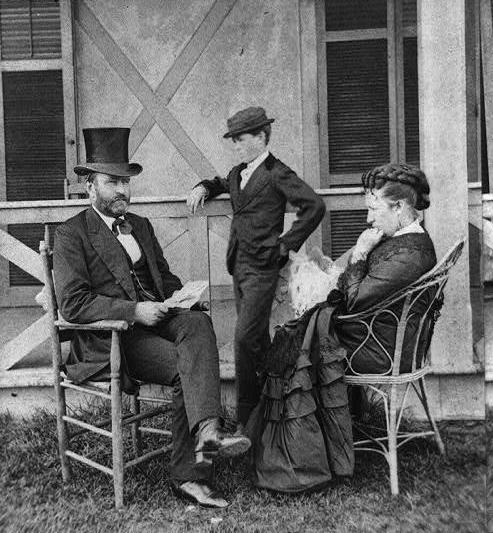
Ulysses and Julia Grant and their children. Credit: Ulysses S. Grant National Historic Site.

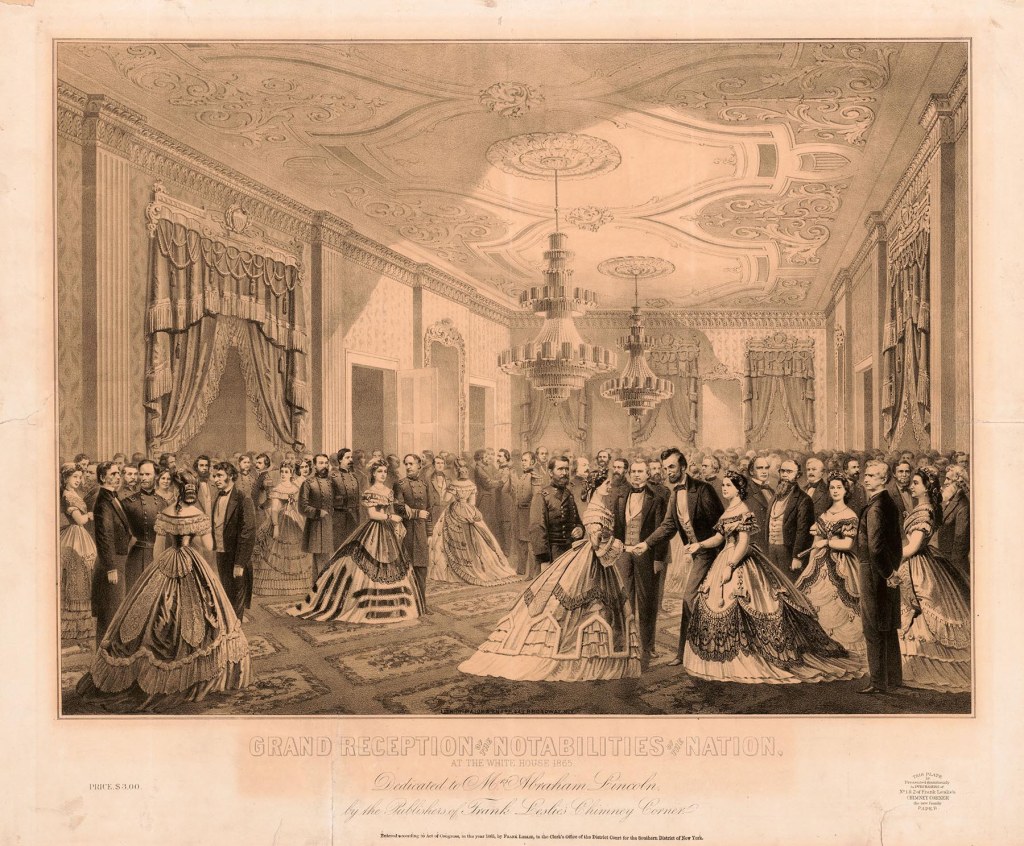
As the nation’s First Lady, Julia was an active participant in presidential matters and reveled in her eight-year role as hostess to the nation.  She entertained lavishly and welcomed dignitaries from around the world to the White House.  At the end of Ulysses’ second term, the couple embarked on a two-year worldwide tour that further burnished her reputation as a valuable partner to the former president.

Grand reception of the notabilities of the nation, at the White House 1865. Credit: Library of Congress

Her later years were difficult, however.  Grant lost most of their money in a bogus financial deal, and the couple was nearly destitute.  By the time he signed a lucrative contract to write his now-famous memoirs, Grant was dying of throat cancer.  Julia lived as a widow for 17 years until she died at age 76 in 1902.

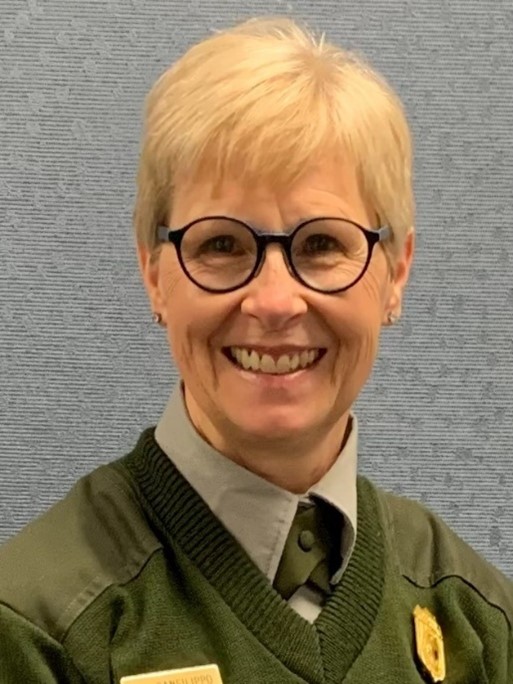
This Saturday at 10 a.m., you’re invited to learn more about the long eventful life of Julia Dent Grant.  Historian Pam Sanfilippo will present “Julia Dent Grant and Family,” the annual John Y. Simon lecture at Ulysses S. Grant National Historic Site

Pam Sanfilippo

Pam served as park ranger, education director and historian at the park for many years and is now Program Manager for Museum Services and Interpretation at Gateway Arch National Park. She is the author of numerous essays, articles, and publications. Her biography of Julia Dent Grant is scheduled for publication by Southern Illinois University. Pam’s talk will present highlights from her research on Julia and her family.

For reservations to this presentation, call (314) 842-1867 x230.

“My Dearest Julia and my love for her are ever in my mind…”

What do you know about Ulysses S. Grant?  Victorious commander of the Union troops in the U.S. Civil War:  Check.  Eighteenth President of the United States:  Yep.  Devoted lover:  Huh??

President Grant and his wife Julia Dent Grant sustained a long love affair throughout their lives. What better love story to share in time for Valentine’s Day?

Ulysses and Julia’s romance began at White Haven, the Missouri plantation owned by Julia’s parents.  In 1843, while stationed at a nearby Army barracks, the young Lieutenant Grant visited the farm where his West Point roommate had grown up.  He was immediately charmed by Julia and often made the 12-mile ride to White Haven to visit her several times a week. 

Unfortunately for the young couple, their courtship was marked by long periods of separation while Grant was on assignment for the Army.  So they turned to letter writing as their sole method of declaring their love.  Although sadly no correspondence from Julia to Grant survives to this day, we are lucky to have numerous letters that Grant sent to his beloved, and his devotion to her is obvious.

When Grant was stationed in Louisiana and Texas in preparation for the coming war with Mexico, he wrote Julia in 1844 “of the depth and sincerity of my love for you.”  Writing from Texas the following year, Grant told her “for my own part I would sacrifice everything Earthly to make my Dear Julia my own forever.”

Even during the height of battle, his feelings for her were as strong as ever: “…in the midst of grape and musket shots, my Dearest Julia and my love for her are ever in my mind.”  And in that same letter, Grant assures her “I am getting very tired of this war, and particularly impatient of being separated from one I love so much, but I think before I see another birth day I shall see Julia, and if she says so, be able to call her my own Dear for ever.” Grant’s wish eventually came true.  The couple was married at White Haven in 1848. 

Though Julia was able to travel with Ulysses to some of his Army postings, they still remained apart for much of their early marriage.  It is thought that these ongoing separations was one reason Captain Ulysses Grant resigned his commission from the Army in 1854 and returned to White Haven to be with his wife and young children.

To learn more about the love story of Julia and Ulysses, watch A Thousand Kisses, the short video about their early life that JNPA helped produce for the National Park Service.

You can also read many of Grant’s letters to his wife in My Dearest Julia, available in our online store or at our bookstore at Ulysses S. Grant National Historic Site.