A Home Called Hardscrabble

It’s hard to overstate the notable accomplishments of Ulysses S. Grant: military strategist, Commanding General of the U.S. Army, 18th president of the United States, supporter of the Fifteenth Amendment (which banned racial discrimination in voting), loving husband and father – the list goes on and on.  However, there was one area where it seems Grant didn’t exactly shine: homebuilder. 

When Grant resigned from the military in 1854, he returned home to his in-laws’ plantation outside St. Louis and turned to farming as a way of supporting his wife Julia and their young children. With the help of enslaved laborers, he cultivated fruit and vegetable crops on the 80 acres he was given as a wedding present, and harvested and sold firewood. 

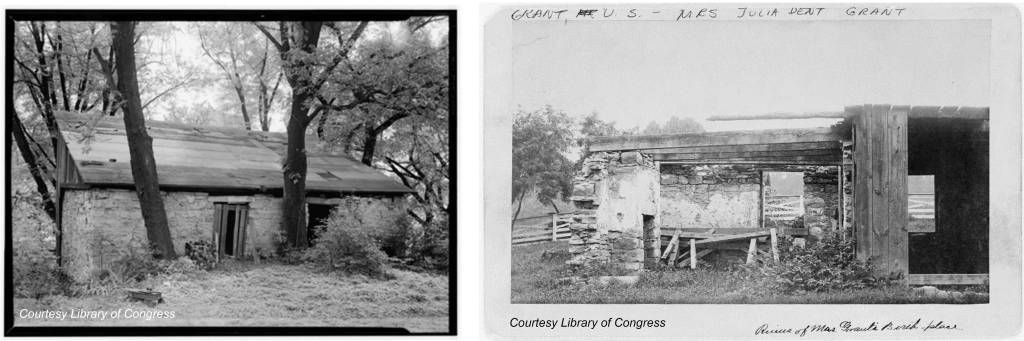
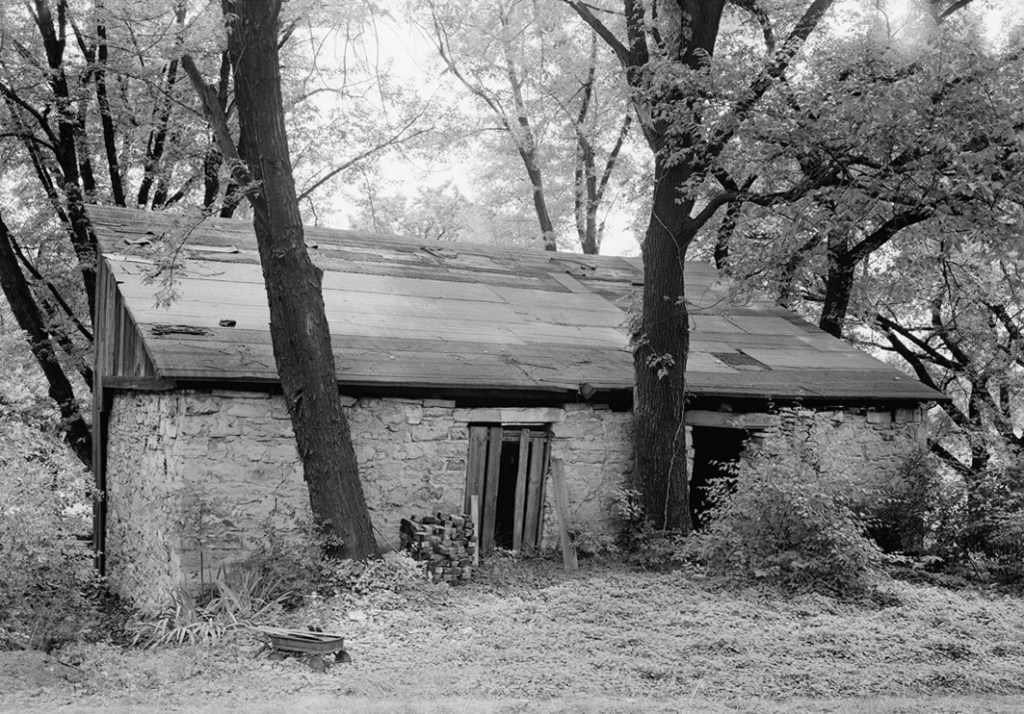
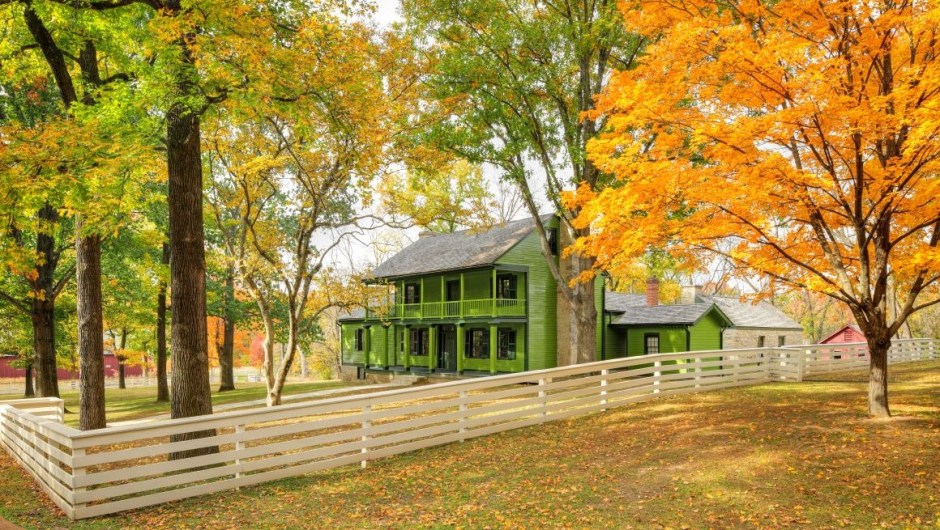
Grant also began constructing a house for his young family so they could live independently from his in-laws. In the fall of 1855, he started cutting, hewing, and notching logs for the cabin; the following spring he dug a cellar and laid stones for the foundation. Julia organized a house-raising with neighbors and enslaved laborers, but otherwise, Grant completed much of the work himself, including shingling the roof, laying floors, and building the stairs. 

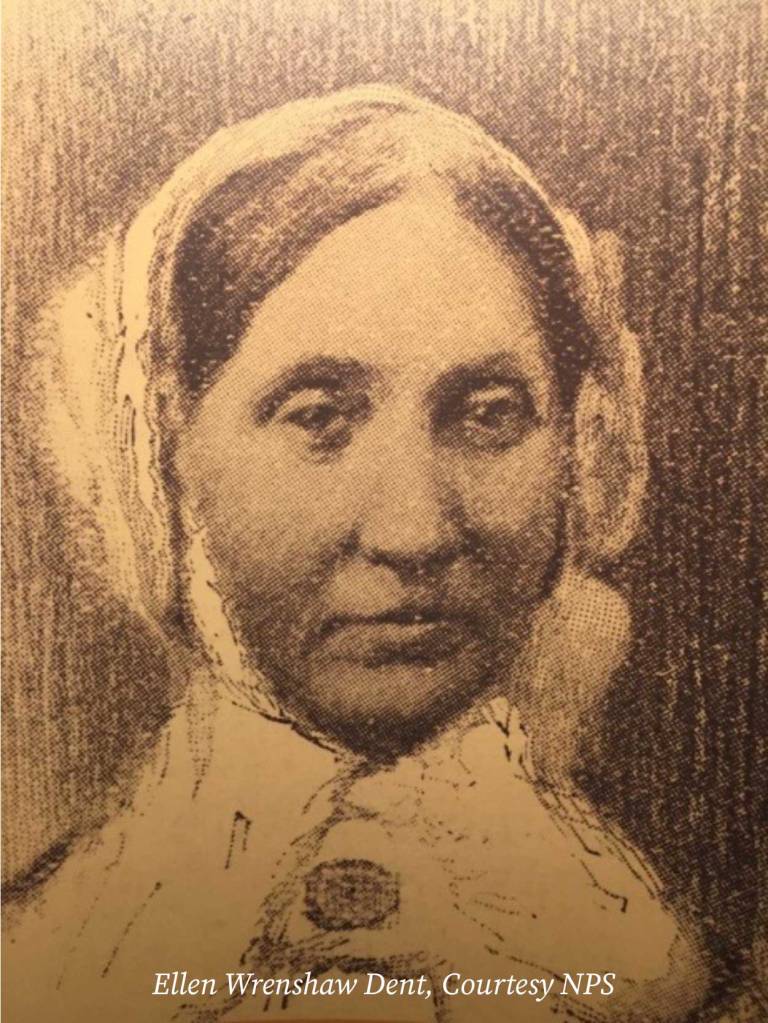
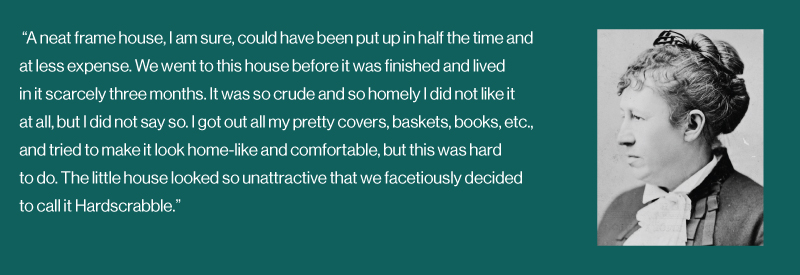
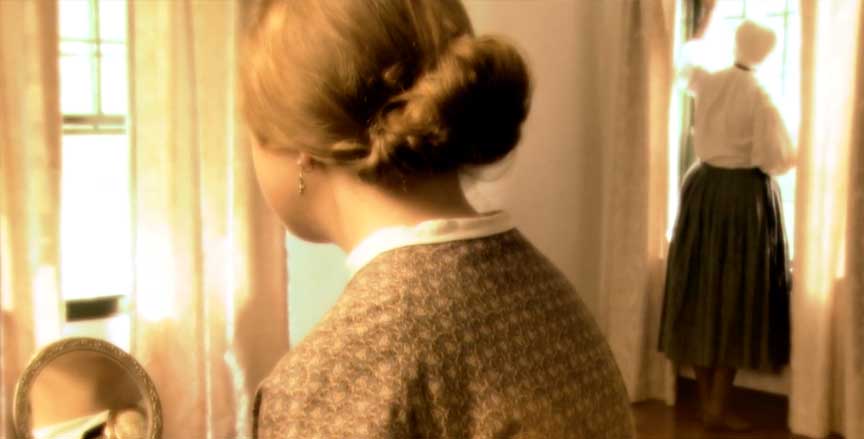
The family moved into the modest four-room log cabin during the fall of 1856, but their stay was short-lived. Accustomed to the relative finery of her upbringing at White Haven, Julia was unimpressed by the roughness of the log cabin, which she felt was beneath her standards. (Her father had discouraged Ulysses from constructing a frame house, saying a log cabin would be warmer.)  Julia later recalled in her memoirs: 

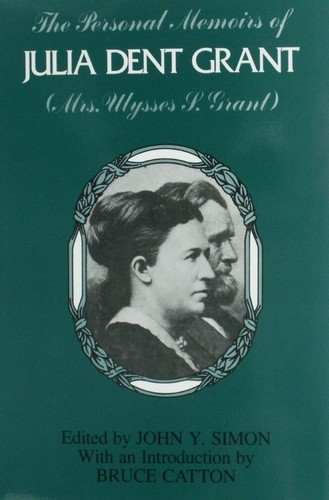
Quote from The Personal Memoirs of Julia Dent Grant
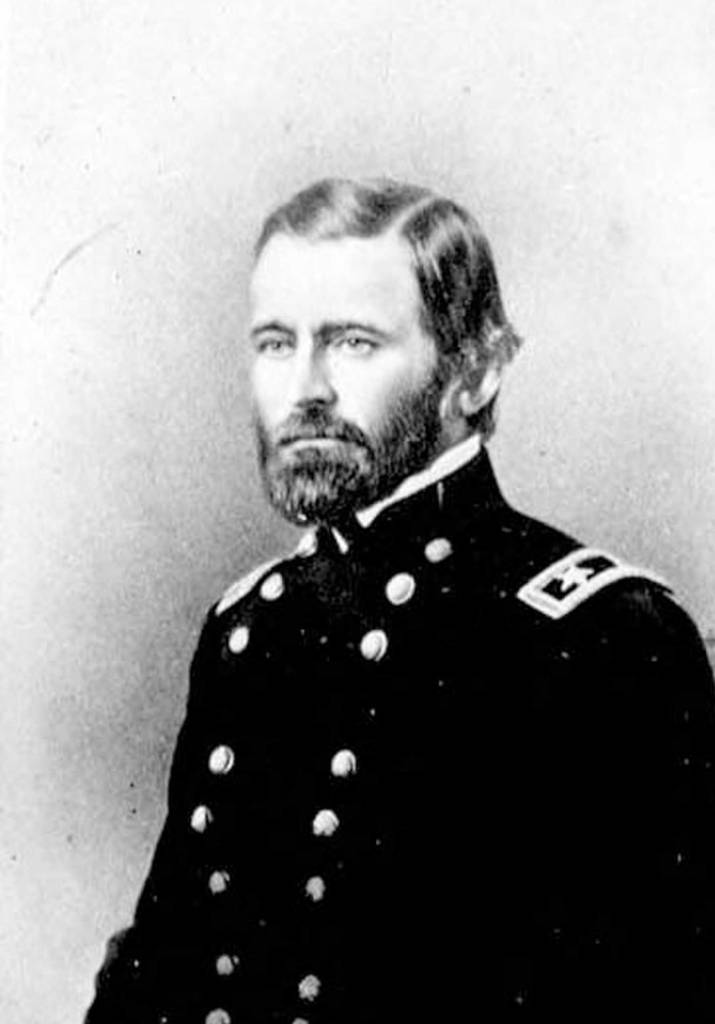
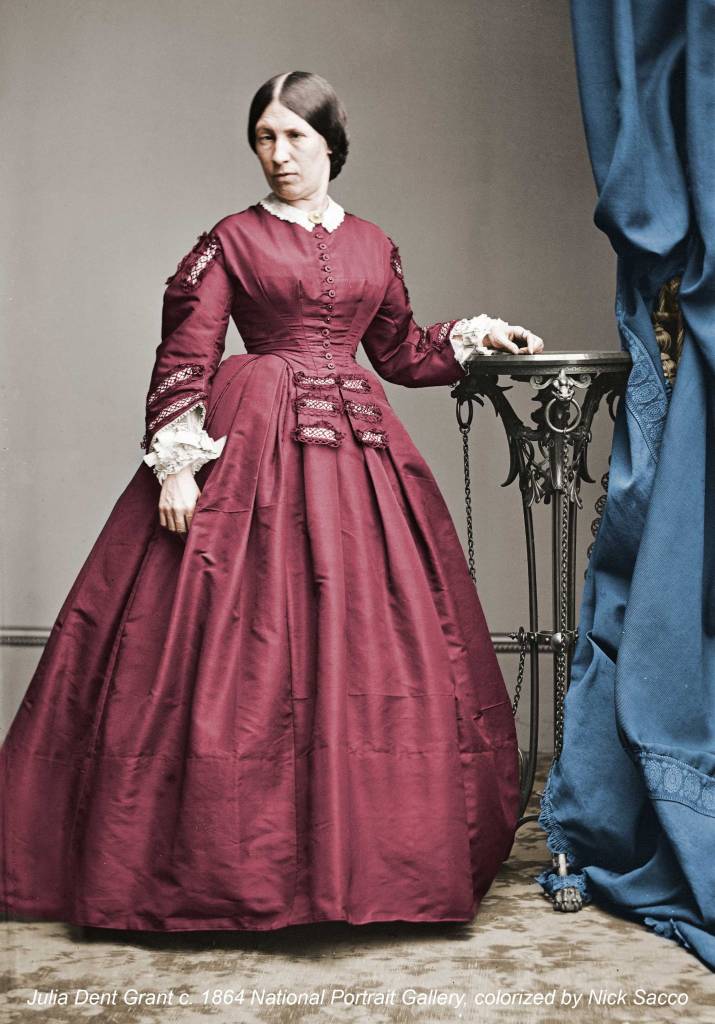
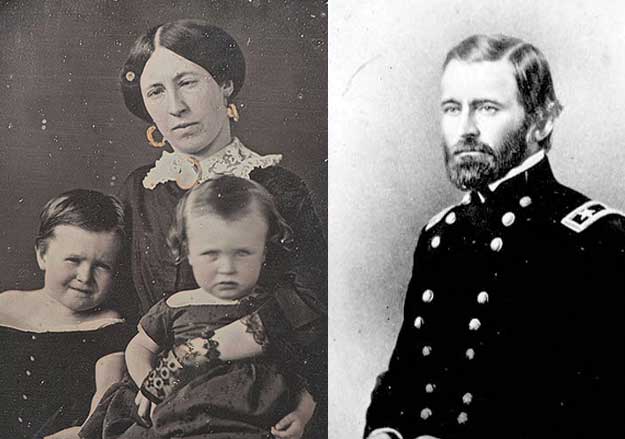
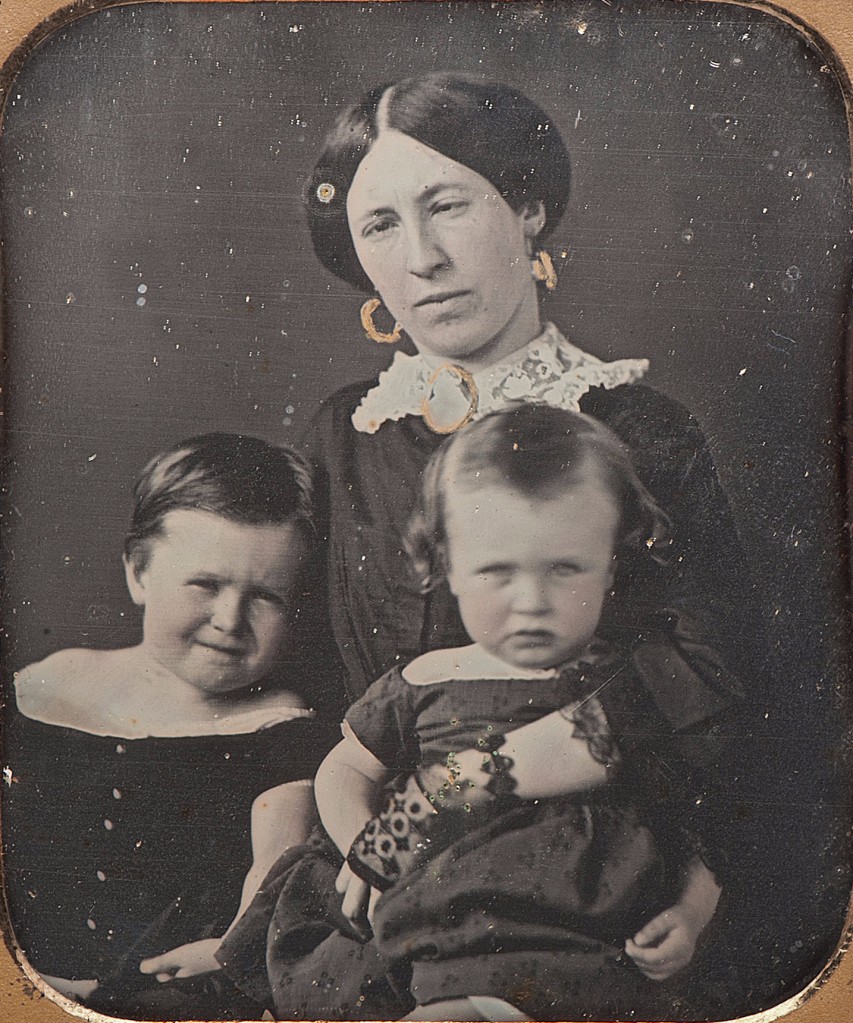
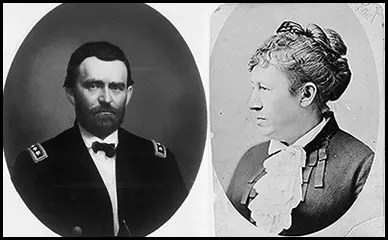
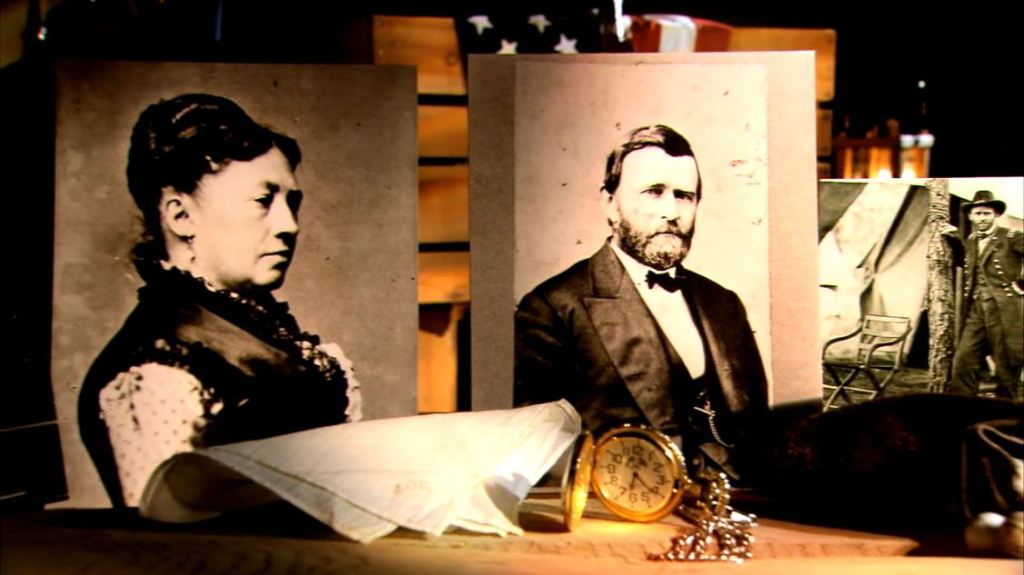
Left:Julia Dent Grant with Frederic & Ulysses Jr. Right: Ulysses S. Grant circa 1860

Hardscrabble was abandoned in early 1857 when Julia’s mother Ellen died and the Grants moved back into White Haven at her father’s request. They never re-occupied the log cabin.   

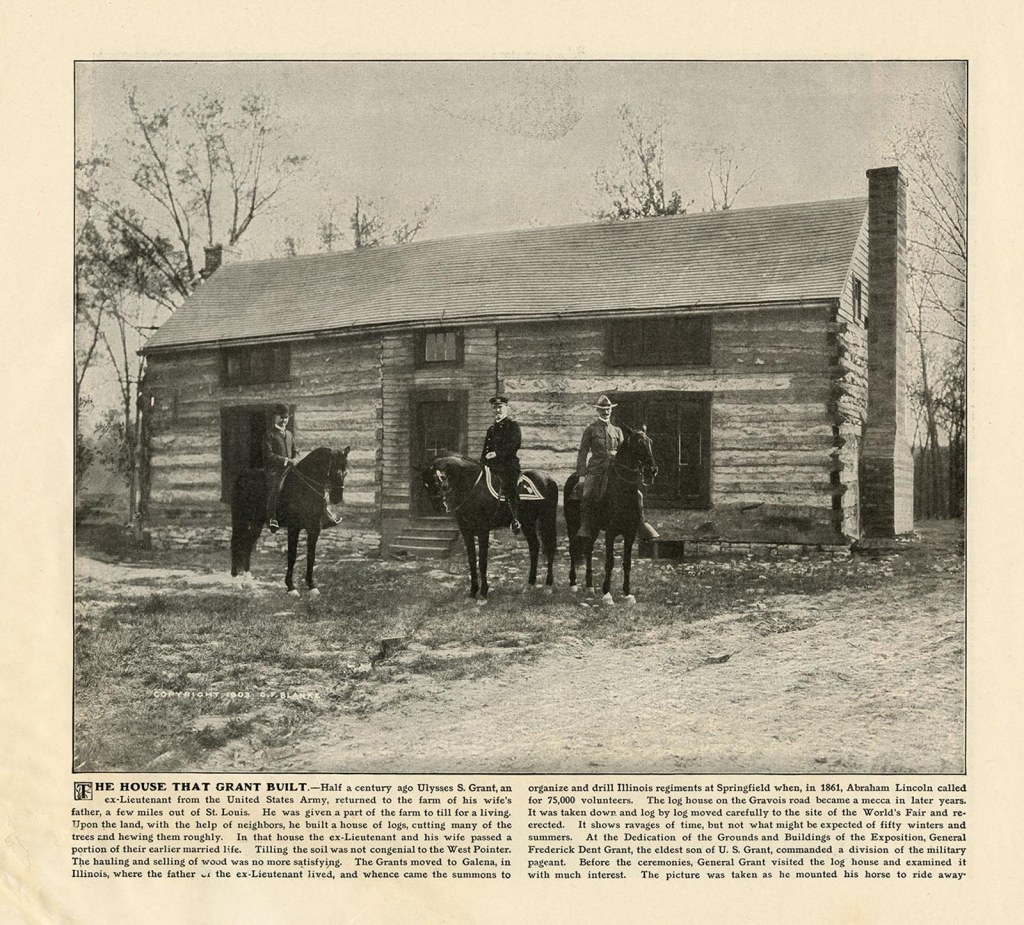
But Hardscrabble eventually acquired a history of its own because of its association with the famous general and president. It was dismantled and moved three times, including to the site of the 1904 World’s Fair in St. Louis, where it became an attraction featuring refreshments and souvenirs!   

Image of Hardscrabble on grounds of 1904 World’s Fair. General Frederick Dent Grant, eldest son of Ulysses, is shown in center.
Courtesy of NPS 

In 1907 Hardscrabble was finally moved to its current location at “Grant’s Farm,” a public attraction owned and operated by Anheuser-Busch and adjacent to Ulysses S. Grant National Historic Site. The cabin is currently not available for tours, though visitors to Grant’s Farm can view it during a tram tour of the park. 

Present-day interior of cabin, courtesy NPS

Hardscrabble is the only existing structure hand-built by a U.S. president prior to assuming office. For now, there are no plans to relocate it in the future. 

Mothers Who Made History

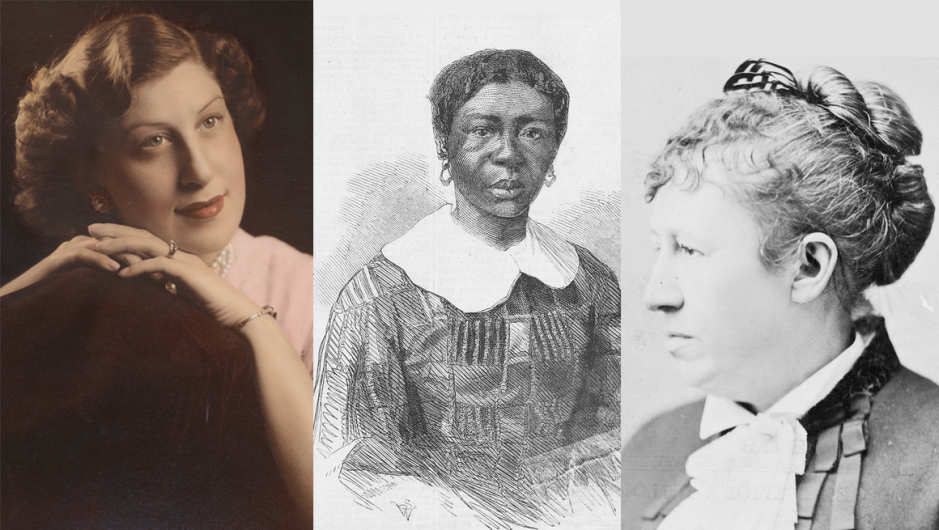
Resilience, optimism, and unconditional love. These are traits that are shared by three mothers who played an important role in our country’s history and who helped shape America’s future through their love for their families.

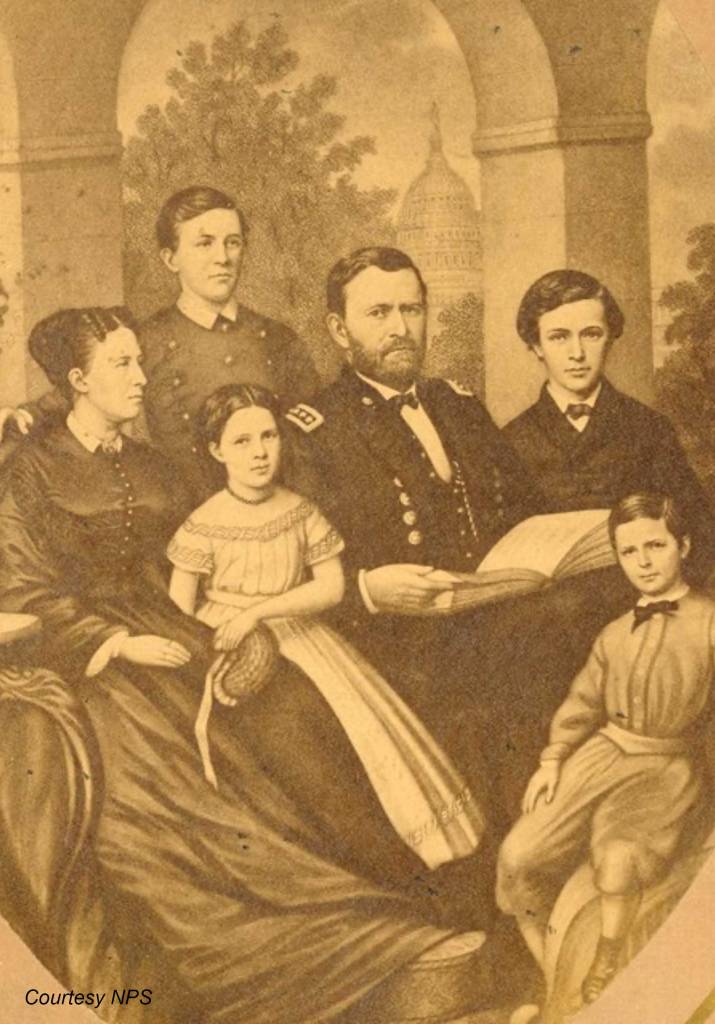
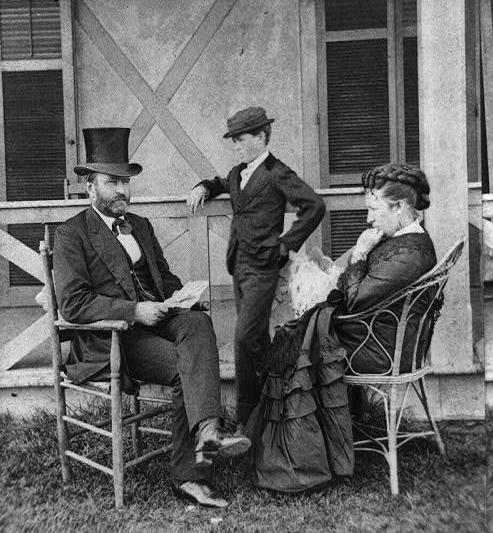
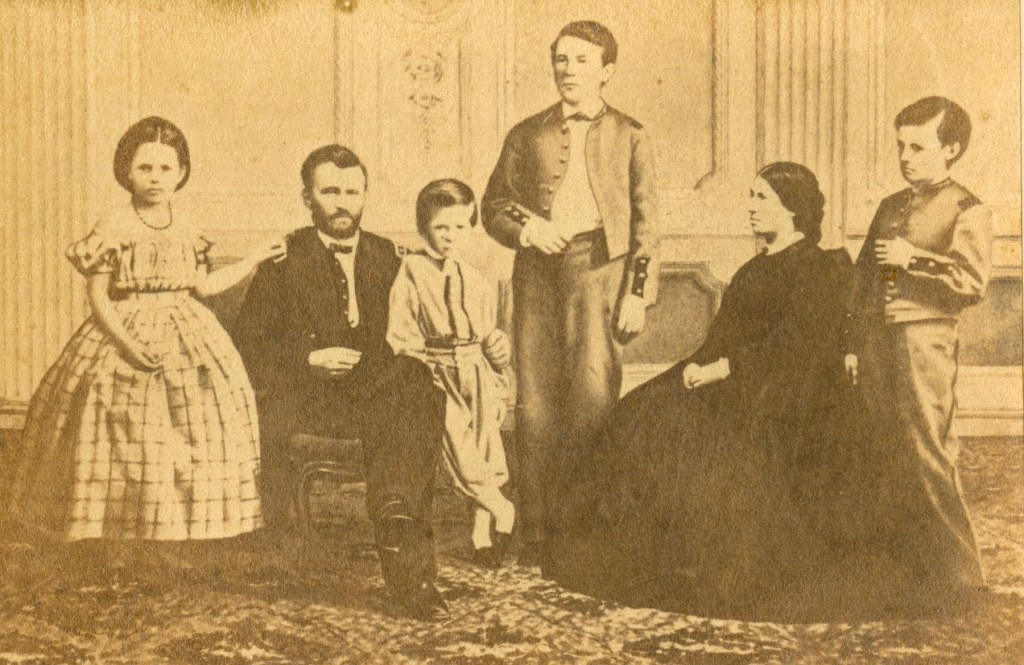
Julia Dent Grant may be best known as the wife of President Ulysses S. Grant, but she held another equally important title: mother. Julia met Ulysses in 1844, and they were married four years later. Their first child, Frederick Dent Grant, was born in 1850, followed by Ulysses S. “Buck” Grant Jr. in 1852, Ellen Wrenshall “Nellie” Grant in 1855, and Jesse Root Grant in 1858. 

In the 1800’s, nearly half of the babies born in the United States did not live to see their fifth birthday. However, all four of the Grants’ children lived into adulthood. Julia and Ulysses were incredibly devoted to their children and were known to be “permissive” parents. They taught their offspring to ride horses from the time they were small, and they allowed them to be noisy, playful, happy children.

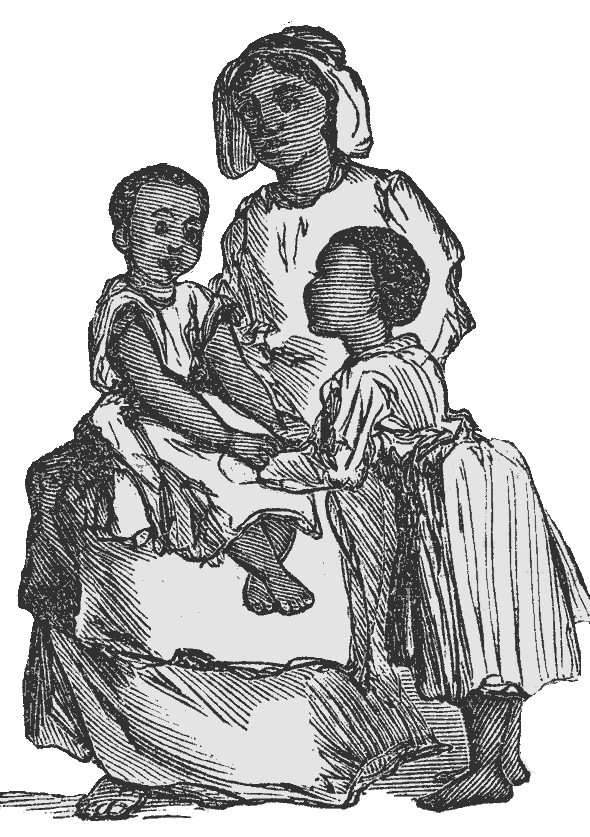
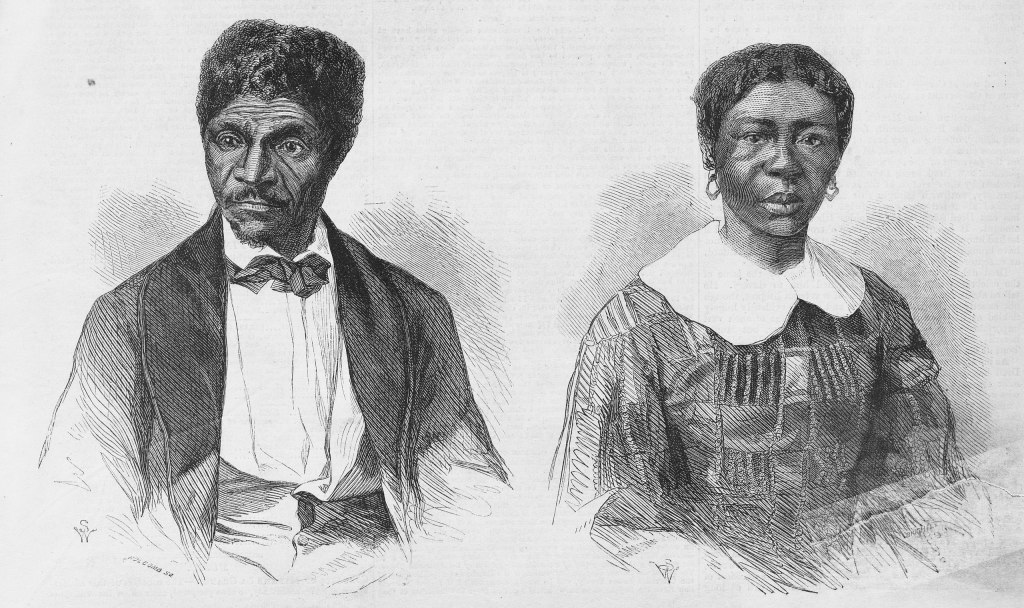
Harriet Robinson Scott was an enslaved woman whose determination to free herself, her husband, and her daughters changed the course of African American history.   

Harriet was born into slavery sometime around 1815.  Her enslaver brought her to Fort Snelling (in present-day Minnesota) in the 1830’s, where she met and married the enslaved Dred Scott. Their enslaver subsequently moved them between free and slave-holding territories frequently while leasing them out as hired hands.  Their residence in free areas would become the centerpiece of the couple’s claim to freedom. 

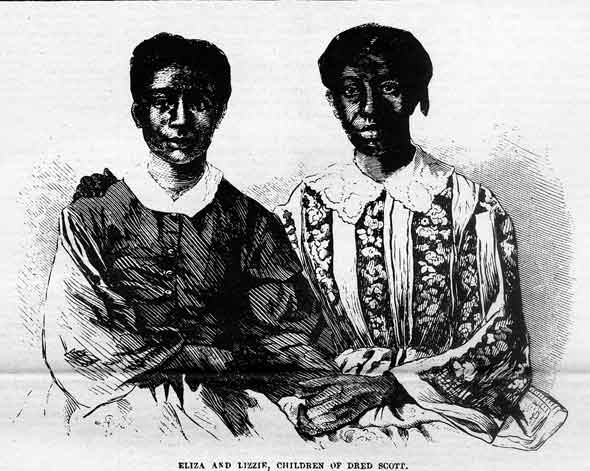
Harriet and Dred eventually wound up in St. Louis with their two daughters, Eliza and Lizzie.  It was here that the couple began to explore their chances of gaining their freedom. Harriet in particular was highly motivated to see her daughters become free.  After a failed attempt to purchase their way out of slavery, she encouraged Dred to sue for their freedom in the courts.

She and Dred endured five trials over the course of 11 years to fight for their family’s freedom, and it was her love for her children that kept her going through those hard times. Though the infamous Supreme Court decision in the Dred Scott Case denied them their freedom, the son of Dred’s original enslaver finally freed the family a few months after the verdict.

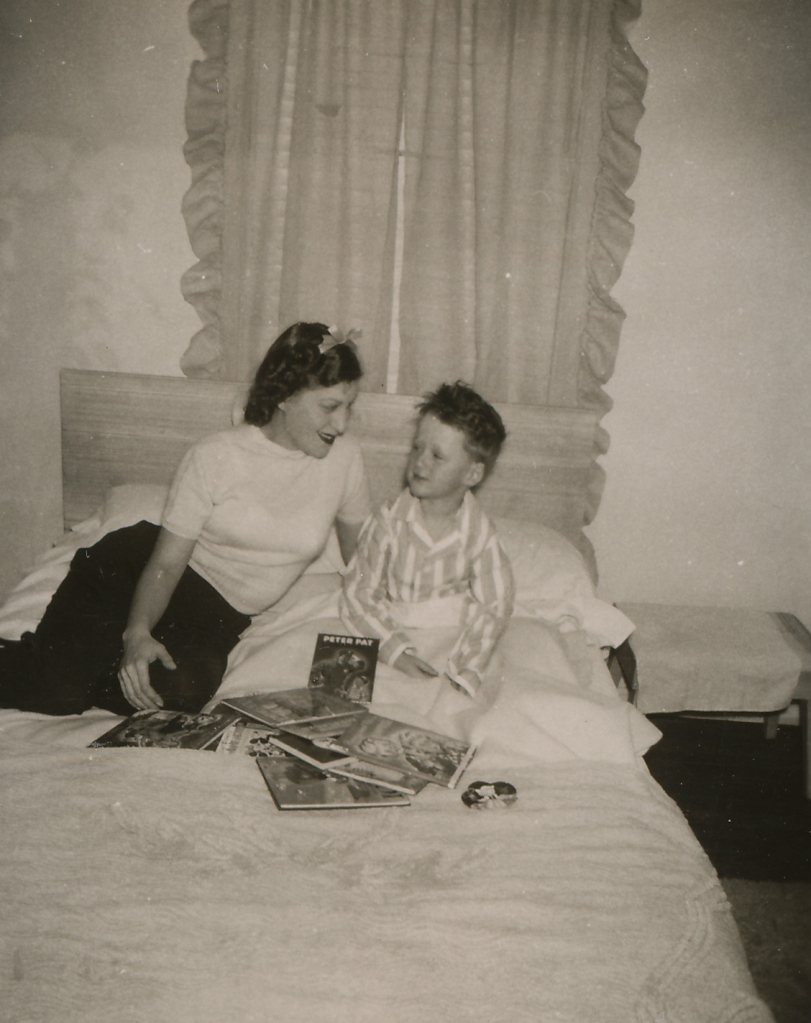
Former President Bill Clinton’s mother, Virginia Clinton Kelley, was known for her optimism and enthusiasm for life.  Bill Clinton was quoted as saying that, to his mother, “every day was a good day.”

Clinton’s father, William Jefferson Blythe II, died in a car accident when his wife Virginia was pregnant. Suddenly alone, she had to figure out a way to support herself and her newborn son in little Hope, Arkansas. With the support of her parents, Virginia was able to attend nursing school. She later married Roger Clinton Sr., who turned out to be an abusive alcoholic. Despite the many hardships she faced over the course of her life, Virginia was wholeheartedly devoted to Bill and later to his little brother, Roger Jr. She believed that it was her responsibility to support herself and create a good life for her children, regardless of their circumstances.  Although she died in 1994, she luckily lived long enough to see Bill become the 42nd president of the United States the previous year.

Grant’s Final Battle

“The greatest man I have ever had the privilege of knowing personally. And I have not known a man with a kinder nature or a purer character.”  – Mark Twain.

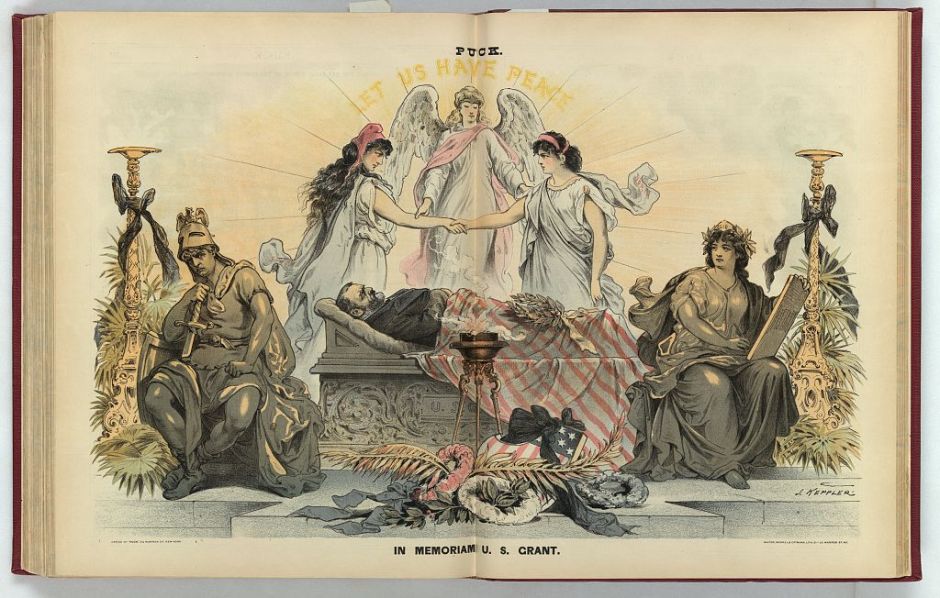
So said Twain upon learning of the death of his friend Ulysses S. Grant on July 23, 1885 – 138 years ago next week.  Grant, the nation’s 18th president and victorious Civil War general, died of throat cancer at the age of 63.  

Grant writing his memoirs [Library of Congress]

The final years of Grant’s life were filled with hardship. After retiring from the Presidency, he unwisely invested in a scandal-prone financial firm which eventually went bankrupt, leaving him destitute. About that time, he also learned he had throat cancer.  In order to earn enough money for his wife Julia to live on, he decided to write his personal memoirs, hoping that proceeds from the book’s sales would support his family after his death.  His writing chronicled his life as a soldier, from his early dates at West point to his service as general-in-chief of all Union armies.

As Grant’s memoirs progressed, so too did his cancer.  Racing against death, he kept writing despite debilitating pain and weakness.  He was encouraged by Twain, who offered him a generous publishing contract.   Just three days after completing the last page, Ulysses Grant died.  America mourned – his funeral in New York City was attended by 1½ million people.

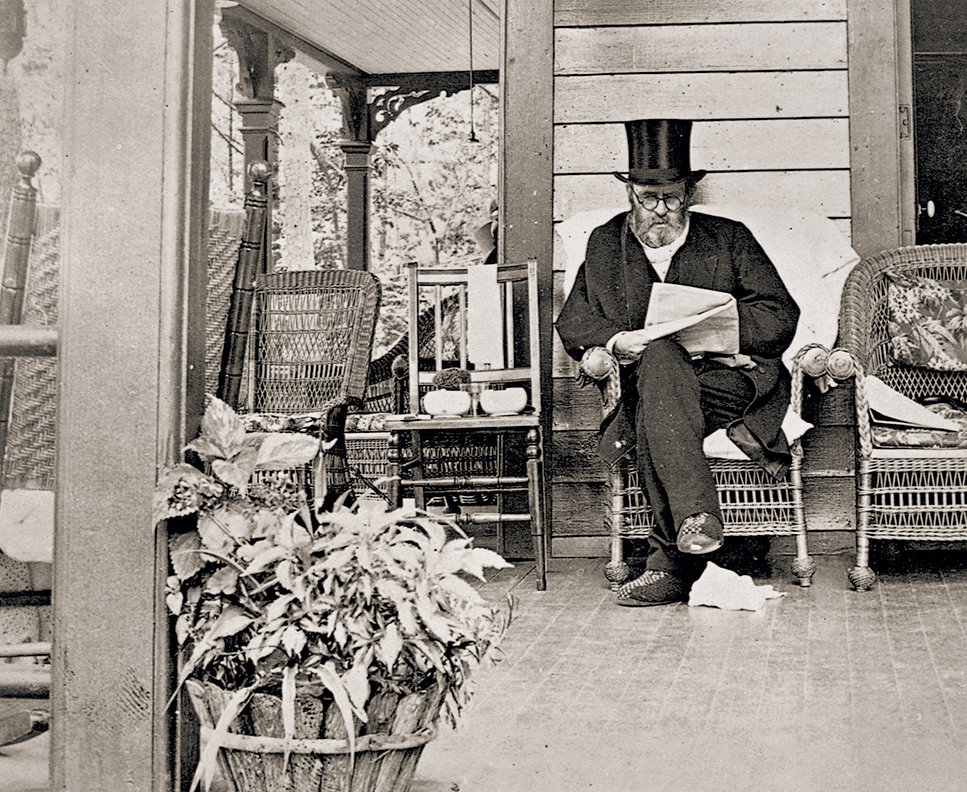
Last photo of Grant before his death. [Library of Congress]

Twain published Grant’s memoirs the same year he died.  They became an instant best-seller and proved a literary and financial success.  Julia Grant received royalties that totaled $450,000, roughly equivalent to more than $14 million today.

To learn more about Grant’s life, death, and legacy, we encourage you to visit our partner park Ulysses S. Grant National Historic Site.  While you’re there, be sure to pick up your own copy of the Personal Memoirs of Ulysses S. Grant at our bookstore, or order it online.

All About Julia

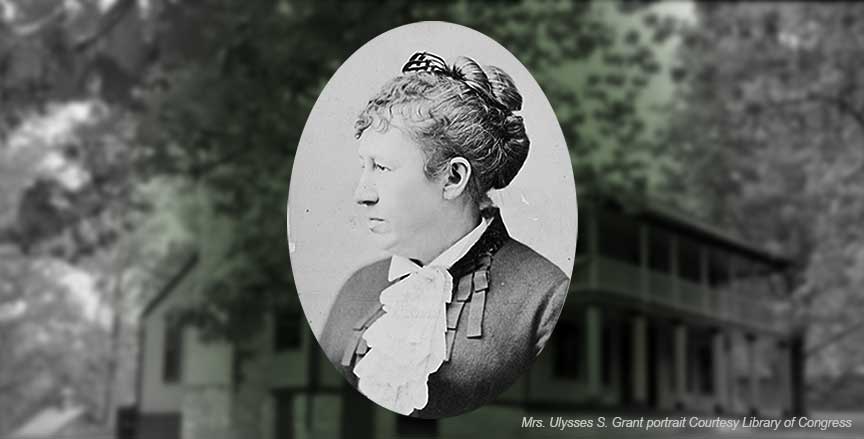
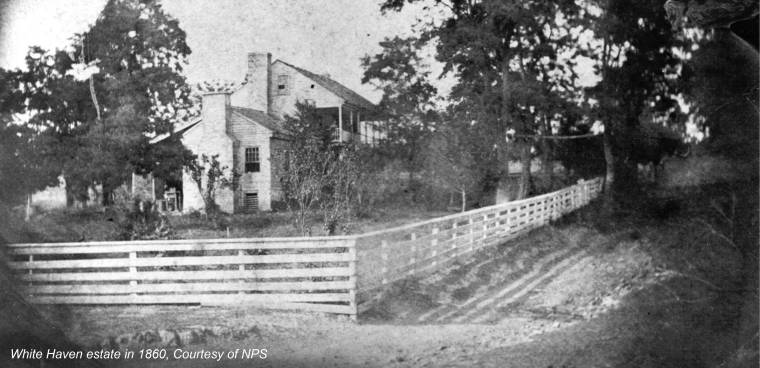
Julia Dent grew up in the early 19th century on a plantation near St. Louis named White Haven.  The fifth of seven children, she was an outgoing, active girl who fished, rode horses, and played in the woods with the plantation’s enslaved children.  Julia once told her school friends she would someday wed “a gallant, brave, dashing soldier.” Little did she know that she would indeed marry a soldier, and that he would become commander of the armed forces and later the 18th president of the United States.

You can learn more about the long and eventful life of Julia Dent Grant later this week.

Some would say Julia Dent and Ulysses Grant were an unlikely pair.  She was spirited and gregarious; he was shy.  She was raised in a slave-owning family; his family was opposed to slavery.  In fact, Grant’s choice to marry into the Dent family worsened tensions with his father, and none of the Grants attended Ulysses and Julia’s wedding in 1848.

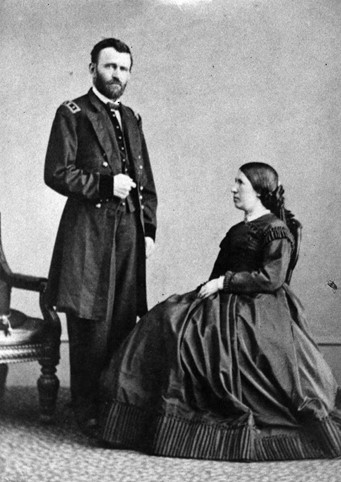
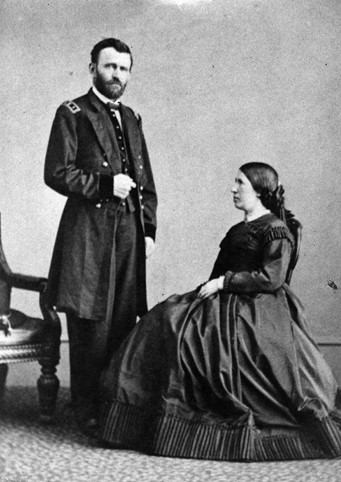
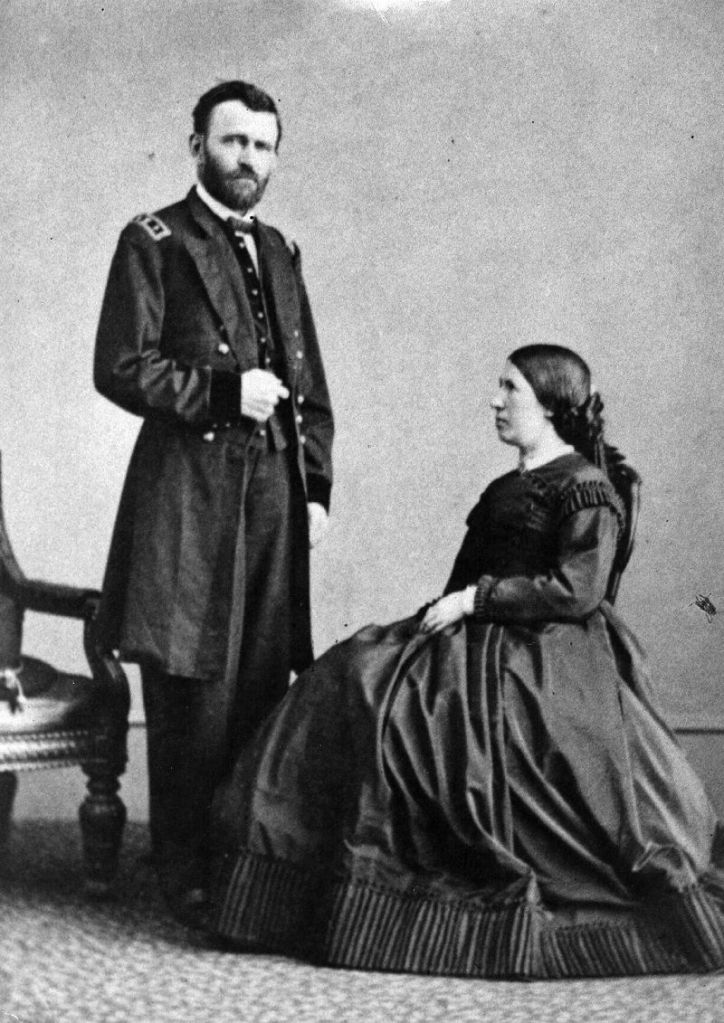
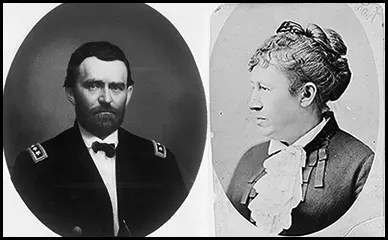
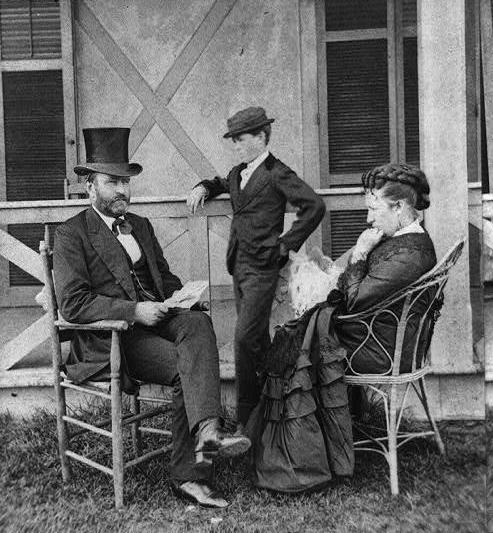
Mr. and Mrs. Grant

Against the odds, the Grants’ marriage lasted for 37 years, and through all their many hardships and accomplishments, their close bond never wavered.  The couple endured numerous separations as Grant pursued his military career.  And though Julia was sometimes able to accompany her husband to distant Army postings, she returned home to White Haven for the birth of their four children.  During the Civil War, she served as the financial manager and agent for White Haven in her husband’s absence, leasing sections of the farm, collecting rent, and consolidating land titles.

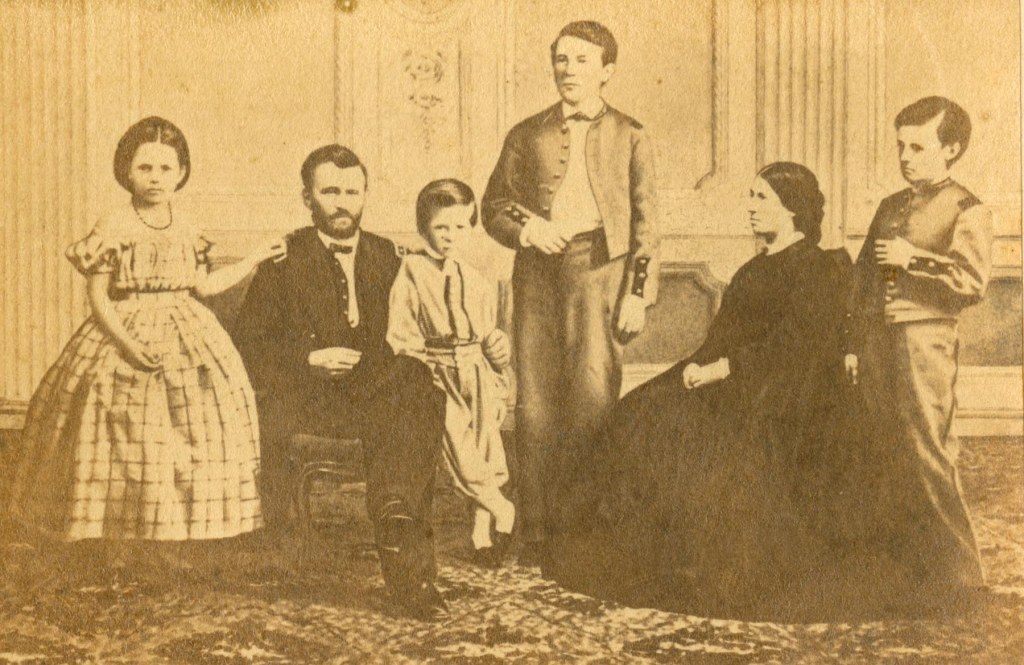
Ulysses and Julia Grant and their children. Credit: Ulysses S. Grant National Historic Site.

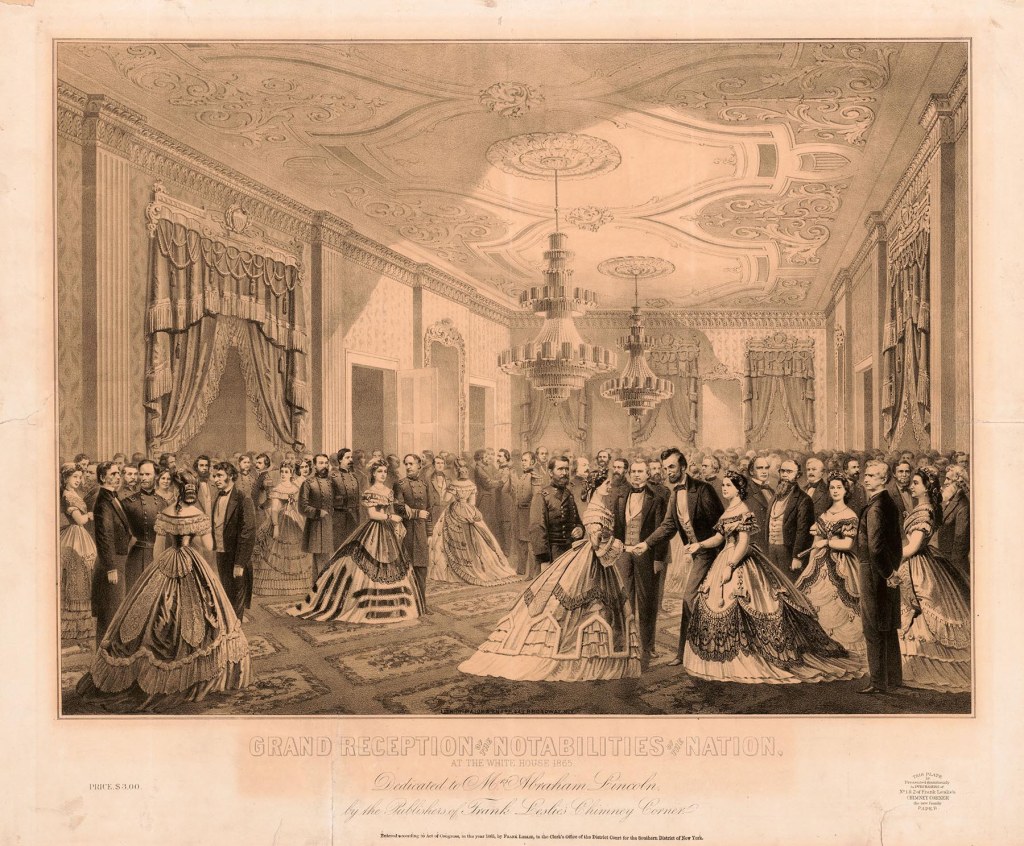
As the nation’s First Lady, Julia was an active participant in presidential matters and reveled in her eight-year role as hostess to the nation.  She entertained lavishly and welcomed dignitaries from around the world to the White House.  At the end of Ulysses’ second term, the couple embarked on a two-year worldwide tour that further burnished her reputation as a valuable partner to the former president.

Grand reception of the notabilities of the nation, at the White House 1865. Credit: Library of Congress

Her later years were difficult, however.  Grant lost most of their money in a bogus financial deal, and the couple was nearly destitute.  By the time he signed a lucrative contract to write his now-famous memoirs, Grant was dying of throat cancer.  Julia lived as a widow for 17 years until she died at age 76 in 1902.

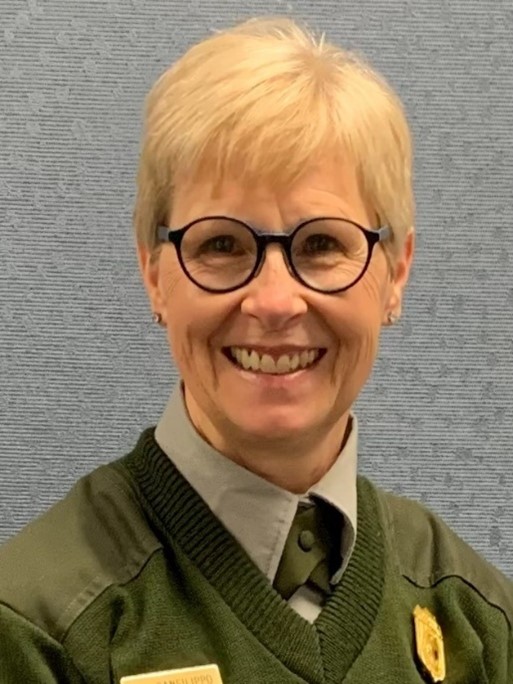
This Saturday at 10 a.m., you’re invited to learn more about the long eventful life of Julia Dent Grant.  Historian Pam Sanfilippo will present “Julia Dent Grant and Family,” the annual John Y. Simon lecture at Ulysses S. Grant National Historic Site

Pam Sanfilippo

Pam served as park ranger, education director and historian at the park for many years and is now Program Manager for Museum Services and Interpretation at Gateway Arch National Park. She is the author of numerous essays, articles, and publications. Her biography of Julia Dent Grant is scheduled for publication by Southern Illinois University. Pam’s talk will present highlights from her research on Julia and her family.
For reservations to this presentation, call (314) 842-1867 x230.

Exploring the Life of Ulysses S. Grant

Just in time for the upcoming wedding anniversary of Ulysses and Julia Grant, the National Park Service has created a new online exhibit exploring the life and legacy of the nation’s 18th president.  The expansive exhibit amasses artifacts, documents, and photographs from numerous Park Service sites, including Ulysses S. Grant National Historic Site.

As one might expect from such a multi-faceted figure as Ulysses Grant, his life encompasses many aspects, including his early upbringing and family life as well as his military career and presidency.  And the fascinating new exhibit covers them all.

There are more than 20 national sites with connections to Grant, many of them housing collections that include artifacts, portraits, and documents related to the president or his family members.  But thanks to this new virtual exhibit, many of these items can now be viewed in one accessible location.  They shed light on little-known facets of his life, helping us gain greater insights into the famous man.
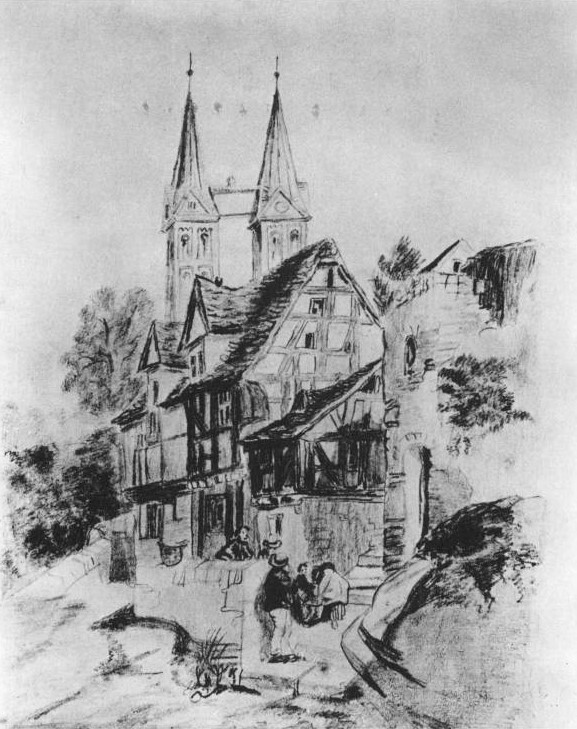
Drawing of Church Steeples by Ulysses S. Grant (Courtesy The Papers of Ulysses S. Grant, Volume 1 and Library of Congress)

Although Grant is celebrated for his military and political achievements, his artistic side is less well known.  The exhibit features sample of some of his watercolor paintings. When he was a West Point cadet, he enrolled in several drawing classes and developed this hobby over the years.  Sadly only eight of his paintings have survived to the present day.

Then there are the charming vestiges of the Grants’ everyday life, like Julia’s ivory sewing kit, Ulysses’ cigar holder, the couple’s ivory and silver coffee service, and even the leather boots worn by Julia’s sister Emma.

Courtesy NPS

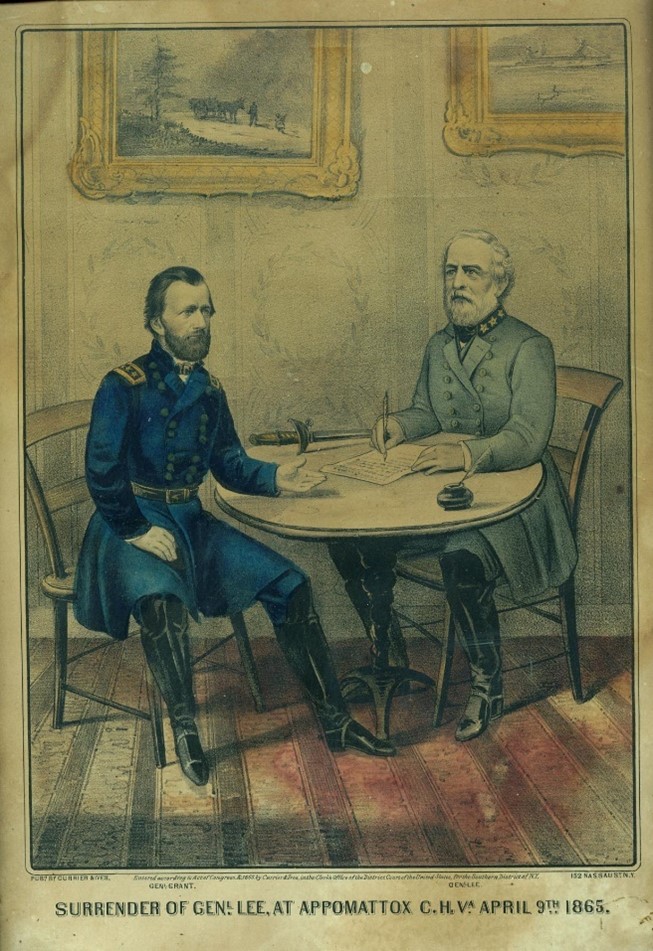
The exhibit explores Grant’s military career from his early days at West Point to his role as commander of the entire Union Army during the Civil War.  The surrender of Robert E. Lee at Appomattox in 1865 is highlighted with a color image of a Currier & Ives print of the two generals signing the surrender documents, a photo of the chairs and table used during the signing ceremony, and a poignant letter outlining the terms of surrender.

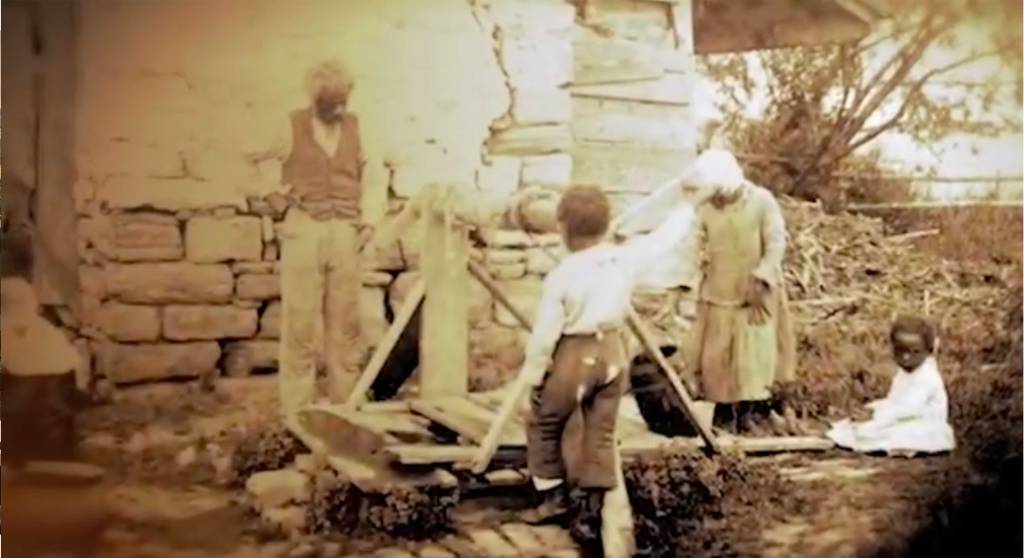
Slave quarters at White Haven, prior to removal (photo courtesy of NPS)

Grant’s experience with the institution of slavery is a recurrent theme in the exhibit.  From an early age, he was taught that slavery was wrong and that his Southern relatives “had depended too much on slave labor to be trained in self-reliance.”  When Grant married into the slaveholding Dent family, it worsened tensions with his father (none of the Grants attended Ulysses and Julia’s wedding).

Yet when the couple occupied White Haven in the 1850s, they lived and worked alongside dozens of enslaved African Americans, most of whom were owned by Grant’s father-in-law (though Grant himself owned an enslaved man named William Jones, whom he later freed).  This experience strengthened Grant’s hatred of slavery and commitment to abolish the institution, and set the stage for him to become one of the great civil rights presidents in American history.   

The new Grant exhibit is just the latest virtual exhibit created by the National Park Service Museum Management Program, whose aim is to make the broad range of NPS collections widely available to online users. You can see numerous other offerings at the program’s website.  

In honor of Ulysses and Julia’s 174th wedding anniversary on August 22nd, you may want to brush up on the life of Julia Dent Grant.  She had a long and event-filled life as the wife of a Civil War general and U.S. president.  Also check out her personal memoirs, which are available from JNPA’s online store, or at the gift shop at Ulysses S. Grant National Historic Site.

“My Dearest Julia and my love for her are ever in my mind…”

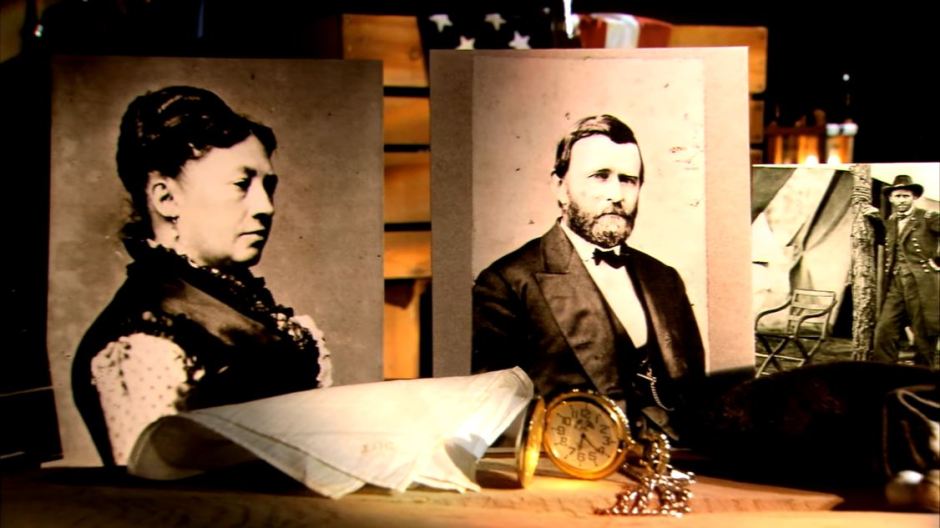
What do you know about Ulysses S. Grant?  Victorious commander of the Union troops in the U.S. Civil War:  Check.  Eighteenth President of the United States:  Yep.  Devoted lover:  Huh??

President Grant and his wife Julia Dent Grant sustained a long love affair throughout their lives. What better love story to share in time for Valentine’s Day?

Ulysses and Julia’s romance began at White Haven, the Missouri plantation owned by Julia’s parents.  In 1843, while stationed at a nearby Army barracks, the young Lieutenant Grant visited the farm where his West Point roommate had grown up.  He was immediately charmed by Julia and often made the 12-mile ride to White Haven to visit her several times a week. 

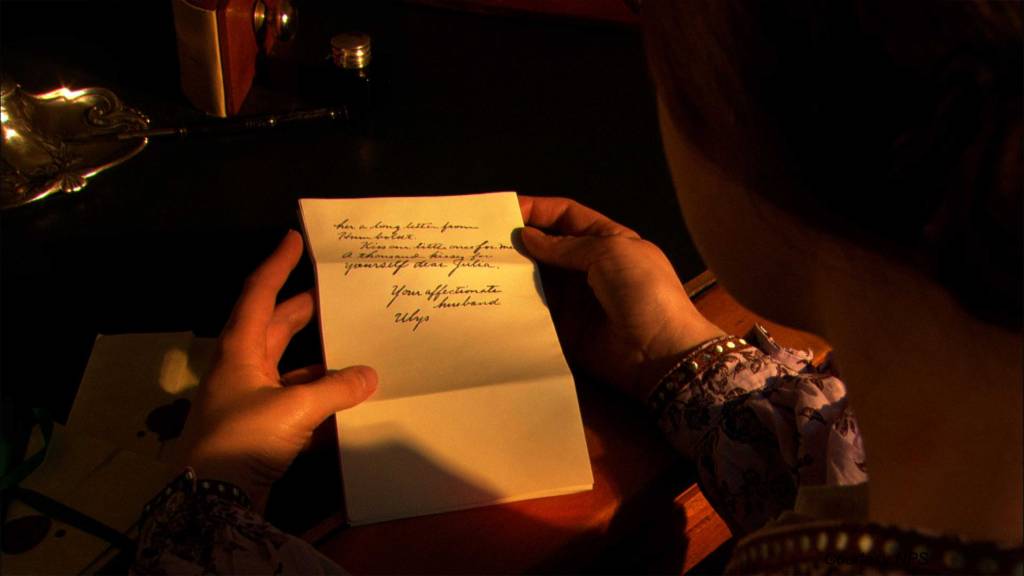
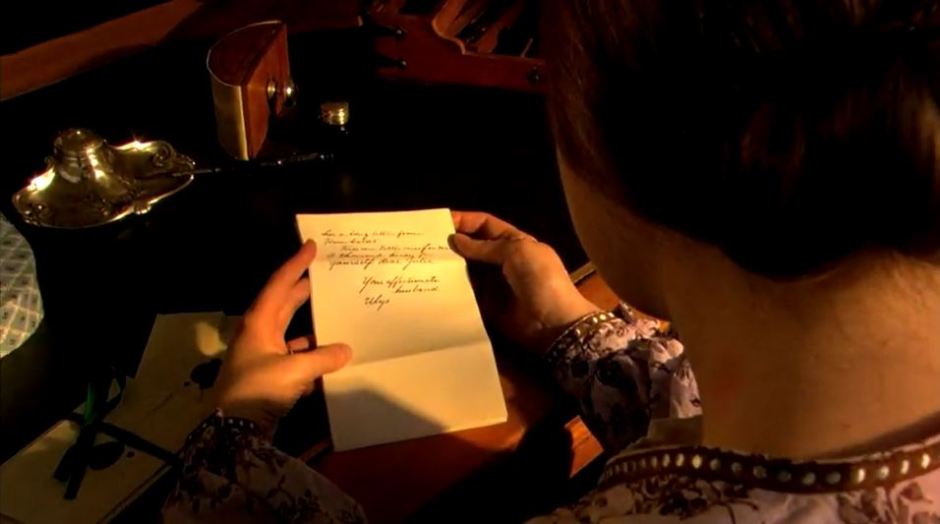
Unfortunately for the young couple, their courtship was marked by long periods of separation while Grant was on assignment for the Army.  So they turned to letter writing as their sole method of declaring their love.  Although sadly no correspondence from Julia to Grant survives to this day, we are lucky to have numerous letters that Grant sent to his beloved, and his devotion to her is obvious.

When Grant was stationed in Louisiana and Texas in preparation for the coming war with Mexico, he wrote Julia in 1844 “of the depth and sincerity of my love for you.”  Writing from Texas the following year, Grant told her “for my own part I would sacrifice everything Earthly to make my Dear Julia my own forever.”

Even during the height of battle, his feelings for her were as strong as ever: “…in the midst of grape and musket shots, my Dearest Julia and my love for her are ever in my mind.”  And in that same letter, Grant assures her “I am getting very tired of this war, and particularly impatient of being separated from one I love so much, but I think before I see another birth day I shall see Julia, and if she says so, be able to call her my own Dear for ever.” Grant’s wish eventually came true.  The couple was married at White Haven in 1848. 

Though Julia was able to travel with Ulysses to some of his Army postings, they still remained apart for much of their early marriage.  It is thought that these ongoing separations was one reason Captain Ulysses Grant resigned his commission from the Army in 1854 and returned to White Haven to be with his wife and young children.

To learn more about the love story of Julia and Ulysses, watch A Thousand Kisses, the short video about their early life that JNPA helped produce for the National Park Service.

You can also read many of Grant’s letters to his wife in My Dearest Julia, available in our online store or at our bookstore at Ulysses S. Grant National Historic Site.