You were only waiting for this moment to arise…

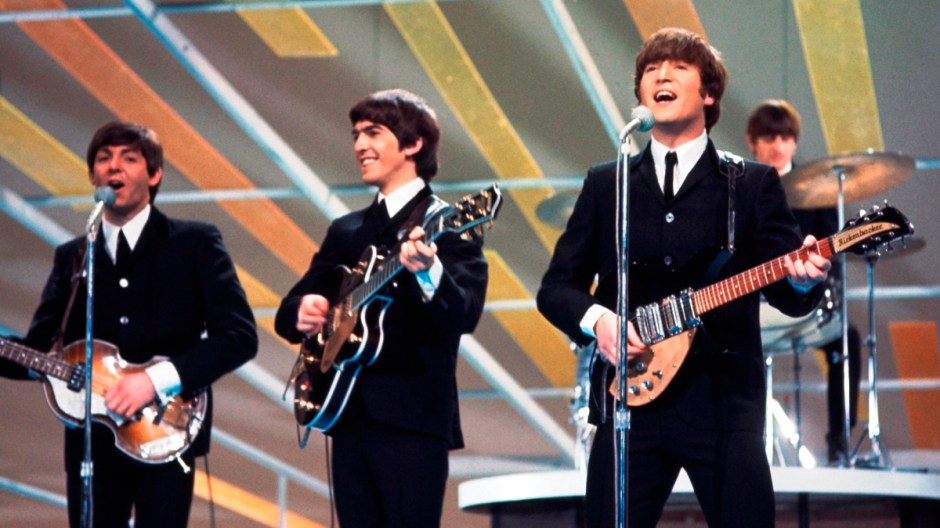
1968. “Beatlemania” was in full swing. Martin Luther King Jr. had been assassinated a year prior. The Civil Rights Act had just been passed, and almost a decade prior, the Little Rock Nine desegregated Little Rock Central High School in Arkansas. Meanwhile, Paul McCartney had been taking notice of the racial turmoil happening in the United States and was inspired to write a song of encouragement for the people fighting for civil rights. Maybe you recognize it?
Credit: Library of Congress

“Blackbird singing in the dead of night,
Take these broken wings and learn to fly,
All your life,
You were only waiting for this moment to arise,
(You were only waiting for this moment to arise)

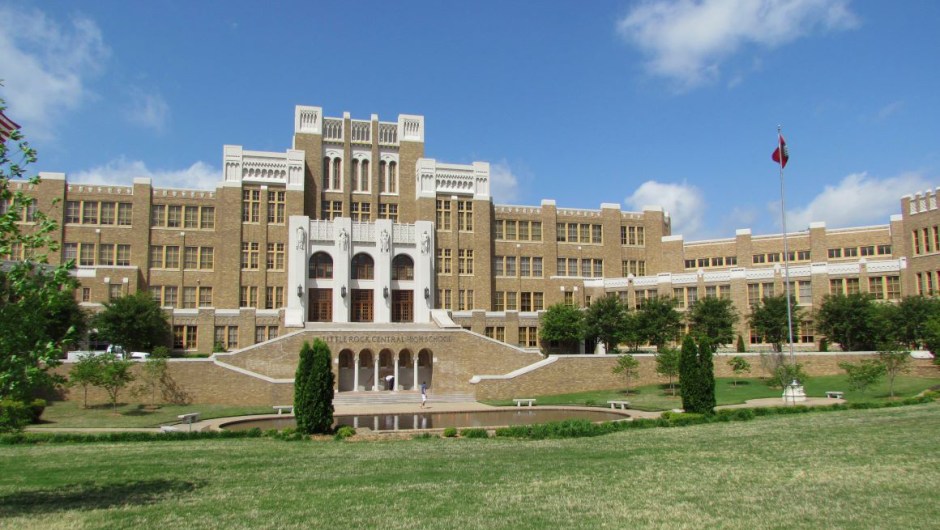
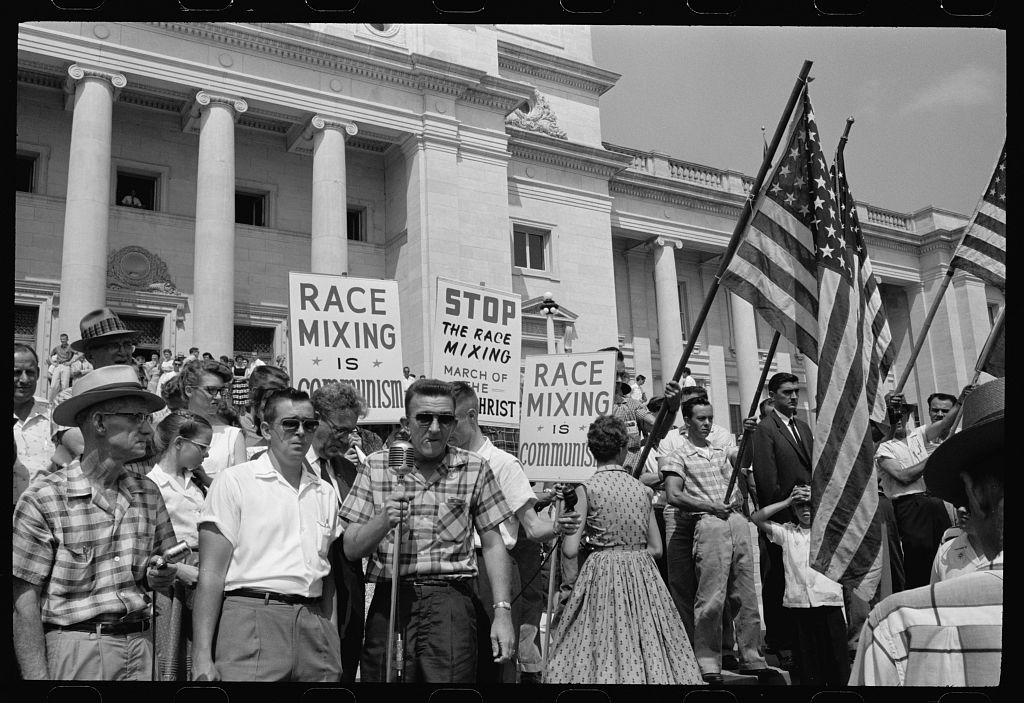
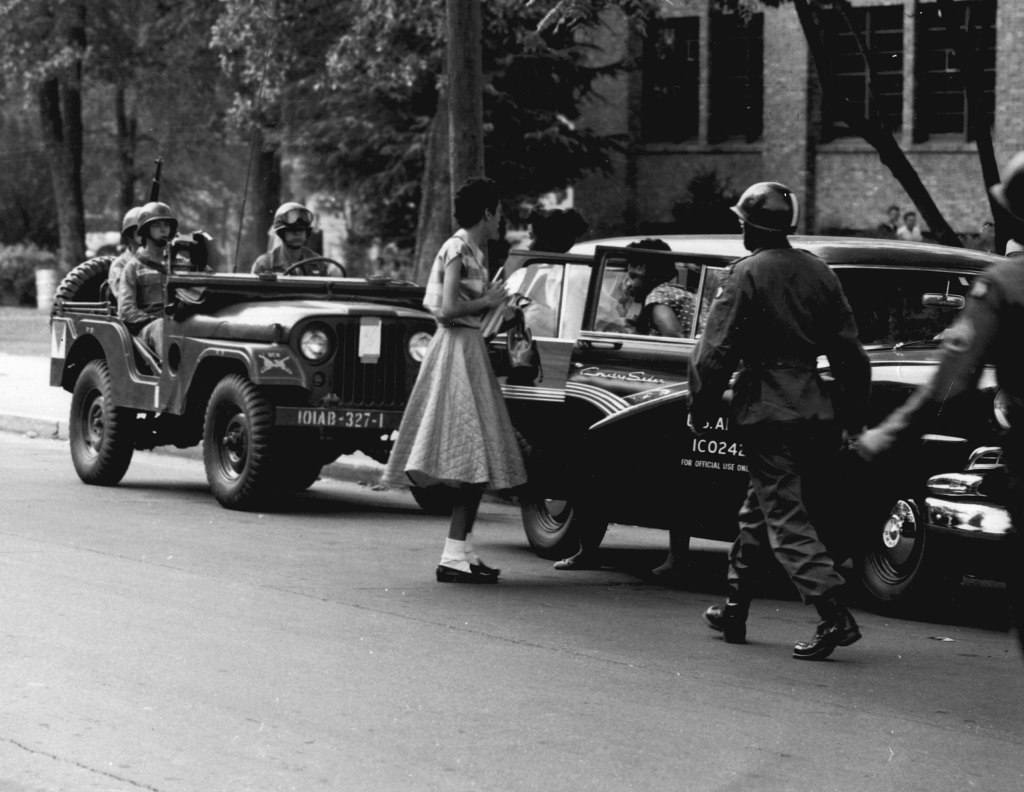
Melba Pattillo Beals was only a teenager when a mob of angry white people confronted her and the rest of the Little Rock Nine as they tried to enter Little Rock Central High School. After Brown v. the Board of Education, the landmark Supreme Court decision outlawing segregation in public schools, the Little Rock School District planned to implement a “gradual” desegregation beginning at Central High School. But on the first day of school, the African American students were met by an angry mob screaming threats at them, and they were barred from entering by the Arkansas National Guard. The governor of Arkansas had called out the guard to “maintain and restore order” by preventing the students from entering. Two weeks later, the students successfully entered the school, but rioting broke out outside and the Little Rock Nine were removed by police for their safety. It wasn’t until September 25, 1957, that federal troops under orders from President Eisenhower successfully escorted the students to their first full day of school.

“Blackbird singing in the dead of night (dead of night, night),
Take these sunken eyes and learn to see (learn to see),
All your life (all your life),
You were only waiting for this moment to be free”
McCartney has stated in several interviews that he was specifically inspired by the Little Rock Nine. In England, “bird” is slang for “girl,” so to McCartney, the titular “Blackbird” represented “Black girl.” He said in an interview with GQ, “I’d heard about the civil rights troubles that were happening in the 60s in Alabama, Mississippi, and Little Rock in particular. So that was in my mind, and I just thought it’d be really good if I could write something that if it ever reached any of the people going through those problems, it might kind of give them a little bit of hope.”

Sure enough, it did reach those people. Ten years after the events at Central High, Beals heard the Beatles’ “Blackbird” for the first time. In an interview with NPR, she said, “It reminded me of what my grandmother said to me when I came home from Central High School complaining about the abuse I had taken during the day: ‘March forward, girl. You have to keep going no matter what.’”
“Blackbird fly (fly, fly),
Blackbird fly (fly),
Into the light of a dark, black night
,
Blackbird singing in the dead of night,

Take these broken wings and learn to fly (learn to fly, learn to fly),
All your life,
You were only waiting for this moment to arise.”

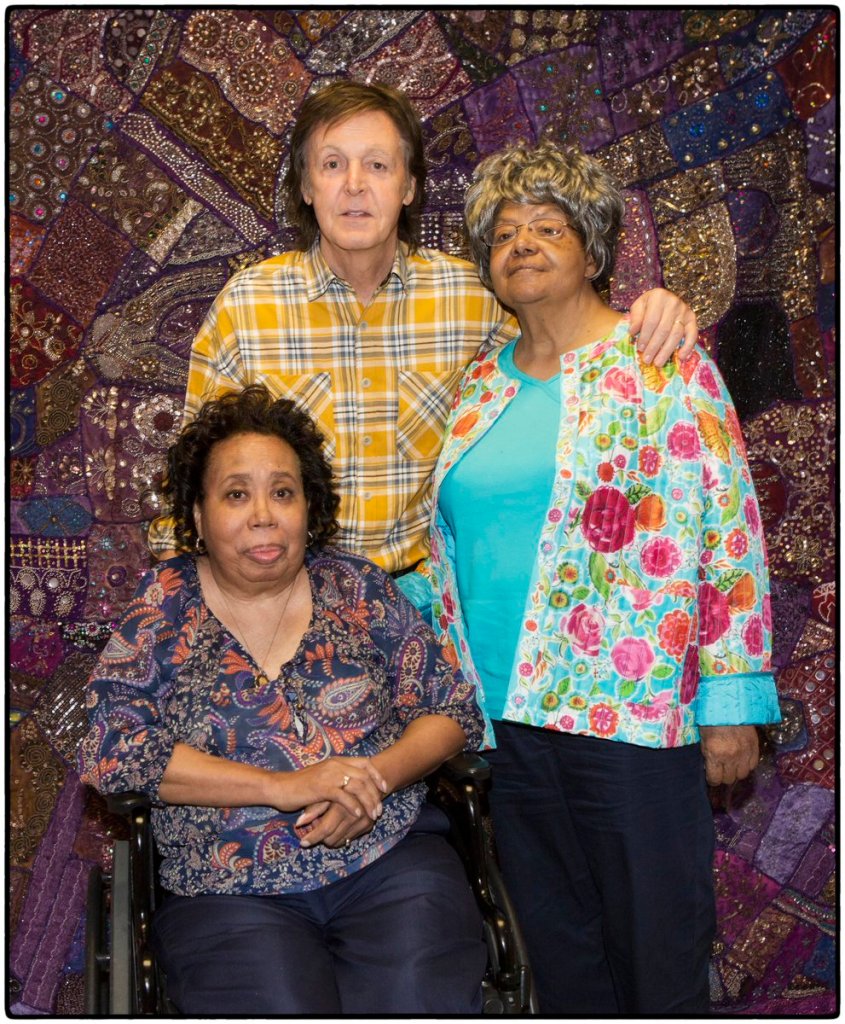
In 2016, McCartney was lucky enough to meet two members of the Little Rock Nine, Thelma Wair and Elizabeth Eckford, backstage at his Little Rock concert. When he introduced “Blackbird” that evening, McCartney said, “Way back in the Sixties, there was a lot of trouble going on over civil rights, particularly in Little Rock. We would notice this on the news back in England, so it’s a really important place for us, because to me, this is where civil rights started. We would see what was going on and sympathize with the people going through those troubles, and it made me want to write a song that, if it ever got back to the people going through those troubles, it might just help them a little bit, and that’s this next one.” You can watch a video of the performance here.

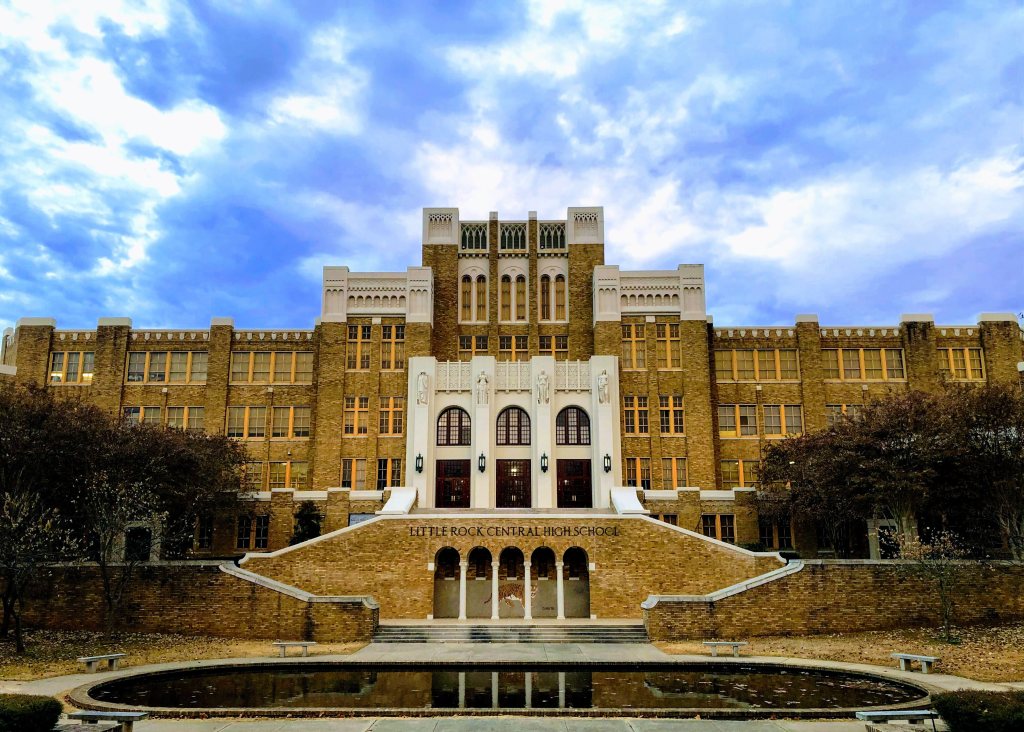
Today, Little Rock Central High School continues to operate as a fully integrated – and high-performing – public school and also as part of Little Rock Central High School National Historic Site, a unit of the National Park Service. The site interprets the story of the Little Rock Nine and the battle for civil rights.
Eisenhower’s Civil Rights Legacy

If you were asked to list well-known champions of racial equality from America’s past, Dwight Eisenhower would probably not make the cut.  The nation’s 34th president was a conservative who never planned to be a crusader on behalf of civil rights.  But the 1957 struggle to allow Black students to attend Little Rock Central High School in Arkansas forced his hand, and had a lasting effect on school integration.
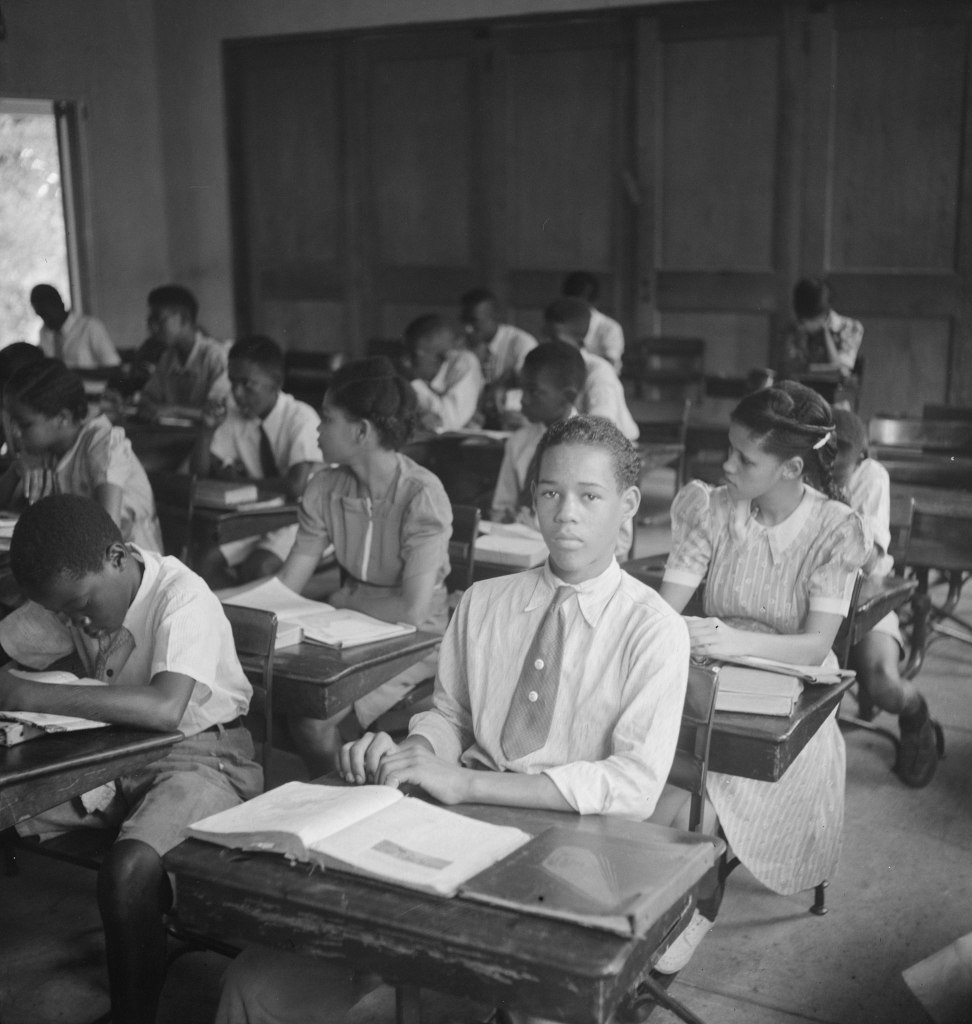
Racial equality was a polarizing topic in the mid-20th century.  African Americans who had served their country during World War II were no longer willing to accept living in a country that saw them as second-class citizens.  So began the widespread push for equal rights and for an end to racial segregation in the workplace, in the military, and in schools.

Supreme Court under Justice Earl Warren, 1953-1954

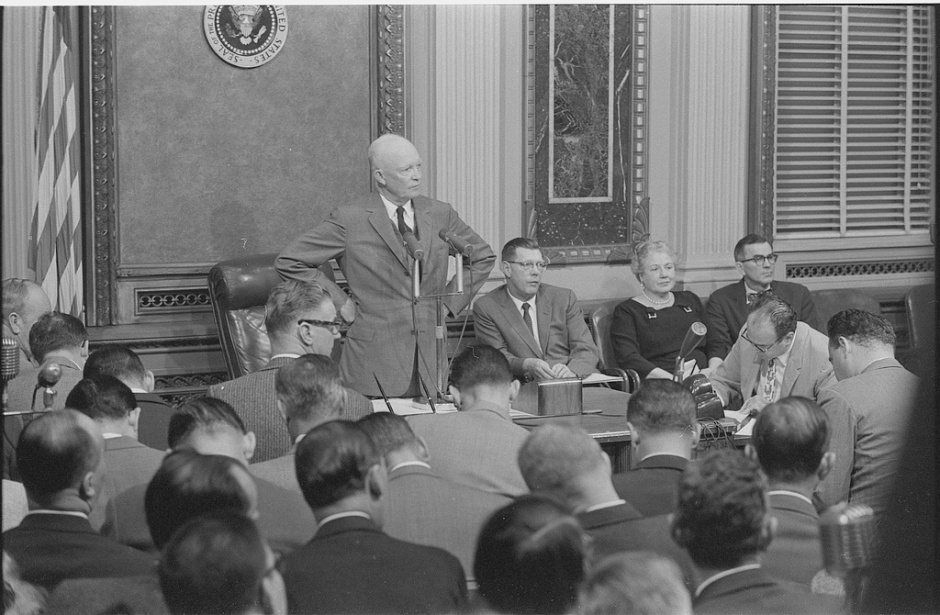
The Supreme Court’s groundbreaking 1954 ruling on school integration – Brown vs. Board of Education – was a turning point in educational equality.  The court ruled unanimously that state laws allowing the separation of children in public schools on the basis of race was unconstitutional.   This landmark decision was handed down not long after Eisenhower was elected president.  He had already been on record urging advocates of desegregation to go slowly, and said he sympathized with white southerners who saw the movement as a threat to their way of life.  So Ike gave the high court’s ruling only tepid support: “The Supreme Court has spoken, and I am sworn to uphold the constitutional process in this country; I will obey.”  

Soldiers escorting African American students from Central High School, 1957

Despite his reticence, however, Eisenhower was reluctantly thrown into the civil rights controversy in 1957, when white mobs prevented the desegregation of Central High School.  Arkansas Governor Orval Faubus saw political advantages in using the National Guard to block the entry of African American students to Central High. After meeting with Eisenhower, Faubus promised to allow the students to enroll—but then withdrew the National Guard, allowing a violent mob to surround the school. In response, Eisenhower dispatched federal troops, the first time since Reconstruction that a president had sent military forces into the South to enforce federal law.

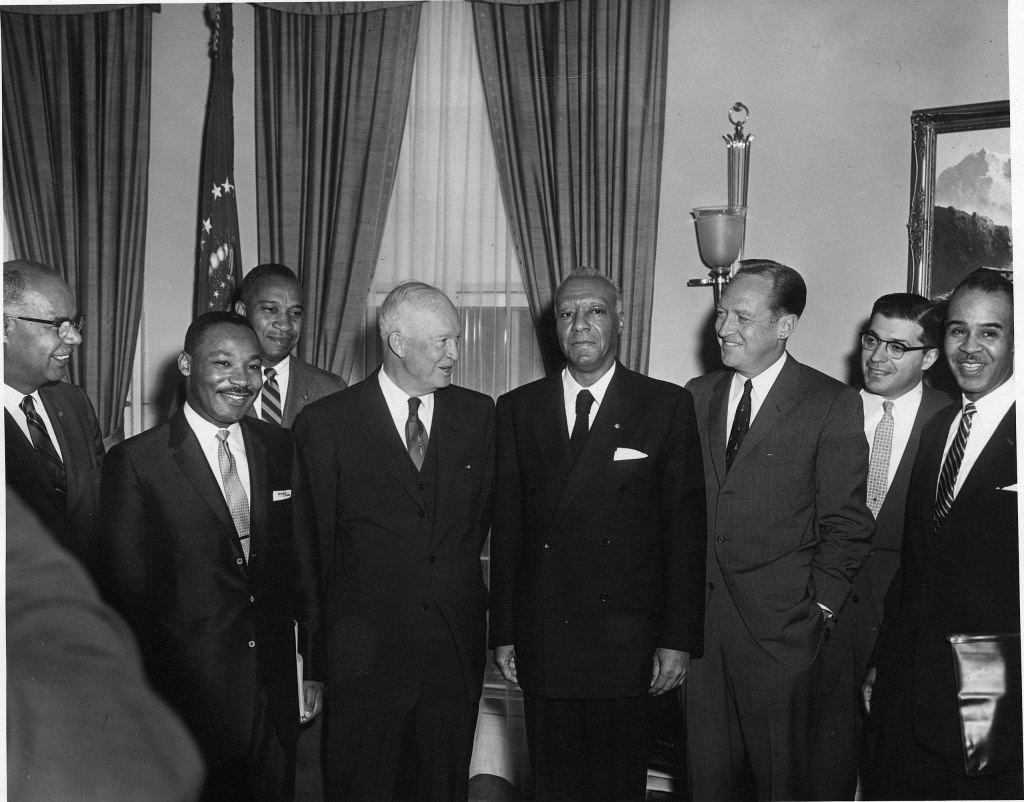
President Eisenhower with civil rights leaders, 1958

As complex as Eisenhower’s civil rights record is, there is no denying he played an important role in the desegregation of America’s public schools.  For a more in-depth look at this chapter of the struggle for equality, be sure to visit Little Rock Central High School National Historic Site.

Get Involved at a National Park!

Are you a fan of national parks?  Beyond just paying them a visit, do you want to get more involved in their events and activities?  Then National Park Week is for you!!

In August of 1991, the very first National Park Week was established to honor the National Park Service’s 75th anniversary. Since then, it has been celebrated in April alongside Earth Day. This year, National Park Week is April 20-28, and each day is themed around a unique aspect of the national parks.

April 20 – Discovery/ Park Rx Day

To kick off the week and also encourage people to discover a new park, entrance fees at all national parks are waived on April 20!

It is also Park Rx Day, focusing on the connection between the health of people, the health of parks, and the health of our planet.

If you are in Missouri, we highly recommend attempting the NPS Wellness Challenge. All seven of the national park sites in Missouri offer challenges in three categories that visitors can complete: mental, physical, and learning. If you complete a challenge, you can earn a Wellness Challenge Badge!

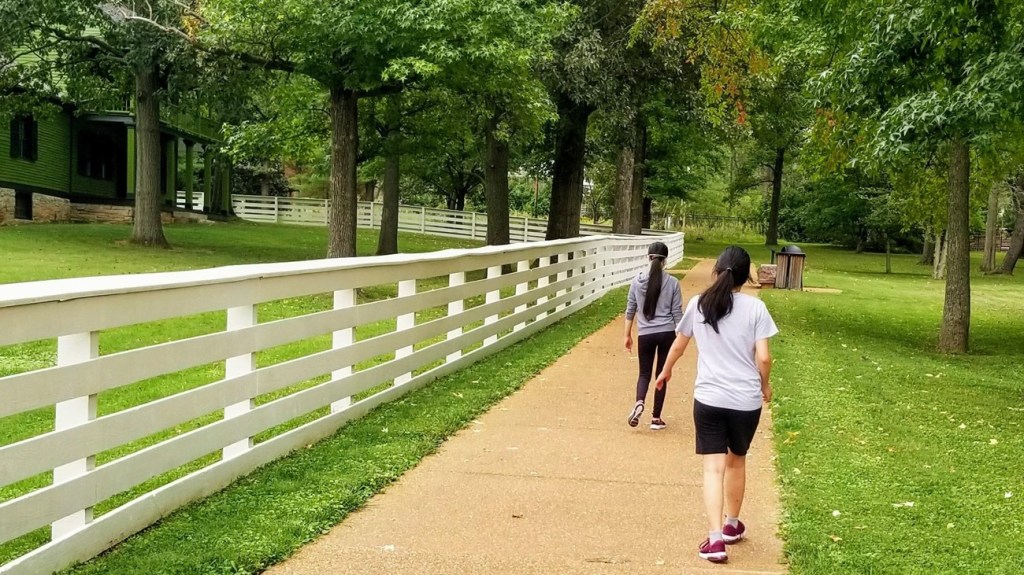
Visitors take a walk through history as part of the NPS Wellness Challenge at Ulysses S. Grant National Historic Site. Credit: NPS

April 21 – Volunteers

Have you ever wanted to volunteer at a national park but either lived too far away or could not find activities that fit your schedule? Now you can volunteer VIRTUALLY as a citizen archivist! Ahead of the upcoming 250th anniversary of American Independence, the National Archives and Records Administration is collaborating with the National Park Service to have volunteers transcribe Revolutionary War Pension Records. These records hold incredible, untold stories of the American Revolution, and once transcribed, will be a permanent contribution to our country’s historical record.

Want to get outside to volunteer? Gateway Arch National Park is having its first ever BioBlitz on April 28. Volunteers will use the iNaturalist app to document various types of wildlife found in the park.

April 22 – Earth Day

On Earth Day, you can join an event at a park near you, or you can learn about all the great ways to practice conservation at home. By taking a few small steps, you can do your part to help protect pollinators, birds, bats, oceans, and even our night skies!

April 23 – Innovation

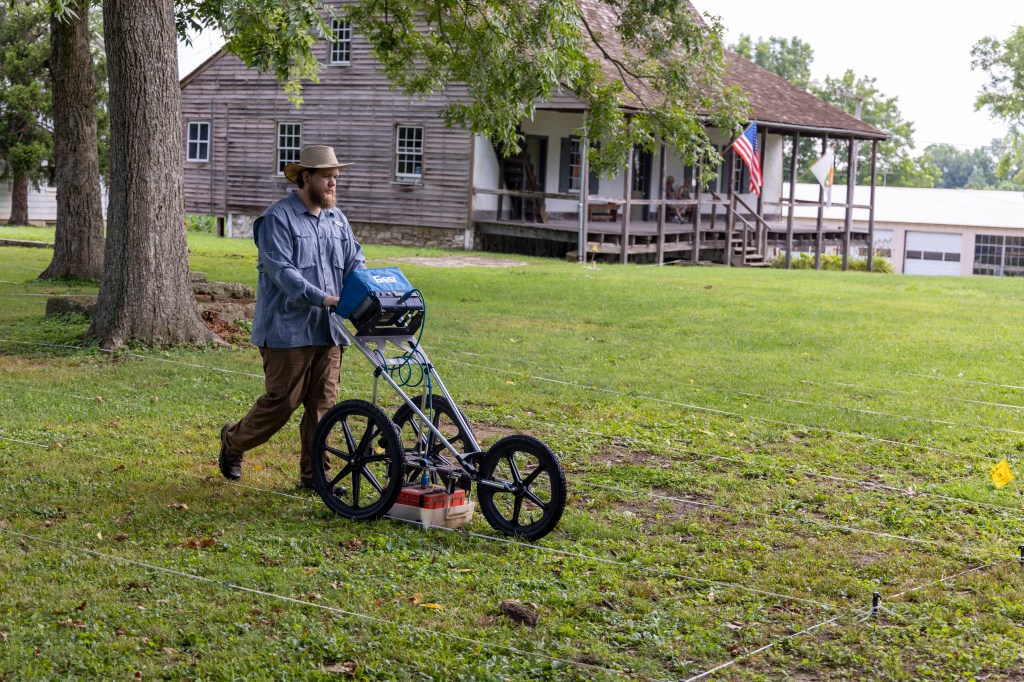
National Park sites are full of innovative ideas, programs, and technology. For Innovation Day, check out a few of our past blog posts about innovation in some of our partner parks:

Archeological exploration at Ste. Geneviève National Historical Park. Credit: NPS

April 24 – Workforce Wednesday

On April 24, the National Park Service is hosting a special virtual event, “Then/Now/Tomorrow: Empowering Our Future Conservation and Climate Stewards.” This is a great opportunity for teens and young adults to learn about volunteer and career opportunities in parks!

April 25 – Youth Engagement

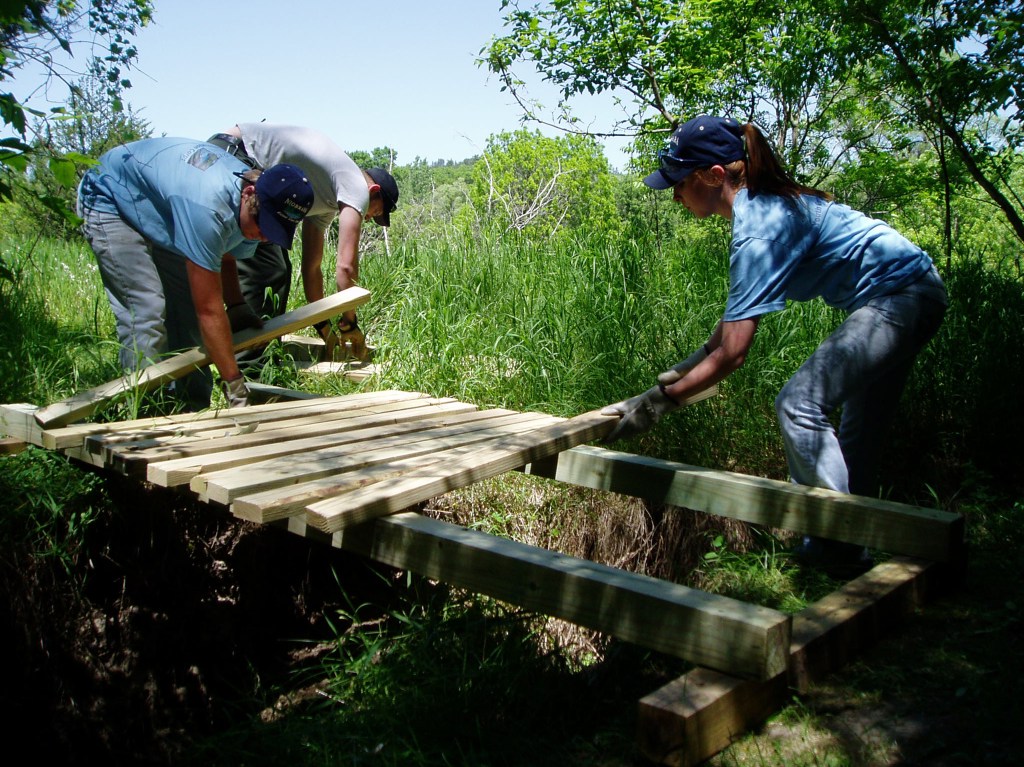
After joining the webinar on Workforce Wednesday, young people between the ages of 15 and 18 can take the next step on their National Park Journey by researching and applying for opportunities with the Youth Conservation Corps! One of our partner parks, Voyageurs National Park, even has an upcoming opportunity May 13 – June 13 for Corps members to repair boardwalks and complete trail maintenance in the park.

Youth Conservation Corps installing a bridge at Niobrara National Scenic River. Credit: NPS

April 26 – Community Connections

Did you know that the National Park Service’s work does not stop at a park’s boundary? Every day, parks across the country partner with their surrounding communities to expand their mission of conserving the natural and cultural resources of our country for the “enjoyment, education, and inspiration of this and future generations.” A few notable examples in the JNPA network of sites include:

Crosby Farm at Mississippi National River and Recreation Area. Credit: NPS

April 27 – Junior Ranger Day

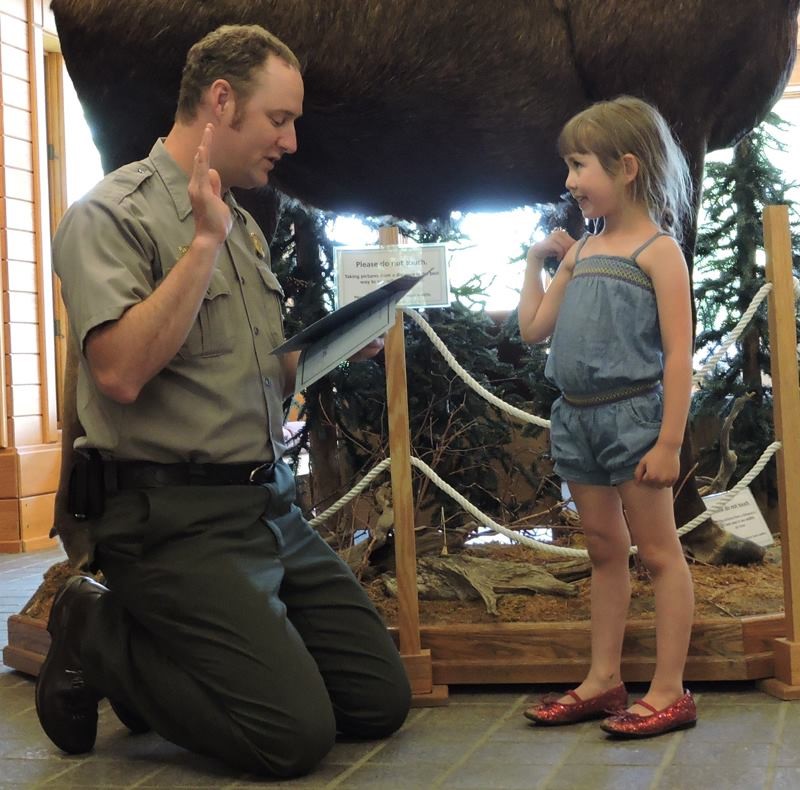
“Explore. Learn. Protect.” This is the motto of the NPS Junior Ranger program, an activity-based program to help kids of all ages learn about parks. On Junior Ranger Day, a variety of special events will be hosted at parks across the country, including Mississippi National River and Recreation Area, Ste. Geneviève National Historical Park, and Ulysses S. Grant National Historic Site.

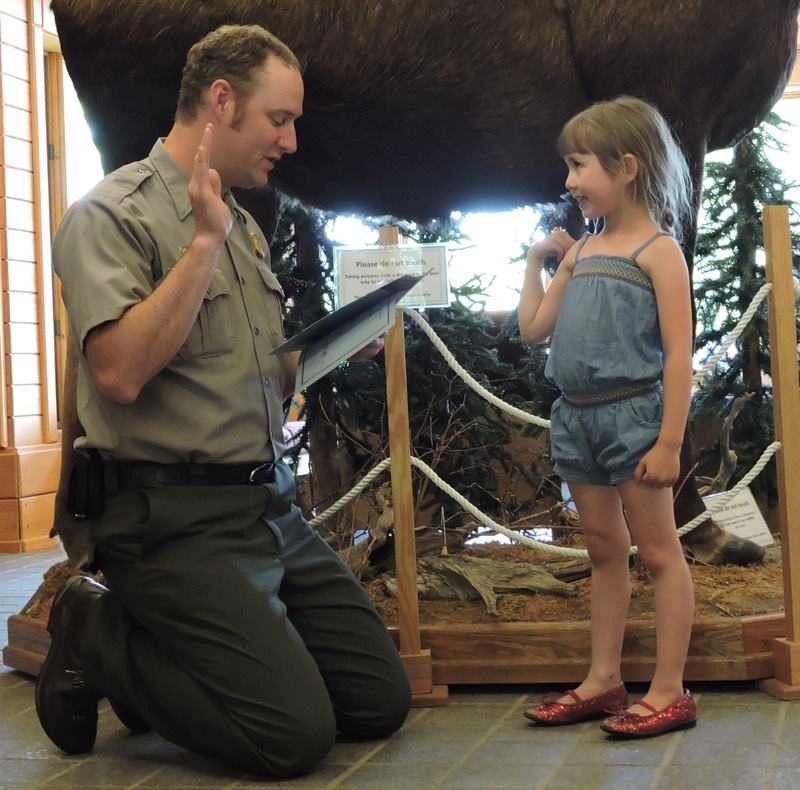
Swearing in a Junior Ranger at Voyageurs National Park   Credit: NPS

April 28 – Arts in the Parks

When you think of national parks, art may not be the first thing that comes to mind. However, all five of the “fine arts” play an important role at national park sites.

  • Painting – Beginning in the 1800’s, beautiful landscapes of the American West were captured by the painters of the Hudson River School. These paintings helped inspire support for the creation of the national parks. This tradition continues today with the NPS Artist-in-Residence program.
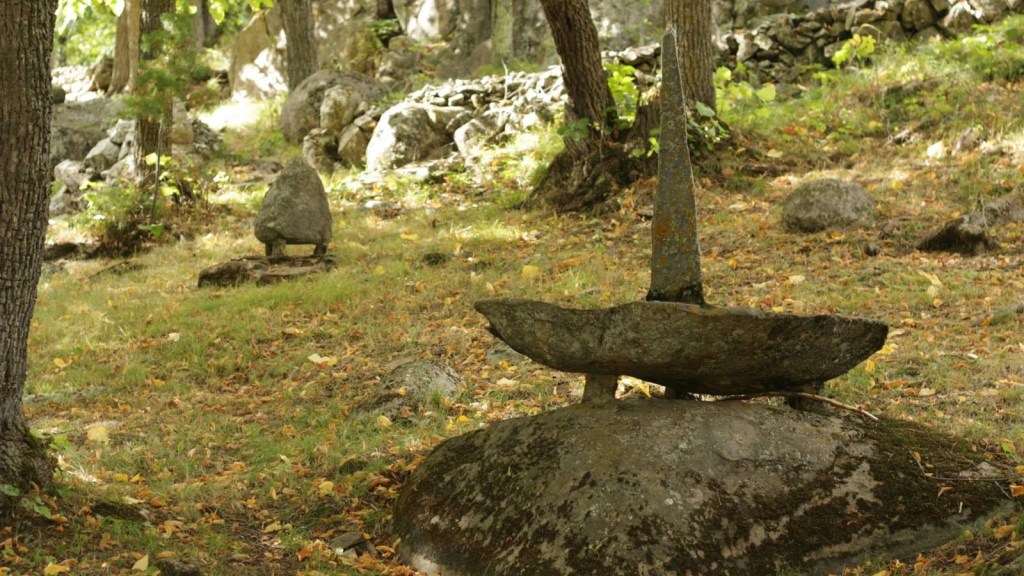
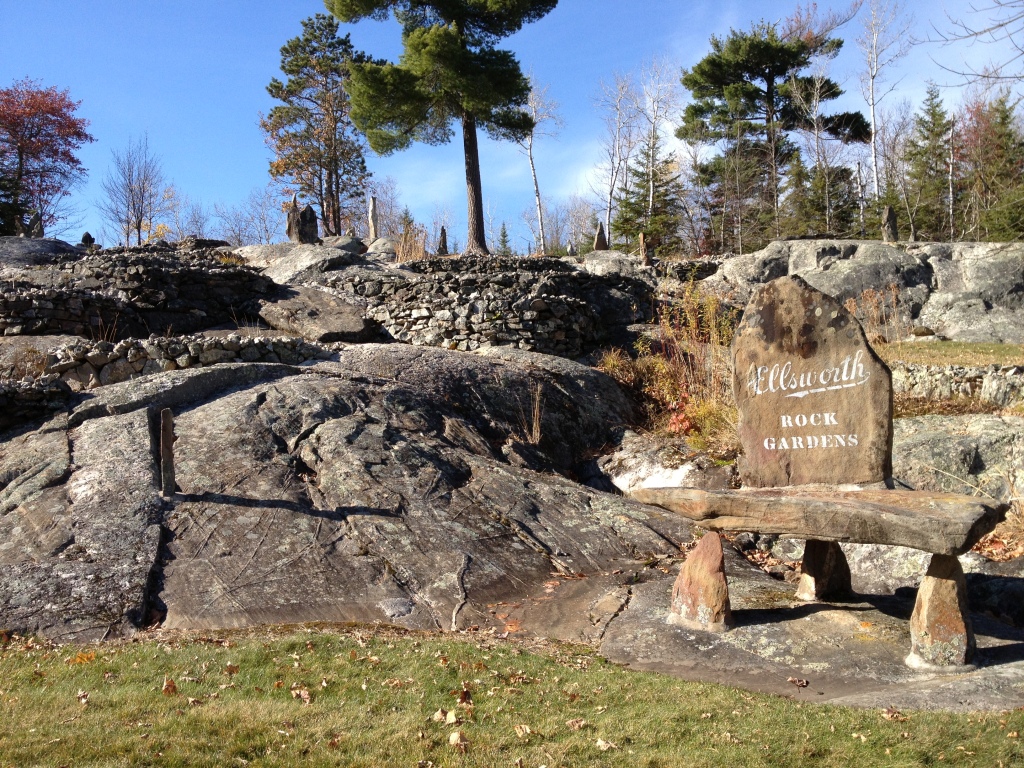
  • Sculpture – The Ellsworth Rock Gardens at Voyageurs National Park is home to over 200 abstract rock sculptures.
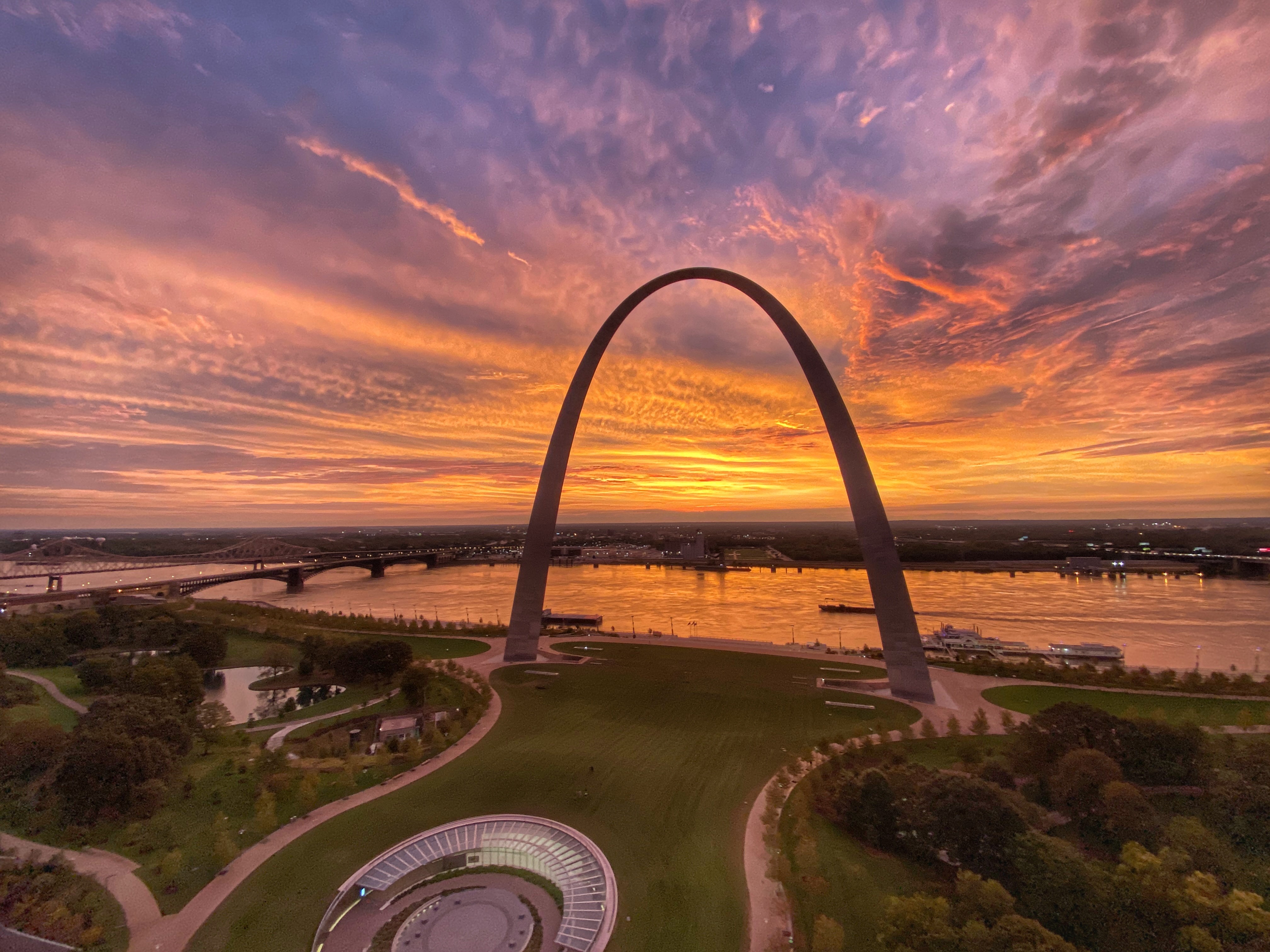
  • Architecture– Standing at 630 ft, one of the most iconic architectural marvels in the National Park Service is the Gateway Arch.
  • Music – Little Rock Central High School National Historic Site, Oxford American, and composers Christopher Parker and Kelley Hurt partnered to create a musical tribute to the Little Rock Nine, a jazz composition entitled “The No Tears Suite.”
  • Poetry – A new initiative this year is “Poetry in Parks.” U.S. National Poet Laureate Ada Limón selected historic American poems which will be displayed as public works of art on picnic tables in seven national parks. The installations will be unveiled throughout the summer and fall.
Rock sculptures at Ellsworth Rock Gardens/Voyageurs National Park. Credit: NPS

No matter what theme speaks to you, no matter how old you are, no matter if you visit in person or virtually, go to a national park next week!

Let’s Get Crafty!

When the days get shorter and the weather gets colder, families can start to get cabin fever.  If you and your loved ones are looking for fun activities, we’ve got you covered! Lucky for national park enthusiasts, there are several activities inspired by our favorite parks that can help pass the time during the long winter months.

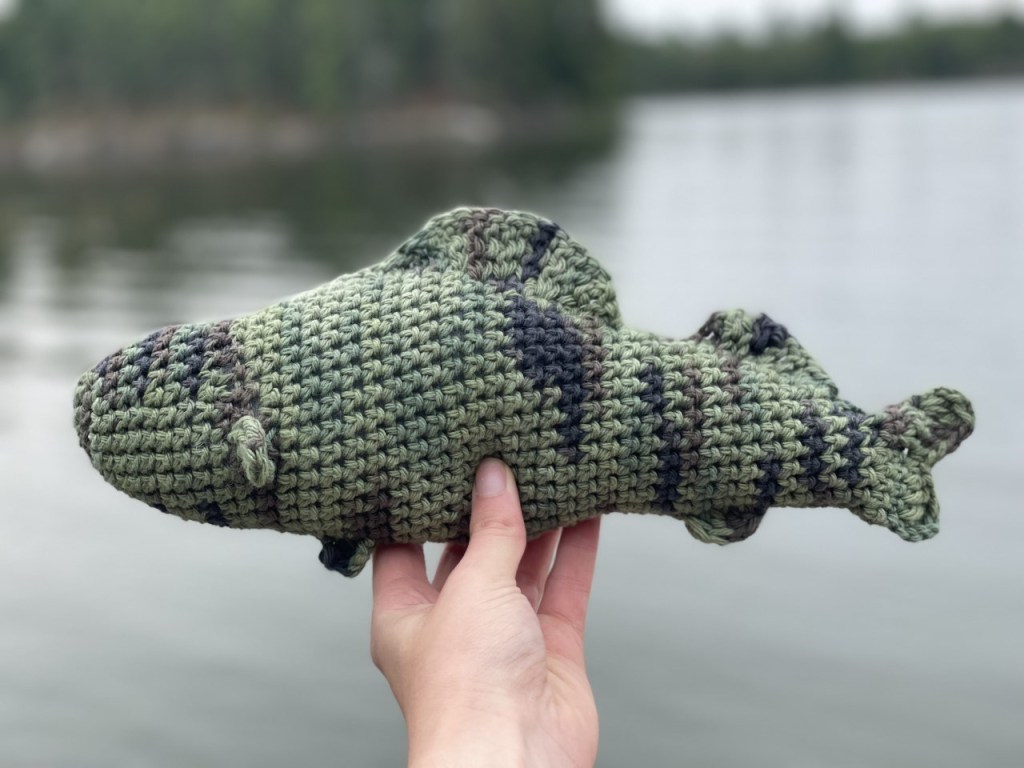
Crochet a Walleye

Voyageurs National Park has 54 species of fish that can be found in the park’s aquatic habitats! Walleyes are some of the most popular, and you can make a cute, cuddly one for yourself. This activity is great for both older kids and adults. If you are new to crocheting, this is a great pattern to try, since it is on the simpler side. Click here to view the instructions.
Credit: NPS

Make a Telescope

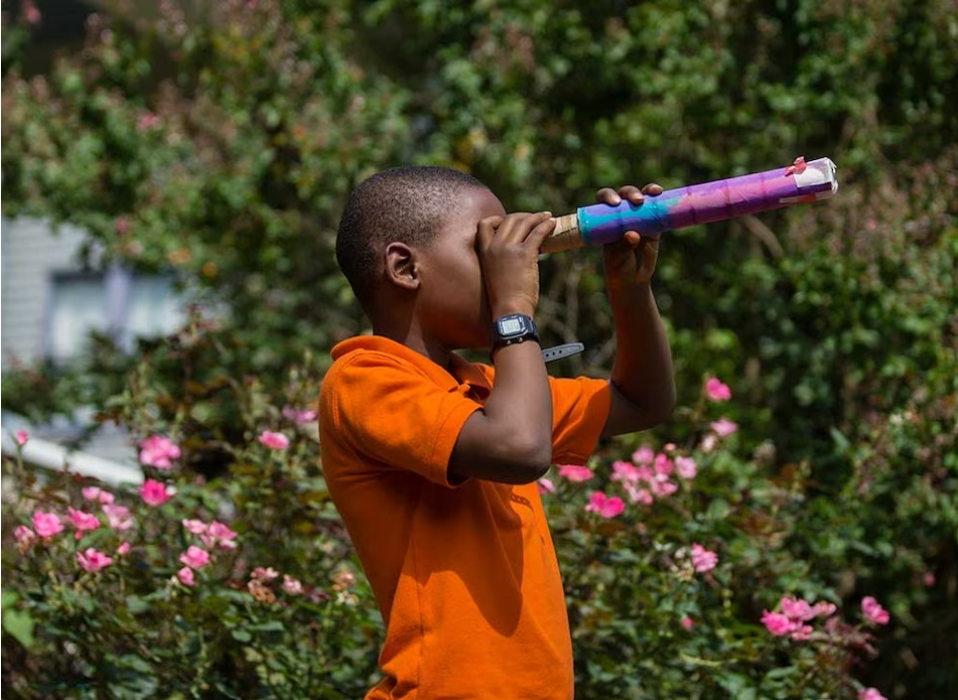
On May 14, Lewis and Clark’s Corps of Discovery embarked from St. Louis, MO on an expedition to find a route to the Pacific Ocean. This expedition has been commemorated by many public lands sites along the route they journeyed, including Gateway Arch National Park and the Lewis and Clark Visitor Center at Gavin’s Point Dam. While the kids in your life are cooped up indoors, you can make these working telescopes and go on your own pretend expedition. Since the telescopes are actually functional, you can also use them to view the winter landscape and wildlife out your window! Click here to view the instructions.
Credit: National Geographic Kids

Bake an Old-Fashioned Apple Pie

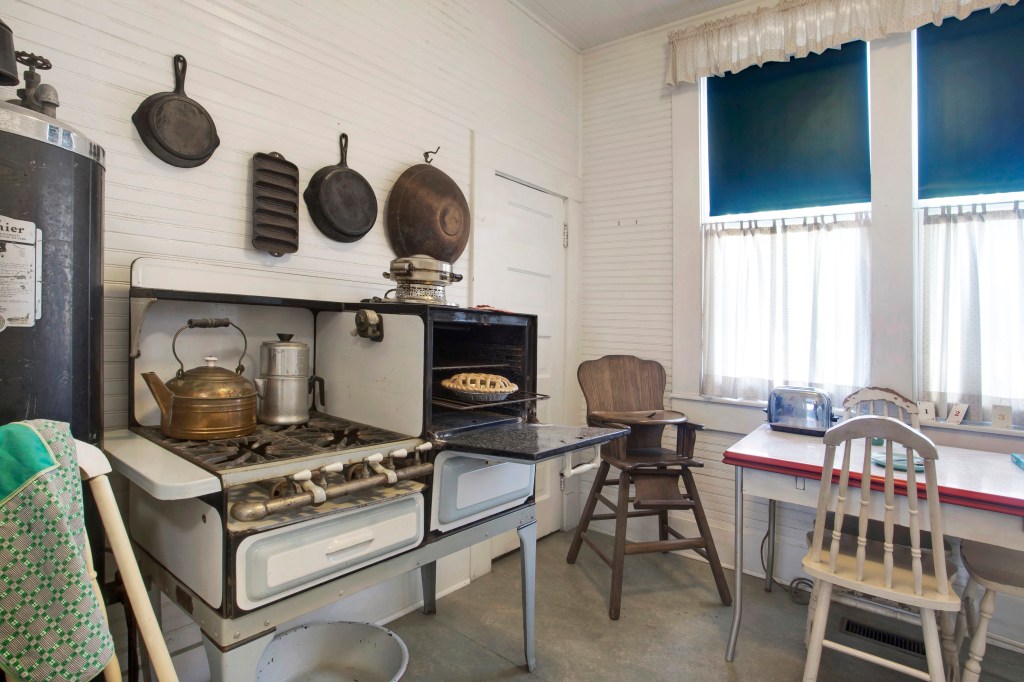
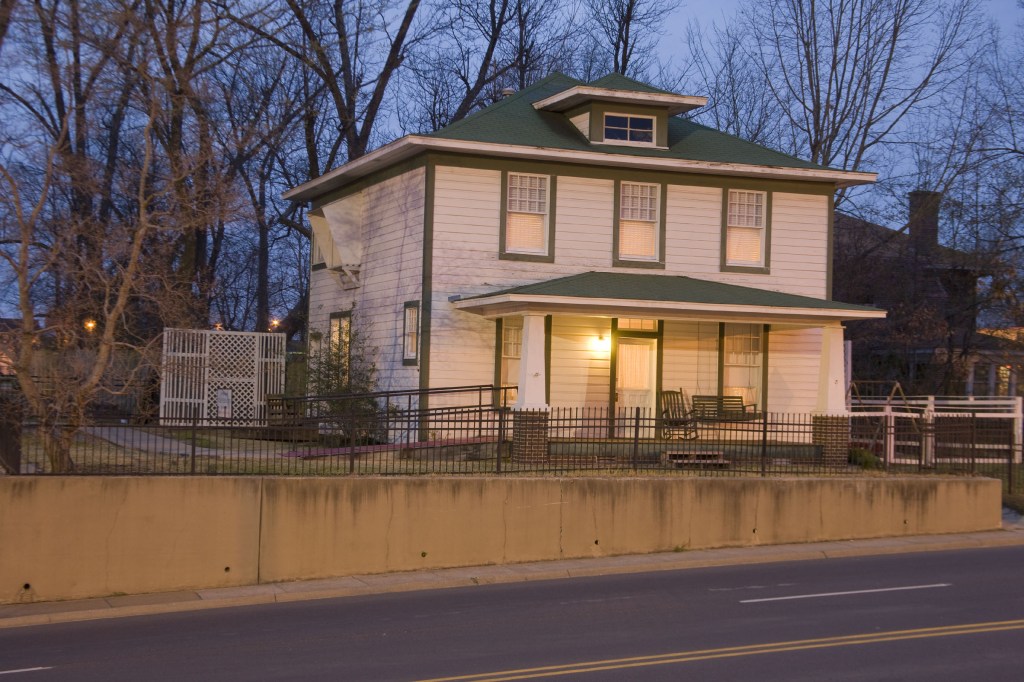
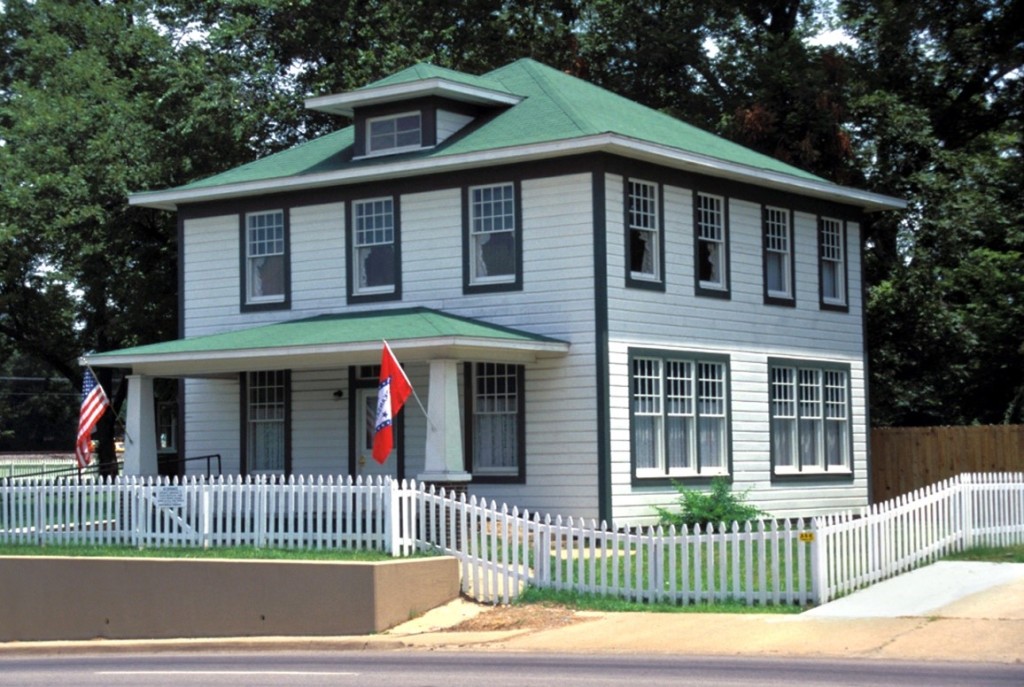
One of visitors’ favorite rooms at President William Jefferson Clinton Birthplace Home National Historic Site is the quaint 1940s-era kitchen, which is fitted out to look as it did when President Clinton lived in the home as a child. It is easy to imagine the family enjoying many warm meals in the modest home, including a nice pie like the one on display. If you want to recreate that same cozy feeling, try baking a delicious old-fashioned apple pie. You can serve it warm on a chilly day or make it à la mode with some vanilla ice cream! Click here to view the instructions.

William Jefferson Clinton Birthplace Home National Historic Site

Weave a Diversity Heart

On September 23, 1957, nine African American teenagers entered Little Rock Central High School, defying an angry mob of adults protesting the desegregation of the school. Today, Little Rock Central High School National Historic Site commemorates the story of those brave students as well as the broader civil rights movement in the United States. It is vital that we learn about and remember the struggles in our nation’s history.

If you’d like to help a young person learn to respect people with all shades of skin color, we have a fun craft for you – create a diversity heart. This charming activity was created for classroom students but it’s easy to do at home and doesn’t require many materials.  Once it’s complete, it can display the many different skin tones we see in the world, including yours!  Just follow the step-by-step instructions here.

Credit: Teach Starter

Create a Stuffed Horse

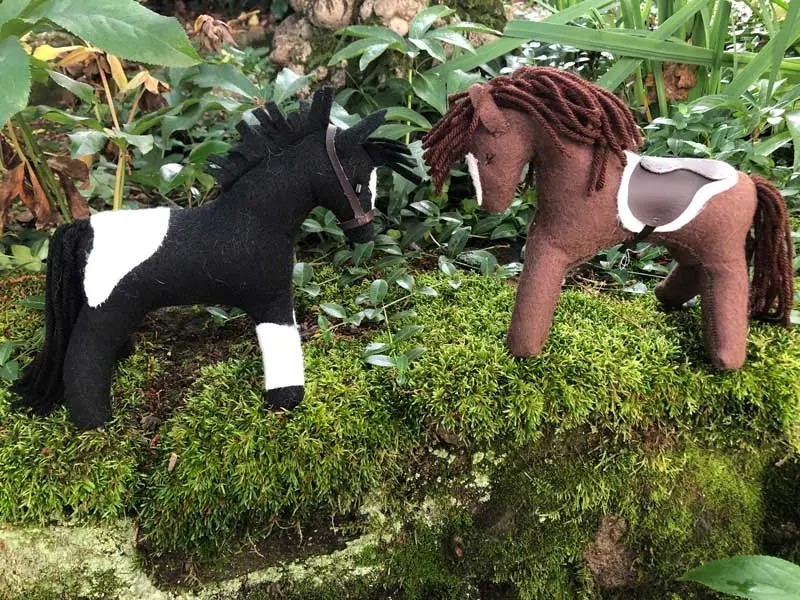
Fans of Ulysses S. Grant probably know the former U.S. president was a superb horseman who kept a number of horses while he lived at White Haven.  How about creating a little horse of your own?  Younger kids will probably need help making this unique little craft, but the teamwork will be half the fun!

You’ll find complete instructions on making your stuffed horse here.

Credit: Allpony

Make a Whirligig

Kids have always played with toys, but a few hundred years ago there were no stores or websites that sold toys.  So what did a child play with when growing up in French Colonial America, like in Ste. Geneviève, Missouri?  They created their own toys!

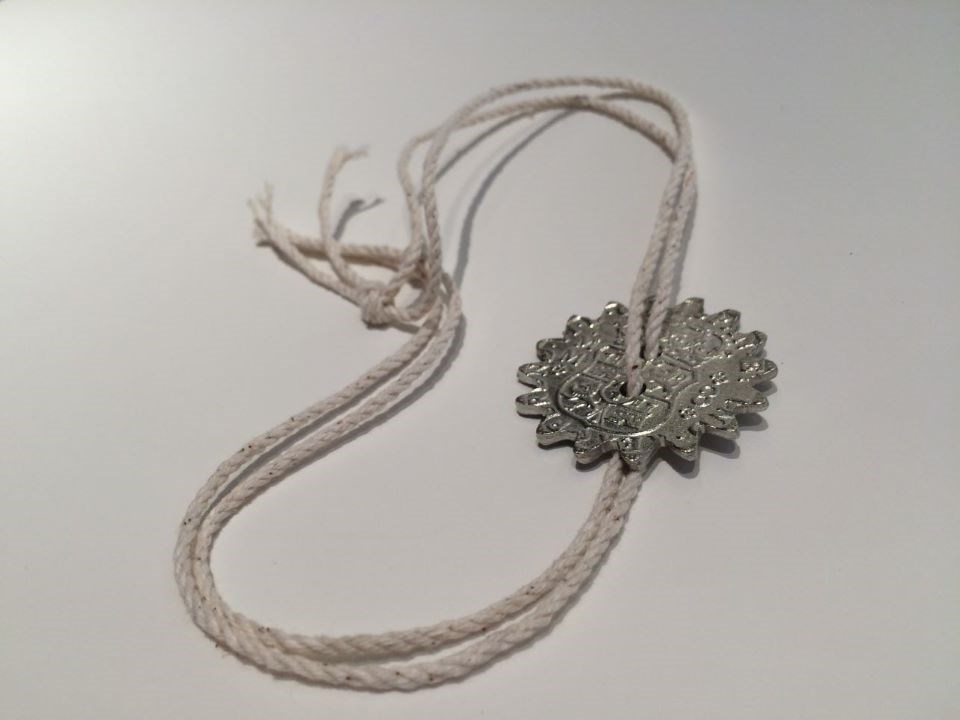
A whirligig was a favorite among 18th century children.  This little spinning toy was easy to make from just a few common materials, such as buttons, worn out coins, or hammered musket balls. It was almost as much fun to make as it was to play with. 

Want to make your own paper whirligig?  Check out these simple instructions.  The more you decorate it, the better it looks!

Credit: NPS

Don’t “Pass” This Up!

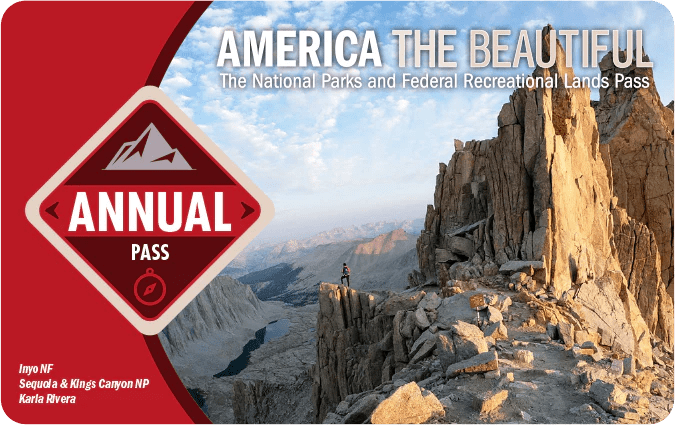
Now that summer is in full swing, you’re probably making vacation plans. If a national park is on your travel agenda, we have a suggestion you won’t want to pass up:  buy an America the Beautiful Pass

This $80 annual pass entitles you and three guests to free access to more than 2,000 public sites managed by five federal agencies for an unlimited number of visits during the year.  And since some national parks charge up to $20 per person or $35 per vehicle, these savings can add up.  What’s more, the proceeds from the purchase of each pass are dedicated to improving and enhancing visitor experiences at these federal recreation sites.

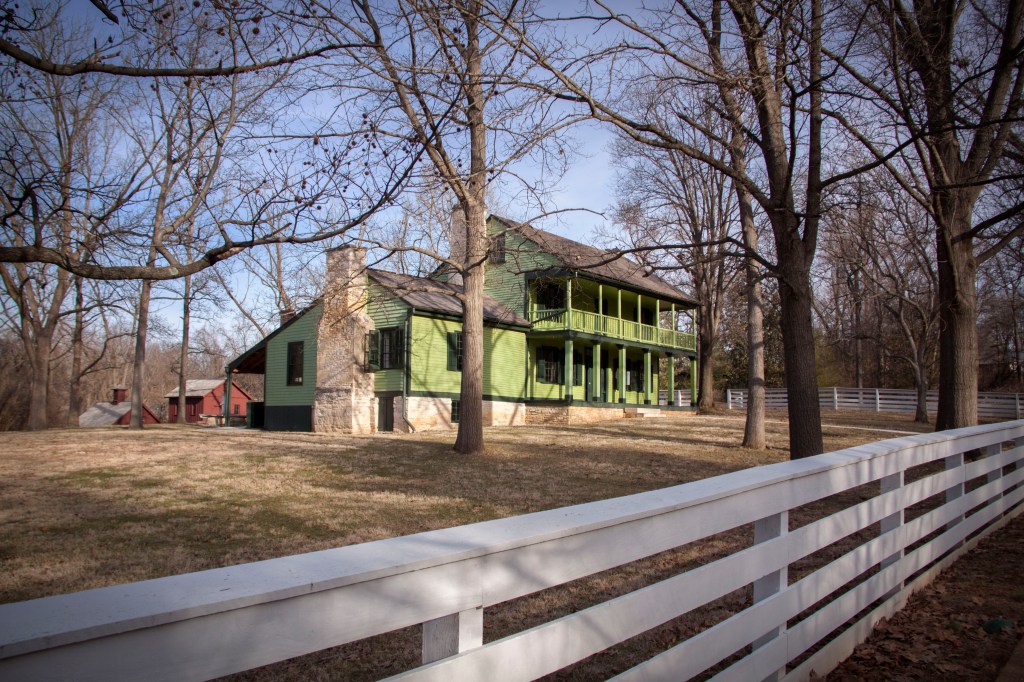
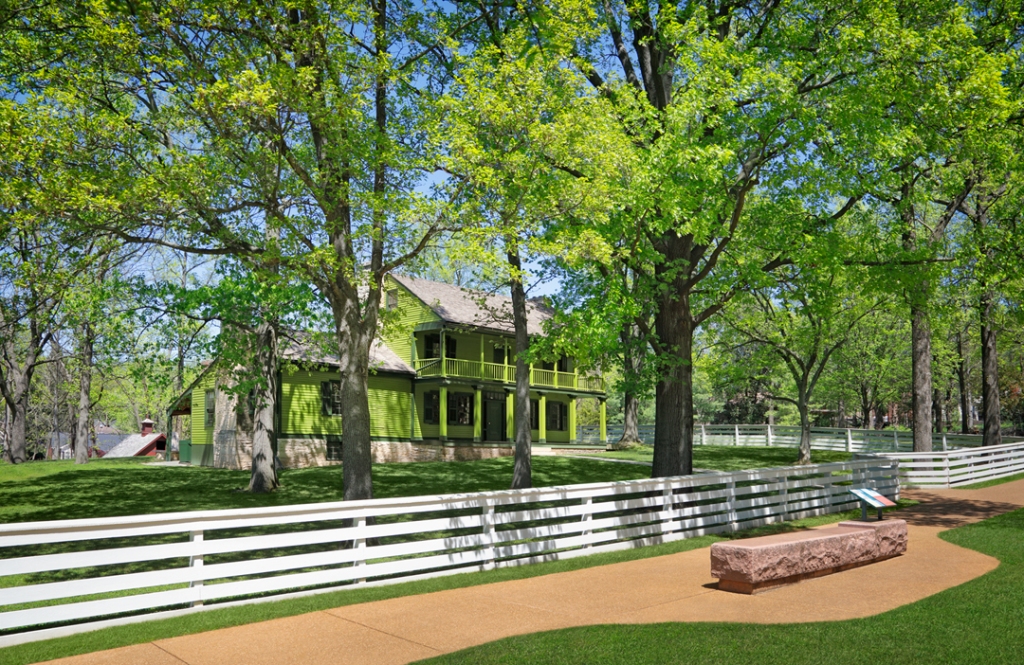
Ulysses S. Grant National Historic Site. Credit: NPS/David Newmann

Beyond the regular annual park pass, there are other options for certain groups: 

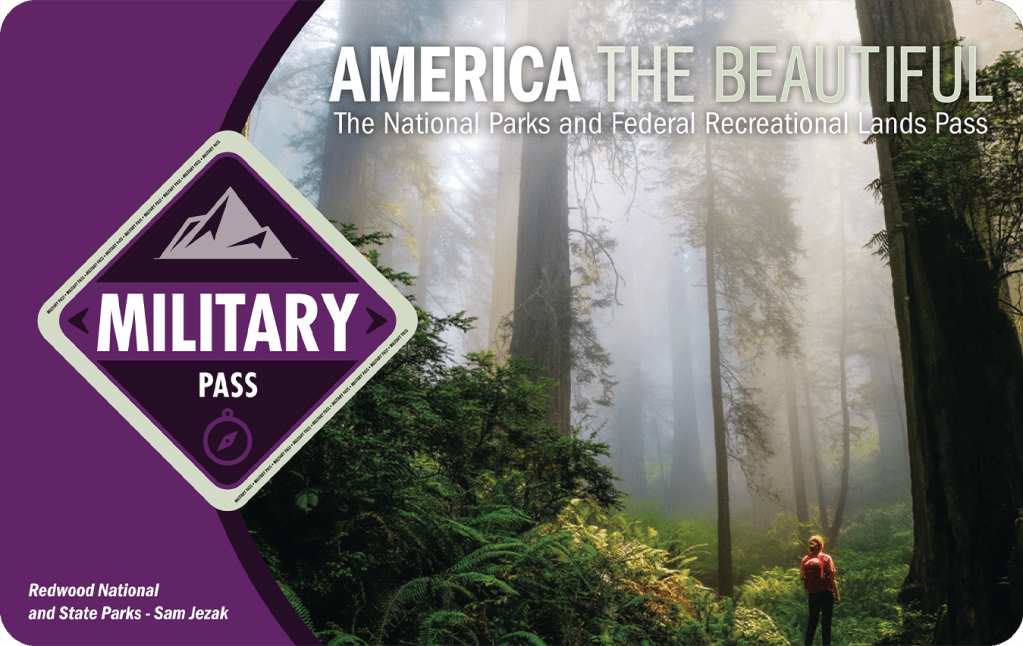
  • Members of the military and their dependents qualify for a free annual Military Pass;
  • Gold Star families and Veterans can receive a free lifetime Military Pass;
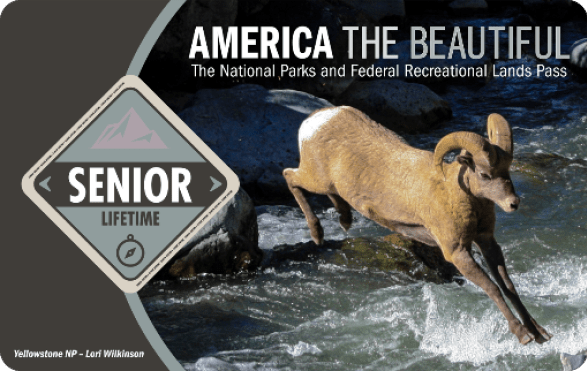
  • Those who are ages 62 and up can purchase a $20 annual Senior Pass or an $80 lifetime Senior Pass;
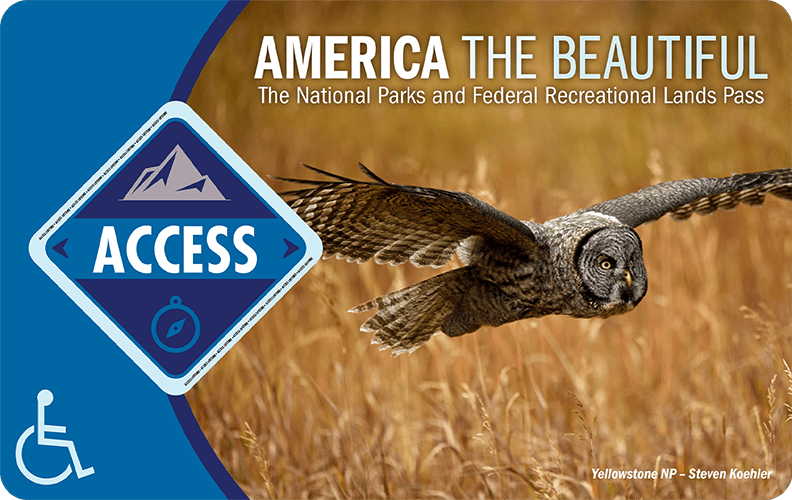
  • Those who have a permanent disability can qualify for a free lifetime Access Pass, regardless of their age.
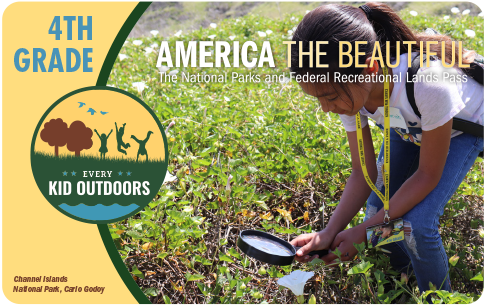
  • Children in 4th grade and their educators can take advantage of a free Every Kid Outdoors Annual 4th Grade Pass.
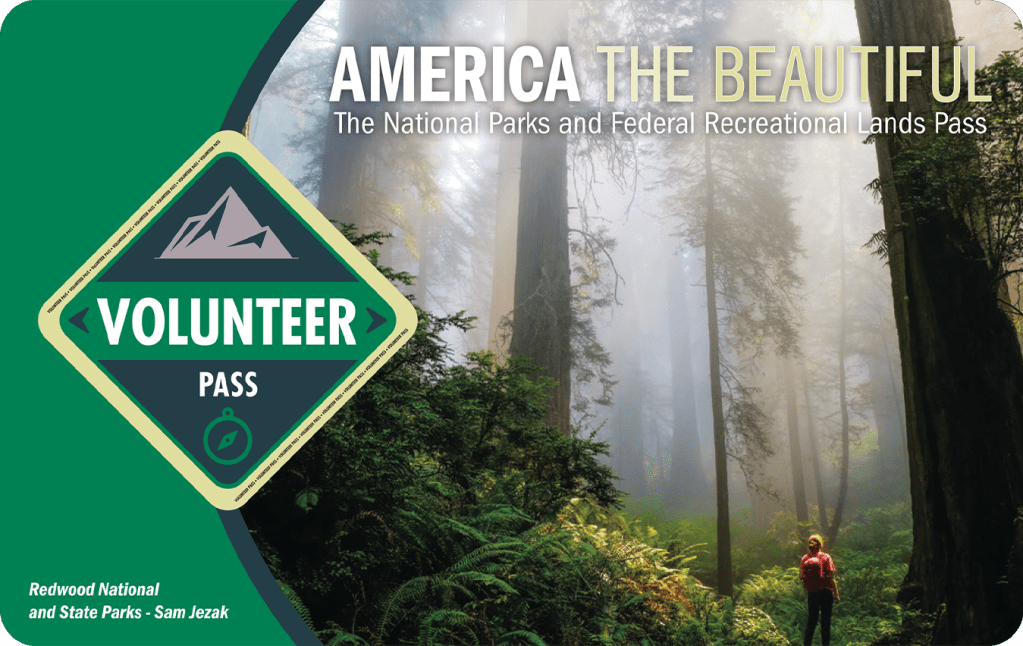
  • Those who volunteer for a federal recreation site for more than 250 hours are entitled to a one-year Volunteer Pass.

Where can you get one of these park passes?  If your vacation is more than two weeks away, you’ll have time to order your passes online and have them mailed to you (there’s a $10 processing fee for online orders).  But if you’re travelling sooner, you’ll want to buy your passes at one of more than 1,000 recreation sites managed by the National Park Service, Bureau of Land Management, U.S. Fish and Wildlife Service, U.S. Forest Service, and the U.S. Army Corps of Engineers.  To find one near you, go here.

Clinton Birthplace Home National Historic Site

A number of JNPA partner parks sell passes at their visitor centers:  Gateway Arch National Park, Ulysses S. Grant National Historic Site, Little Rock Central High School National Historic Site, Clinton Birthplace Home National Historic Site, and Lewis & Clark Visitor Center.

Enjoy your summer travels!

Three Trip Ideas for Your Three-Day Weekend

Feel like hitting the road?  Check out our suggestions for a few fun weekend adventures.

Trip 1- St. Louis

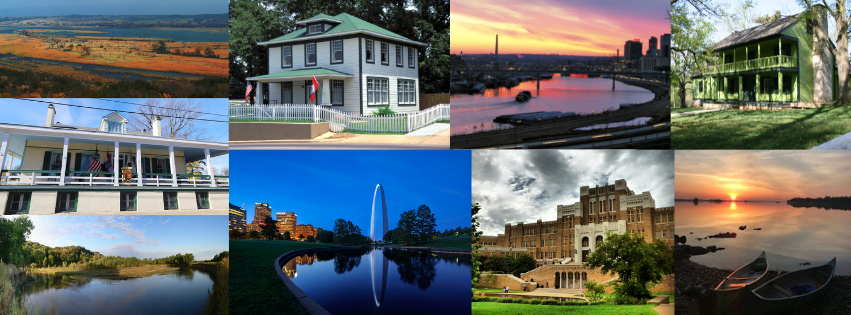
Day 1– Let’s start this trip with St. Louis’ own iconic Gateway Arch! Your first stop will be the museum at Gateway Arch National Park, where you will learn all about the history of St. Louis, westward expansion, and the unique architecture contest which resulted in the construction of the Arch. Next, catch a showing of the documentary film Monument to the Dream followed by a tram ride to the top of the Arch. At 630 feet high, you can’t beat those views! For lunch, you can grab a bite at the Arch Café, have a picnic on the beautiful park grounds, or go check out the restaurants downtown. (St. Louis is known for its diverse food offerings.) In the afternoon, take a riverboat tour of the Mighty Mississippi before you  do some exploring of Downtown St. Louis. Catch a Cardinals baseball game, go for a stroll through Citygarden Sculpture Park, or take a tour of the National Blues Museum. For dinner, check out the restaurants and nightlife at Ballpark Village.

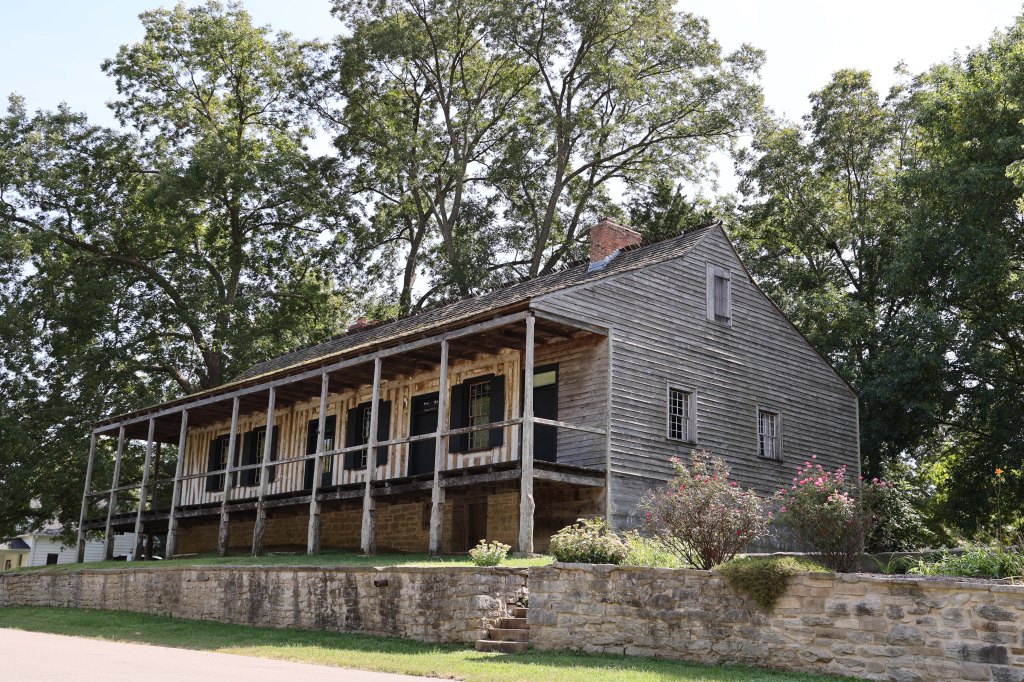
Day 2– Your main attraction for today will be Ulysses S. Grant National Historic Site in south St. Louis County. Check out the orientation film and take a self-guided tour of the park’s museum, housed in the historic 1872 horse stable that Grant himself designed.  Then embark on a guided tour of White Haven, the home where Ulysses S. Grant and his wife, Julia, fell in love and made their life together. Next, head to brunch or lunch at The Barn restaurant before taking a tour of the Thomas Sappington House Museum next door. When you’re done, make sure to take a stroll through Father Dickson Cemetery, one of the first public cemeteries for African Americans in St. Louis. For dinner, take your pick from the many wonderful restaurants in nearby Crestwood, Kirkwood, or Webster Groves.

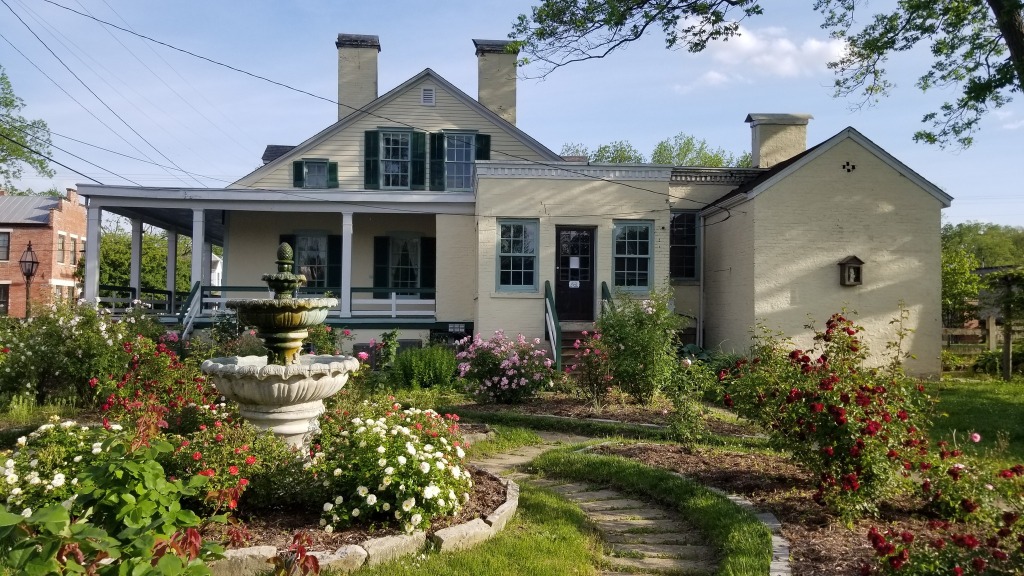
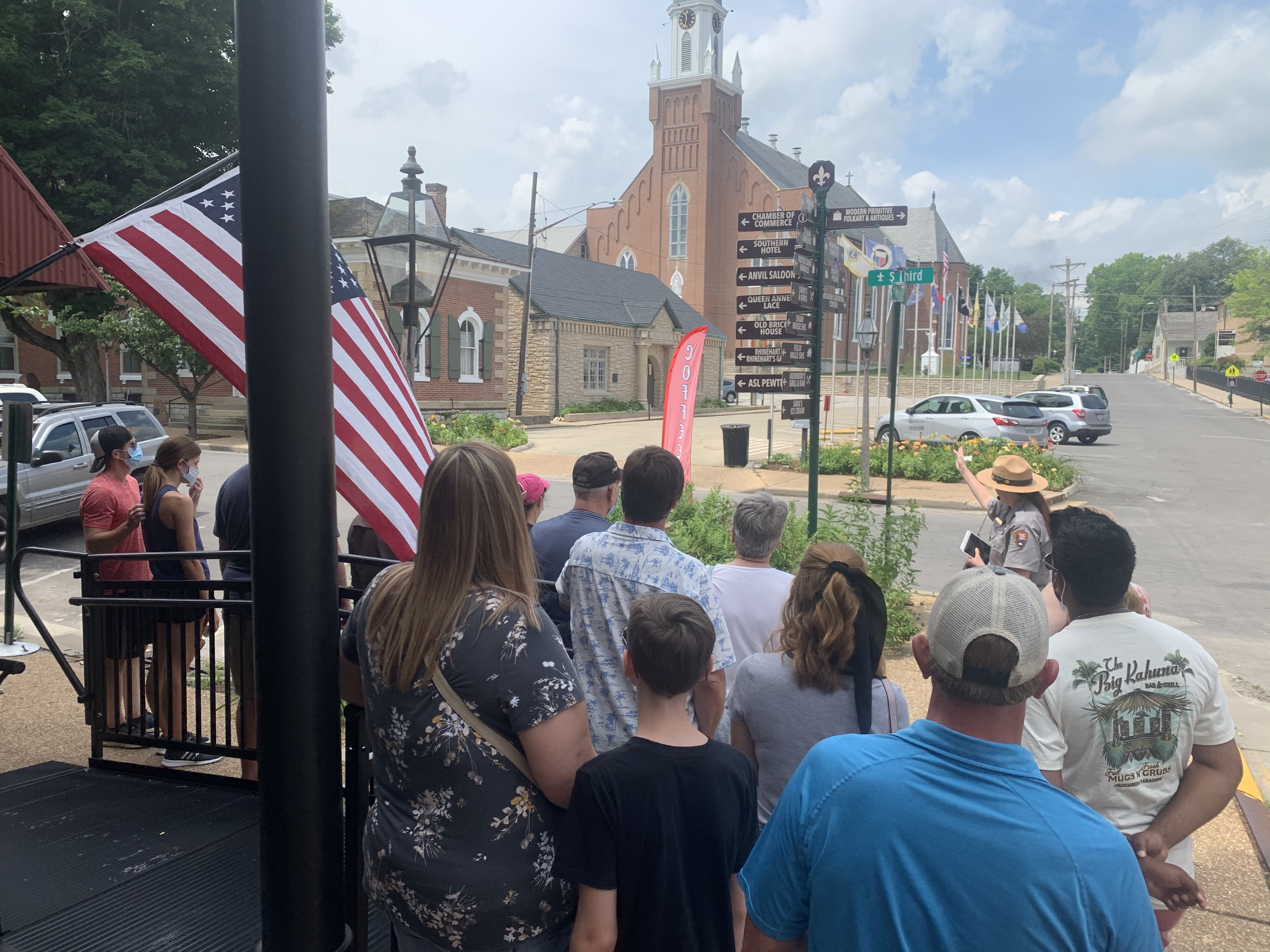
Day 3– On the final day of your weekend trip, you are going to head an hour south along the Mississippi to the beautiful Ste. Genevieve National Historical Park. This unique park is spread out across multiple buildings in the 18th century town of Ste. Genevieve. You can take ranger-led tours of the historic Green Tree Tavern and the Jean Baptiste Valle House. Next, you can wander through this picturesque small town and visit the multitude of shops, museums, and restaurants.  For dinner, visit one of the six wineries on the Route du Vin Wine Trail.


Trip 2- Arkansas

Day 1– Every good trip begins with a little hope, and for this trip, we are taking that literally! Your first stop is the President William Jefferson Clinton Birthplace Home National Historic Site in the quaint town of Hope, Arkansas. Stop by the park’s visitor center before taking a ranger-led tour of the home where our 42nd President was born. Next, head down the road for lunch at Tailgaters Burger Co. or one of the other local restaurants. In the afternoon, you can check out the Hope Visitor Center and Museum or the quirky Klipsch Museum of Audio History.

Credit: NPS/Calvin Smith

Day 2– About a 90-minute drive from Hope is the unique town of Hot Springs. One of the first “spa towns,” Hot Springs has a mix of historic architecture and natural beauty. Though Hot Springs National Park is not one of JNPA’s partner parks, we still don’t want you to miss this gem! Your first stop is the Fordyce Bathhouse Museum and Visitor Center to talk to a ranger and learn more about the history of the area. Next, you can check out historic Bathhouse Row or go for a hike on one of the park’s many miles of trails. For lunch, stop by the Superior Bathhouse Brewery, the only brewery located in a national park! In the afternoon and evening, go for a soak at one of the bathhouses, take another hike, or check out Downtown Hot Springs.

Day 3– Continuing northeast for an hour, this trip ends at the capital of Arkansas, the bustling city of Little Rock. At Little Rock Central High School National Historic Site, you will learn about the bravery of the Little Rock Nine and the rocky beginnings of the desegregation of America’s schools. Stop by the park’s visitor center first to view the exhibits and watch the interpretive film. Then, take a ranger-led tour of the school, which is still in use today. Ask the park rangers for a lunch recommendation before heading into the city to check out one of the many other cultural institutions.  Don’t forget to visit the State Capitol Building, which offers free guided tours. Animal enthusiasts may want to see the Little Rock Zoo, or art aficionados may enjoy the Arkansas Museum of Fine Arts. For an outstanding ending to your Arkansas vacation, check out one of the many local restaurants for dinner.


Trip 3- Northern Minnesota

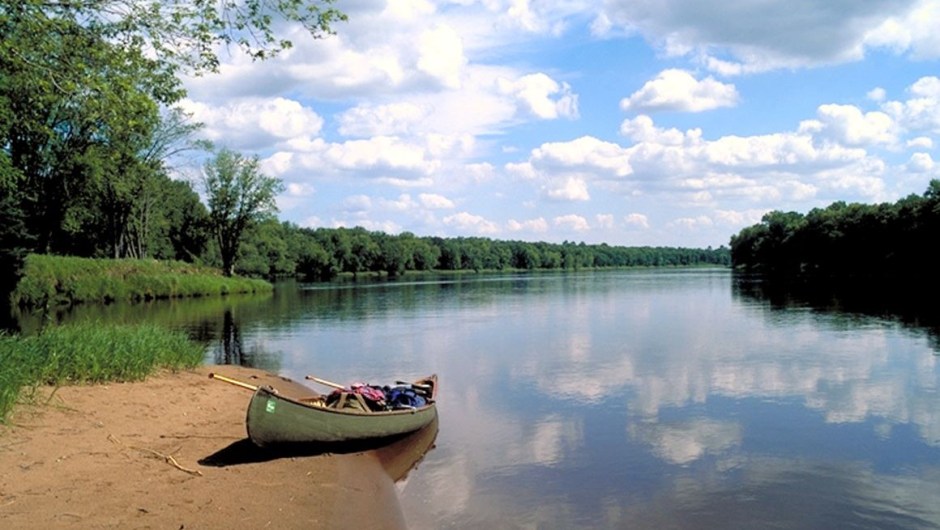
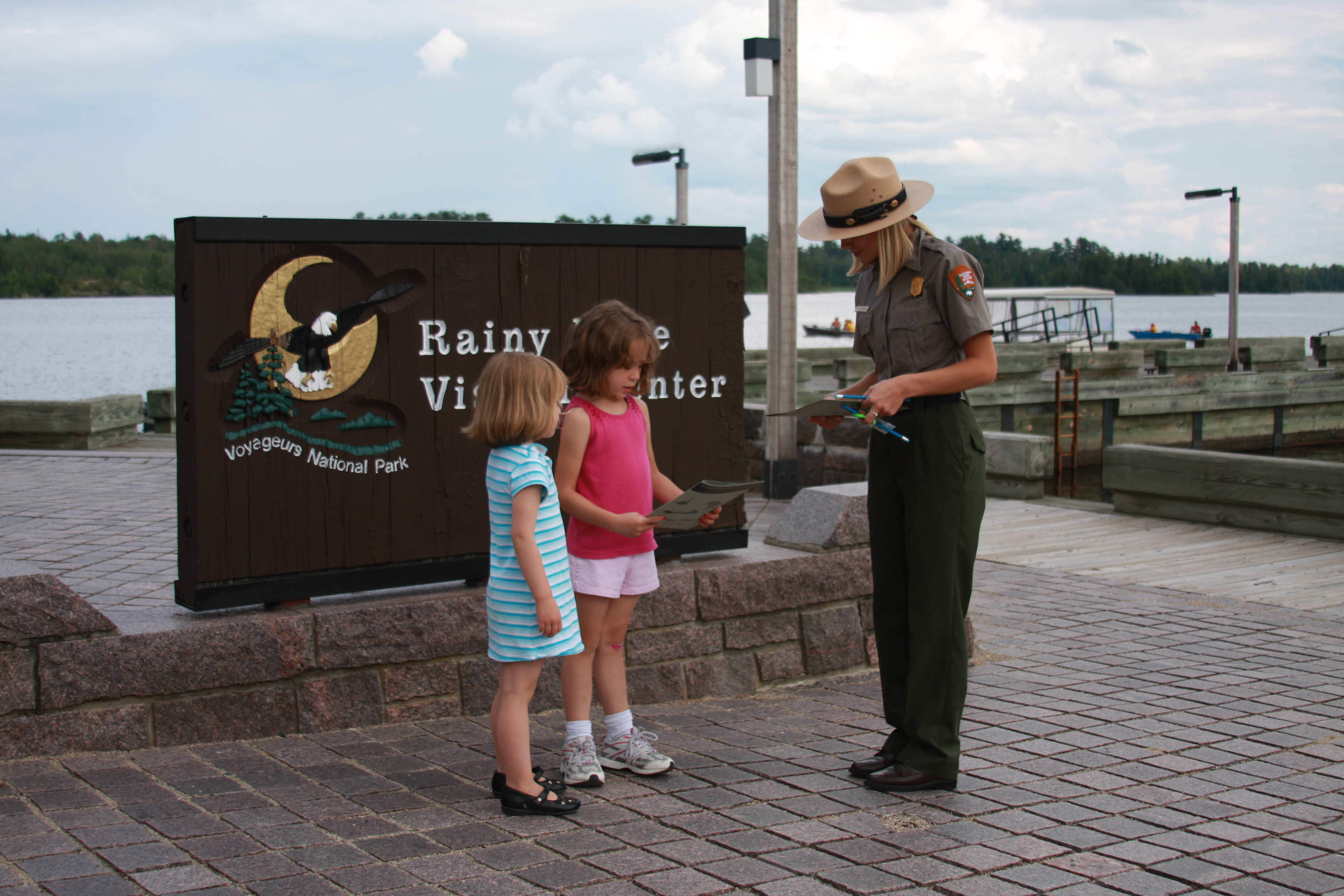
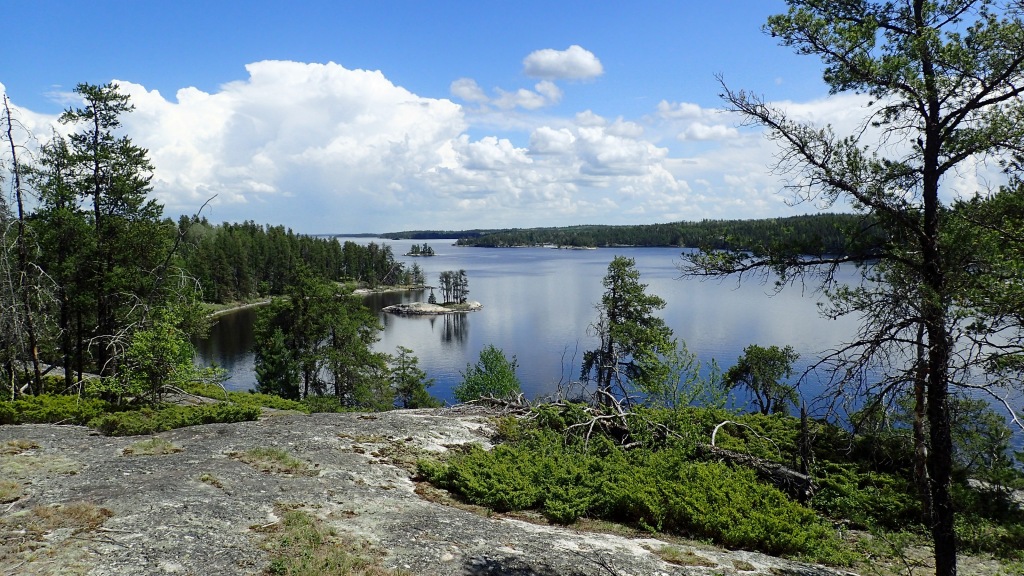
Day 1– At over 200,000 acres, Voyageurs National Park will take up all three days of this getaway. Your first stop will be one of the three visitor centers. The largest, Rainy Lake Visitor Center, offers exhibits, an orientation film about the park, and a bookstore (operated by you-know-who). Next, head out on one of the park’s many hiking trails to take in the scenery. Bring a picnic lunch to enjoy along the trail, but make sure to pack out what you pack in. End your day by getting settled into your lodgings. You could opt for the Kettle Falls Hotel or get a bit more adventurous:  there are a variety of camping options at Voyageurs or you could even rent a houseboat!

Credit: NPS

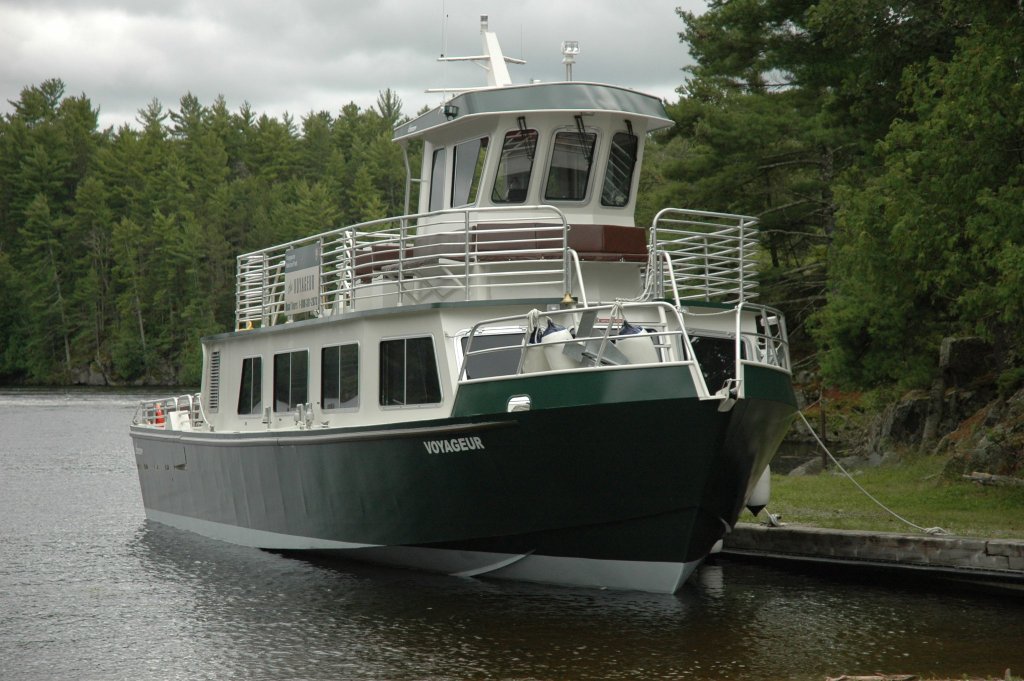
Day 2– For your only full day at the park, take the opportunity to participate in a guided tour or two. In the Rainy Lake district, you can take a boat tour aboard the Voyageur, or in the Namakan district, you can voyage on the park’s newest tour boat, the Ne-zho-dain. If you are feeling extra adventurous, sign up for one of the park’s North Canoe Voyages, where you can paddle a replica of a north canoe while being immersed in an on-the-water living history lesson!

Day 3– For your final day at Voyageurs, take time to check out the Ellsworth Rock Gardens and the Harry Oveson Fish Camp, or do a bit of birdwatching. Then on your way out of the park, stop by one of the gateway communities, such as International Falls, to see the sights and restaurants they have to offer.

Happy traveling!

The Doll Test – Exposing the Impacts of Racial Segregation

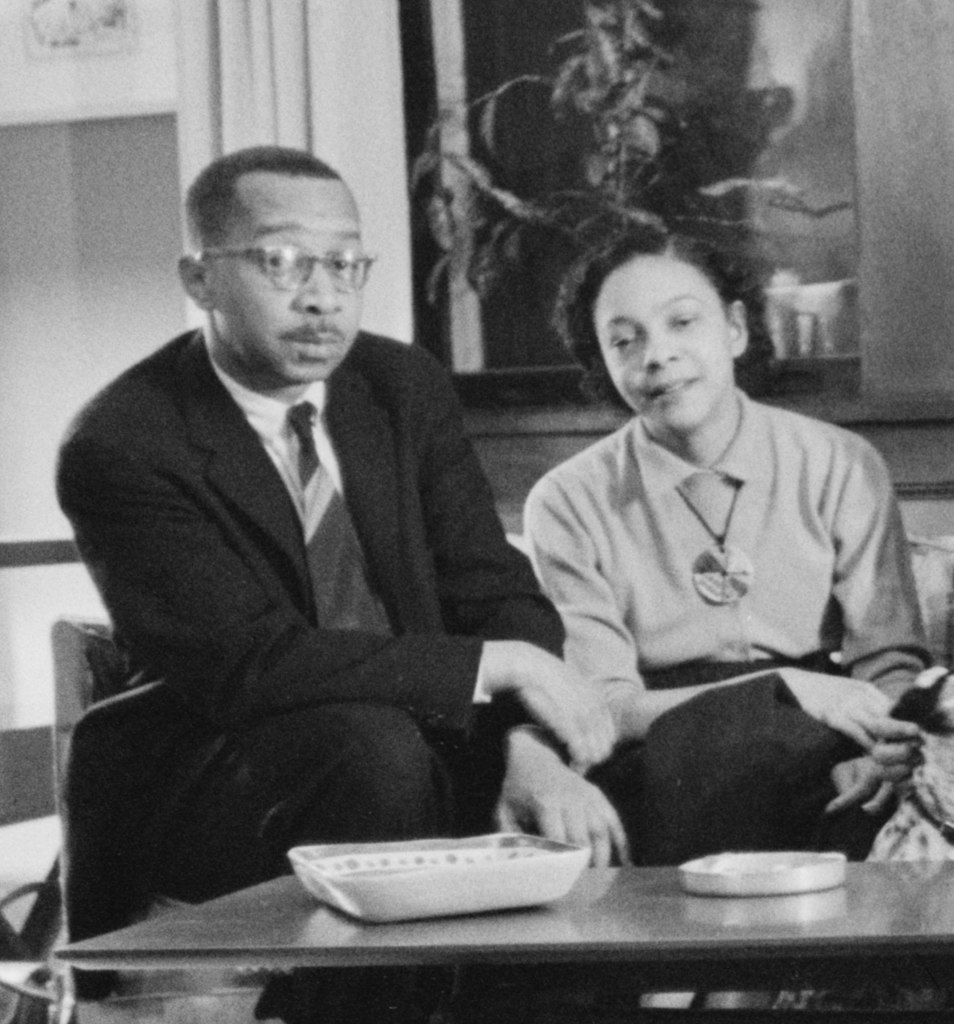
In the mid-twentieth century, researchers started examining African American children’s sense of racial identity, including how they perceived themselves relative to white children.  Husband and wife psychologists, Drs. Kenneth and Mamie Phipps Clark, conducted what is now known as the landmark “doll test” on students.  Their innovative research showed discouraging results, yet it played an influential role in American civil rights legislation. 

You’re invited to learn more about the legacy of the Clarks’ pioneering work at a special presentation at Little Rock Central High School National Historic Site on Wednesday March 22. 

Drs. Kenneth and Mamie Phipps Clark

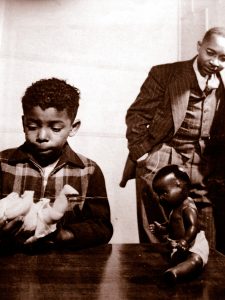
Journalist Tim Spofford will discuss his new book What the Children Told Us, an account of the life and legacy of the Clarks.   In 1940, the Harlem psychologists received a grant to study African American pupils’ dawning sense of racial identity in the nominally integrated North (Springfield, Massachusetts) and in the strictly segregated South (Mamie’s hometown of Hot Springs, Arkansas). They used four similar baby dolls in their testing:  two brown dolls with hair painted black and two white dolls with hair painted yellow.   

The researchers found that two-thirds of the 250+ African American pupils tested preferred a white doll to a brown doll.  Some children even denied their race. “I look brown because I got a suntan,” said Edward D., nearly age 8, who preferred a white doll.  “I’m a white boy.” To the Clarks, these African American children had internalized the low opinion of their race in a segregated nation.   

The shocking test results quickly caught hold throughout America’s scientific and educational community.  The doll test eventually played a key role in the Brown v. Board of Education decision (1954), the U.S. Supreme Court case that desegregated public schools in America.  

During tomorrow’s presentation at the park visitor center, Spofford will highlight how the Clarks were directly linked to the 1957 desegregation crisis at Little Rock’s Central High School.  The researchers first got to know Daisy Bates, one of the nine African American teenagers seeking to attend the formerly all-white school.  Later, the couple “adopted” Minnijean Brown, the Black student expelled from Central High during the crisis. That allowed Minnijean to live with them and study for two years in a private school in Harlem and earn her diploma.  
 
Today, the Clark dolls are on exhibit at the National Museum of African American History and Culture in Washington, D.C. and at Brown v. Board of Education National Historical Park in Topeka, Kansas. The Clarks’ experiment is still conducted today by students and scholars around the world.  

Why We’re Thankful

Here at JNPA, we’re proud to serve as a non-profit partner of some of our nation’s most treasured public lands.  So in honor of the upcoming Thanksgiving holiday, we wanted to take a moment to list some of the many things we’re thankful for.

Living history programs that bring the past alive for visitors of all ages. 

(Ulysses S. Grant National Historic Site)

Breathtaking scenery that inspires and enriches all of us.

(Voyageurs National Park)

Parks that honor the courageous men and women who fought for equality for all Americans.

(Little Rock Central High School National Historic Site)

Preserving America’s important historic buildings for future generations to enjoy.

(Ste. Genevieve National Historical Park)

Dedicated interpretive rangers from the Army Corps of Engineers who share the wonders of their sites with visitors.

(Lewis and Clark Visitor Center)

Energetic and committed National Park Service rangers who inspire children to become Junior Rangers.

(Voyageurs National Park)

Opportunities for recreation and enjoyment of the outdoors.

(Lewis and Clark Visitor Center)

Educators at all of our partner parks who share their love of public lands with tomorrow’s generation.

(Gateway Arch National Park)

Preserving the homes of America’s presidents as a way of helping us understand and connect with these important figures.

(President William Jefferson Clinton Birthplace Home National Historic Site)

Honoring African Americans’ struggle to achieve freedom and respect in American society.

(Gateway Arch National Park)

Commemorating the diverse nationalities, traditions, and cultures that helped shape our nation.

(Ste. Genevieve National Historical Park)

Preserving critical wilderness areas that safeguard our nation’s biodiversity and ecological health.

(Mississippi National River and Recreation Area)

Protecting America’s rivers and streams that are so vital for drinking water, recreation, and commerce.

(Missouri National Recreational River)

Architectural marvels that enhance our nation’s cultural heritage and stimulate our imaginations.

(Gateway Arch National Park)

Many thanks to JNPA’s partner parks and all they do to protect America’s heritage, landscapes, and stories.   Happy Thanksgiving!

Songs of Freedom

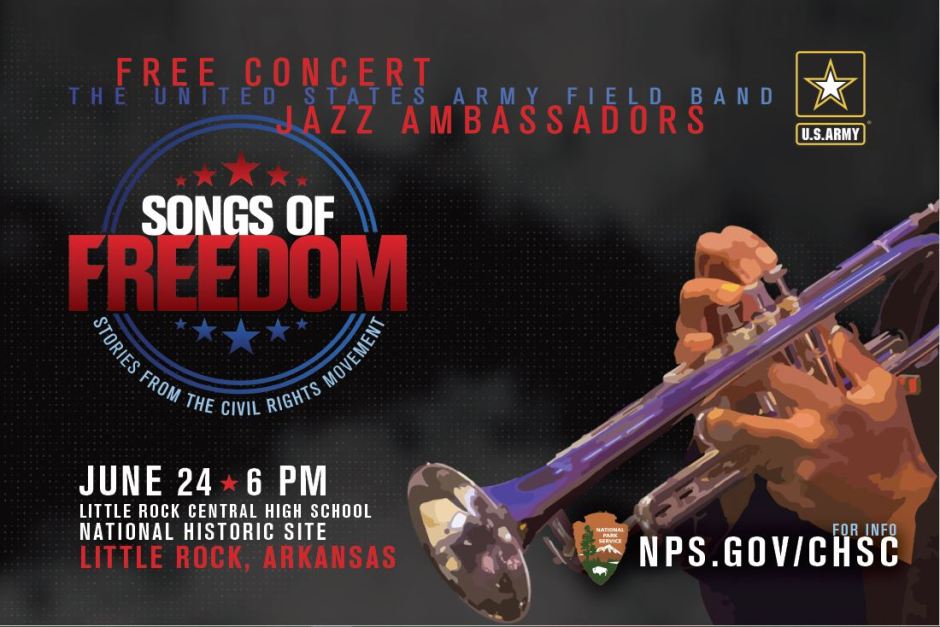
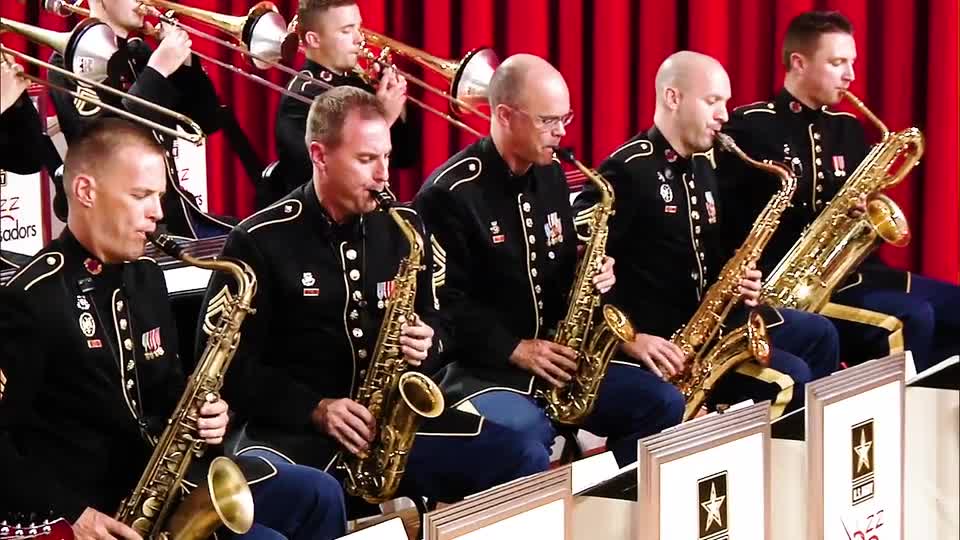
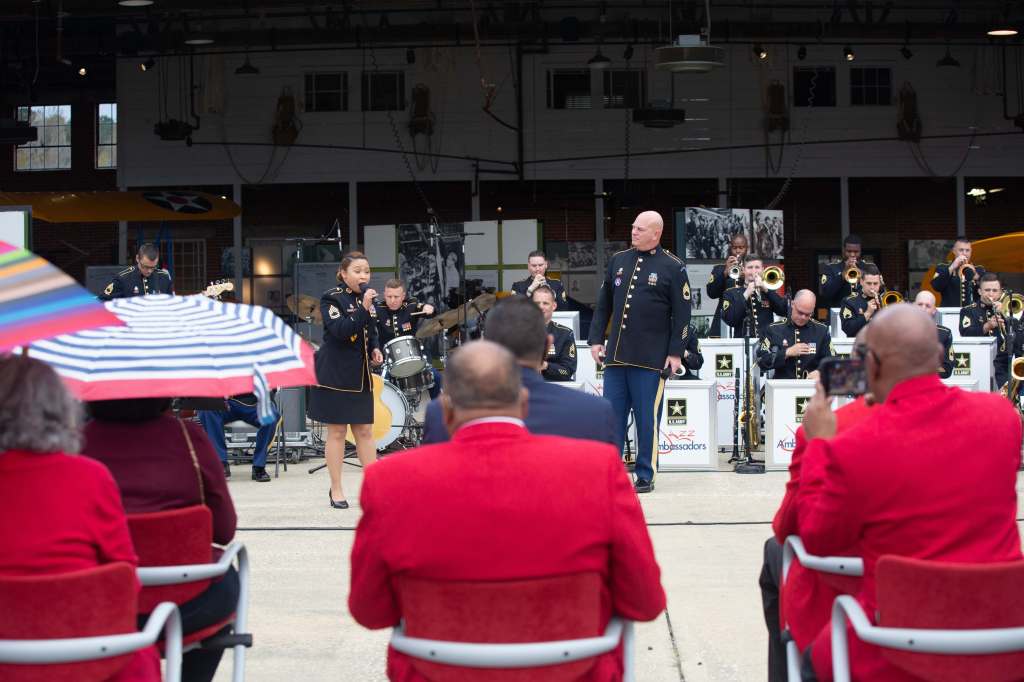
If you like rousing jazz and swing music, you’ll want to head to Little Rock, Arkansas, this Friday evening. The U.S. Army’s official touring big band, the Jazz Ambassadors, will present a 90-minute concert at Little Rock Central High School National Historic Site.

Credit: The U.S. Army Field Band

The theme of Friday’s concert is Songs of Freedom, Stories from the Civil Rights Movement.  It’s fitting that the musicians will be performing these selections at Central High, since it served as the frontline of America’s school desegregation battles in the 1950s. 

The 19-member Jazz Ambassadors have received widespread acclaim at home and abroad, earning the ensemble the title “America’s Big Band.” The musicians have performed in all 50 states and overseas.  Their stop in Little Rock is part of their Summer 2022 tour.  Check out the clip below to hear a snippet of their musical style.

The Songs of Freedom concert will take place outdoors on the park grounds on Friday, June 24 from 6:00 to 7:30 p.m.  It is free and open to the public. For more information, contact Little Rock Central High School National Historic Site at (501) 374-1957.

Credit: The U.S. Army Field Band

How Many National Park Sites Have YOU Visited?

The National Park Service system currently includes 423 sites throughout the United States and its territories.  These range from national monuments and battlefields to national historic sites and recreation areas to national rivers and seashores. 

Don’t feel bad if you haven’t visited the majority of these places (most of us haven’t!). But luckily, National Park Week is just around the corner – a perfect time to add to your NPS “life list.”

National Park Week is an annual celebration jointly hosted by the National Park Service and the National Park Foundation to encourage everyone to discover our nation’s diverse historic, natural, and cultural treasures.  This year, the week runs from April 16 through 24.  Parks across the country will host a variety of special programs, events, and digital experiences, including National Junior Ranger Day for kids on Saturday April 23.  You can find out more about programs and themes you might be interested in by going here.  

Another bonus for park visitors during National Park Week – entrance fees are waived at all parks on Saturday April 16.  (Other 2022 free fee days can be found here).  Luckily, there are never entry fees at JNPA’s partner parks but each of them would be glad to see you in April, or any time!

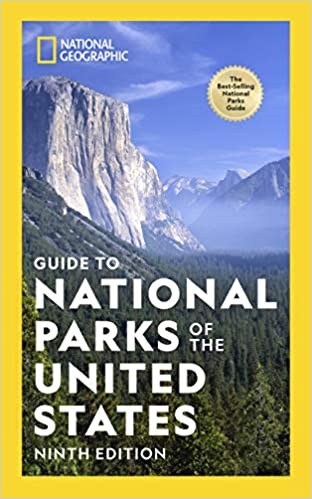
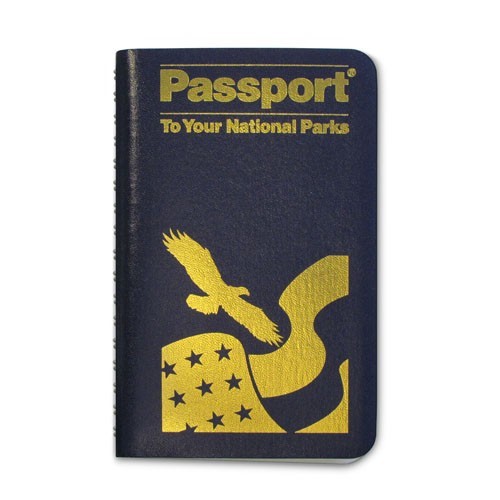
If you’re planning to visit any of the 63 parks that have “national park” in their name, you’ll want a copy of National Geographic’s national park guide as well as the Passport to Your National Parks, which not only contains park information but allows you to collect the passport stamps from every park you visit.