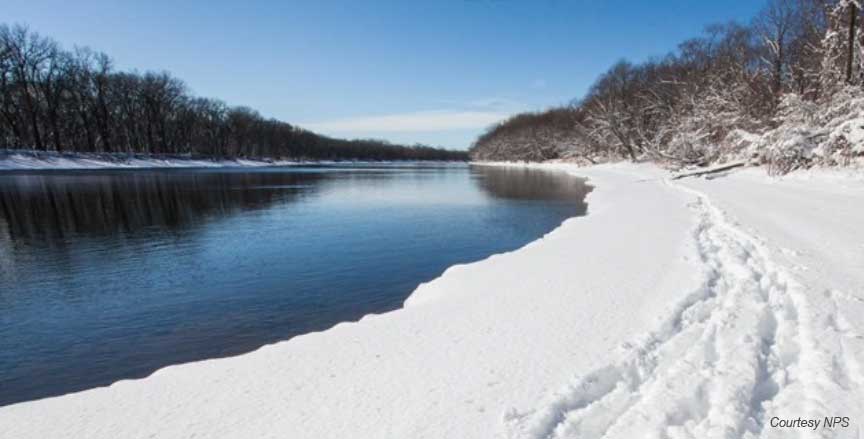
Winter in Minnesota – what can there possibly be to do? PLENTY, if you’re up for the fun outdoor activities available at Mississippi National River and Recreation Area! Hardy souls who are willing to brave the snow and low temperatures have a range of pursuits to choose from throughout the park’s 72-mile corridor.
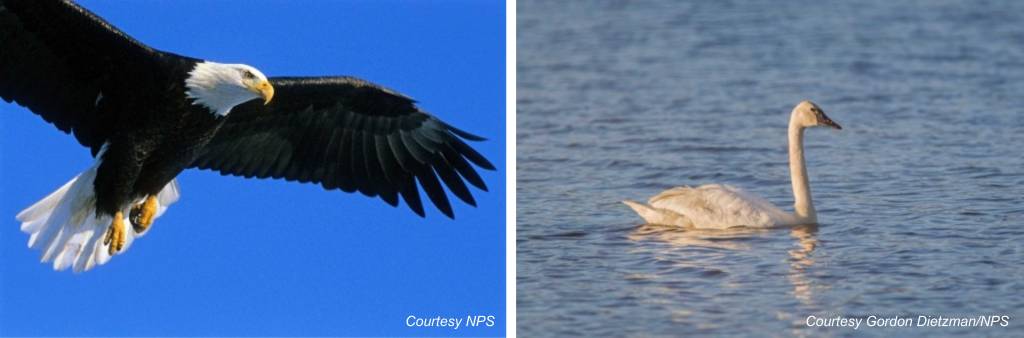
For wildlife lovers, there’s no shortage of opportunities to see eagles roosting in trees or fishing for prey along the Mississippi River, especially below Lock and Dam 2 near Hastings, MN. Observation platforms make bird-watching easy. You can also spot a variety of waterfowl that tend to congregate in open waters below the river dams, including the elegant tundra swan.
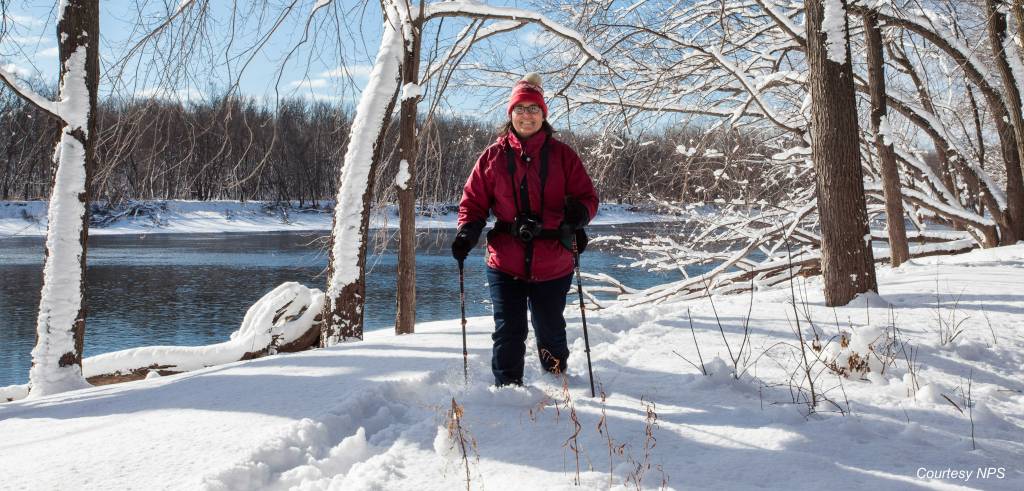
Of course, there’s always a bracing hike in the snow, either by taking advantage of groomed paths or by striking out across the untouched landscape. The park also serves as a vast winter playground for snowshoers.
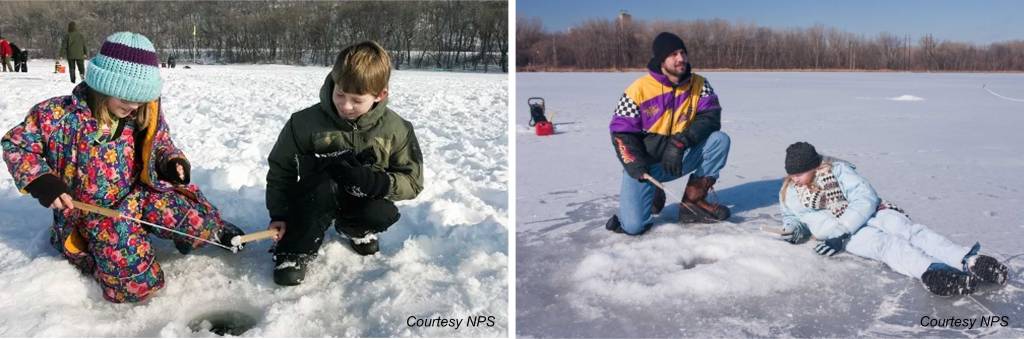
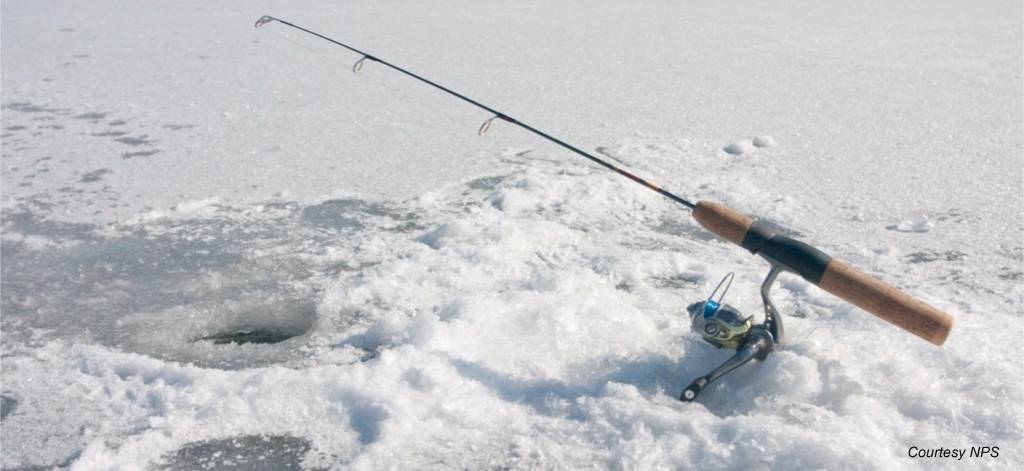
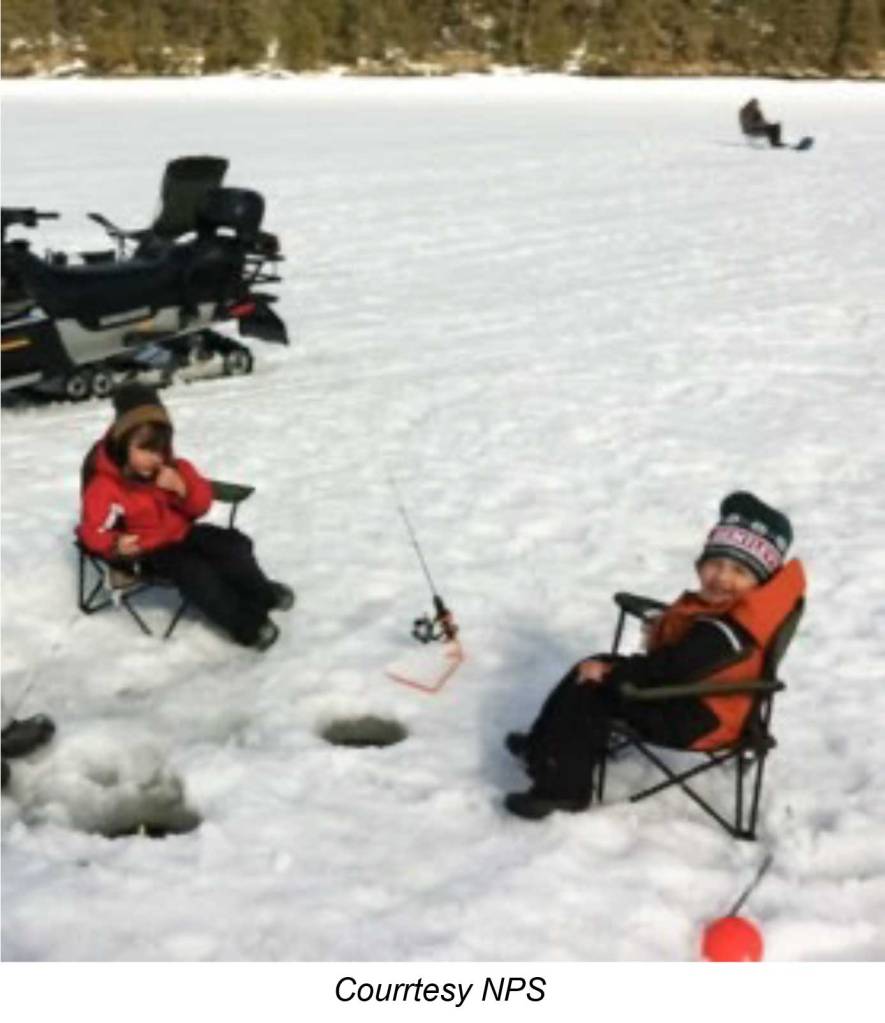
Or how about a little ice fishing, a quintessential Minnesota sport? Both adults and kids can sign up for one of the park’s ice fishing workshops, where they’ll learn how to drill a hole through the ice, handle the equipment, and haul up the catch. Among the fish they might catch are sunfish, northern pike, crappies, and largemouth bass.
Experienced ice anglers and National Park Service rangers offer instruction, and provide poles, tackle, and bait. Participants can even warm up in a heated shelter or peer into the mysterious under-ice world through an underwater camera and learn about the challenging conditions faced by life beneath the ice. Of course, safety is a priority, so the park staff always checks the ice thickness before each event.
No matter where you wander this winter, be sure to make time to enjoy the outdoors. And remember, our national parks are waiting for you.
You don’t have to be a birdwatcher to appreciate the need for preserving our feathered friends. Beyond their beauty and fascinating behaviors, birds are critical components of nearly every ecosystem on Earth. They play many roles – as predators, prey, scavengers, seed dispersers, and pollinators. They also respond quickly to changes in their surroundings, making them good indicators of environmental conditions. Monitoring bird population numbers is an important way for biologists to assess the health of local habitats.
The National Park Service regularly monitors birds at many of its parks, both to study the wellbeing of its sites and to monitor the effects of climate change and other human-caused disruptions. These efforts provide crucial conservation data, helping park managers improve the health and function of their sites’ habitats.
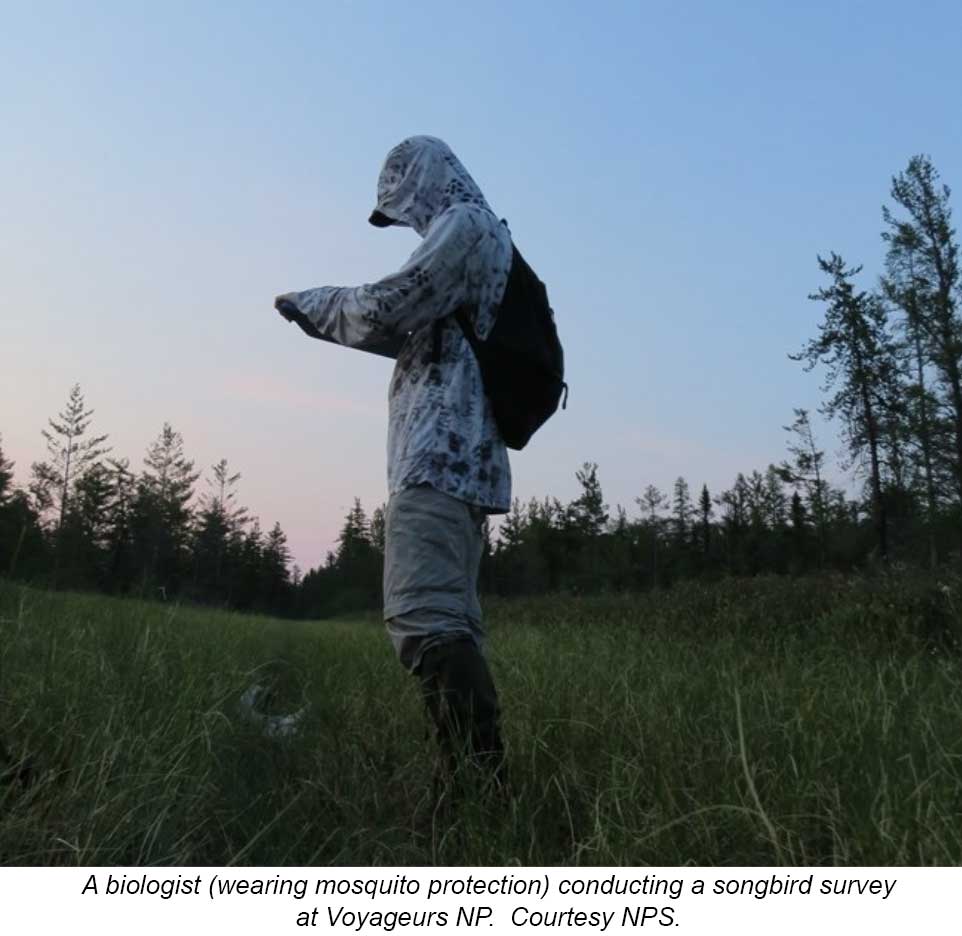
NPS biologists have been monitoring songbird populations at Voyageurs National Park in northern Minnesota since 1995, conducting annual songbird surveys each June at 60 different points across the vast park. More than 100 species of songbirds have been documented there.
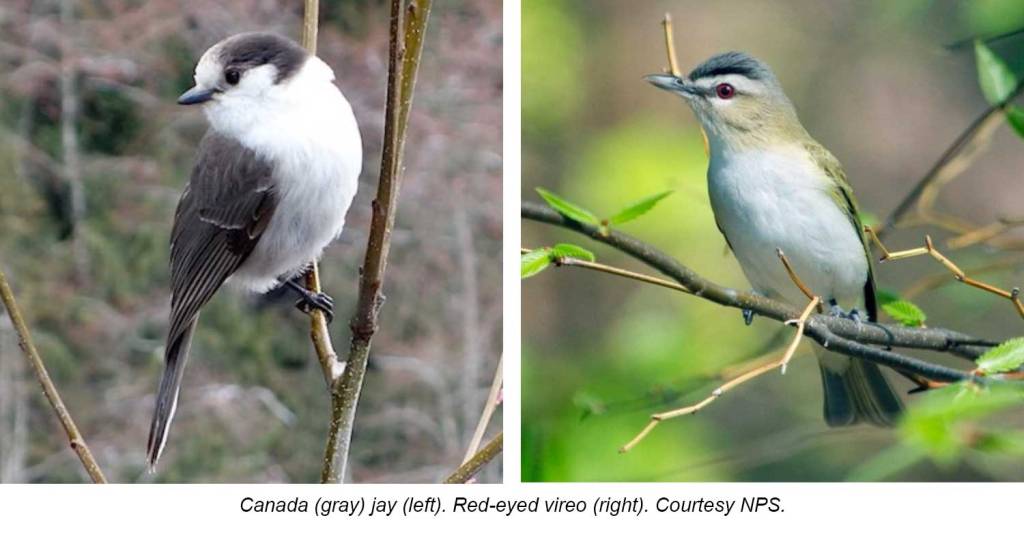
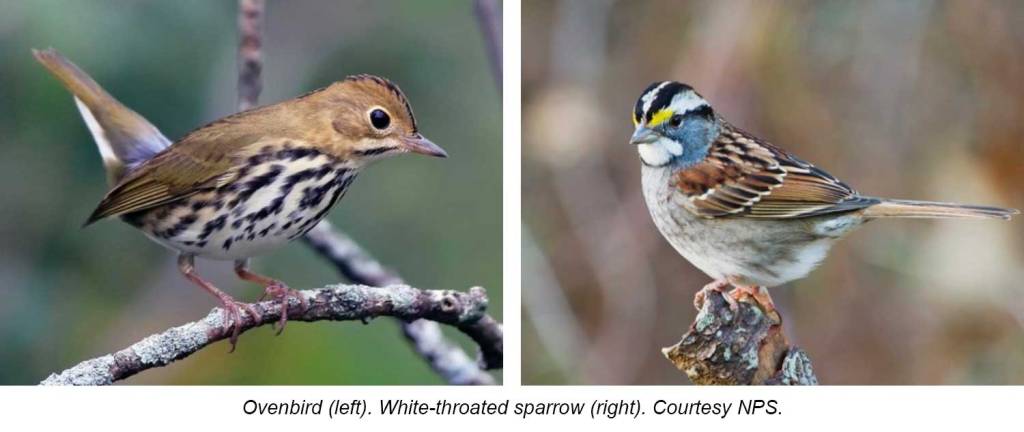
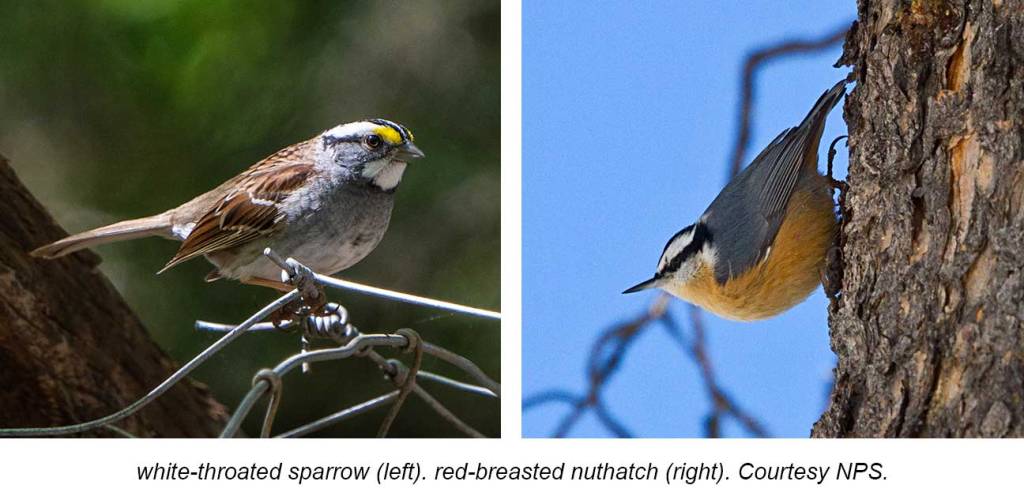
The six most common were the ovenbird, red-eyed vireo, Nashville warbler, white-throated sparrow, and blue jay, in that order. Many birds, such as the white-throated sparrow and the Canada jay, find their way to the park from conifer forests extending all the way to the Arctic.
But the bird surveys at Voyageurs are showing mixed results. The white-throated sparrow has shown a 49% decline in observations since 2019, followed by a 22% decline in ovenbird observations.
In fact, the total number of individuals of all species recorded in Voyageurs is down 21% from 2020 to 2025. Species richness, or the number of species recorded, is down 7% over the same period. Some of this can be explained by missing some survey locations due to inclement weather, and limited time and/or personnel to conduct the surveys.
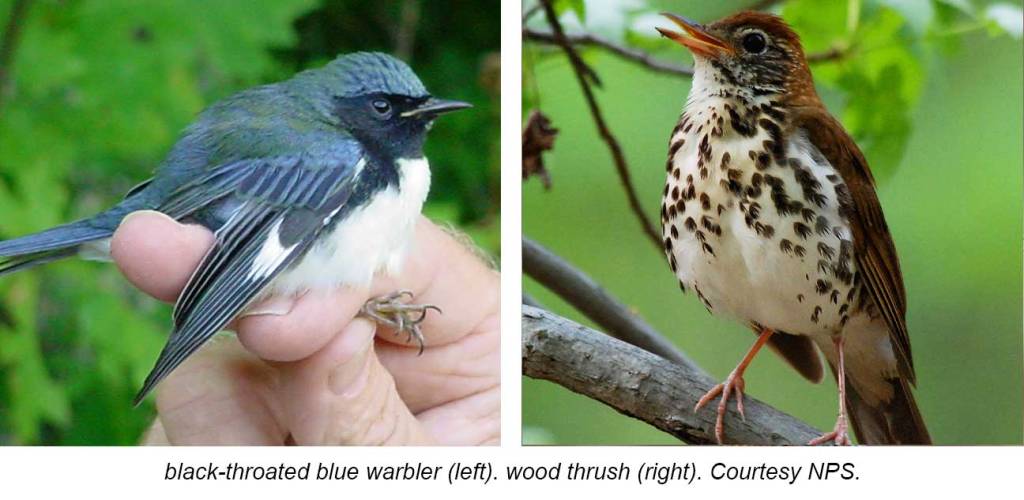
On a more positive note, the black-throated blue warbler, blue-headed vireo, and wood thrush are showing the highest increases in observations over the last five years, all of them over 200%. Biologists are still assessing the reasons behind these fluctuations.
Researchers also predict a good news/bad news scenario in the future. One NPS study analyzing two different climate scenarios predicted a high turnover of species in the park by mid-century (2041–2070) if the nation continues on its current path of rising greenhouse gas emissions. In fact, two of the most common species at Voyageurs today – the red-breasted nuthatch and the white-throated sparrow – are predicted to disappear from the park by mid-century, while the nuthatch may only appear during the winter months.
Meanwhile, the populations of birds more commonly found in open country and residential areas such as the blue jay, American goldfinch, Baltimore oriole, and common grackle are predicted to improve, and additional species are expected to move in.
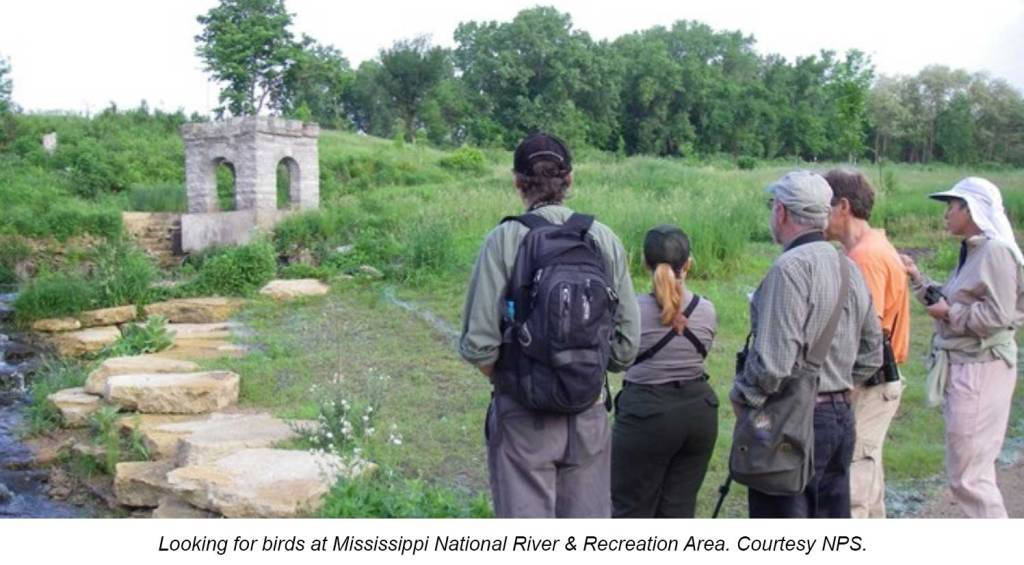
The situation for bird life is comparable at Mississippi National River & Recreation Area in Minnesota. NPS researchers there annually conduct songbird surveys at 49 locations scattered among nine city, county, and regional parks in the 72-mile length of the national park boundary. A total of 88 species has been documented, (an average of 62 species per year) since the studies began in 2015.
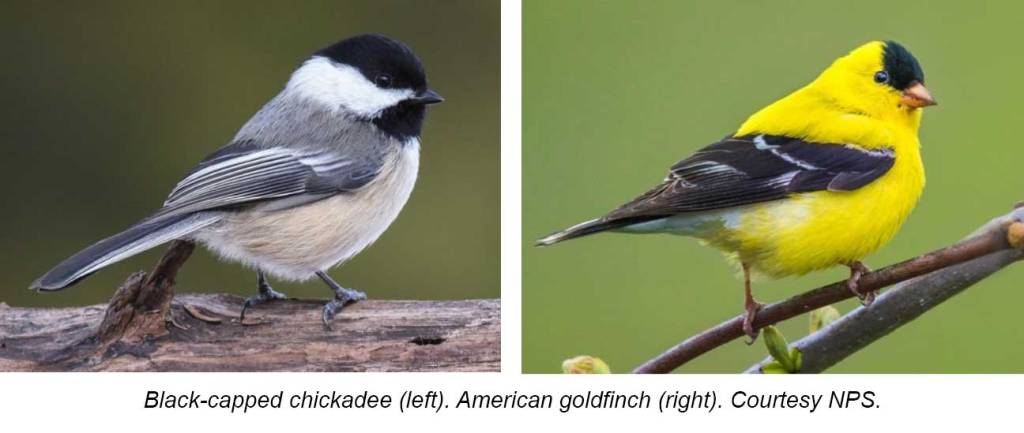
The black-capped chickadee was the most densely populated species in the park followed by American goldfinch and American robin (84 birds/mi2). Populations of the Eastern wood-pewee are also on the rise.
But scientists are tracking the small declines in insect-eating birds like warblers and flycatchers, as well as other species. They are also concerned that the effects of climate change may cause a decrease in the numbers of goldfinches and robins in the summer, though they’re predicted to fare better in the winter.
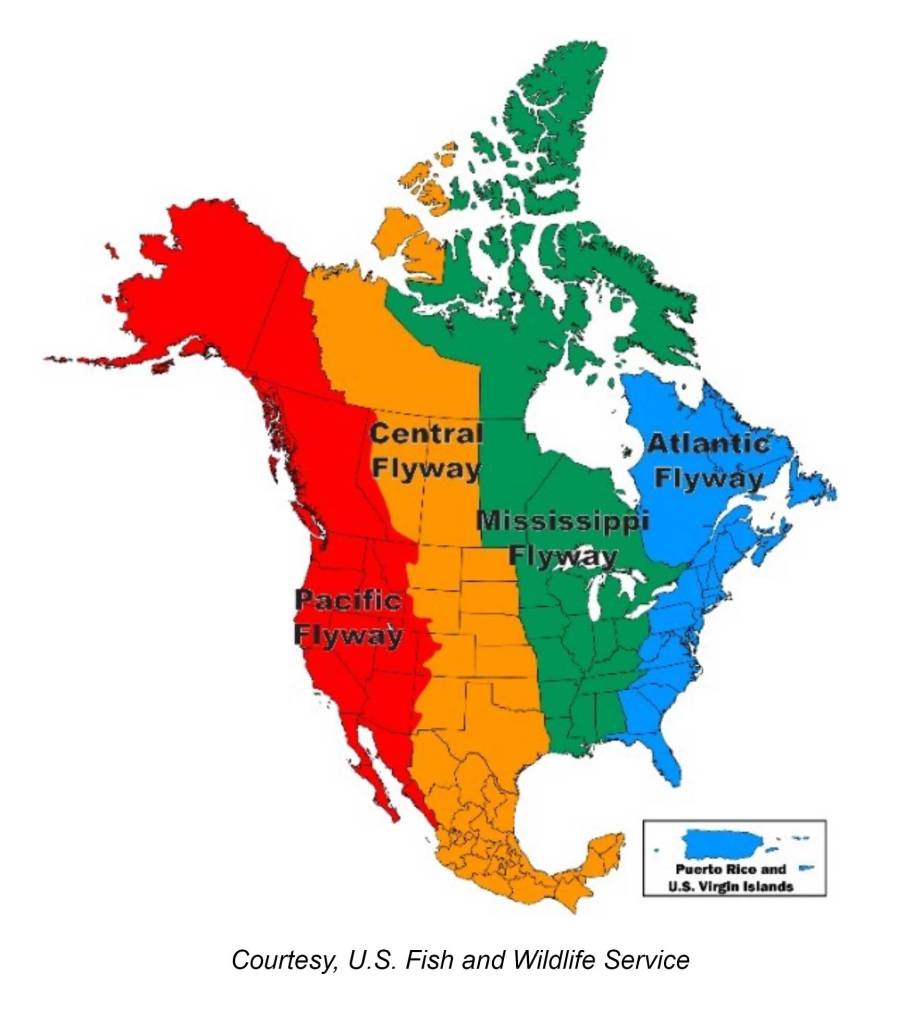
This Twin Cities park and its surrounding areas benefit from their position along the Mississippi River, one of North America’s four major flyways for migrating birds. An estimated 325 bird species use this route twice a year, flying between their breeding grounds in Canada and the northern U.S. and their wintering grounds along the Gulf of Mexico and in Central and South America.
The rich diversity of habitats along the Mississippi River valley are a haven for many birds who stay for the summer to nest and raise young. It is little wonder that this large, south-flowing river forms the core of one of North America’s great flyways and offers birders wonderful opportunities to observe a wide variety of species.
It’s doubtful that a day will come when songbirds are completely absent from our national parks. They will continue to enchant us with their song, though some of the future performers may be new.
If you’re interested in identifying birds that you see in the wild, or just in your own backyard, the National Park Service can help. Check out this simple identification key that can help you recognize just who you’ve spotted, and will link you to more information about your feathered friends.
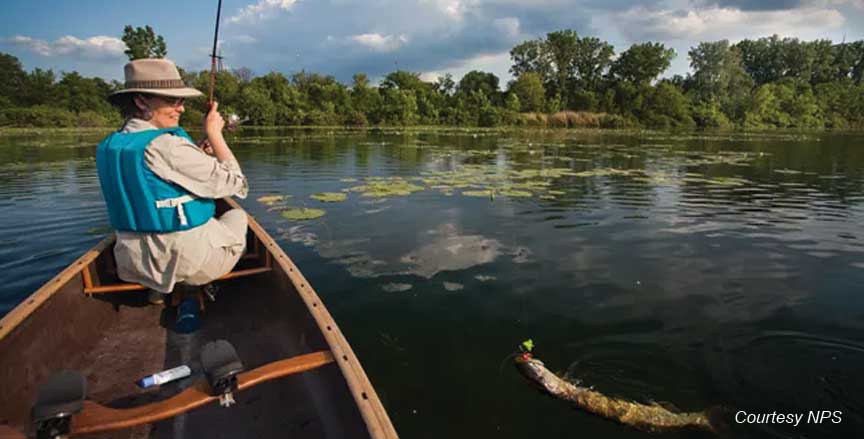
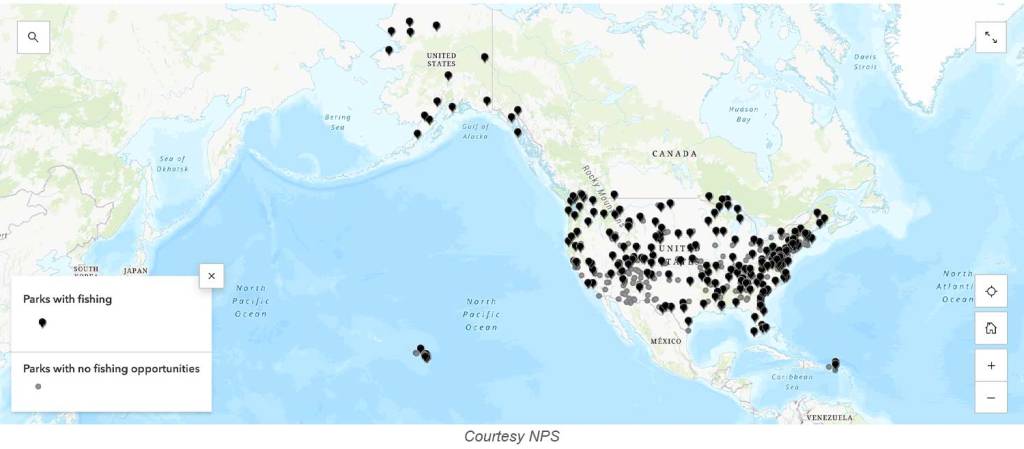
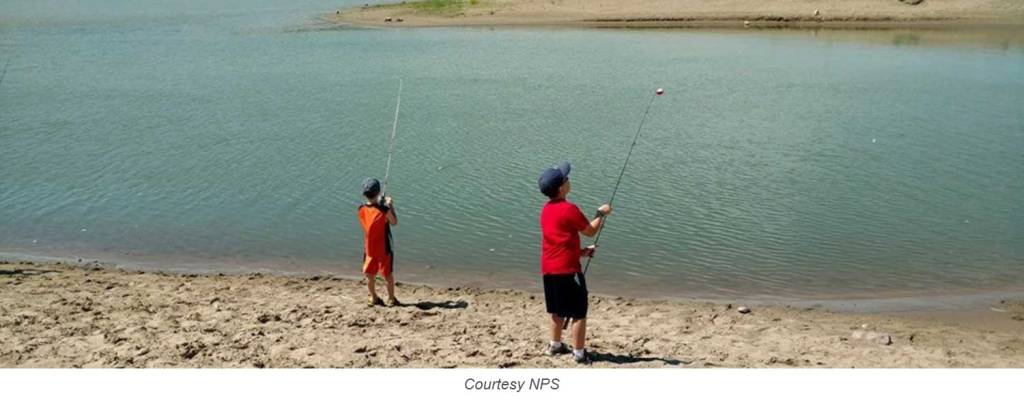
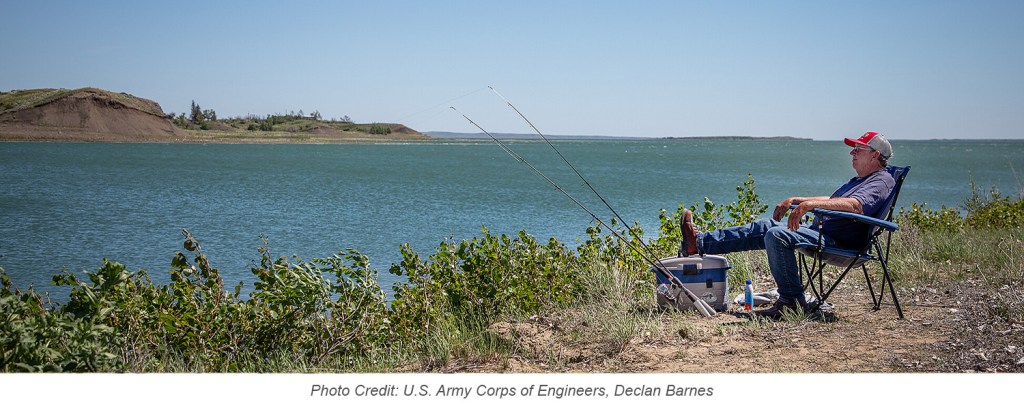
If your idea of a perfect way to spend a day outdoors is dropping a line in a stream or lake and seeing what bites, then you’ll want to check out the great fishing opportunities at our national parks. More than 200 sites in the National Park Service offer recreational fishing for the general public, including fly fishing, casting, bait fishing, trolling, and even ice fishing (brrrr!).
Of course, since fishing can affect local animal populations, each national park site regulates the fishing activities within its borders, usually by conforming with the regulations of the state where the park is located. Before setting out, it’s wise to check a park’s regulations, including learning what permits might be needed and where to find the best fishing spots. By following the park’s rules, such as practicing catch and release fishing of native fish, anglers can help ensure that native fish in our national parks will be enjoyed for generations to come.
A number of JNPA’s partner parks offer visitors a chance to fish their waters:
Voyageurs National Park has many options for both aspiring and experienced anglers. Fish abound in the park’s 30 named lakes, which consist of four large lakes and 26 smaller interior lakes. So far 54 fish species have been identified in the park’s aquatic habitats. Some of the better-known are walleye, sauger, Northern pike, smallmouth bass, yellow perch, and black crappie.
And if winter fishing is your thing, Voyageurs is a must-visit. Rugged piney shorelines, ultra-quiet conditions, and PLENTY of lake ice make the park an ice angler’s dream. Always check the park’s ice conditions before setting out and review the rules about placement of icehouses.
You can also put your angling skills to the test at Missouri National Recreational River. Walleye, sauger, paddlefish, and many more game species are waiting within the two reaches of the Missouri River, 20 miles of the lower Niobrara River, and eight miles of the lower Verdigre Creek. Since most of the park lies on the state boundary between Nebraska and South Dakota, you should be aware of license information and regulations for both states.
The great fishing opportunities near the Lewis and Clark Visitor Center attract thousands of anglers year-round. The park’s website lists the prime fishing spots and seasons where anglers can find their favorite fish species. Accessible fishing piers are located on the south shore of Lake Yankton and in the Nebraska Tailwaters area. There are separate regulations for residents and non-residents of South Dakota and Nebraska, so be sure to check before you go.
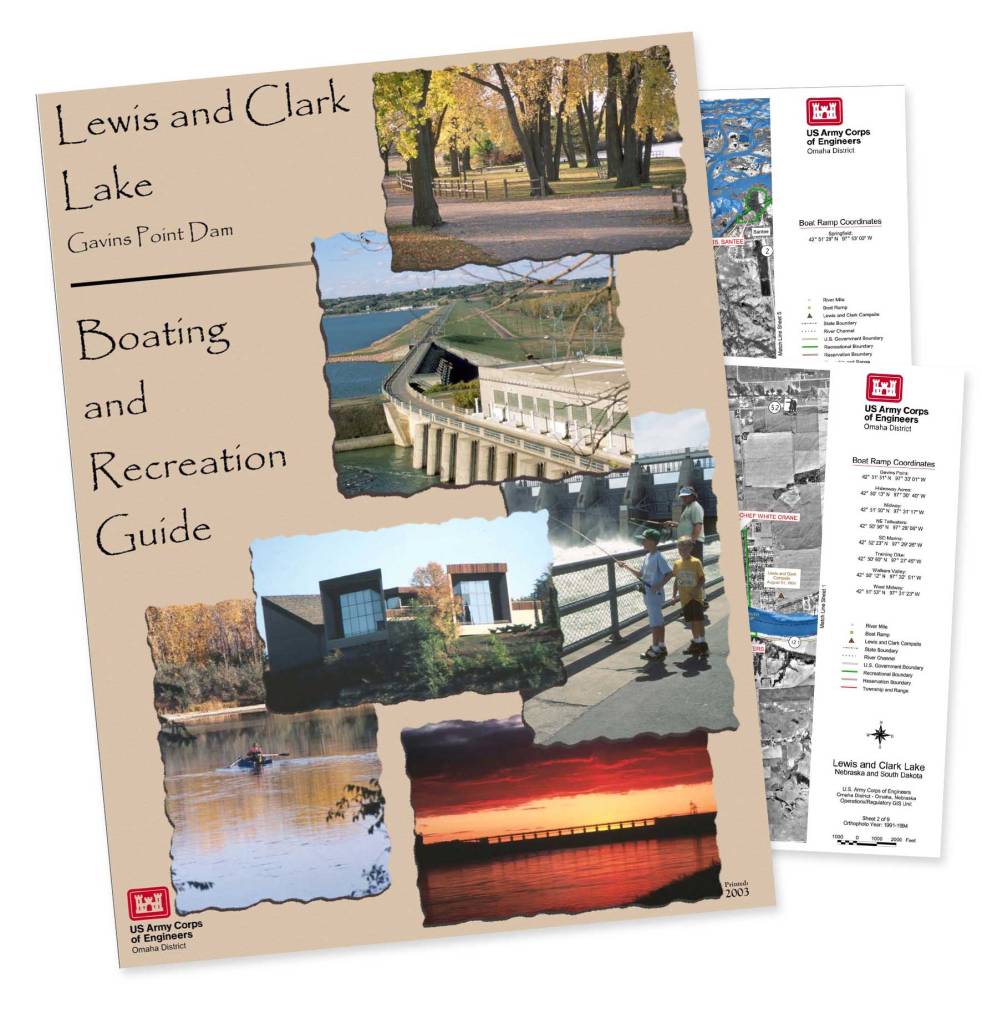
Learn about endangered and threatened species, historical information, or water safety and reservoir navigation with the Lewis and Clark Lake Gavins Point Dam Boating and Recreation Guide. You can pick up a copy at the site, or order it from JPNA’s online store.
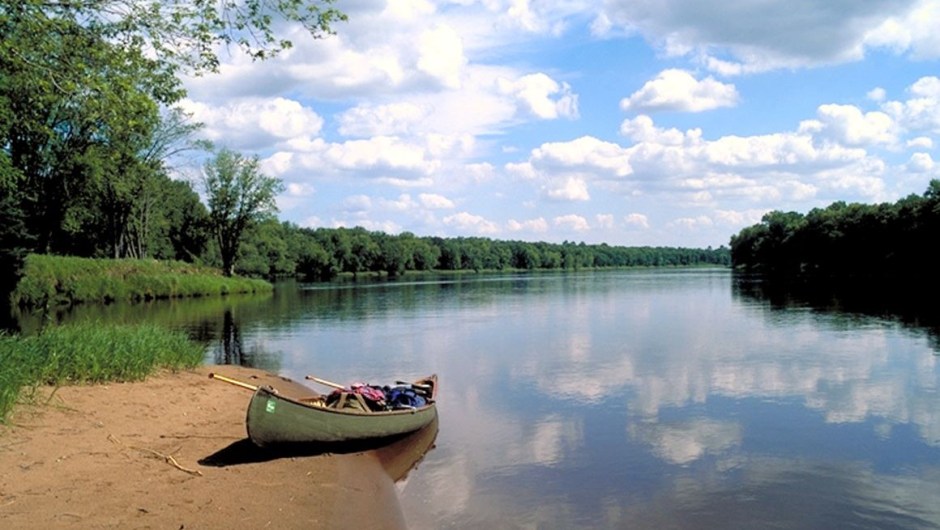
There are plenty of locations for both boat-fishing and shoreline fishing within Mississippi National River and Recreation Area. The Mississippi River in the northern suburbs and further north is a nationally recognized smallmouth bass fishery. Walleyes are plentiful below Lock and Dam #1. And floodplain lakes contain trout, panfish, northern pike, and largemouth bass. The park’s website offers more suggested fishing locations.
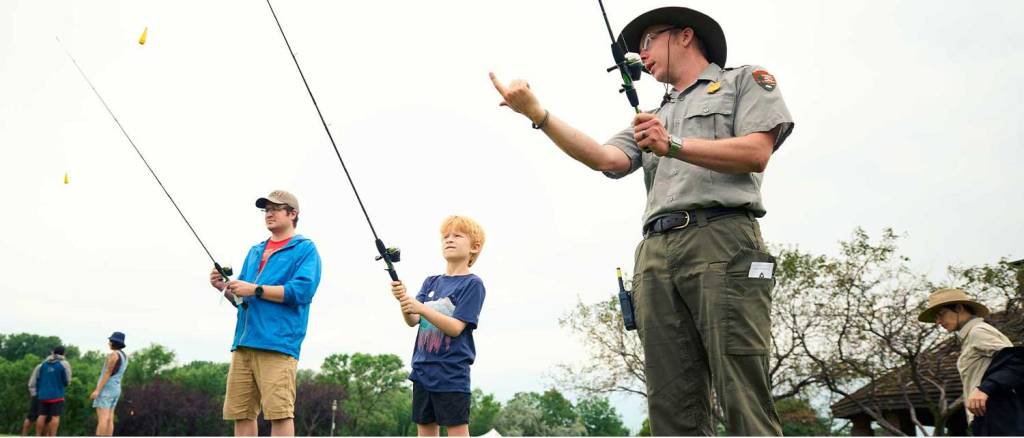
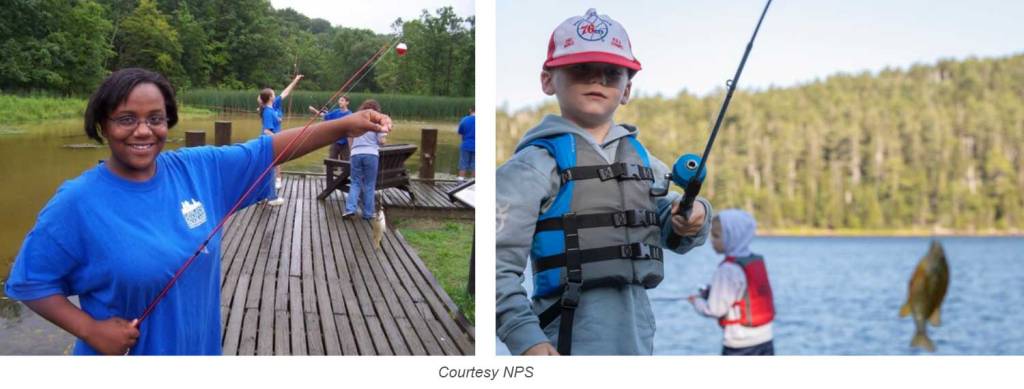
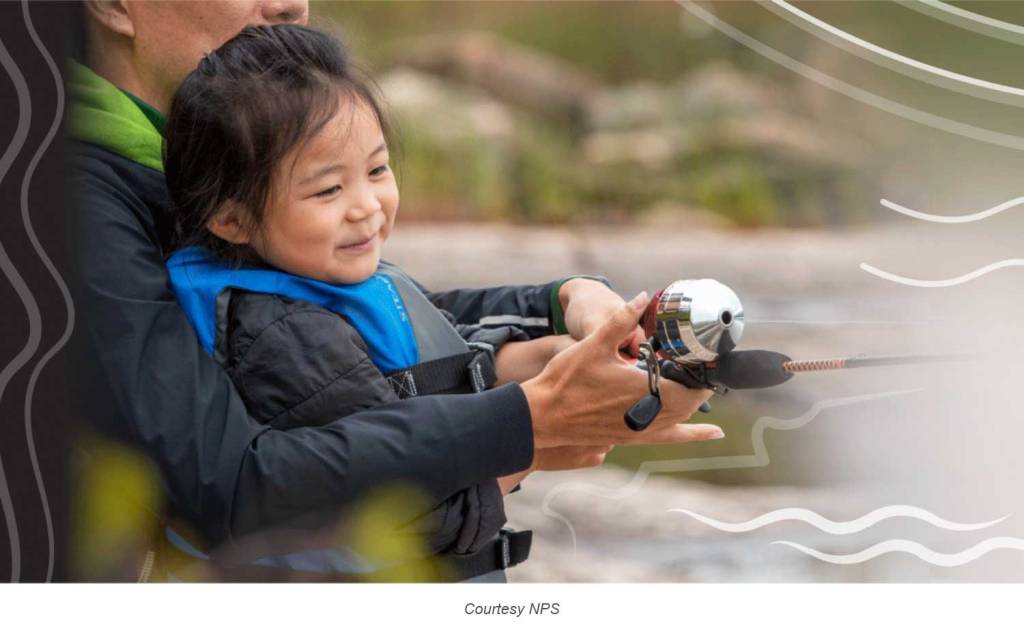
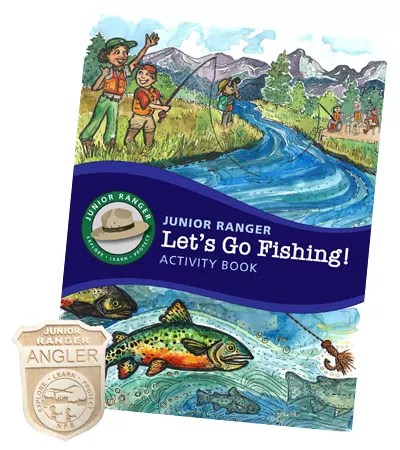
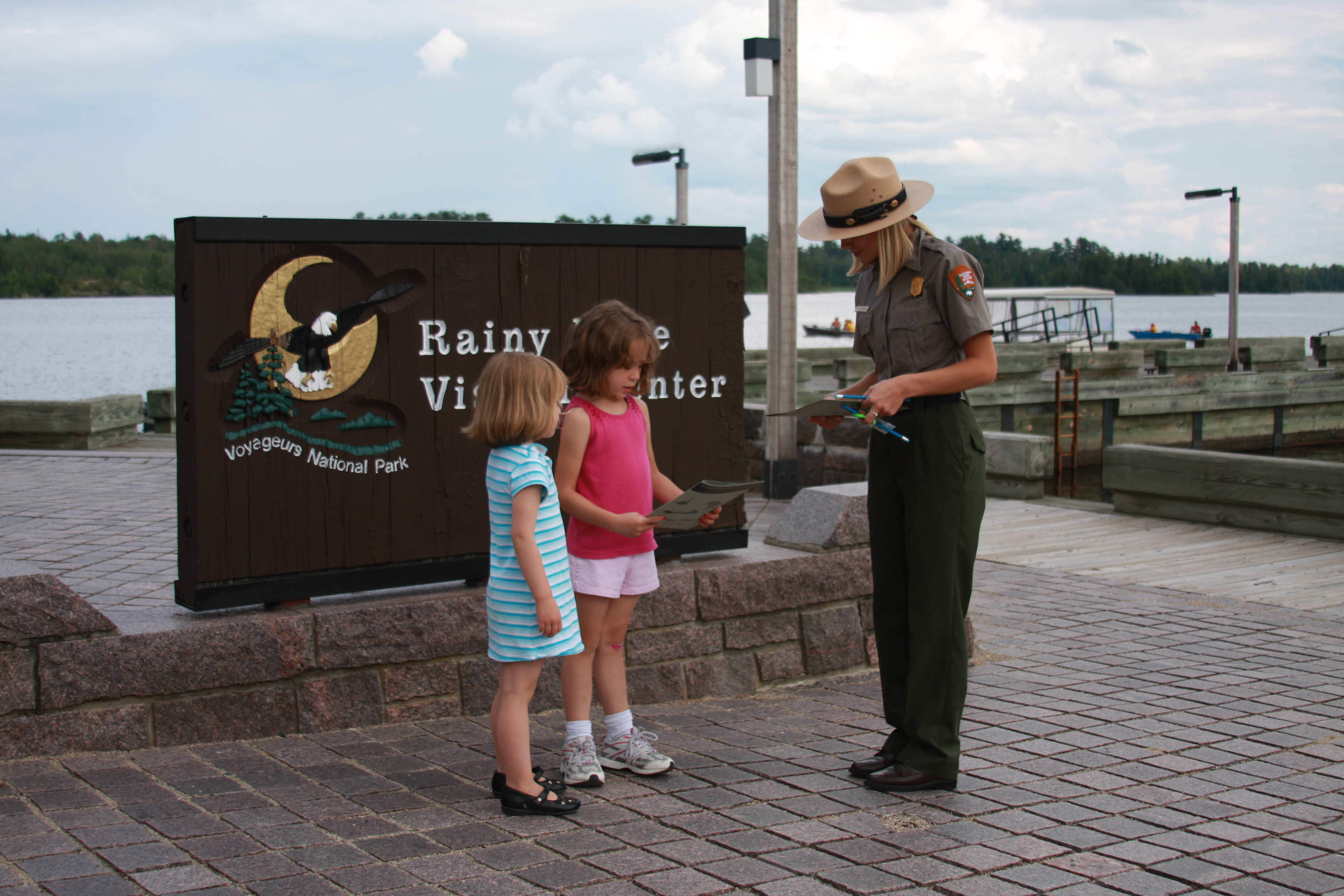
To get kids involved, park rangers hold fishing clinics at certain times of the year. Younger anglers who complete the clinic can earn a Junior Ranger Angler Badge as well as their own fishing kit.
Speaking of kids, the NPS Junior Ranger Angler program is a perfect way to get youngsters interested in the sport. Many national park sites that permit fishing offer the program’s special activity booklet as well as Junior Ranger Angler badges. You can find participating parks on the National Park Service Fish & Fishing website.
Are you a fan of national parks? Beyond just paying them a visit, do you want to get more involved in their events and activities? Then National Park Week is for you!!
In August of 1991, the very first National Park Week was established to honor the National Park Service’s 75th anniversary. Since then, it has been celebrated in April alongside Earth Day. This year, National Park Week is April 20-28, and each day is themed around a unique aspect of the national parks.
It is also Park Rx Day, focusing on the connection between the health of people, the health of parks, and the health of our planet.
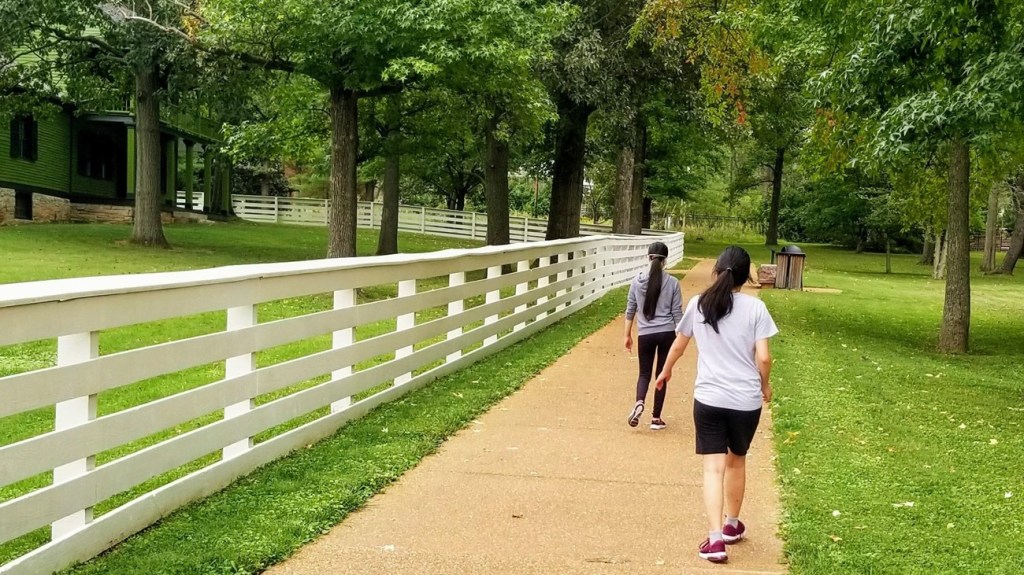
If you are in Missouri, we highly recommend attempting the NPS Wellness Challenge. All seven of the national park sites in Missouri offer challenges in three categories that visitors can complete: mental, physical, and learning. If you complete a challenge, you can earn a Wellness Challenge Badge!
Visitors take a walk through history as part of the NPS Wellness Challenge at Ulysses S. Grant National Historic Site. Credit: NPS
April 21 – Volunteers
Have you ever wanted to volunteer at a national park but either lived too far away or could not find activities that fit your schedule? Now you can volunteer VIRTUALLY as a citizen archivist! Ahead of the upcoming 250th anniversary of American Independence, the National Archives and Records Administration is collaborating with the National Park Service to have volunteers transcribe Revolutionary War Pension Records. These records hold incredible, untold stories of the American Revolution, and once transcribed, will be a permanent contribution to our country’s historical record.
Want to get outside to volunteer? Gateway Arch National Park is having its first ever BioBlitz on April 28. Volunteers will use the iNaturalist app to document various types of wildlife found in the park.
April 22 – Earth Day
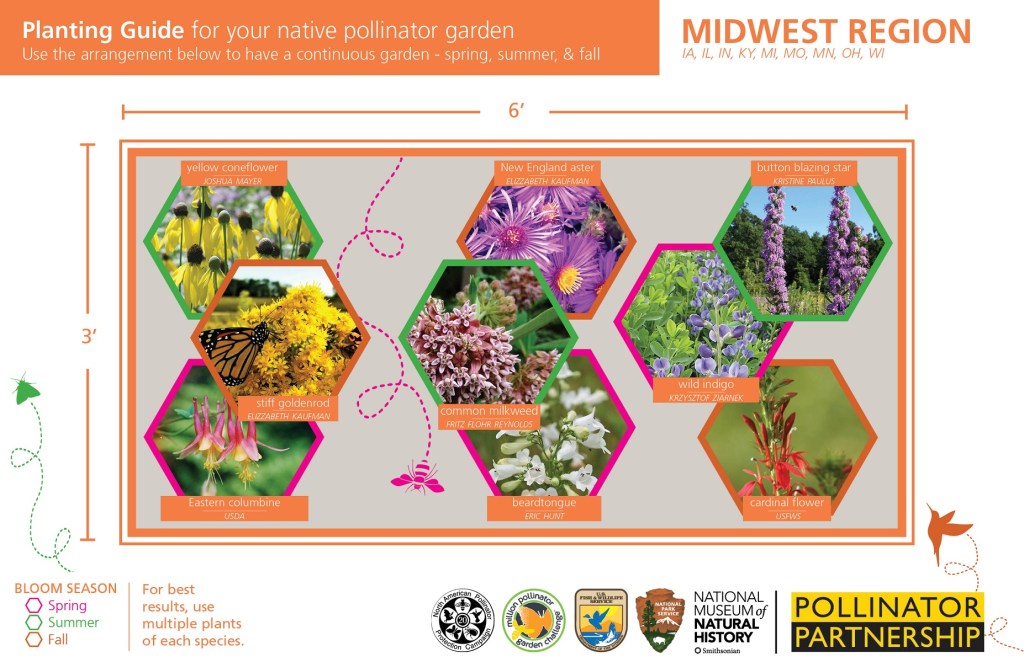
On Earth Day, you can join an event at a park near you, or you can learn about all the great ways to practice conservation at home. By taking a few small steps, you can do your part to help protect pollinators, birds, bats, oceans, and even our night skies!
April 23 – Innovation
National Park sites are full of innovative ideas, programs, and technology. For Innovation Day, check out a few of our past blog posts about innovation in some of our partner parks:
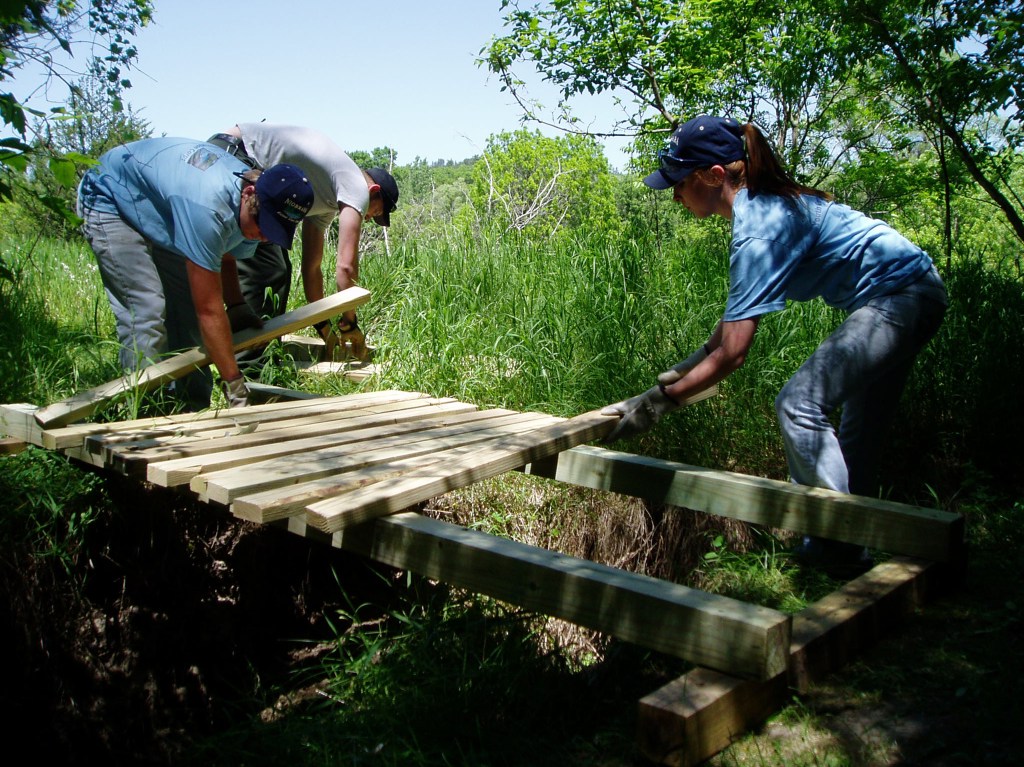
After joining the webinar on Workforce Wednesday, young people between the ages of 15 and 18 can take the next step on their National Park Journey by researching and applying for opportunities with the Youth Conservation Corps! One of our partner parks, Voyageurs National Park, even has an upcoming opportunity May 13 – June 13 for Corps members to repair boardwalks and complete trail maintenance in the park.
Youth Conservation Corps installing a bridge at Niobrara National Scenic River. Credit: NPS
April 26 – Community Connections
Did you know that the National Park Service’s work does not stop at a park’s boundary? Every day, parks across the country partner with their surrounding communities to expand their mission of conserving the natural and cultural resources of our country for the “enjoyment, education, and inspiration of this and future generations.” A few notable examples in the JNPA network of sites include:
Mississippi National River and Recreation Area– This park is incredibly unique because the National Park Service owns only 67 of the 54,000 acres that the park encompasses. The rest is made up of city, state, and regional parks, a national wildlife refuge, and private businesses and homes. This “partnership park” can only achieve its mission by working closely with the community to achieve their shared goals.
Lower Mississippi Delta Initiative (LMDI)- This outstanding grant program is funded by the National Park Service and co-administered by JNPA. These grants fund small-scale cultural heritage projects at not-for-profit community organizations in the Lower Mississippi Delta Region.
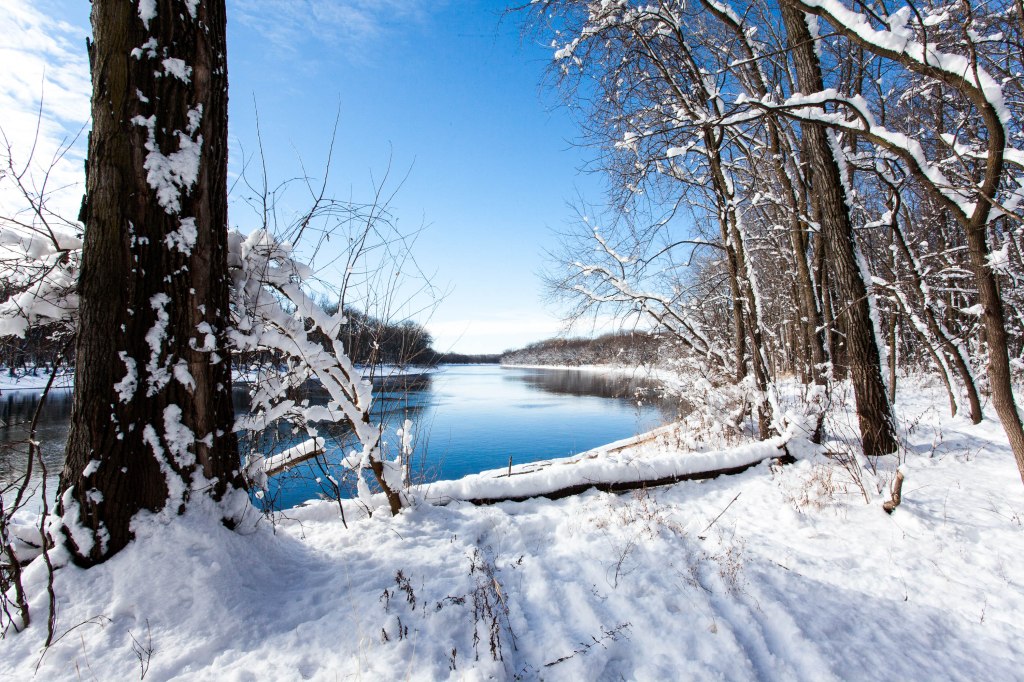
Crosby Farm at Mississippi National River and Recreation Area. Credit: NPS
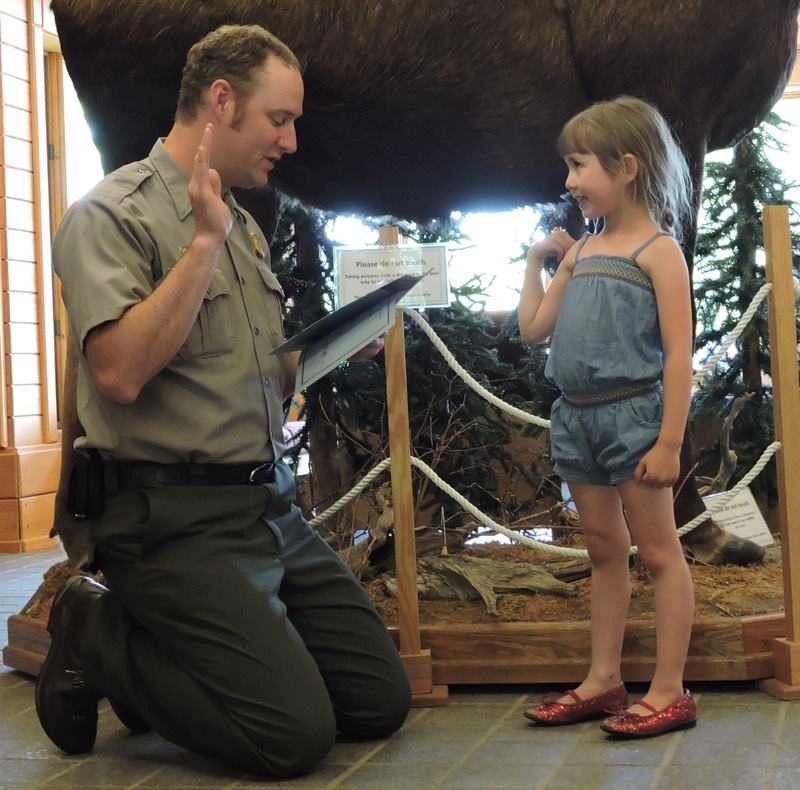
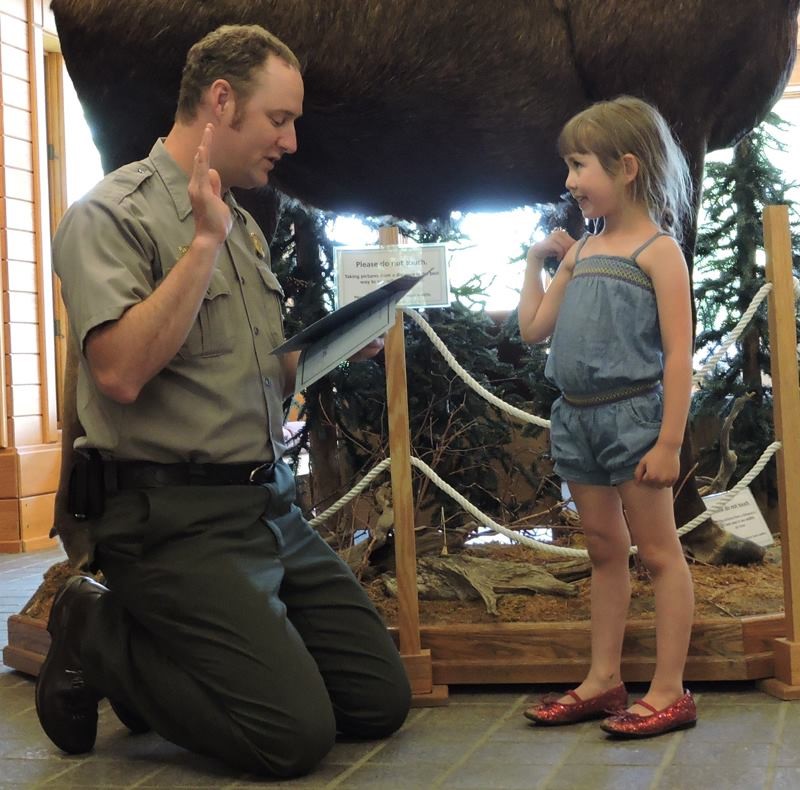
Swearing in a Junior Ranger at Voyageurs National Park Credit: NPS
April 28 – Arts in the Parks
When you think of national parks, art may not be the first thing that comes to mind. However, all five of the “fine arts” play an important role at national park sites.
Painting – Beginning in the 1800’s, beautiful landscapes of the American West were captured by the painters of the Hudson River School. These paintings helped inspire support for the creation of the national parks. This tradition continues today with the NPS Artist-in-Residence program.
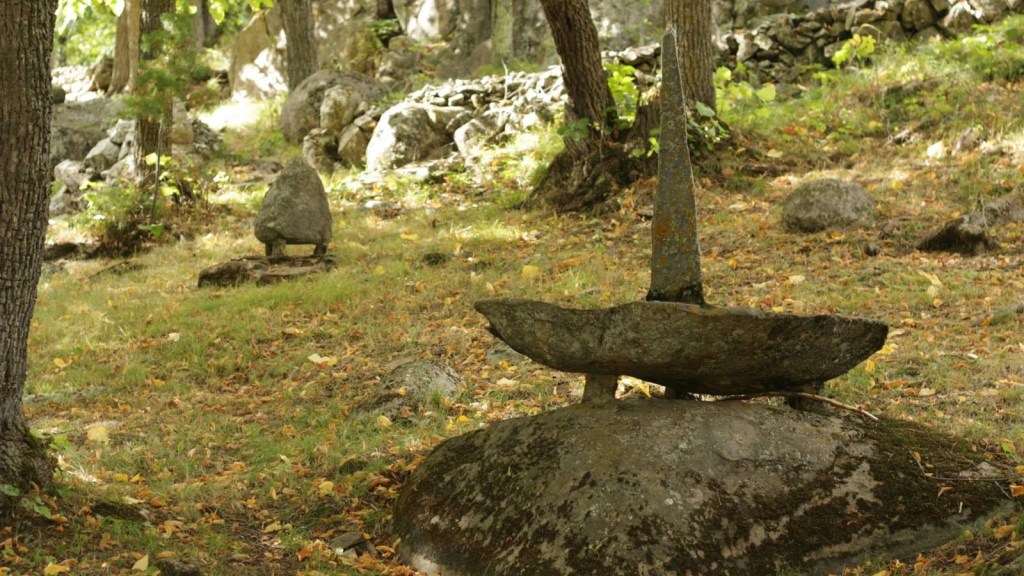
Sculpture – The Ellsworth Rock Gardens at Voyageurs National Park is home to over 200 abstract rock sculptures.
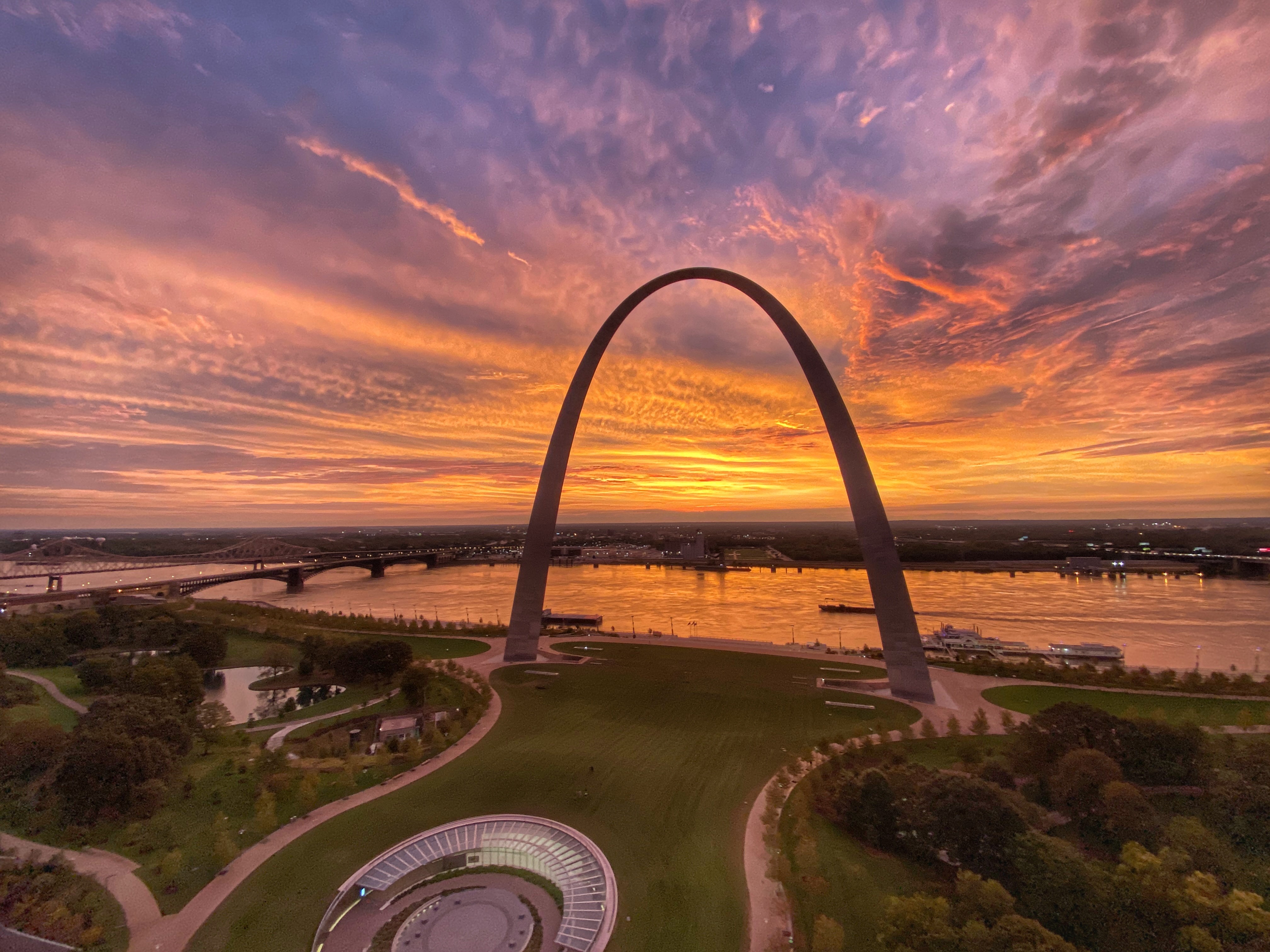
Architecture– Standing at 630 ft, one of the most iconic architectural marvels in the National Park Service is the Gateway Arch.
Music – Little Rock Central High School National Historic Site, Oxford American, and composers Christopher Parker and Kelley Hurt partnered to create a musical tribute to the Little Rock Nine, a jazz composition entitled “The No Tears Suite.”
Poetry – A new initiative this year is “Poetry in Parks.” U.S. National Poet Laureate Ada Limón selected historic American poems which will be displayed as public works of art on picnic tables in seven national parks. The installations will be unveiled throughout the summer and fall.
Rock sculptures at Ellsworth Rock Gardens/Voyageurs National Park. Credit: NPS
No matter what theme speaks to you, no matter how old you are, no matter if you visit in person or virtually, go to a national park next week!
Here at JNPA, we’re proud to serve as a non-profit partner of some of our nation’s most treasured public lands. So in honor of the upcoming Thanksgiving holiday, we wanted to take a moment to list some of the many things we’re thankful for.
Living history programs that bring the past alive for visitors of all ages.
The National Park Service system currently includes 423 sites throughout the United States and its territories. These range from national monuments and battlefields to national historic sites and recreation areas to national rivers and seashores.
Don’t feel bad if you haven’t visited the majority of these places (most of us haven’t!). But luckily, National Park Week is just around the corner – a perfect time to add to your NPS “life list.”
National Park Week is an annual celebration jointly hosted by the National Park Service and the National Park Foundation to encourage everyone to discover our nation’s diverse historic, natural, and cultural treasures. This year, the week runs from April 16 through 24. Parks across the country will host a variety of special programs, events, and digital experiences, including National Junior Ranger Day for kids on Saturday April 23. You can find out more about programs and themes you might be interested in by going here.
Another bonus for park visitors during National Park Week – entrance fees are waived at all parks on Saturday April 16. (Other 2022 free fee days can be found here). Luckily, there are never entry fees at JNPA’s partner parks but each of them would be glad to see you in April, or any time!
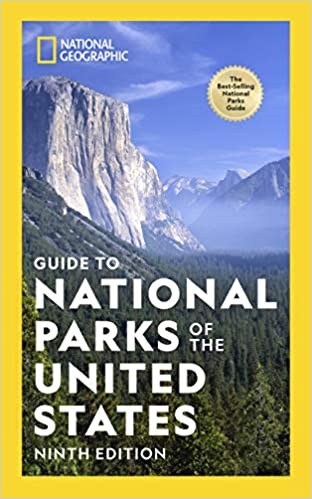
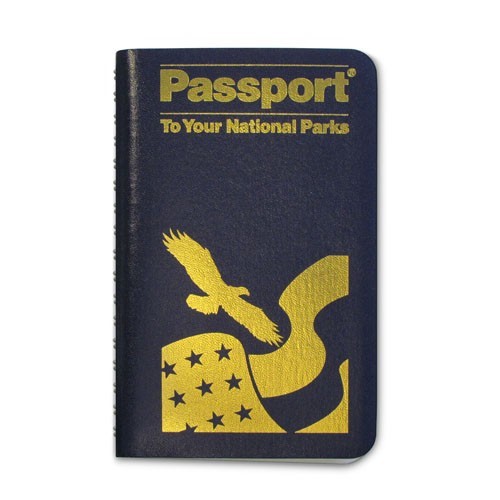
If you’re planning to visit any of the 63 parks that have “national park” in their name, you’ll want a copy of National Geographic’s national park guide as well as the Passport to Your National Parks, which not only contains park information but allows you to collect the passport stamps from every park you visit.
In honor of National Equal Pay Day, we are taking a look at the life of an influential woman in the history of JNPA partner park Mississippi National River and Recreation Area who never received equal pay nor recognition in her lifetime, Marguerite Bonga Fahlstrom.
Marguerite Bonga Fahlstrom and Jacob Fahlstrom. Credit: Historic Fort Snelling
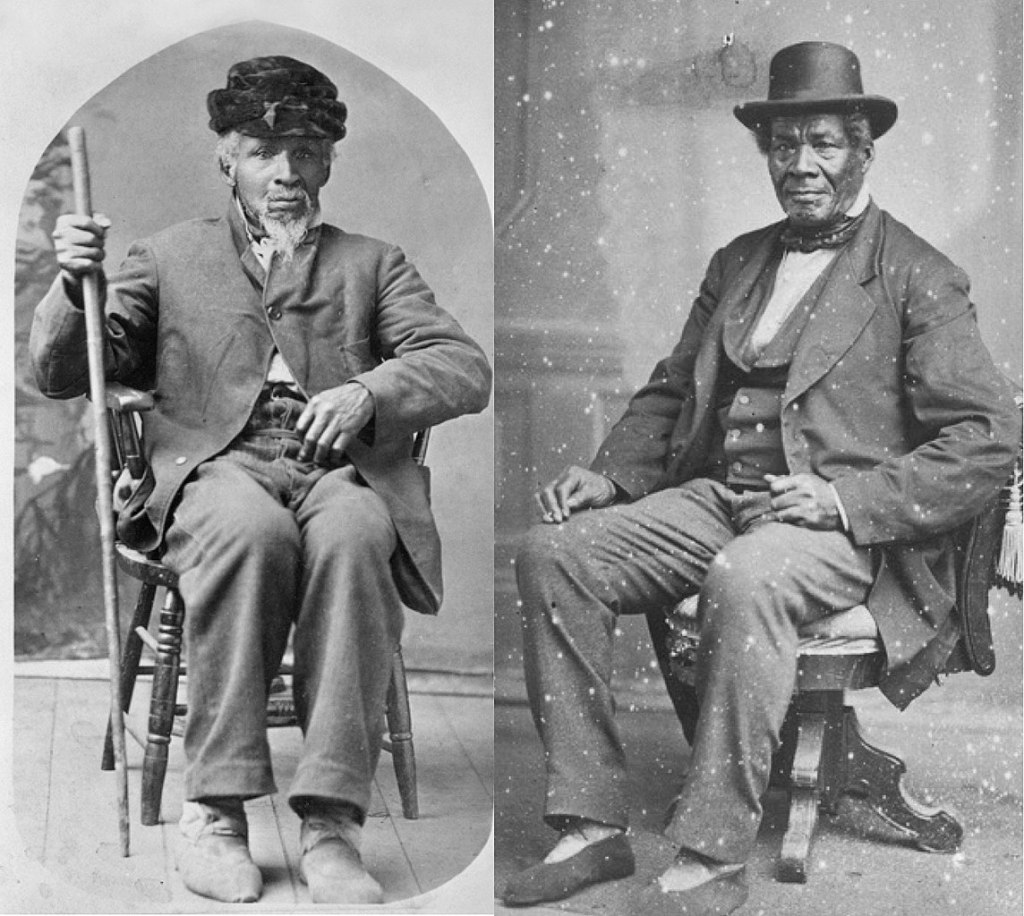
Marguerite was born in 1797 in Duluth, Minnesota. Her father, Pierre Bonga, was the son of former slaves and a successful fur trader. Her mother, Ogibwayquay, was an Ojibwe woman. Her lineage was notable in that the slave trade was very much alive at the time, and while it was somewhat common for fur traders to marry Ojibwe women to establish trading partnerships, these typically involved white traders. Two of Marguerite’s brothers, Stephen and George, went on to become well-known fur traders in their own right.
Stephen Bonga (left) and George Bonga (right)
Today, Marguerite is best known for being the wife of Jacob Fahlstrom, a Swedish immigrant known as the “first Swede of Minnesota” who helped establish the Swedish community of Minnesota. But Marguerite’s role has largely been forgotten. As Haddy Bayo, National Park Ranger at Mississippi National River and Recreation Area, notes in Women of the Mississippi: Marguerite Bonga Fahlstrom, “It’s unlikely that Fahlstrom would have risen to the social position, which has so captured historians and the public, without Bonga’s contribution.”
Marguerite provided Jacob with critical knowledge and social connections in order to establish trade with the native Ojibwe community. Additionally, traders’ wives did not stay home to tend the house and children like other women of the time. Instead, they were travel partners who fully participated in the work. Later, as a minister’s wife, Marguerite was also expected to assist with her husband’s missionary work in addition to raising the couple’s 10 children!
Despite her influential role in early Minnesota history, she has largely been forgotten, and very few photographs of her exist. Today, we celebrate Marguerite and all women who never received the recognition they so deserved in their lifetime.
You can learn more about Marguerite and other influential women in the history of Mississippi National River and Recreation Area by exploring Women of the Mississippi River, an NPS interactive map that highlights the narratives of women who shaped the history of the Twin Cities and the greater American Midwest.







 JNPA Blog