Exploring the Life of Ulysses S. Grant

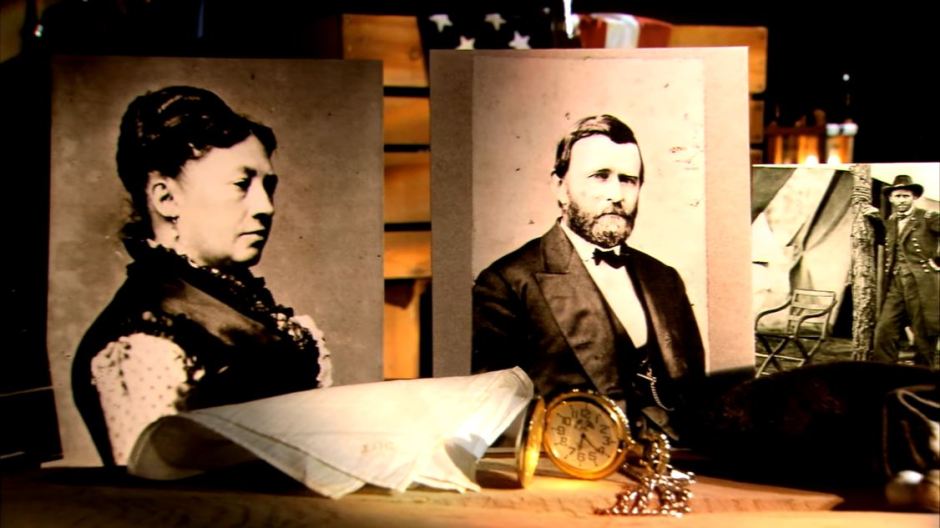
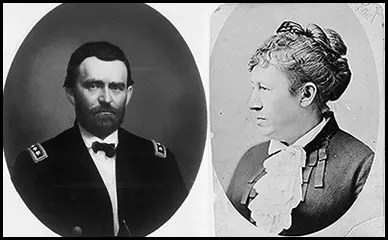
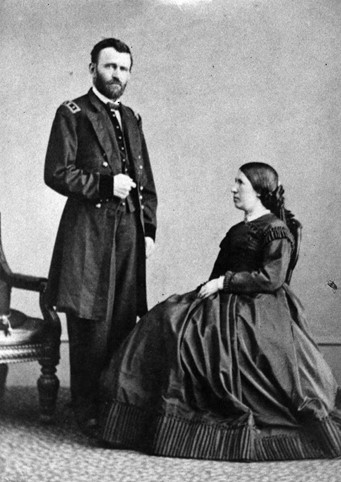
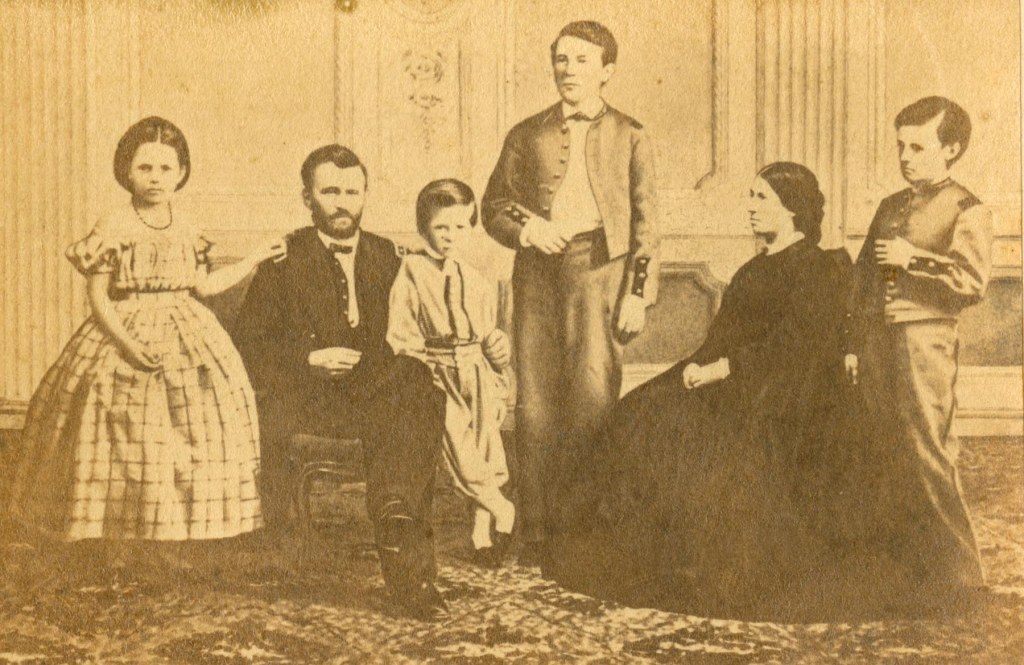
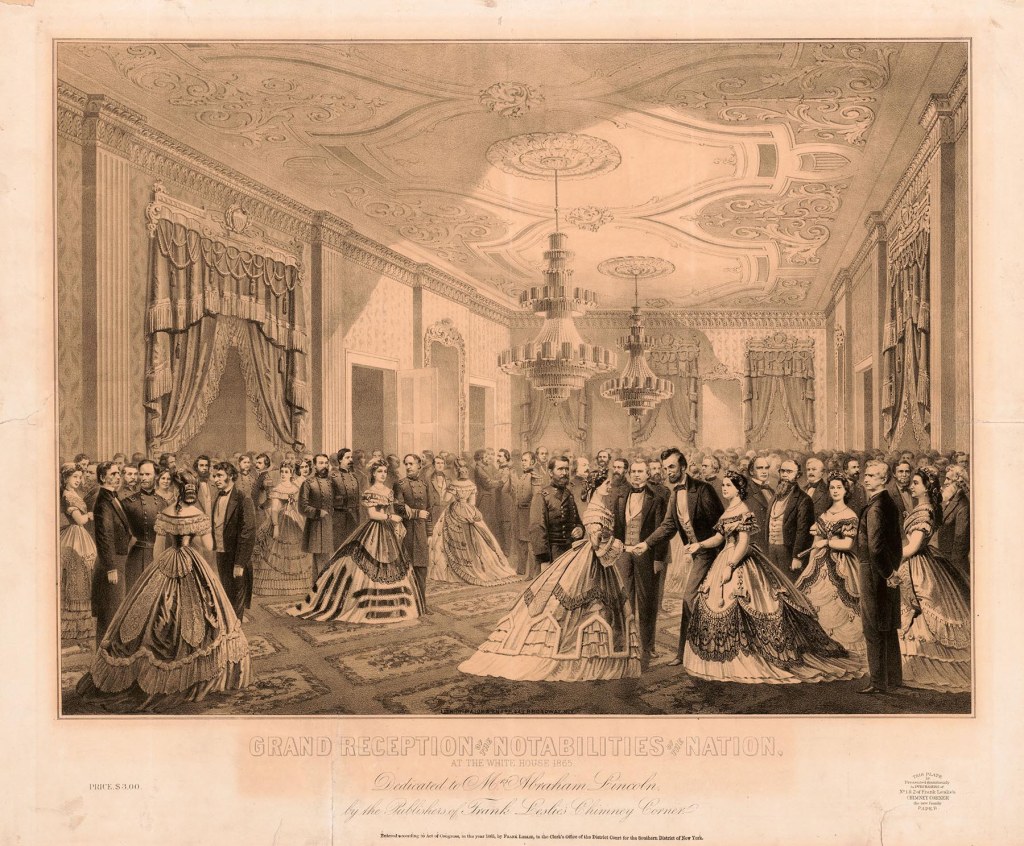
Just in time for the upcoming wedding anniversary of Ulysses and Julia Grant, the National Park Service has created a new online exhibit exploring the life and legacy of the nation’s 18th president.  The expansive exhibit amasses artifacts, documents, and photographs from numerous Park Service sites, including Ulysses S. Grant National Historic Site.

As one might expect from such a multi-faceted figure as Ulysses Grant, his life encompasses many aspects, including his early upbringing and family life as well as his military career and presidency.  And the fascinating new exhibit covers them all.

There are more than 20 national sites with connections to Grant, many of them housing collections that include artifacts, portraits, and documents related to the president or his family members.  But thanks to this new virtual exhibit, many of these items can now be viewed in one accessible location.  They shed light on little-known facets of his life, helping us gain greater insights into the famous man.

Drawing of Church Steeples by Ulysses S. Grant (Courtesy The Papers of Ulysses S. Grant, Volume 1 and Library of Congress)

Although Grant is celebrated for his military and political achievements, his artistic side is less well known.  The exhibit features sample of some of his watercolor paintings. When he was a West Point cadet, he enrolled in several drawing classes and developed this hobby over the years.  Sadly only eight of his paintings have survived to the present day.

Then there are the charming vestiges of the Grants’ everyday life, like Julia’s ivory sewing kit, Ulysses’ cigar holder, the couple’s ivory and silver coffee service, and even the leather boots worn by Julia’s sister Emma.

Courtesy NPS

The exhibit explores Grant’s military career from his early days at West Point to his role as commander of the entire Union Army during the Civil War.  The surrender of Robert E. Lee at Appomattox in 1865 is highlighted with a color image of a Currier & Ives print of the two generals signing the surrender documents, a photo of the chairs and table used during the signing ceremony, and a poignant letter outlining the terms of surrender.

Slave quarters at White Haven, prior to removal (photo courtesy of NPS)

Grant’s experience with the institution of slavery is a recurrent theme in the exhibit.  From an early age, he was taught that slavery was wrong and that his Southern relatives “had depended too much on slave labor to be trained in self-reliance.”  When Grant married into the slaveholding Dent family, it worsened tensions with his father (none of the Grants attended Ulysses and Julia’s wedding).

Yet when the couple occupied White Haven in the 1850s, they lived and worked alongside dozens of enslaved African Americans, most of whom were owned by Grant’s father-in-law (though Grant himself owned an enslaved man named William Jones, whom he later freed).  This experience strengthened Grant’s hatred of slavery and commitment to abolish the institution, and set the stage for him to become one of the great civil rights presidents in American history.   

The new Grant exhibit is just the latest virtual exhibit created by the National Park Service Museum Management Program, whose aim is to make the broad range of NPS collections widely available to online users. You can see numerous other offerings at the program’s website.  

In honor of Ulysses and Julia’s 174th wedding anniversary on August 22nd, you may want to brush up on the life of Julia Dent Grant.  She had a long and event-filled life as the wife of a Civil War general and U.S. president.  Also check out her personal memoirs, which are available from JNPA’s online store, or at the gift shop at Ulysses S. Grant National Historic Site.

Une Femme Courageuse

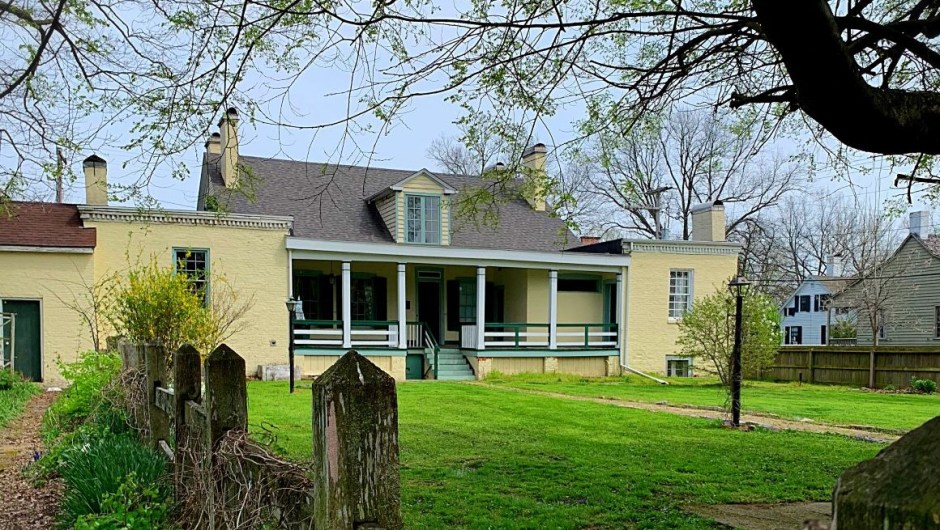
Visitors to the historic Bauvais-Amoureux House in Ste. Genevieve National Historical Park usually marvel over its unique French colonial architecture – it is one of only five surviving poteaux-en-terre (meaning post-in-ground) houses in North America. But while the 1792 structure is truly unique, even more fascinating is the story of one of its owners, Madame Pélagie Amoureux.

Pélagie was an African American woman born in 1805 and enslaved by the Bauvais-Vitale family. She married Benjamin Amoureux, a white man, in 1830. Interracial marriage was not legal in Missouri at the time, so they traveled to Illinois to marry before returning to Ste. Genevieve. Their first son, Felix, was born in 1831 and was also enslaved by the Bauvais-Vitale family until he and his mother were freed in 1832. Pélagie and Benjamin were not allowed to live in the same house even while married, so Benjamin purchased a house for Pélagie from the family of Jean Baptiste Bauvais in the 1850’s, which they then renamed the Amoureux house.  The couple had five children over the course of their marriage and were finally allowed to live together as a family in the Amoureux house in the 1860’s.

An undated historic photo of Amoureux House. Credit: Library of Congress
Pelagie Amoureux and her family. Credit: NPS

Over the course of her life, Pélagie was not afraid to stand up for herself, despite being both African American and a woman. On three separate occasions, she sued people who threatened or harmed her. While the courts did not side with her in any of the cases, she still did what she could to stand up for her rights. Pélagie died in 1890.  Her children and their descendants continued to live in the Amoureux house until 1963. After changing owners a handful of times, the Bauvais-Amoureux house was donated to the National Park Service in 2019 as the first official property of Ste. Genevieve National Historical Park.

The park staff is committed to bringing to light the story of Pelagie and other overlooked figures from the town’s history.  We encourage you to take a ranger-led tour of the Bauvais-Amoureux when you visit the park.

The Bauvais-Amoureux House today. Credit: NPS

A Rocky Wonderland in the North Woods

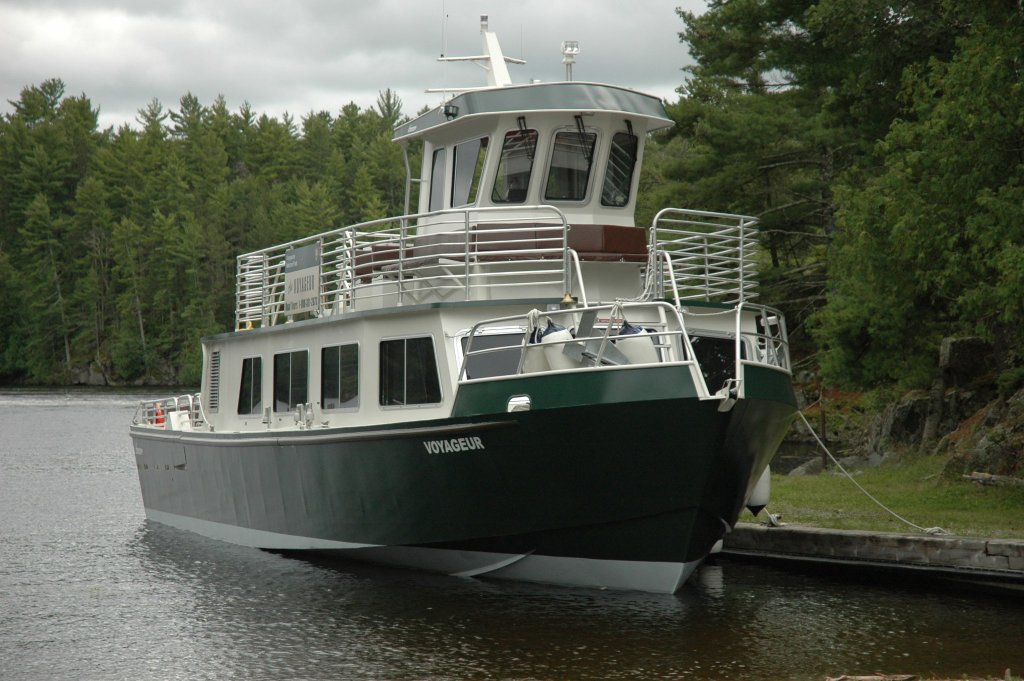
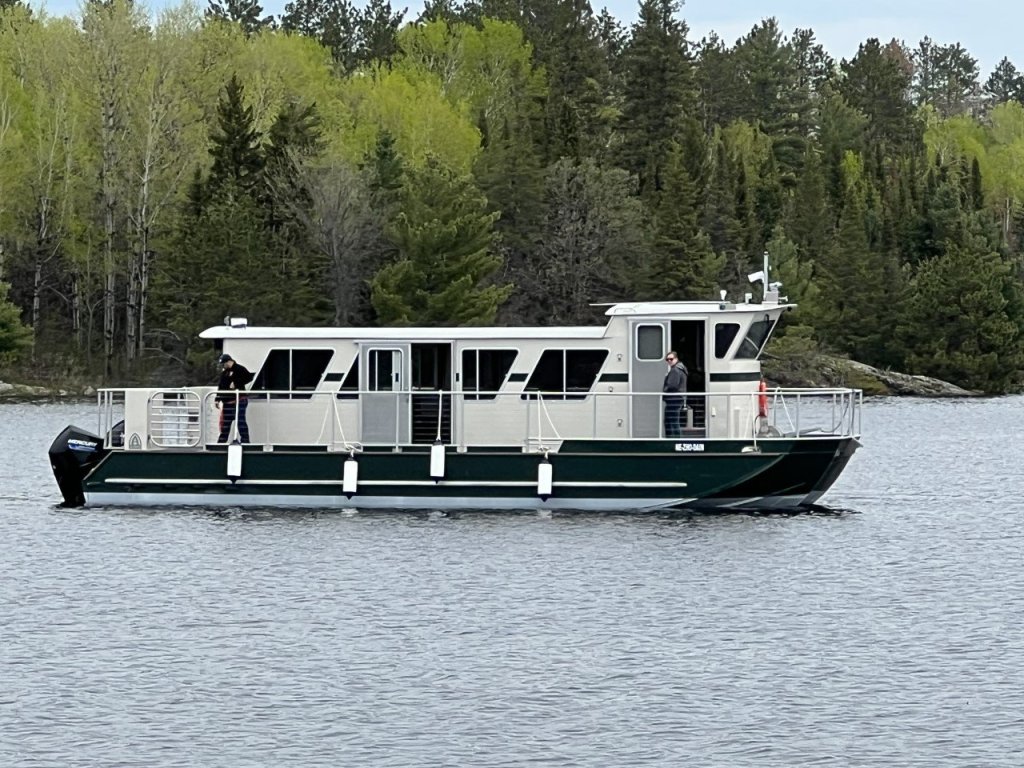
Most people visit Voyageurs National Park to experience the scenic splendor of its forests, view its diverse wildlife, and enjoy boating on its pristine lakes.  However, there’s one surprising attraction at Voyageurs that owes its existence not to nature, but to one very imaginative, relentless craftsman. 

In the 1940s, Chicago carpenter Jack Ellsworth spent summers with his wife on land that later became the national park; it was there that he had a vision. He began to carve complex terraced gardens on a prominent rocky outcrop near his home, using the native materials that he found on-site. 

Over the next 20 summers, Ellsworth constructed 62 rock-bordered flower beds which he connected with stone stairways, grassy paths, bridges, and stepping stones.  He filled the terraced beds with more than 13,000 lilies and other flower varieties, creating a colorful artistic wonderland now known as the Ellsworth Rock Gardens on the shores of Kabetogama Lake.

Over time, Ellsworth accented his landscape with whimsical stone sculptures ranging from monoliths and carved animals to benches, chairs and tables.  Many of his sculptures are carefully balanced rock formations, created without mortar. 

The rock gardens soon became a popular tourist destination despite its remote location.  Ellsworth continued to maintain and embellish his gardens until the mid-1960s, when his health began to fail and he could no longer visit the area.  Without his supervision, the nearby forests slowly engulfed the terraced gardens and many of his sculptures deteriorated.

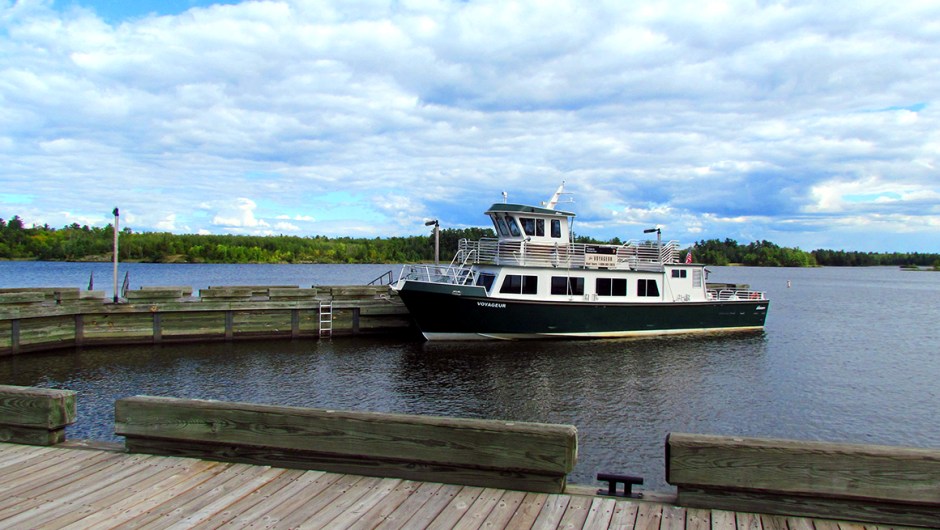
Soon after Voyageurs became a 218,000-acre national park in 1975, the National Park Service acquired the Ellsworth Rock Gardens land as well.  The aging cabins and outbuildings were removed but no real maintenance was performed on the area until the mid-1990s.  Then NPS staff and volunteers began removing the invading vegetation and shoring up the historic features.  They also built a new dock where park visitors can moor their boats during their garden visit (the site is only accessible by water) and installed interpretive signs. 

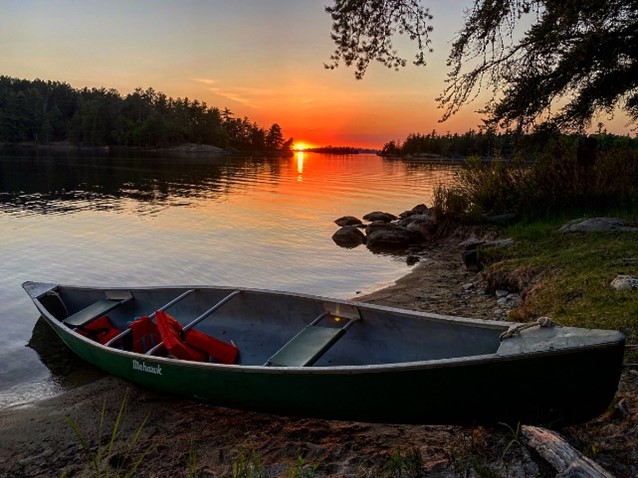
Credit: NPS

If you’re planning a trip to Minnesota this summer, carve out time to visit the Ellsworth Rock Gardens.  You won’t be disappointed.

Clinton’s “Birthplace” – in Japan?

If you haven’t made it to Hope, Arkansas, you haven’t had a chance to visit Clinton Birthplace Home National Historic Site.  Unless, of course, you’ve been to the Japanese island of Okinawa.  Wait…what?

We’re guessing you wouldn’t expect to tour the boyhood home of a U.S. president in Japan.  But you can (sort of).  Eccentric Japanese businessman Takeharu Shiraishi, an admirer of Bill Clinton, built an exact replica of the president’s birthplace home on the grounds of a private golf resort.  This was in 2000, just as the 42nd president was arriving in Okinawa for the G-8 Summit.  Clinton apparently never toured the building, though he later met Mr. Shiraishi.

The modest two-story house features the same white clapboard siding and green trim as its authentic counterpart in Arkansas.  It is even furnished much like the original, with period-appropriate furniture and antique appliances purchased in the U.S.  The home originally functioned as a tourist attraction then was later repurposed as a daycare center.  It has reportedly fallen into disrepair, unlike the real thing in Arkansas. 

So if you’re interested in experiencing the ACTUAL birthplace home of Bill Clinton, we suggest you take a trip to Hope.  National Park Service rangers offer guided tours of the president’s boyhood home, though tour hours are subject to change according to staffing levels. Please call the visitor center directly with any questions: (870) 777-4455.  You can also explore exhibits at the park Visitor Center and, of course, stop in at JNPA’s gift shop.  A virtual tour of the home is also available for non-travelers, as is our online store.  

President William Jefferson Clinton Birthplace Home National Historic Site in Hope, Arkansas

Rules to Live By

At this patriotic time of year, we often recall our nation’s founding fathers. Here at JNPA, we’re particularly fond of the visionary Thomas Jefferson, whom the National Park Service honors as part of the founding mission of Gateway Arch National Park.  But while Jefferson is famous for many reasons (let’s see — third U.S. President, author of the Declaration of Independence, signer of the Louisiana Purchase…), you might not be familiar with his lesser known Ten Rules of Conduct.

Thomas Jefferson often advised others, including his children and grandchildren, on how to conduct themselves and frequently developed lists of personal behavior for them.  In 1825, the year before he died, he imparted what he called “a decalogue of canons for observation in practical life.”  Some of these rules were borrowed from literary sources; others seem to be his own creation.

Credit: Library of Congress

Jefferson’s rules seem to be as relevant today as they were in the 1800s:

  1. Never put off till tomorrow what you can do to-day.
  2. Never trouble another for what you can do yourself.
  3. Never spend your money before you have it.
  4. Never buy what you do not want, because it is cheap; it will be dear to you.
  5. Pride costs us more than hunger, thirst and cold.
  6. We never repent of having eaten too little.
  7. Nothing is troublesome that we do willingly.
  8. How much pain have cost us the evils which have never happened!
  9. Take things always by their smooth handle.
  10. When angry, count ten, before you speak; if very angry, an hundred.
Thomas Jefferson’s signature

If you decide to share Jefferson’s useful rules with the children in your family, why not also treat them to this mini-building block set? That way, they can build their own (4-inch) statue to Jefferson.

Hold Your Horses!

There’s always a diverse crowd visiting our national park partners, but four-legged visitors?  Well, that’s who you’ll see at Ulysses S. Grant National Historic Site this Saturday.

As a tribute to Ulysses Grant’s lifelong passion for horses, the park will host Horses and Grant at White Haven this Saturday.  Horses from area ranchers and owners will be on hand to help park interpreters explain the central role that the animals played in the 18th president’s life.

Illustration by Leslie Przybylek 

From the time he was a small boy, Grant loved to ride, train, and care for horses.  Horses were also vital to him as a soldier and farmer.  He was an accomplished rider both in his military career and his private life, and owned a succession of horses throughout his life. In fact, it was thought he bought the White Haven property from his wife’s family after the Civil War mainly to breed and raise horses.

Original horse barn on the White Haven property

At the park this Saturday, there will be formal demonstrations on horsemanship, saddles, and the history of racing, as well as hands-on activities for children. The free event runs from 10 a.m. to 4 p.m.; reservations are not required.  It is offered as one of the site’s Grant bicentennial activities.

Songs of Freedom

If you like rousing jazz and swing music, you’ll want to head to Little Rock, Arkansas, this Friday evening. The U.S. Army’s official touring big band, the Jazz Ambassadors, will present a 90-minute concert at Little Rock Central High School National Historic Site.

Credit: The U.S. Army Field Band

The theme of Friday’s concert is Songs of Freedom, Stories from the Civil Rights Movement.  It’s fitting that the musicians will be performing these selections at Central High, since it served as the frontline of America’s school desegregation battles in the 1950s. 

The 19-member Jazz Ambassadors have received widespread acclaim at home and abroad, earning the ensemble the title “America’s Big Band.” The musicians have performed in all 50 states and overseas.  Their stop in Little Rock is part of their Summer 2022 tour.  Check out the clip below to hear a snippet of their musical style.

The Songs of Freedom concert will take place outdoors on the park grounds on Friday, June 24 from 6:00 to 7:30 p.m.  It is free and open to the public. For more information, contact Little Rock Central High School National Historic Site at (501) 374-1957.

Credit: The U.S. Army Field Band

Oh, Fudge!

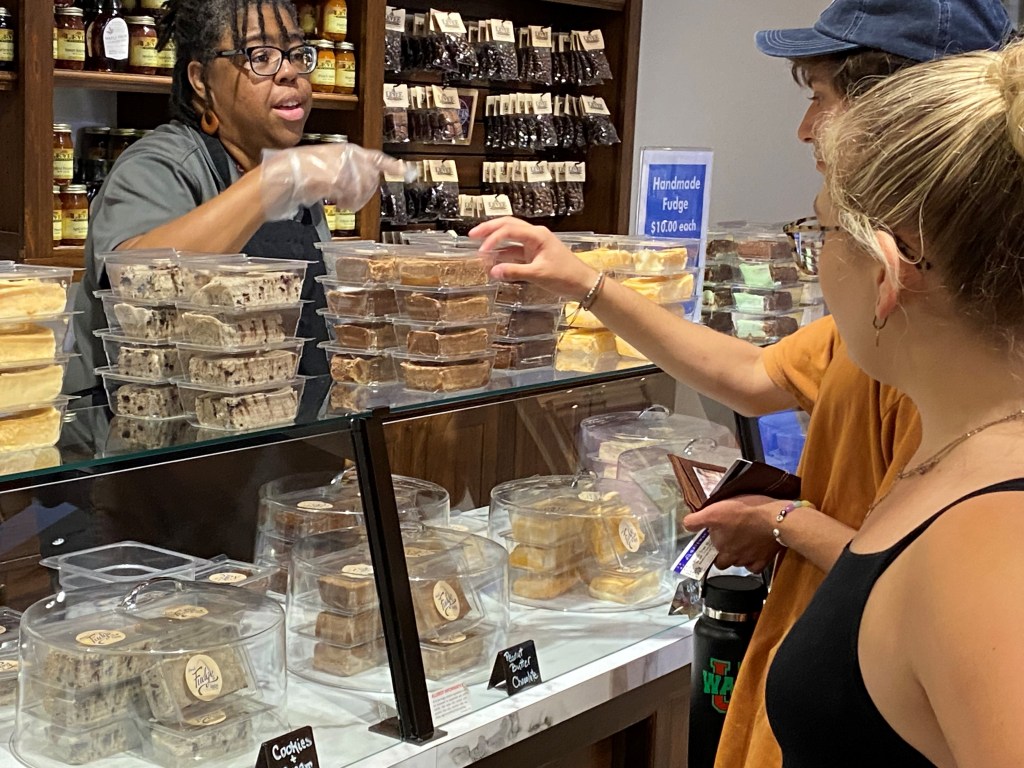
Stop the presses.  We have an important news flash:  National Fudge Day is just around the corner!  Actually, it’s not until June 16 but we’re letting you know early because – hey, fudge!  We also wanted to give you extra time to pop down to The Arch Store to pick up a box for yourself, or for your sweetie (sweetie, get it?), in time for the Big Day. 

Fudge is thought to have originated as a mistake.  Accordingly to legend, a candy maker in the late 1800s botched a batch of caramel he was making, but he ended up making something just as tasty.  And since the term “fudge” was already in use to describe a clumsy adjustment or nonsense, the name stuck!

Wondering why we sell fudge at The Arch Store, where our products have to adhere to the interpretive themes of Gateway Arch National Park?  Well among other things, we feature various foods, toys and other historical goods that were available in the early days of St. Louis, where pioneers and western explorers passed through on their way to the western frontier.  And fudge was as popular in old St. Louis as it is now.

The Arch Store makes its own fudge several days a week in a specially designed kitchen and we sell it at our historically themed fudge counter in the back of the store, often after giving customers free samples to try.  Our best-selling flavors are Chocolate Sea Salt Caramel, Peanut Butter-Chocolate and Gooey Butter Cake.  Mmmmm. 

So celebrate National Fudge Day with a trip to The Arch Store to get a sweet taste of the past.  And be sure to let us know which is YOUR favorite flavor!

Starstruck

How much do you know about the skies above us?  Well here’s a fun way to learn.  All would-be stargazers should mark their calendars for the return of the summer and fall Gateway to the Stars series at Gateway Arch National Park.  Visitors of all ages can join in the fun.

Credit: NPS

Each month from now through October, the National Park Service and the St. Louis Astronomical Society will offer public astronomy programs and telescope viewing at the Gateway Arch.  Each evening event will begin with a ranger talk and discussion inside the park’s Visitor Center at 6:45 p.m. followed by telescope viewings of the night sky just outside the Arch entrance beginning at 8:00 p.m., weather permitting.  Volunteers from the Astronomical Society will have multiple telescopes available for participants to use and will help interpret what people can see through the eyepiece.

Credit: NPS

The theme of each evening will differ.  No reservation is required except for the children’s program on July 10, which requires advance registration:

  • Sunday, June 12: Stories in the Stars The discussion will focus on the sky as a cultural resource and will include constellation stories from many cultures. Visitors will also be invited to share their sky stories.
  • Sunday, July 10: Kids Explorer Night Children ages 5-12 can earn their Junior Ranger Night Explorer patches as they build and take home their own Galileoscopes.  These are small refractor telescopes that allow viewers to see the same objects as famed astronomer Galileo Galilei such as craters of the moon and four moons of Jupiter. Space is limited.  Go to Gateway to the Stars: Kids Explorer Night for information on how to sign up.
Credit: NPS
  • Sunday, August 14: The New James Webb Space Telescope Learn about the newest space telescope, its “first light,” and early discoveries it has already made.
  • Saturday, September 3:  Lights Out Heartland  Speakers from Dark Sky Missouri will discuss the impact of light pollution on wildlife and the environment.
  • Saturday, October 8:   Theme to be determined.

When the Revolutionary War Came to St. Louis

When we think of the American Revolutionary War, we usually imagine the action taking place on the East Coast and involving just the British and the American colonists.  But the battles west of the Appalachian Mountains, though less well known, also helped shape the destiny of the nation; and they involved various indigenous tribes as well as the French and the Spanish.  The Battle of St. Louis in 1780 – which took place near what is now the western border of Gateway Arch National Park – was one such conflict.

The small village of St. Louis was founded by French traders in 1764 but became a Spanish settlement when the French ceded the territory to Spain.  Most of the approximately 900 St. Louisans were still of French heritage, overseen by a small number of Spanish soldiers.  They were far outnumbered by the various Native American tribes who lived nearby as trading partners of the Europeans. 

Map of the village of St. Louis c. 1790

When the American Revolution broke out in 1776, the British sought to control not only the Mississippi River but also St. Louis, which was a trading hub and the political capital of the region. Because the British had only scattered troops in the Midwest, they recruited nearly 2,000 Native Americans from several tribes near the Great Lakes, who began traveling downriver in early May of 1780. 

After fur traders warned the Spanish Lt. Governor Fernando de Leyba about the impending British attack, he began developing plans for his town’s defense.  De Leyba made plans for four round defensive towers to be built on which to place sharpshooters and cannons.  Only one tower – named Fort San Carlos –was finished by the time the attackers neared St. Louis.  The locals managed to place five cannons on its roof as well as trenches along the outer walls of the town.

Once the British and their Native allies began attacking on May 26, the villagers were greatly outnumbered – as many as 100 were killed – and the outlook looked grim.  However, thanks to their cannons and other defenses, St. Louis was able to overcome their attackers and win the battle.  This meant the British were not able to gain control of the Mississippi River during the Revolutionary War, a key victory for the American colonists.

The National Park Service commemorates the Battle of St. Louis every year near the anniversary date.  The event takes place this year on May 28th from 10 a.m. to 4 p.m. on the south end of the Gateway Arch grounds.  Interpretive rangers and living history volunteers in 18th-century attire will be on hand to explain the story of St. Louis’ role in the American Revolution and the implications of the settlers’ victory.  There will also be periodic musket- and cannon-firing demonstrations. Reservations are not required.

An exhibit at Gateway Arch National Park

More information on the Battle of St. Louis can be found in the Arch Museum.  Also, check out an extensive new exhibit, The American Revolutionary War in the West, which just opened at St. Charles County’s Heritage Museum.