Grant’s Christmas Present to the Nation

Most of us probably assume that Christmas Day has always been a holiday in the U.S., even during colonial days. Not so – it wasn’t until 1870 that December 25 was proclaimed a national holiday. And we have President Ulysses S. Grant to thank for that official declaration.

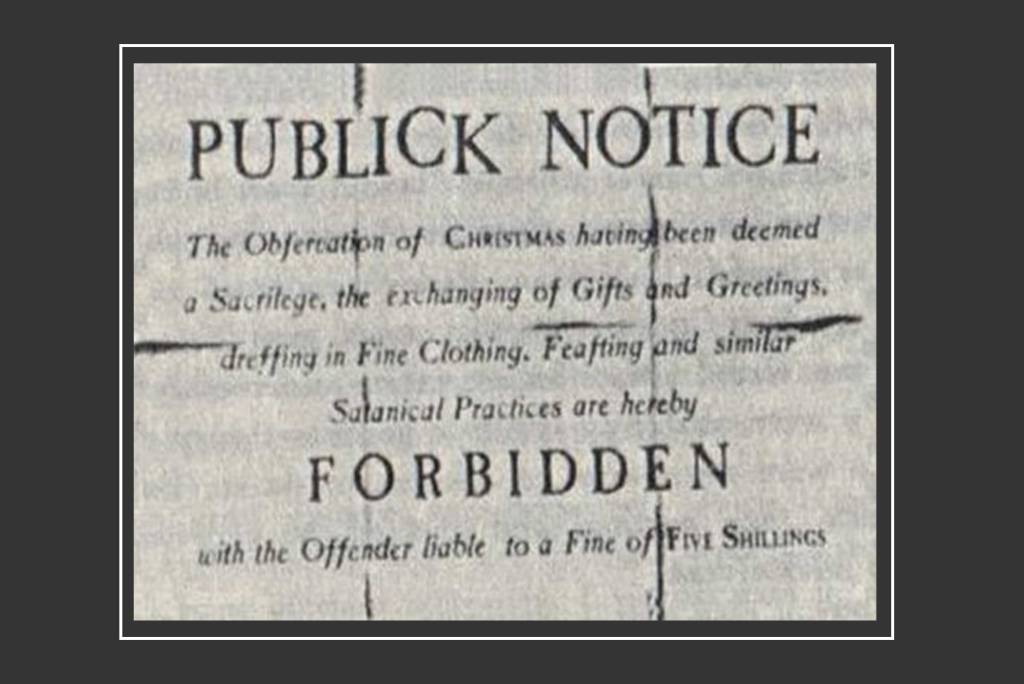
Early Americans’ observance of Christmas depended on where you lived. The Dutch colonists in New York celebrated the day, as did the British in Virginia. But many Puritans in New England looked upon Christmas as a pagan festival; in many communities, including Boston, it was actually a crime to celebrate on Dec. 25. The strict and pious Puritans disapproved of the drinking, feasting, and dancing associated with Christmas, regarding it instead as a muted, solemn affair more appropriate for church services and praying.  

1659 public notice banning Christmas celebrations in Boston 

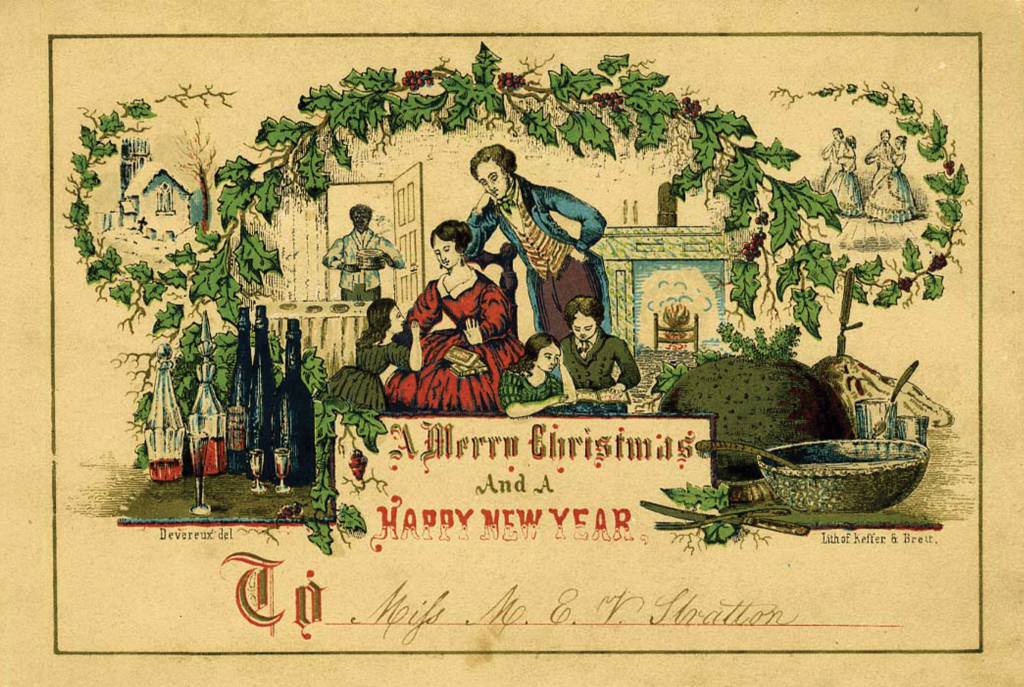
In the early 1800s, Christmas became increasingly popular in the South, and newly arrived European immigrants in New England managed to lift the local bans on celebrating the holiday. A number of states (beginning with Louisiana in 1830) declared Dec. 25 a holiday. Families started sending Christmas cards, decorating fir trees, and preparing festive meals.

Early American Christmas card, 1850

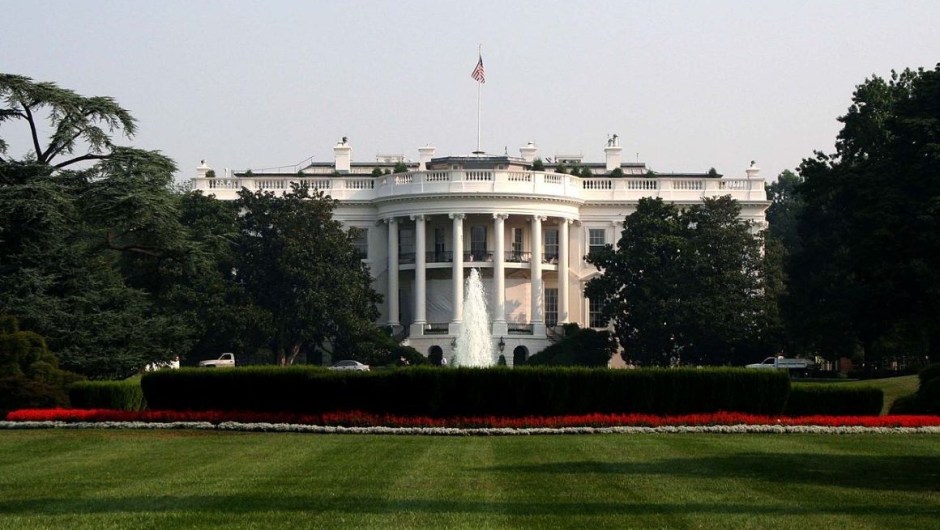
During the Civil War, soldiers celebrated by decorating their camp trees and singing carols. During the first year of the war President Lincoln and his family observed the day by holding a Christmas party at the White House.

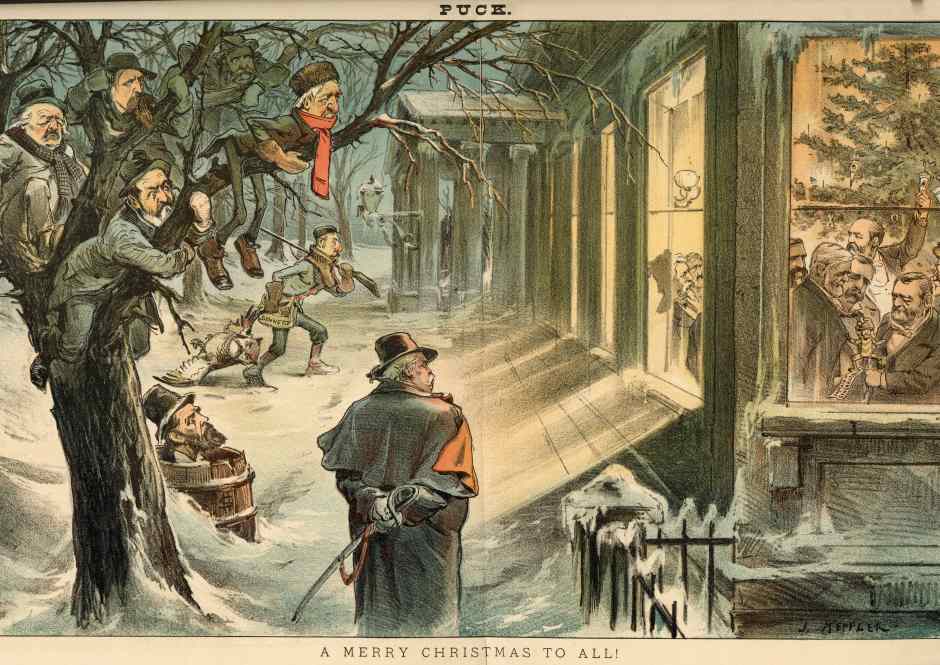
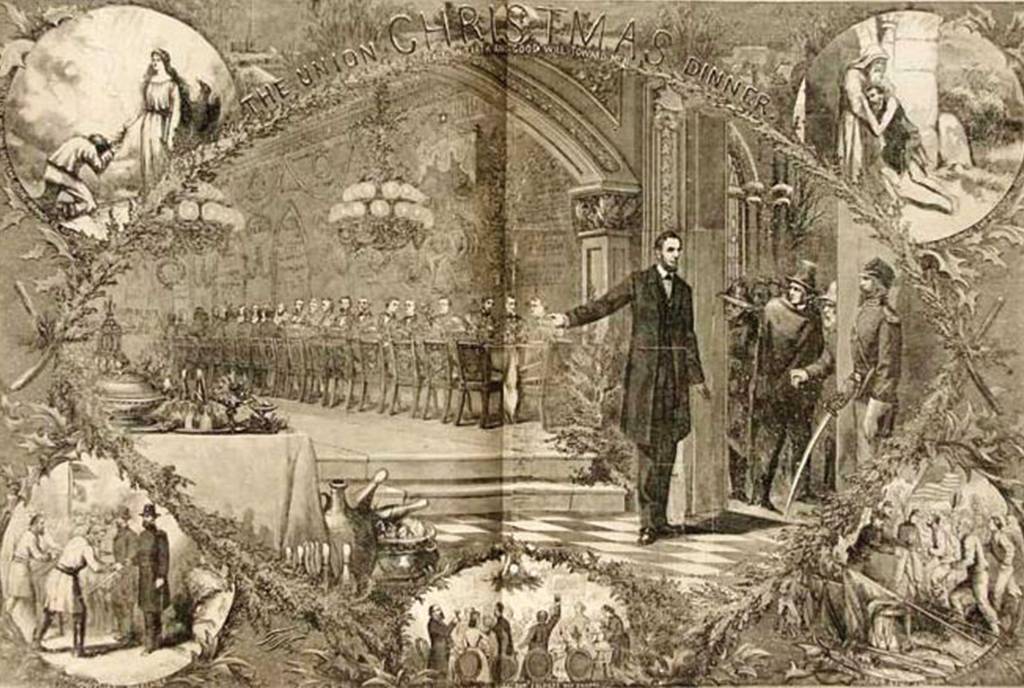
Thomas Nast illustration of Abraham Lincoln welcoming Confederates to Christmas dinner, 1864  

It wasn’t long before business leaders became frustrated with the patchwork holiday celebrations that varied state by state, interrupting their businesses on different days in different places. They encouraged politicians to formalize the Christmas observance nationwide.  

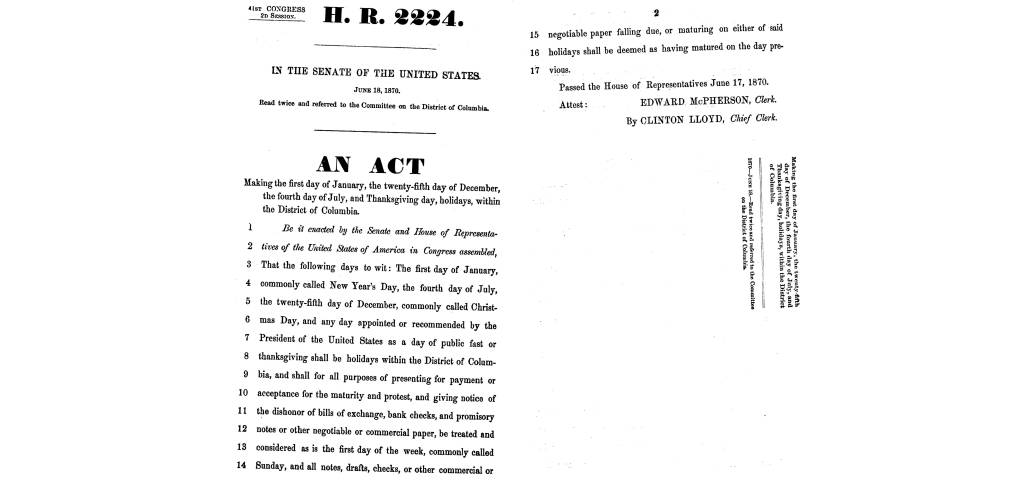
In June 1870, President Ulysses S. Grant signed a bill into law establishing Christmas Day and New Years Day, among others, as nationally observed holidays. In addition to appeasing the business community, it was hoped the move would help unify a nation still divided by the Civil War. 

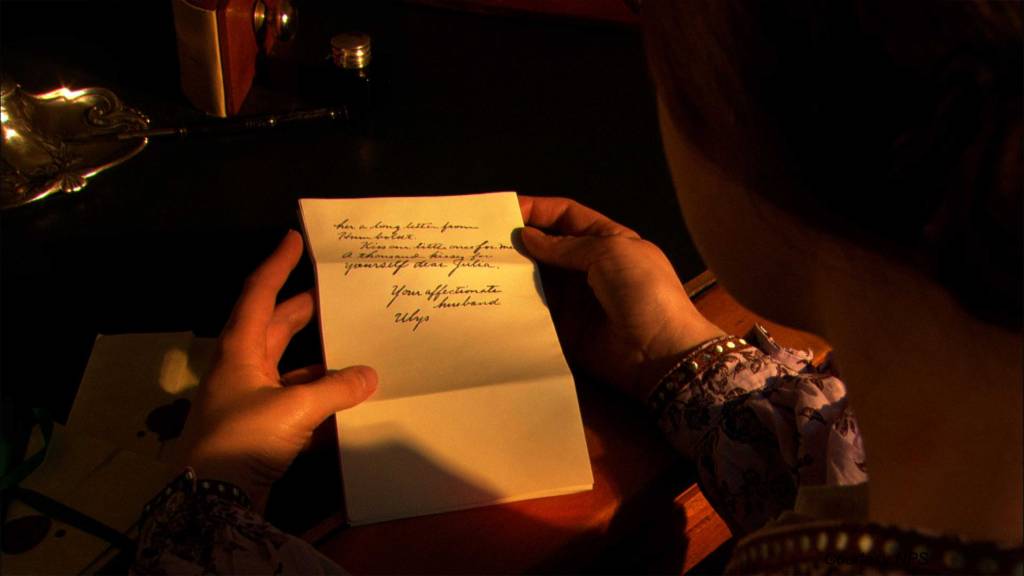
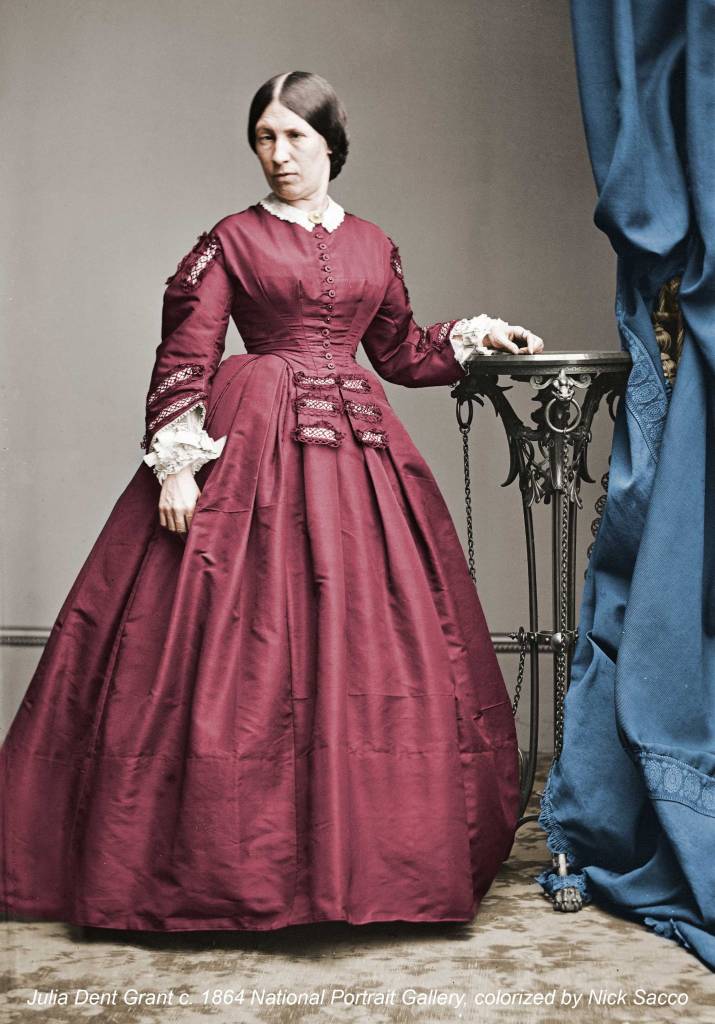
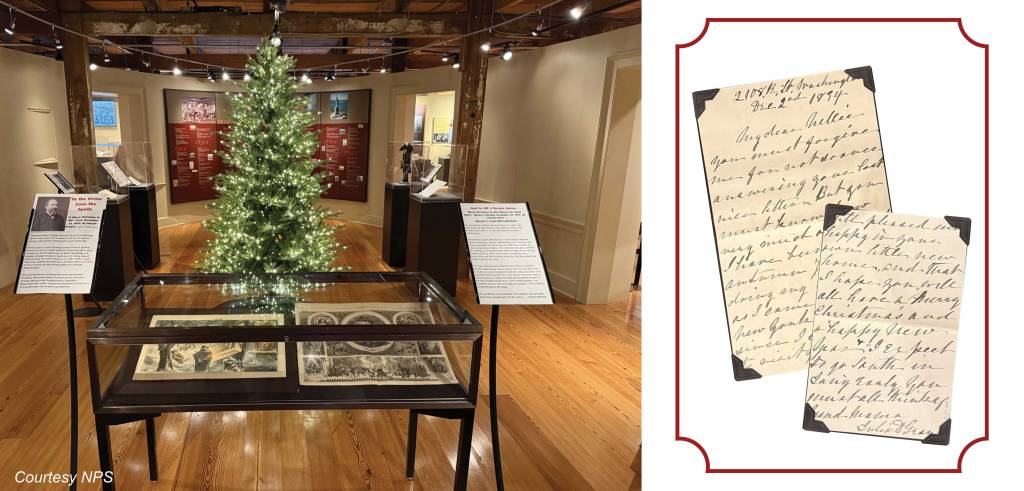
To honor Grant’s historic act, Ulysses S. Grant National Historic Site has created a special Christmas exhibit in the park’s museum. Artifacts on display include holiday letters from Julia Dent Grant to family members, seasonal political cartoons, and a nutcracker representing Grant. The exhibit will last through early January.

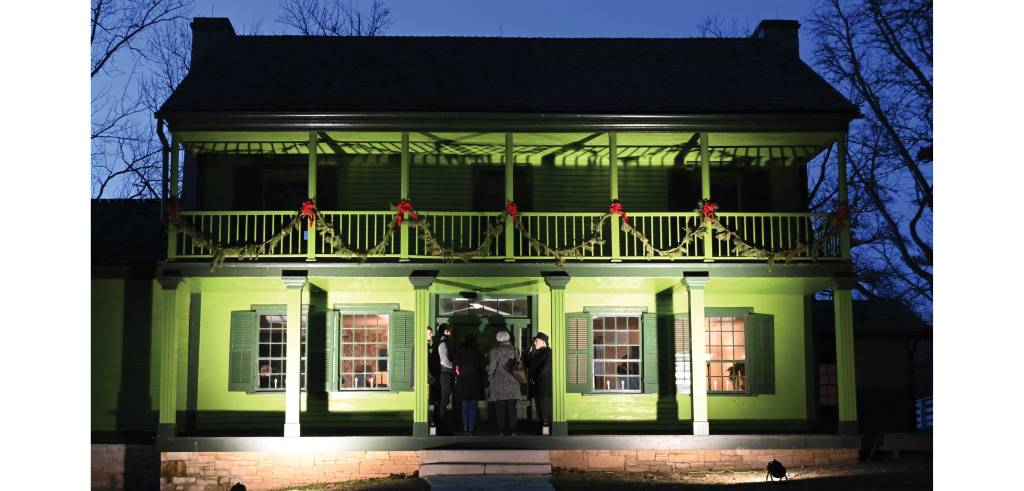
You’ll also want to visit the park at 5:30 Sunday December 14 to experience White Haven by Candlelight. Lights and decorations will adorn the historic house both inside and out, carolers and musicians will entertain guests, and 19th century foods will be on hand. At 7:00, visitors can enjoy a concert by the Buckhhannon Brothers in the park’s theater.

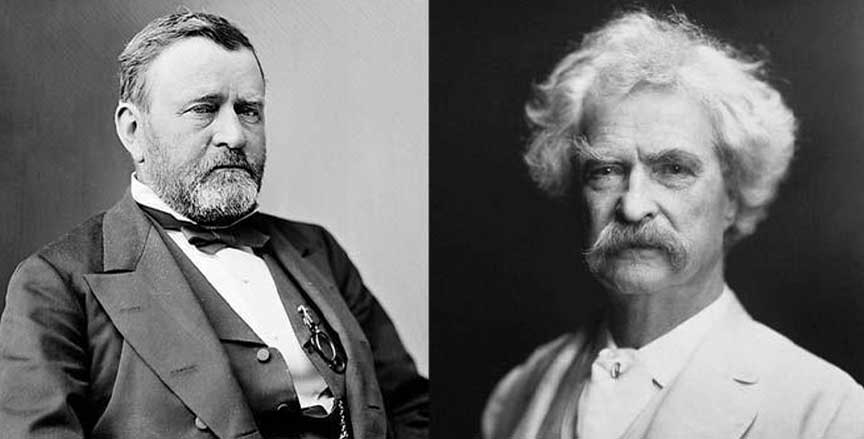
Did Mark Twain Help Ulysses S. Grant Write His Memoirs?

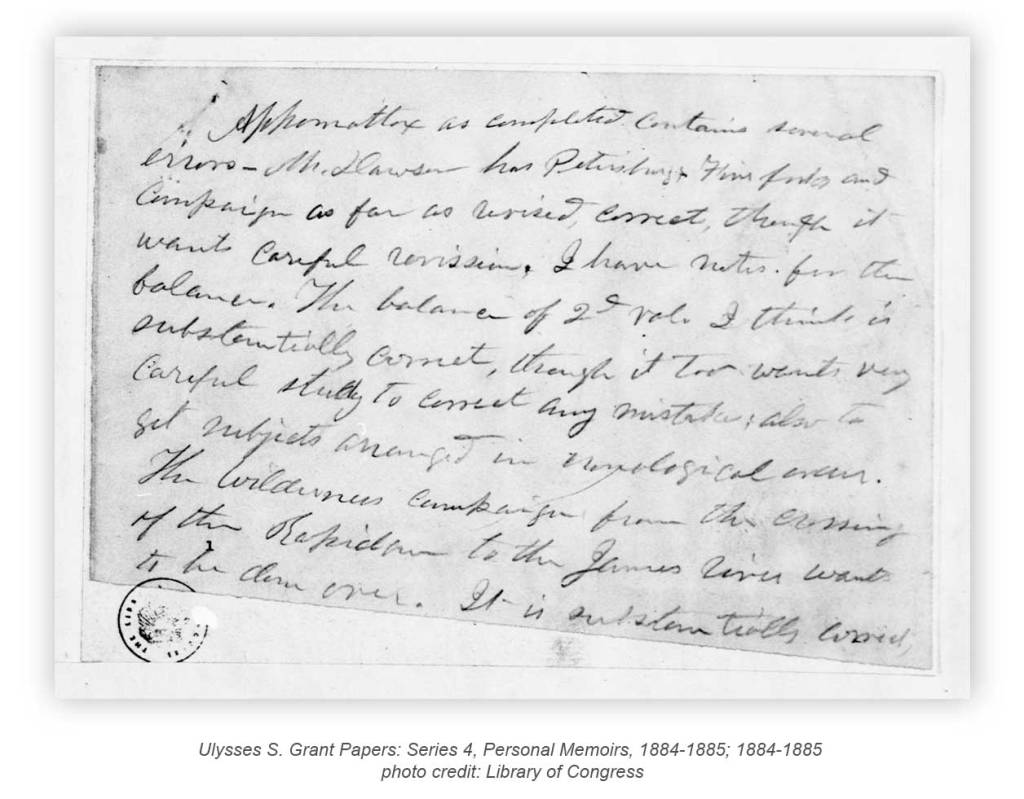
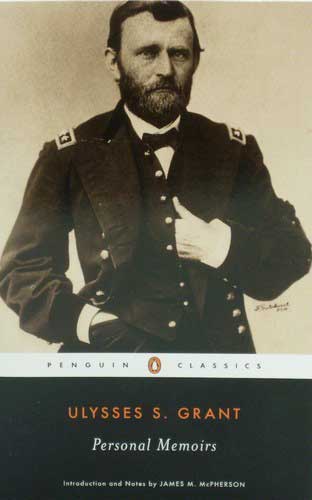
The Personal Memoirs of Ulysses S. Grant are considered one of the best military commentaries ever written. Yet rumors persisted for many years that Mark Twain helped write and edit them. Detractors doubted that the lucid prose used in the papers couldn’t possibly have been penned by the former president. However, the claim – first suggested by a disgruntled aide to Grant – proved untrue. The original hand-written manuscript still survives and is entirely penned in Grant’s own handwriting. What’s more, though the two men were indeed friends, Twain was not even involved with the project when Grant began writing.

In 1884, near the end of his life, Grant was struck by financial disaster. He had invested most of his assets with a firm headed by one of his sons, which was later involved in a scam that lost all of the investors’ money. Now broke and with no source of income on the horizon, Grant was concerned about providing for his beloved wife Julia. He reluctantly accepted an offer from a magazine to write articles about his experiences during the Civil War and soon decided to turn the effort into writing his personal memoirs. Although the magazine offered to publish the memoirs, his friend Mark Twain made him a much more lucrative offer through Twain’s own publishing company. Grant eventually accepted Twain’s offer, hoping the memoirs could secure Julia’s financial future.

At about this time, the former president was diagnosed with advanced throat cancer, no doubt a result of his lifelong cigar habit. He was left in near-constant pain, unable to drink or sleep. Yet from his sickbed he churned out page after page. Twain was a frequent visitor, proof-reading the manuscript and sometimes passing notes back and forth when Grant was eventually unable to even speak.   

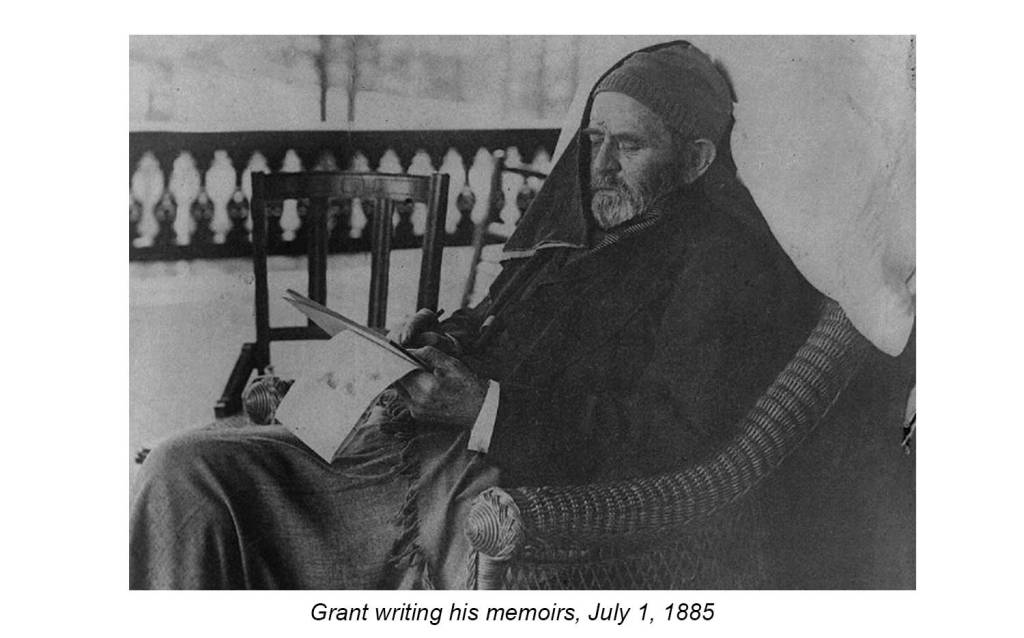
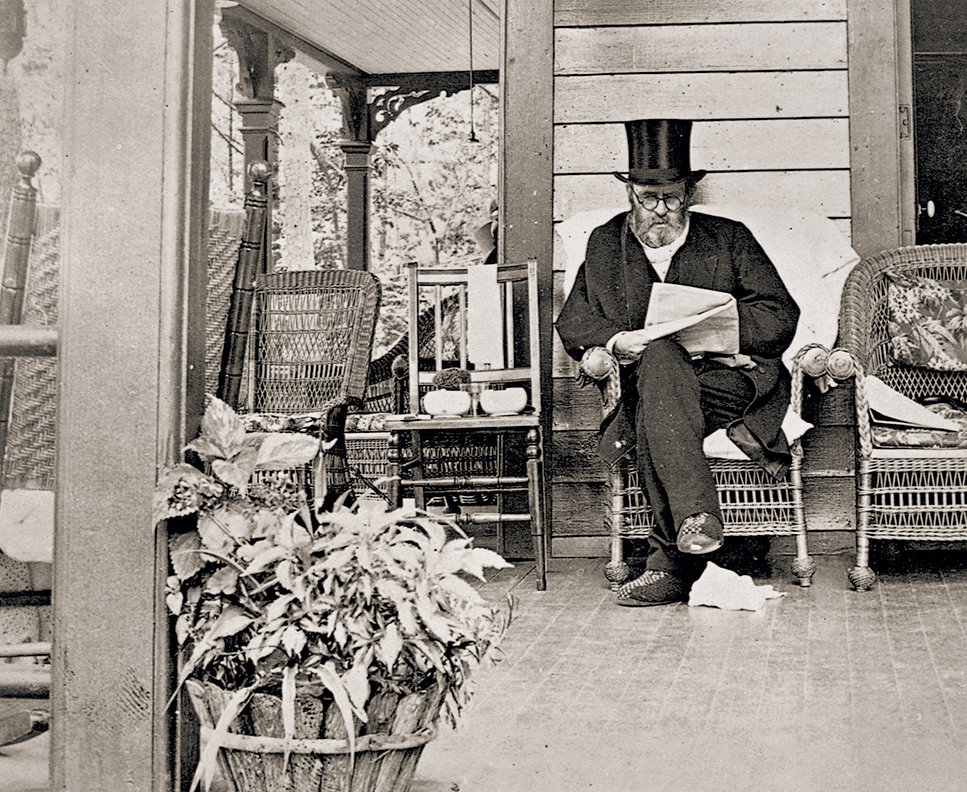
Grant’s last days were spent on his porch with pencil and paper, wrapped in blankets, determined to finish his memoirs before he succumbed to his disease. He completed his memoirs just days before his death on July 23, 1885. 

The book was sold in two volumes and became an instant bestseller. Twain said that the book was one of the best written he had ever seen. The publisher presented a check for $200,000 to Julia Dent Grant in early 1886 – the biggest royalty check written up to that time. Grant’s Personal Memoirs are still in print today and are often considered one of the best written ever produced by a former president.

You can purchase your own copy of the Personal Memoirs of Ulysses S. Grant online or in person at our gift shops at Ulysses S. Grant National Historic Site and Gateway Arch National Park. 

A Home Called Hardscrabble

It’s hard to overstate the notable accomplishments of Ulysses S. Grant: military strategist, Commanding General of the U.S. Army, 18th president of the United States, supporter of the Fifteenth Amendment (which banned racial discrimination in voting), loving husband and father – the list goes on and on.  However, there was one area where it seems Grant didn’t exactly shine: homebuilder. 

When Grant resigned from the military in 1854, he returned home to his in-laws’ plantation outside St. Louis and turned to farming as a way of supporting his wife Julia and their young children. With the help of enslaved laborers, he cultivated fruit and vegetable crops on the 80 acres he was given as a wedding present, and harvested and sold firewood. 

Grant also began constructing a house for his young family so they could live independently from his in-laws. In the fall of 1855, he started cutting, hewing, and notching logs for the cabin; the following spring he dug a cellar and laid stones for the foundation. Julia organized a house-raising with neighbors and enslaved laborers, but otherwise, Grant completed much of the work himself, including shingling the roof, laying floors, and building the stairs. 

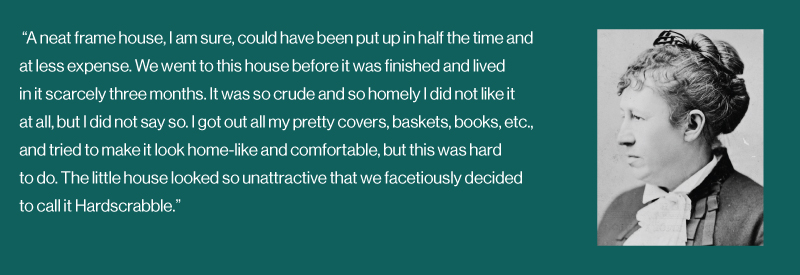
The family moved into the modest four-room log cabin during the fall of 1856, but their stay was short-lived. Accustomed to the relative finery of her upbringing at White Haven, Julia was unimpressed by the roughness of the log cabin, which she felt was beneath her standards. (Her father had discouraged Ulysses from constructing a frame house, saying a log cabin would be warmer.)  Julia later recalled in her memoirs: 

Quote from The Personal Memoirs of Julia Dent Grant
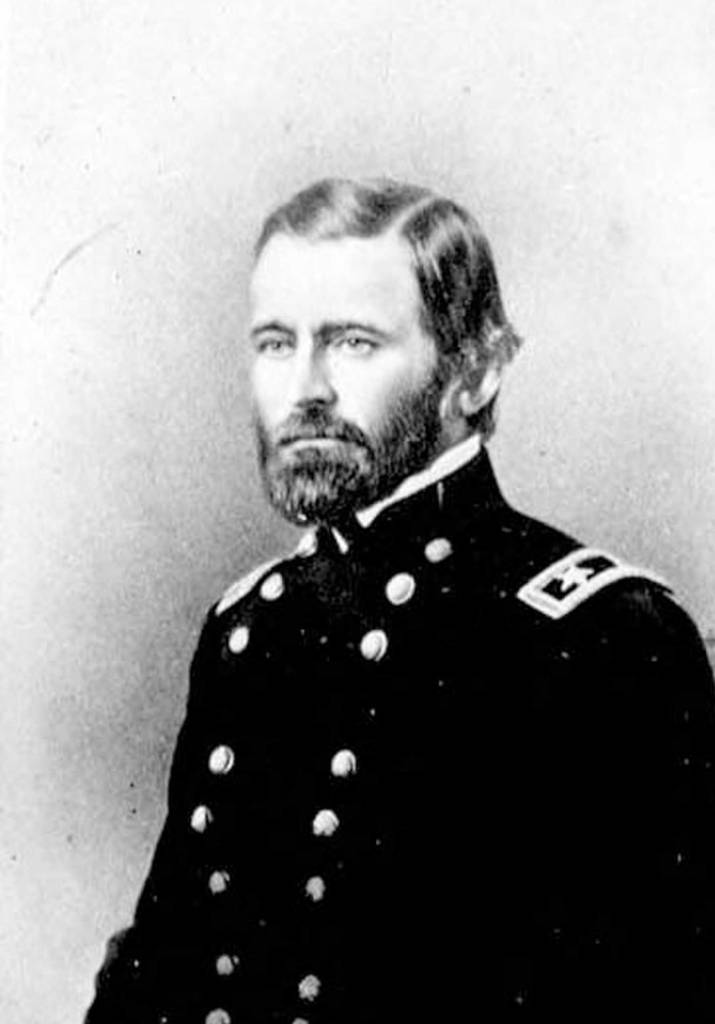
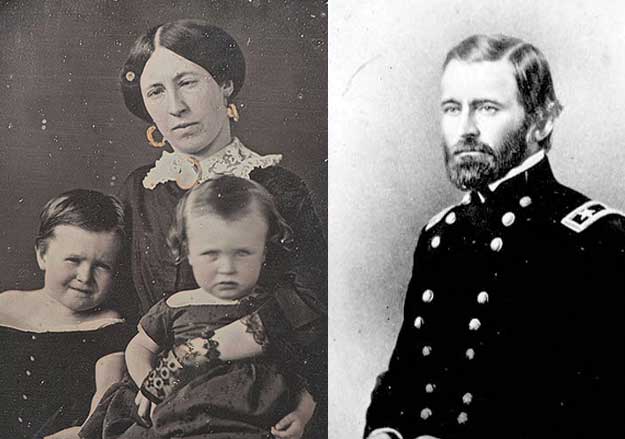
Left:Julia Dent Grant with Frederic & Ulysses Jr. Right: Ulysses S. Grant circa 1860

Hardscrabble was abandoned in early 1857 when Julia’s mother Ellen died and the Grants moved back into White Haven at her father’s request. They never re-occupied the log cabin.   

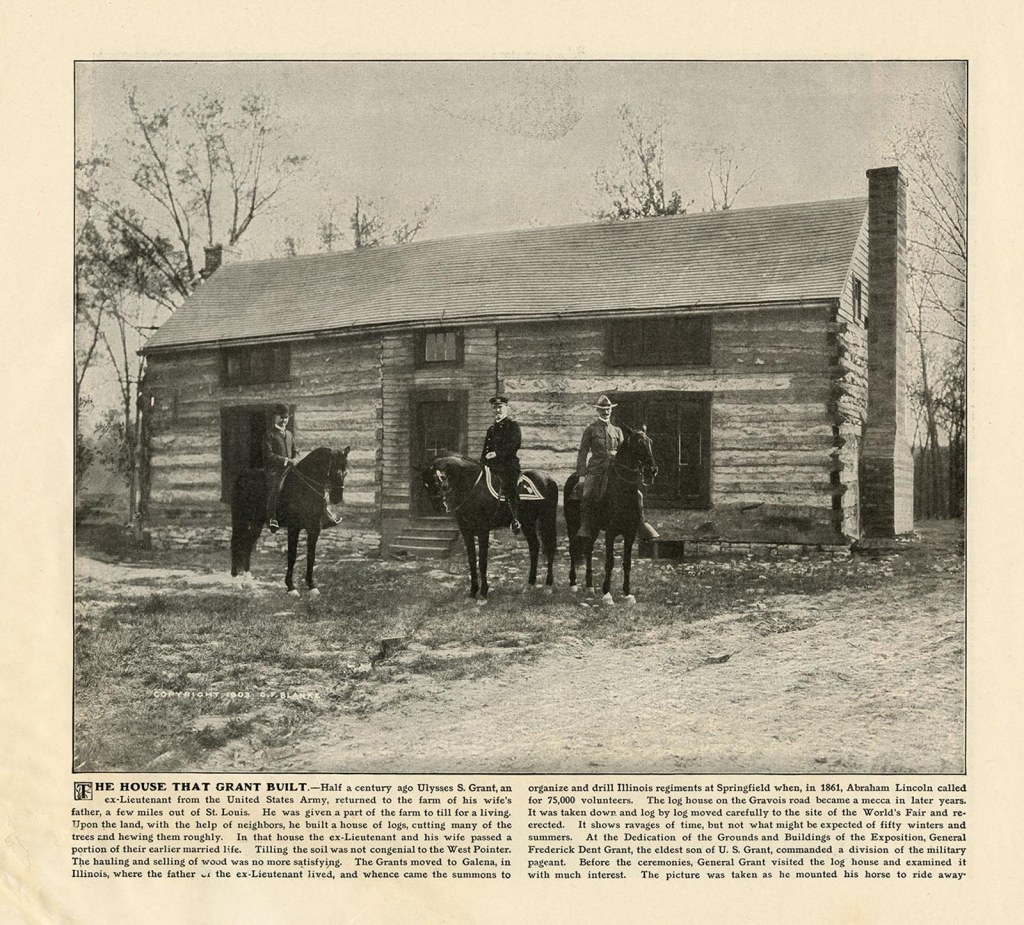
But Hardscrabble eventually acquired a history of its own because of its association with the famous general and president. It was dismantled and moved three times, including to the site of the 1904 World’s Fair in St. Louis, where it became an attraction featuring refreshments and souvenirs!   

Image of Hardscrabble on grounds of 1904 World’s Fair. General Frederick Dent Grant, eldest son of Ulysses, is shown in center.
Courtesy of NPS 

In 1907 Hardscrabble was finally moved to its current location at “Grant’s Farm,” a public attraction owned and operated by Anheuser-Busch and adjacent to Ulysses S. Grant National Historic Site. The cabin is currently not available for tours, though visitors to Grant’s Farm can view it during a tram tour of the park. 

Present-day interior of cabin, courtesy NPS

Hardscrabble is the only existing structure hand-built by a U.S. president prior to assuming office. For now, there are no plans to relocate it in the future. 

If These Walls Could Talk

Visitors to the White Haven estate at Ulysses S. Grant National Historic Site sometimes happen upon a curious stone building behind the historic house.  This humble little structure looks a bit out of place amid the other wooden buildings on the site, and it has undergone several transformations since it was built.  What was it used for?

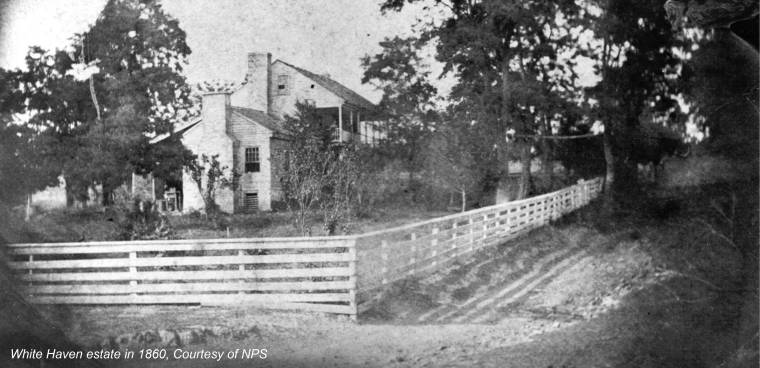
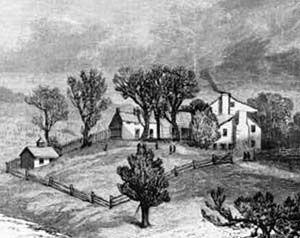
White Haven, circa 1850. Stone building is visible to the immediate left of the main house. Photo credit: NPS

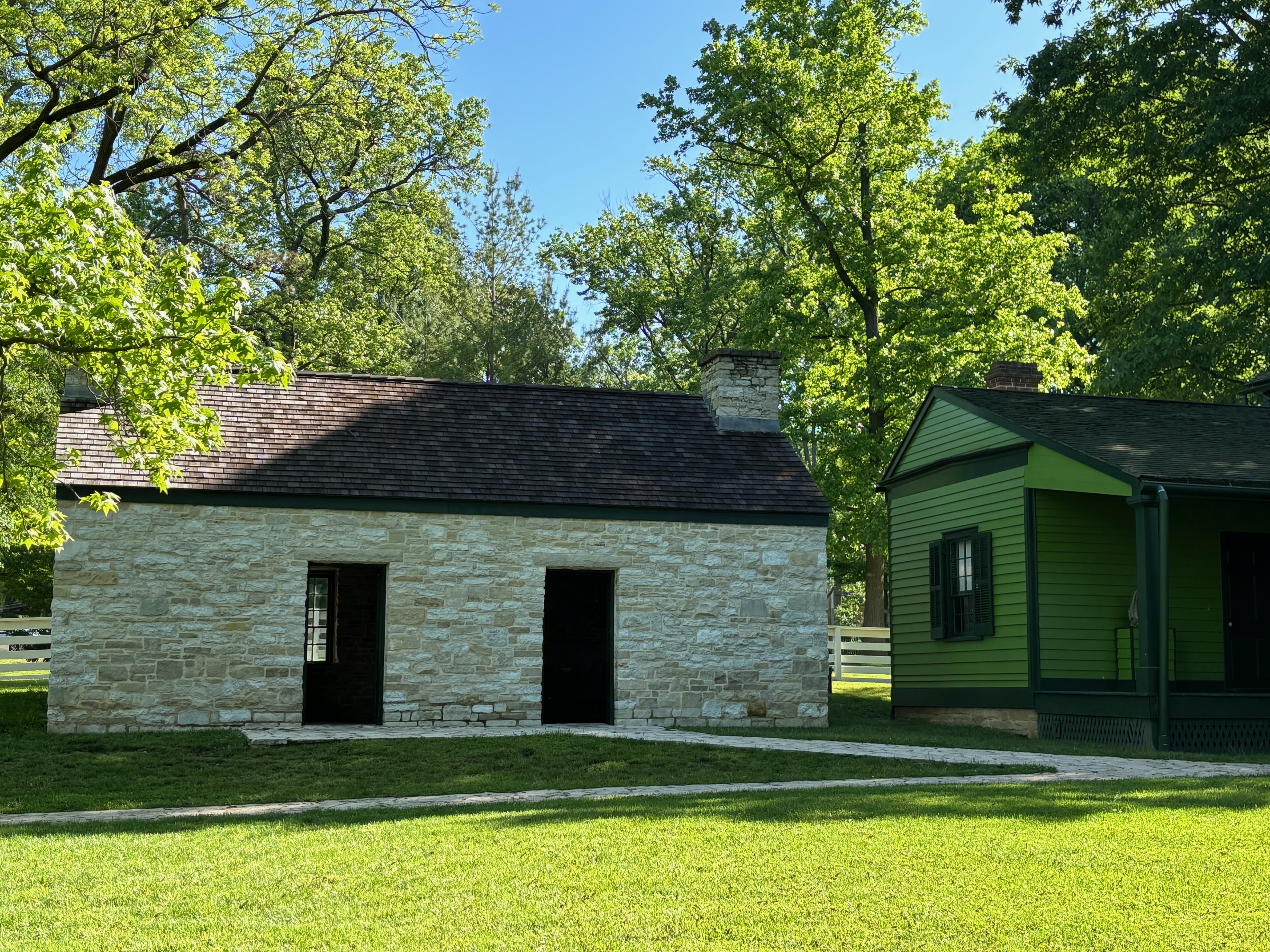
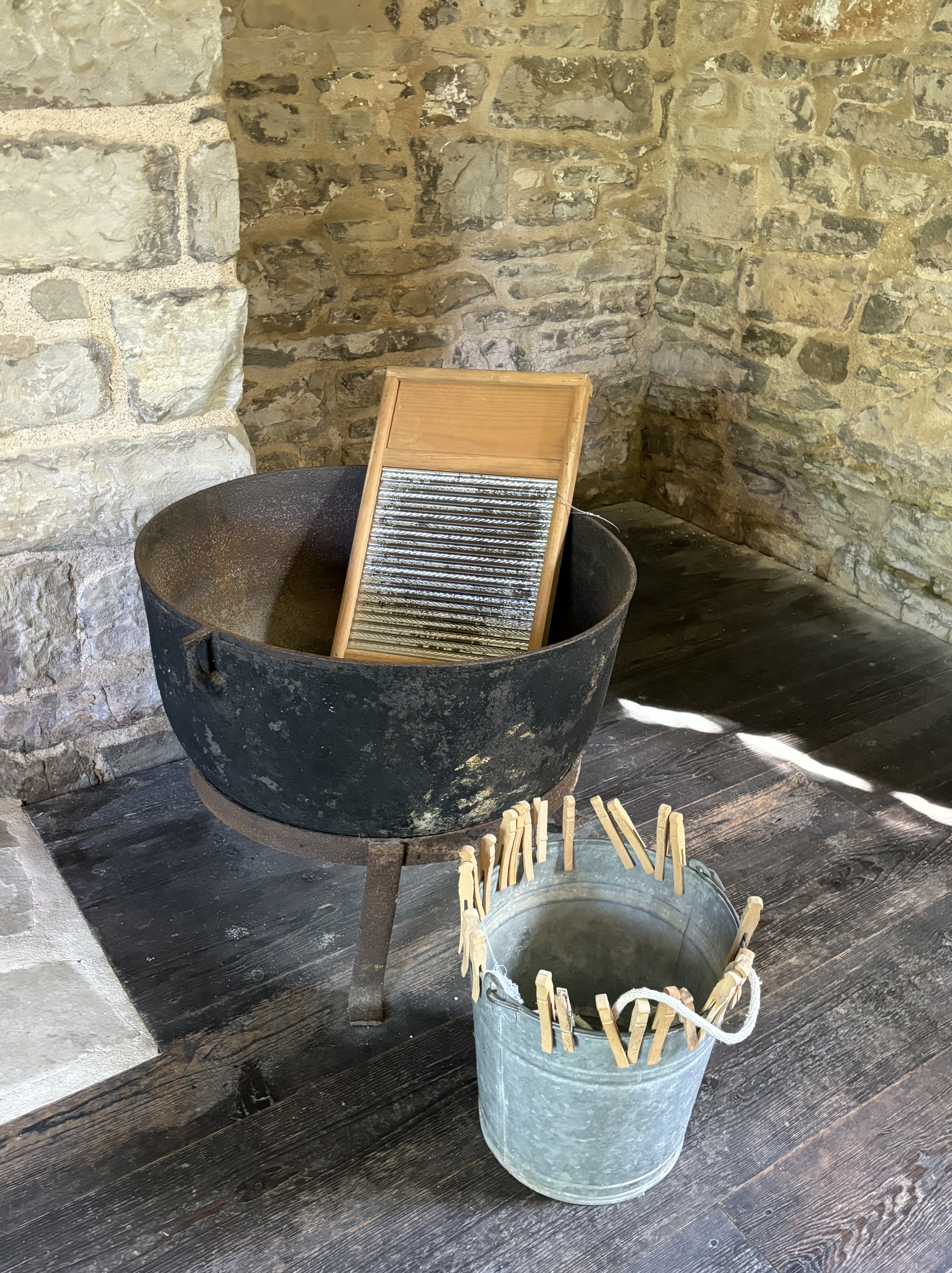
National Park Service archeologists believe the stone building was probably built well before the Civil War – perhaps as early as 1840 – when Grant’s in-laws, Frederick and Ellen Dent, owned and farmed the 850-acre slave plantation.  Enslaved laborers are thought to have worked there, cooking food, sewing clothing, and cleaning laundry; and some enslaved cooks may even have lived in the attic. 

 Although the main house on the estate featured a basement kitchen, its wood construction would have been prone to catching fire during the cold winter months, so cooking duties would probably have shifted to the cooler stone kitchen during the summer. 

Photo credit: NPS

Yet a workplace for enslaved people wasn’t the end of the little building’s story. Sometime after slavery was abolished, a permanent kitchen was established on the first floor of the main residence and the stone building ceased to function as a summer kitchen. The roof and walls of the neglected building collapsed.

Photo credit: NPS

Then in the 1940s or 1950s, the private owners of White Haven expanded the west wall of the stone building, rebuilt and re-roofed it, and used it as a three-car garage. Changes to the structure included rebuilding exterior walls, removal of the wall dividing the two rooms, replacement of the gabled roof with a shed roof, and a concrete floor.

Photo credit: NPS

After the National Park Service acquired ownership of White Haven in 1990 (a purchase facilitated by JNPA), workers restored the stone building to its original appearance.  Archaeological digs yielded numerous broken dishes, crockery, silverware, as well as sewing equipment from the nineteenth century – further evidence of the domestic tasks enslaved laborers were performing at this site.

On your next visit to the park, be sure to pay a visit to the summer kitchen building, where you’ll find additional information about its many uses. 

Grant’s Final Battle

“The greatest man I have ever had the privilege of knowing personally. And I have not known a man with a kinder nature or a purer character.”  – Mark Twain.

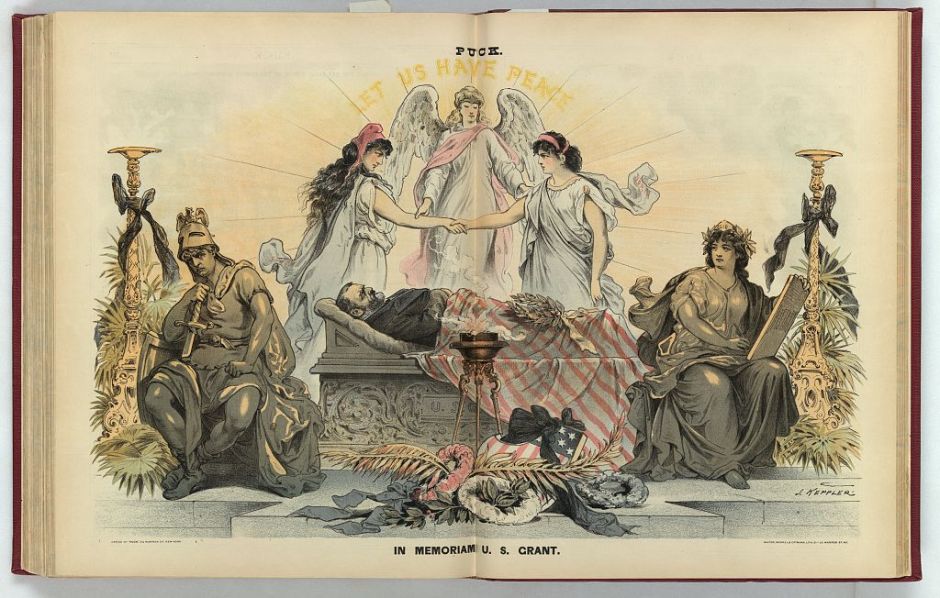
So said Twain upon learning of the death of his friend Ulysses S. Grant on July 23, 1885 – 138 years ago next week.  Grant, the nation’s 18th president and victorious Civil War general, died of throat cancer at the age of 63.  

Grant writing his memoirs [Library of Congress]

The final years of Grant’s life were filled with hardship. After retiring from the Presidency, he unwisely invested in a scandal-prone financial firm which eventually went bankrupt, leaving him destitute. About that time, he also learned he had throat cancer.  In order to earn enough money for his wife Julia to live on, he decided to write his personal memoirs, hoping that proceeds from the book’s sales would support his family after his death.  His writing chronicled his life as a soldier, from his early dates at West point to his service as general-in-chief of all Union armies.

As Grant’s memoirs progressed, so too did his cancer.  Racing against death, he kept writing despite debilitating pain and weakness.  He was encouraged by Twain, who offered him a generous publishing contract.   Just three days after completing the last page, Ulysses Grant died.  America mourned – his funeral in New York City was attended by 1½ million people.

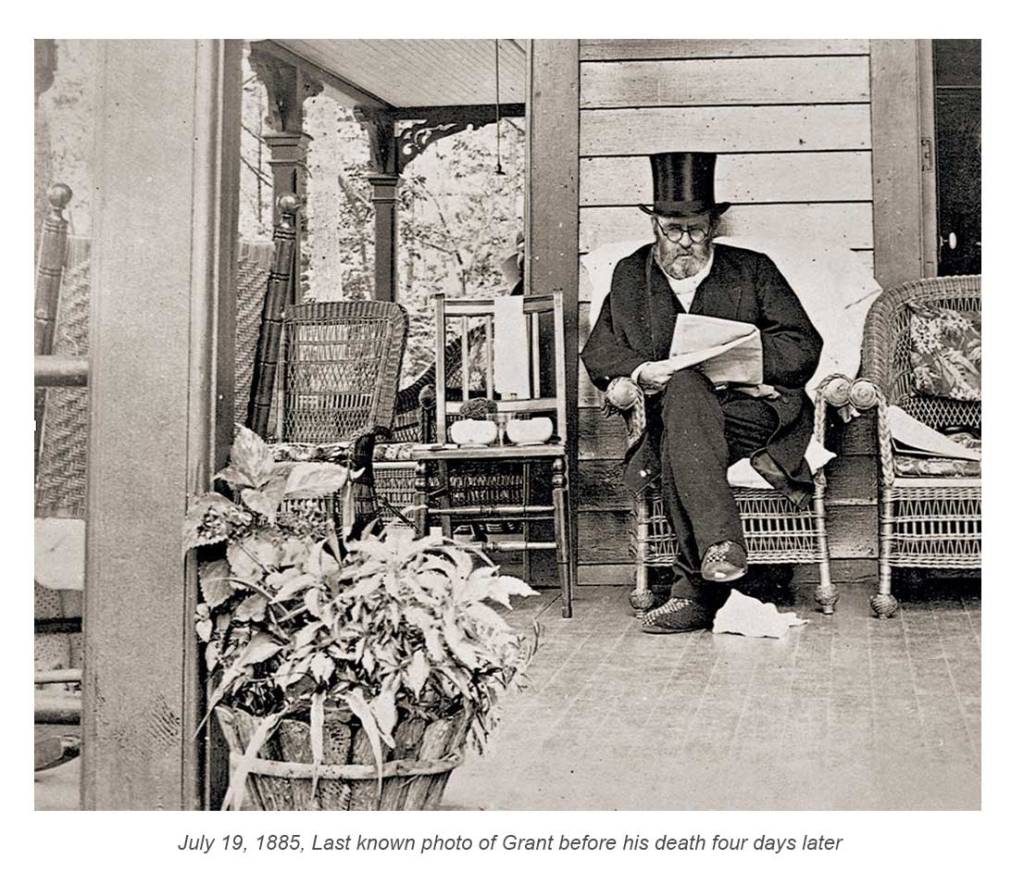
Last photo of Grant before his death. [Library of Congress]

Twain published Grant’s memoirs the same year he died.  They became an instant best-seller and proved a literary and financial success.  Julia Grant received royalties that totaled $450,000, roughly equivalent to more than $14 million today.

To learn more about Grant’s life, death, and legacy, we encourage you to visit our partner park Ulysses S. Grant National Historic Site.  While you’re there, be sure to pick up your own copy of the Personal Memoirs of Ulysses S. Grant at our bookstore, or order it online.

Honoring Those Who Honored Ulysses S. Grant

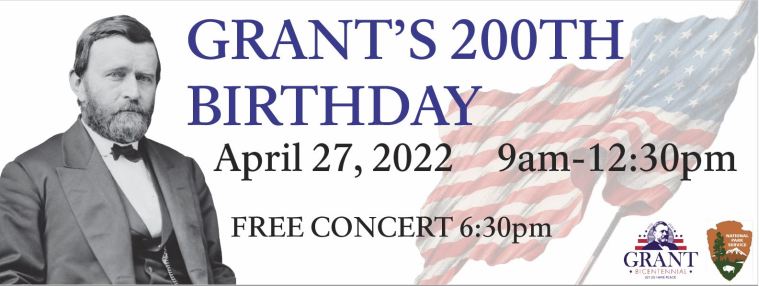
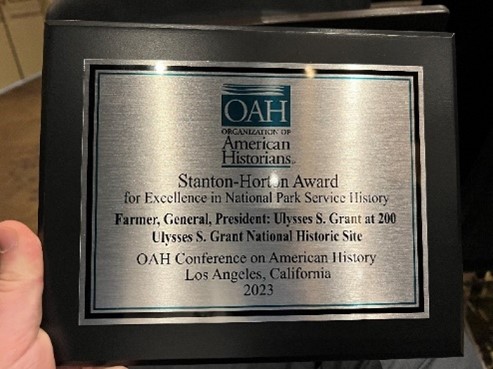
We congratulate our friends at Ulysses S. Grant National Historic Site for their recent award from the Organization of American Historians.  At the OAH conference in California last month, the park was recognized for Excellence in National Park Service History because of the many public events and programs honoring last year’s 200th anniversary of Ulysses Grant’s birth.

Park staff members used the occasion of the Grant Bicentennial year as a “hook” to connect park visitors to many aspects of the former president’s life, both public and private.  Rangers offered more than 100 in-person education programs, six special events (one with horses!), 26 off-site programs, and 16 virtual programs in 2022.  They also created online exhibits, videos, and articles on the park’s website to reach audiences that couldn’t attend on-site programs.

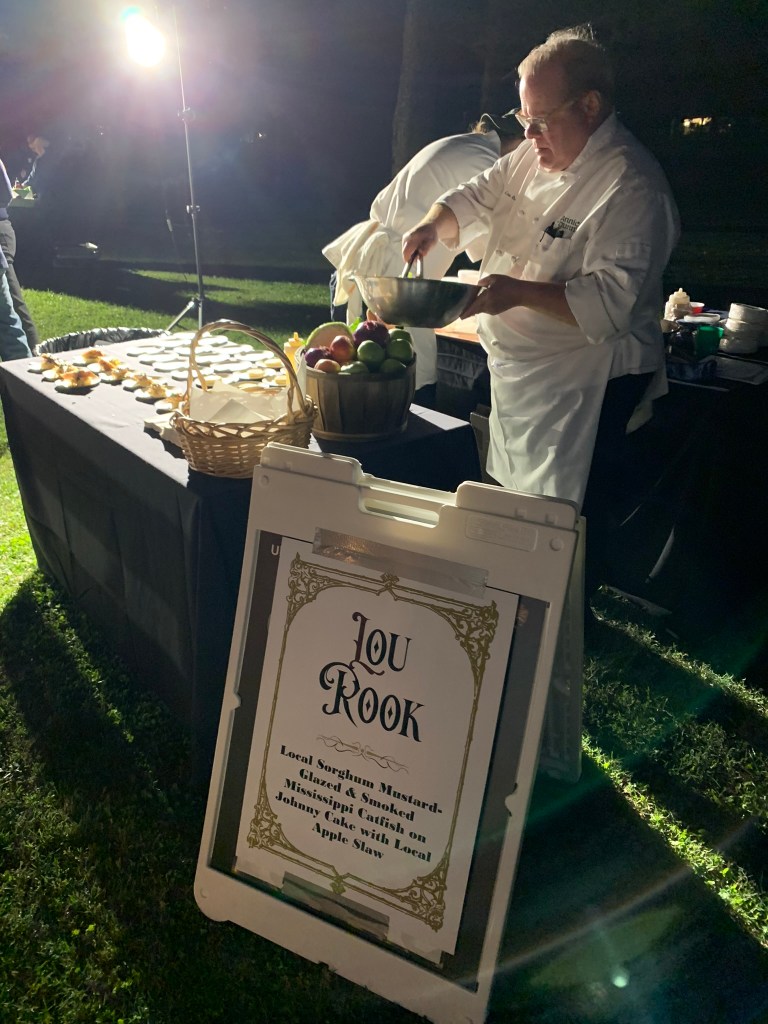
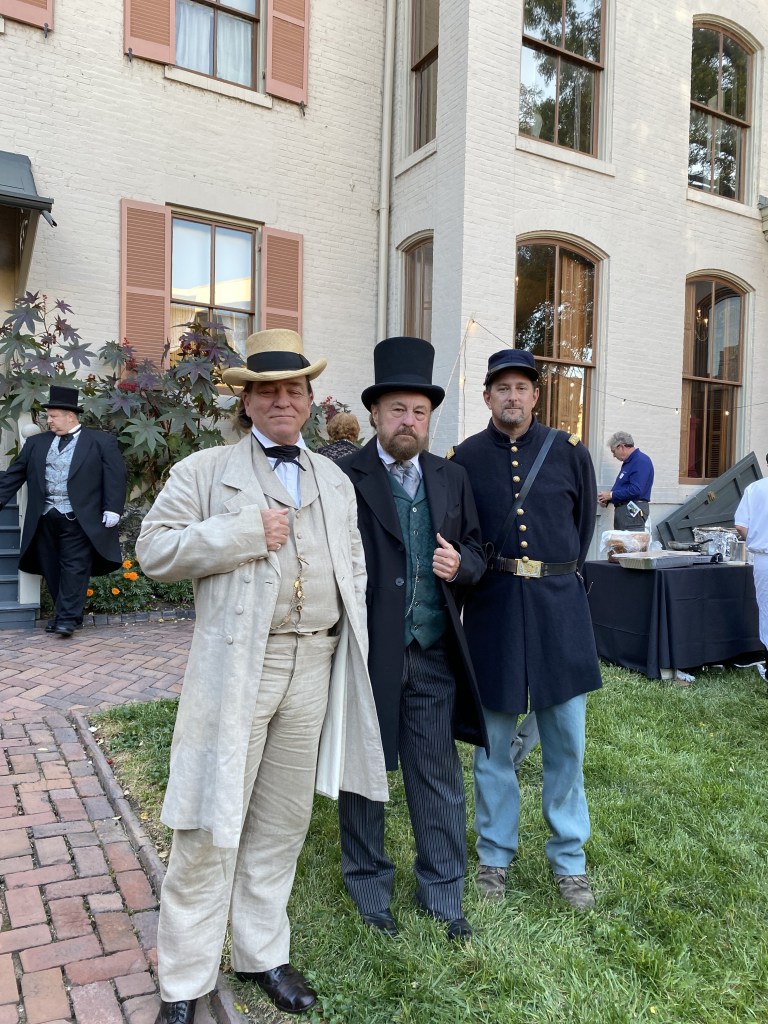
Among the Grant-related events held at the park was an extravagant dinner recognizing benefit the Grant bicentennial, held in partnership with the Campbell House Museum, where Grant sometimes dined.  The September event featured local chefs who offered historically inspired recipes from the 1800s. More than 400 guests attended the occasion, which JNPA was proud to host.

For a more complete list of the programs and events that earned the park its recent award, click here.

A Spotlight on Slavery in St. Louis

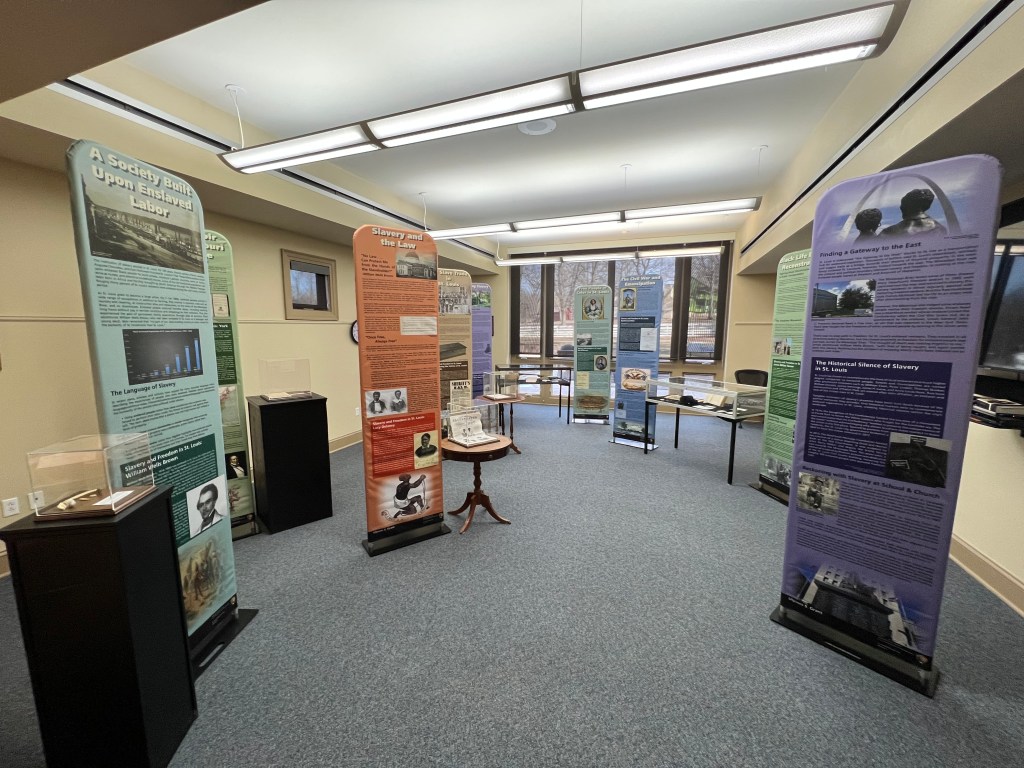
The institution of slavery afflicted most major U.S. cities, and St. Louis was no exception.  Yet most modern-day St. Louisans aren’t aware of the many stories of heartbreak and hope that stemmed from the local slave trade.  The historians at Ulysses S. Grant National Historic Site have created a new exhibit to address this knowledge gap.

Let’s take a peek at the exhibit.

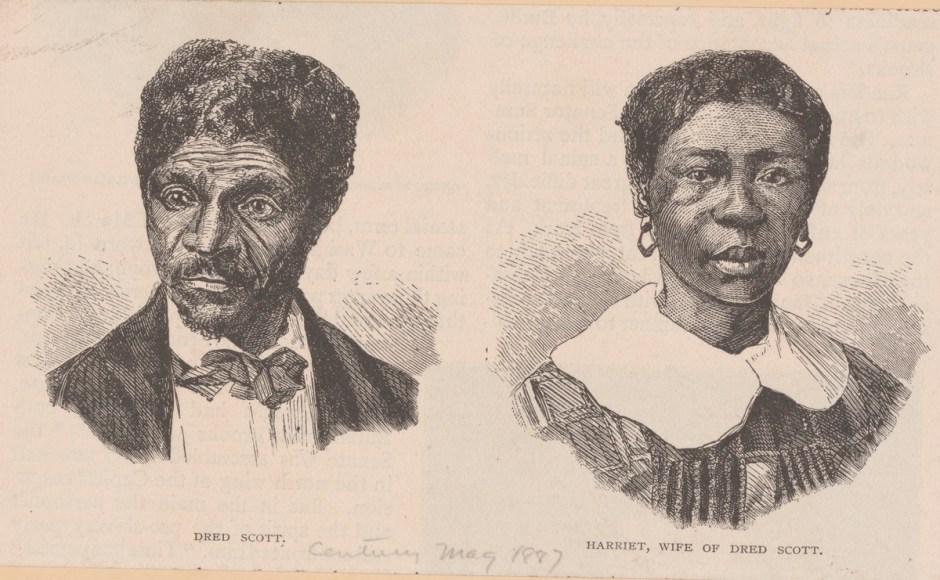
What do Dred and Harriet Scott, Lucy Delaney, and Elizabeth Keckley have in common? They were all enslaved African Americans in St. Louis who were renowned for their battles for freedom.  They also feature prominently in the new Slavery in St. Louis exhibit now on display at the visitor center at Ulysses S. Grant National Historic Site.  

A team of local historians and educators – led by park staff members Nick Sacco and Gregory Carr –carefully selected exhibit stories that focus not only on slavery but on freedom.  Nine exhibit panels are featured along with artifacts from the park’s museum collections. These explore the personal stories of notable individuals, such as the Scotts, as well as Ulysses S. Grant’s relationship to slavery. Additionally, the exhibit examines what life was like for enslaved people living in St. Louis.
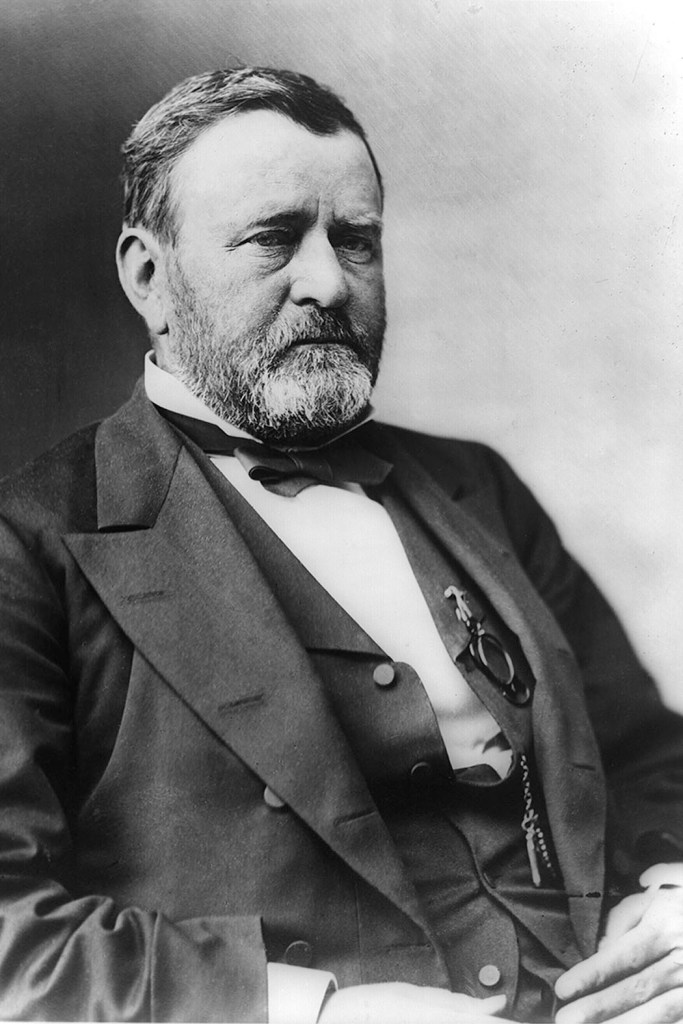
Contributors to this exhibit include:

  • Lynne Jackson
  • Cicely Hunter
  • Ashley Lock
  • Corinne Mason
  • Katrina Moore
  • Vynetta Morrow
  • Robin Produie
  • Maria Russel
  • Kelly Schmidt
  • Jeff Smith
  • Joe Thurman
  • Jamilah Whiteside
  • Liz Wolfson

Make sure to visit the park and check out Slavery in St. Louis soon, as this temporary exhibit will eventually hit the road to be displayed at other institutions.
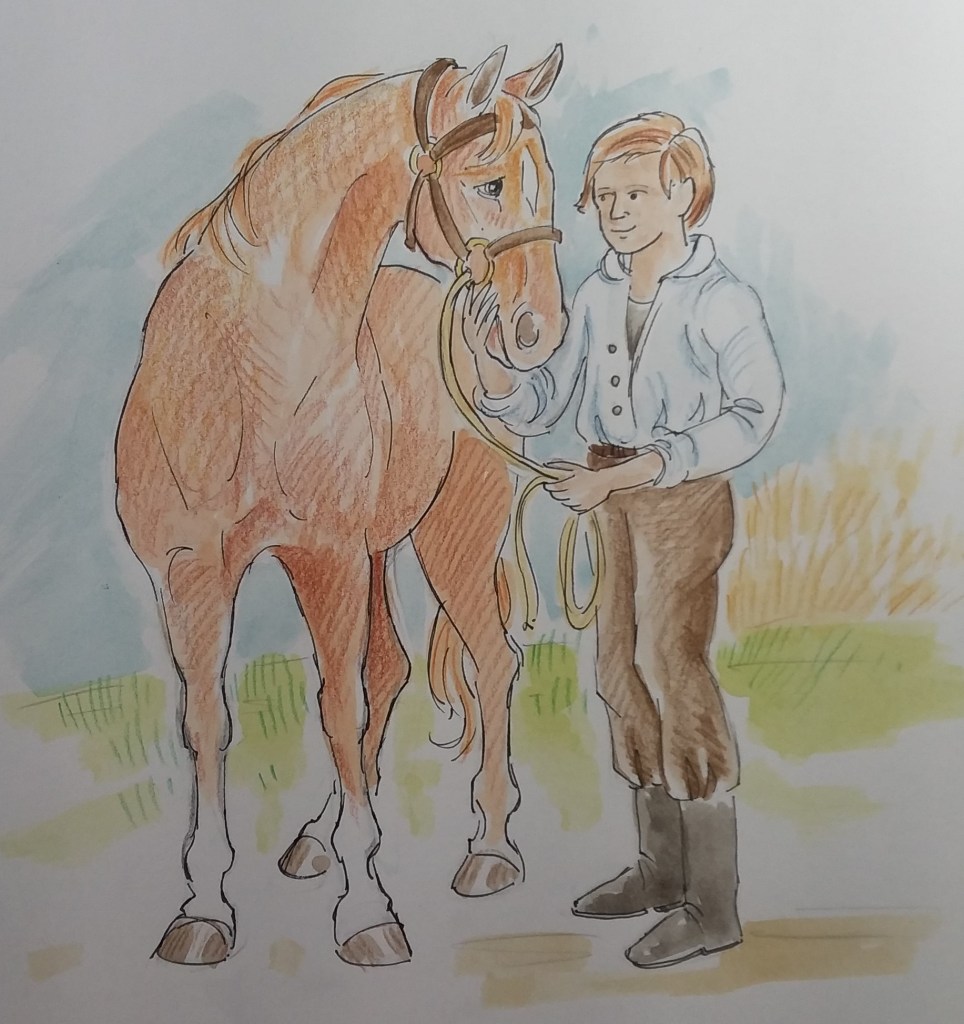
Happy President’s Day!

We love President’s Day!  Why?  Because JNPA is the proud partner of three national parks that were created to honor a U.S. president.  So as we approach President’s Day on Monday February 20, join us in honoring our national leaders, and find out how you can celebrate the upcoming holiday.

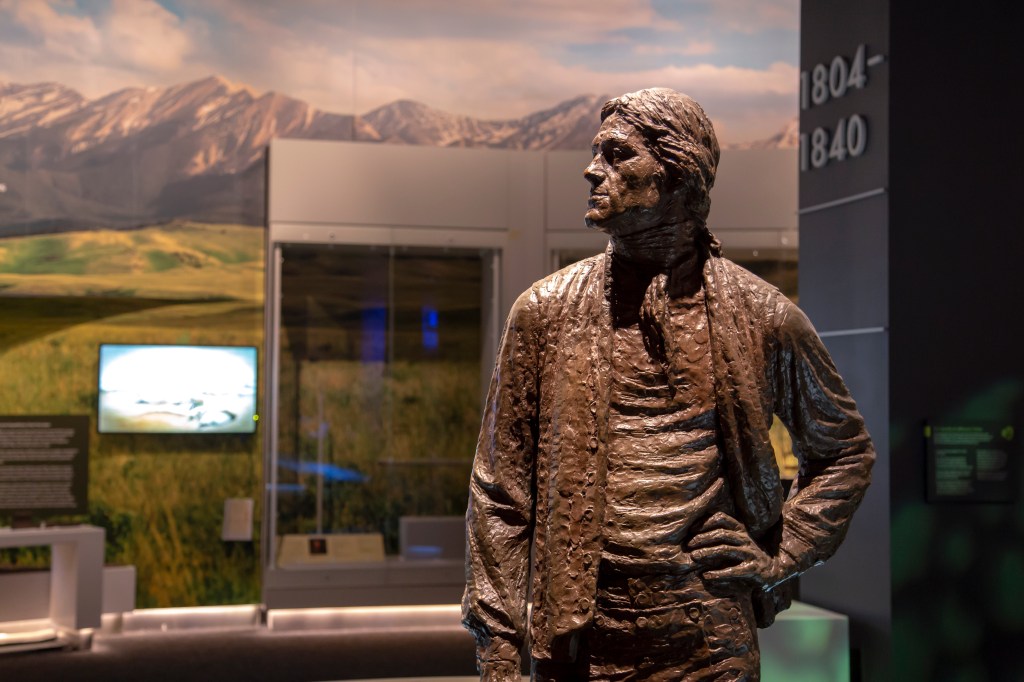
Though his name is no longer included in the park title, Thomas Jefferson is the reason behind the establishment of Gateway Arch National Park (formerly Jefferson National Expansion Memorial).  The 90-acre park is a memorial to the third president’s role in exploring the American West.  In addition to Eero Saarinen’s soaring Arch, the park features a museum that explores St. Louis’ vital role in U.S. history.  It also includes the historic Old Courthouse, where the enslaved Dred and Harriet Scott sued for their freedom in the mid-1800s.  (The Courthouse is currently closed for renovations.)
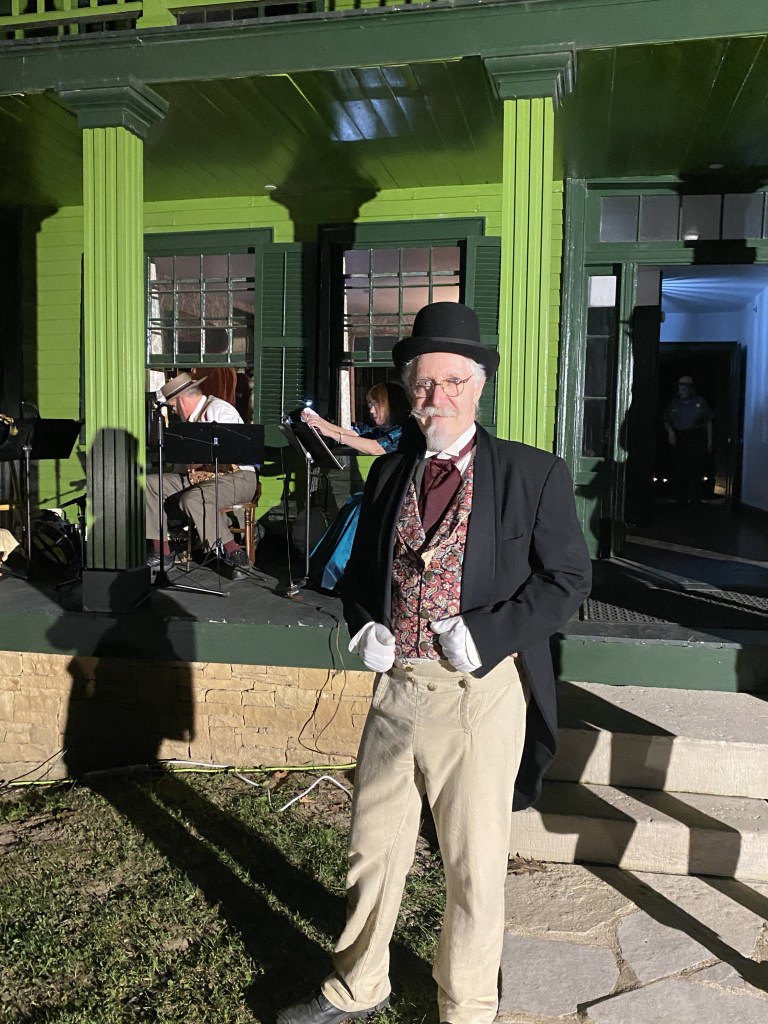
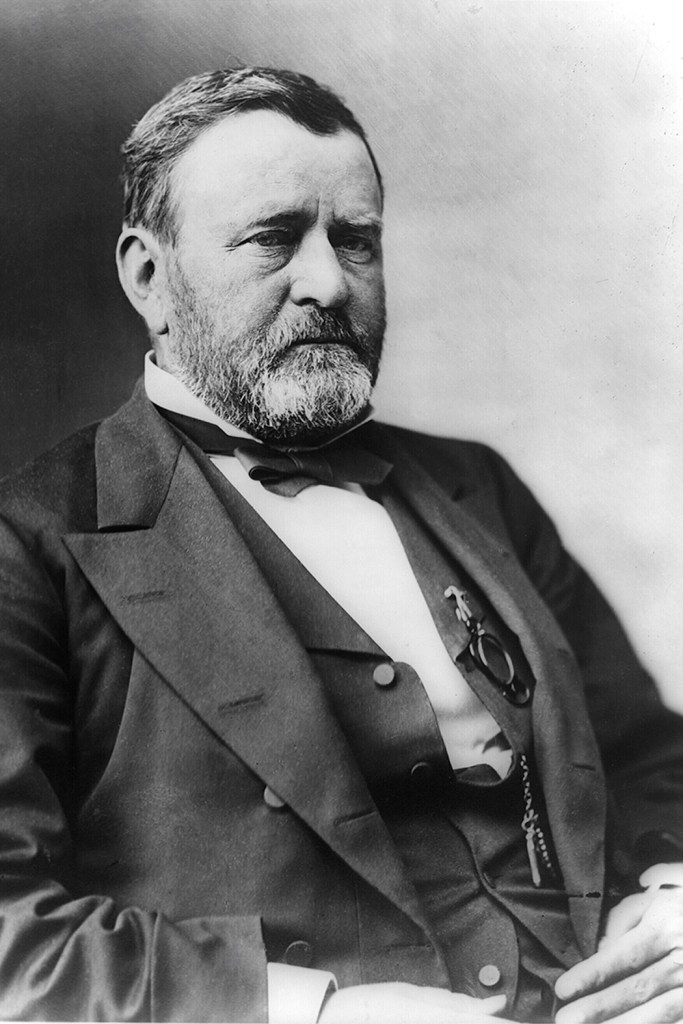
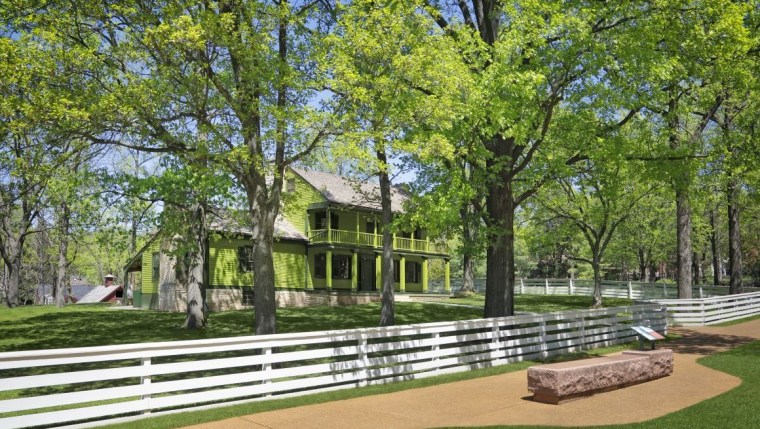
Ulysses S. Grant National Historic Site commemorates the life and illustrious military career of our 18th president.  White Haven, the restored home where Grant and his wife Julia lived in the 1850s, is one of five historic structures that visitors can tour.  The site also features a museum housed in Grant’s former stable, as well as an introductory film on Grant’s life in the visitor center.
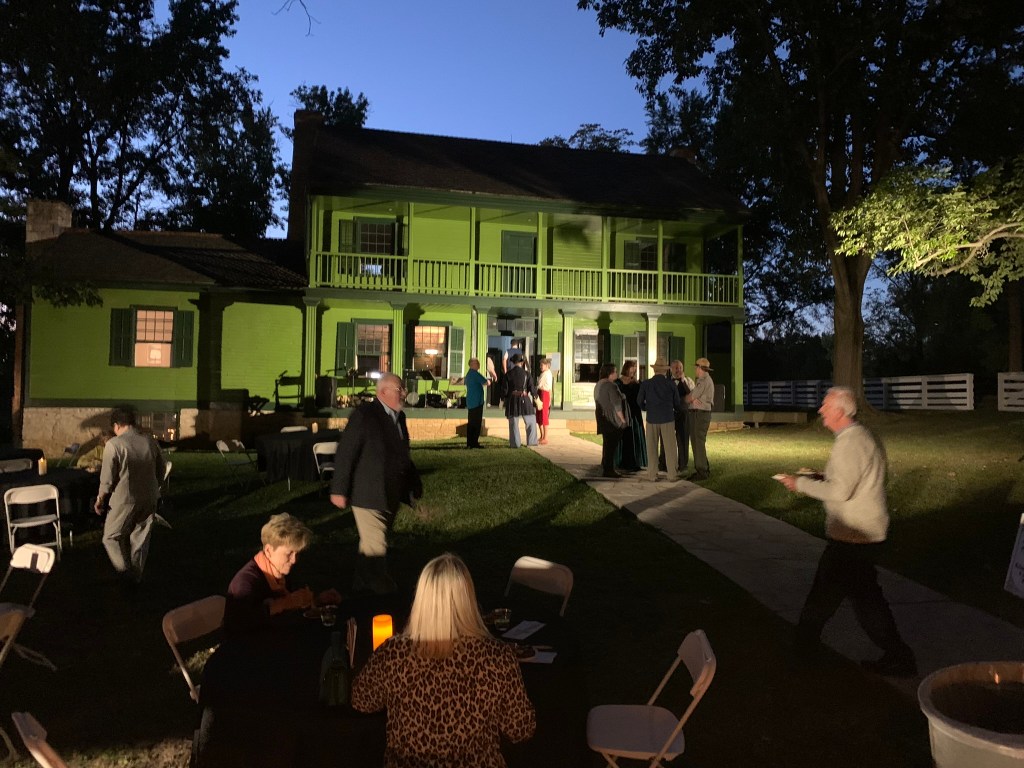
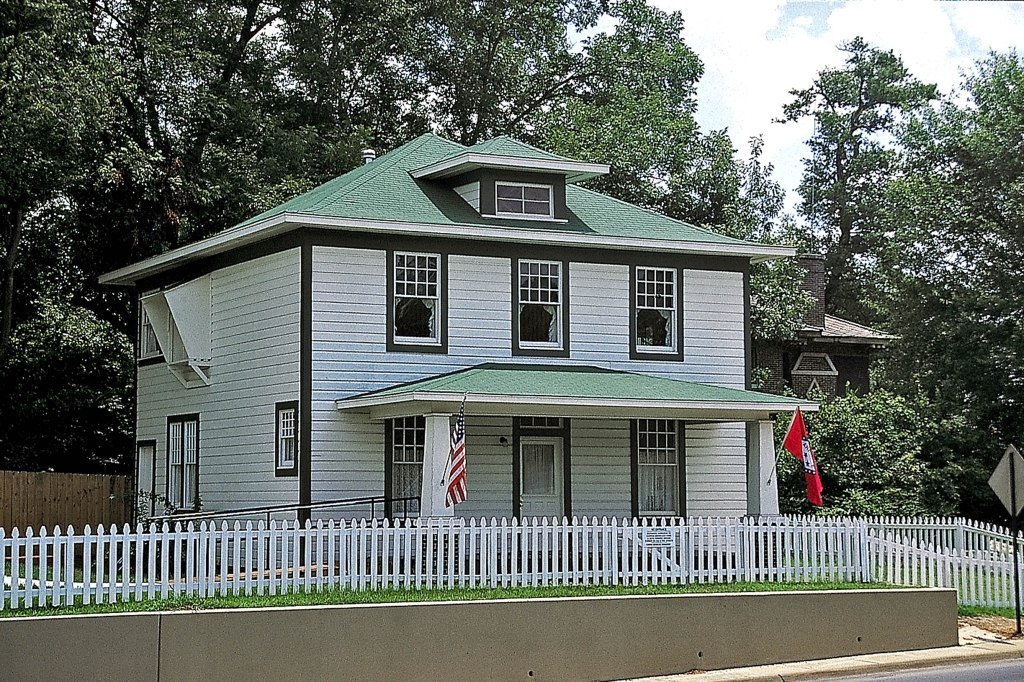
The boyhood home of President Bill Clinton is the featured attraction at President William Jefferson Clinton Birthplace Home National Historic Site in Hope, Arkansas. The small but important park recently celebrated its 12th anniversary as a National Park Service site.  Clinton spent the first four years of his life in the white frame house.  Visitors can join a ranger-led tour of the home, which has been restored with furniture that evokes the 1940s, and view exhibits on the president’s life in the nearby visitor center.

Looking for a way to celebrate President’s Day?  Here are two St. Louis-area events you might enjoy, as well as a few products we love:

At the Gateway Arch:

Washington’s Ball, Saturday Feb. 18 12:00-4:00

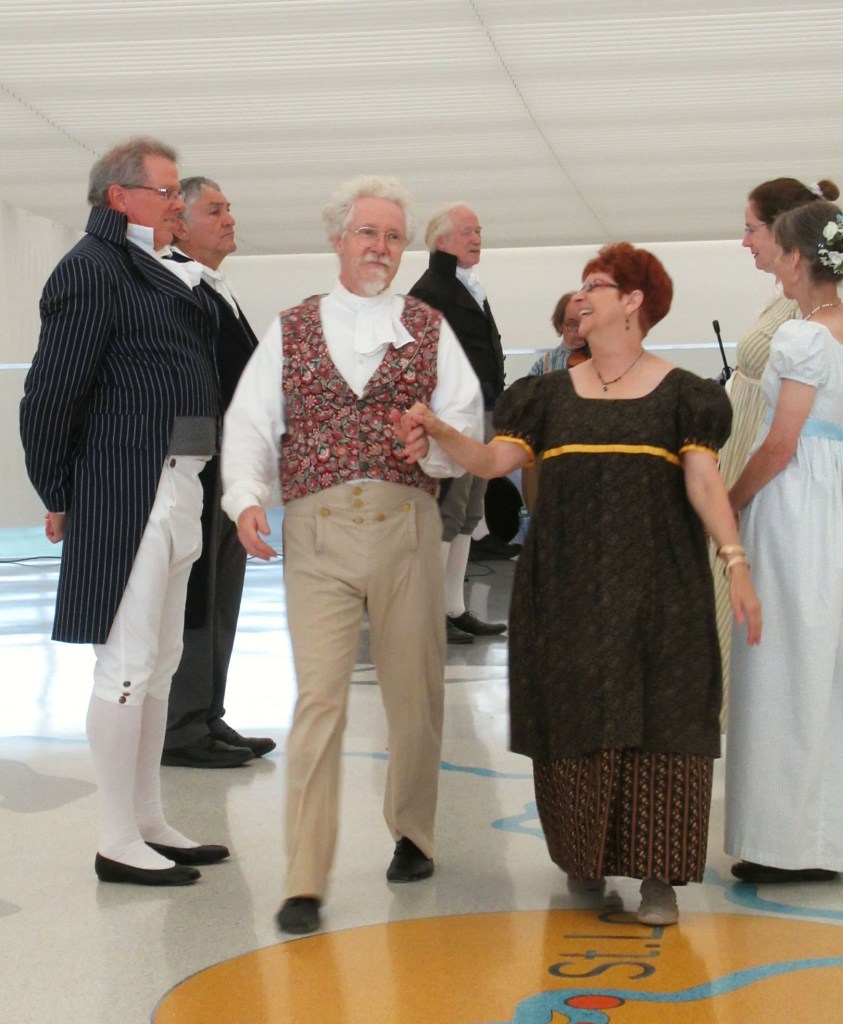
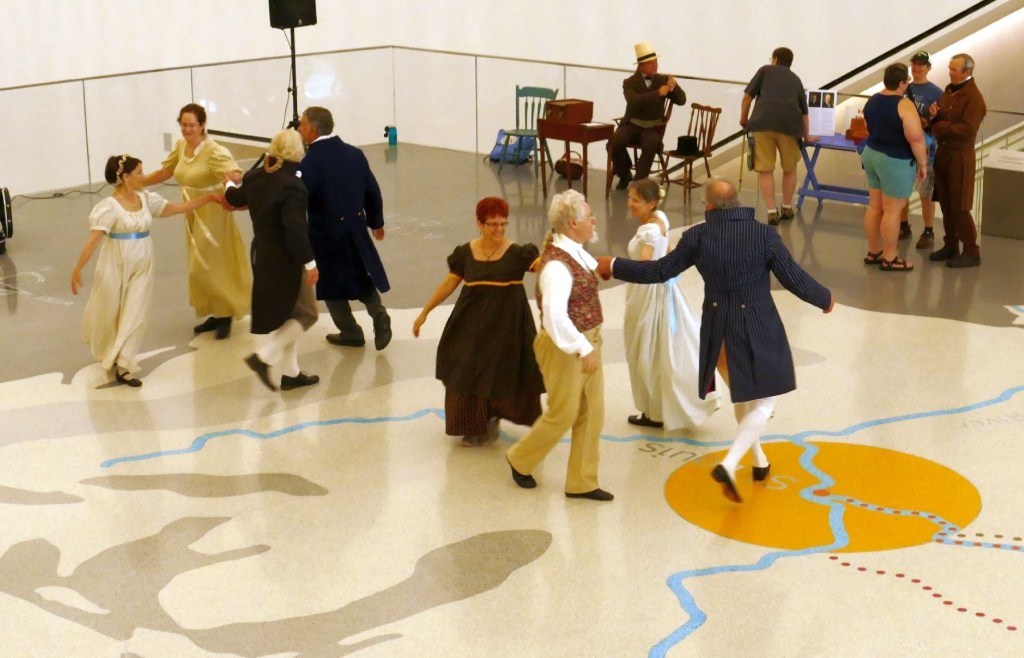
Although Gateway Arch National Park is less about George Washington than Thomas Jefferson, the park will celebrate the first president’s birthday with a mid-19th century ball.  Visitors can learn old-fashioned dance steps from a historic dance expert, or just hang back and watch others twirl the afternoon away.

The ball will be held on the mezzanine inside the Arch visitor center.  It is free and open to all ages.  Historical clothing is not required to participate!

At Ulysses S. Grant National Historic Site:

Museum Quest, Monday, February 20

Here’s a family-friendly way to observe President’s Day:  take part in a follow-the-clues quest at the park’s museum.  You’ll learn about Grant’s connection to other presidents, as well as some of accomplishments and events during his presidency. When you have completed the quest, you will receive a special commemorative gift.

The quest will run all day, and is fun for all ages.

Fans of bobbleheads can celebrate the holiday with one of our fun presidential bobbleheads – either Thomas Jefferson or Bill Clinton.  Whichever you choose, be sure to ask the president a question and he’ll answer you with a nod, “Yes, yes, yes, yes!”  Both bobbleheads are available at our park stores, or online.

Take a Virtual Tour of Ulysses Grant’s Life

Ulysses S. Grant lived in many places throughout his lifetime. Now that the year-long celebration of the Ulysses S. Grant Bicentennial has come to an end, we thought it was a perfect time to visit a range of historic sites around the country where you can trace the growth and development of our 18th president.  From homes to memorials to museums, each of these 11 sites provides a unique perspective on the life and legacy of our 18th president.

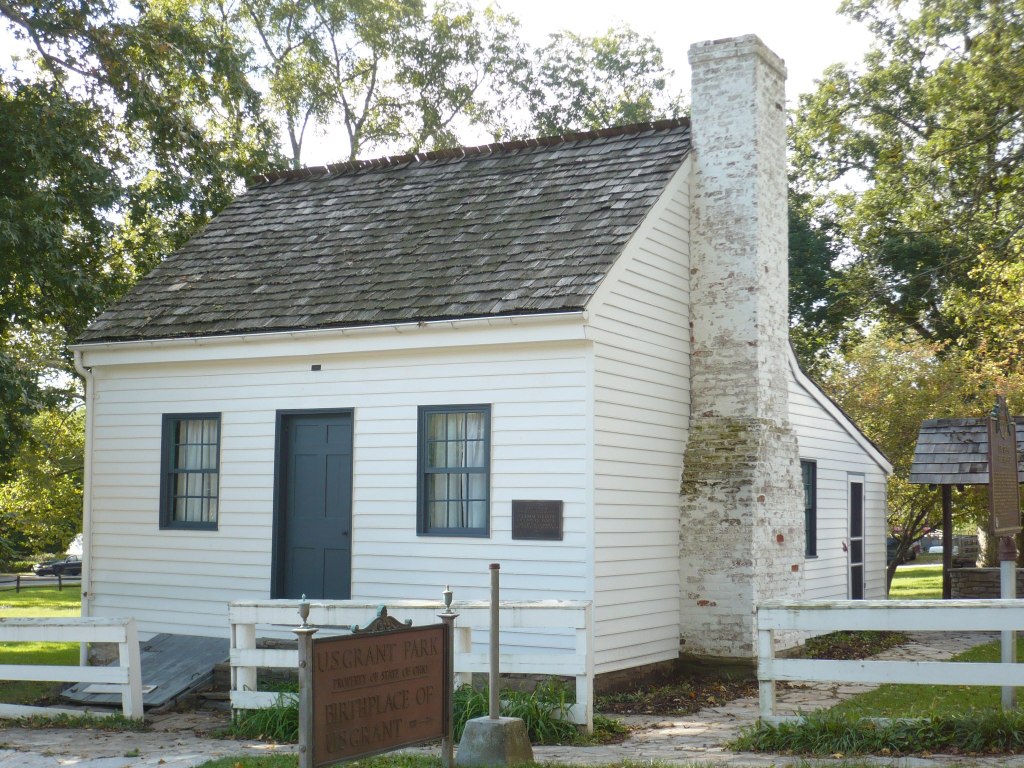
The first stop on our virtual tour is Ulysses’ birthplace in Point Pleasant, a small town in southwest Ohio. He was born there on April 27, 1822, in a one-story frame home rented by his parents, Jesse and Hannah Grant.  The family moved a year later to a larger brick home in nearby Georgetown, Ohio, and young Ulysses lived there until he left for West Point in 1839. In addition to his boyhood home, the town also features the small schoolhouse he attended, the tannery his father built, and other Grant-related sites.

Credit: U.S. Grant Birthplace

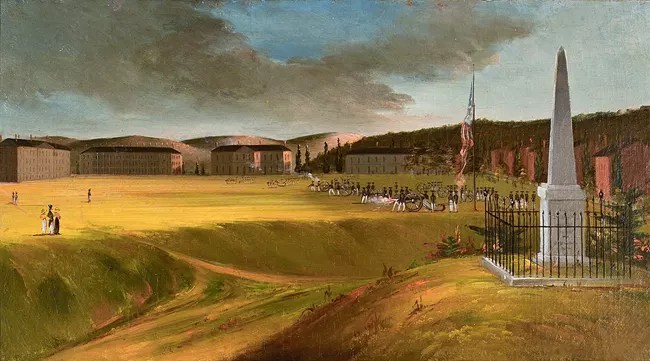
When he was 17, Grant enrolled in the U.S. Military Academy at West Point, NY, thanks to his father’s encouragement.  Visitors to West Point can see several memorials and statues dedicated to Grant when they book a tour at the academy.

Painting of West Point by George Catlin, circa 1827. Credit: U.S. Army

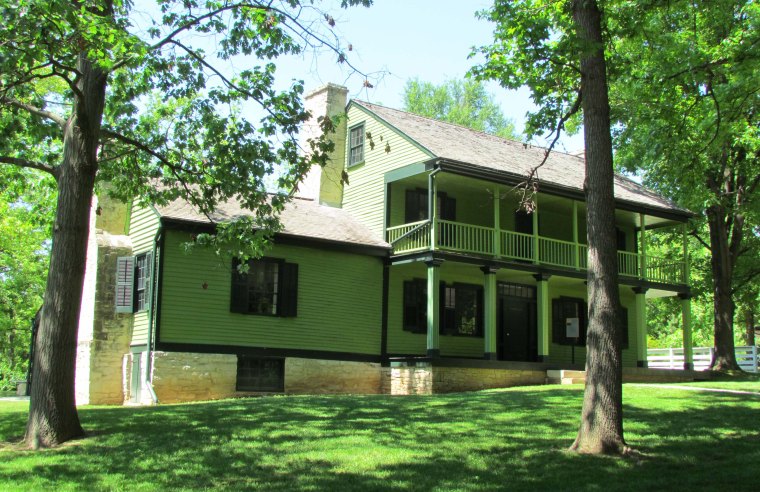
After graduation, the young cadet was assigned to join the 4th U.S. Infantry at Jefferson Barracks near St. Louis.  It was here that Grant’s friendships led him to visit White Haven, the sprawling plantation where he would meet his future wife, Julia Dent. Visitors to Ulysses S. Grant National Historic Site can tour the White Haven home as well as the on-site museum devoted to Ulysses and Julia’s lives.

Ulysses S. Grant National Historic Site

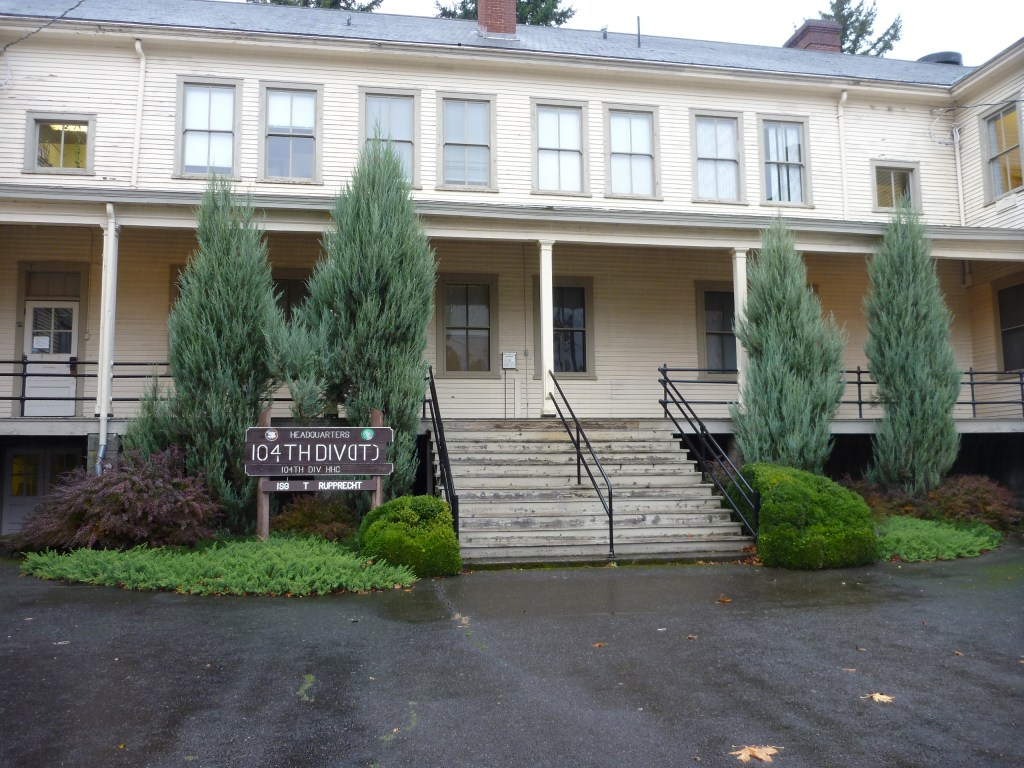
Other sites on our virtual tour trace the various military outposts and stations around the country where Grant served in the U.S. military, sometimes with Julia and his children, sometimes not.  These include Fort Vancouver National Historic Site in Vancouver, WA – another National Park Service site.

Barracks at Fort Vancouver National Historic Site. Credit: NPS

Additional Grant home sites that are open for public tours are also part of our virtual tour.  They include the Grant home in Galena, Ill., where his family relocated after his failed career as a farmer in White Haven, and the Grant Cottage in Wilton, NY where Grant died of throat cancer on July 23, 1885.

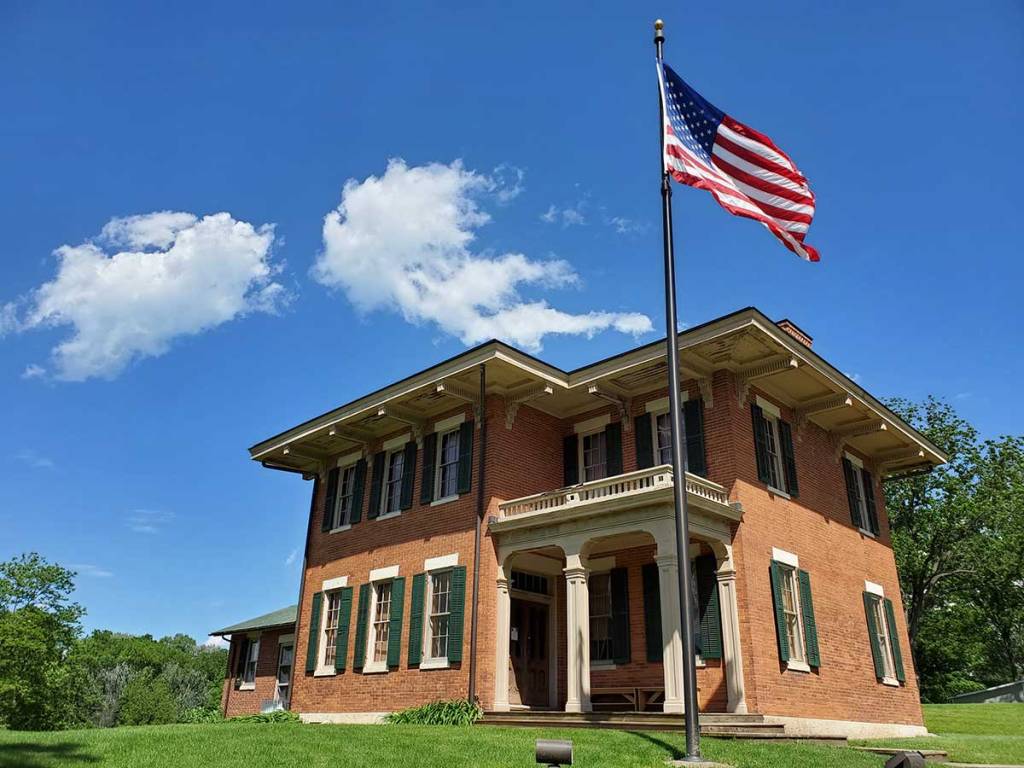
The Grant home in Galena, IL. Credit: U.S. Grant State Historic Sites

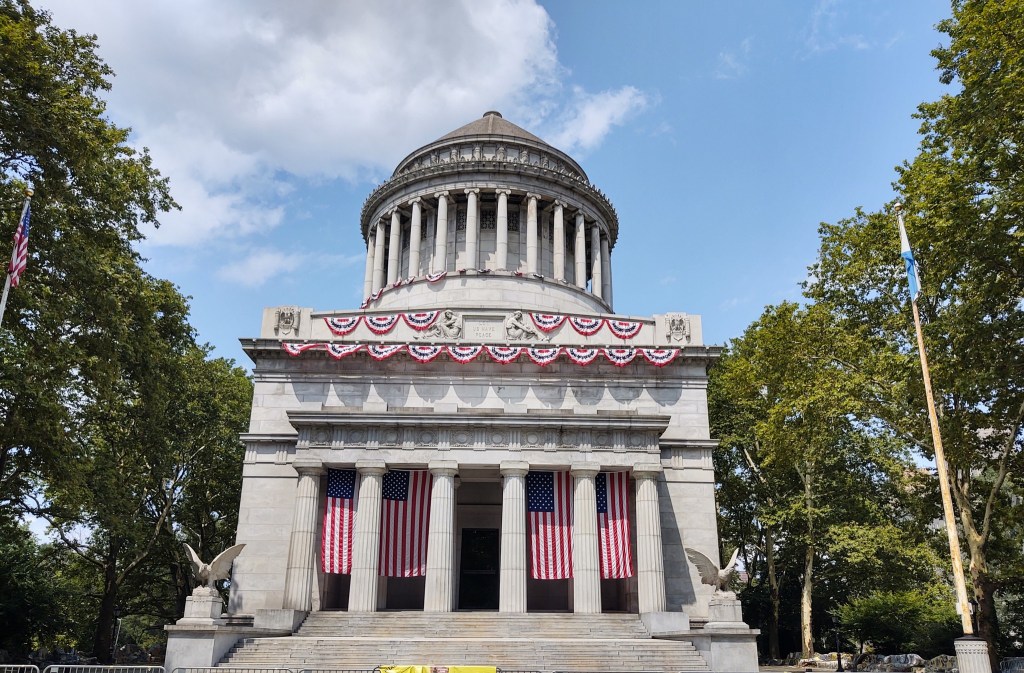
The final resting place of Ulysses and Julia Grant is also worthy of a visit.  This is the General Grant National Memorial in New York City. This largest mausoleum in North America was dedicated in 1897, with more than a million people in attendance.

General Grant National Memorial. Credit: NPS

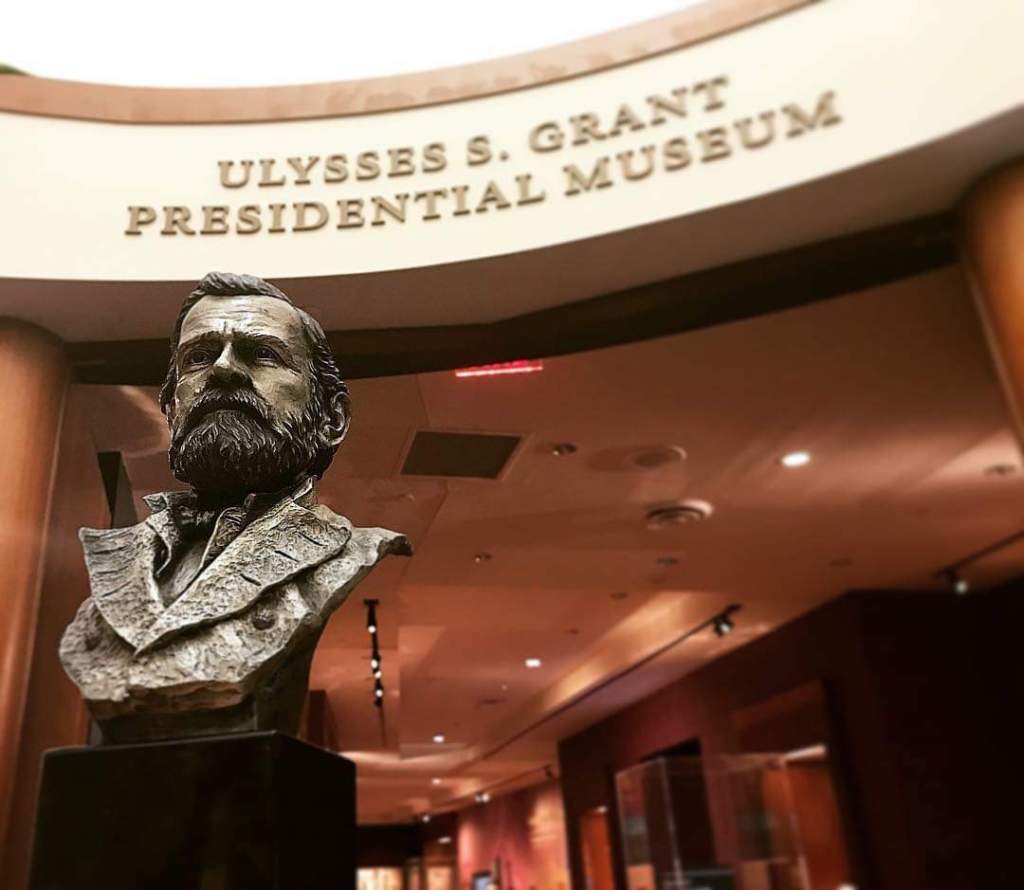
And finally, Grant scholars will want to stop in at the Ulysses S. Grant Presidential Library in Starkville, MI.  Mississippi was the site of the Battle of Vicksburg, the general’s greatest victory in the Civil War.  Visitors to the library can view exhibits as well as many of Grant’s papers, which are housed at Mississippi State University.

Credit: Ulysses S. Grant Presidential Library

Broke at Christmas

Let’s face it – many of us stress over holiday spending, whether it’s for gifts, airline tickets, party clothes, special foods, or even supplies for house guests.  So it might be comforting to know that some of America’s most famous historical figures also faced money woes during the Christmas season.  Take Ulysses S. Grant, who found himself in tough times at the holidays while living at White Haven.

Credit: NPS

In the mid-1850s, Grant was working hard to make a living as a farmer while he and his wife Julia were raising their young children at his in-laws’ 850-acre plantation near St. Louis.  He intended to plant potatoes, sweet potatoes, corn, and other vegetables – enough “to keep a wagon going to market every day.”  He was optimistic that the venture would be successful, writing his father that “Every day I like farming better and I do not doubt that money is to be made of it.” 

However, unseasonably bad weather, poor health, and an unstable economy hampered Grant, and he was forced on several occasions to ask his father for a loan to purchase farm equipment and seeds.  By late 1857 he became despondent and predicted financial ruin if his father didn’t come through (there is no evidence he ever received his much-needed loan). 

Credit: Library of Congress

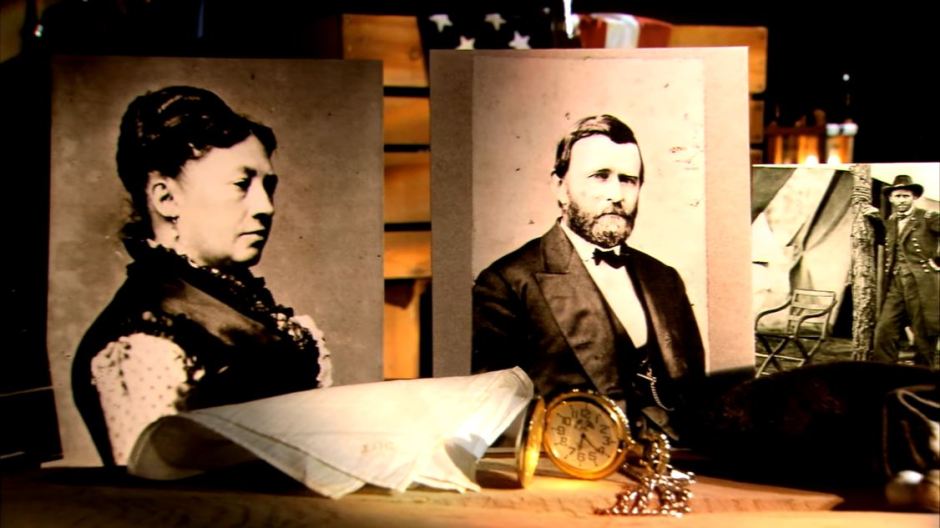
To make matters worse, America was undergoing a severe recession known as the Panic of 1857 caused by both the declining international economy and the over-expansion of the U.S. economy in previous years.  The Grant family was in a precarious financial state.  Just two days before Christmas, Grant was forced to pawn off a valuable gold watch and chain.  Even with this cash infusion, Ulysses, Julia, and their three children no doubt endured a bleak holiday season, as did many other American families that year.

A Painting of White Haven before the American Civil War. Credit: NPS

Eventually, Grant made plans to sell his farming equipment and by the fall of 1858 he and his family moved to St. Louis to find a new line of work.  Within a few years, the family moved to Galena, Illinois, and never again lived in Missouri.