Inviting African American Youth to National Parks

The two National Park Service sites in St. Louis are filled with exhibits, artifacts, and programs that tell important stories about our nation’s past – from the exploration of the American west to the lives of two U.S. presidents to the struggle for civil rights.  The resources at these parks – Ulysses S. Grant National Historic Site and Gateway Arch National Park – are available free to all visitors.  But all too often, children from under-served communities aren’t able to take advantage of these experiences.

Now there’s a unique opportunity for middle school students to visit these sites this summer for a full week of specially-designed programs. 
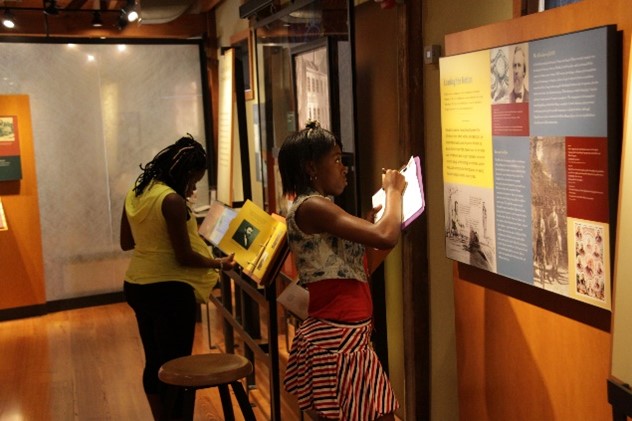
Credit: U.S. Grant National Historic Site

The Arch and U. S. Grant are offering free weeklong summer workshops at their sites for middle school students from African American communities.  Daily transportation and lunch are included at no cost, as are normally fee-based experiences like the Arch tram ride and a Mississippi riverboat cruise.
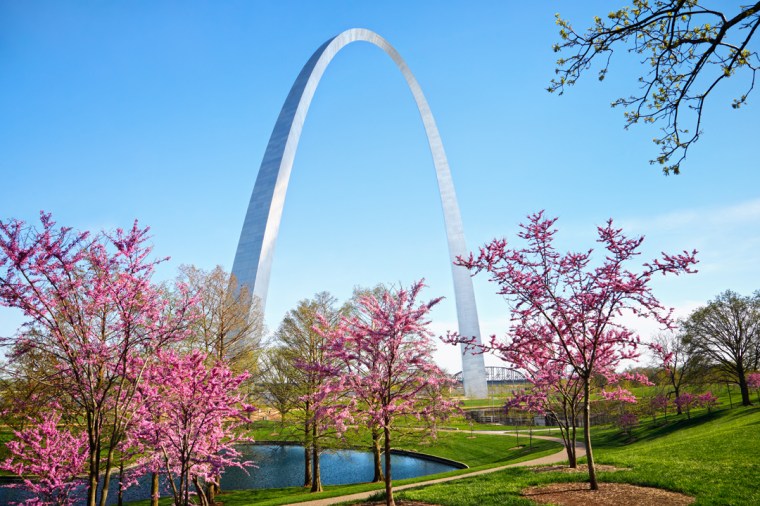
The five-day workshops will be offered at both the Arch and at Grant during select weeks from June to August.  Educators from both parks will lead the programs.  Their aim is to familiarize students with under-told stories of Black Americans in St. Louis and throughout Missouri, including stories of slavery, resistance, and Reconstruction.  The participants will learn by discovery instead of direct instruction, with guidance from park staff.  Students will select a person or story they want to research, then will present their creative project on their chosen subject at the conclusion of the workshop.
If you are interested, now’s the time to apply! The parks are accepting applications for groups of approximately 15 students (ideally from schools or youth groups) through mid-April.  Those interested in applying should contact Julie Northrip, Program Manager of Interpretation and Education at Ulysses S. Grant NHS by emailing julie_northrip@nps.gov or calling 314-842-1867 ext. 223. Please list in order your preference for which week your youth can attend.

June 12-16

June 19-23

June 26-30

July 24-28

July 31-Aug 4

JNPA is proud to support this unique program by underwriting the cost of the student lunches. 
A Spotlight on Slavery in St. Louis

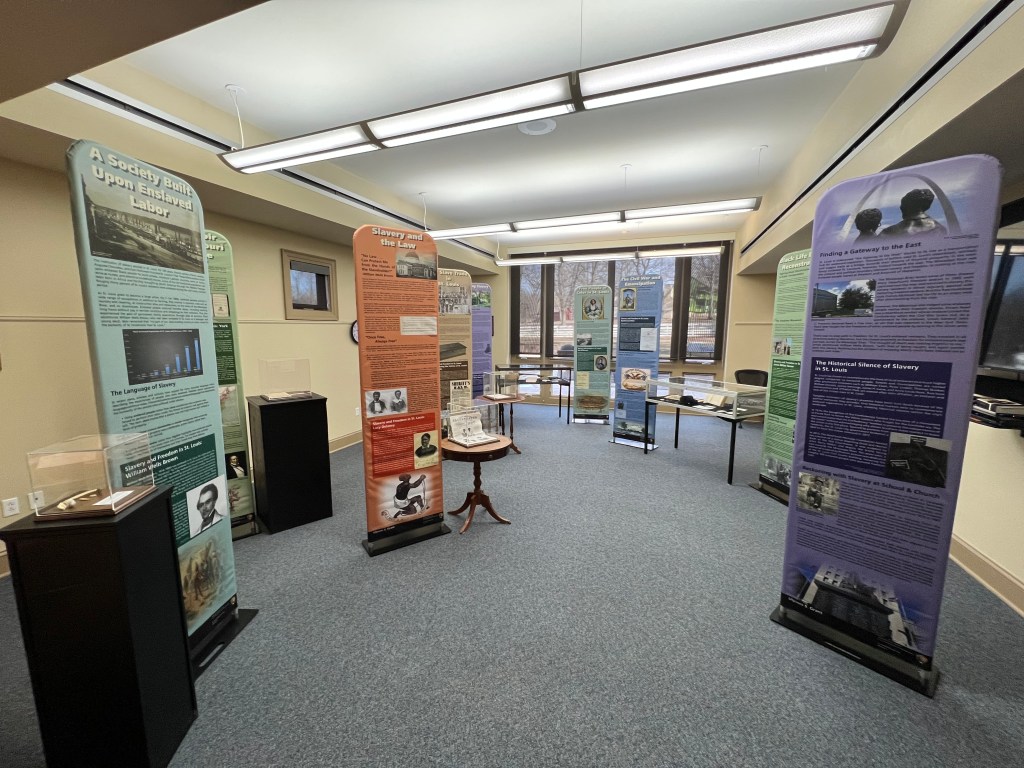
The institution of slavery afflicted most major U.S. cities, and St. Louis was no exception.  Yet most modern-day St. Louisans aren’t aware of the many stories of heartbreak and hope that stemmed from the local slave trade.  The historians at Ulysses S. Grant National Historic Site have created a new exhibit to address this knowledge gap.

Let’s take a peek at the exhibit.

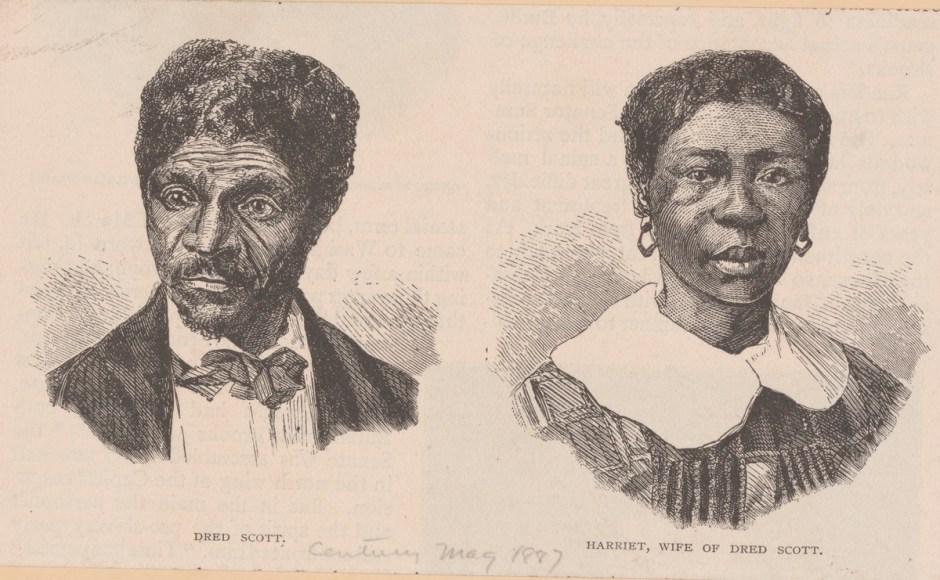
What do Dred and Harriet Scott, Lucy Delaney, and Elizabeth Keckley have in common? They were all enslaved African Americans in St. Louis who were renowned for their battles for freedom.  They also feature prominently in the new Slavery in St. Louis exhibit now on display at the visitor center at Ulysses S. Grant National Historic Site.  

A team of local historians and educators – led by park staff members Nick Sacco and Gregory Carr –carefully selected exhibit stories that focus not only on slavery but on freedom.  Nine exhibit panels are featured along with artifacts from the park’s museum collections. These explore the personal stories of notable individuals, such as the Scotts, as well as Ulysses S. Grant’s relationship to slavery. Additionally, the exhibit examines what life was like for enslaved people living in St. Louis.

Contributors to this exhibit include:

  • Lynne Jackson
  • Cicely Hunter
  • Ashley Lock
  • Corinne Mason
  • Katrina Moore
  • Vynetta Morrow
  • Robin Produie
  • Maria Russel
  • Kelly Schmidt
  • Jeff Smith
  • Joe Thurman
  • Jamilah Whiteside
  • Liz Wolfson

Make sure to visit the park and check out Slavery in St. Louis soon, as this temporary exhibit will eventually hit the road to be displayed at other institutions.

Happy President’s Day!

We love President’s Day!  Why?  Because JNPA is the proud partner of three national parks that were created to honor a U.S. president.  So as we approach President’s Day on Monday February 20, join us in honoring our national leaders, and find out how you can celebrate the upcoming holiday.

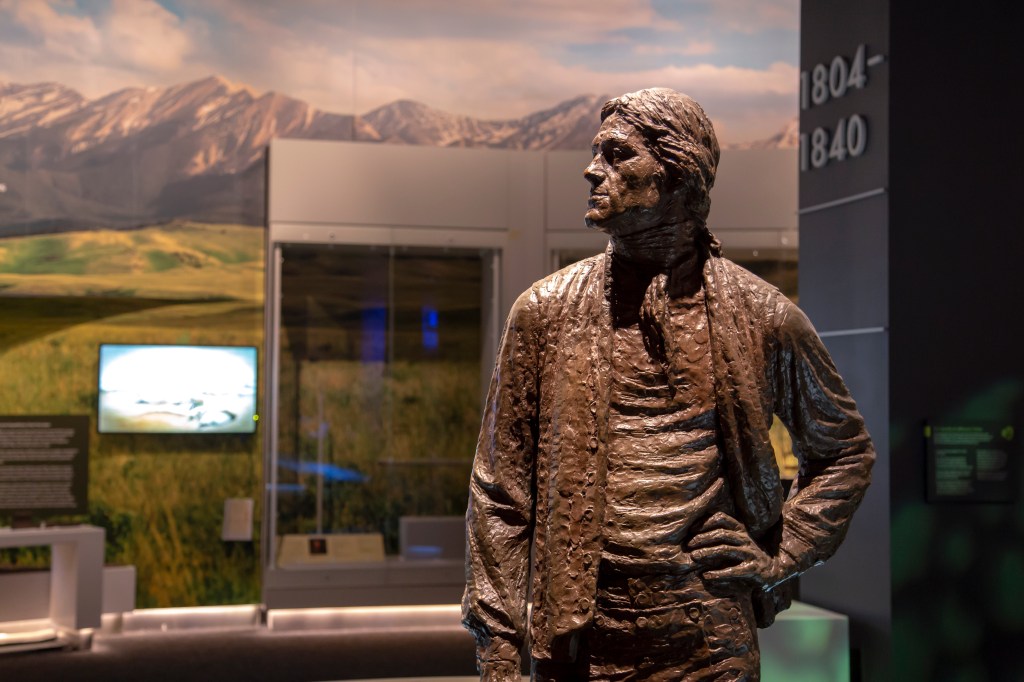
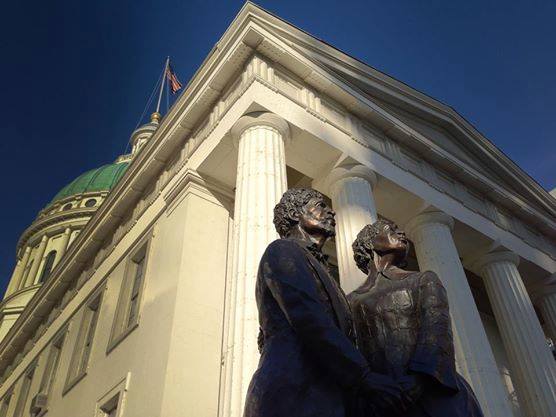
Though his name is no longer included in the park title, Thomas Jefferson is the reason behind the establishment of Gateway Arch National Park (formerly Jefferson National Expansion Memorial).  The 90-acre park is a memorial to the third president’s role in exploring the American West.  In addition to Eero Saarinen’s soaring Arch, the park features a museum that explores St. Louis’ vital role in U.S. history.  It also includes the historic Old Courthouse, where the enslaved Dred and Harriet Scott sued for their freedom in the mid-1800s.  (The Courthouse is currently closed for renovations.)

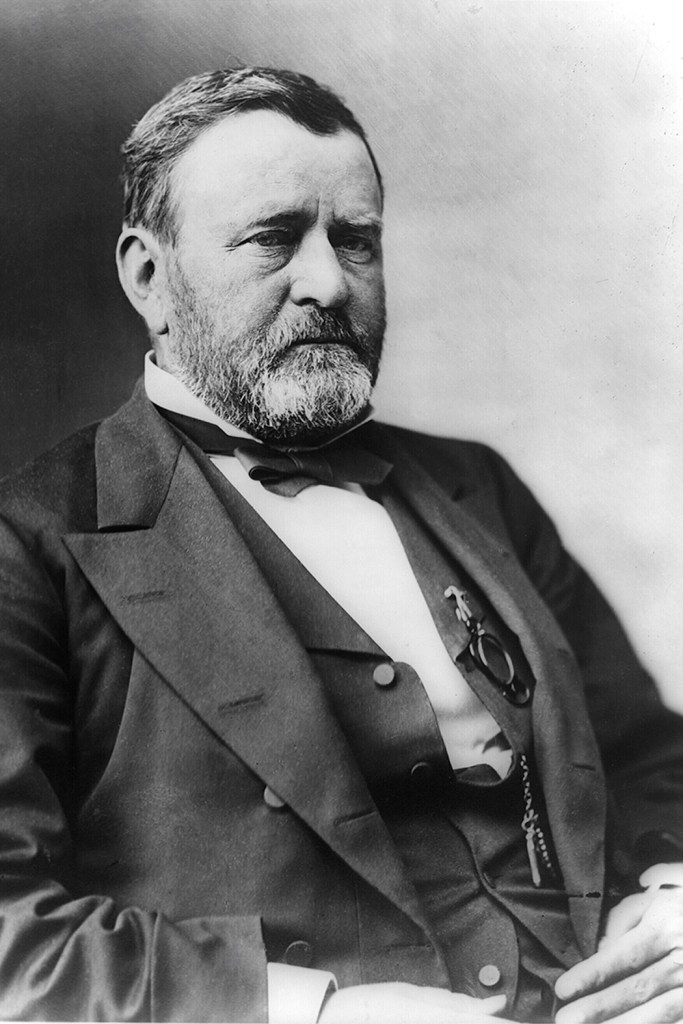
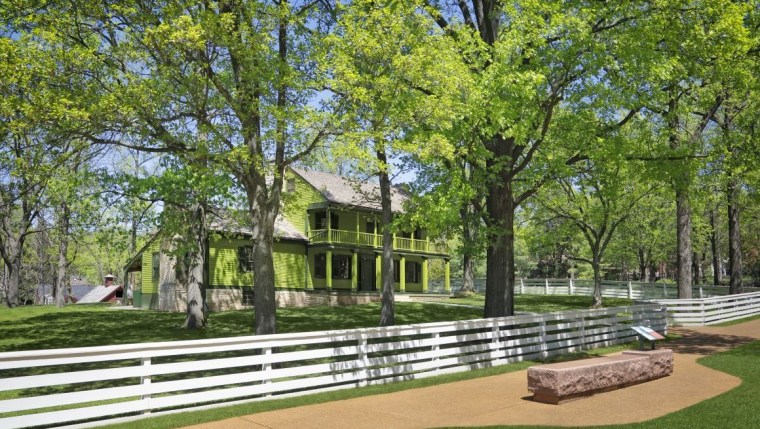
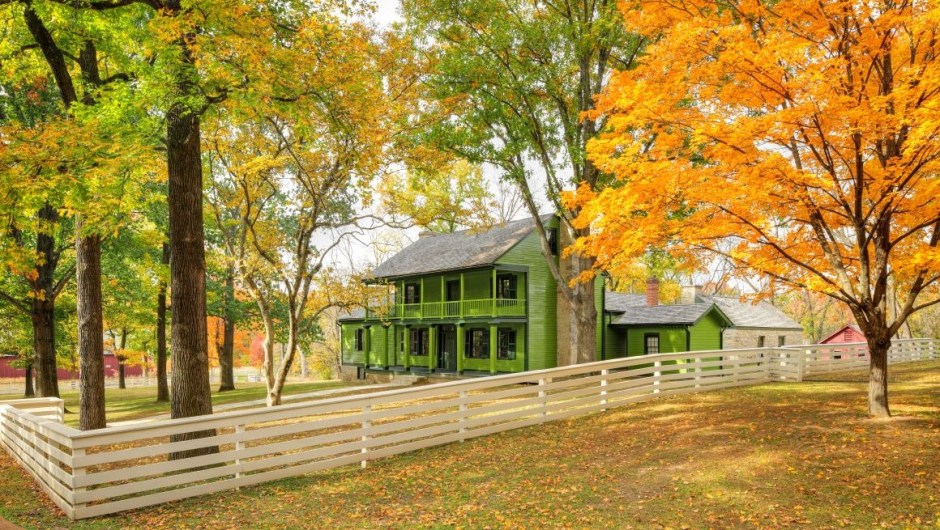
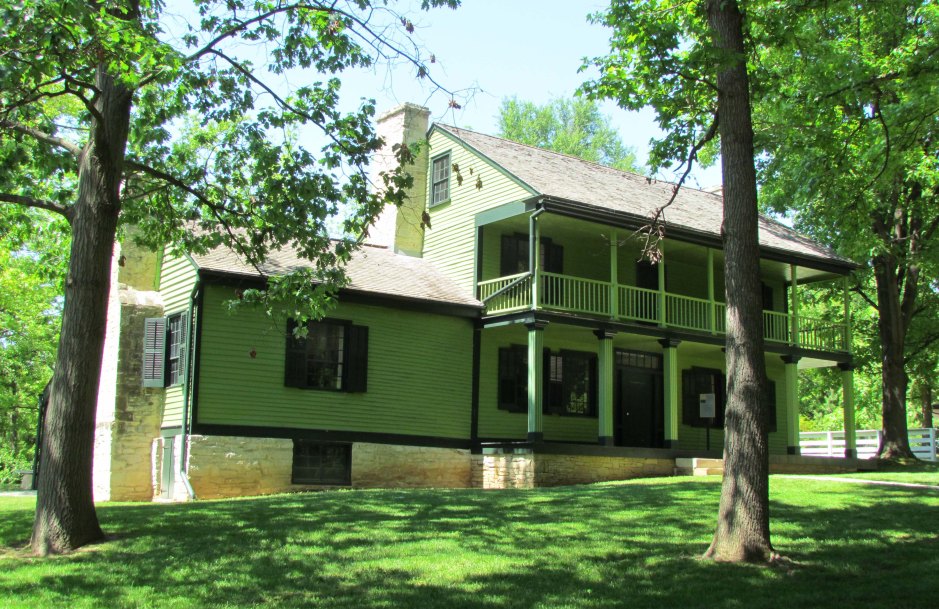
Ulysses S. Grant National Historic Site commemorates the life and illustrious military career of our 18th president.  White Haven, the restored home where Grant and his wife Julia lived in the 1850s, is one of five historic structures that visitors can tour.  The site also features a museum housed in Grant’s former stable, as well as an introductory film on Grant’s life in the visitor center.

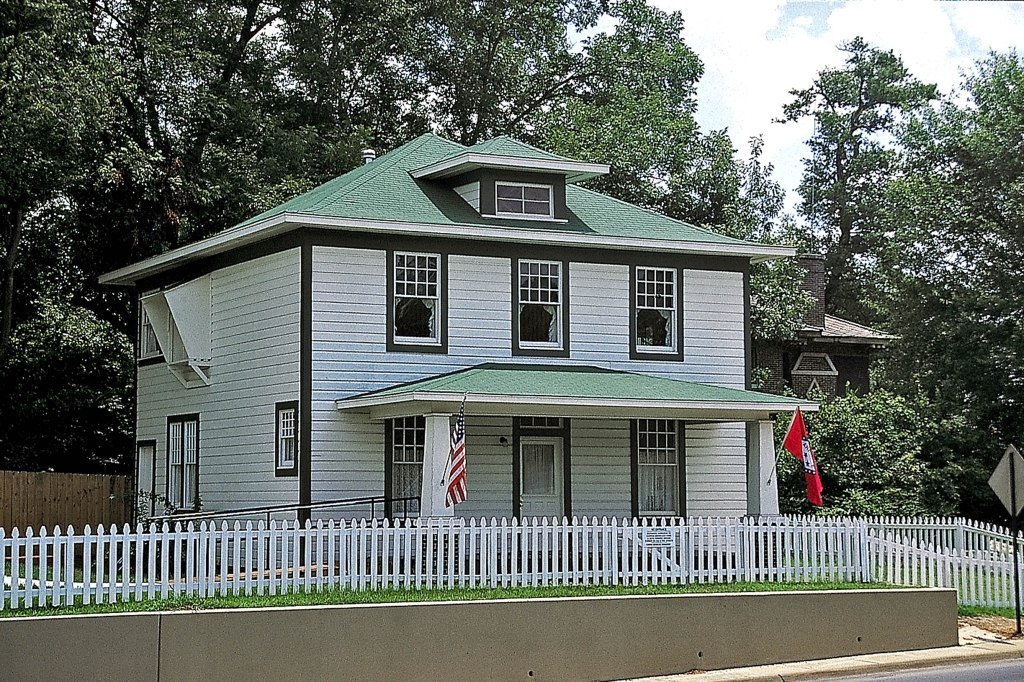
The boyhood home of President Bill Clinton is the featured attraction at President William Jefferson Clinton Birthplace Home National Historic Site in Hope, Arkansas. The small but important park recently celebrated its 12th anniversary as a National Park Service site.  Clinton spent the first four years of his life in the white frame house.  Visitors can join a ranger-led tour of the home, which has been restored with furniture that evokes the 1940s, and view exhibits on the president’s life in the nearby visitor center.

Looking for a way to celebrate President’s Day?  Here are two St. Louis-area events you might enjoy, as well as a few products we love:

At the Gateway Arch:

Washington’s Ball, Saturday Feb. 18 12:00-4:00

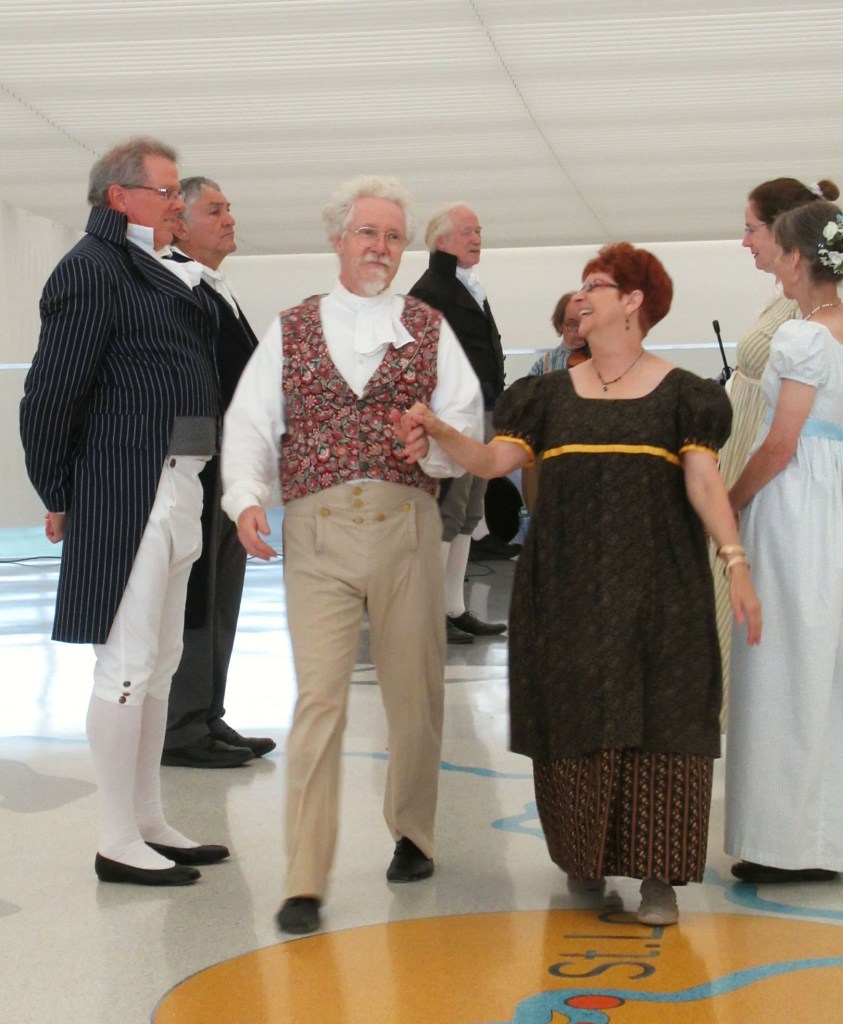
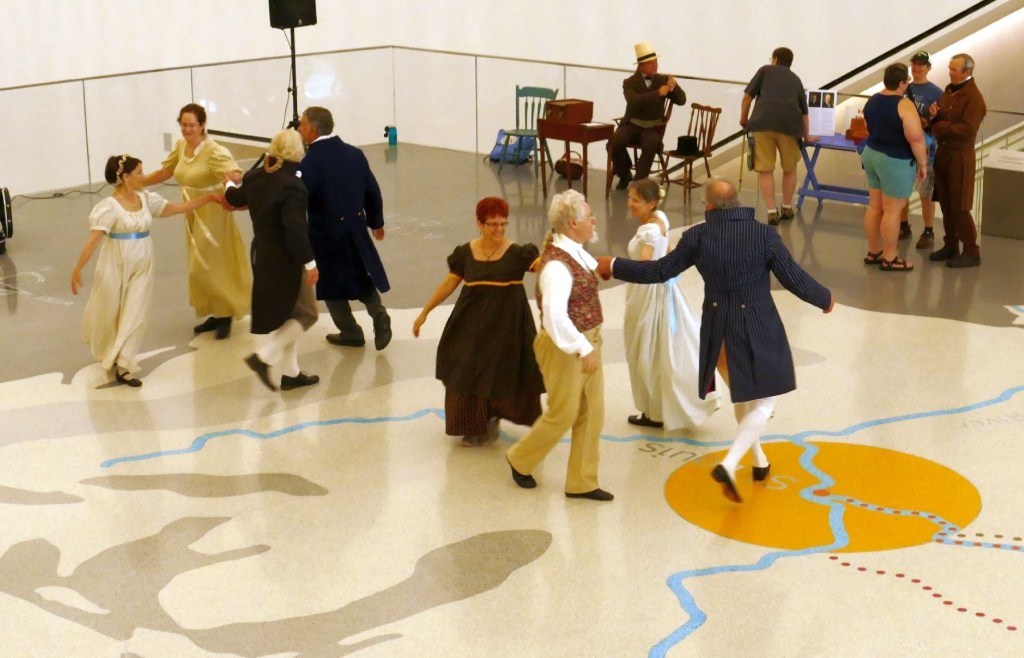
Although Gateway Arch National Park is less about George Washington than Thomas Jefferson, the park will celebrate the first president’s birthday with a mid-19th century ball.  Visitors can learn old-fashioned dance steps from a historic dance expert, or just hang back and watch others twirl the afternoon away.

The ball will be held on the mezzanine inside the Arch visitor center.  It is free and open to all ages.  Historical clothing is not required to participate!

At Ulysses S. Grant National Historic Site:

Museum Quest, Monday, February 20

Here’s a family-friendly way to observe President’s Day:  take part in a follow-the-clues quest at the park’s museum.  You’ll learn about Grant’s connection to other presidents, as well as some of accomplishments and events during his presidency. When you have completed the quest, you will receive a special commemorative gift.

The quest will run all day, and is fun for all ages.
Fans of bobbleheads can celebrate the holiday with one of our fun presidential bobbleheads – either Thomas Jefferson or Bill Clinton.  Whichever you choose, be sure to ask the president a question and he’ll answer you with a nod, “Yes, yes, yes, yes!”  Both bobbleheads are available at our park stores, or online.
Take a Virtual Tour of Ulysses Grant’s Life

Ulysses S. Grant lived in many places throughout his lifetime. Now that the year-long celebration of the Ulysses S. Grant Bicentennial has come to an end, we thought it was a perfect time to visit a range of historic sites around the country where you can trace the growth and development of our 18th president.  From homes to memorials to museums, each of these 11 sites provides a unique perspective on the life and legacy of our 18th president.

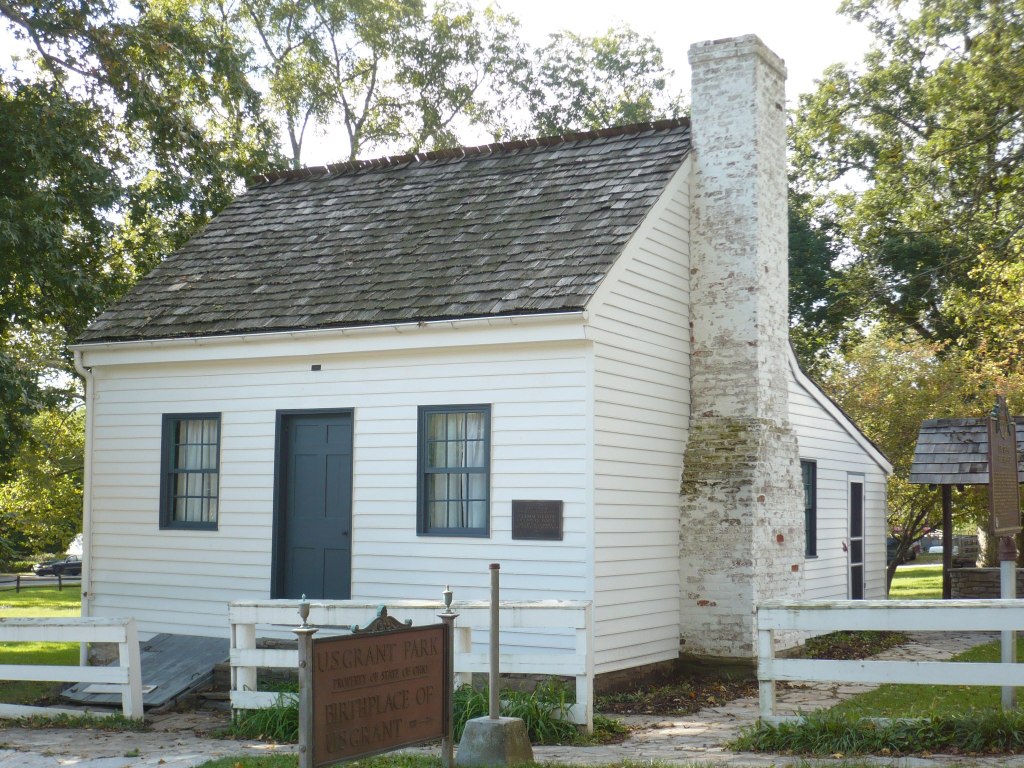
The first stop on our virtual tour is Ulysses’ birthplace in Point Pleasant, a small town in southwest Ohio. He was born there on April 27, 1822, in a one-story frame home rented by his parents, Jesse and Hannah Grant.  The family moved a year later to a larger brick home in nearby Georgetown, Ohio, and young Ulysses lived there until he left for West Point in 1839. In addition to his boyhood home, the town also features the small schoolhouse he attended, the tannery his father built, and other Grant-related sites.

Credit: U.S. Grant Birthplace

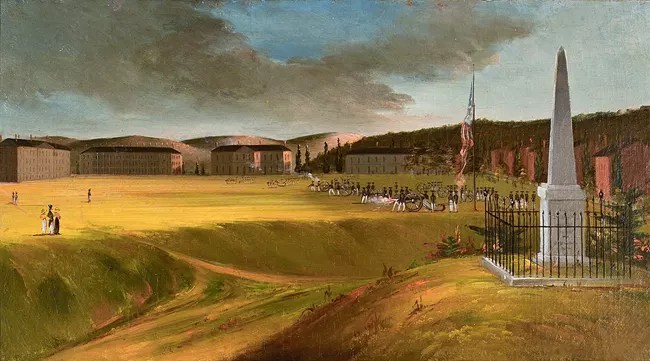
When he was 17, Grant enrolled in the U.S. Military Academy at West Point, NY, thanks to his father’s encouragement.  Visitors to West Point can see several memorials and statues dedicated to Grant when they book a tour at the academy.

Painting of West Point by George Catlin, circa 1827. Credit: U.S. Army

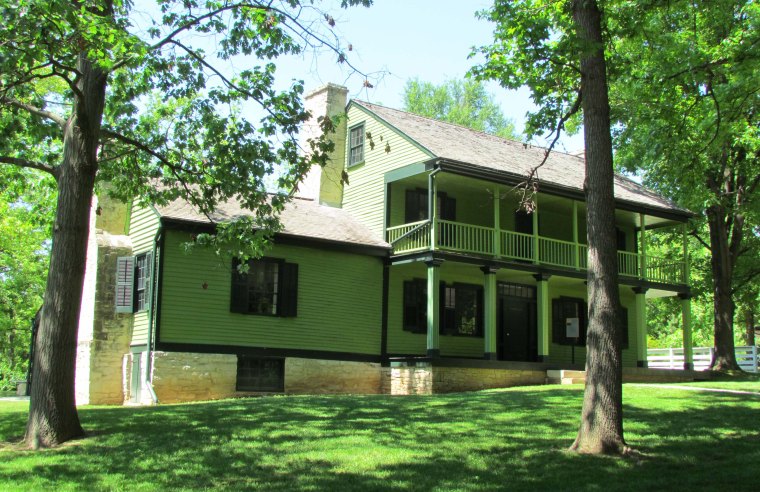
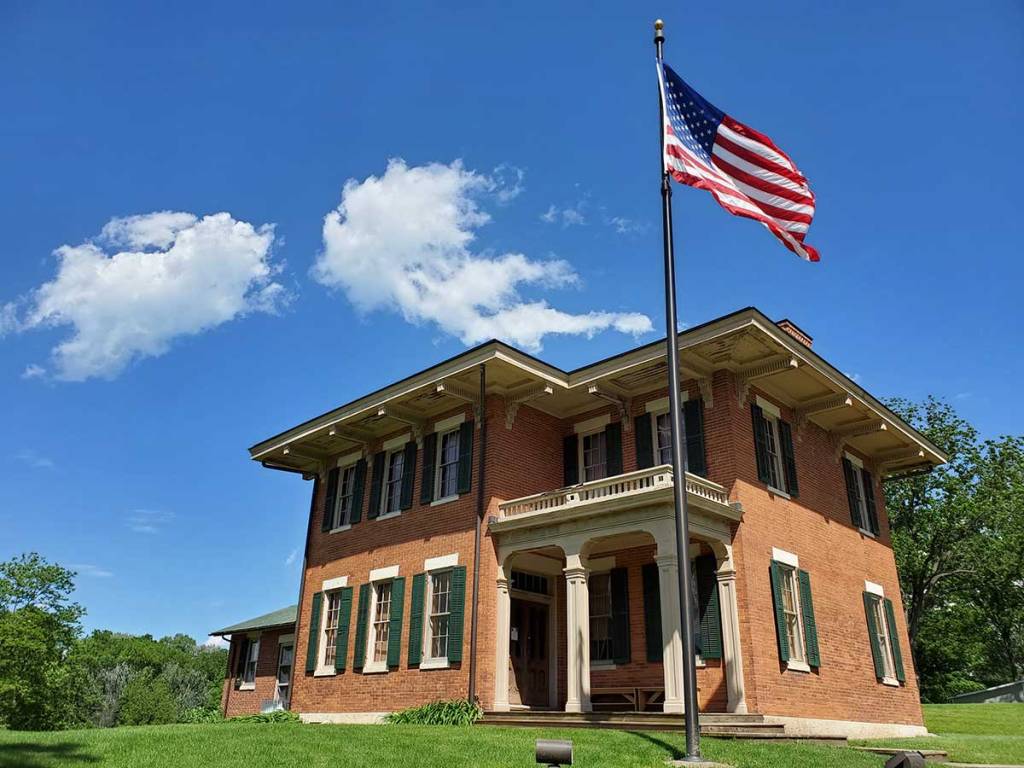
After graduation, the young cadet was assigned to join the 4th U.S. Infantry at Jefferson Barracks near St. Louis.  It was here that Grant’s friendships led him to visit White Haven, the sprawling plantation where he would meet his future wife, Julia Dent. Visitors to Ulysses S. Grant National Historic Site can tour the White Haven home as well as the on-site museum devoted to Ulysses and Julia’s lives.

Ulysses S. Grant National Historic Site

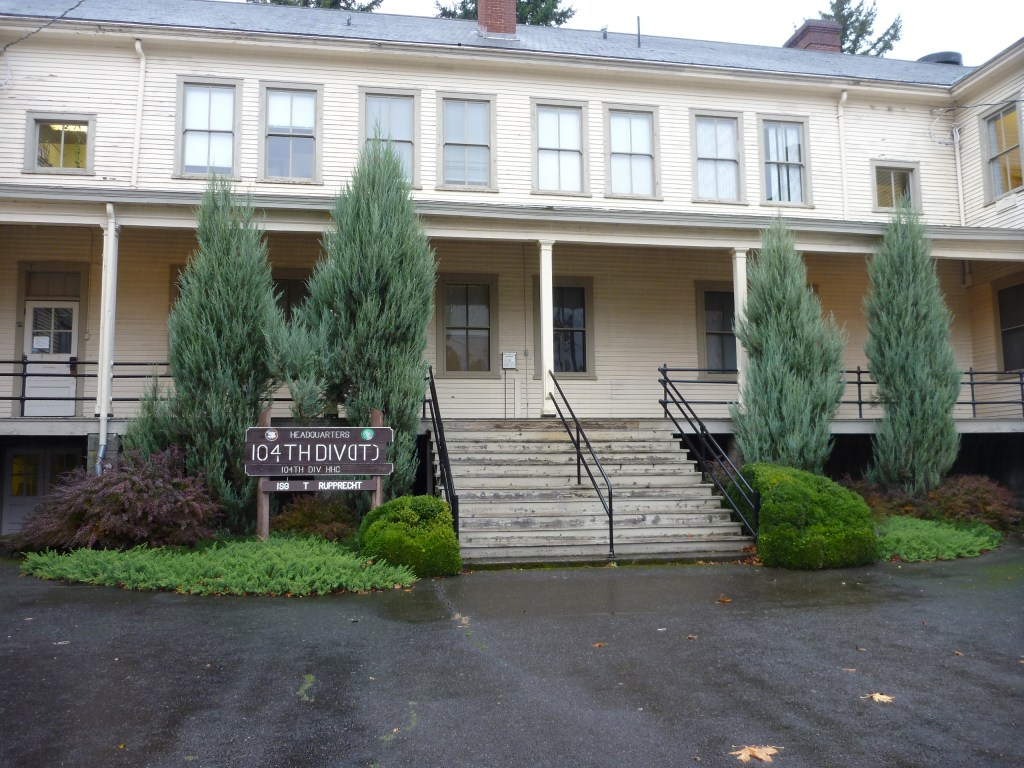
Other sites on our virtual tour trace the various military outposts and stations around the country where Grant served in the U.S. military, sometimes with Julia and his children, sometimes not.  These include Fort Vancouver National Historic Site in Vancouver, WA – another National Park Service site.

Barracks at Fort Vancouver National Historic Site. Credit: NPS

Additional Grant home sites that are open for public tours are also part of our virtual tour.  They include the Grant home in Galena, Ill., where his family relocated after his failed career as a farmer in White Haven, and the Grant Cottage in Wilton, NY where Grant died of throat cancer on July 23, 1885.

The Grant home in Galena, IL. Credit: U.S. Grant State Historic Sites

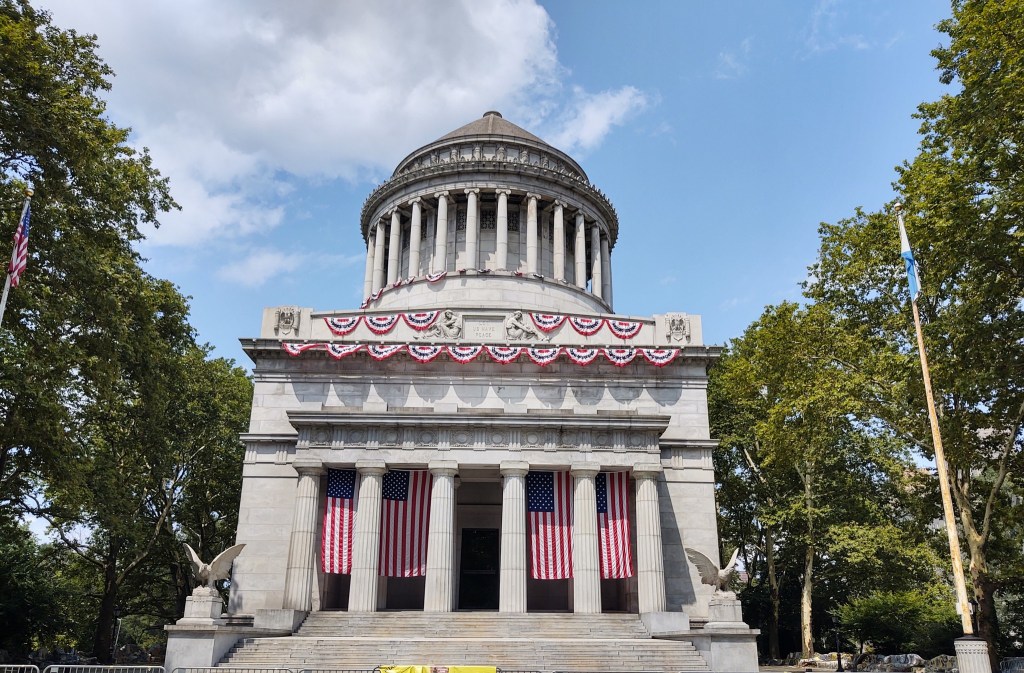
The final resting place of Ulysses and Julia Grant is also worthy of a visit.  This is the General Grant National Memorial in New York City. This largest mausoleum in North America was dedicated in 1897, with more than a million people in attendance.

General Grant National Memorial. Credit: NPS

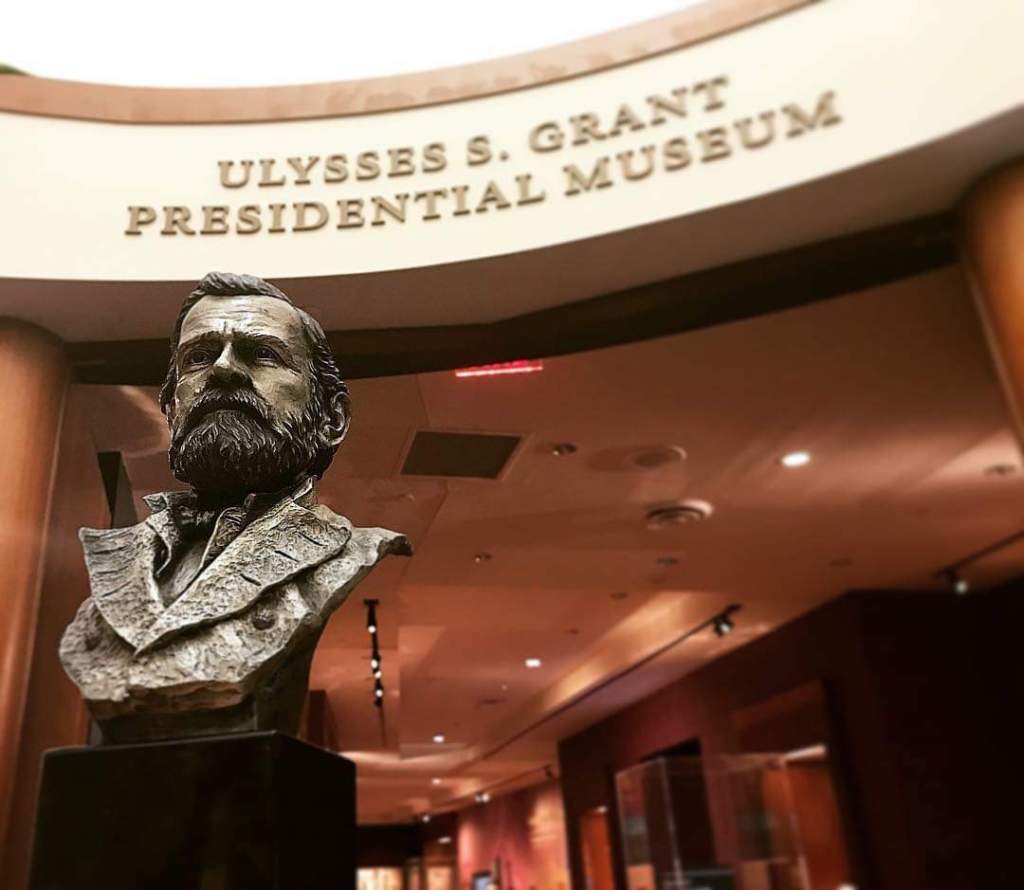
And finally, Grant scholars will want to stop in at the Ulysses S. Grant Presidential Library in Starkville, MI.  Mississippi was the site of the Battle of Vicksburg, the general’s greatest victory in the Civil War.  Visitors to the library can view exhibits as well as many of Grant’s papers, which are housed at Mississippi State University.

Credit: Ulysses S. Grant Presidential Library

Broke at Christmas

Let’s face it – many of us stress over holiday spending, whether it’s for gifts, airline tickets, party clothes, special foods, or even supplies for house guests.  So it might be comforting to know that some of America’s most famous historical figures also faced money woes during the Christmas season.  Take Ulysses S. Grant, who found himself in tough times at the holidays while living at White Haven.

Credit: NPS

In the mid-1850s, Grant was working hard to make a living as a farmer while he and his wife Julia were raising their young children at his in-laws’ 850-acre plantation near St. Louis.  He intended to plant potatoes, sweet potatoes, corn, and other vegetables – enough “to keep a wagon going to market every day.”  He was optimistic that the venture would be successful, writing his father that “Every day I like farming better and I do not doubt that money is to be made of it.” 

However, unseasonably bad weather, poor health, and an unstable economy hampered Grant, and he was forced on several occasions to ask his father for a loan to purchase farm equipment and seeds.  By late 1857 he became despondent and predicted financial ruin if his father didn’t come through (there is no evidence he ever received his much-needed loan). 

Credit: Library of Congress

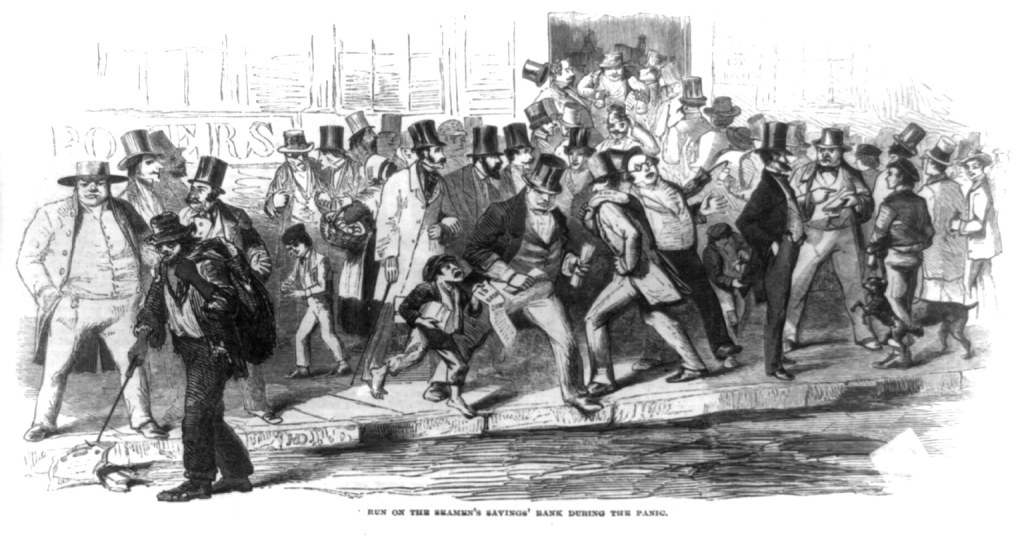
To make matters worse, America was undergoing a severe recession known as the Panic of 1857 caused by both the declining international economy and the over-expansion of the U.S. economy in previous years.  The Grant family was in a precarious financial state.  Just two days before Christmas, Grant was forced to pawn off a valuable gold watch and chain.  Even with this cash infusion, Ulysses, Julia, and their three children no doubt endured a bleak holiday season, as did many other American families that year.

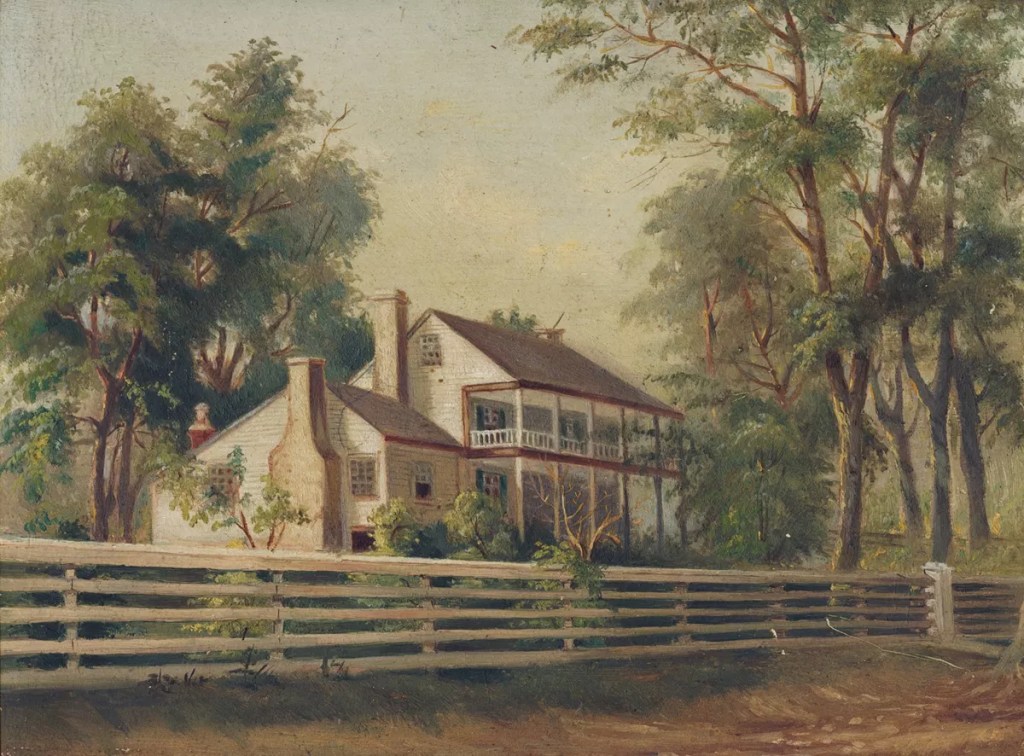
A Painting of White Haven before the American Civil War. Credit: NPS

Eventually, Grant made plans to sell his farming equipment and by the fall of 1858 he and his family moved to St. Louis to find a new line of work.  Within a few years, the family moved to Galena, Illinois, and never again lived in Missouri.

Why We’re Thankful

Here at JNPA, we’re proud to serve as a non-profit partner of some of our nation’s most treasured public lands.  So in honor of the upcoming Thanksgiving holiday, we wanted to take a moment to list some of the many things we’re thankful for.

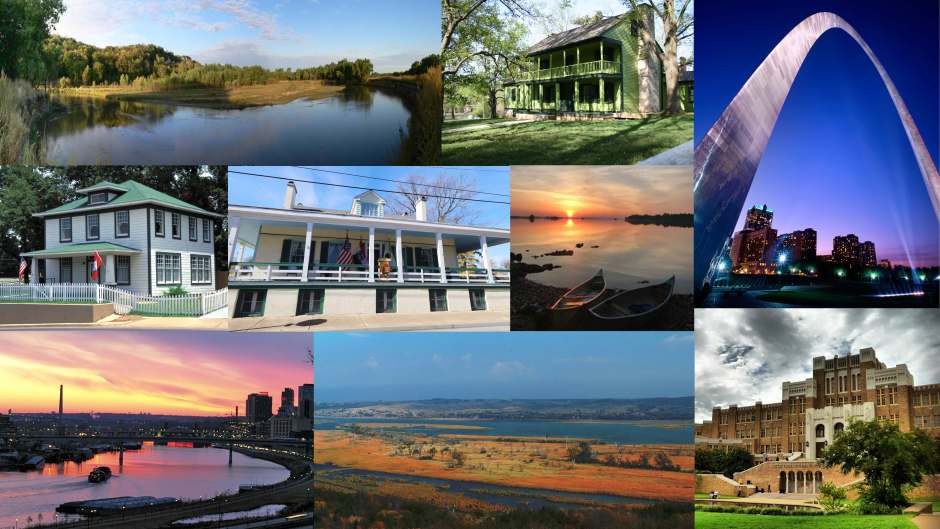
Living history programs that bring the past alive for visitors of all ages. 

(Ulysses S. Grant National Historic Site)

Breathtaking scenery that inspires and enriches all of us.

(Voyageurs National Park)

Parks that honor the courageous men and women who fought for equality for all Americans.

(Little Rock Central High School National Historic Site)

Preserving America’s important historic buildings for future generations to enjoy.

(Ste. Genevieve National Historical Park)

Dedicated interpretive rangers from the Army Corps of Engineers who share the wonders of their sites with visitors.

(Lewis and Clark Visitor Center)

Energetic and committed National Park Service rangers who inspire children to become Junior Rangers.

(Voyageurs National Park)

Opportunities for recreation and enjoyment of the outdoors.

(Lewis and Clark Visitor Center)

Educators at all of our partner parks who share their love of public lands with tomorrow’s generation.

(Gateway Arch National Park)

Preserving the homes of America’s presidents as a way of helping us understand and connect with these important figures.

(President William Jefferson Clinton Birthplace Home National Historic Site)

Honoring African Americans’ struggle to achieve freedom and respect in American society.

(Gateway Arch National Park)

Commemorating the diverse nationalities, traditions, and cultures that helped shape our nation.

(Ste. Genevieve National Historical Park)

Preserving critical wilderness areas that safeguard our nation’s biodiversity and ecological health.

(Mississippi National River and Recreation Area)

Protecting America’s rivers and streams that are so vital for drinking water, recreation, and commerce.

(Missouri National Recreational River)

Architectural marvels that enhance our nation’s cultural heritage and stimulate our imaginations.

(Gateway Arch National Park)

Many thanks to JNPA’s partner parks and all they do to protect America’s heritage, landscapes, and stories.   Happy Thanksgiving!

Thanksgiving’s Complicated History

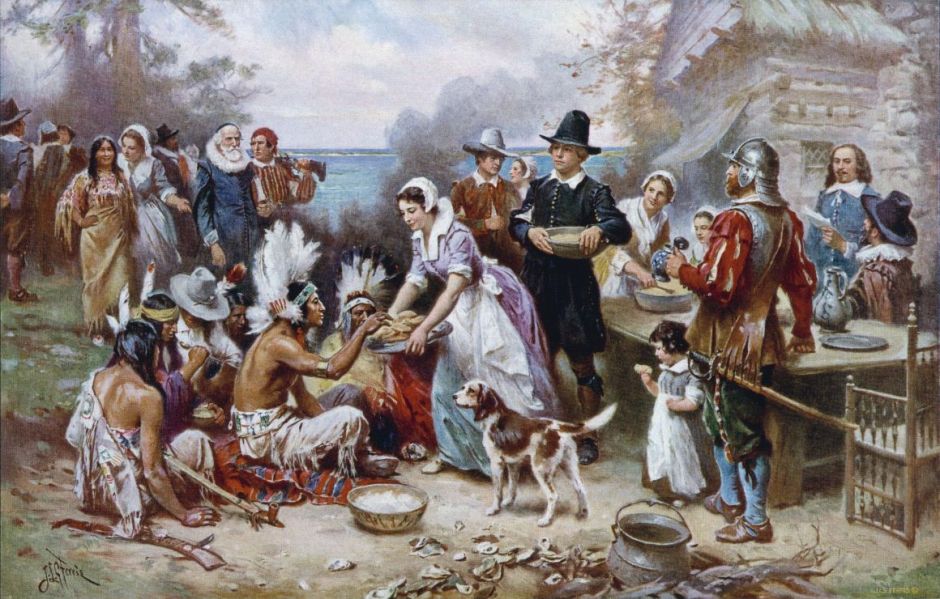
Every schoolkid will tell you about the origins of Thanksgiving.  How the Pilgrims in Massachusetts shared a late autumn feast with members of the Wampanoag nation after the colonists’ first harvest in 1621.  How the celebration became an annual tradition commemorated throughout the growing nation.  And how Thanksgiving Day was eventually declared a national holiday that Americans still honor around the family dinner table.

Sound like what you learned in school?

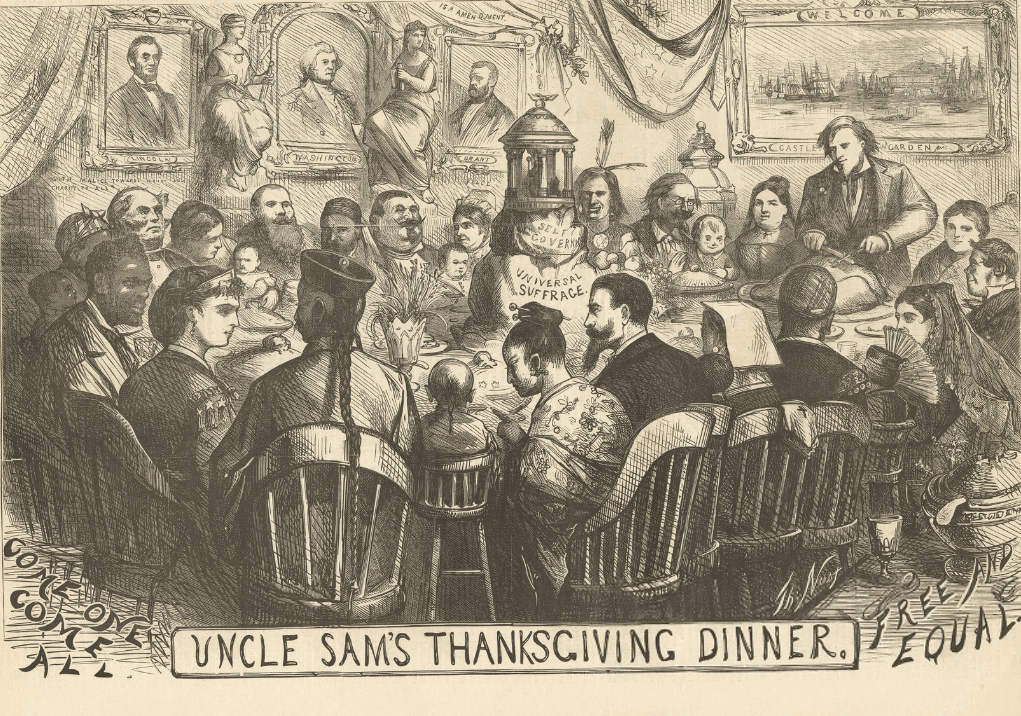
Uncle Sam’s Thanksgiving Dinner – Thomas Nast 1869

Well, as with so many accounts of our nation’s past, the Thanksgiving origin story is just a little more complex than that (and a lot more interesting).  And thanks to the historians at Ulysses S. Grant National Historic Site, you can learn all about it this weekend. 

An annual day of thanks does indeed harken back to the very early days of our nation.  But it wasn’t observed only in Massachusetts.  In 1619, a group of English colonists celebrated a thanksgiving service and feast after their ship safely landed near Jamestown, Virginia, and they vowed to establish the tradition every year thereafter. 

Thanksgiving was celebrated sporadically in various American colonies throughout the 17th and 18th centuries.  In 1789, President George Washington issued a proclamation encouraging a nationwide day of thanks, though his declaration had more to do with a religious observance than an autumn feast.  Governors of various states gradually embraced the idea, and the observance of Thanksgiving became more widespread – until the 1850s. 

For whatever reason, the origin of Thanksgiving – and indeed the young nation – had become associated with New England, not Virginia.  So as the national divide over slavery polarized the North and the South, southerners soured on anything associated with Massachusetts.  They considered Thanksgiving a “Yankee holiday” and adorned with that region’s symbols and traditions:  Pilgrims, turkey, pumpkins, and cranberries. So rather than celebrate the annual event, many Confederate sympathizers chose to fast on Thanksgiving, not feast.

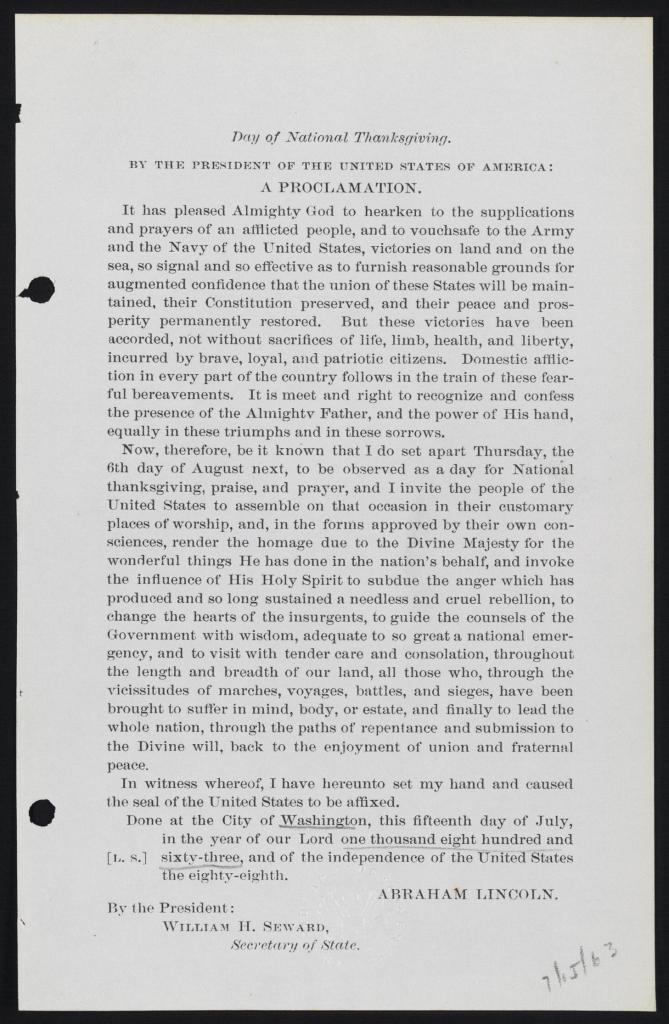
Lincoln’s Thanksgiving Proclamation – Library of Congress

When President Abraham Lincoln proclaimed Thanksgiving a national holiday at the height of the Civil War in 1863, he was well aware of this controversy.  In his proclamation he intentionally refrained from mentioning any references to the geographic origins of the feast, instead looking at the shared holiday as a way to “heal the wounds of the nation.”

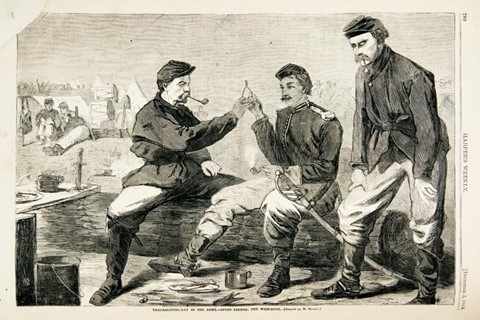
Union soldiers fighting in the war made the most of the new holiday as they paused to enjoy a special meal.  Their Confederate counterparts, however, most likely abstained.  

Today, as most Americans honor Thanksgiving with their own traditions, few probably realize the fraught history surrounding the holiday.  If you’re interested in learning more about its origins, you’re invited to a special ranger talk at 10:00 a.m. this Saturday at Ulysses S. Grant National Historic Site.  Park historian Nick Sacco will share his insight on the history of Thanksgiving during the Civil War.  The lecture is free, but reservations are required.  Call (314) 842-1867 ext. 230 to sign up.

Meanwhile, warm Thanksgiving wishes from Jefferson National Parks Association!

All About Julia

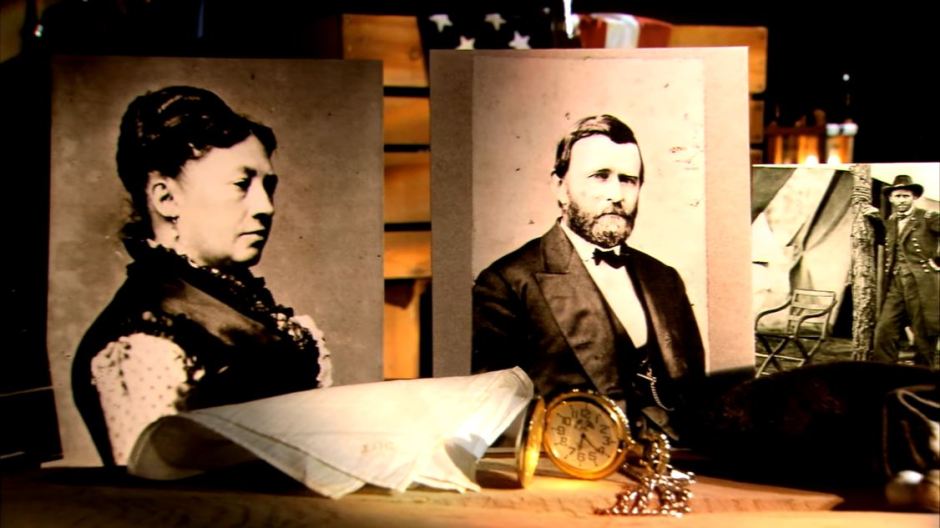
Julia Dent grew up in the early 19th century on a plantation near St. Louis named White Haven.  The fifth of seven children, she was an outgoing, active girl who fished, rode horses, and played in the woods with the plantation’s enslaved children.  Julia once told her school friends she would someday wed “a gallant, brave, dashing soldier.” Little did she know that she would indeed marry a soldier, and that he would become commander of the armed forces and later the 18th president of the United States.

You can learn more about the long and eventful life of Julia Dent Grant later this week.

Some would say Julia Dent and Ulysses Grant were an unlikely pair.  She was spirited and gregarious; he was shy.  She was raised in a slave-owning family; his family was opposed to slavery.  In fact, Grant’s choice to marry into the Dent family worsened tensions with his father, and none of the Grants attended Ulysses and Julia’s wedding in 1848.

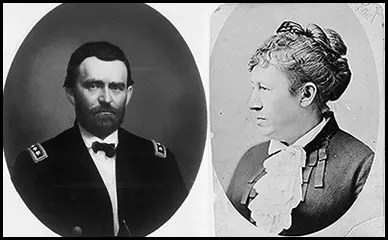
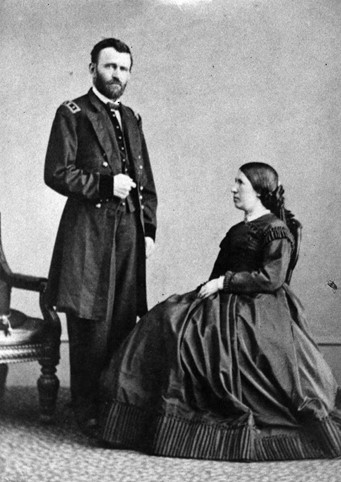
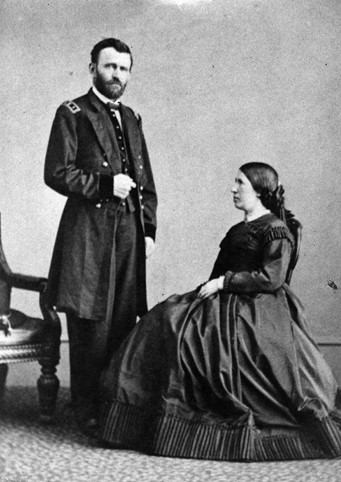
Mr. and Mrs. Grant

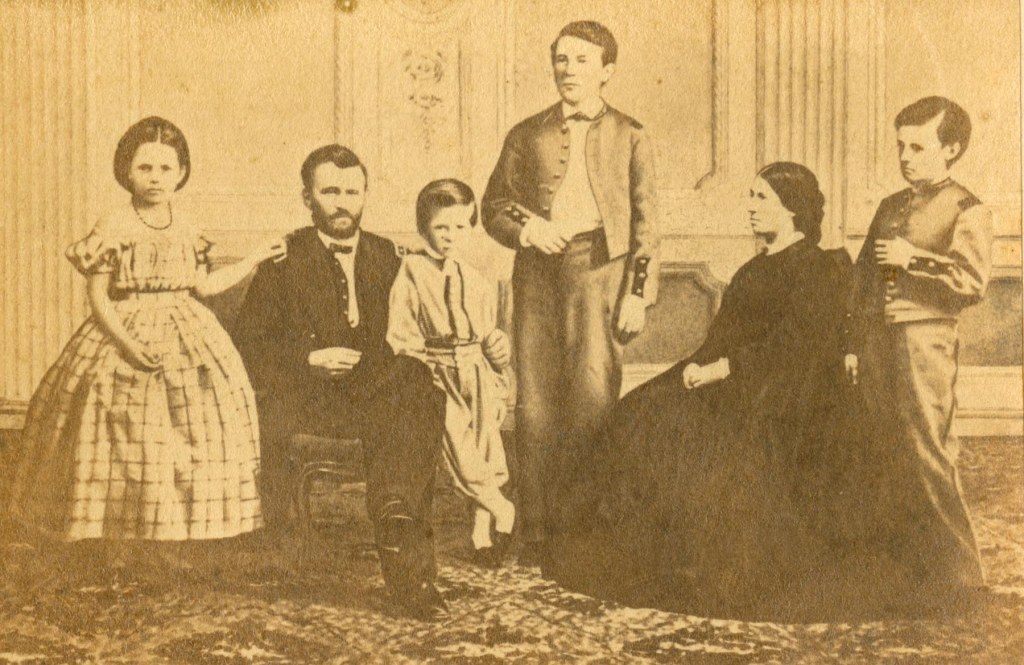
Against the odds, the Grants’ marriage lasted for 37 years, and through all their many hardships and accomplishments, their close bond never wavered.  The couple endured numerous separations as Grant pursued his military career.  And though Julia was sometimes able to accompany her husband to distant Army postings, she returned home to White Haven for the birth of their four children.  During the Civil War, she served as the financial manager and agent for White Haven in her husband’s absence, leasing sections of the farm, collecting rent, and consolidating land titles.

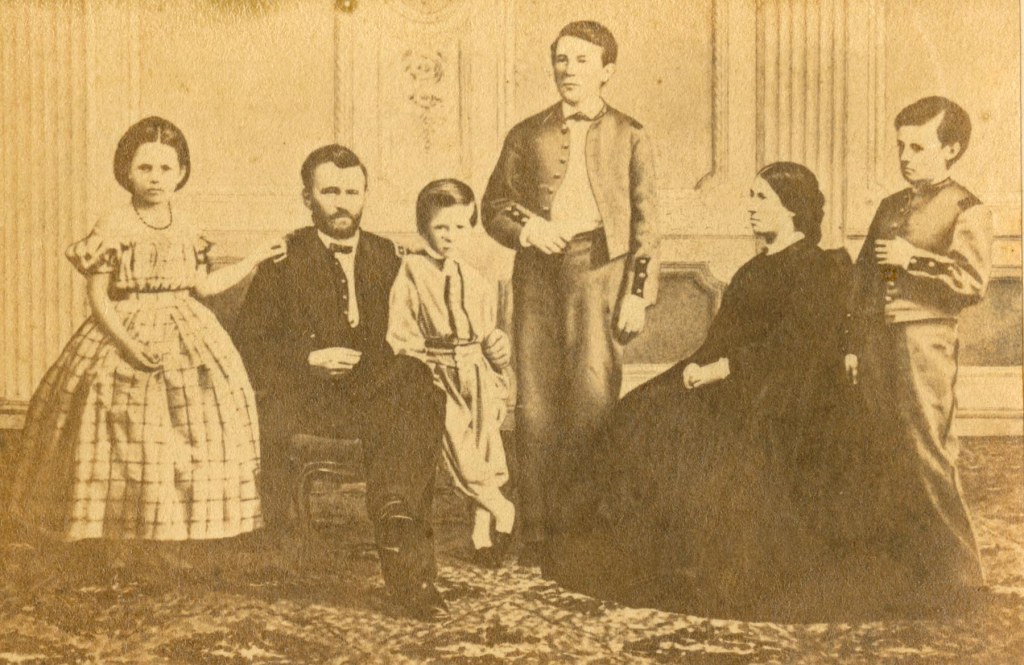
Ulysses and Julia Grant and their children. Credit: Ulysses S. Grant National Historic Site.

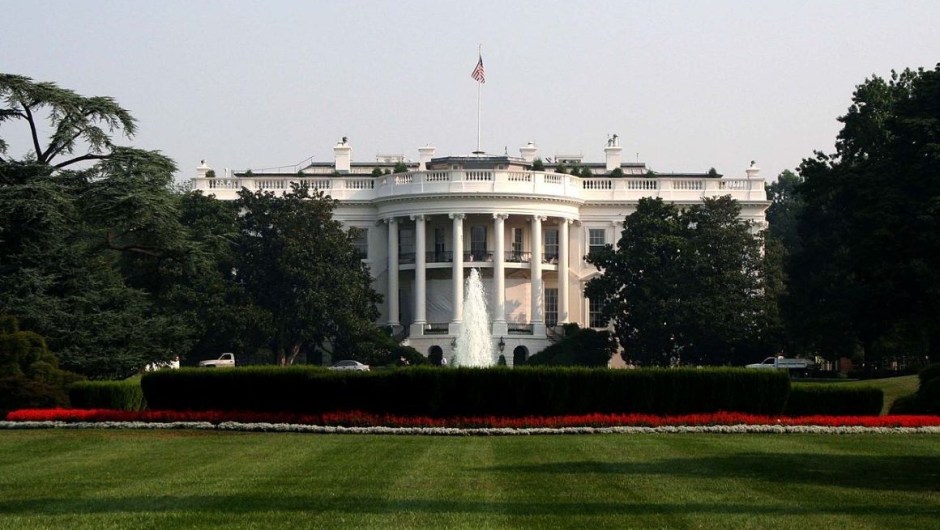
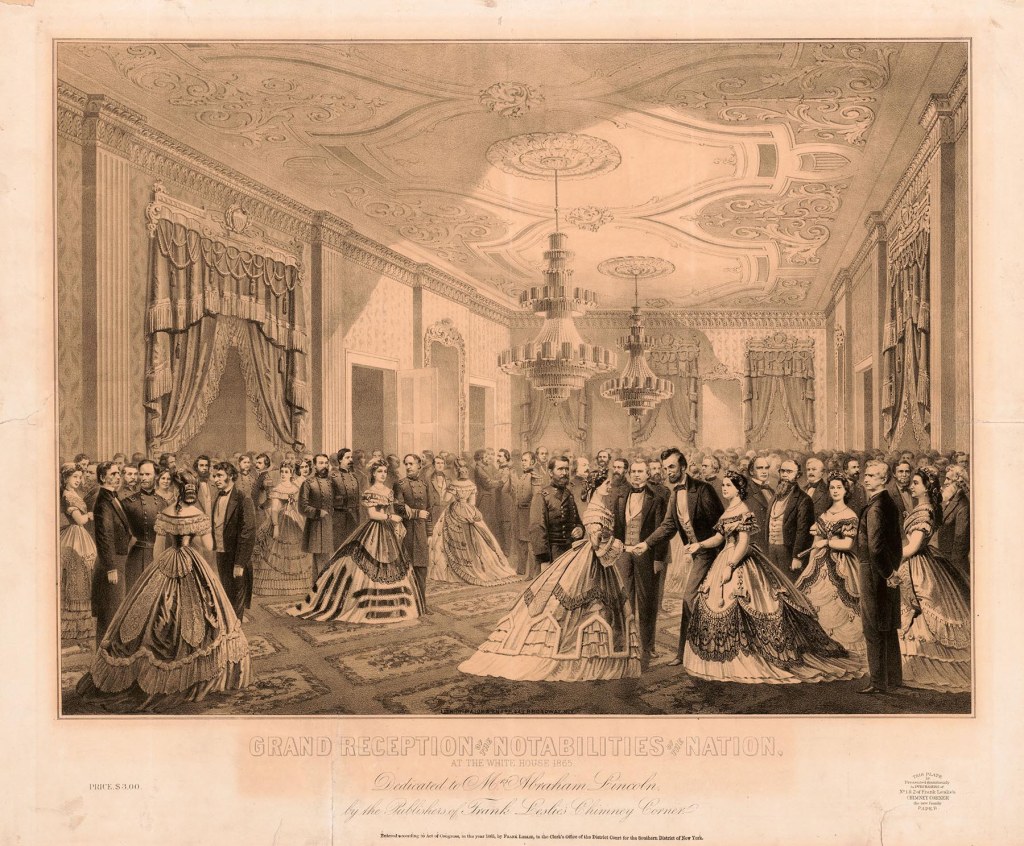
As the nation’s First Lady, Julia was an active participant in presidential matters and reveled in her eight-year role as hostess to the nation.  She entertained lavishly and welcomed dignitaries from around the world to the White House.  At the end of Ulysses’ second term, the couple embarked on a two-year worldwide tour that further burnished her reputation as a valuable partner to the former president.

Grand reception of the notabilities of the nation, at the White House 1865. Credit: Library of Congress

Her later years were difficult, however.  Grant lost most of their money in a bogus financial deal, and the couple was nearly destitute.  By the time he signed a lucrative contract to write his now-famous memoirs, Grant was dying of throat cancer.  Julia lived as a widow for 17 years until she died at age 76 in 1902.

This Saturday at 10 a.m., you’re invited to learn more about the long eventful life of Julia Dent Grant.  Historian Pam Sanfilippo will present “Julia Dent Grant and Family,” the annual John Y. Simon lecture at Ulysses S. Grant National Historic Site

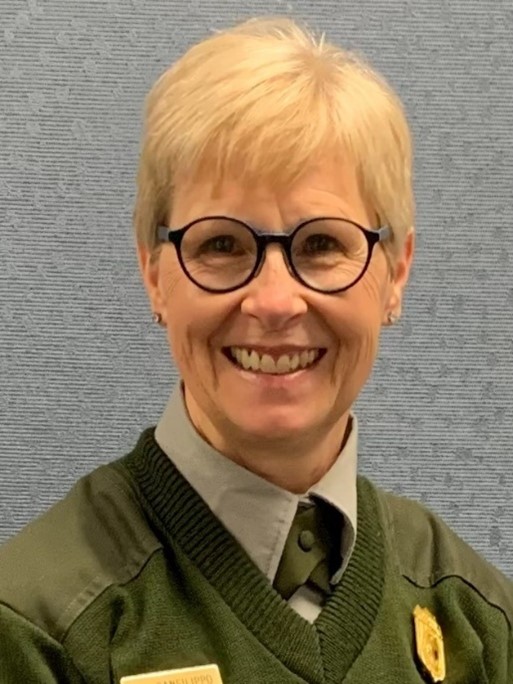
Pam Sanfilippo

Pam served as park ranger, education director and historian at the park for many years and is now Program Manager for Museum Services and Interpretation at Gateway Arch National Park. She is the author of numerous essays, articles, and publications. Her biography of Julia Dent Grant is scheduled for publication by Southern Illinois University. Pam’s talk will present highlights from her research on Julia and her family.

For reservations to this presentation, call (314) 842-1867 x230.

Exploring the Life of Ulysses S. Grant

Just in time for the upcoming wedding anniversary of Ulysses and Julia Grant, the National Park Service has created a new online exhibit exploring the life and legacy of the nation’s 18th president.  The expansive exhibit amasses artifacts, documents, and photographs from numerous Park Service sites, including Ulysses S. Grant National Historic Site.

As one might expect from such a multi-faceted figure as Ulysses Grant, his life encompasses many aspects, including his early upbringing and family life as well as his military career and presidency.  And the fascinating new exhibit covers them all.

There are more than 20 national sites with connections to Grant, many of them housing collections that include artifacts, portraits, and documents related to the president or his family members.  But thanks to this new virtual exhibit, many of these items can now be viewed in one accessible location.  They shed light on little-known facets of his life, helping us gain greater insights into the famous man.

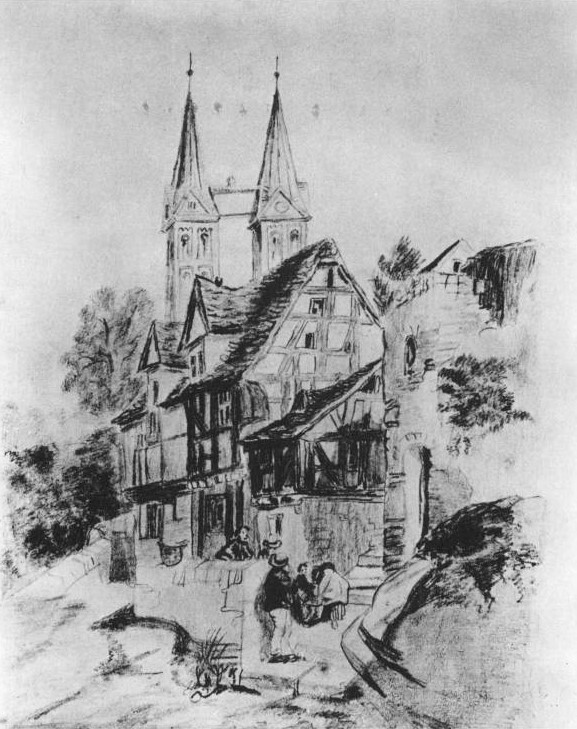
Drawing of Church Steeples by Ulysses S. Grant (Courtesy The Papers of Ulysses S. Grant, Volume 1 and Library of Congress)

Although Grant is celebrated for his military and political achievements, his artistic side is less well known.  The exhibit features sample of some of his watercolor paintings. When he was a West Point cadet, he enrolled in several drawing classes and developed this hobby over the years.  Sadly only eight of his paintings have survived to the present day.

Then there are the charming vestiges of the Grants’ everyday life, like Julia’s ivory sewing kit, Ulysses’ cigar holder, the couple’s ivory and silver coffee service, and even the leather boots worn by Julia’s sister Emma.

Courtesy NPS

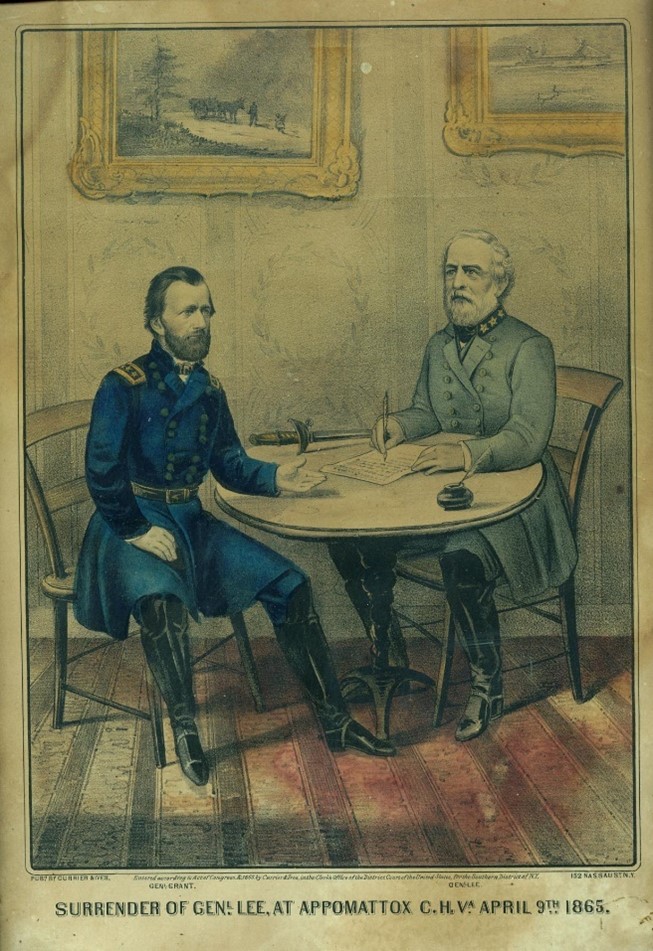
The exhibit explores Grant’s military career from his early days at West Point to his role as commander of the entire Union Army during the Civil War.  The surrender of Robert E. Lee at Appomattox in 1865 is highlighted with a color image of a Currier & Ives print of the two generals signing the surrender documents, a photo of the chairs and table used during the signing ceremony, and a poignant letter outlining the terms of surrender.

Slave quarters at White Haven, prior to removal (photo courtesy of NPS)

Grant’s experience with the institution of slavery is a recurrent theme in the exhibit.  From an early age, he was taught that slavery was wrong and that his Southern relatives “had depended too much on slave labor to be trained in self-reliance.”  When Grant married into the slaveholding Dent family, it worsened tensions with his father (none of the Grants attended Ulysses and Julia’s wedding).

Yet when the couple occupied White Haven in the 1850s, they lived and worked alongside dozens of enslaved African Americans, most of whom were owned by Grant’s father-in-law (though Grant himself owned an enslaved man named William Jones, whom he later freed).  This experience strengthened Grant’s hatred of slavery and commitment to abolish the institution, and set the stage for him to become one of the great civil rights presidents in American history.   

The new Grant exhibit is just the latest virtual exhibit created by the National Park Service Museum Management Program, whose aim is to make the broad range of NPS collections widely available to online users. You can see numerous other offerings at the program’s website.  

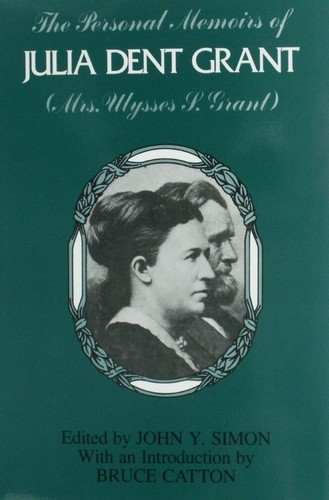
In honor of Ulysses and Julia’s 174th wedding anniversary on August 22nd, you may want to brush up on the life of Julia Dent Grant.  She had a long and event-filled life as the wife of a Civil War general and U.S. president.  Also check out her personal memoirs, which are available from JNPA’s online store, or at the gift shop at Ulysses S. Grant National Historic Site.

Hold Your Horses!

There’s always a diverse crowd visiting our national park partners, but four-legged visitors?  Well, that’s who you’ll see at Ulysses S. Grant National Historic Site this Saturday.

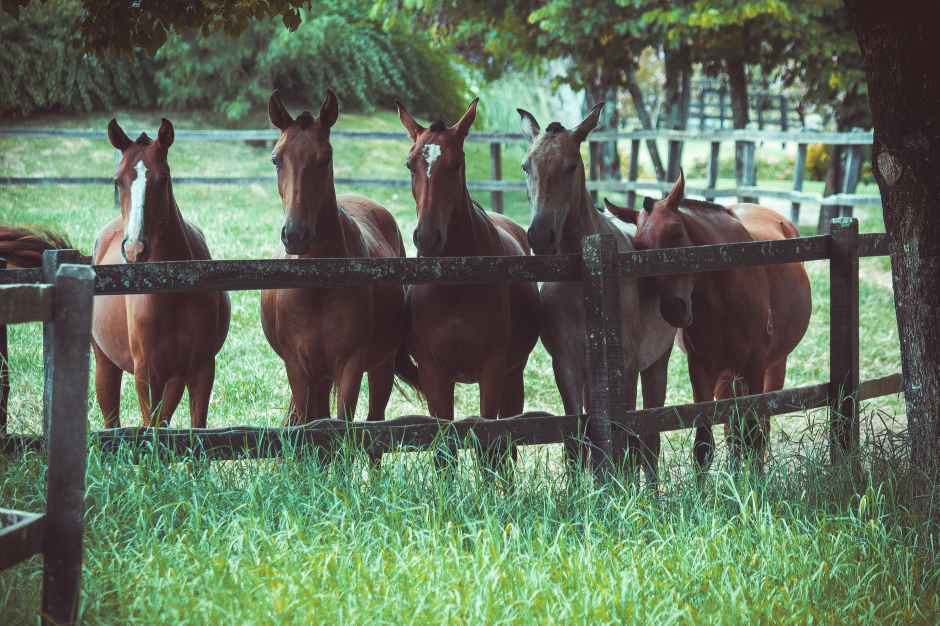
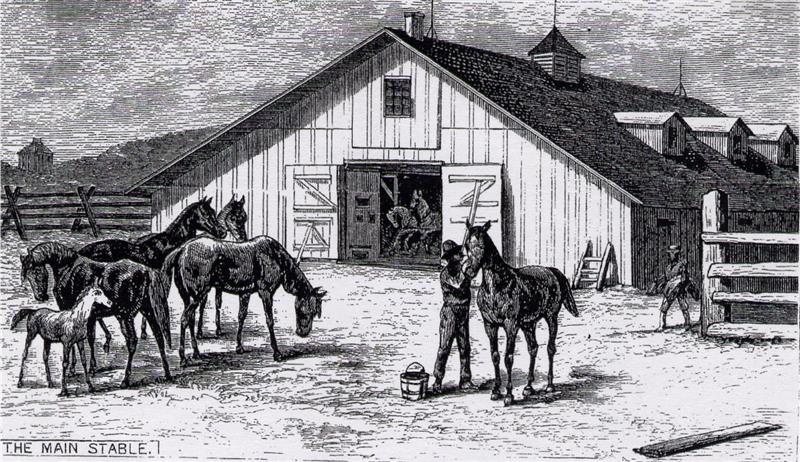
As a tribute to Ulysses Grant’s lifelong passion for horses, the park will host Horses and Grant at White Haven this Saturday.  Horses from area ranchers and owners will be on hand to help park interpreters explain the central role that the animals played in the 18th president’s life.

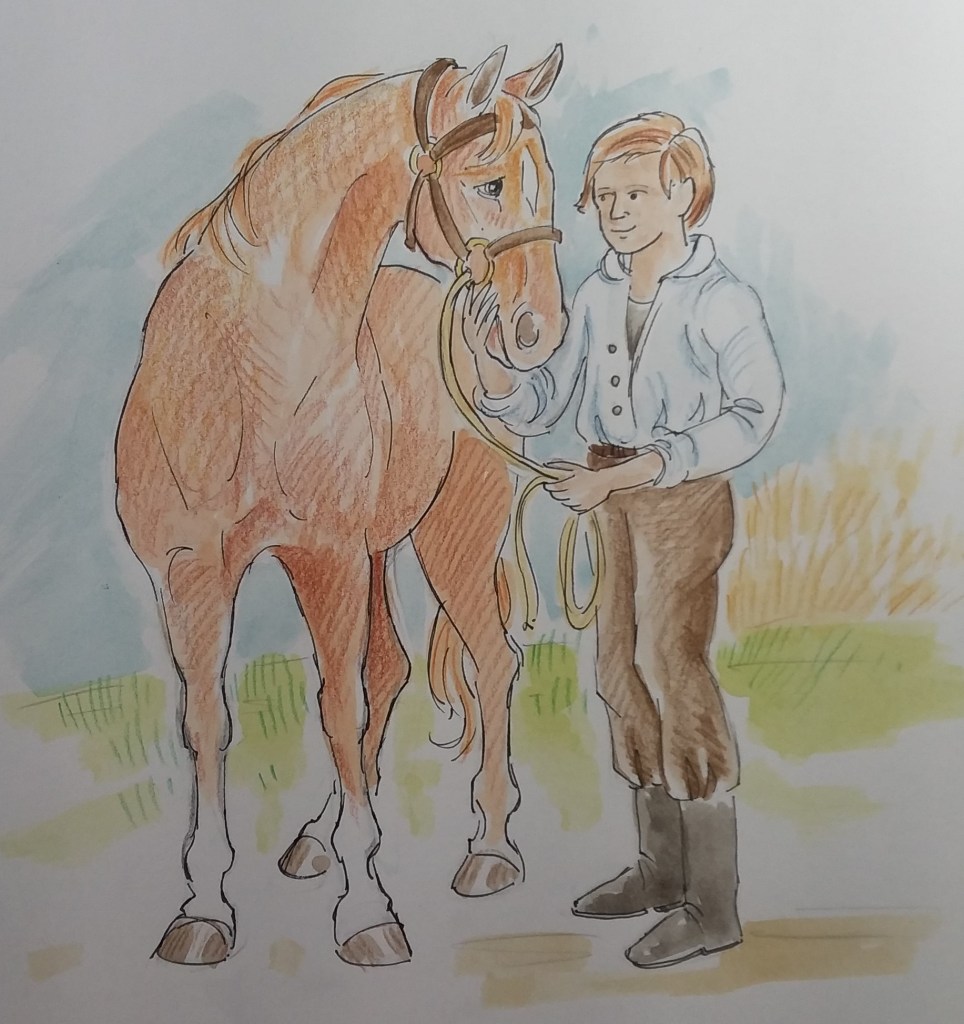
Illustration by Leslie Przybylek 

From the time he was a small boy, Grant loved to ride, train, and care for horses.  Horses were also vital to him as a soldier and farmer.  He was an accomplished rider both in his military career and his private life, and owned a succession of horses throughout his life. In fact, it was thought he bought the White Haven property from his wife’s family after the Civil War mainly to breed and raise horses.

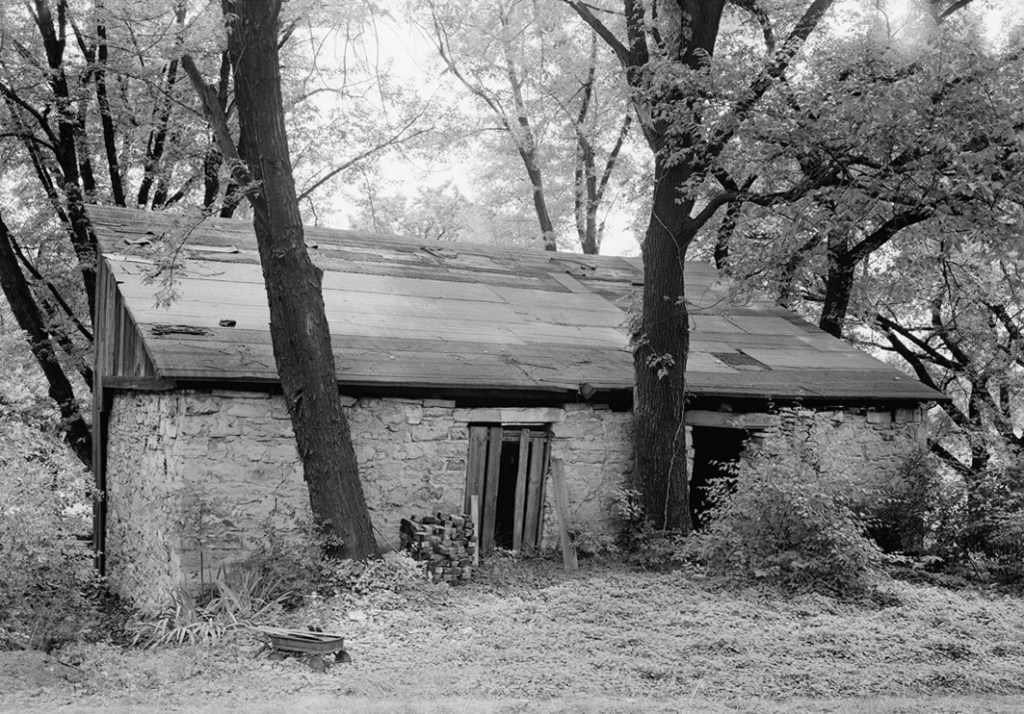
Original horse barn on the White Haven property

At the park this Saturday, there will be formal demonstrations on horsemanship, saddles, and the history of racing, as well as hands-on activities for children. The free event runs from 10 a.m. to 4 p.m.; reservations are not required.  It is offered as one of the site’s Grant bicentennial activities.