
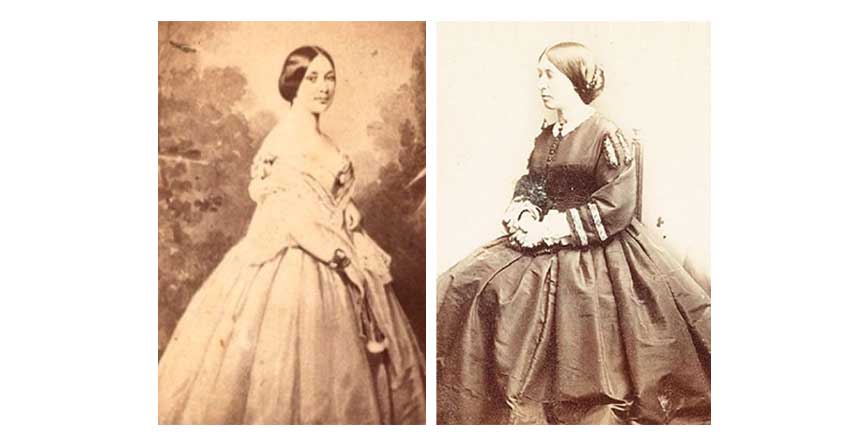
On the face of it, it’s not surprising the two women became friends later in life, since their lives were remarkably similar. Still, their late-in-life friendship shocked Gilded Age America.
They were the same age, born in 1826. They were both well educated, fiercely independent, and unafraid to voice their opinions. Yet they were also devoted mothers and renowned hostesses. Despite their upbringing within slave-owning Southern families, both women were ambivalent about the institution of slavery. They married men who went on to occupy illustrious public careers during the Civil War years, resulting in their becoming First Ladies. After they were widowed, both women moved to New York City, eventually living within a few blocks of each other.
But there was one critical difference between Julia Dent Grant and Varina Howell Davis. One was married to the President of the United States, the other to the President of the Confederacy – men who personified opposing sides in the Civil War.
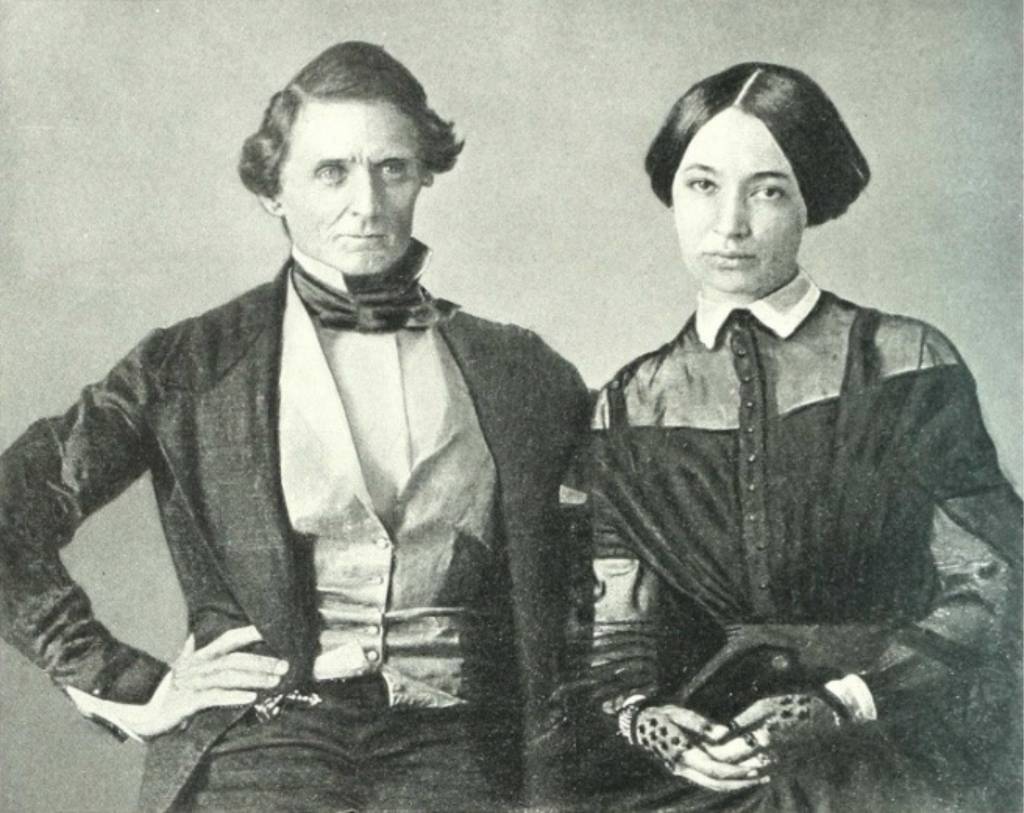
When Jefferson Davis was named President of the Confederate States of America in 1861, Varina Davis became a reluctant First Lady. Although she openly supported the Confederacy, she expressed misgivings about her husband’s fitness for his new role and privately doubted that the South had the resources to win the war. Toward the end of her life, she publicly noted that the “right side won the Civil War.” She also expressed ambivalence about the institution of slavery.
After the South surrendered and the war ended, Jefferson Davis was imprisoned at Fort Monroe. Varina fought tirelessly to achieve his release, which came about two years later. When her husband died in 1889, Varina moved to New York City, finished his biography, and wrote for various newspapers.
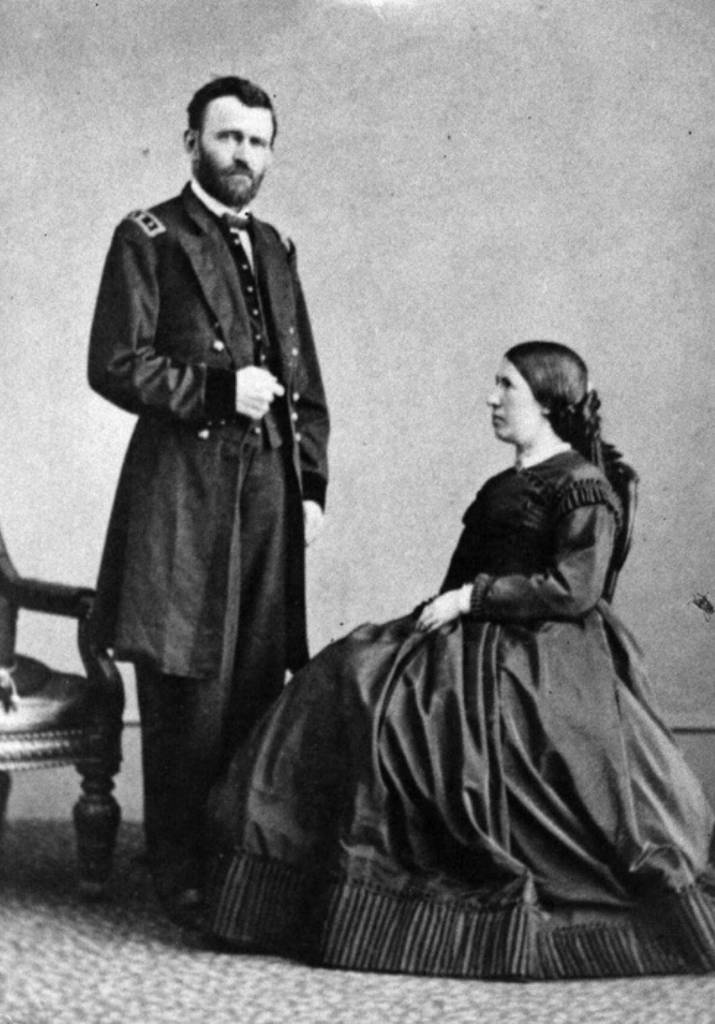
Julia Grant had shared in the mixed fortunes of Ulysses S. Grant during the 37 years they were married – supporting him through his stint as a farmer, through his military career, his U.S. presidency, and beyond. She was by his side when Ulysses succumbed to throat cancer in 1885.
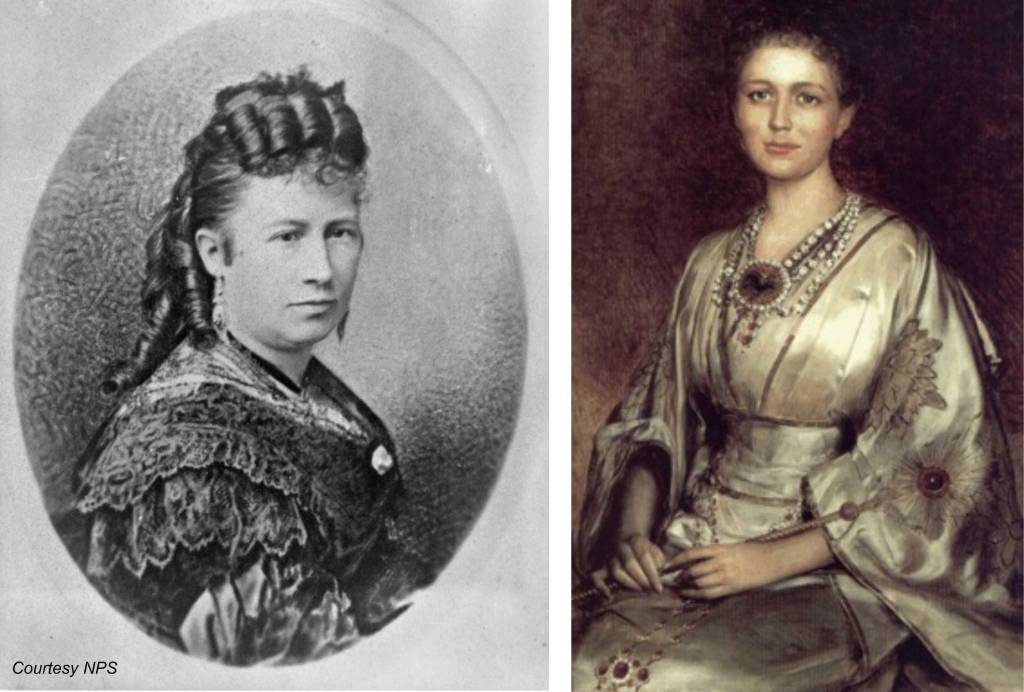
The two widows eventually met when they were in their sixties in 1893, a full 28 years after the Civil War ended. Staying at the same hotel for a West Point event, the friendship began when Julia walked to Varina’s hotel room and knocked on the door. Their cordial meeting made headlines in northern newspapers, where it was viewed as a vital step in healing the fractured nation. The reaction in the former Confederate states was considerably more muted, where many conservative White southerners considered Varina’s close association with their former wartime enemy as a betrayal.
Nevertheless, the former First Ladies became close friends and were periodically seen chatting in open carriage rides through New York City, where they lived just blocks away from each other. Even their daughters became good friends.
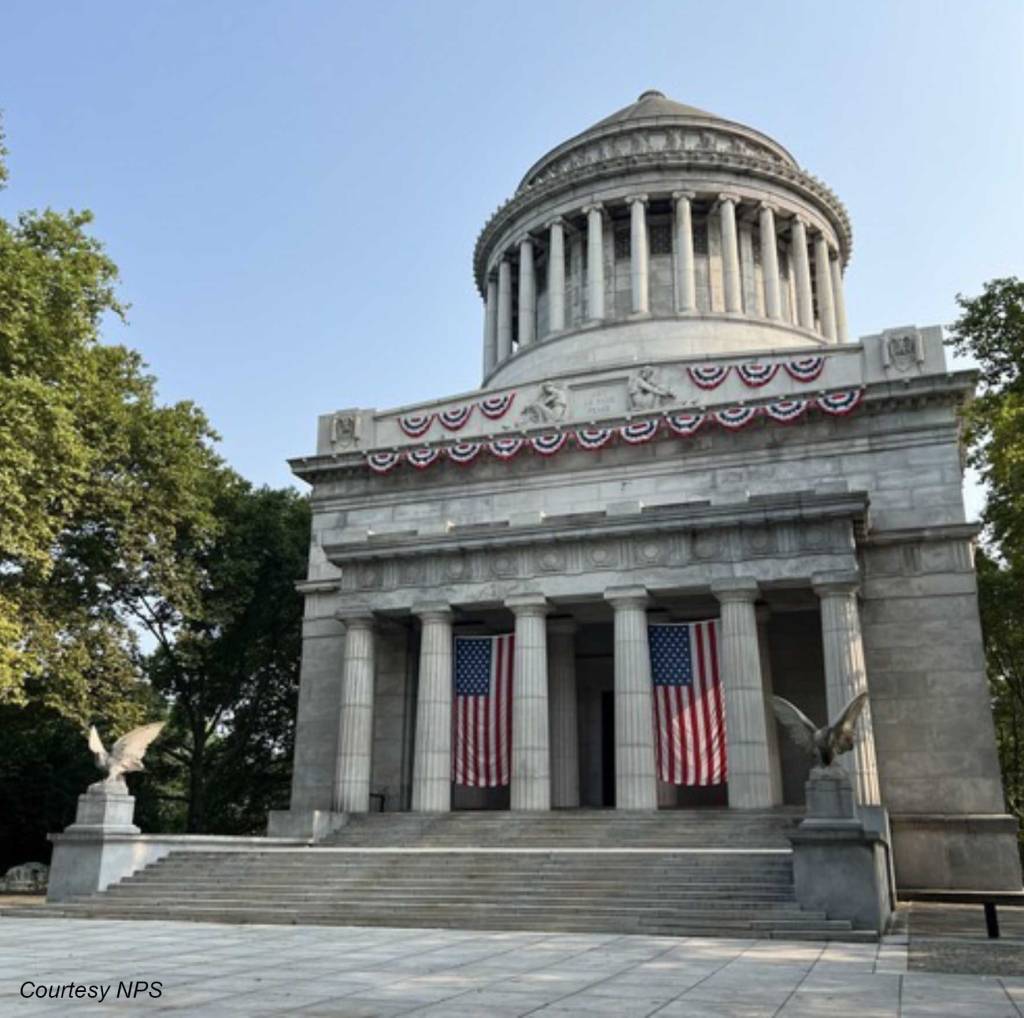
In 1897, Julia invited Varina to attend the dedication of the newly completed Grant’s Tomb. Varina accepted the invitation, joining more than one million people who came to pay their respects to the Commanding General of the Union Army and the nation’s 18th President.
Varina and Julia remained close until Julia’s death in 1902 and was buried next to her husband within the New York memorial. Varina died just four years later and was laid to rest next to her husband in the Davis family plot in Richmond, Virginia.

