Thanksgiving’s Complicated History

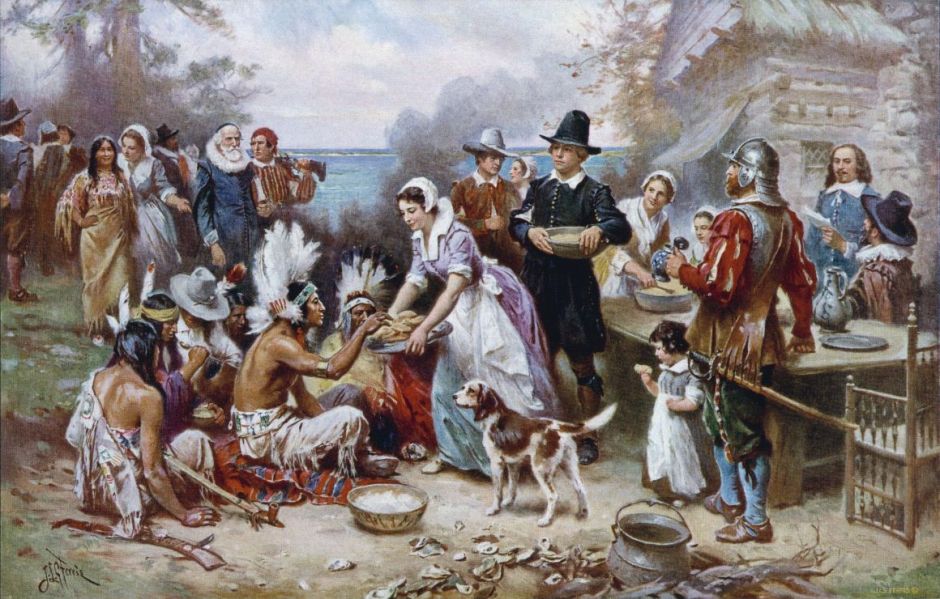
Every schoolkid will tell you about the origins of Thanksgiving.  How the Pilgrims in Massachusetts shared a late autumn feast with members of the Wampanoag nation after the colonists’ first harvest in 1621.  How the celebration became an annual tradition commemorated throughout the growing nation.  And how Thanksgiving Day was eventually declared a national holiday that Americans still honor around the family dinner table.

Sound like what you learned in school?
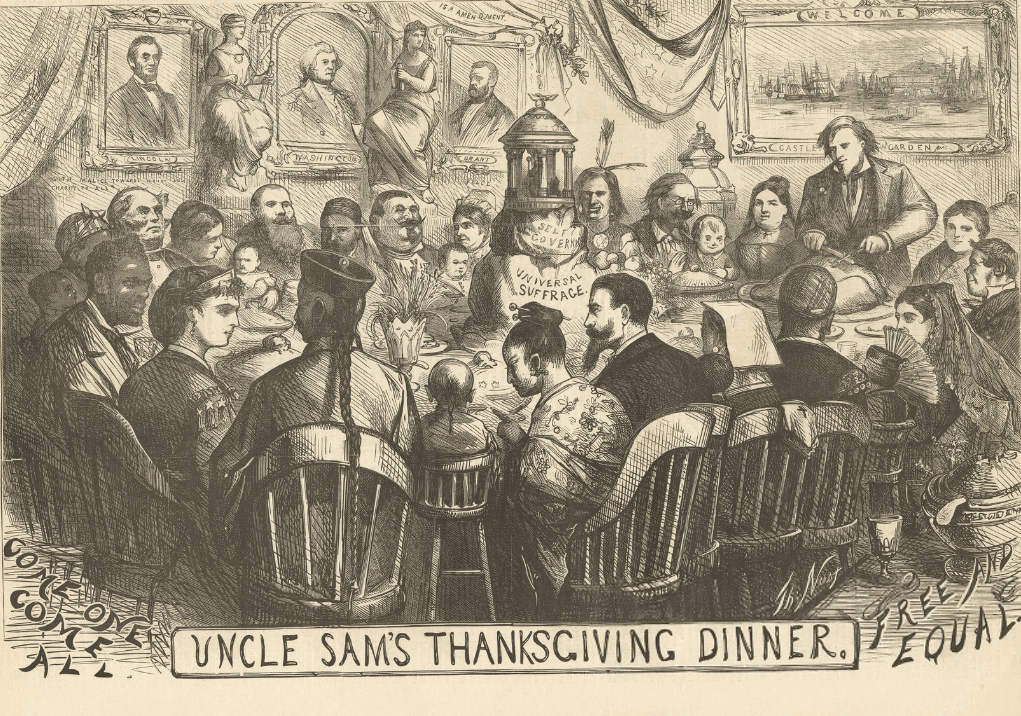
Uncle Sam’s Thanksgiving Dinner – Thomas Nast 1869

Well, as with so many accounts of our nation’s past, the Thanksgiving origin story is just a little more complex than that (and a lot more interesting).  And thanks to the historians at Ulysses S. Grant National Historic Site, you can learn all about it this weekend. 

An annual day of thanks does indeed harken back to the very early days of our nation.  But it wasn’t observed only in Massachusetts.  In 1619, a group of English colonists celebrated a thanksgiving service and feast after their ship safely landed near Jamestown, Virginia, and they vowed to establish the tradition every year thereafter. 

Thanksgiving was celebrated sporadically in various American colonies throughout the 17th and 18th centuries.  In 1789, President George Washington issued a proclamation encouraging a nationwide day of thanks, though his declaration had more to do with a religious observance than an autumn feast.  Governors of various states gradually embraced the idea, and the observance of Thanksgiving became more widespread – until the 1850s. 

For whatever reason, the origin of Thanksgiving – and indeed the young nation – had become associated with New England, not Virginia.  So as the national divide over slavery polarized the North and the South, southerners soured on anything associated with Massachusetts.  They considered Thanksgiving a “Yankee holiday” and adorned with that region’s symbols and traditions:  Pilgrims, turkey, pumpkins, and cranberries. So rather than celebrate the annual event, many Confederate sympathizers chose to fast on Thanksgiving, not feast.
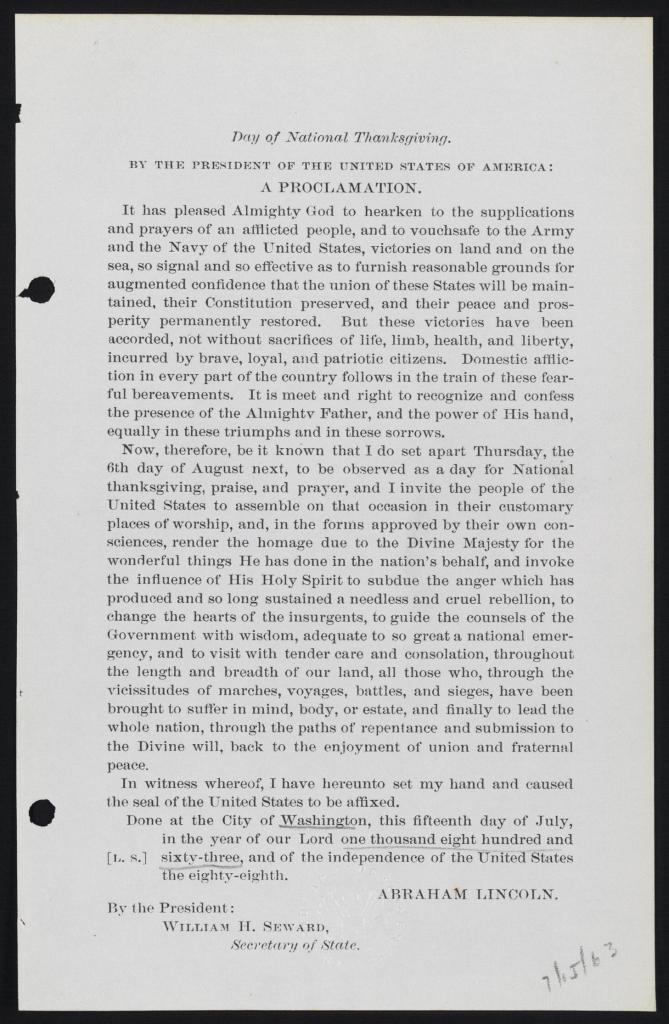
Lincoln’s Thanksgiving Proclamation – Library of Congress

When President Abraham Lincoln proclaimed Thanksgiving a national holiday at the height of the Civil War in 1863, he was well aware of this controversy.  In his proclamation he intentionally refrained from mentioning any references to the geographic origins of the feast, instead looking at the shared holiday as a way to “heal the wounds of the nation.”

Union soldiers fighting in the war made the most of the new holiday as they paused to enjoy a special meal.  Their Confederate counterparts, however, most likely abstained.  
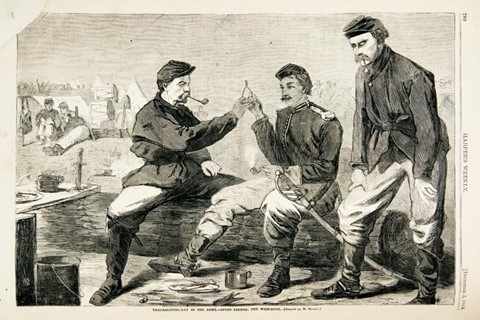
Today, as most Americans honor Thanksgiving with their own traditions, few probably realize the fraught history surrounding the holiday.  If you’re interested in learning more about its origins, you’re invited to a special ranger talk at 10:00 a.m. this Saturday at Ulysses S. Grant National Historic Site.  Park historian Nick Sacco will share his insight on the history of Thanksgiving during the Civil War.  The lecture is free, but reservations are required.  Call (314) 842-1867 ext. 230 to sign up.

Meanwhile, warm Thanksgiving wishes from Jefferson National Parks Association!
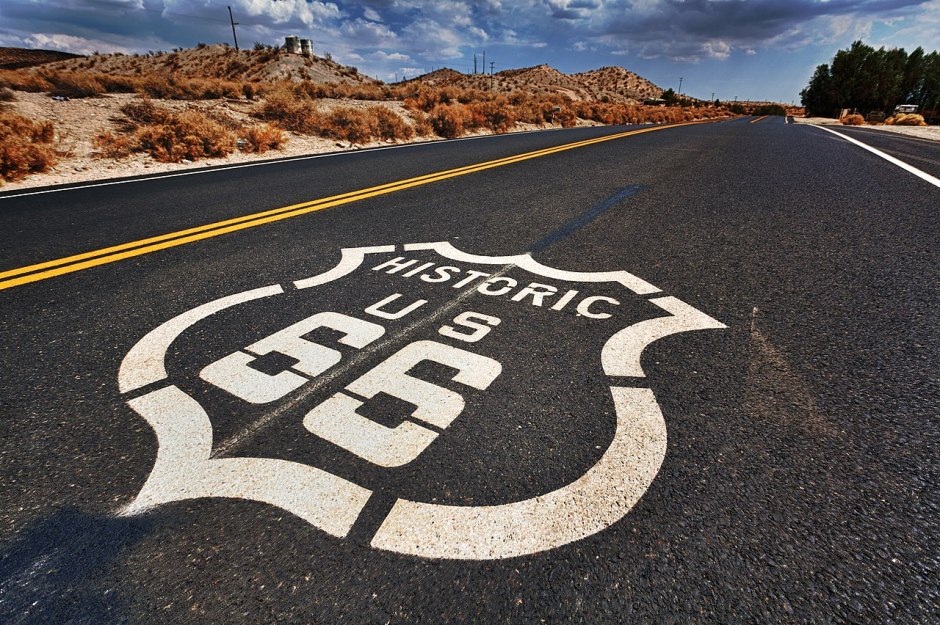
♫”Well it goes from St. Louis, down to Missouri…”♫

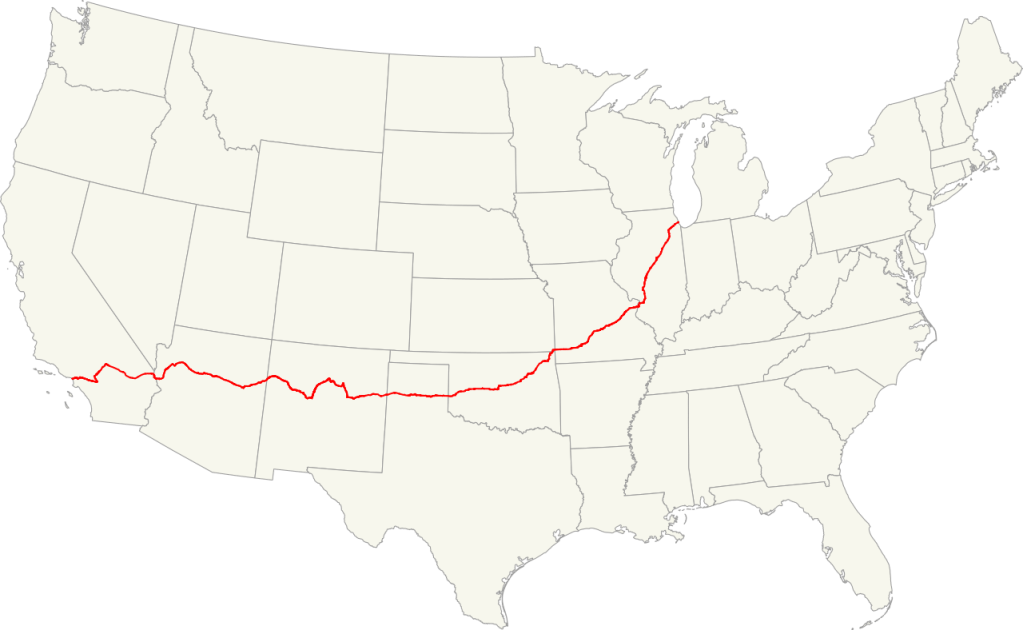
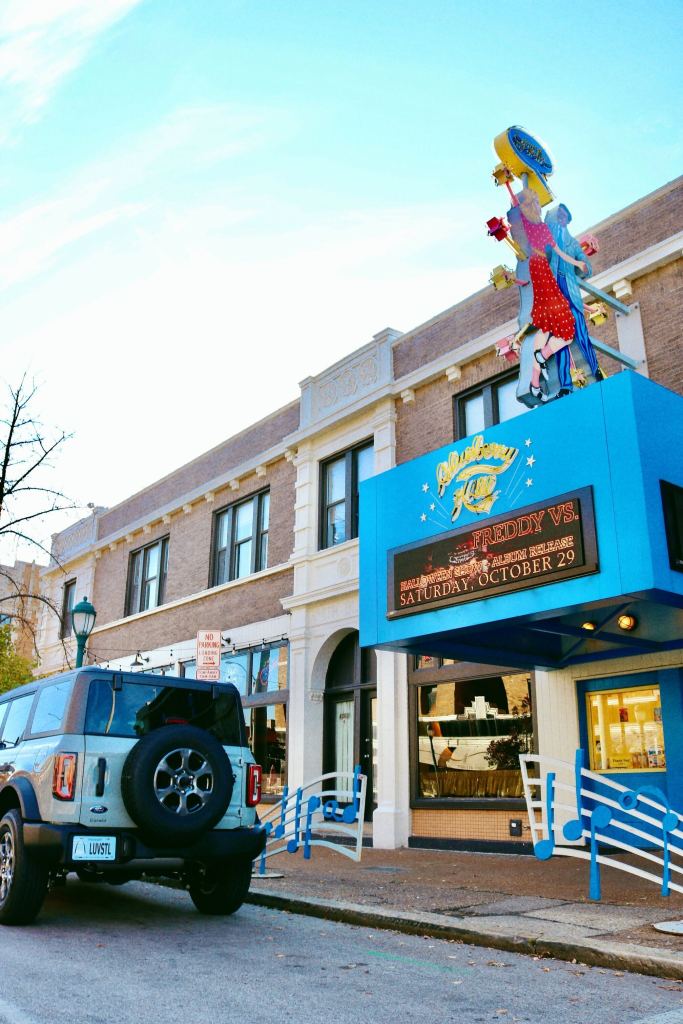
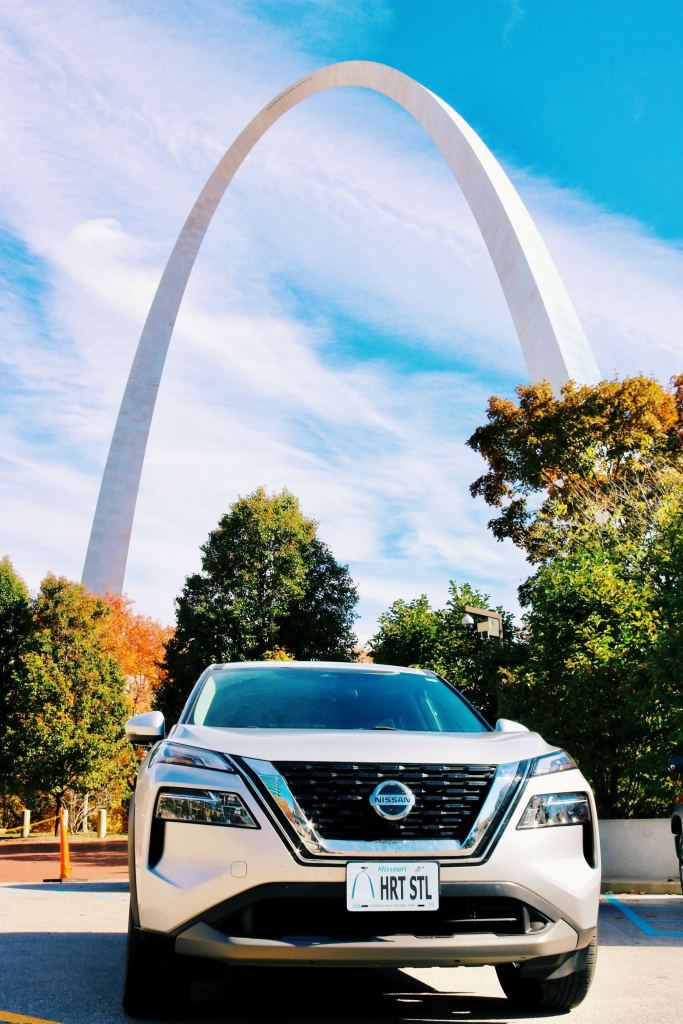
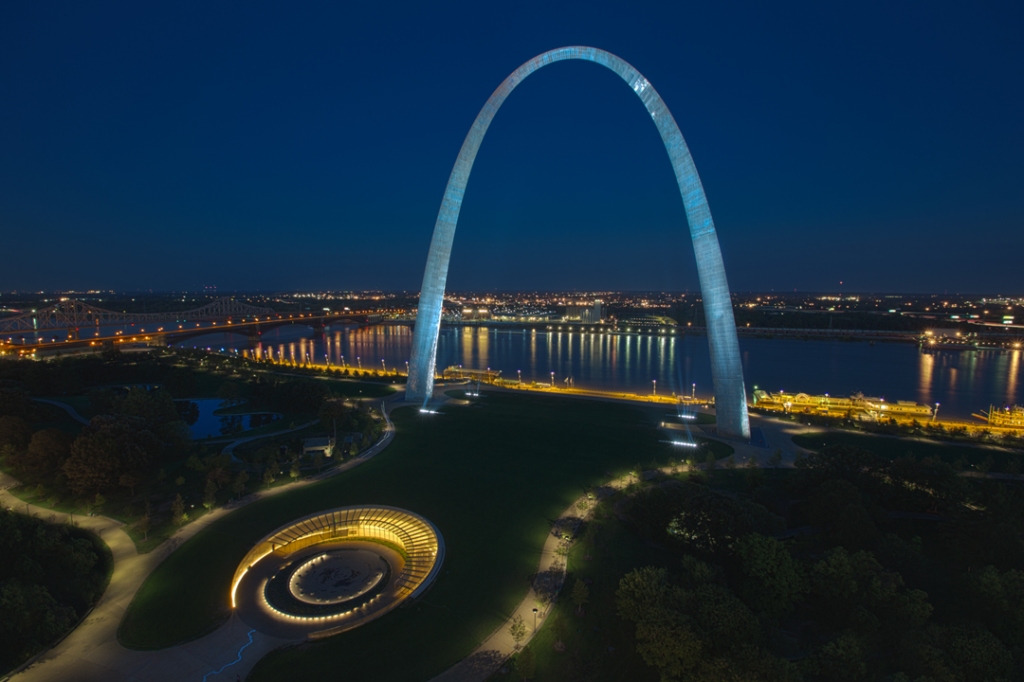
What better way to celebrate the upcoming 96th anniversary of Route 66 than with a cool new license plate for your road car?  And since St. Louis is the largest city along Route 66 between Chicago and Los Angeles, this is a perfect time to sign up for a license plate commemorating the town’s beloved icon, the Gateway Arch.

On November 11, 1926, Route 66 was officially inaugurated as one of the nation’s original numbered highways.  It wound through small towns, around larger cities, and through undeveloped rural landscapes as it meandered from the Midwest to southern California.  The Mother Road eventually spanned 2,448 miles, though much of it was unpaved in its early days. 

The two-lane highway served as a primary route for people migrating westward during the Depression and Dust Bowl years.  In the 1940s it was an important supply route for soldiers and military equipment during World War II.  And in subsequent decades it became a cultural touchstone popularized in song and film.  But with the advent of the federal highway system and four-lane interstates, travelers bypassed numerous sections of Route 66 in favor of speedier journeys.  U.S. 66 was finally decommissioned as a federal highway in 1984 although various portions of the road have been restored and placed on the National Register of Historic Places.

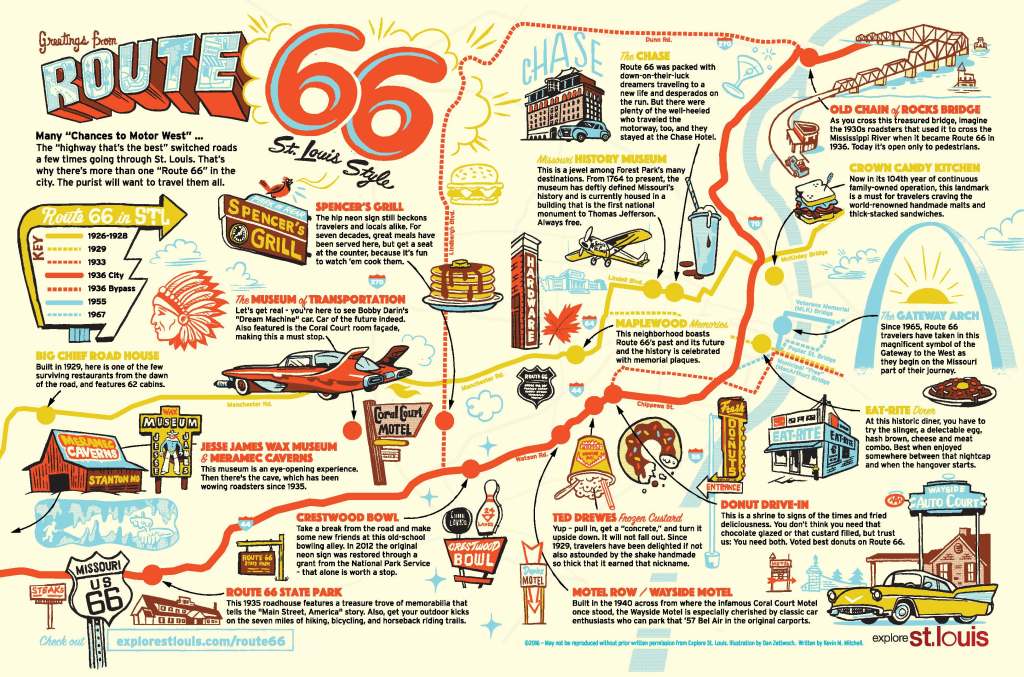
Credit: Explore St. Louis

Today the enduring popularity of the Route 66 legend continues to lure tourists – especially foreign travelers – seeking a taste of Americana from another era.  Numerous Route 66 associations offer maps that highlight roadside attractions and markers along the original route, including those in the St. Louis area.

Whether you plan to celebrate the Mother Road’s anniversary by driving to some of the route’s nostalgic sites or you just want to cruise around your neighborhood in style, show off your pride in our renowned St. Louis icon with an Arch license plate (Missouri car owners only).  When you sign up for a plate on JNPA’s website, your tax-deductible donation will help support education programs at Gateway Arch National Park.  And you can order an Arch license plate at any time, regardless of your Missouri license plate expiration date.

So sign up today.  Soon your car will be the envy of your fellow drivers!
Honoring our Veterans

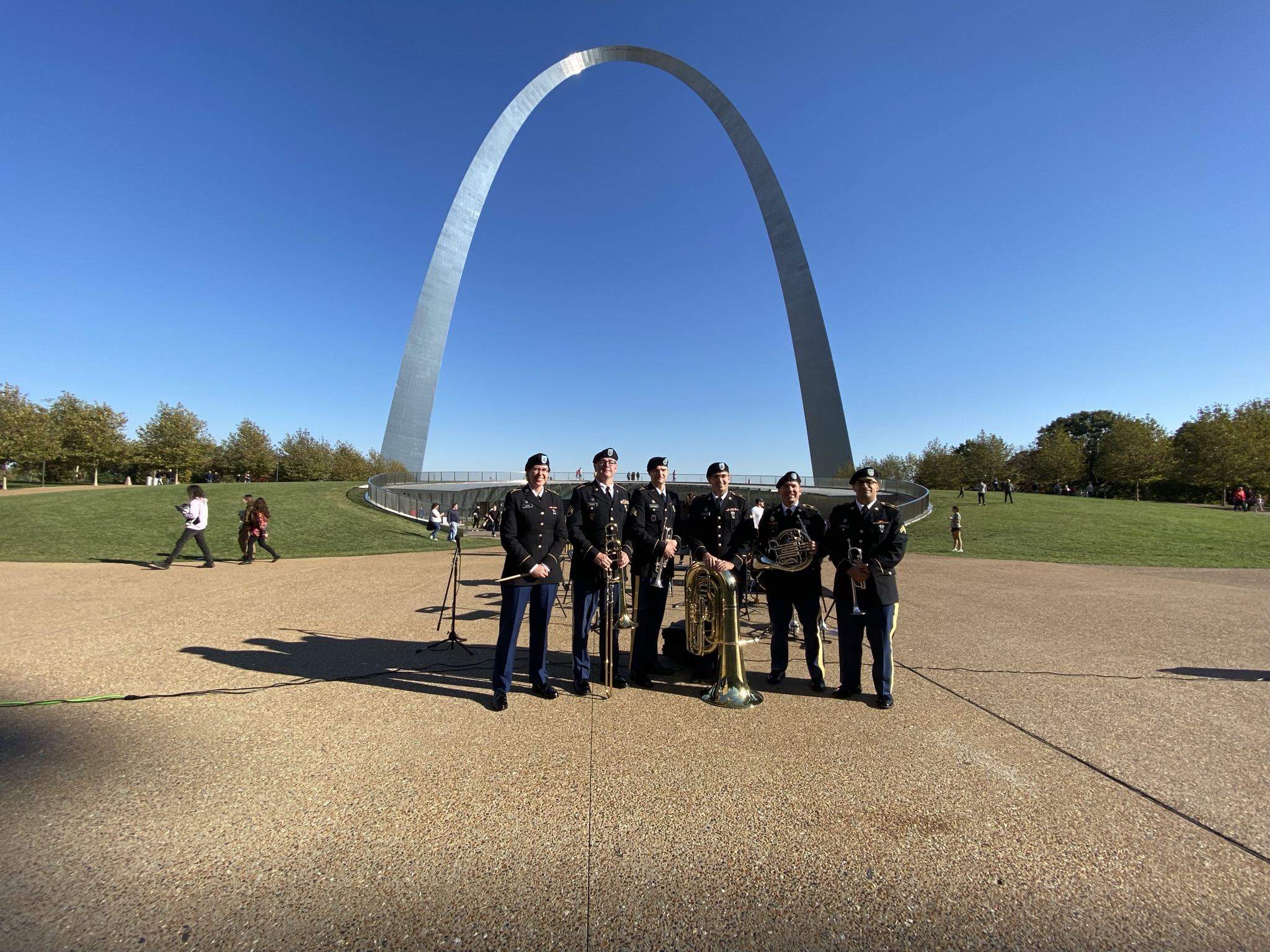
The National Park Service is among many federal agencies that strive to honor the service of current and former military personnel and their families.  In honor of Veteran’s Day, Gateway Arch National Park, along with the Gateway Arch Park Foundation, will be hold a commemorative event honoring the bravery and sacrifice of all U.S. military veterans.

Credit: Gateway Arch Park Foundation

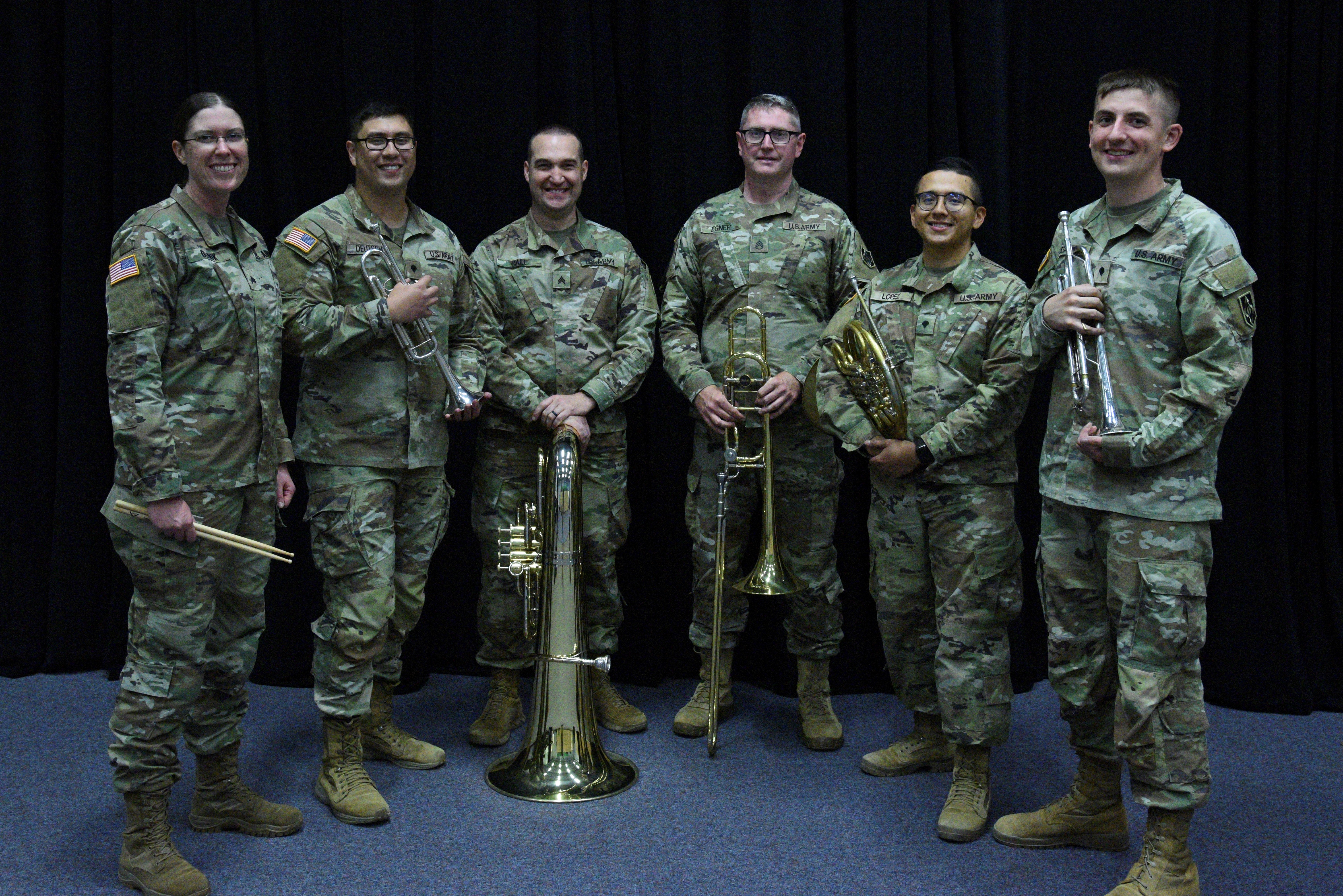
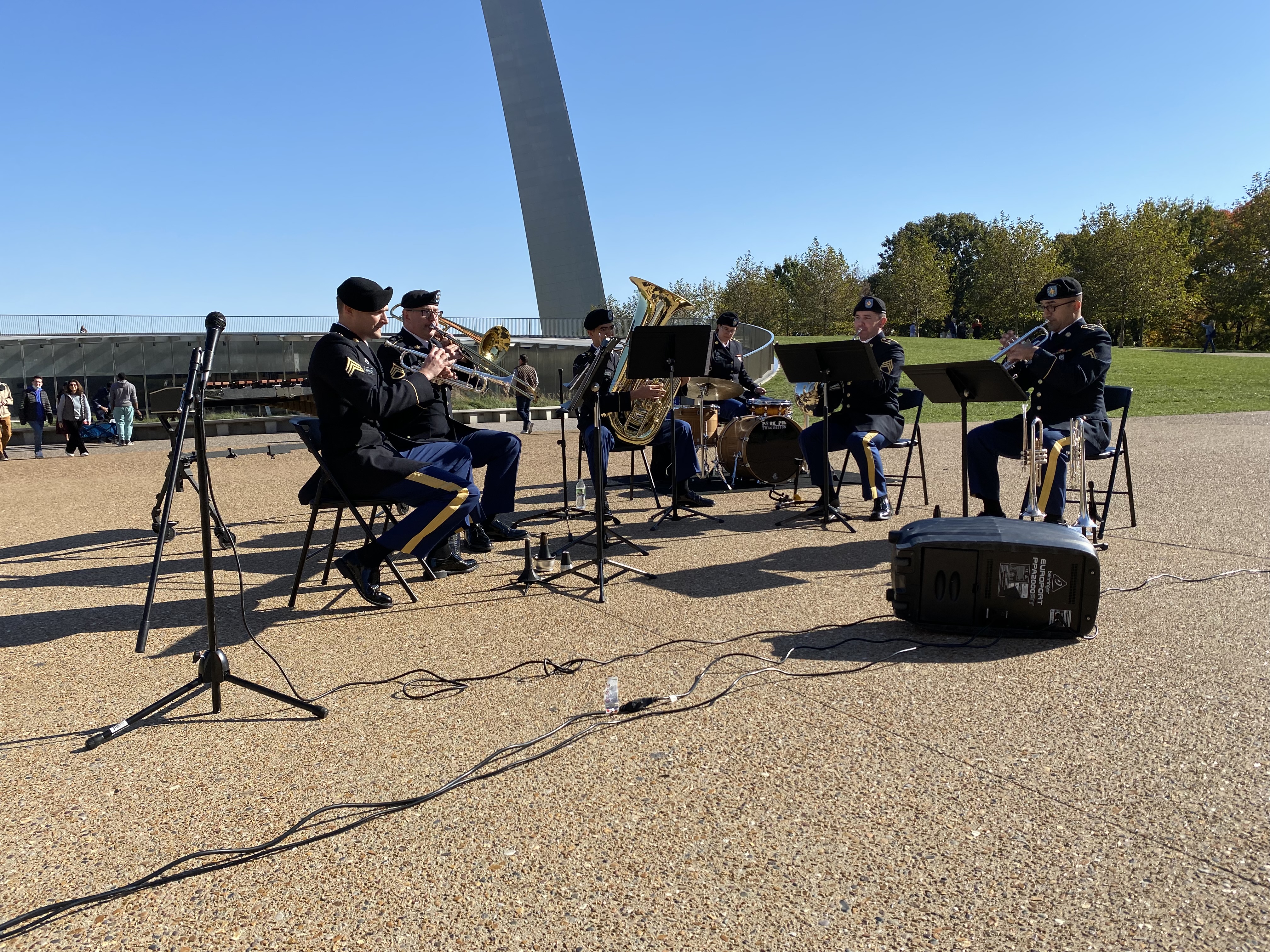
“Salute to Veterans” will take place on Saturday, Nov. 5 from 1-2 p.m. The program will feature a performance by the Missouri Brass Quintet from the 399th Army Band based at Fort Leonard Wood, MO. The musicians will play both patriotic and traditional repertoire.

The concert will take place outdoors at Luther Ely Smith Square, located between the Old Courthouse and the Arch west entrance plaza.  Admission to “Salute to Veterans” is free and open to the public. 

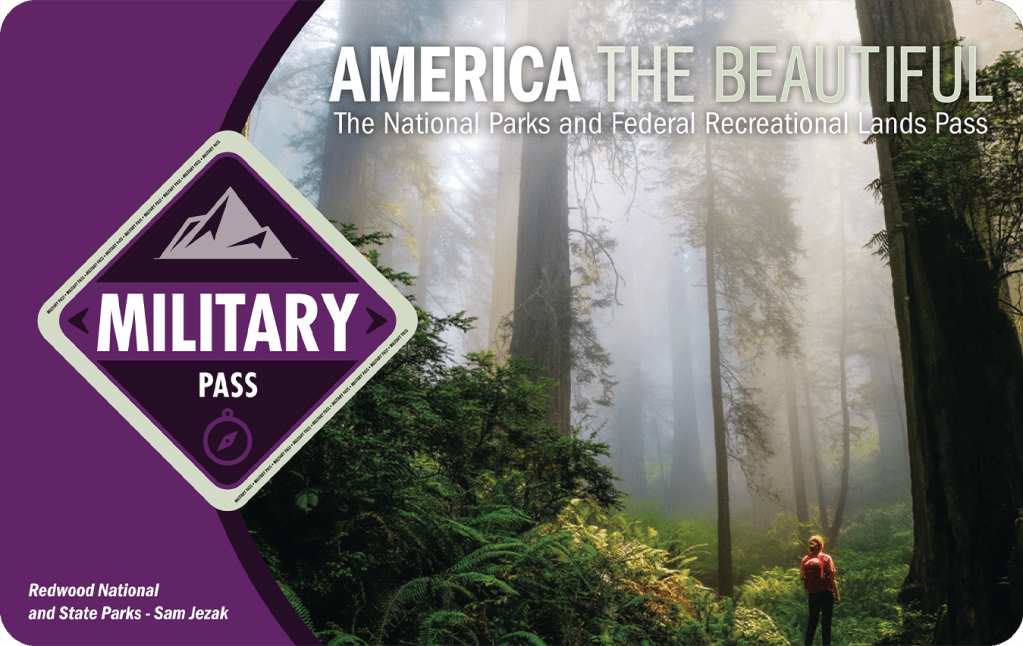
Another way the Park Service honors veterans and military personnel is with the Annual Military Pass.  The pass provides free entrance to national parks and other federal recreation areas for all current U.S. military members and their dependents, U.S. military veterans, and Gold Star Families.  Click here for more information.

Spooktacular Fun at the Arch

The tallest monument in America will become the spookiest monument when the Gateway Arch transforms into a family-friendly Halloween party full of tricks and treats.  The kiddies won’t want to miss this unique way to trick-or-treat, complete with a haunted tram ride!

Grab your costume and start your Halloween celebrations early as Frights and Heights returns to Gateway Arch National Park.  On Saturday October 15, the Arch visitor center will welcome your little goblins and ghosts to a fun evening of games, crafts, treats and other Halloween-themed activities.

Here’s a sampling of what you can do that evening:

  • Trick or Tram:  Your ride to the top of the Gateway Arch features spooky sights and sounds!
  • Puppet Shows: Don’t miss the puppet shows at 7:30 pm and 8:30 pm as Lewis and Clark describe their adventures in the American West and share some spooky and true stories from the trails!
  • Boo-loon Animals: Artists will bring your favorite creepy crawlers to life!
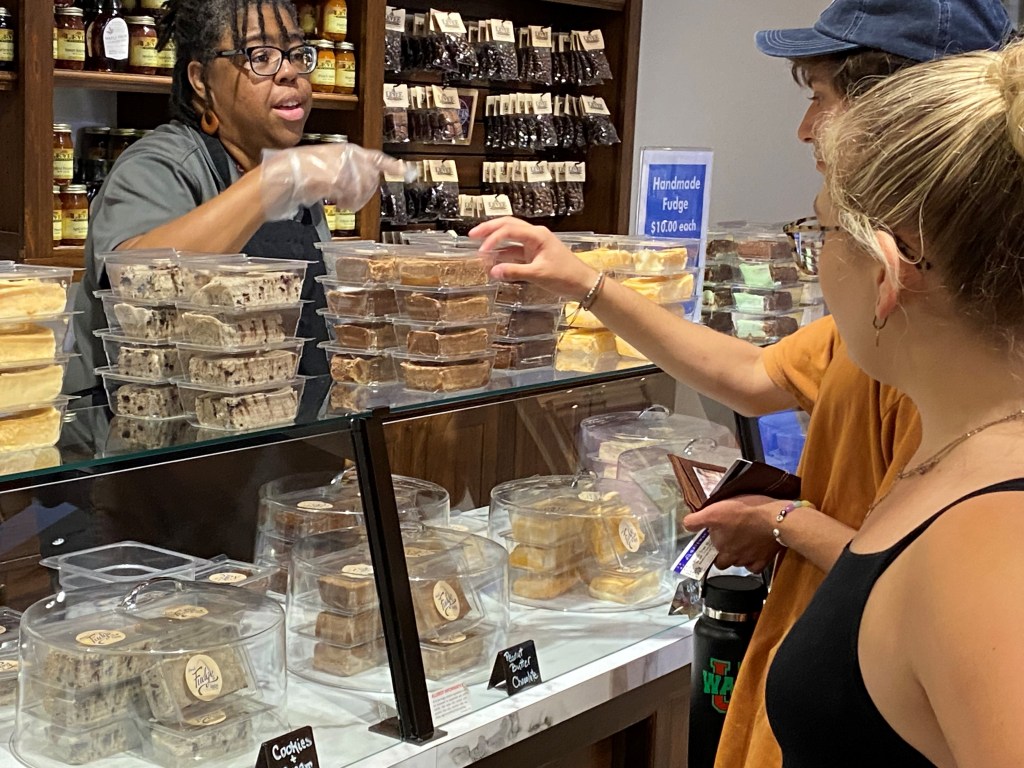
  • Freaky Fudge: If you’ve got the guts for it, try some Halloween-themed specialty fudge flavors!
  • Creepy Crafts: Express yourself by decorating a small pumpkin to take home!
  • Live Music: Join the Halloween dance party when a DJ will take over the Arch mezzanine!
  • Playful Face Painting: You’ll look hauntingly good after a little makeover!

Family-friendly costumes are encouraged, though no weapons – real or pretend – are allowed, and masks must be removed while going through the security checkpoint. Children can pick up candy and special prizes from various trick-or-treat stations set up throughout the Arch.  They’ll also receive a free ticket for a one-hour Riverfront Cruise on the Mississippi River.

The fun starts at 6:30 p.m. and lasts until 10:00 p.m.  Get your Frights and Heights tickets here.  You may also want to pre-purchase garage parking downtown to avoid higher prices for other downtown St. Louis events. 

And visitors are encouraged to share a photo of their costumes or your time at Freights & Heights on social media with #FrightsandHeights, and tag GatewayArchSTL on Facebook, Twitter or Instagram.

All About Julia

Julia Dent grew up in the early 19th century on a plantation near St. Louis named White Haven.  The fifth of seven children, she was an outgoing, active girl who fished, rode horses, and played in the woods with the plantation’s enslaved children.  Julia once told her school friends she would someday wed “a gallant, brave, dashing soldier.” Little did she know that she would indeed marry a soldier, and that he would become commander of the armed forces and later the 18th president of the United States.

You can learn more about the long and eventful life of Julia Dent Grant later this week.

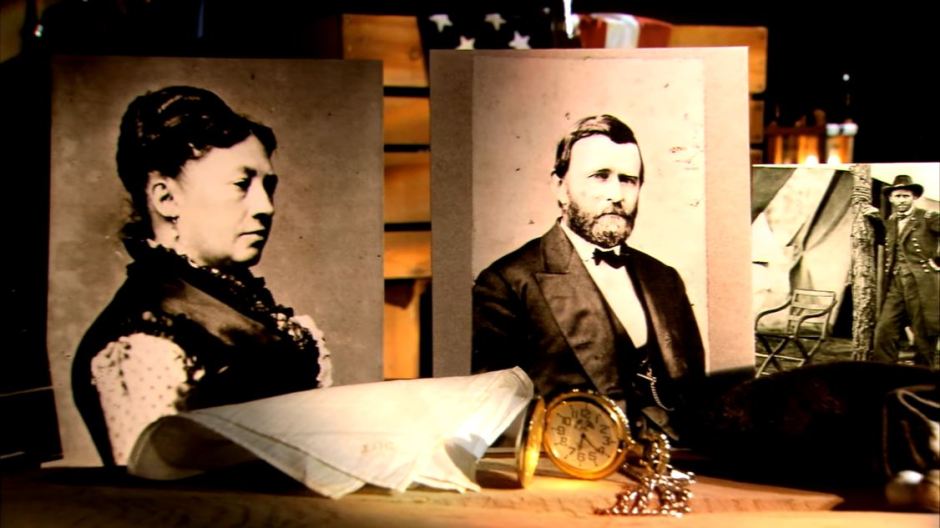
Some would say Julia Dent and Ulysses Grant were an unlikely pair.  She was spirited and gregarious; he was shy.  She was raised in a slave-owning family; his family was opposed to slavery.  In fact, Grant’s choice to marry into the Dent family worsened tensions with his father, and none of the Grants attended Ulysses and Julia’s wedding in 1848.

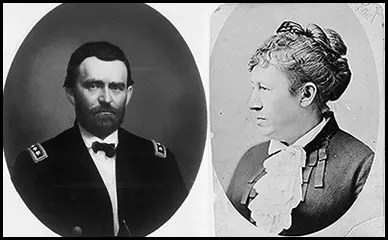
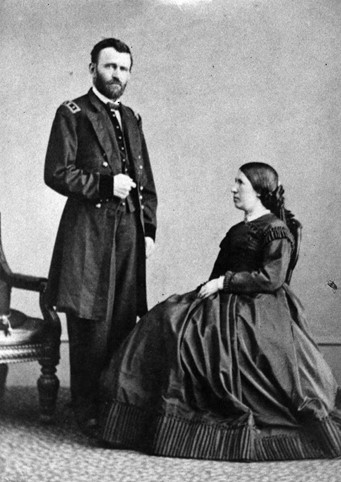
Mr. and Mrs. Grant

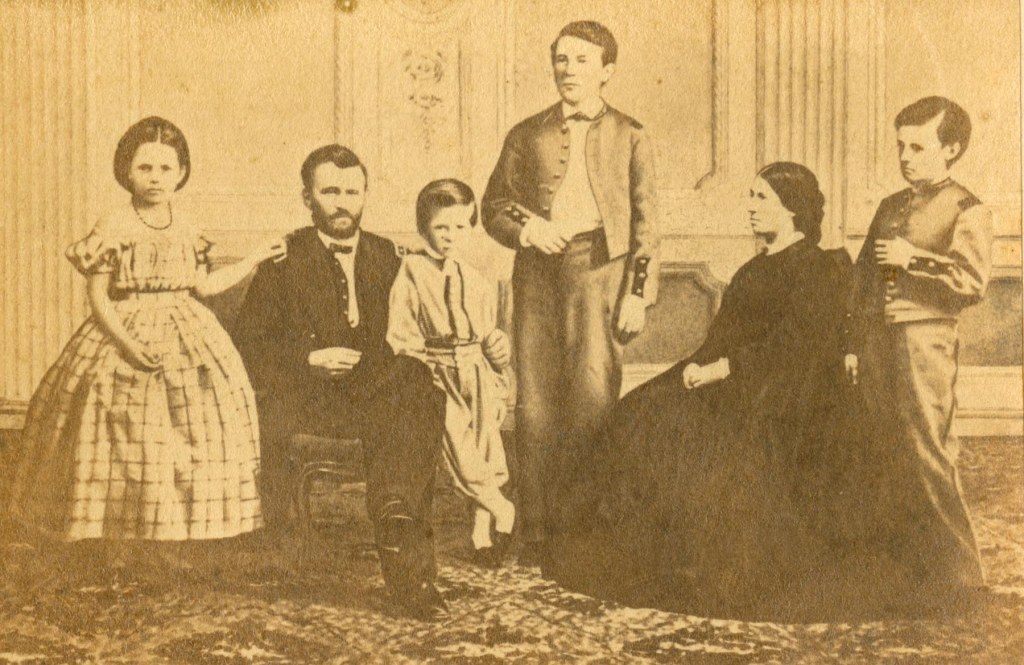
Against the odds, the Grants’ marriage lasted for 37 years, and through all their many hardships and accomplishments, their close bond never wavered.  The couple endured numerous separations as Grant pursued his military career.  And though Julia was sometimes able to accompany her husband to distant Army postings, she returned home to White Haven for the birth of their four children.  During the Civil War, she served as the financial manager and agent for White Haven in her husband’s absence, leasing sections of the farm, collecting rent, and consolidating land titles.

Ulysses and Julia Grant and their children. Credit: Ulysses S. Grant National Historic Site.

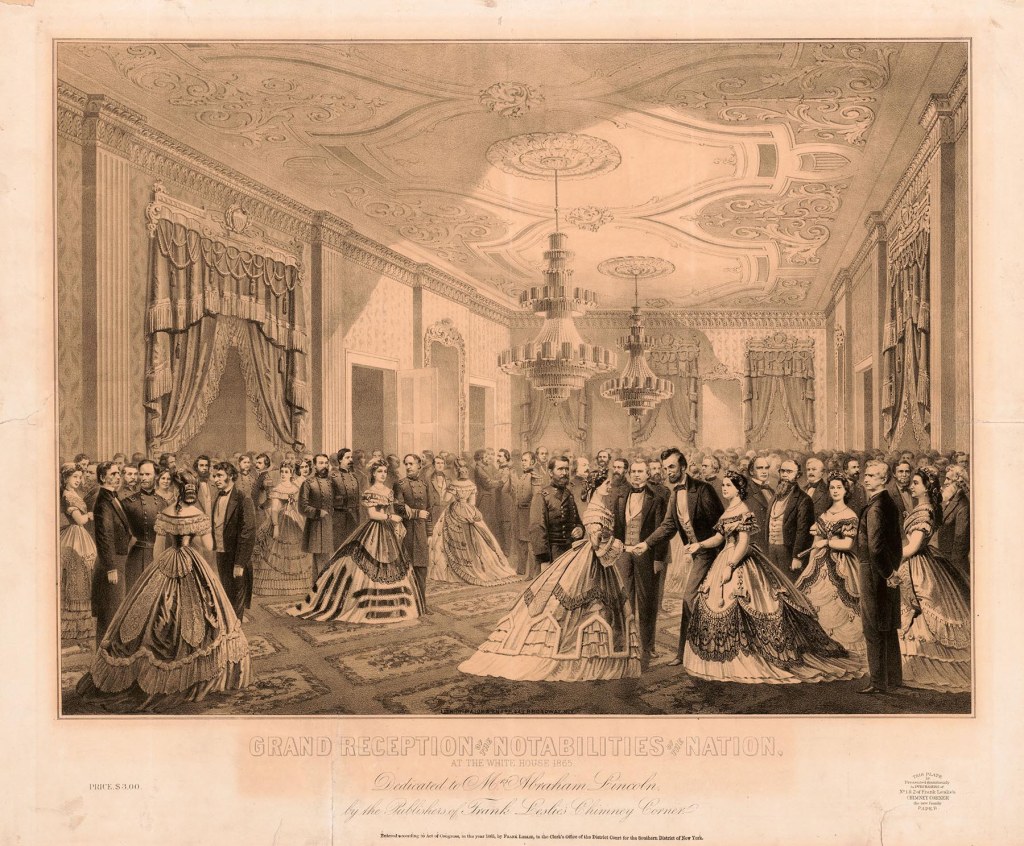
As the nation’s First Lady, Julia was an active participant in presidential matters and reveled in her eight-year role as hostess to the nation.  She entertained lavishly and welcomed dignitaries from around the world to the White House.  At the end of Ulysses’ second term, the couple embarked on a two-year worldwide tour that further burnished her reputation as a valuable partner to the former president.

Grand reception of the notabilities of the nation, at the White House 1865. Credit: Library of Congress

Her later years were difficult, however.  Grant lost most of their money in a bogus financial deal, and the couple was nearly destitute.  By the time he signed a lucrative contract to write his now-famous memoirs, Grant was dying of throat cancer.  Julia lived as a widow for 17 years until she died at age 76 in 1902.

This Saturday at 10 a.m., you’re invited to learn more about the long eventful life of Julia Dent Grant.  Historian Pam Sanfilippo will present “Julia Dent Grant and Family,” the annual John Y. Simon lecture at Ulysses S. Grant National Historic Site

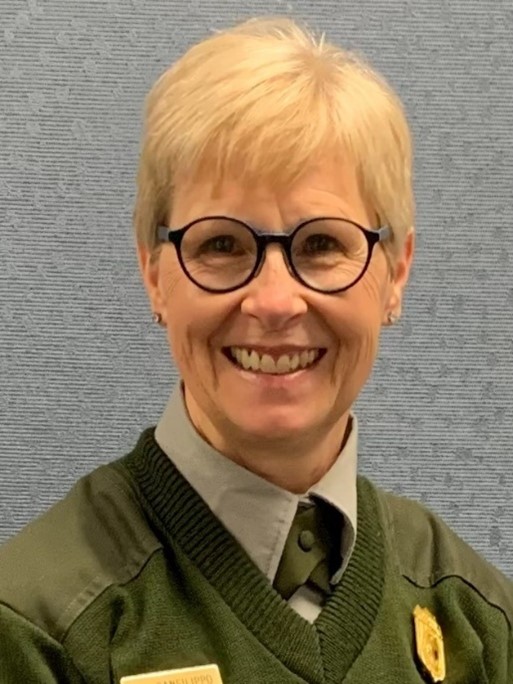
Pam Sanfilippo

Pam served as park ranger, education director and historian at the park for many years and is now Program Manager for Museum Services and Interpretation at Gateway Arch National Park. She is the author of numerous essays, articles, and publications. Her biography of Julia Dent Grant is scheduled for publication by Southern Illinois University. Pam’s talk will present highlights from her research on Julia and her family.

For reservations to this presentation, call (314) 842-1867 x230.

Let’s Roll Up Our Sleeves!

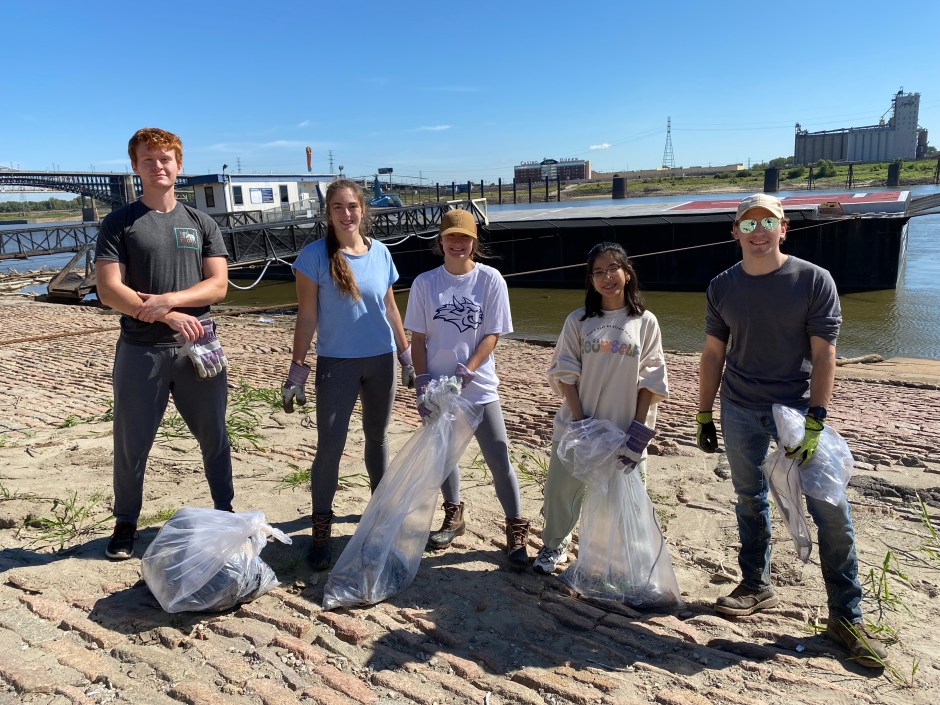
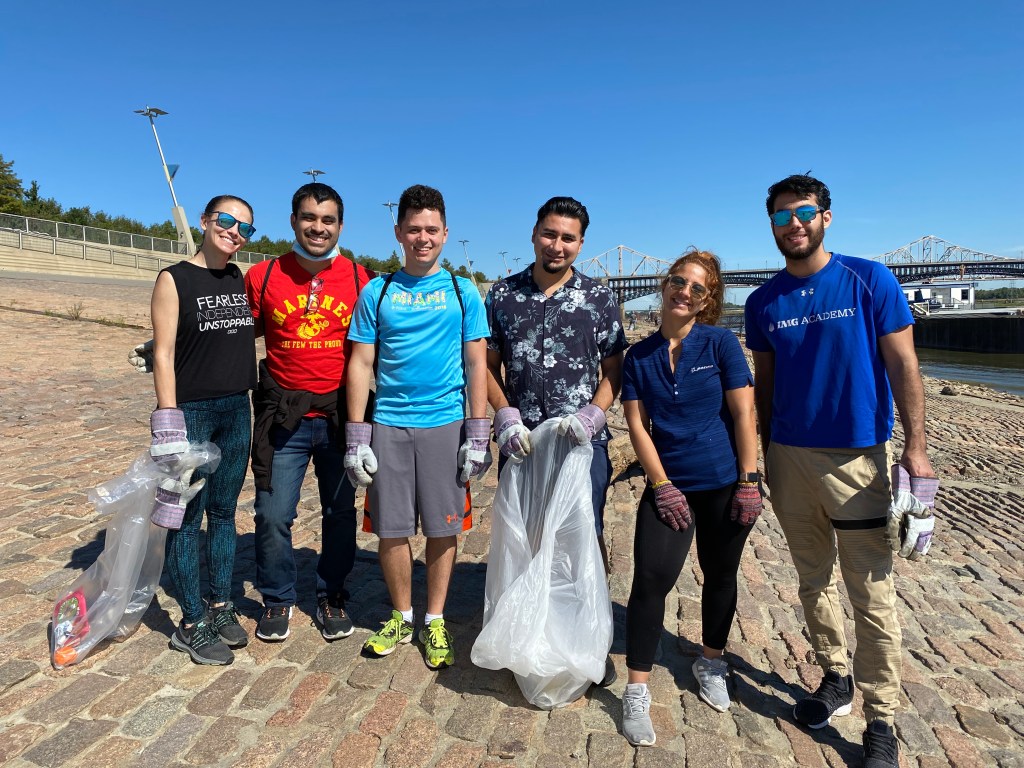
Love the Gateway Arch?  Then join in an upcoming effort to clean up its “front yard.”  On Saturday September 24, join in a fun trash pick-up event to tidy up the St. Louis riverfront.  And also enjoy special programs on the Arch grounds.

September 24th is National Public Lands Day, the nation’s largest single-day volunteer effort.  National parks around the country will host outdoor events for hundreds of thousands of volunteers who will help restore, preserve, and clean up their beloved public lands.  In St. Louis, Gateway Arch National Park, Gateway Arch Park Foundation, Beyond Plastics, and Living Lands & Waters are organizing a community trash pick-up event to help tidy up the downtown riverfront. It’s part of a nationwide effort to connect people with the outdoor recreation spaces in their area.

Photo by Gateway Arch Park Foundation

Riverfront cleanups will occur from 9:00-11:00 and from 11:00-1:00. All volunteers will receive materials they’ll need during the cleanup and will be entered to win a drawing for prizes. Sign up here to volunteer.

Photo by Gateway Arch Park Foundation

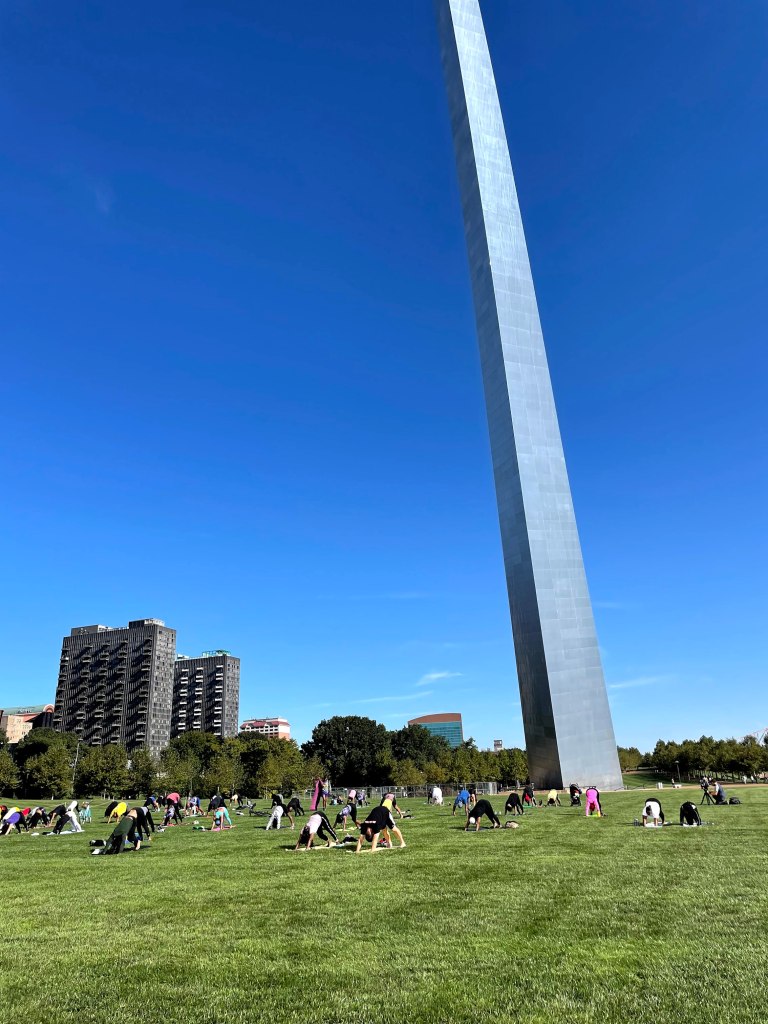
Don’t miss out on other fun happenings in the park that day.  How about a free yoga class underneath the Arch at 9:30 a.m.? Gateway Arch Park Foundation sponsors this Just Breathe Yoga session offered by The Collective STL.  Go here to register.

Photo by Gateway Arch Park Foundation

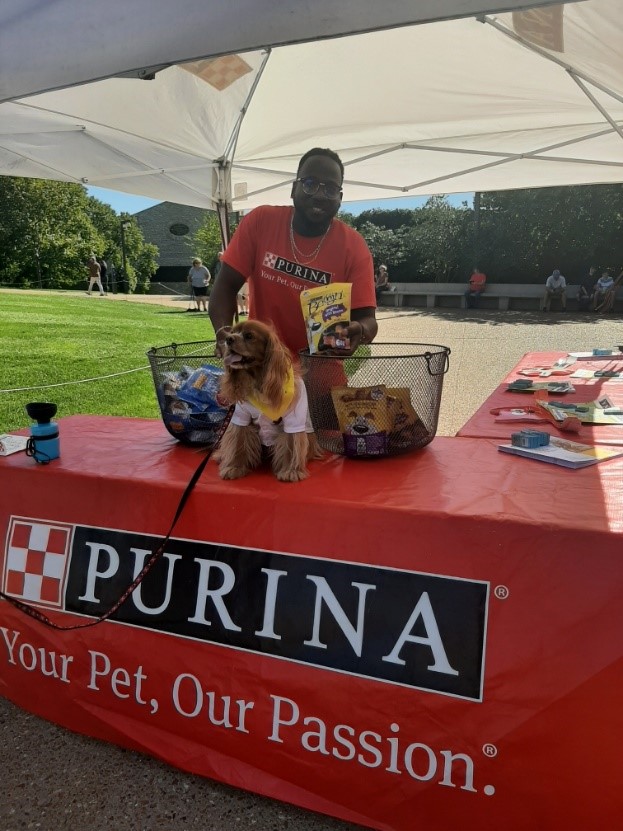
In the afternoon, you and your favorite pooch can join in a dog walk led by four-legged B.A.R.K. Superintendents (dog ambassadors) as part of the day’s B.A.R.K. Ranger activities.  Learn how your pup can become an official NPS B.A.R.K. Ranger by visiting the table from 2-5 p.m. on the Arch grounds.

Photo by Gateway Arch Park Foundation

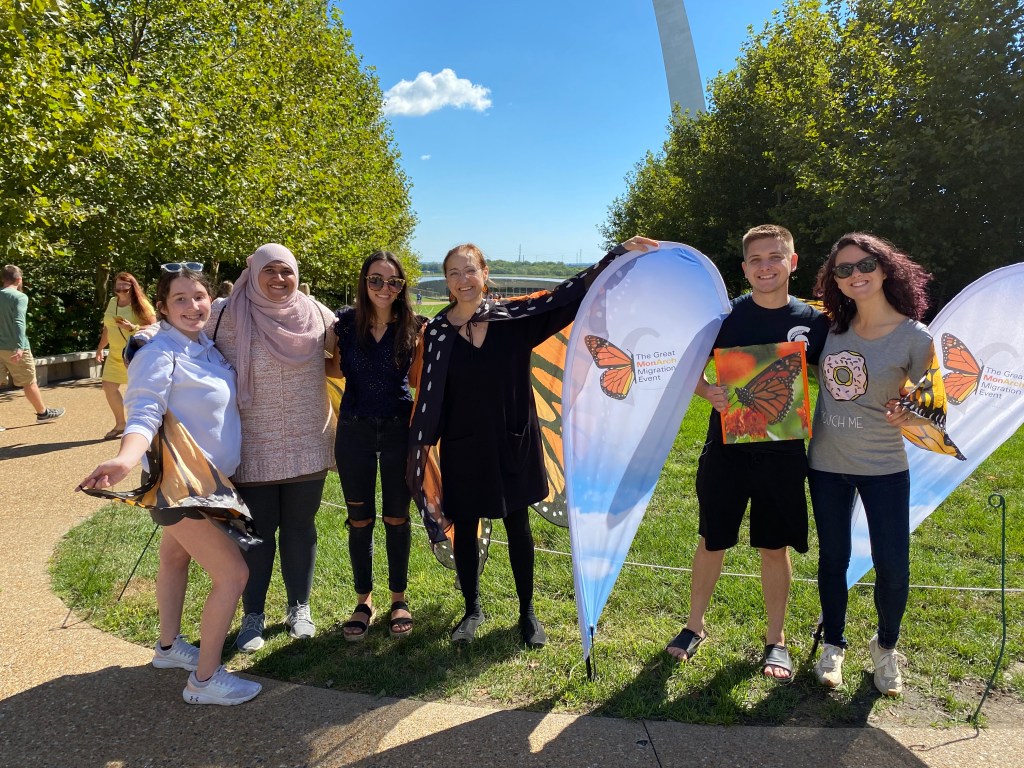
Or if butterflies are more your thing, attend the MonArch Migration event to learn about butterfly flight patterns and native plants.  This annual National Park Service program celebrates the Monarch butterfly’s spectacular north-south migrations, and features information on which native plants can help these winged friends.  The event takes place from 1-4 p.m. in the Explorer’s Garden on the north end of the Arch grounds. 

Gateway Arch is proud to host these fun events, says Pam Sanfilippo, the park’s Program Manager for Museum Services and Interpretation.  “The Arch grounds are a place for everyone to enjoy – whether it’s to practice yoga, see butterflies migrating, or play fetch with your four-legged best friend.  Join us on National Public Lands Day to experience firsthand the incredible spaces here at the park.”

The Genius behind the Arch Tram Ride

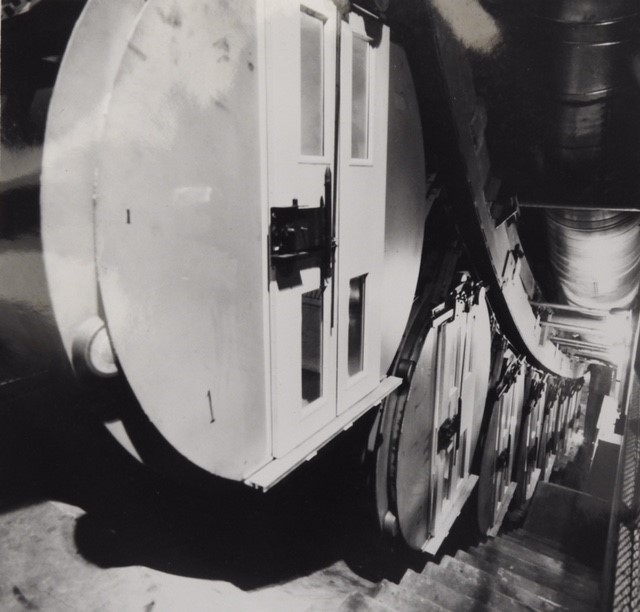
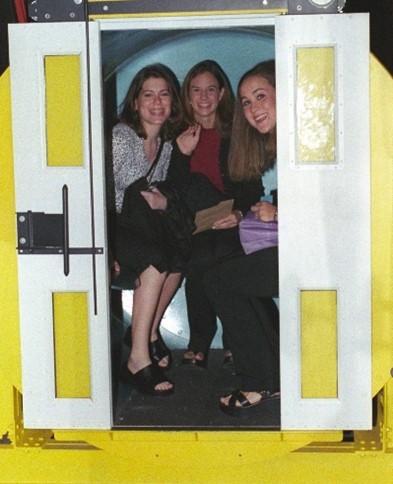
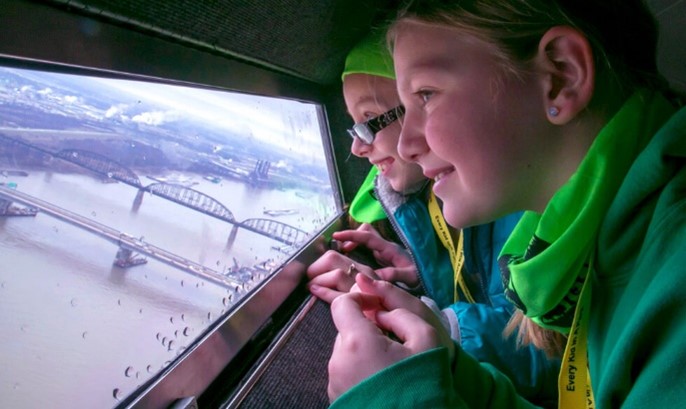
A ride to the top of the Gateway Arch is an unusual experience.  Visitors sit in somewhat cramped little capsules that carry them upward and downward through the legs of the Arch.  All the while, they hear strange clicking noises as the capsules constantly pivot to stay upright. Most people probably give very little thought to how this one-of-a-kind transportation system came about.  But it’s a fascinating story, mostly centered on one very clever inventor.

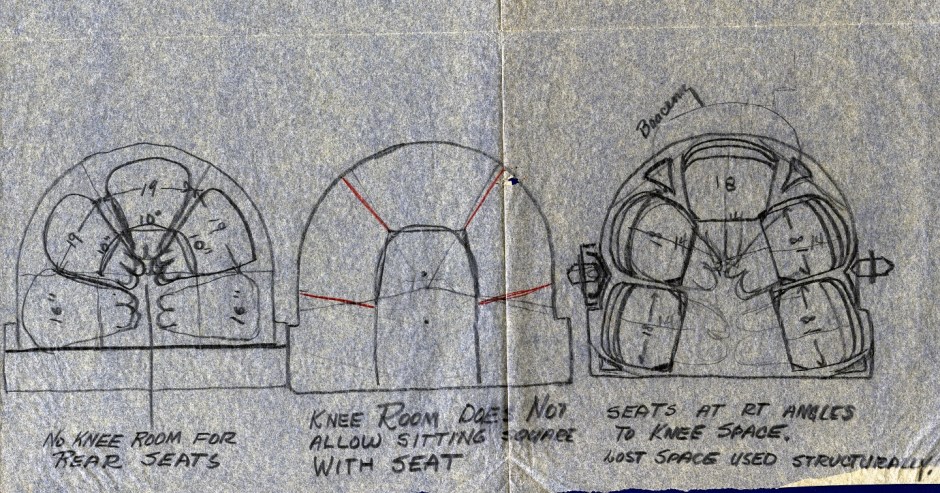
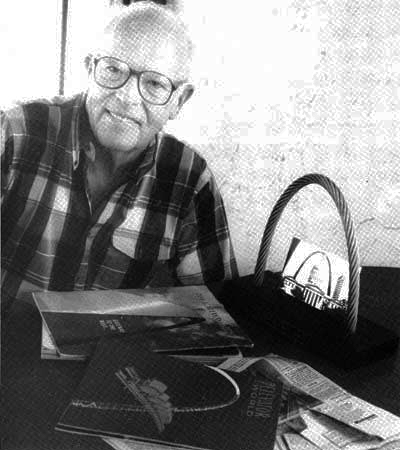
The Arch tram ride was conceived in just two short weeks by a humble man who never received a college degree.  Dick Bowser was a 38-year-old second-generation elevator manufacturer working in Des Moines, Iowa, when Gateway Arch architect Eero Saarinen asked him to develop a way to bring visitors to the top of the Arch and back down. The project was extremely challenging given the curve of the Arch (it is much narrower at the top than at the base), and the fact that he had to leave room for an observation platform at the top as well as space for a maintenance crew stairway.

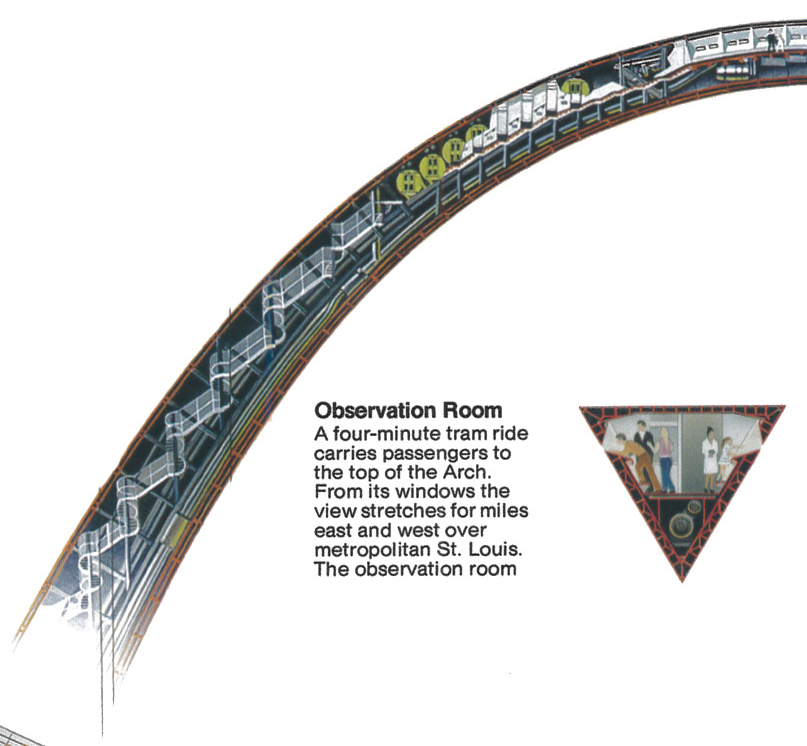
A cross section view of the tram ride to the top of the Arch.

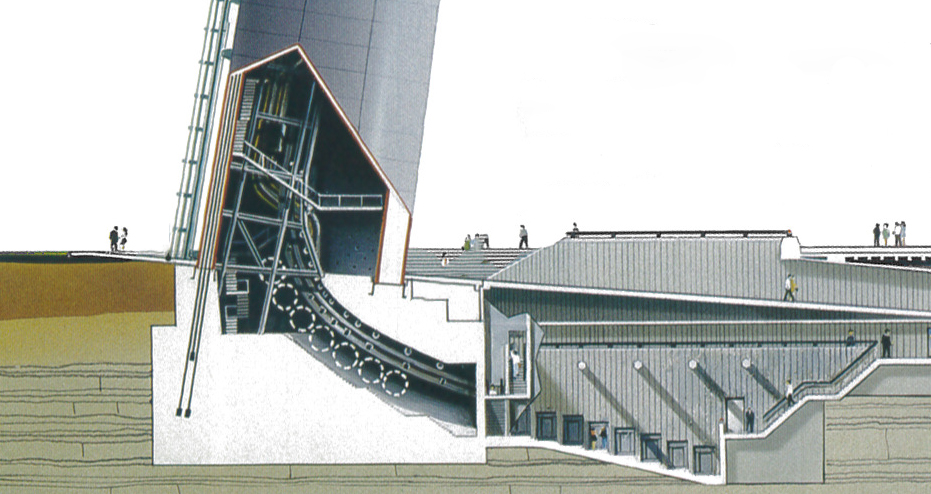
Another challenge was Saarinen’s timeline – Bowser was given just two weeks to submit a design for the Arch passenger system!  Working day and night at home in his basement, he came up with a concept that borrowed from the mechanics of both Ferris wheels and elevators, resulting in a small curving train of linked passenger capsules.  His tram concept was accepted by Saarinen and his team.  Bowser was hired to build and install the tram, which opened in 1967, two years after the Arch itself was completed. He then served as tram maintenance supervisor until 1972.

A cross section view of the tram load zone.

Dick Bowser passed away in 2003, but his crowning achievement lives on. “Dick Bowser is a trailblazer in innovation and invention and will always be an important figure in Arch history,” says Pam Sanfilippo, Program Manager, Museum Services & Interpretation, Gateway Arch National Park. “Without his Tram Ride to the Top design, tens of millions of visitors to the Arch would not have had the experience of ascending 630 feet to the top of the monument.”

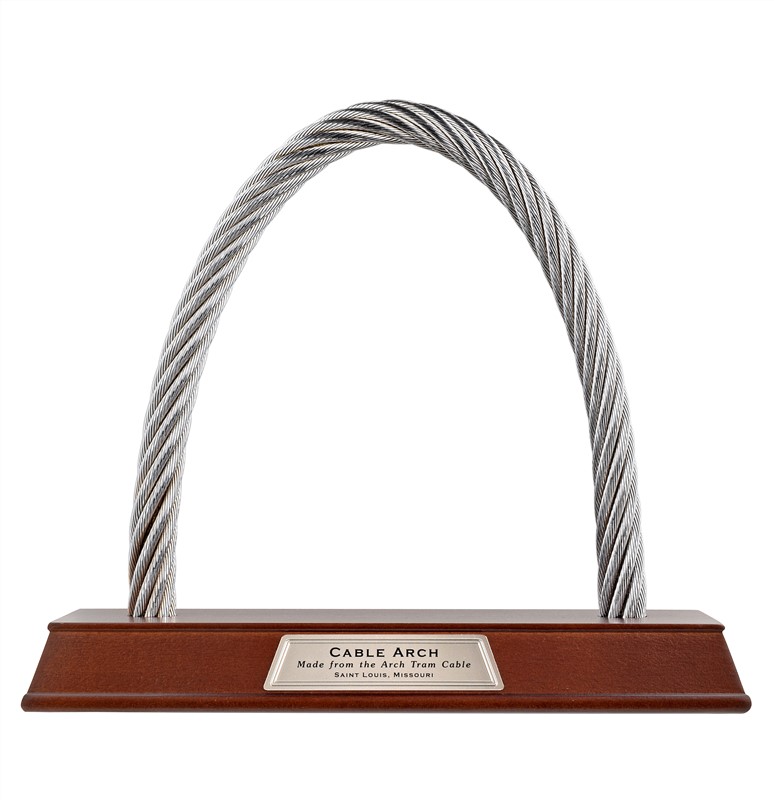
That’s why the National Park Service will be honoring Bowser’s memory this Thursday September 15 on the occasion of his 101st birthday.  The daylong public celebration at the Arch will include a panel discussion by previous and current tram mechanics as well as ongoing ranger talks and kids’ activities.  The Arch Store will offer a rare 25% discount on our unique Arch cable replicas, made from the cables that pull the tram cars, and the Arch Café will hand out free cupcakes.

Join Our Team!

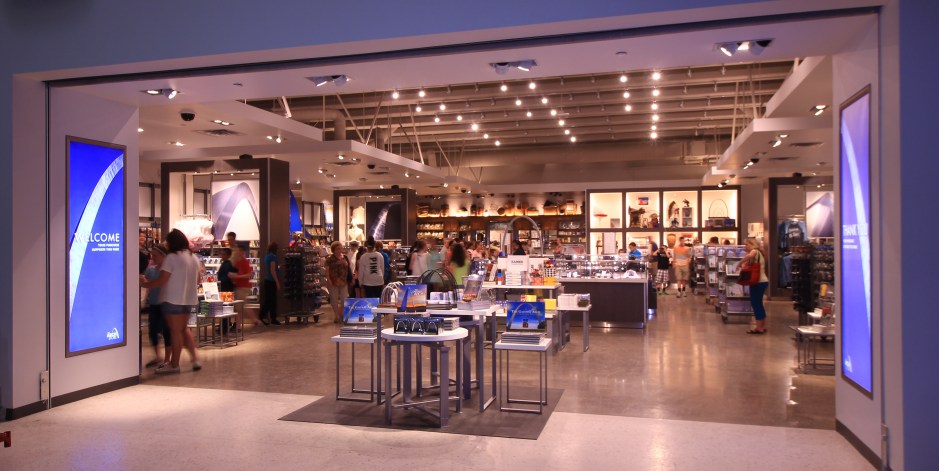
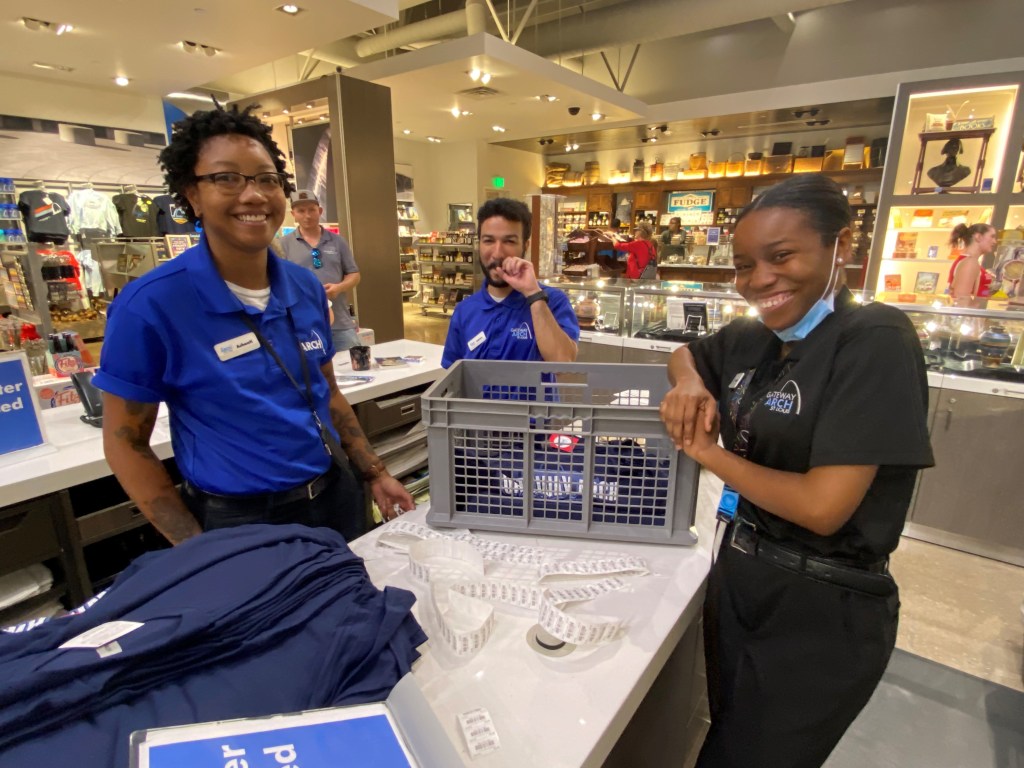
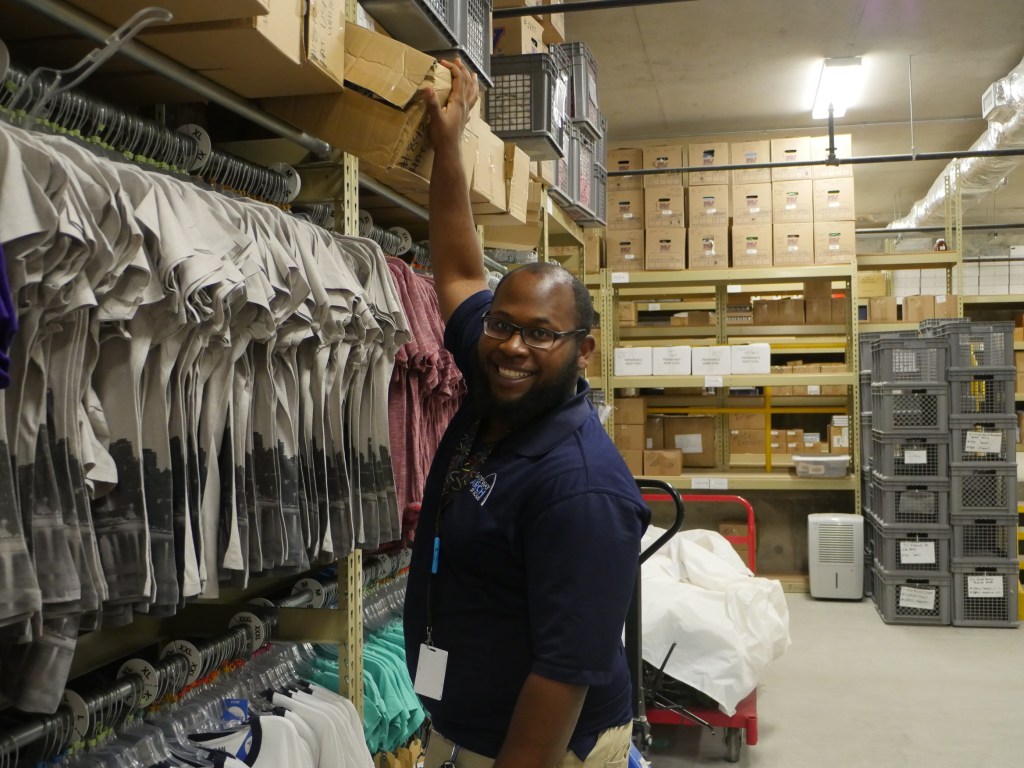
Are you looking for a satisfying and fun full-time or part-time job? Do you enjoy meeting new people? Would you be proud to work at the renown Gateway Arch? Then come join our retail team at The Arch Store!

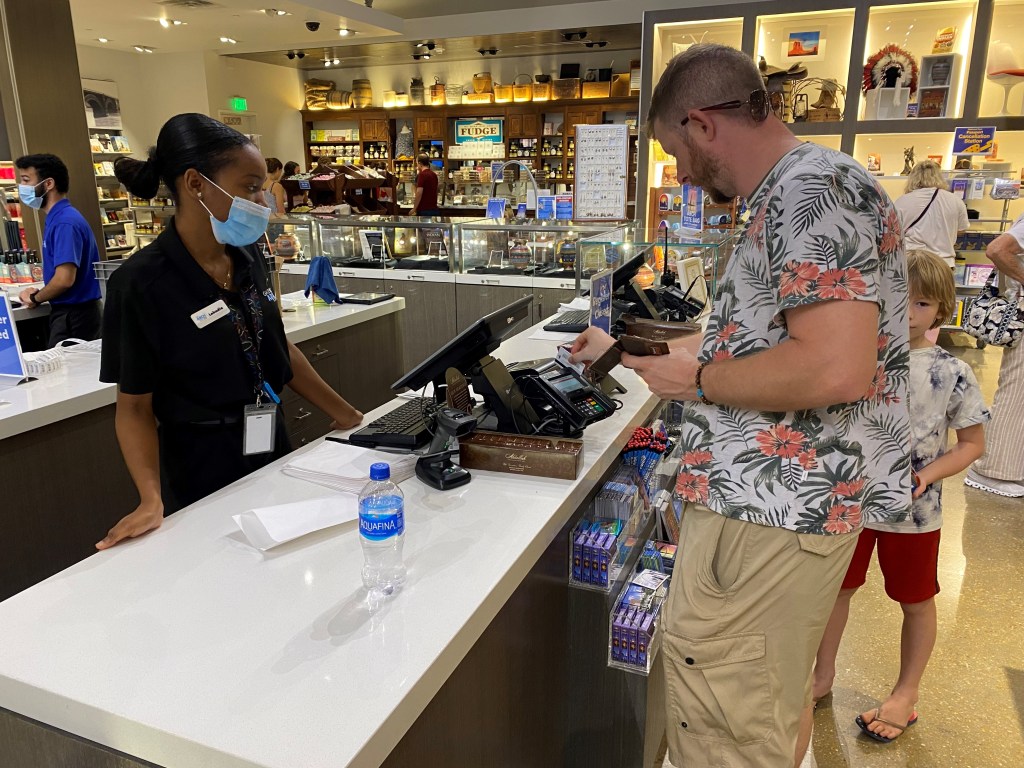
The Arch Store at Gateway Arch National Park currently has job openings for both full-time and part-time sales associates.  Responsibilities include processing sales transactions, providing great customer service, maintaining our beautiful store, and being a friendly ambassador to St. Louis’ greatest treasure.

Working for JNPA is a rewarding experience.  Not only will you encounter travelers from all over the world, but you will also have the satisfaction of knowing you’re helping advance our mission of protecting America’s vital national heritage.  Plus, you’ll receive a competitive salary and great benefits.

Our ideal job candidate is at least 16 years old; is able to work a flexible schedule including evenings, weekends and holidays; and is friendly, fun and dependable.  If this sounds like you (or someone you know), then we encourage you to apply online today! 

JNPA is an Equal Opportunity/Affirmative Action employer.  We give consideration for employment to qualified applicants without regard to race, color, religion, sex, sexual orientation, gender identity, national origin, disability, or protected veteran status.

“A great arch did seem right.”

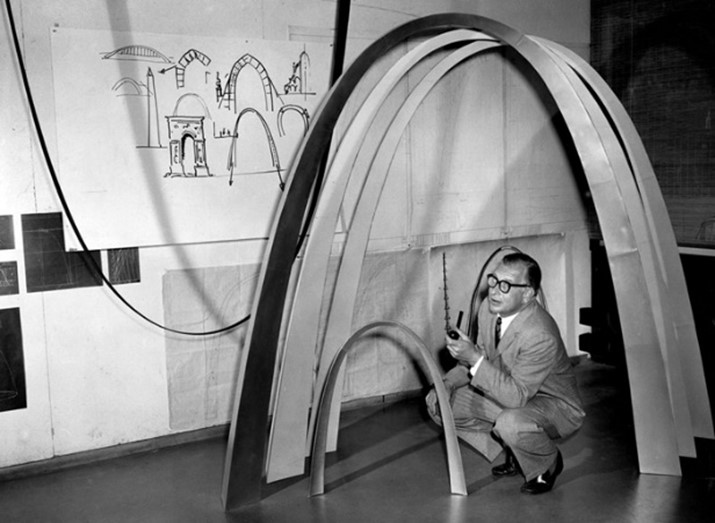
It has been called brilliant, inspirational, breathtaking, a true architectural marvel.  Those who have visited the Gateway Arch rarely forget their first glimpse of the shimmering stainless steel icon.  It soars 630 feet above the St. Louis riverfront, standing as a lasting memorial to Thomas Jefferson’s vision of exploring the American West. But who was the creative genius behind the design of the Arch?

When St. Louis officials decided in 1947 to erect a monument to President Jefferson on the downtown riverfront, they invited architects from around the world to submit designs.  A little-known Finnish architect named Eero Saarinen beat out more prominent designers with his plans for a majestic arch rising from the riverbanks.  The competition judges appreciated the symbolism of an arch as a reference to St. Louis’ historic role as a “gateway to the west.”  As Saarinen said at the time, “The major concern… was to create a monument which would have lasting significance and would be a landmark of our time… Neither an obelisk nor a rectangular box nor a dome seemed right on this site or for this purpose. But here, at the edge of the Mississippi River, a great arch did seem right.”

Beyond its architectural beauty, the Arch is also an engineering marvel.  Each leg consists of double-walled steel equilateral triangles which are stacked one on top of the other and welded together. The complex engineering design and construction is completely hidden from view; all that can be seen from the outside is its sparkling, stainless steel outer skin. 

Nor did Saarinen intend for visitors just to look at the Arch – he wanted them to go inside it and travel to the top.  So he designed the structure’s two legs to be hollow, allowing enough room for a specially designed tram to transport guests up and down, itself a daunting engineering challenge

Saarinen went on to design other prominent American buildings, including the TWA airport terminal in New York, Dulles International Airport near Washington, D.C., as well as numerous churches, university buildings, and corporate headquarters.  He was also an influential furniture designer, responsible for the famous Tulip Chair and other well-known mid-century pieces.

Credit: Debbie Franke

Saarinen would be turning 112 years old on August 20.  What better way to commemorate his birthday than with a trip to the Gateway Arch, where you can admire his architectural wonder and learn more about the building of the monument in the Arch Museum.  Or you might want to purchase one of the many Saarinen-related products we sell at The Arch Store, like this handsome tote bag.

Hidden Treasures?

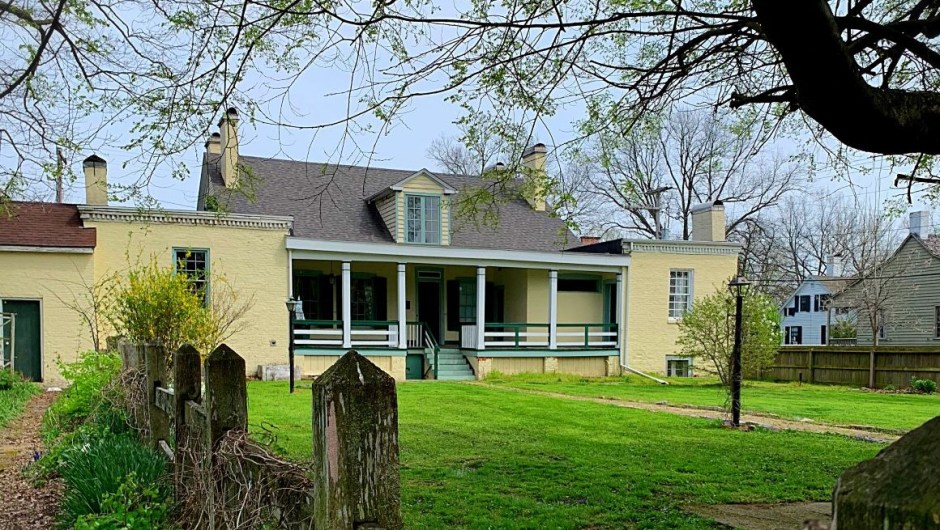
When Ste. Genevieve National Historical Park joined the National Park Service (NPS) in 2020, historians already knew quite a lot about the 18th century French colonial village.  The unique vertical log construction of some of the homes was well documented, as were the interactions of the many different cultures and nationalities who migrated to the town.  But are there secrets still buried beneath the historic sites in Ste. Genevieve? 

Courtesy NPS

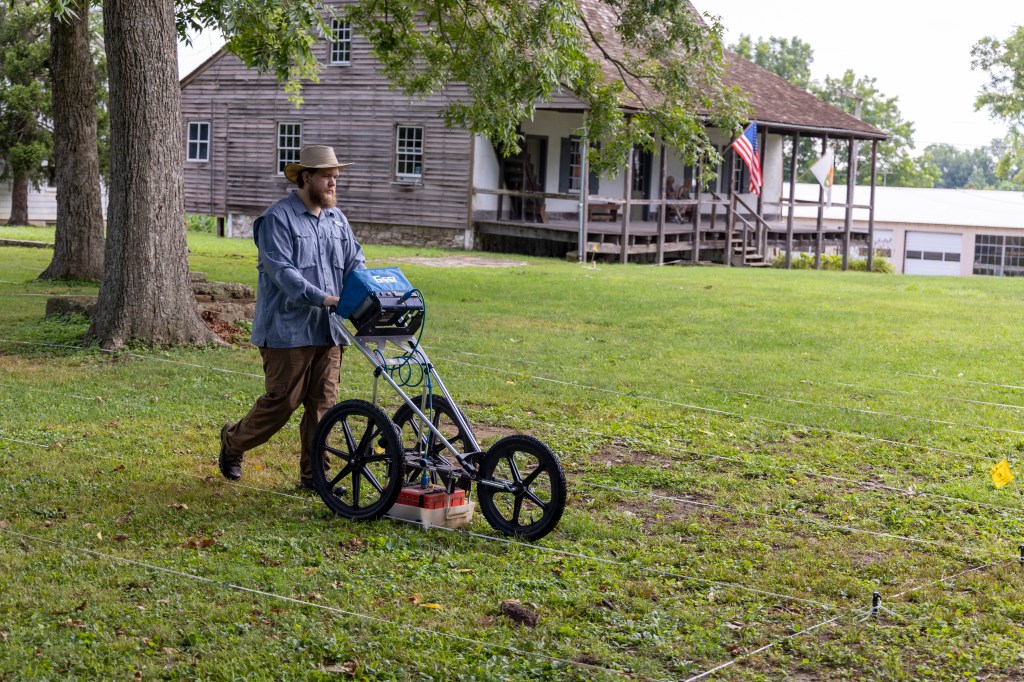
That’s what the Park Service wants to find out.  This summer agency officials dispatched specialists from the NPS Midwest Archeology Center to investigate the grounds of the park’s historic buildings, including the Jean Baptiste Vallé house, Green Tree Tavern, and the Bauvais-Amoureux house.  The archaeologists are searching for items such as the remains of trash pits, outbuildings like barns, kitchens and stables, and perhaps even a privy or two.

Researching spaces outside the main homes can reveal information about how people lived or worked on-site, including enslaved men and women or hired servants. Information like this is invaluable to creating a complete picture of a historic community, since accounts of these individuals are often left out of traditional records. With the help of MWAC, park officials hope to gain a better understanding of the history of the park’s buildings and their occupants.

Courtesy NPS

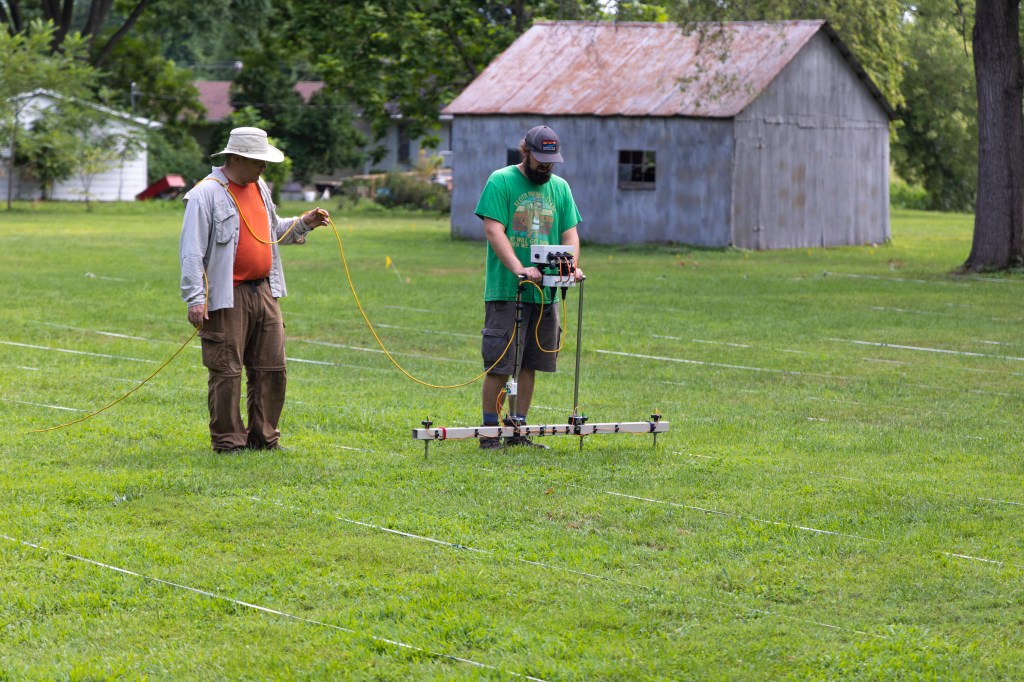
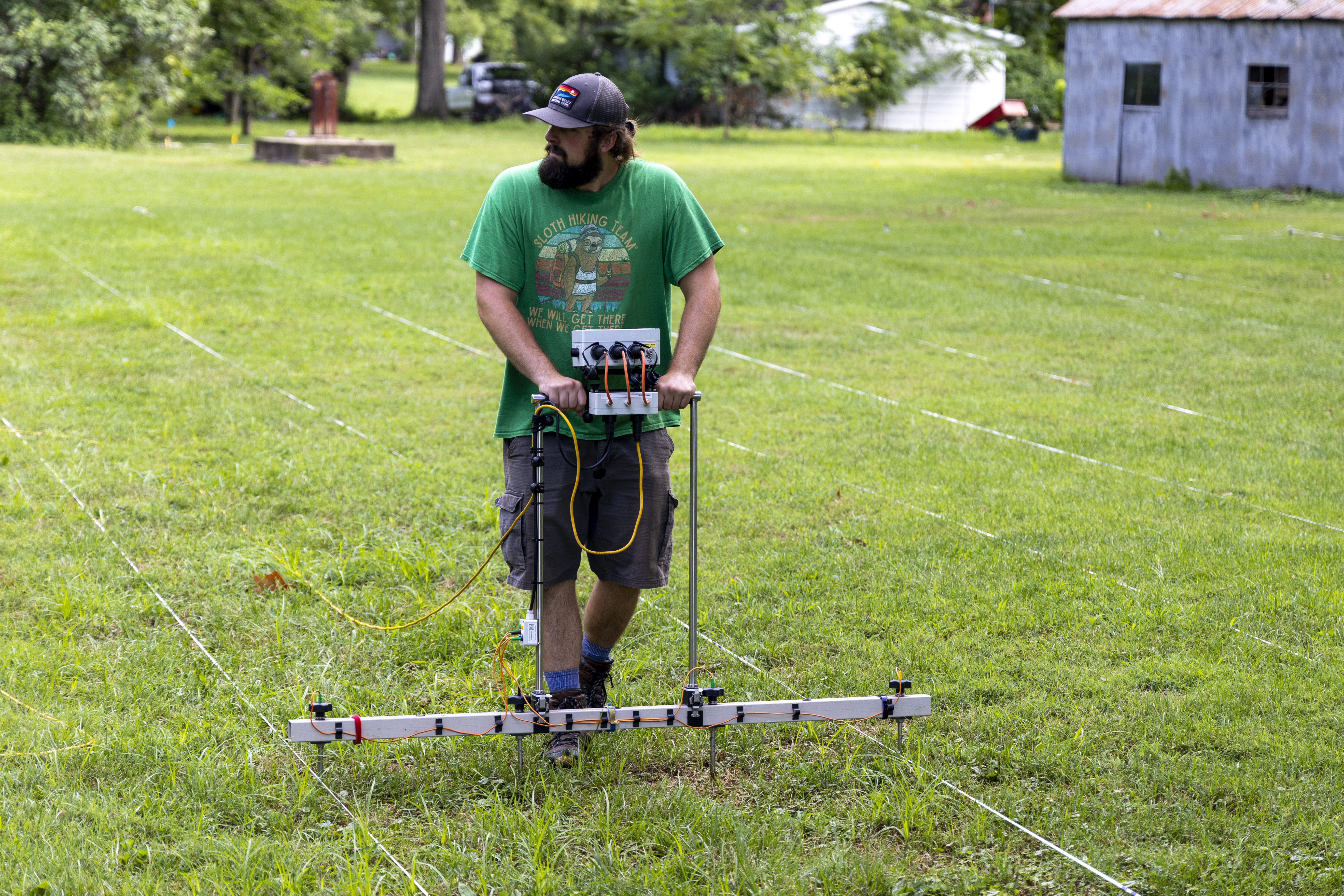
To locate artifacts or remains of old structures, the archeologists conducted geophysical surveys of each property they studied.  Among the state-of-the art instruments they used were magnetometers, ground-penetrating radar equipment, and electromagnetic induction meters.  (Pretty high-tech stuff!)  All of the data they collected will be analyzed over the next year or two, and the scientists will generate a comprehensive report of their findings.

The Midwest Archeology Center has conducted research for more than 70 NPS sites throughout the mid-continent.  Using high-tech equipment and good old-fashioned digging tools, its studies have ranged from 10,000-year-old American Indian campsites to the garbage in Abraham Lincoln’s backyard.

We can’t wait to find out what the archeologists uncover at Ste. Genevieve, and you can be sure we’ll let you know when we learn the results.  Meanwhile, be sure to pay a visit to the park to get a firsthand look at this amazing site.