Let’s Roll Up Our Sleeves!

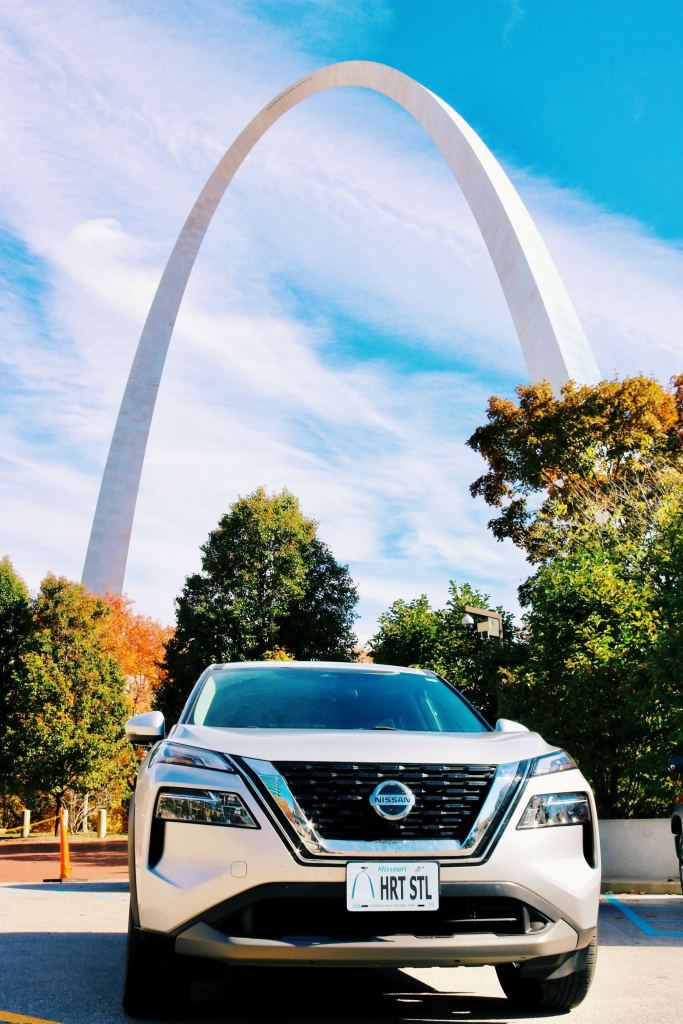
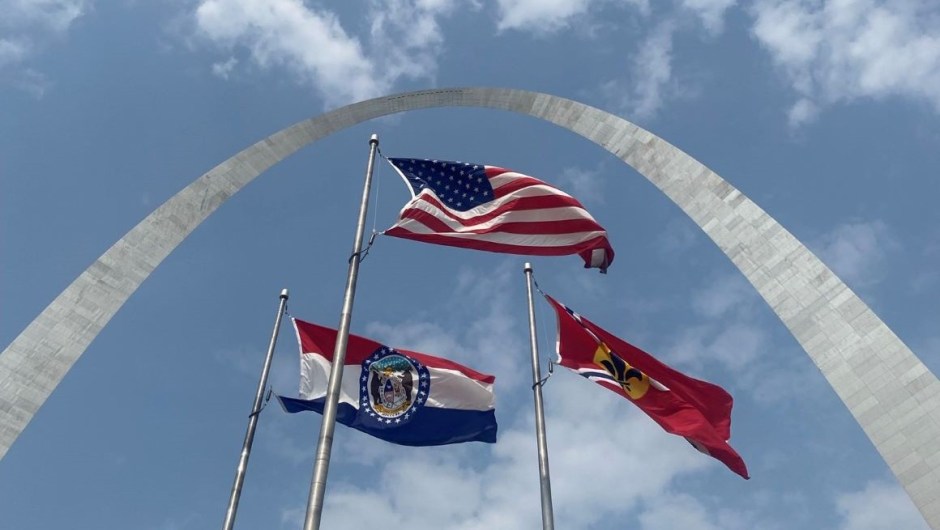
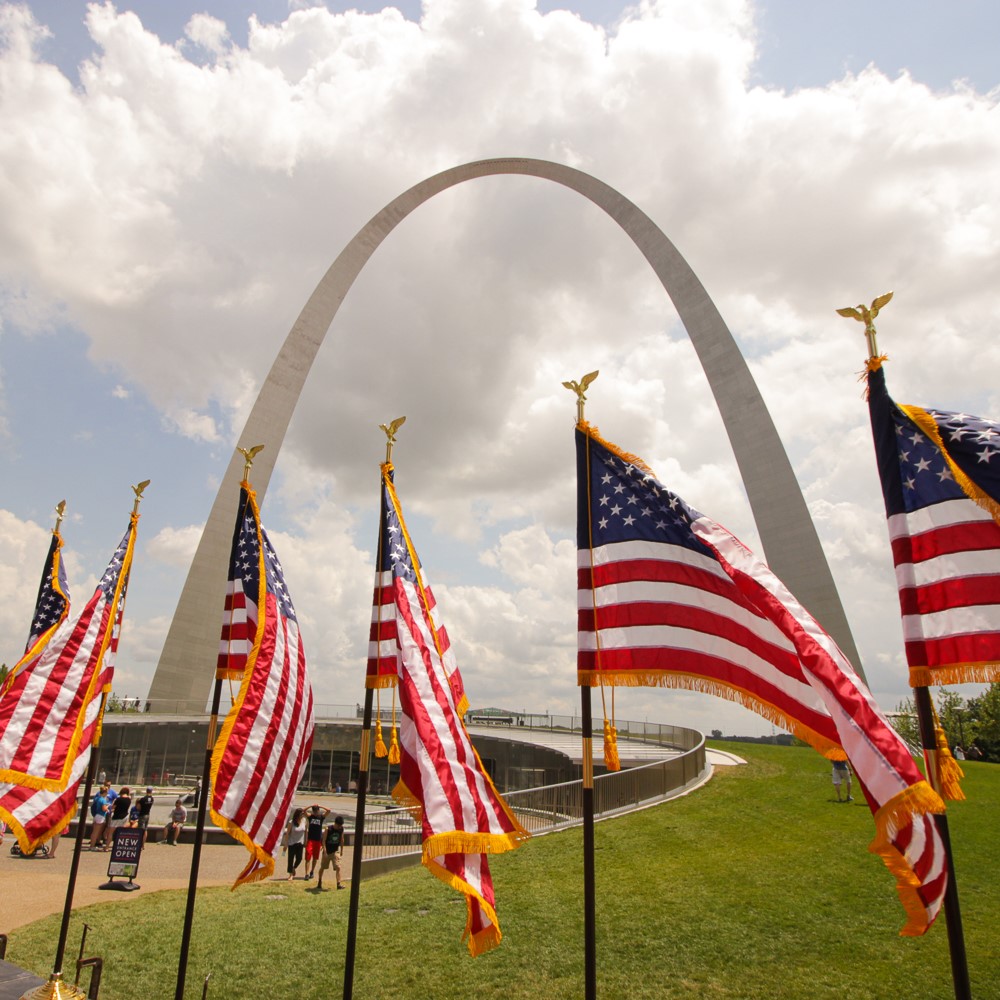
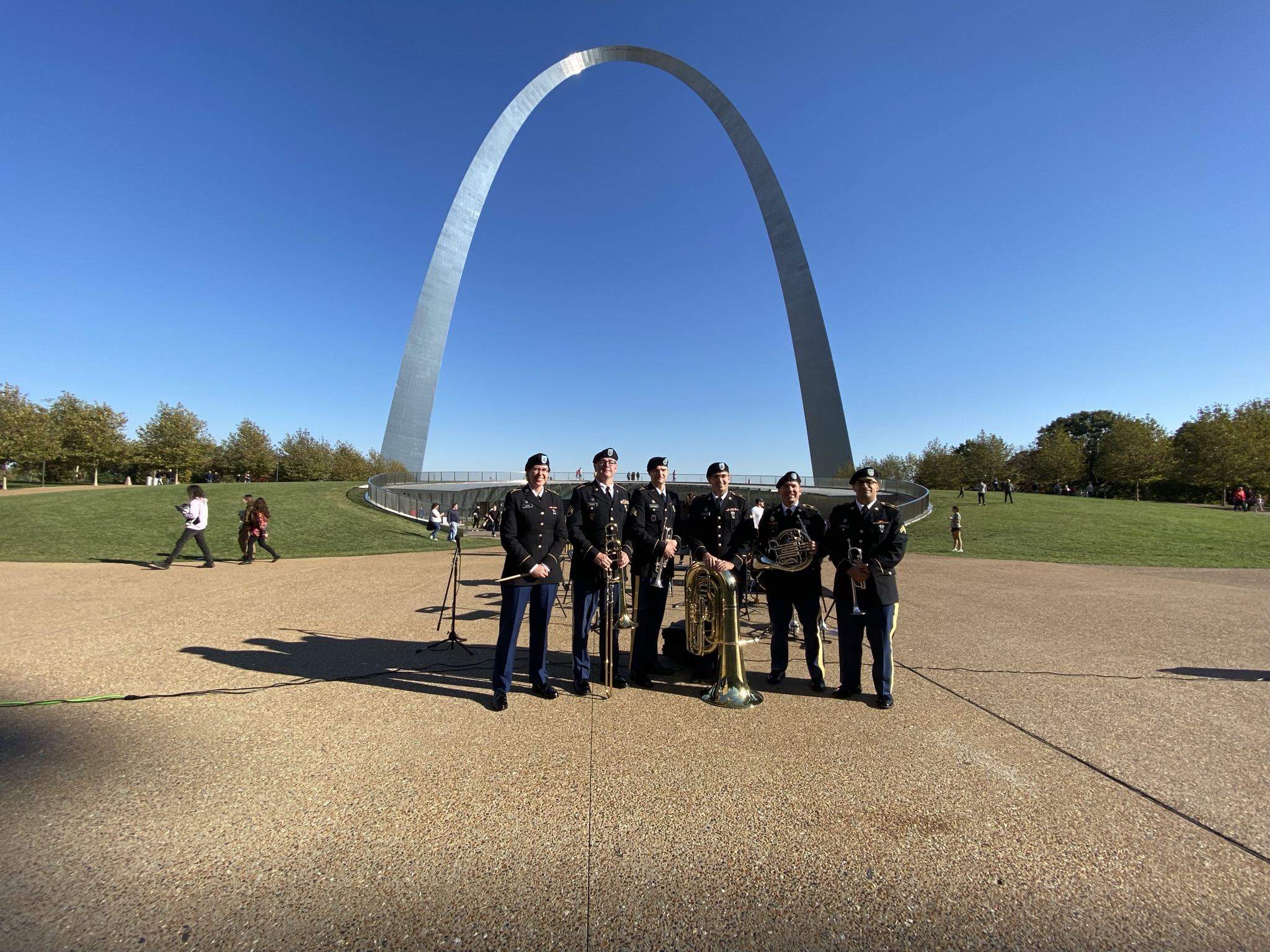
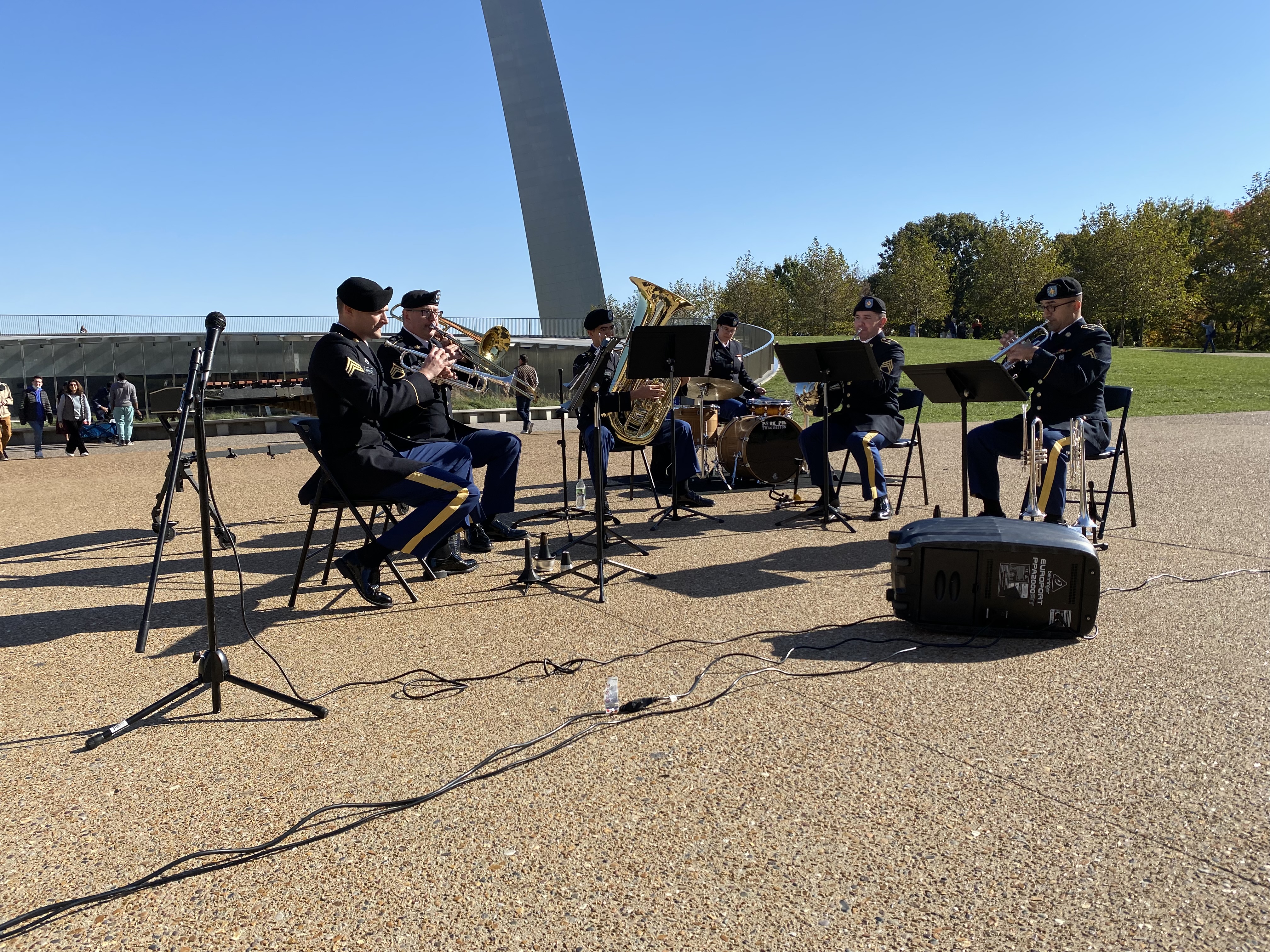
Love the Gateway Arch?  Then join in an upcoming effort to clean up its “front yard.”  On Saturday September 24, join in a fun trash pick-up event to tidy up the St. Louis riverfront.  And also enjoy special programs on the Arch grounds.

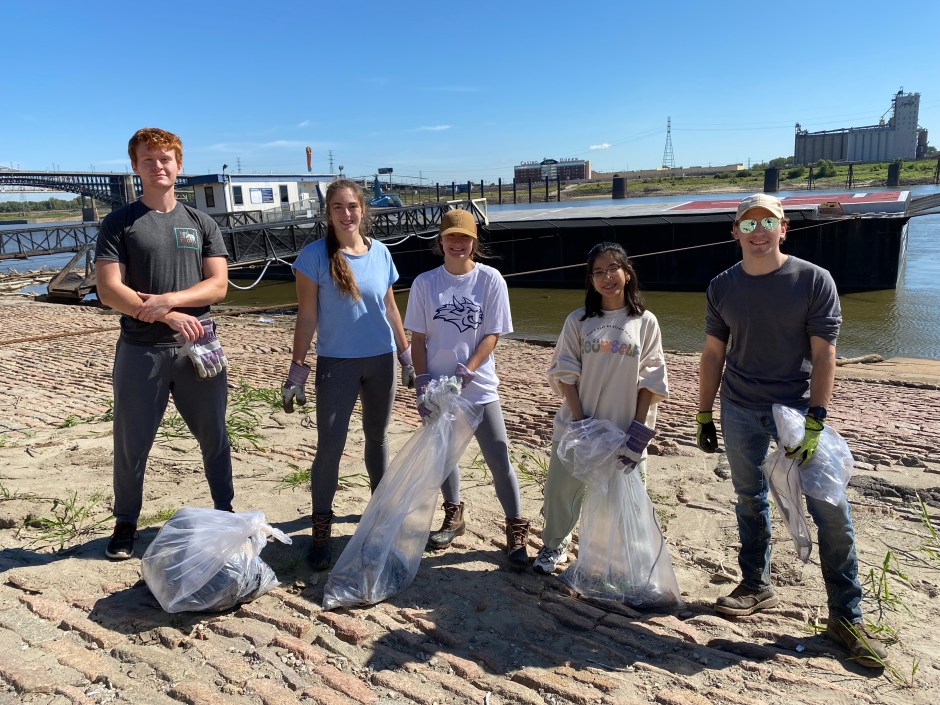
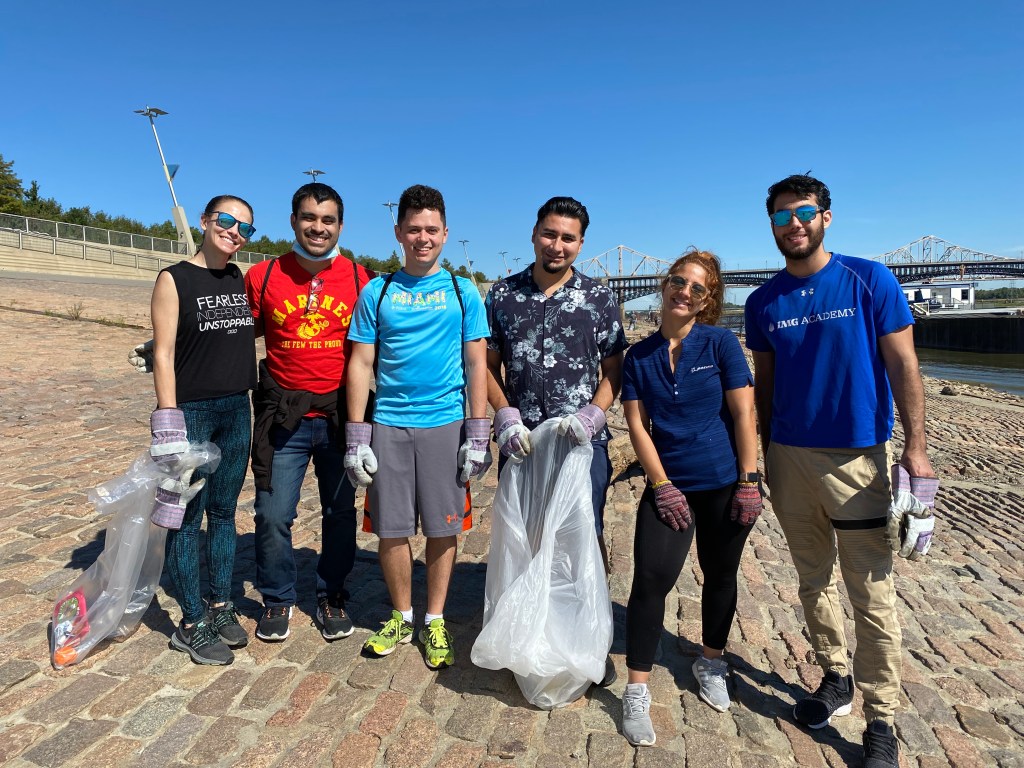
September 24th is National Public Lands Day, the nation’s largest single-day volunteer effort.  National parks around the country will host outdoor events for hundreds of thousands of volunteers who will help restore, preserve, and clean up their beloved public lands.  In St. Louis, Gateway Arch National Park, Gateway Arch Park Foundation, Beyond Plastics, and Living Lands & Waters are organizing a community trash pick-up event to help tidy up the downtown riverfront. It’s part of a nationwide effort to connect people with the outdoor recreation spaces in their area.

Photo by Gateway Arch Park Foundation

Riverfront cleanups will occur from 9:00-11:00 and from 11:00-1:00. All volunteers will receive materials they’ll need during the cleanup and will be entered to win a drawing for prizes. Sign up here to volunteer.

Photo by Gateway Arch Park Foundation

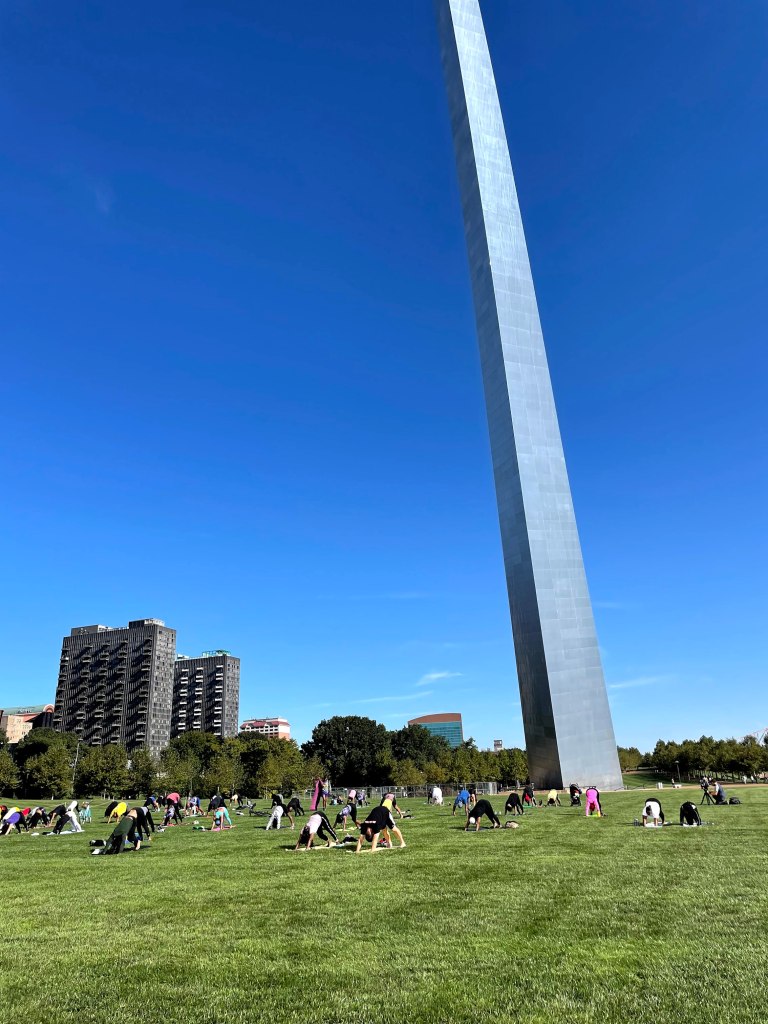
Don’t miss out on other fun happenings in the park that day.  How about a free yoga class underneath the Arch at 9:30 a.m.? Gateway Arch Park Foundation sponsors this Just Breathe Yoga session offered by The Collective STL.  Go here to register.

Photo by Gateway Arch Park Foundation

In the afternoon, you and your favorite pooch can join in a dog walk led by four-legged B.A.R.K. Superintendents (dog ambassadors) as part of the day’s B.A.R.K. Ranger activities.  Learn how your pup can become an official NPS B.A.R.K. Ranger by visiting the table from 2-5 p.m. on the Arch grounds.

Photo by Gateway Arch Park Foundation

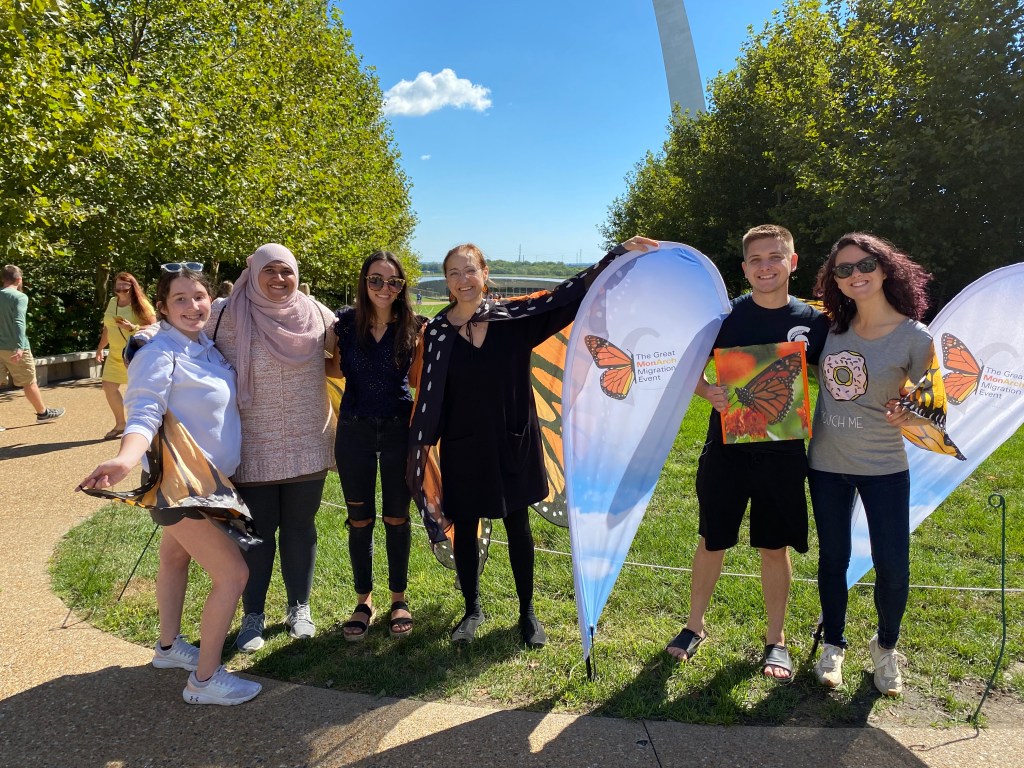
Or if butterflies are more your thing, attend the MonArch Migration event to learn about butterfly flight patterns and native plants.  This annual National Park Service program celebrates the Monarch butterfly’s spectacular north-south migrations, and features information on which native plants can help these winged friends.  The event takes place from 1-4 p.m. in the Explorer’s Garden on the north end of the Arch grounds. 

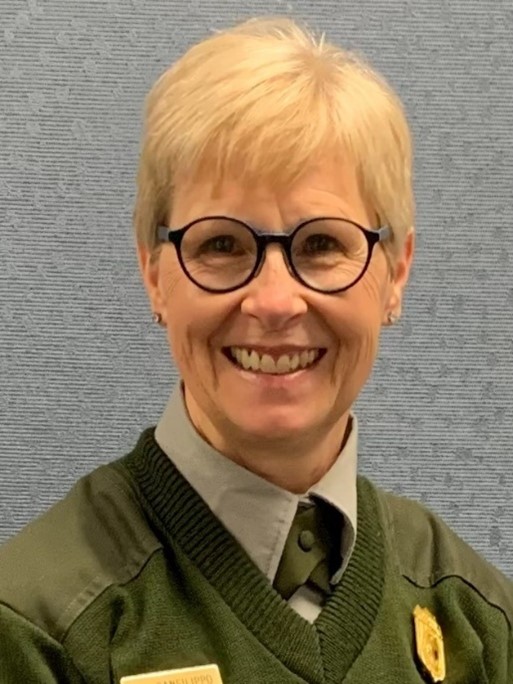
Gateway Arch is proud to host these fun events, says Pam Sanfilippo, the park’s Program Manager for Museum Services and Interpretation.  “The Arch grounds are a place for everyone to enjoy – whether it’s to practice yoga, see butterflies migrating, or play fetch with your four-legged best friend.  Join us on National Public Lands Day to experience firsthand the incredible spaces here at the park.”

The Genius behind the Arch Tram Ride

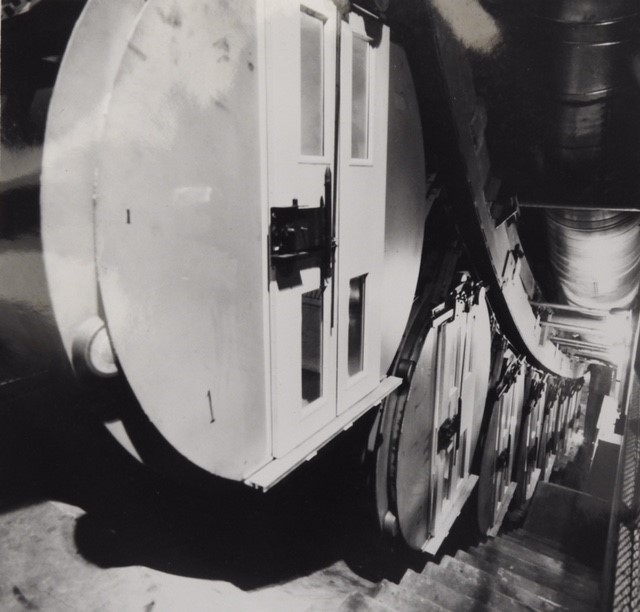
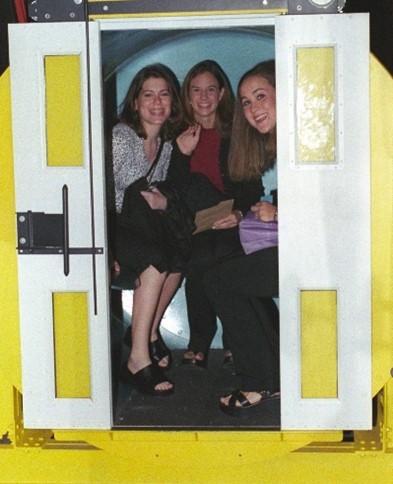
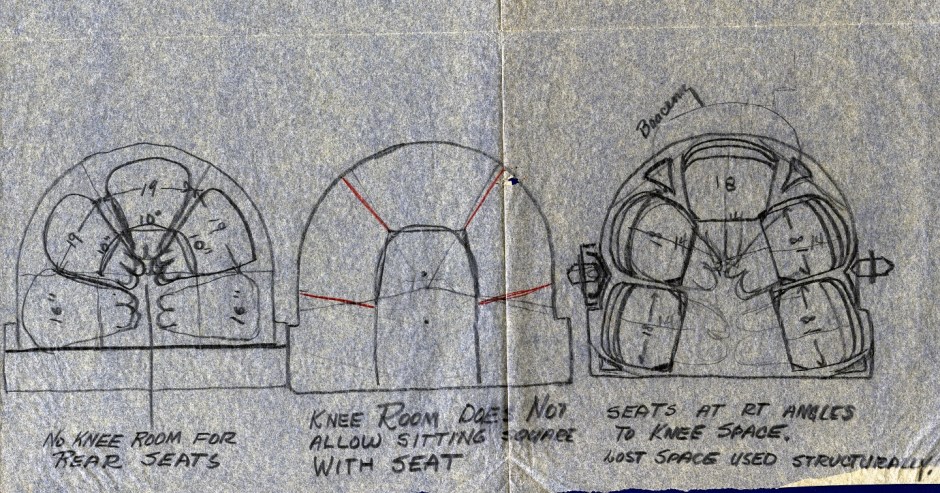
A ride to the top of the Gateway Arch is an unusual experience.  Visitors sit in somewhat cramped little capsules that carry them upward and downward through the legs of the Arch.  All the while, they hear strange clicking noises as the capsules constantly pivot to stay upright. Most people probably give very little thought to how this one-of-a-kind transportation system came about.  But it’s a fascinating story, mostly centered on one very clever inventor.

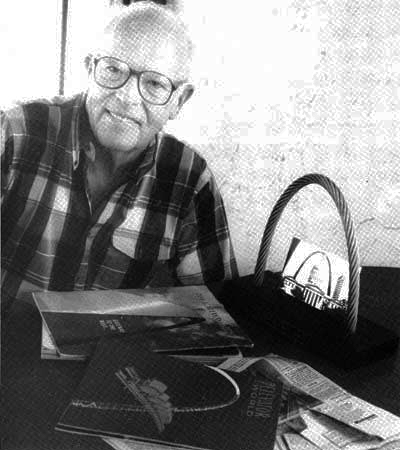
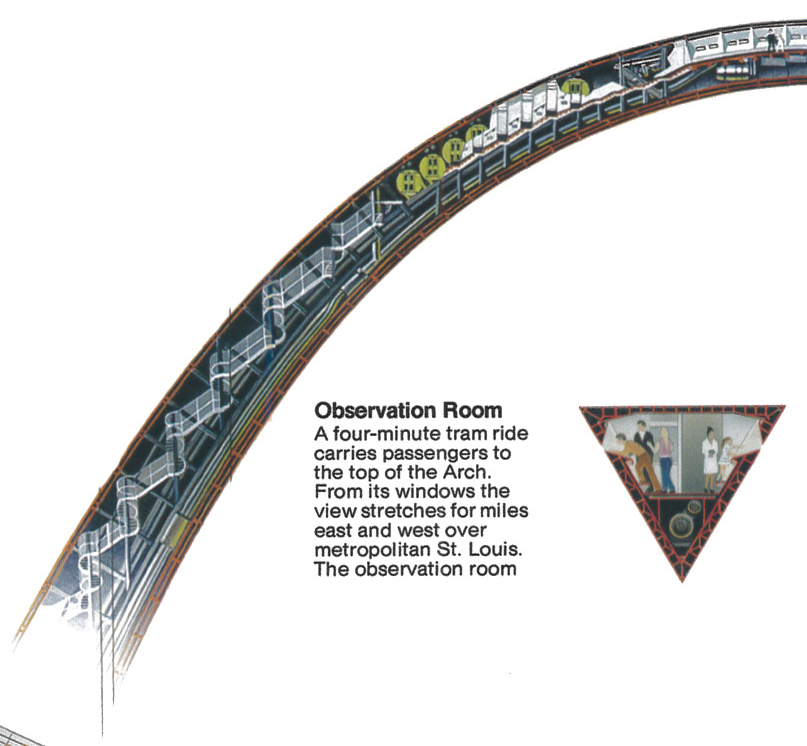
The Arch tram ride was conceived in just two short weeks by a humble man who never received a college degree.  Dick Bowser was a 38-year-old second-generation elevator manufacturer working in Des Moines, Iowa, when Gateway Arch architect Eero Saarinen asked him to develop a way to bring visitors to the top of the Arch and back down. The project was extremely challenging given the curve of the Arch (it is much narrower at the top than at the base), and the fact that he had to leave room for an observation platform at the top as well as space for a maintenance crew stairway.

A cross section view of the tram ride to the top of the Arch.

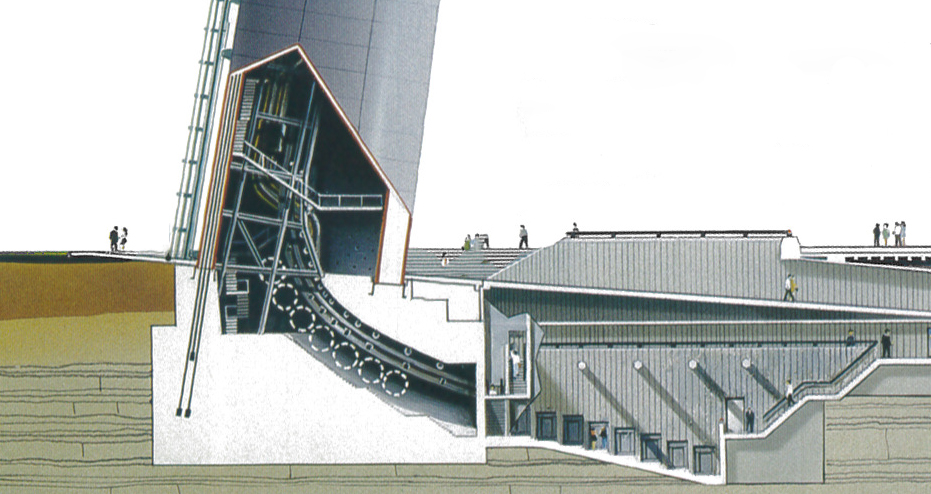
Another challenge was Saarinen’s timeline – Bowser was given just two weeks to submit a design for the Arch passenger system!  Working day and night at home in his basement, he came up with a concept that borrowed from the mechanics of both Ferris wheels and elevators, resulting in a small curving train of linked passenger capsules.  His tram concept was accepted by Saarinen and his team.  Bowser was hired to build and install the tram, which opened in 1967, two years after the Arch itself was completed. He then served as tram maintenance supervisor until 1972.

A cross section view of the tram load zone.

Dick Bowser passed away in 2003, but his crowning achievement lives on. “Dick Bowser is a trailblazer in innovation and invention and will always be an important figure in Arch history,” says Pam Sanfilippo, Program Manager, Museum Services & Interpretation, Gateway Arch National Park. “Without his Tram Ride to the Top design, tens of millions of visitors to the Arch would not have had the experience of ascending 630 feet to the top of the monument.”

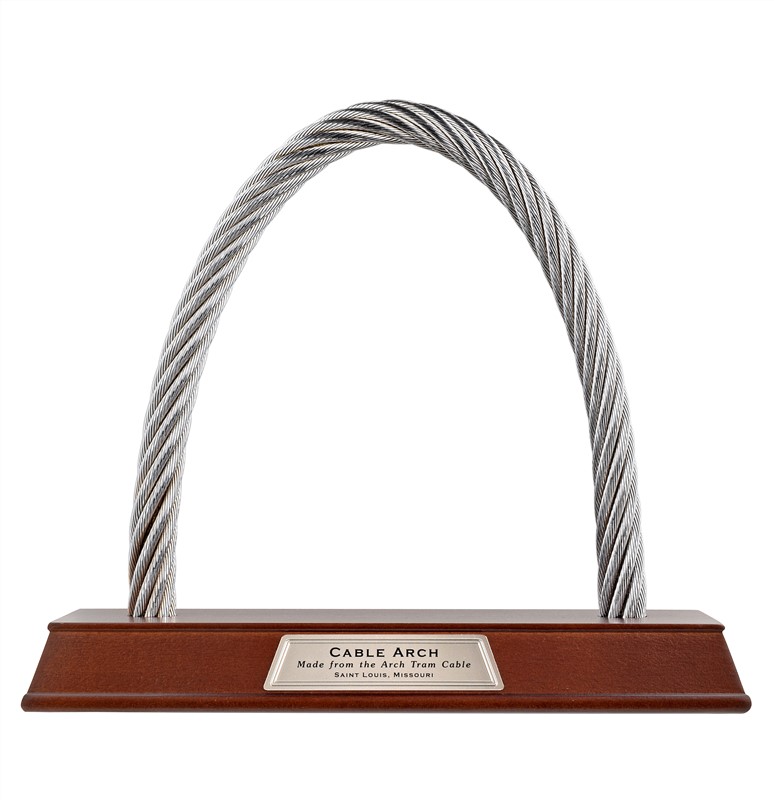
That’s why the National Park Service will be honoring Bowser’s memory this Thursday September 15 on the occasion of his 101st birthday.  The daylong public celebration at the Arch will include a panel discussion by previous and current tram mechanics as well as ongoing ranger talks and kids’ activities.  The Arch Store will offer a rare 25% discount on our unique Arch cable replicas, made from the cables that pull the tram cars, and the Arch Café will hand out free cupcakes.

Join Our Team!

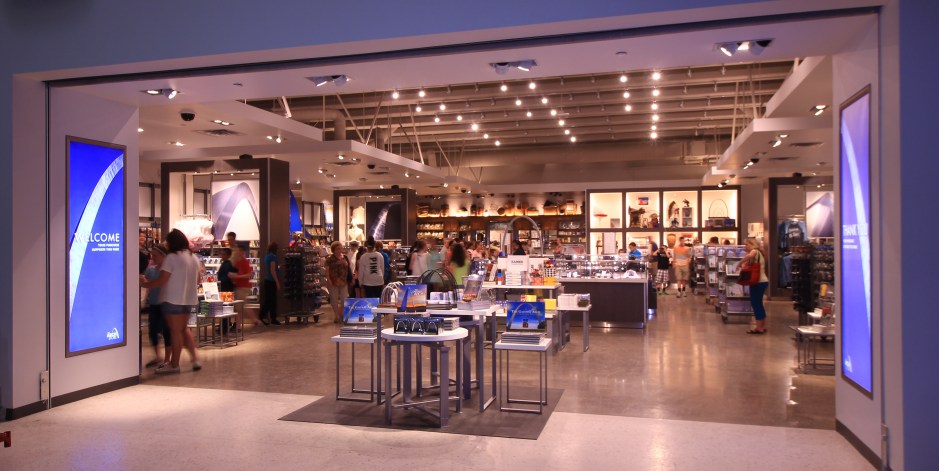
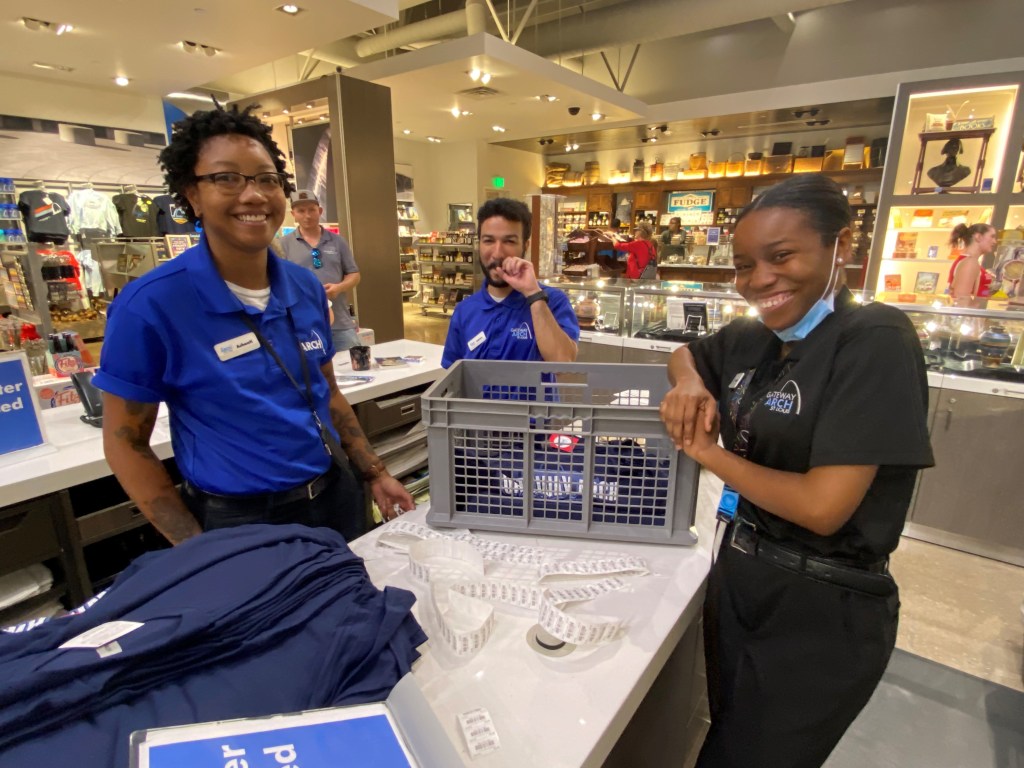
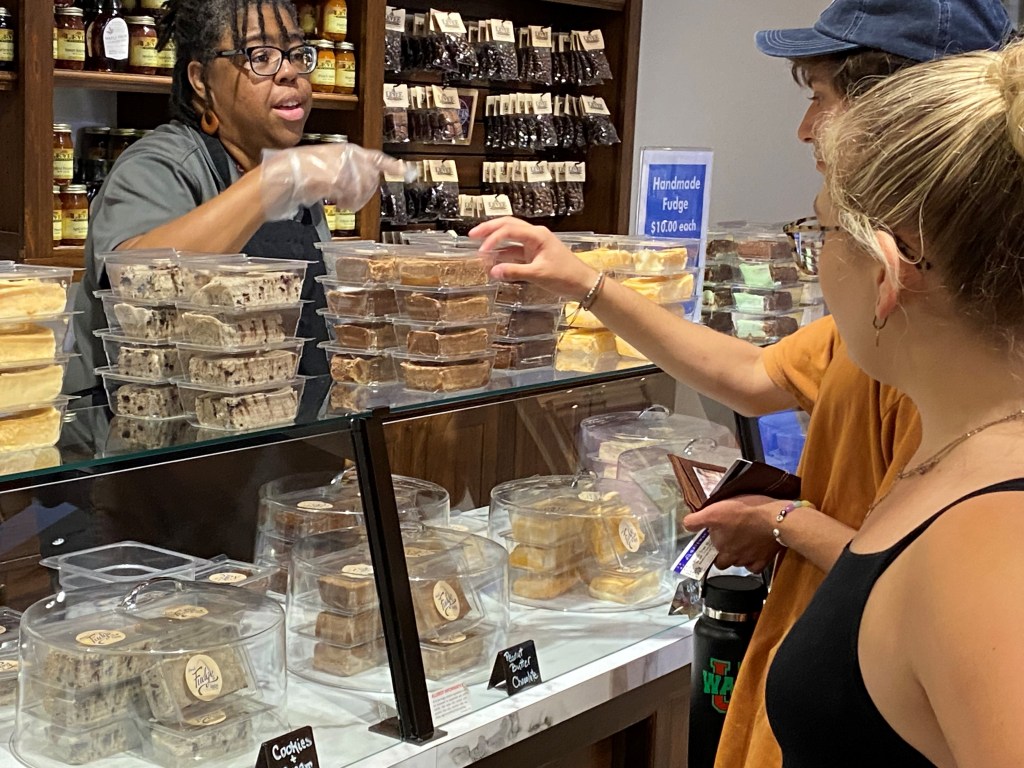
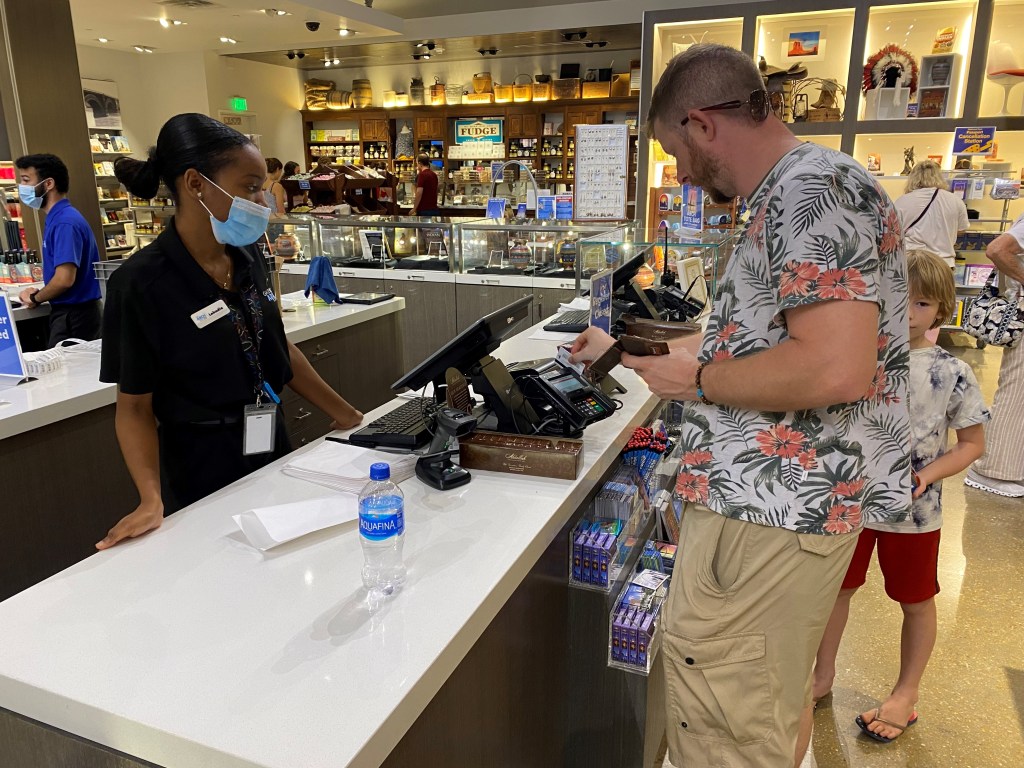
Are you looking for a satisfying and fun full-time or part-time job? Do you enjoy meeting new people? Would you be proud to work at the renown Gateway Arch? Then come join our retail team at The Arch Store!

The Arch Store at Gateway Arch National Park currently has job openings for both full-time and part-time sales associates.  Responsibilities include processing sales transactions, providing great customer service, maintaining our beautiful store, and being a friendly ambassador to St. Louis’ greatest treasure.

Working for JNPA is a rewarding experience.  Not only will you encounter travelers from all over the world, but you will also have the satisfaction of knowing you’re helping advance our mission of protecting America’s vital national heritage.  Plus, you’ll receive a competitive salary and great benefits.

Our ideal job candidate is at least 16 years old; is able to work a flexible schedule including evenings, weekends and holidays; and is friendly, fun and dependable.  If this sounds like you (or someone you know), then we encourage you to apply online today! 

JNPA is an Equal Opportunity/Affirmative Action employer.  We give consideration for employment to qualified applicants without regard to race, color, religion, sex, sexual orientation, gender identity, national origin, disability, or protected veteran status.

The Coolest Architects at Voyageurs National Park

Voyageurs National Park may owe its very existence to a furry, flat-tailed rodent.  The 218,000-acre park, 40% of which is covered by water, is the perfect habitat for one very unique mammal… the American beaver. Beavers have historically played a pivotal role there, since the titular French-Canadian “voyageurs” first came to the area to trade with the Ojibwe tribe for beaver furs. While trapping is no longer allowed in what is now the national park, beavers continue to make an impact on the ecosystem.

Credit: NPS

Beavers are the largest rodents in the United States and are one of the only animals (outside of humans) who actively alter their habitat to suit their needs.  The animals mate for life, and beaver parents raise their young in structures they build called “lodges.” These lodges are constructed on the edges of ponds and lakes and are made of mud and sticks chewed by the beavers. By locating the single lodge entrance underwater, the parents are better able to protect their babies (called “kits”) from predators. Beavers’ construction talents can alter entire ecosystems.  If there is not an existing body of water large enough on which to build their lodge, they will dam up a river or stream to create a suitable habitat for their homes.  This activity will flood the surrounding area, killing trees and undergrowth. The resulting wetland will then attract insects, fish and other wildlife, greatly increasing the area’s biodiversity.  

A beaver lodge at Voyageurs National Park. Credit: NPS

Not only are beavers great architects, but they also have some other truly unique characteristics. Beavers have two large incisors which grow continuously throughout their life.  They use these teeth to cut down trees and branches. Beavers are also known for their distinctive large flat tail. Most people would correctly assume that they use it to help with swimming, but did you know that they also use it to help balance while standing up to chew branches? They will also slap it on the surface of the water (making an incredibly loud noise!) in order to scare away any intruders.

Credit: NPS

As one of the many beloved animals that call Voyageurs home, beavers have been studied extensively by park staff. During a research project from 2006-2009, biologists tagged nearly 500 beavers. By tracking the tagged beavers over the next few years, they were able to determine that young beavers can travel up to 30-50 miles from where they were born! This mobility may be due to the interconnected lake system in Voyageurs, which allows young beavers to travel long distances without ever leaving the water (and thus avoiding predators). Beavers are adapted quite well to water. They can hold their breath for up to 15 minutes and have see-through eyelids which they use as goggles!
Credit: David Stang

Today the highest recorded density of beavers in the U.S. can be found in the protected waters of Voyageurs:  between 3,800 to 4,750 animals, based on 948 active beaver lodges found in a recent park study. If you visit Voyageurs National Park, you may be lucky enough to see a lodge or even catch a glimpse of a beaver, and there are things you can do to help protect these wonderful animals. Make sure to always keep your distance from any wildlife you encounter, both for their safety and yours. Also, do not approach, touch, or walk on a beaver lodge. This could damage the structure and disrupt or even injure the animals inside. You can learn more about the beavers and other wildlife that call Voyageurs home by clicking here.

Who doesn’t love a birthday?

The National Park Service is turning 106 this Thursday, and you’re invited to help celebrate.  With more than 400 park units across the country, there are countless ways to join in the fun.

On August 25, 1916, President Woodrow Wilson charged the Department of the Interior with establishing a new federal bureau to protect the 35 national parks and monuments then managed by the department.  The new agency, dubbed the National Park Service, was directed “to conserve the scenery and the natural and historic objects and the wild life therein and to provide for the enjoyment of the same in such manner and by such means as will leave them unimpaired for the enjoyment of future generations.”

Yellowstone National Park. Photo by Kerry on Pexels.com

The creation of the iconic Yellowstone National Park in 1872 actually pre-dated the establishment of the Park Service.  In subsequent years Congress authorized additional national parks and monuments, many of them carved from the federal lands of the West.  But it was not until the National Park Service was created that all of these parklands were administered by one centralized agency.

Today, the national park system has expanded to 423 sites, covering more than 84 million acres in 50 states, the District of Columbia, American Samoa, Guam, Puerto Rico, Saipan, and the Virgin Islands.  These sites range from national battlefields and military parks to national rivers and lakeshores to national historic sites and monuments. 

Voyageurs National Park

In honor of its 106th birthday, the Park Service wants you to share your favorite WOW moments from past visits to any NPS location.  These could include an occasion when you encountered breath-taking scenery, heard an inspirational ranger talk, or were surprised when you learned about a compelling historical event.  You’re invited to share your WOW moments via social media and tag it with #NPSBirthday.

The NPS app

You’re also encouraged to experience parks virtually.  There’s the NPS app, where you can learn about all of the national park sites and get tips to help you on your next visit, as well a number of  podcast series that highlight the stories and wonders of various national parks.  And for kids (of all ages), be sure to check out NPS Games and Challenges where you can test your park knowledge or learn something new about many national parks.  One of our favorites is Where the “Park” Am I? – it’s not as easy as it sounds!

Mississippi National River and Recreation Area

However you decide to celebrate the long history of the National Park Service, we’re sure you agree with author Wallace Stegner, who famously said “National parks are the best idea we ever had. Absolutely American, absolutely democratic, they reflect us at our best rather than our worst.”

Happy Birthday, NPS!!!

“A great arch did seem right.”

It has been called brilliant, inspirational, breathtaking, a true architectural marvel.  Those who have visited the Gateway Arch rarely forget their first glimpse of the shimmering stainless steel icon.  It soars 630 feet above the St. Louis riverfront, standing as a lasting memorial to Thomas Jefferson’s vision of exploring the American West. But who was the creative genius behind the design of the Arch?

When St. Louis officials decided in 1947 to erect a monument to President Jefferson on the downtown riverfront, they invited architects from around the world to submit designs.  A little-known Finnish architect named Eero Saarinen beat out more prominent designers with his plans for a majestic arch rising from the riverbanks.  The competition judges appreciated the symbolism of an arch as a reference to St. Louis’ historic role as a “gateway to the west.”  As Saarinen said at the time, “The major concern… was to create a monument which would have lasting significance and would be a landmark of our time… Neither an obelisk nor a rectangular box nor a dome seemed right on this site or for this purpose. But here, at the edge of the Mississippi River, a great arch did seem right.”

Beyond its architectural beauty, the Arch is also an engineering marvel.  Each leg consists of double-walled steel equilateral triangles which are stacked one on top of the other and welded together. The complex engineering design and construction is completely hidden from view; all that can be seen from the outside is its sparkling, stainless steel outer skin. 

Nor did Saarinen intend for visitors just to look at the Arch – he wanted them to go inside it and travel to the top.  So he designed the structure’s two legs to be hollow, allowing enough room for a specially designed tram to transport guests up and down, itself a daunting engineering challenge

Saarinen went on to design other prominent American buildings, including the TWA airport terminal in New York, Dulles International Airport near Washington, D.C., as well as numerous churches, university buildings, and corporate headquarters.  He was also an influential furniture designer, responsible for the famous Tulip Chair and other well-known mid-century pieces.

Credit: Debbie Franke

Saarinen would be turning 112 years old on August 20.  What better way to commemorate his birthday than with a trip to the Gateway Arch, where you can admire his architectural wonder and learn more about the building of the monument in the Arch Museum.  Or you might want to purchase one of the many Saarinen-related products we sell at The Arch Store, like this handsome tote bag.

Hidden Treasures?

When Ste. Genevieve National Historical Park joined the National Park Service (NPS) in 2020, historians already knew quite a lot about the 18th century French colonial village.  The unique vertical log construction of some of the homes was well documented, as were the interactions of the many different cultures and nationalities who migrated to the town.  But are there secrets still buried beneath the historic sites in Ste. Genevieve? 

Courtesy NPS

That’s what the Park Service wants to find out.  This summer agency officials dispatched specialists from the NPS Midwest Archeology Center to investigate the grounds of the park’s historic buildings, including the Jean Baptiste Vallé house, Green Tree Tavern, and the Bauvais-Amoureux house.  The archaeologists are searching for items such as the remains of trash pits, outbuildings like barns, kitchens and stables, and perhaps even a privy or two.

Researching spaces outside the main homes can reveal information about how people lived or worked on-site, including enslaved men and women or hired servants. Information like this is invaluable to creating a complete picture of a historic community, since accounts of these individuals are often left out of traditional records. With the help of MWAC, park officials hope to gain a better understanding of the history of the park’s buildings and their occupants.

Courtesy NPS

To locate artifacts or remains of old structures, the archeologists conducted geophysical surveys of each property they studied.  Among the state-of-the art instruments they used were magnetometers, ground-penetrating radar equipment, and electromagnetic induction meters.  (Pretty high-tech stuff!)  All of the data they collected will be analyzed over the next year or two, and the scientists will generate a comprehensive report of their findings.

The Midwest Archeology Center has conducted research for more than 70 NPS sites throughout the mid-continent.  Using high-tech equipment and good old-fashioned digging tools, its studies have ranged from 10,000-year-old American Indian campsites to the garbage in Abraham Lincoln’s backyard.

We can’t wait to find out what the archeologists uncover at Ste. Genevieve, and you can be sure we’ll let you know when we learn the results.  Meanwhile, be sure to pay a visit to the park to get a firsthand look at this amazing site.   

Exploring the Life of Ulysses S. Grant

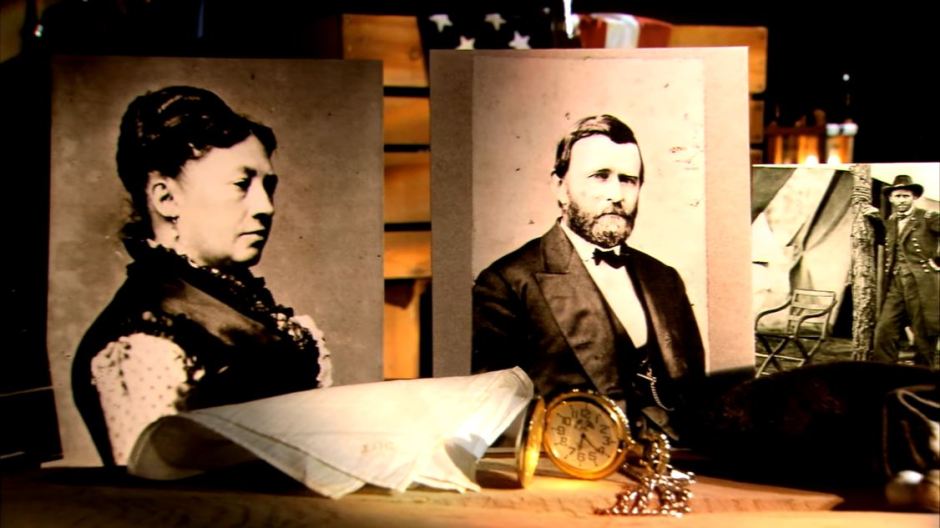
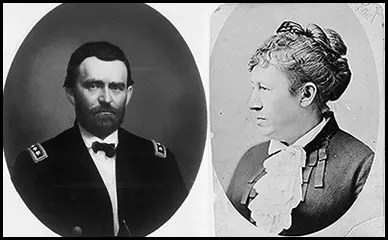
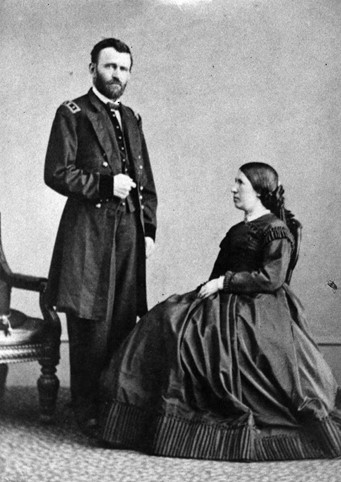
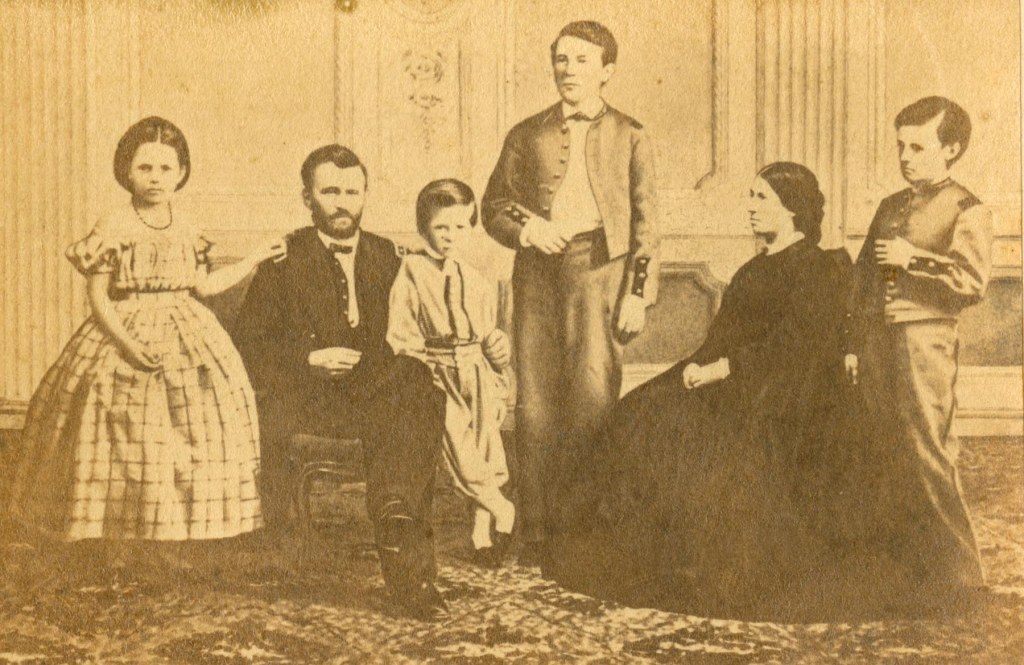
Just in time for the upcoming wedding anniversary of Ulysses and Julia Grant, the National Park Service has created a new online exhibit exploring the life and legacy of the nation’s 18th president.  The expansive exhibit amasses artifacts, documents, and photographs from numerous Park Service sites, including Ulysses S. Grant National Historic Site.

As one might expect from such a multi-faceted figure as Ulysses Grant, his life encompasses many aspects, including his early upbringing and family life as well as his military career and presidency.  And the fascinating new exhibit covers them all.

There are more than 20 national sites with connections to Grant, many of them housing collections that include artifacts, portraits, and documents related to the president or his family members.  But thanks to this new virtual exhibit, many of these items can now be viewed in one accessible location.  They shed light on little-known facets of his life, helping us gain greater insights into the famous man.

Drawing of Church Steeples by Ulysses S. Grant (Courtesy The Papers of Ulysses S. Grant, Volume 1 and Library of Congress)

Although Grant is celebrated for his military and political achievements, his artistic side is less well known.  The exhibit features sample of some of his watercolor paintings. When he was a West Point cadet, he enrolled in several drawing classes and developed this hobby over the years.  Sadly only eight of his paintings have survived to the present day.

Then there are the charming vestiges of the Grants’ everyday life, like Julia’s ivory sewing kit, Ulysses’ cigar holder, the couple’s ivory and silver coffee service, and even the leather boots worn by Julia’s sister Emma.

Courtesy NPS

The exhibit explores Grant’s military career from his early days at West Point to his role as commander of the entire Union Army during the Civil War.  The surrender of Robert E. Lee at Appomattox in 1865 is highlighted with a color image of a Currier & Ives print of the two generals signing the surrender documents, a photo of the chairs and table used during the signing ceremony, and a poignant letter outlining the terms of surrender.

Slave quarters at White Haven, prior to removal (photo courtesy of NPS)

Grant’s experience with the institution of slavery is a recurrent theme in the exhibit.  From an early age, he was taught that slavery was wrong and that his Southern relatives “had depended too much on slave labor to be trained in self-reliance.”  When Grant married into the slaveholding Dent family, it worsened tensions with his father (none of the Grants attended Ulysses and Julia’s wedding).

Yet when the couple occupied White Haven in the 1850s, they lived and worked alongside dozens of enslaved African Americans, most of whom were owned by Grant’s father-in-law (though Grant himself owned an enslaved man named William Jones, whom he later freed).  This experience strengthened Grant’s hatred of slavery and commitment to abolish the institution, and set the stage for him to become one of the great civil rights presidents in American history.   

The new Grant exhibit is just the latest virtual exhibit created by the National Park Service Museum Management Program, whose aim is to make the broad range of NPS collections widely available to online users. You can see numerous other offerings at the program’s website.  

In honor of Ulysses and Julia’s 174th wedding anniversary on August 22nd, you may want to brush up on the life of Julia Dent Grant.  She had a long and event-filled life as the wife of a Civil War general and U.S. president.  Also check out her personal memoirs, which are available from JNPA’s online store, or at the gift shop at Ulysses S. Grant National Historic Site.

Une Femme Courageuse

Visitors to the historic Bauvais-Amoureux House in Ste. Genevieve National Historical Park usually marvel over its unique French colonial architecture – it is one of only five surviving poteaux-en-terre (meaning post-in-ground) houses in North America. But while the 1792 structure is truly unique, even more fascinating is the story of one of its owners, Madame Pélagie Amoureux.

Pélagie was an African American woman born in 1805 and enslaved by the Bauvais-Vitale family. She married Benjamin Amoureux, a white man, in 1830. Interracial marriage was not legal in Missouri at the time, so they traveled to Illinois to marry before returning to Ste. Genevieve. Their first son, Felix, was born in 1831 and was also enslaved by the Bauvais-Vitale family until he and his mother were freed in 1832. Pélagie and Benjamin were not allowed to live in the same house even while married, so Benjamin purchased a house for Pélagie from the family of Jean Baptiste Bauvais in the 1850’s, which they then renamed the Amoureux house.  The couple had five children over the course of their marriage and were finally allowed to live together as a family in the Amoureux house in the 1860’s.

An undated historic photo of Amoureux House. Credit: Library of Congress
Pelagie Amoureux and her family. Credit: NPS

Over the course of her life, Pélagie was not afraid to stand up for herself, despite being both African American and a woman. On three separate occasions, she sued people who threatened or harmed her. While the courts did not side with her in any of the cases, she still did what she could to stand up for her rights. Pélagie died in 1890.  Her children and their descendants continued to live in the Amoureux house until 1963. After changing owners a handful of times, the Bauvais-Amoureux house was donated to the National Park Service in 2019 as the first official property of Ste. Genevieve National Historical Park.

The park staff is committed to bringing to light the story of Pelagie and other overlooked figures from the town’s history.  We encourage you to take a ranger-led tour of the Bauvais-Amoureux when you visit the park.

The Bauvais-Amoureux House today. Credit: NPS

A Rocky Wonderland in the North Woods

Most people visit Voyageurs National Park to experience the scenic splendor of its forests, view its diverse wildlife, and enjoy boating on its pristine lakes.  However, there’s one surprising attraction at Voyageurs that owes its existence not to nature, but to one very imaginative, relentless craftsman. 

In the 1940s, Chicago carpenter Jack Ellsworth spent summers with his wife on land that later became the national park; it was there that he had a vision. He began to carve complex terraced gardens on a prominent rocky outcrop near his home, using the native materials that he found on-site. 

Over the next 20 summers, Ellsworth constructed 62 rock-bordered flower beds which he connected with stone stairways, grassy paths, bridges, and stepping stones.  He filled the terraced beds with more than 13,000 lilies and other flower varieties, creating a colorful artistic wonderland now known as the Ellsworth Rock Gardens on the shores of Kabetogama Lake.

Over time, Ellsworth accented his landscape with whimsical stone sculptures ranging from monoliths and carved animals to benches, chairs and tables.  Many of his sculptures are carefully balanced rock formations, created without mortar. 

The rock gardens soon became a popular tourist destination despite its remote location.  Ellsworth continued to maintain and embellish his gardens until the mid-1960s, when his health began to fail and he could no longer visit the area.  Without his supervision, the nearby forests slowly engulfed the terraced gardens and many of his sculptures deteriorated.

Soon after Voyageurs became a 218,000-acre national park in 1975, the National Park Service acquired the Ellsworth Rock Gardens land as well.  The aging cabins and outbuildings were removed but no real maintenance was performed on the area until the mid-1990s.  Then NPS staff and volunteers began removing the invading vegetation and shoring up the historic features.  They also built a new dock where park visitors can moor their boats during their garden visit (the site is only accessible by water) and installed interpretive signs. 

Credit: NPS

If you’re planning a trip to Minnesota this summer, carve out time to visit the Ellsworth Rock Gardens.  You won’t be disappointed.