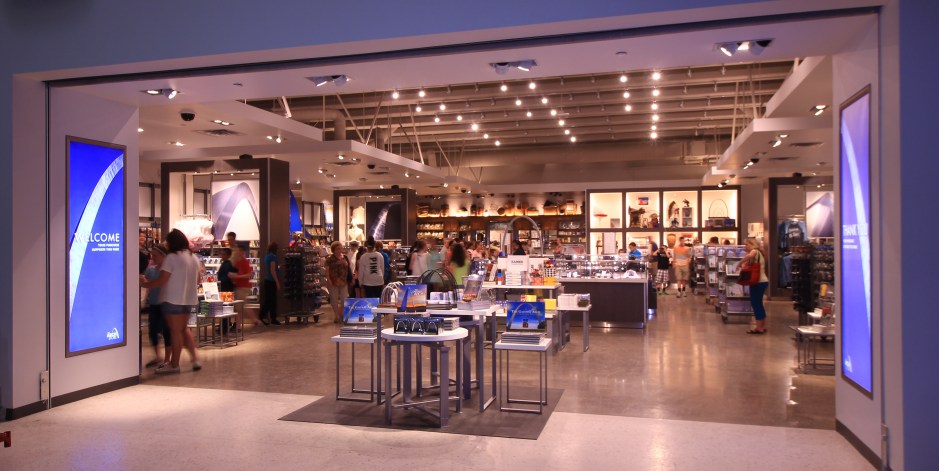
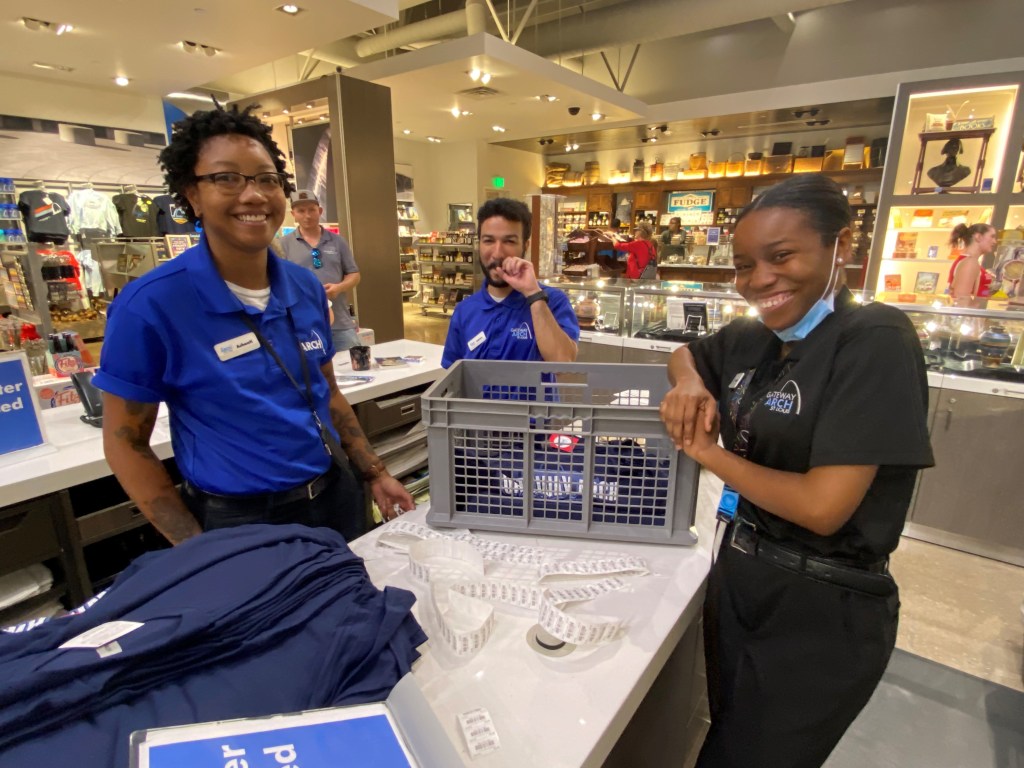
Are you looking for a satisfying and fun full-time or part-time job? Do you enjoy meeting new people? Would you be proud to work at the renown Gateway Arch? Then come join our retail team at The Arch Store!
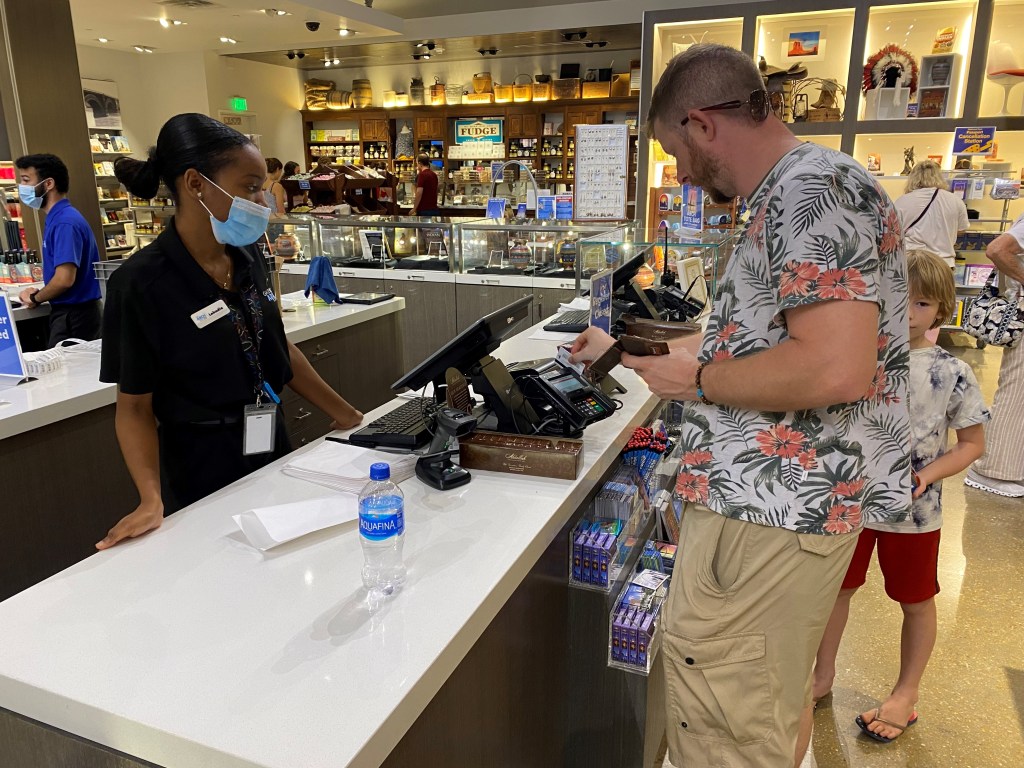
The Arch Store at Gateway Arch National Park currently has job openings for both full-time and part-time sales associates. Responsibilities include processing sales transactions, providing great customer service, maintaining our beautiful store, and being a friendly ambassador to St. Louis’ greatest treasure.
Working for JNPA is a rewarding experience. Not only will you encounter travelers from all over the world, but you will also have the satisfaction of knowing you’re helping advance our mission of protecting America’s vital national heritage. Plus, you’ll receive a competitive salary and great benefits.
Our ideal job candidate is at least 16 years old; is able to work a flexible schedule including evenings, weekends and holidays; and is friendly, fun and dependable. If this sounds like you (or someone you know), then we encourage you to apply online today!
JNPA is an Equal Opportunity/Affirmative Action employer. We give consideration for employment to qualified applicants without regard to race, color, religion, sex, sexual orientation, gender identity, national origin, disability, or protected veteran status.
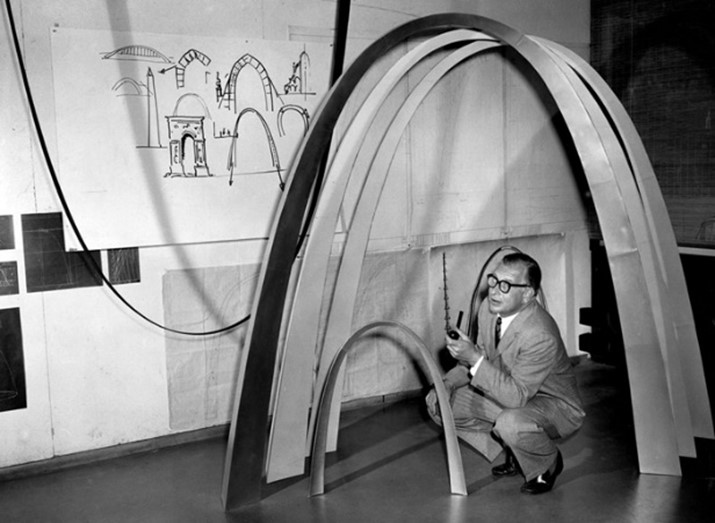
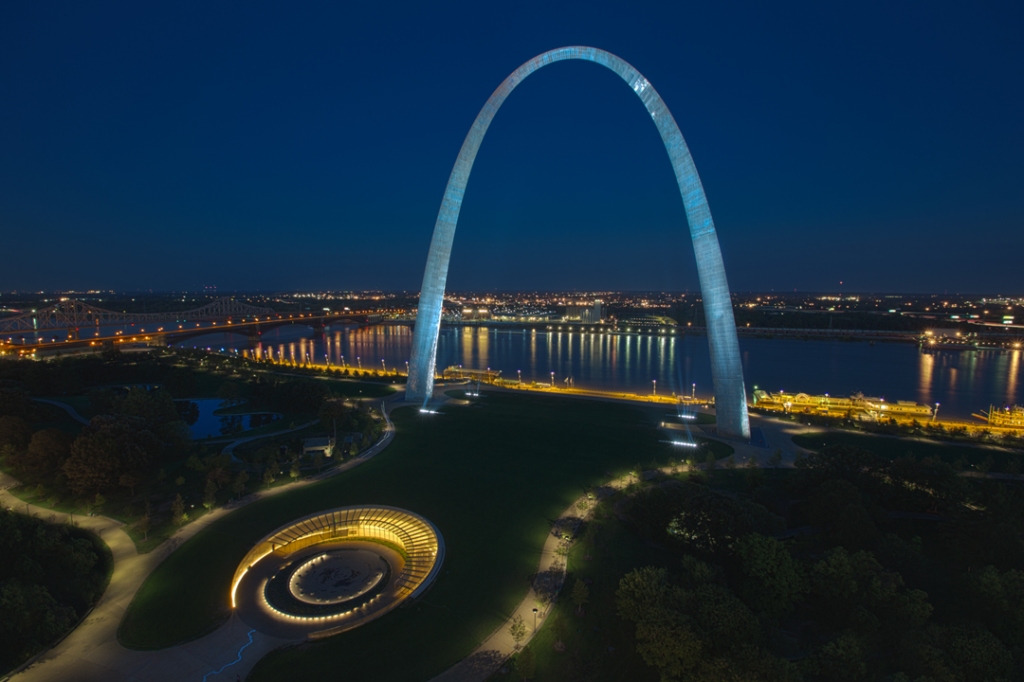
It has been called brilliant, inspirational, breathtaking, a true architectural marvel. Those who have visited the Gateway Arch rarely forget their first glimpse of the shimmering stainless steel icon. It soars 630 feet above the St. Louis riverfront, standing as a lasting memorial to Thomas Jefferson’s vision of exploring the American West. But who was the creative genius behind the design of the Arch?
When St. Louis officials decided in 1947 to erect a monument to President Jefferson on the downtown riverfront, they invited architects from around the world to submit designs. A little-known Finnish architect named Eero Saarinen beat out more prominent designers with his plans for a majestic arch rising from the riverbanks. The competition judges appreciated the symbolism of an arch as a reference to St. Louis’ historic role as a “gateway to the west.” As Saarinen said at the time, “The major concern… was to create a monument which would have lasting significance and would be a landmark of our time… Neither an obelisk nor a rectangular box nor a dome seemed right on this site or for this purpose. But here, at the edge of the Mississippi River, a great arch did seem right.”
Beyond its architectural beauty, the Arch is also an engineering marvel. Each leg consists of double-walled steel equilateral triangles which are stacked one on top of the other and welded together. The complex engineering design and construction is completely hidden from view; all that can be seen from the outside is its sparkling, stainless steel outer skin.
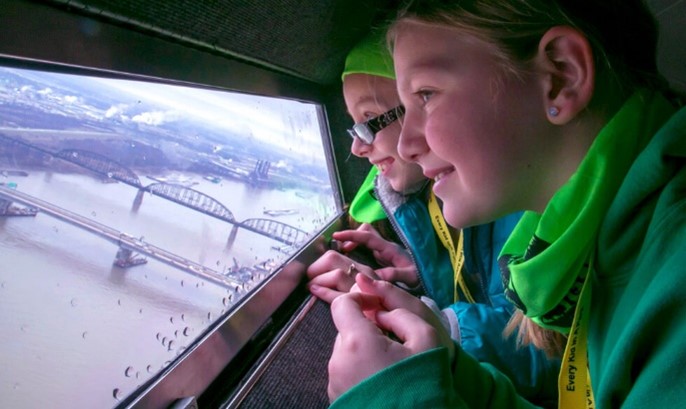
Nor did Saarinen intend for visitors just to look at the Arch – he wanted them to go inside it and travel to the top. So he designed the structure’s two legs to be hollow, allowing enough room for a specially designed tram to transport guests up and down, itself a daunting engineering challenge.
TWA Flight Center, New YorkTulip Chair
Saarinen went on to design other prominent American buildings, including the TWA airport terminal in New York, Dulles International Airport near Washington, D.C., as well as numerous churches, university buildings, and corporate headquarters. He was also an influential furniture designer, responsible for the famous Tulip Chair and other well-known mid-century pieces.
Credit: Debbie Franke
Saarinen would be turning 112 years old on August 20. What better way to commemorate his birthday than with a trip to the Gateway Arch, where you can admire his architectural wonder and learn more about the building of the monument in the Arch Museum. Or you might want to purchase one of the many Saarinen-related products we sell at The Arch Store, like this handsome tote bag.
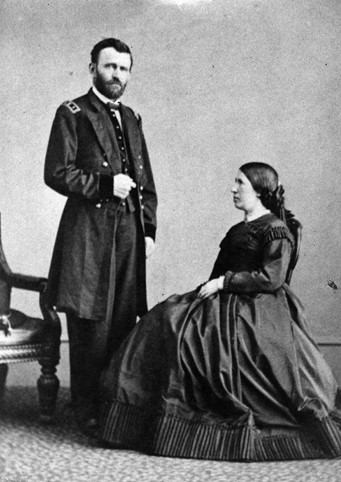
Just in time for the upcoming wedding anniversary of Ulysses and Julia Grant, the National Park Service has created a new online exhibit exploring the life and legacy of the nation’s 18th president. The expansive exhibit amasses artifacts, documents, and photographs from numerous Park Service sites, including Ulysses S. Grant National Historic Site.
As one might expect from such a multi-faceted figure as Ulysses Grant, his life encompasses many aspects, including his early upbringing and family life as well as his military career and presidency. And the fascinating new exhibit covers them all.
There are more than 20 national sites with connections to Grant, many of them housing collections that include artifacts, portraits, and documents related to the president or his family members. But thanks to this new virtual exhibit, many of these items can now be viewed in one accessible location. They shed light on little-known facets of his life, helping us gain greater insights into the famous man.
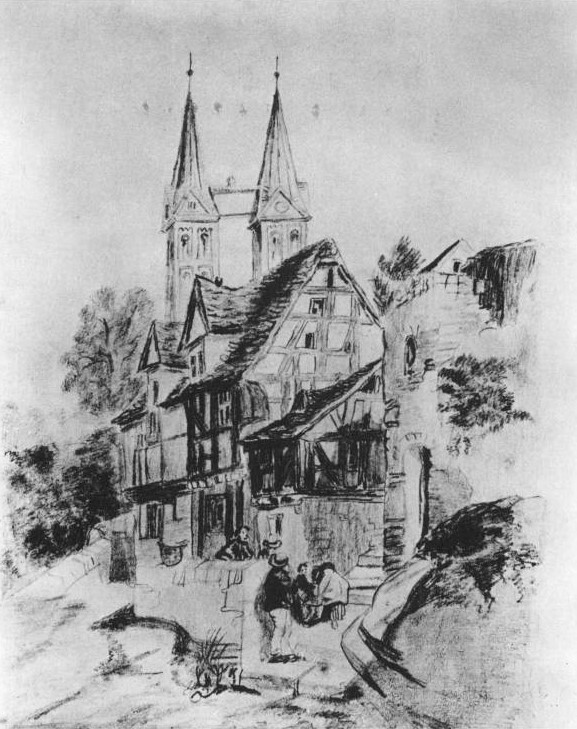
Drawing of Church Steeples by Ulysses S. Grant (Courtesy The Papers of Ulysses S. Grant, Volume 1 and Library of Congress)
Although Grant is celebrated for his military and political achievements, his artistic side is less well known. The exhibit features sample of some of his watercolor paintings. When he was a West Point cadet, he enrolled in several drawing classes and developed this hobby over the years. Sadly only eight of his paintings have survived to the present day.
Then there are the charming vestiges of the Grants’ everyday life, like Julia’s ivory sewing kit, Ulysses’ cigar holder, the couple’s ivory and silver coffee service, and even the leather boots worn by Julia’s sister Emma.
Courtesy NPS
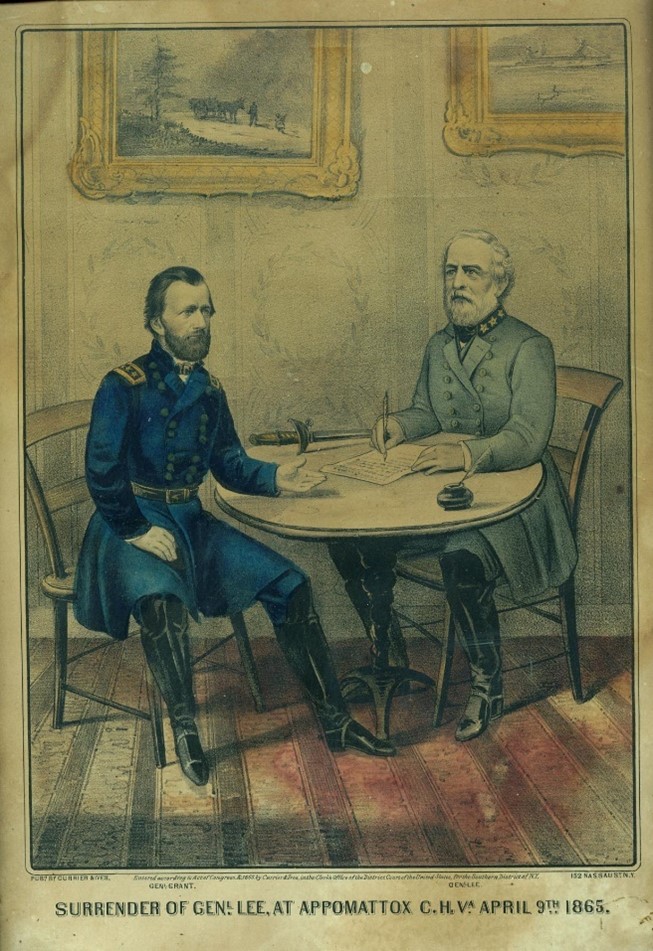
The exhibit explores Grant’s military career from his early days at West Point to his role as commander of the entire Union Army during the Civil War. The surrender of Robert E. Lee at Appomattox in 1865 is highlighted with a color image of a Currier & Ives print of the two generals signing the surrender documents, a photo of the chairs and table used during the signing ceremony, and a poignant letter outlining the terms of surrender.
Slave quarters at White Haven, prior to removal (photo courtesy of NPS)
Grant’s experience with the institution of slavery is a recurrent theme in the exhibit. From an early age, he was taught that slavery was wrong and that his Southern relatives “had depended too much on slave labor to be trained in self-reliance.” When Grant married into the slaveholding Dent family, it worsened tensions with his father (none of the Grants attended Ulysses and Julia’s wedding).
Yet when the couple occupied White Haven in the 1850s, they lived and worked alongside dozens of enslaved African Americans, most of whom were owned by Grant’s father-in-law (though Grant himself owned an enslaved man named William Jones, whom he later freed). This experience strengthened Grant’s hatred of slavery and commitment to abolish the institution, and set the stage for him to become one of the great civil rights presidents in American history.
The new Grant exhibit is just the latest virtual exhibit created by the National Park Service Museum Management Program, whose aim is to make the broad range of NPS collections widely available to online users. You can see numerous other offerings at the program’s website.
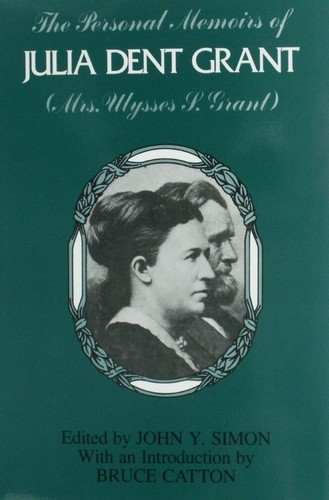
In honor of Ulysses and Julia’s 174th wedding anniversary on August 22nd, you may want to brush up on the life of Julia Dent Grant. She had a long and event-filled life as the wife of a Civil War general and U.S. president. Also check out her personal memoirs, which are available from JNPA’s online store, or at the gift shop at Ulysses S. Grant National Historic Site.
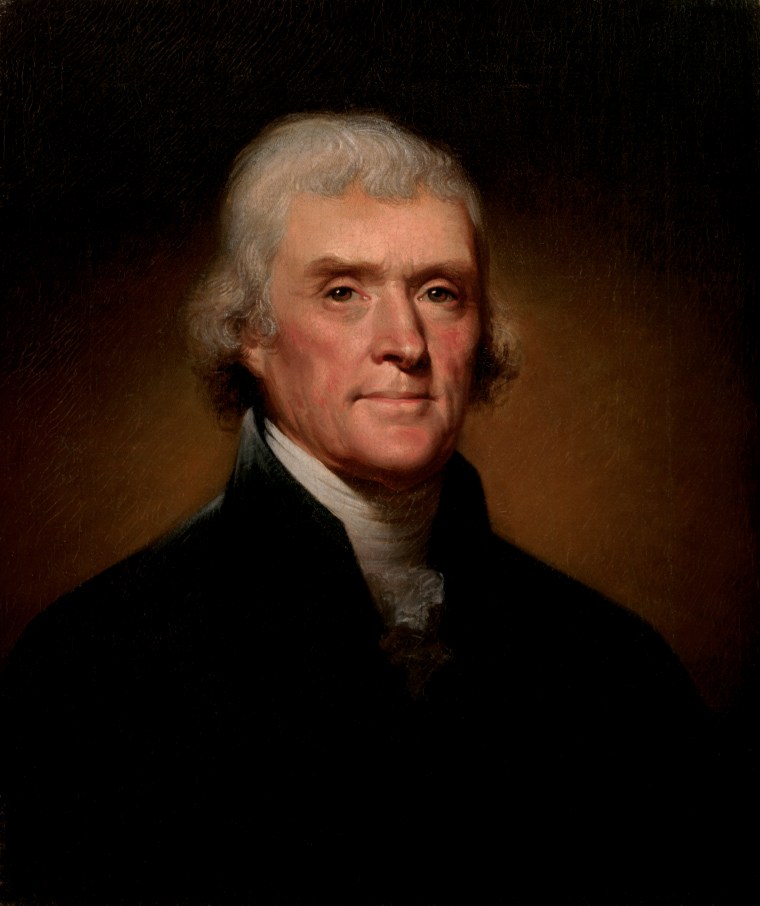
At this patriotic time of year, we often recall our nation’s founding fathers. Here at JNPA, we’re particularly fond of the visionary Thomas Jefferson, whom the National Park Service honors as part of the founding mission of Gateway Arch National Park. But while Jefferson is famous for many reasons (let’s see — third U.S. President, author of the Declaration of Independence, signer of the Louisiana Purchase…), you might not be familiar with his lesser known Ten Rules of Conduct.
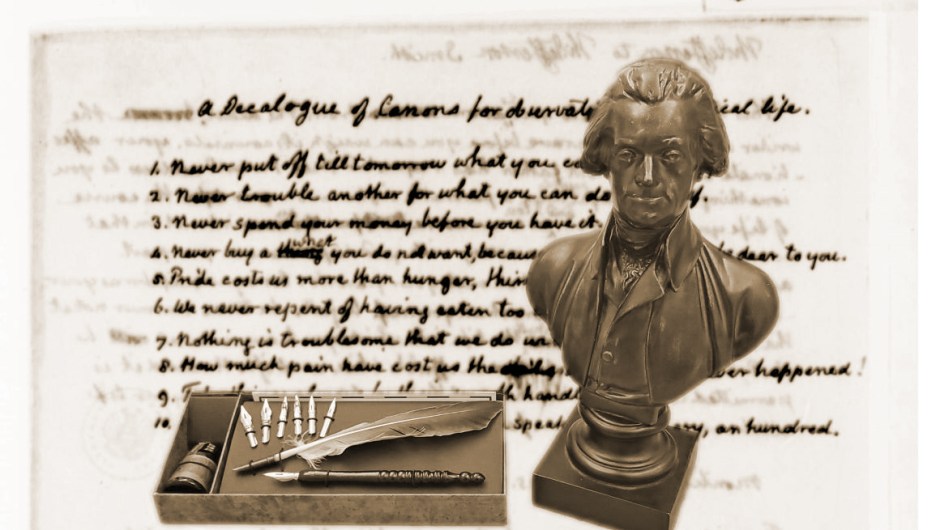
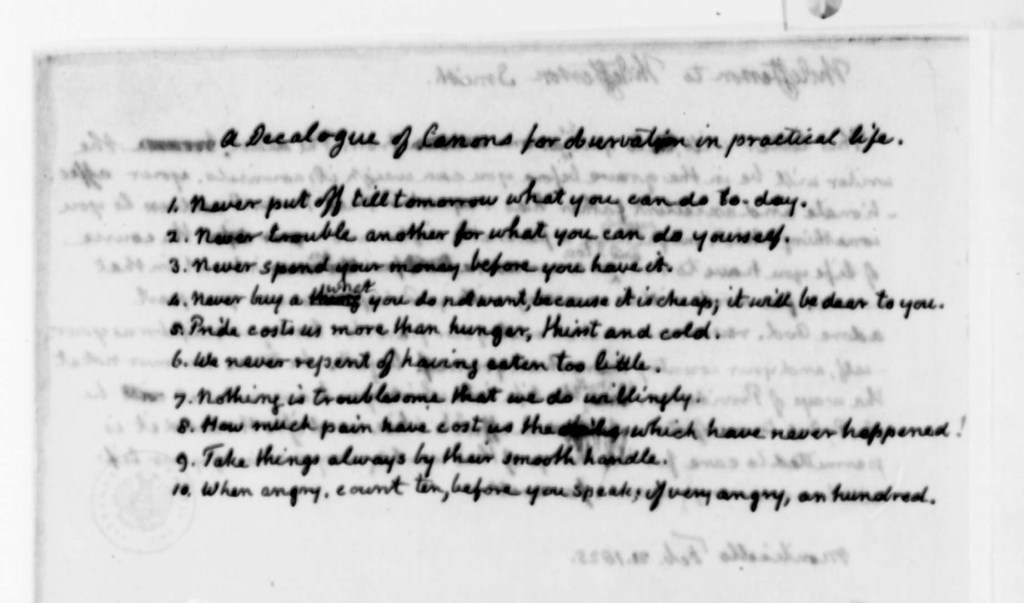
Thomas Jefferson often advised others, including his children and grandchildren, on how to conduct themselves and frequently developed lists of personal behavior for them. In 1825, the year before he died, he imparted what he called “a decalogue of canons for observation in practical life.” Some of these rules were borrowed from literary sources; others seem to be his own creation.
Jefferson’s rules seem to be as relevant today as they were in the 1800s:
Never put off till tomorrow what you can do to-day.
Never trouble another for what you can do yourself.
Never spend your money before you have it.
Never buy what you do not want, because it is cheap; it will be dear to you.
Pride costs us more than hunger, thirst and cold.
We never repent of having eaten too little.
Nothing is troublesome that we do willingly.
How much pain have cost us the evils which have never happened!
Take things always by their smooth handle.
When angry, count ten, before you speak; if very angry, an hundred.
Thomas Jefferson’s signature
If you decide to share Jefferson’s useful rules with the children in your family, why not also treat them to this mini-building block set? That way, they can build their own (4-inch) statue to Jefferson.
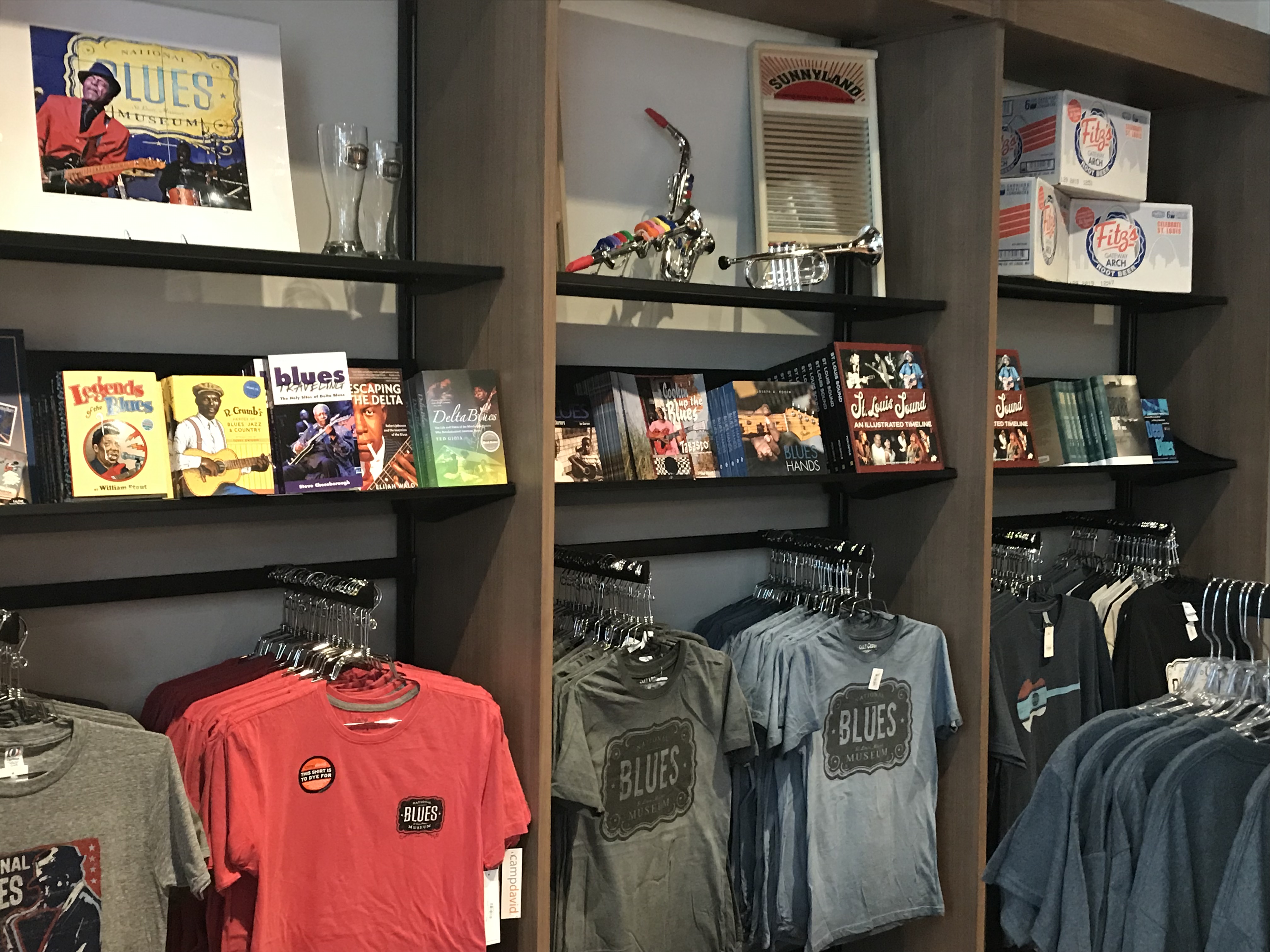
Can you guess which of JNPA’s museum stores sells harmonicas, a guitar-shaped bottle opener, and a St. Louis license plate magnet? If you said the gift shop at the National Blues Museum, you’re right! JNPA has operated this unique retail location since 2019, and you’ll find it chockful of cool music-related products that are found nowhere else.
Credit: Explore St. Louis
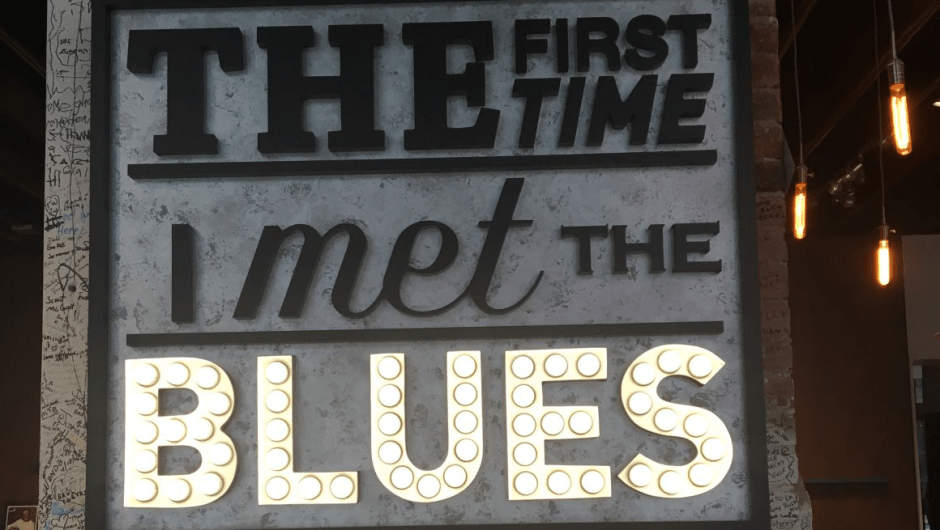
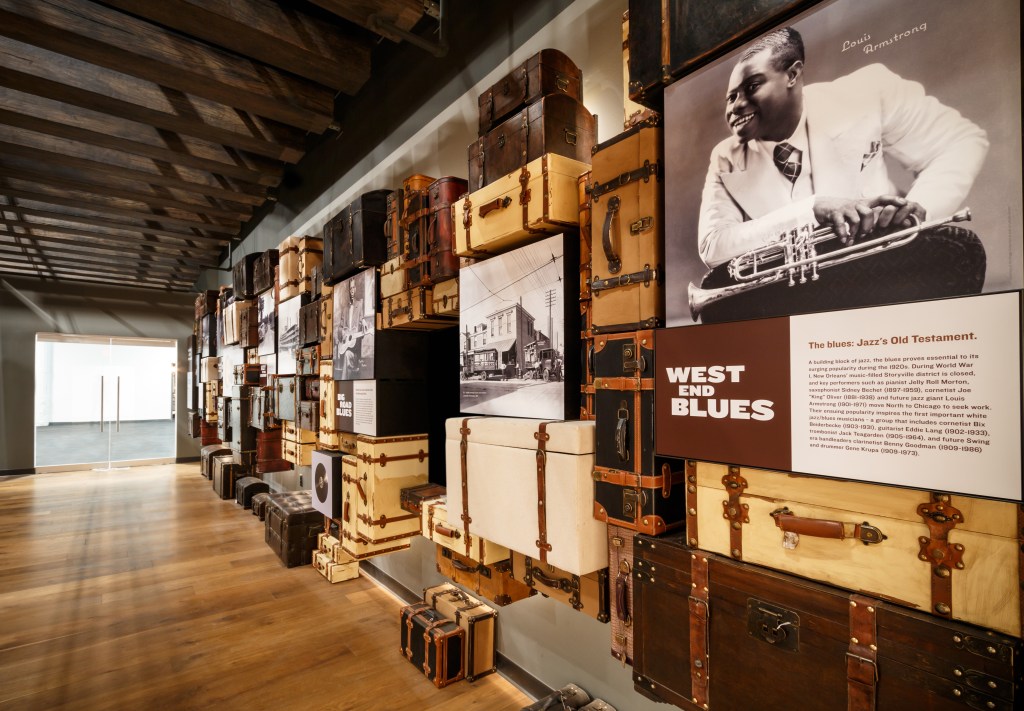
If you haven’t paid a visit yet to the National Blues Museum, it’s high time to treat yourself. The museum celebrates the blues as the foundation of all modern American music with high-tech exhibits, unique artifacts from famous musicians, and a state-of-the-art concert venue. It’s open daily from 12-5 p.m.
The site’s location in downtown St. Louis is intentional. Situated along the historic Blues Highway (Highway 61), the city had an important influence on the evolution of blues music. Musicians and song writers performed there as they traveled from the South to the recording studios of Chicago.
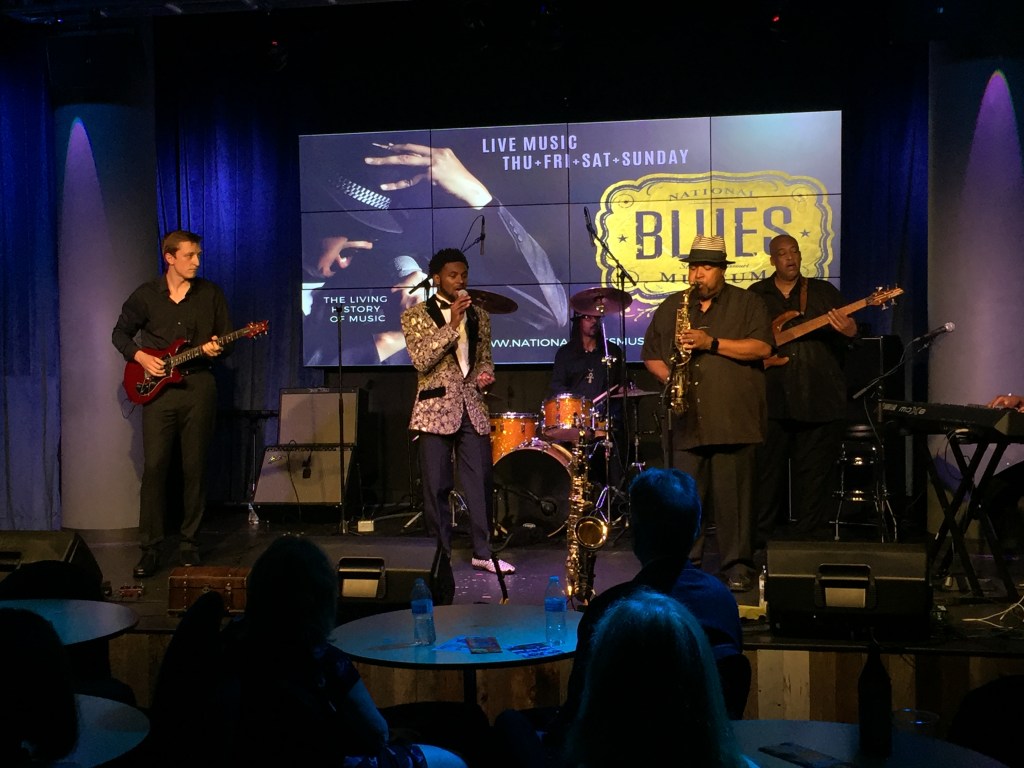
The museum traces the development of the blues and its various styles. It recognizes the musicians who created the musical genre as well as those who contribute to it today. To keep the traditions alive, part of the museum is devoted to an intimate concert space where audiences can hear local and touring blues artists perform. And at the Thursday night Sittin’ on the Porch jam sessions, aspiring blues players are welcome to bring a musical instrument and sit in with the pros during the musical numbers.
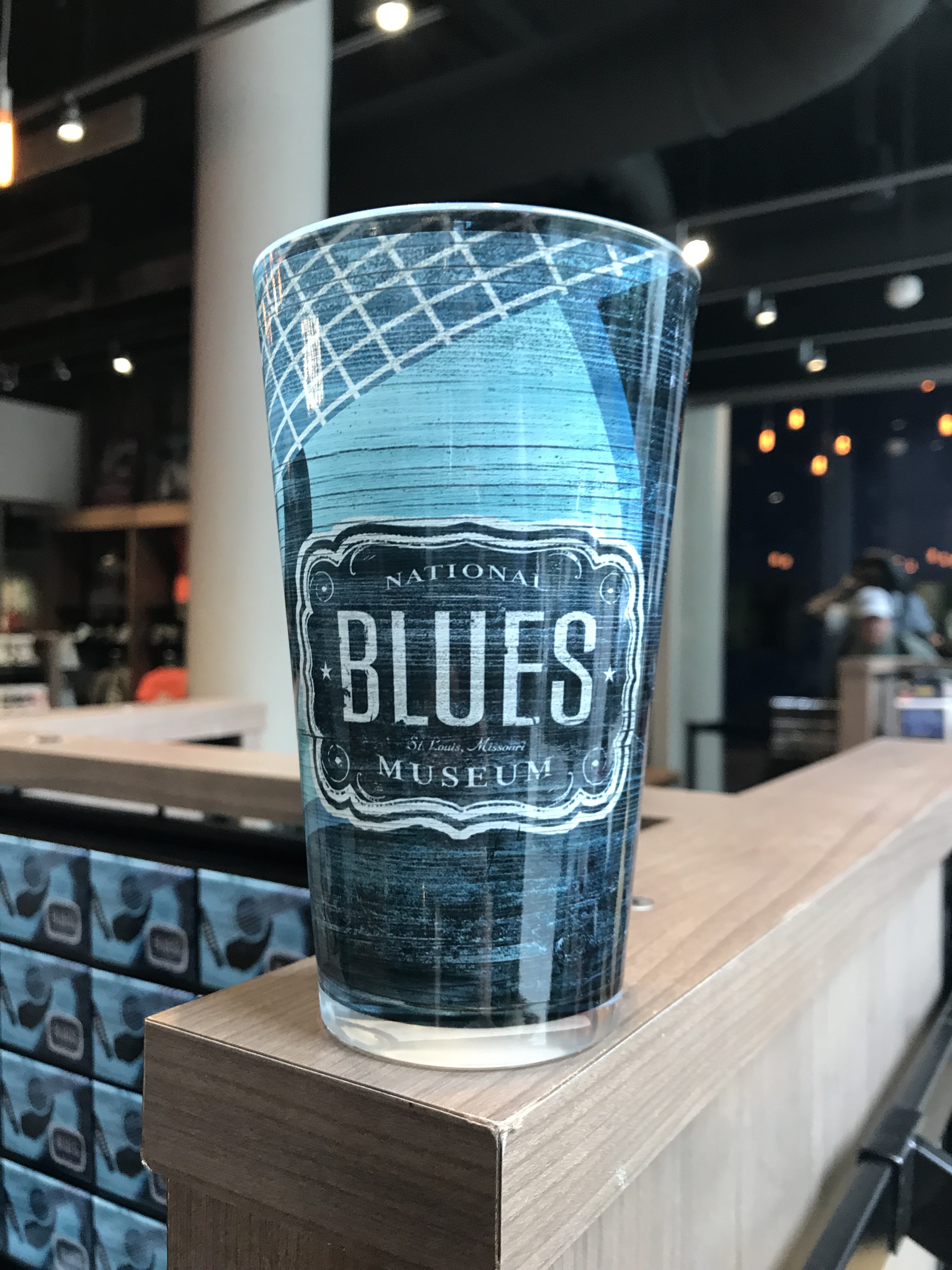
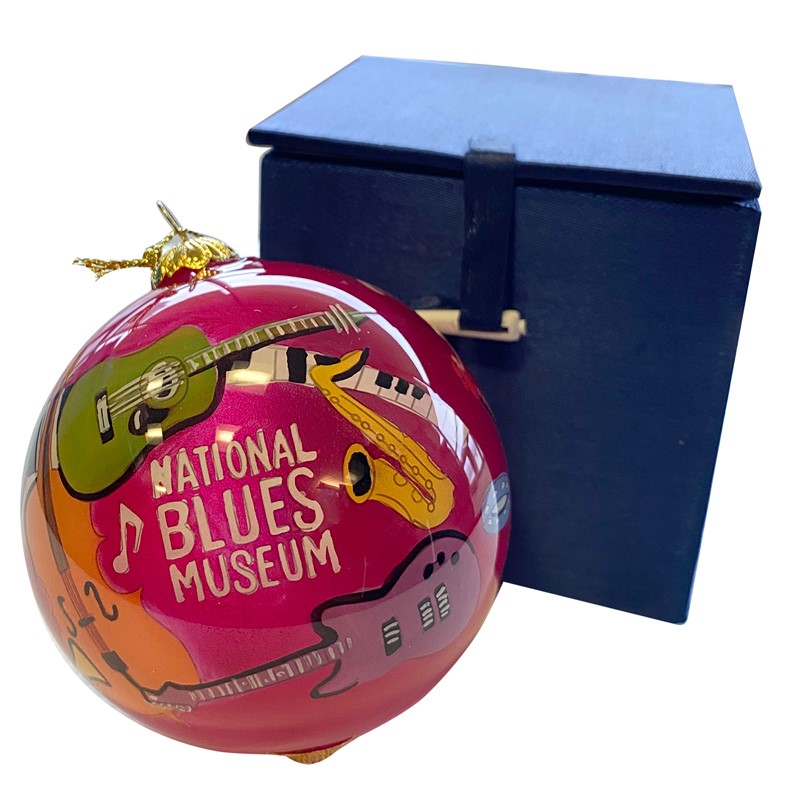
When you visit the National Blues Museum, be sure to stop by our handsome store. We feature a wide range of blues-themed merchandise, from books, CDs and instruments to hip apparel, bar glasses and gifts. For instance, check out this snazzy hand-painted glass ornament . Proceeds from product sales – either at the museum or from our online store – help support the educational mission of the museum.
There’s always a diverse crowd visiting our national park partners, but four-legged visitors? Well, that’s who you’ll see at Ulysses S. Grant National Historic Site this Saturday.
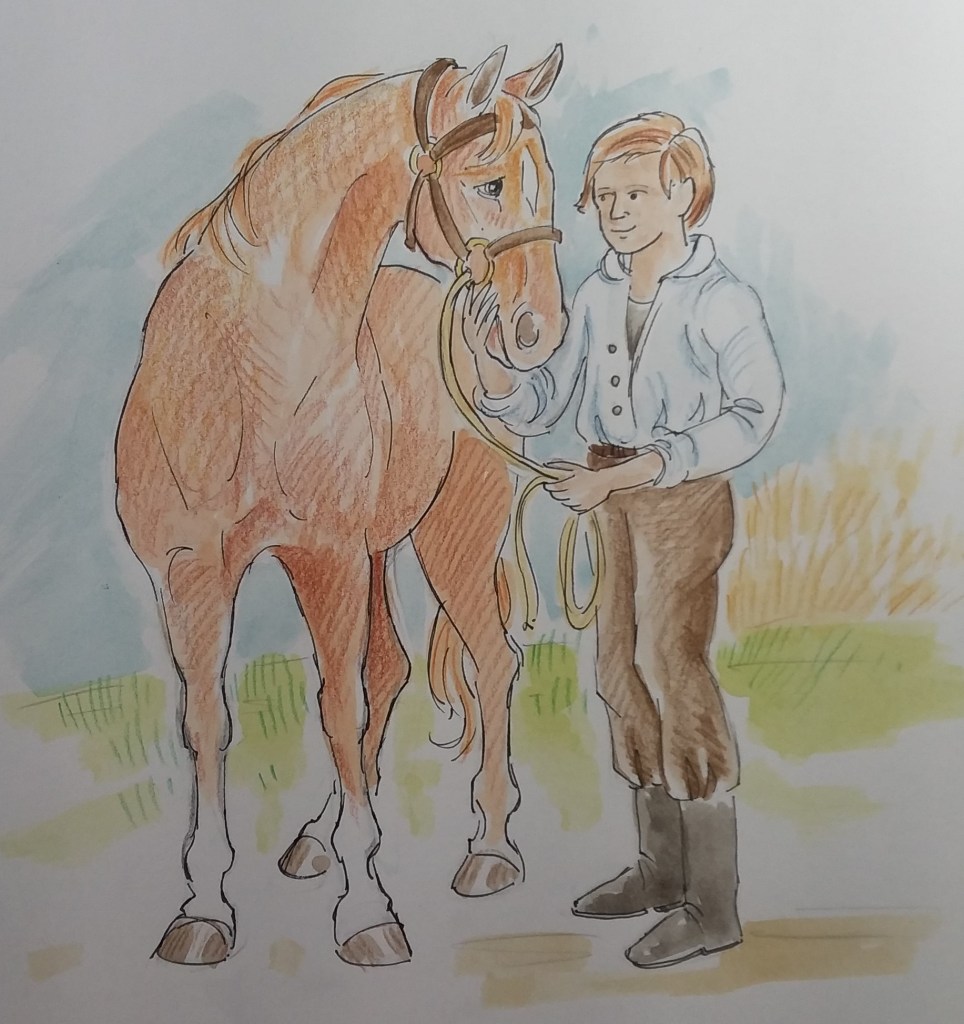
As a tribute to Ulysses Grant’s lifelong passion for horses, the park will host Horses and Grant at White Haven this Saturday. Horses from area ranchers and owners will be on hand to help park interpreters explain the central role that the animals played in the 18th president’s life.
Illustration by Leslie Przybylek
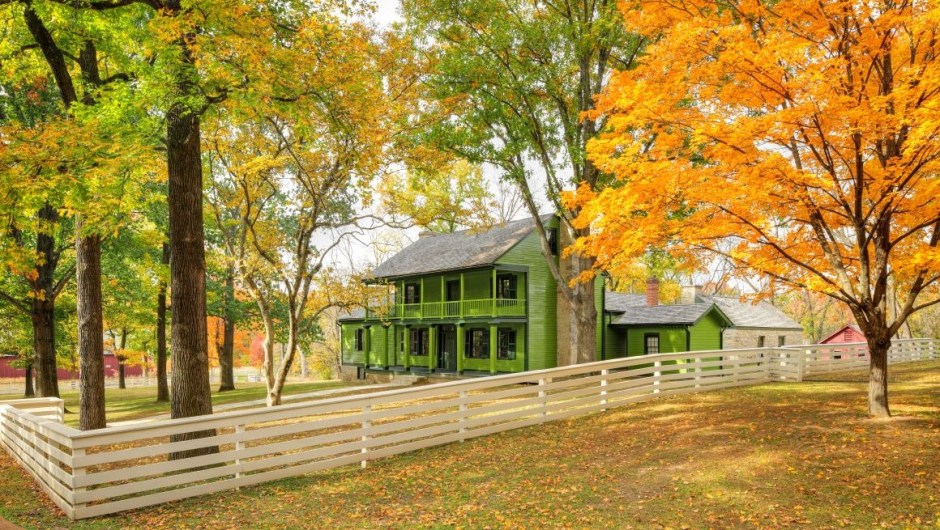
From the time he was a small boy, Grant loved to ride, train, and care for horses. Horses were also vital to him as a soldier and farmer. He was an accomplished rider both in his military career and his private life, and owned a succession of horses throughout his life. In fact, it was thought he bought the White Haven property from his wife’s family after the Civil War mainly to breed and raise horses.
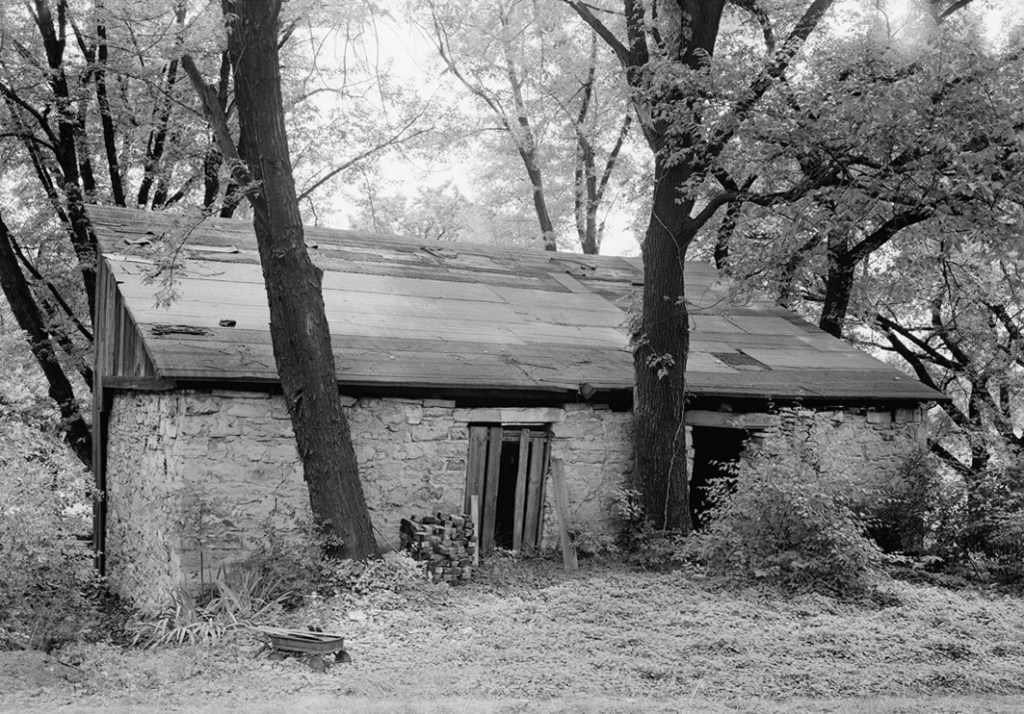
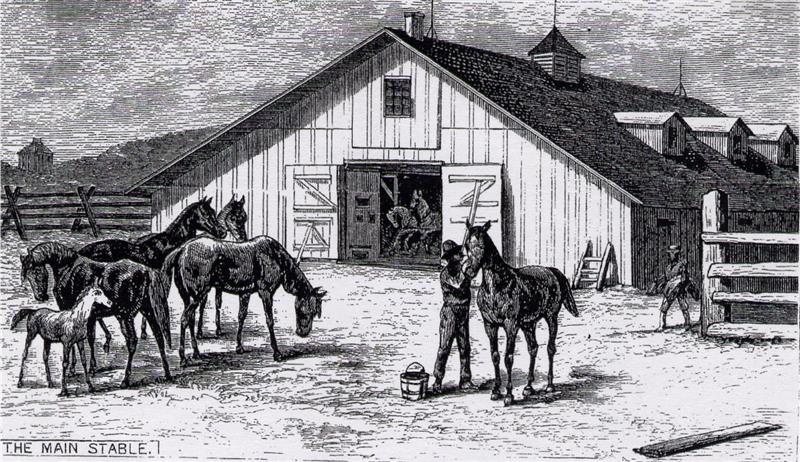
Original horse barn on the White Haven property
At the park this Saturday, there will be formal demonstrations on horsemanship, saddles, and the history of racing, as well as hands-on activities for children. The free event runs from 10 a.m. to 4 p.m.; reservations are not required. It is offered as one of the site’s Grant bicentennial activities.
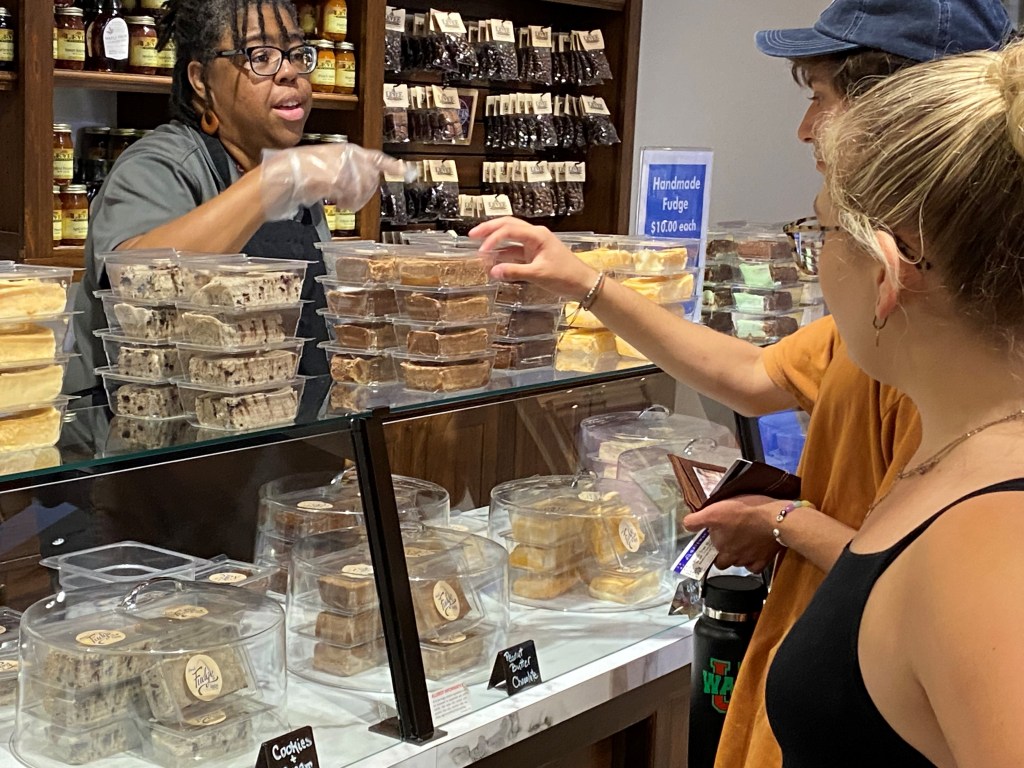
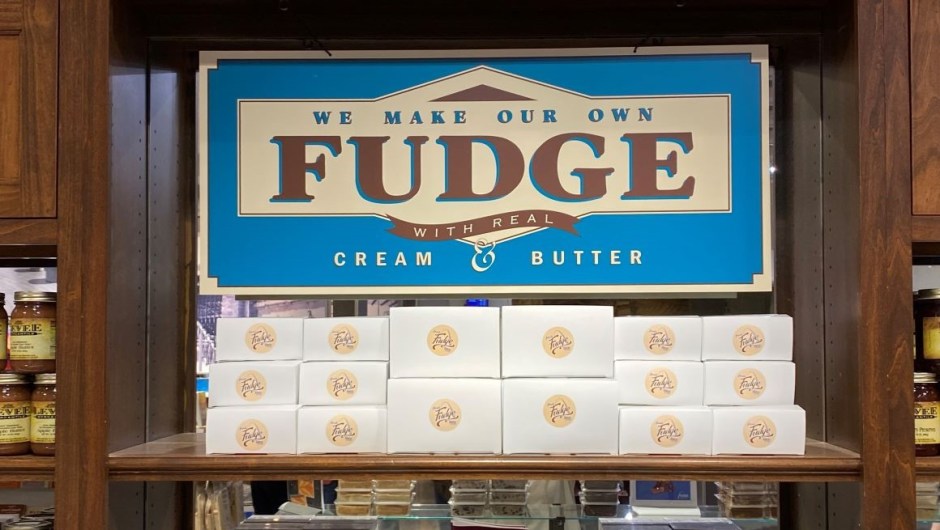
Stop the presses. We have an important news flash: National Fudge Day is just around the corner! Actually, it’s not until June 16 but we’re letting you know early because – hey, fudge! We also wanted to give you extra time to pop down to The Arch Store to pick up a box for yourself, or for your sweetie (sweetie, get it?), in time for the Big Day.
Fudge is thought to have originated as a mistake. Accordingly to legend, a candy maker in the late 1800s botched a batch of caramel he was making, but he ended up making something just as tasty. And since the term “fudge” was already in use to describe a clumsy adjustment or nonsense, the name stuck!
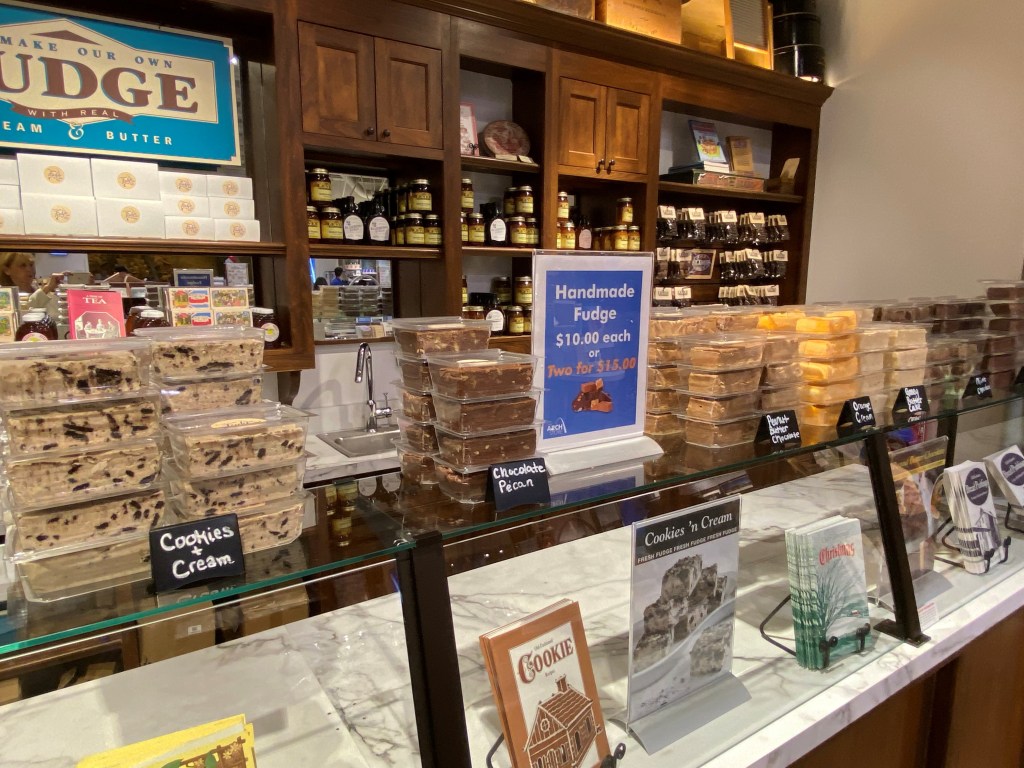
Wondering why we sell fudge at The Arch Store, where our products have to adhere to the interpretive themes of Gateway Arch National Park? Well among other things, we feature various foods, toys and other historical goods that were available in the early days of St. Louis, where pioneers and western explorers passed through on their way to the western frontier. And fudge was as popular in old St. Louis as it is now.
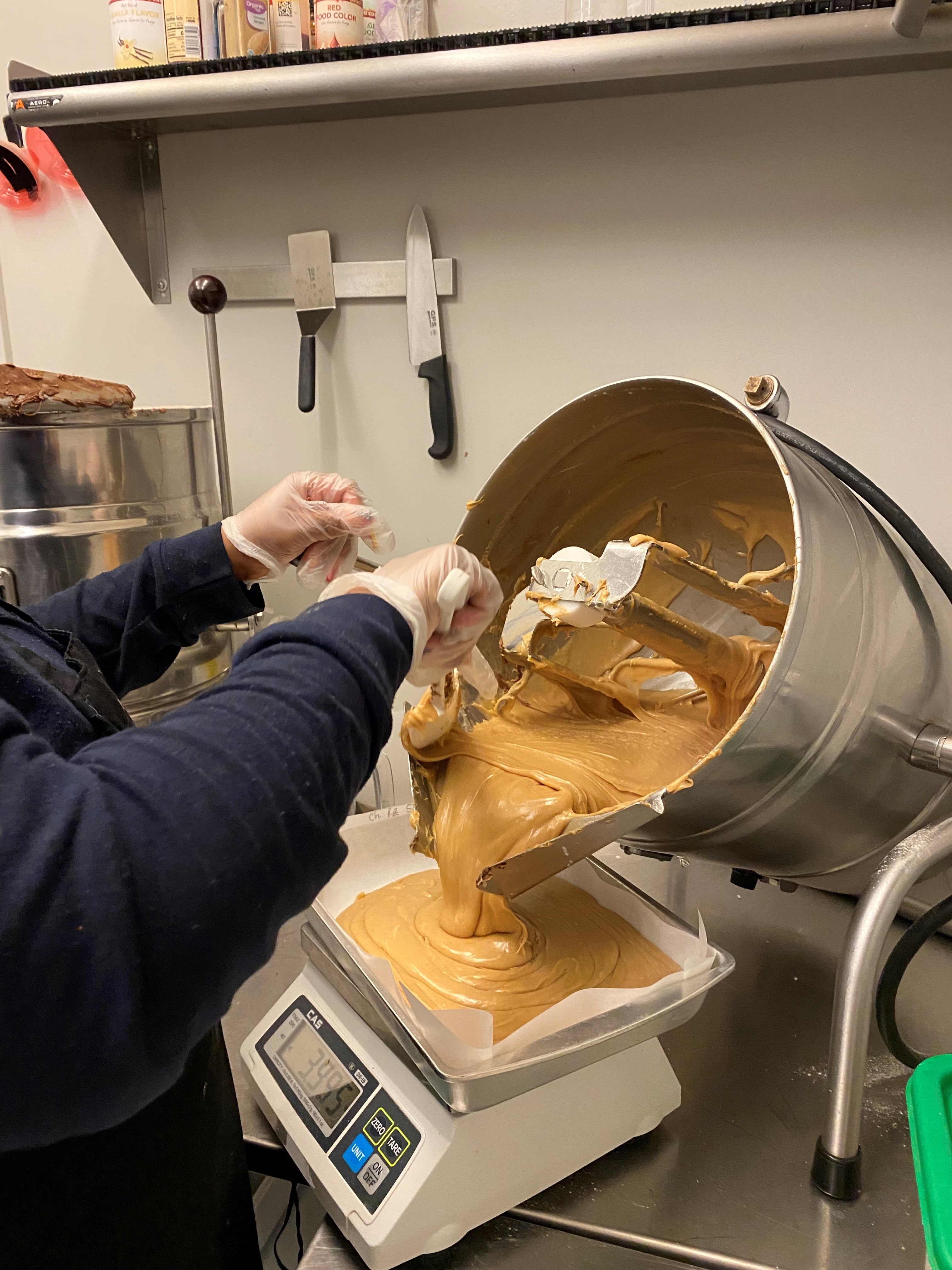
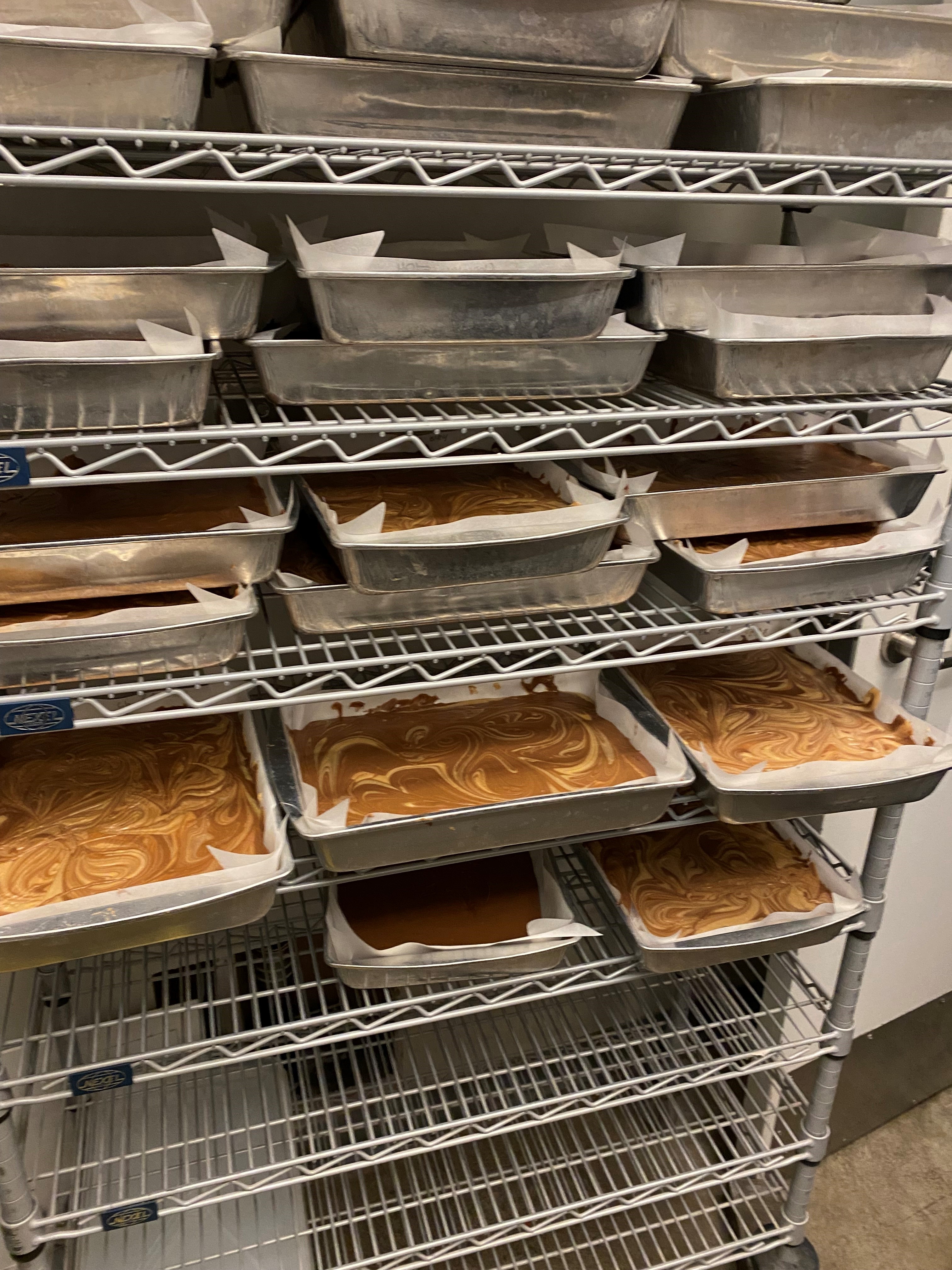
The Arch Store makes its own fudge several days a week in a specially designed kitchen and we sell it at our historically themed fudge counter in the back of the store, often after giving customers free samples to try. Our best-selling flavors are Chocolate Sea Salt Caramel, Peanut Butter-Chocolate and Gooey Butter Cake. Mmmmm.
So celebrate National Fudge Day with a trip to The Arch Store to get a sweet taste of the past. And be sure to let us know which is YOUR favorite flavor!
How much do you know about the skies above us? Well here’s a fun way to learn. All would-be stargazers should mark their calendars for the return of the summer and fall Gateway to the Stars series at Gateway Arch National Park. Visitors of all ages can join in the fun.
Credit: NPS
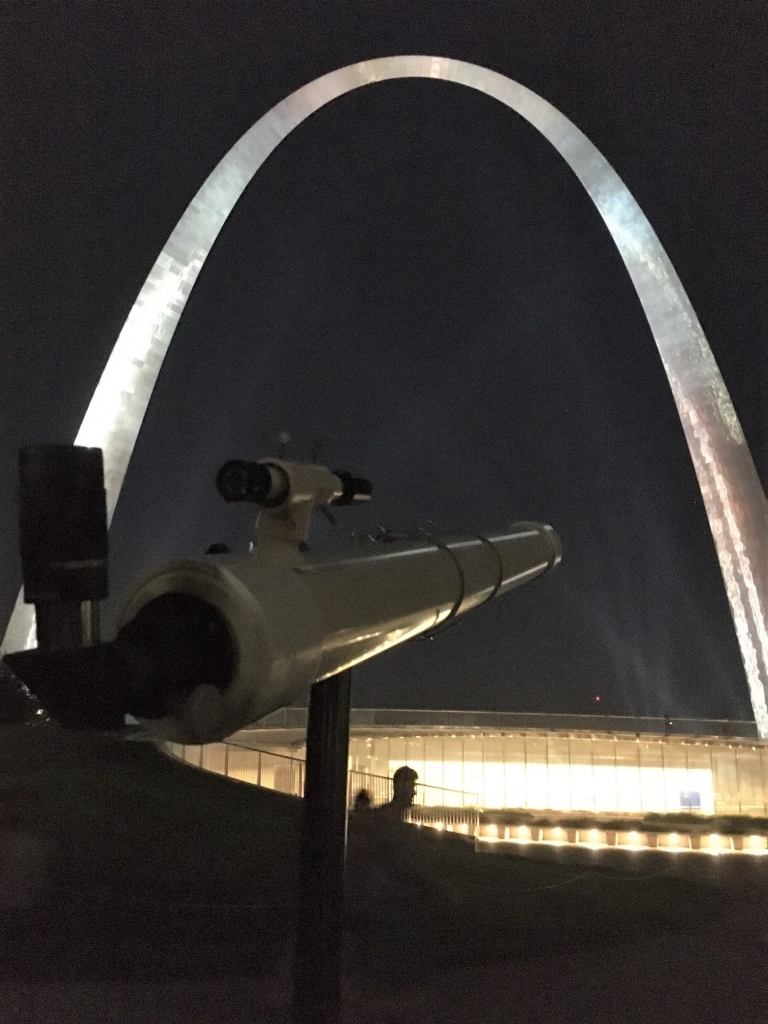
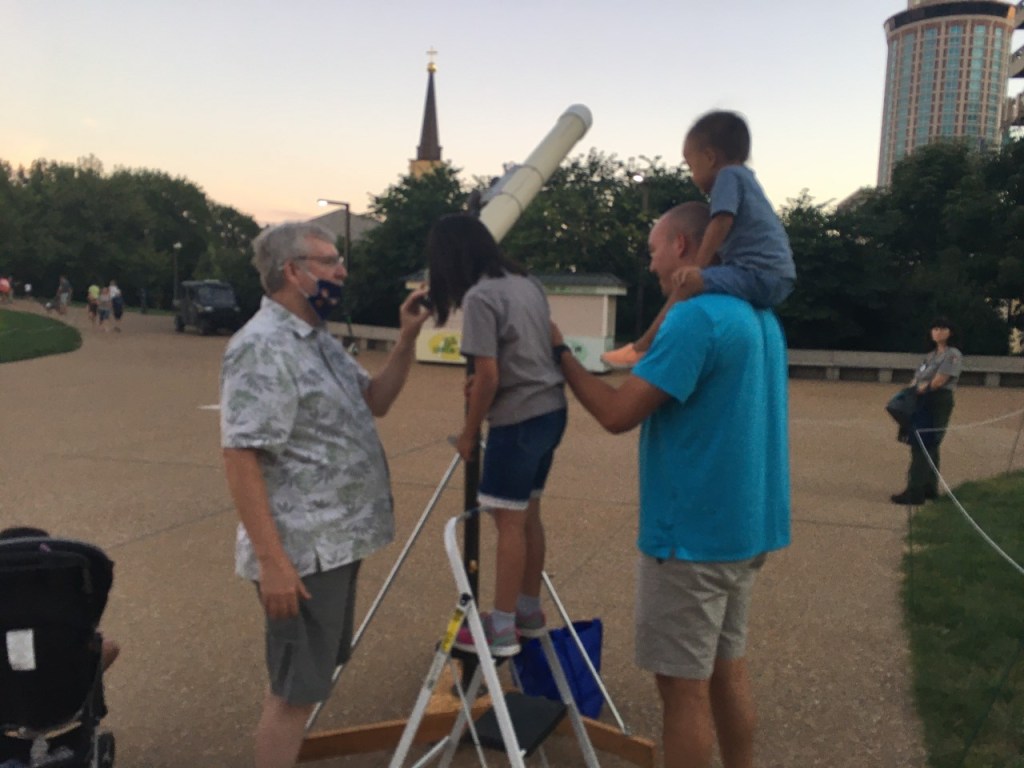
Each month from now through October, the National Park Service and the St. Louis Astronomical Society will offer public astronomy programs and telescope viewing at the Gateway Arch. Each evening event will begin with a ranger talk and discussion inside the park’s Visitor Center at 6:45 p.m. followed by telescope viewings of the night sky just outside the Arch entrance beginning at 8:00 p.m., weather permitting. Volunteers from the Astronomical Society will have multiple telescopes available for participants to use and will help interpret what people can see through the eyepiece.
Credit: NPS
The theme of each evening will differ. No reservation is required except for the children’s program on July 10, which requires advance registration:
Sunday, June 12: Stories in the Stars The discussion will focus on the sky as a cultural resource and will include constellation stories from many cultures. Visitors will also be invited to share their sky stories.
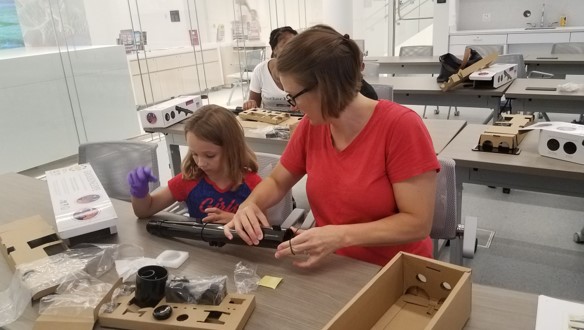
Sunday, July 10: Kids Explorer Night Children ages 5-12 can earn their Junior Ranger Night Explorer patches as they build and take home their own Galileoscopes. These are small refractor telescopes that allow viewers to see the same objects as famed astronomer Galileo Galilei such as craters of the moon and four moons of Jupiter. Space is limited. Go to Gateway to the Stars: Kids Explorer Night for information on how to sign up.
Credit: NPS
Sunday, August 14: The New James Webb Space Telescope Learn about the newest space telescope, its “first light,” and early discoveries it has already made.
Saturday, September 3: Lights Out Heartland Speakers from Dark Sky Missouri will discuss the impact of light pollution on wildlife and the environment.
Let’s say you’re a tourist wandering around downtown St. Louis looking to pick up a fun souvenir or needing directions to a nearby attraction. Where do you go? Well, we have a place for you!
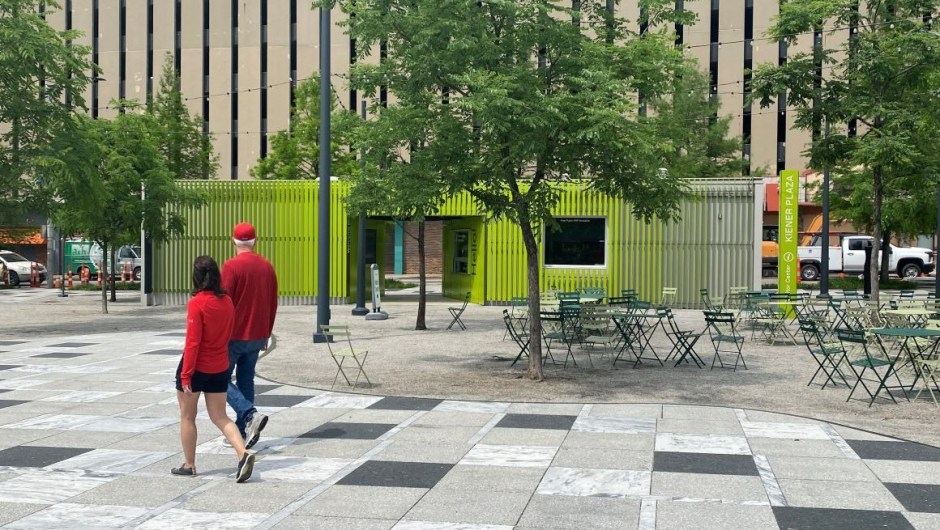
Head on over to Kiener Plaza, just west of Gateway Arch National Park, and look for the bright green Visitor Center. That’s where you’ll find JNPA’s newest little retail shop as well as a visitor information booth staffed by Explore St. Louis. Their friendly personnel can direct visitors to a wide range of tourist destinations and activities in the region.
And for those who want to take home a special souvenir from their visit, our store offers shirts, hats, drinkware and collectibles that sport a colorful St. Louis logo.
Credit: Gateway Arch Park Foundation
Kiener Plaza sits just west of the Old Courthouse and Gateway Arch. The city park features winding paths and a lawn that can accommodate a variety of events, including a bicycle parking grove, a shade garden with café tables and chairs, benches, a fountain garden with a splash pad, a children’s play garden, and a statue honoring former Olympian Harry Kiener.
Stop by our shop and say hello next time you’re downtown. Our store hours are 10 a.m. to 5 p.m. Friday, Saturday, and Sunday now through Labor Day.
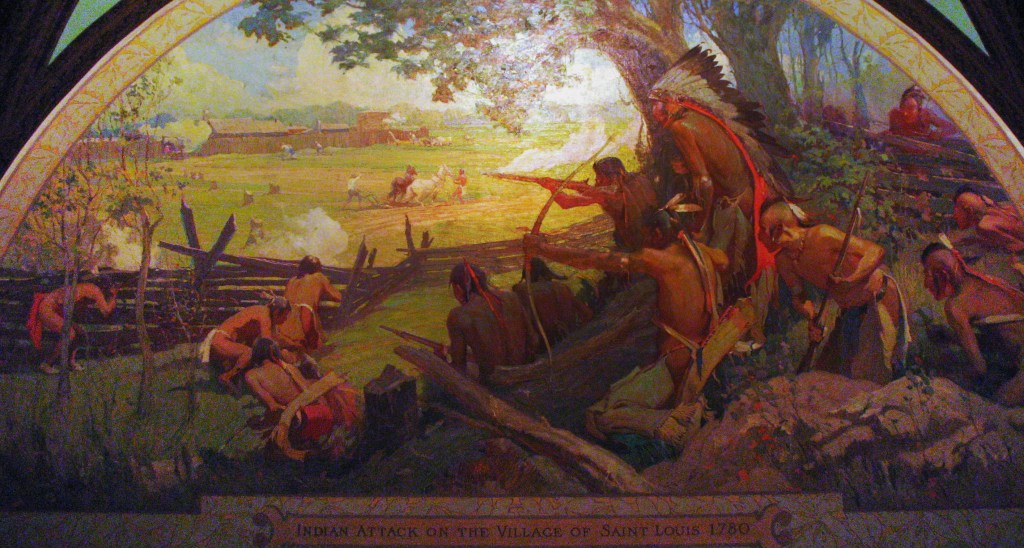
When we think of the American Revolutionary War, we usually imagine the action taking place on the East Coast and involving just the British and the American colonists. But the battles west of the Appalachian Mountains, though less well known, also helped shape the destiny of the nation; and they involved various indigenous tribes as well as the French and the Spanish. The Battle of St. Louis in 1780 – which took place near what is now the western border of Gateway Arch National Park – was one such conflict.
The small village of St. Louis was founded by French traders in 1764 but became a Spanish settlement when the French ceded the territory to Spain. Most of the approximately 900 St. Louisans were still of French heritage, overseen by a small number of Spanish soldiers. They were far outnumbered by the various Native American tribes who lived nearby as trading partners of the Europeans.
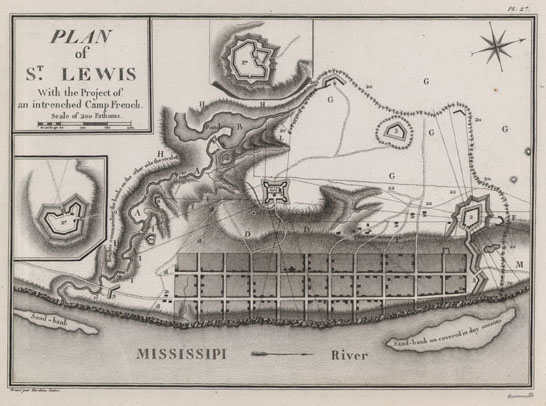
Map of the village of St. Louis c. 1790
When the American Revolution broke out in 1776, the British sought to control not only the Mississippi River but also St. Louis, which was a trading hub and the political capital of the region. Because the British had only scattered troops in the Midwest, they recruited nearly 2,000 Native Americans from several tribes near the Great Lakes, who began traveling downriver in early May of 1780.
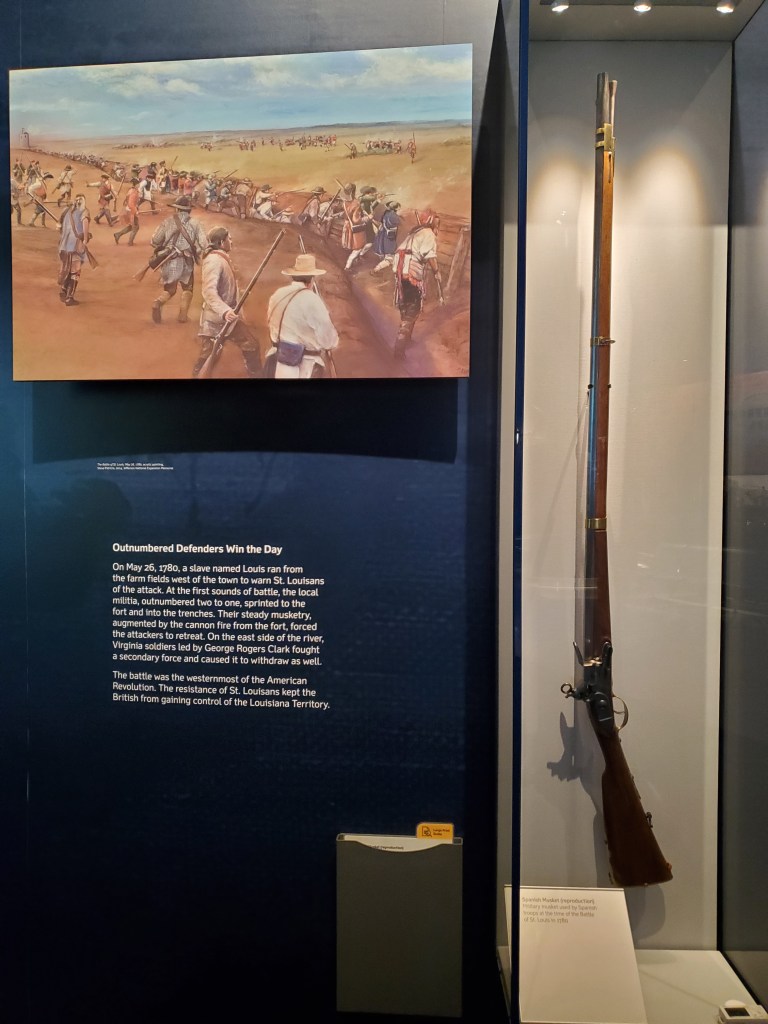
After fur traders warned the Spanish Lt. Governor Fernando de Leyba about the impending British attack, he began developing plans for his town’s defense. De Leyba made plans for four round defensive towers to be built on which to place sharpshooters and cannons. Only one tower – named Fort San Carlos –was finished by the time the attackers neared St. Louis. The locals managed to place five cannons on its roof as well as trenches along the outer walls of the town.
Once the British and their Native allies began attacking on May 26, the villagers were greatly outnumbered – as many as 100 were killed – and the outlook looked grim. However, thanks to their cannons and other defenses, St. Louis was able to overcome their attackers and win the battle. This meant the British were not able to gain control of the Mississippi River during the Revolutionary War, a key victory for the American colonists.
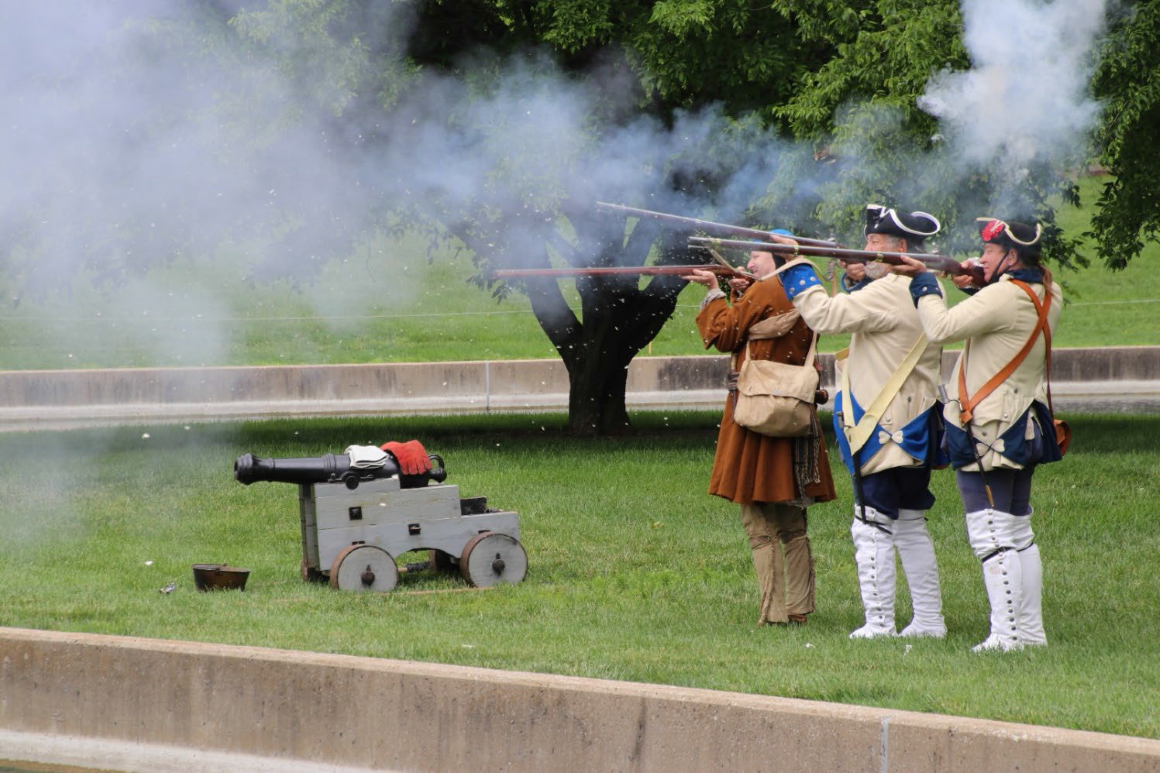
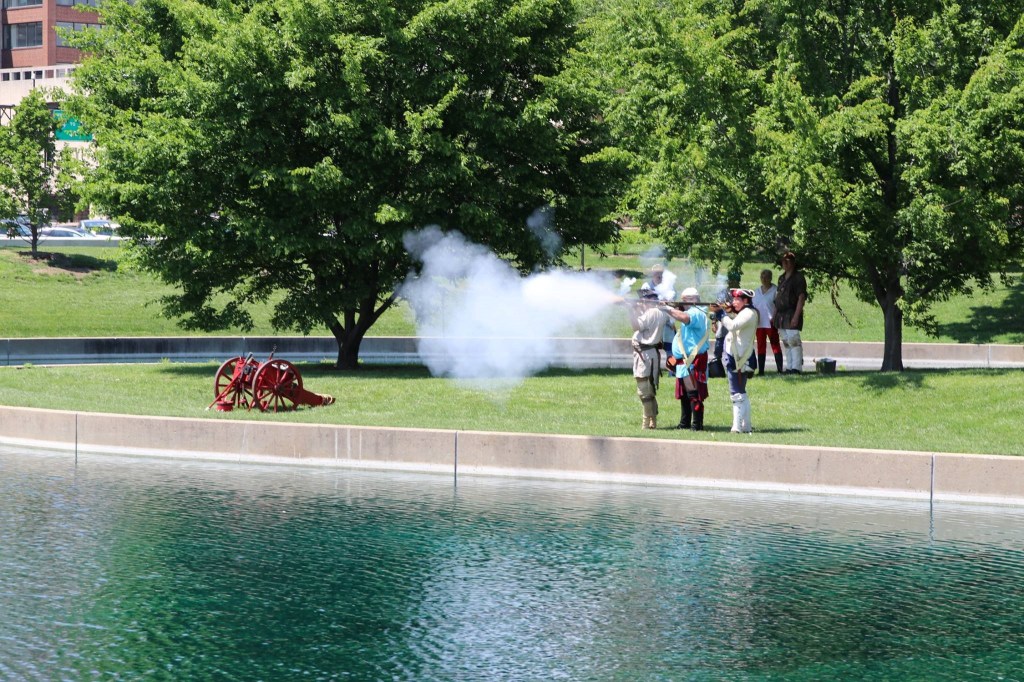
The National Park Service commemorates the Battle of St. Louis every year near the anniversary date. The event takes place this year on May 28th from 10 a.m. to 4 p.m. on the south end of the Gateway Arch grounds. Interpretive rangers and living history volunteers in 18th-century attire will be on hand to explain the story of St. Louis’ role in the American Revolution and the implications of the settlers’ victory. There will also be periodic musket- and cannon-firing demonstrations. Reservations are not required.
An exhibit at Gateway Arch National Park
More information on the Battle of St. Louis can be found in the Arch Museum. Also, check out an extensive new exhibit, The American Revolutionary War in the West, which just opened at St. Charles County’s Heritage Museum.










 JNPA Blog