
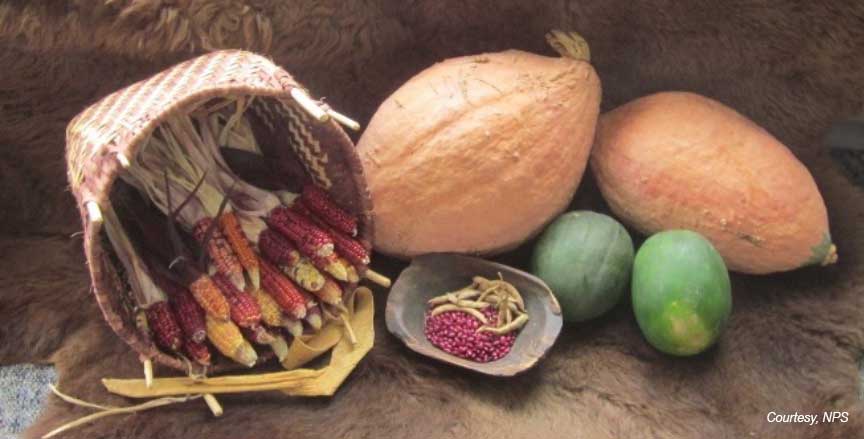
Humans and plants have a deeply intertwined history stretching back millions of years. We rely on plants for our very survival – for food, shelter, fuel, medicine, and the oxygen we breathe. The study of the relationships between people and plants is known as ethnobotany. Researchers in this field explore how different societies and cultures make use of their local plant communities for countless purposes, from medicines and clothing to building materials and religious practices.
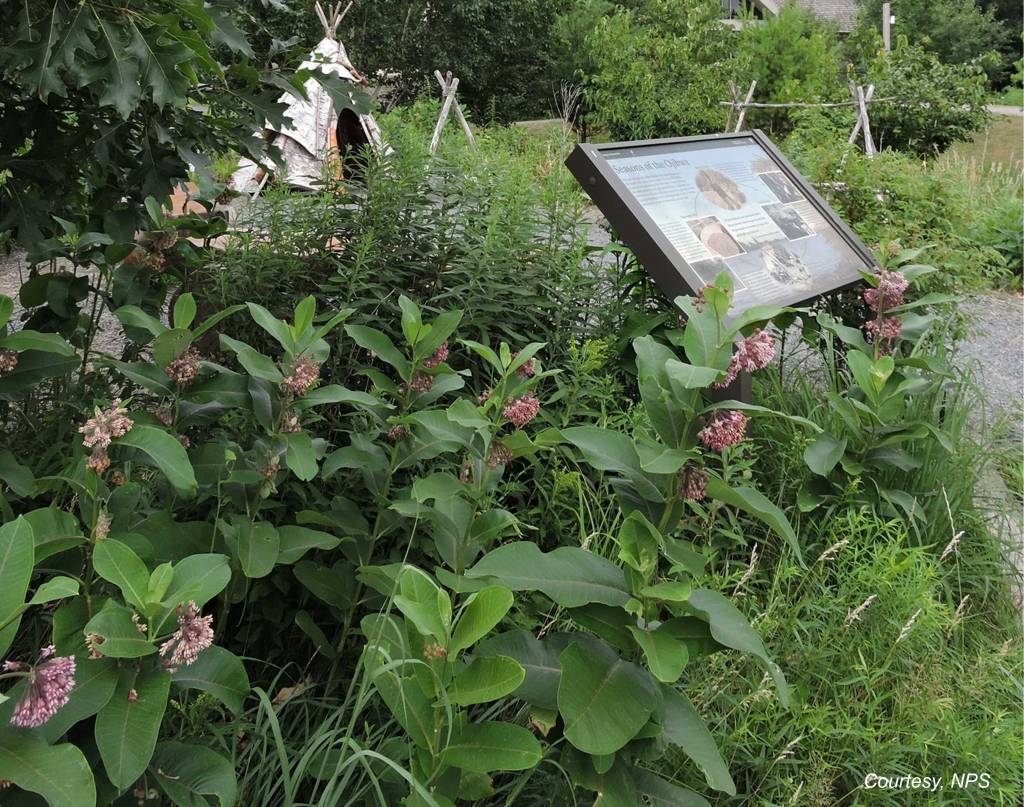
That’s the theme of the Ethnobotanical Garden at Voyageurs National Park, which park staff created to highlight how the region’s native plants have helped sustain life for the native Ojibwe tribe.
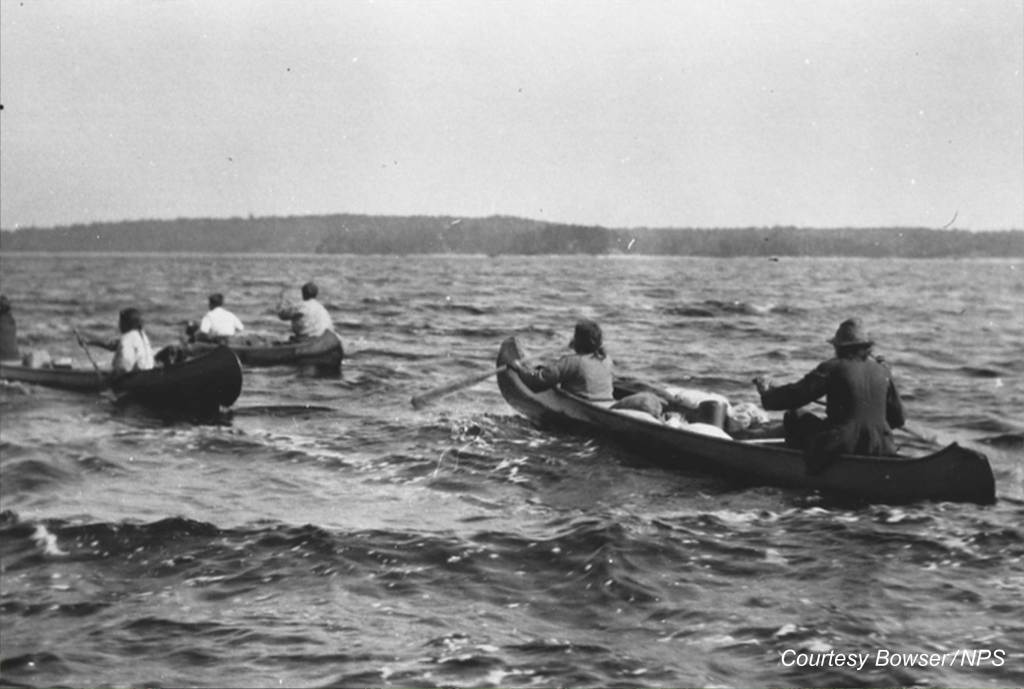
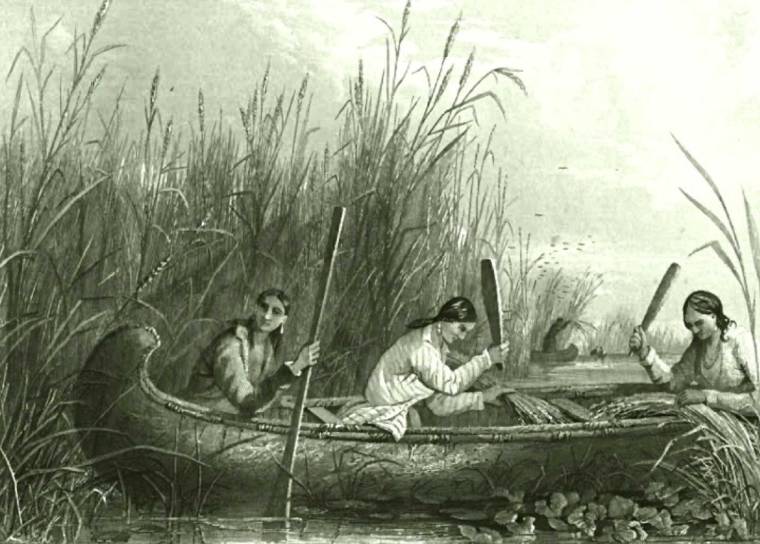
For hundreds of years, the Ojibwe have lived in Southern Canada and the Upper Midwest. They began occupying the area that is now Voyageurs National Park by the early 1700s and made use of the local plant life for their food, building materials, and medicine, as well as for ceremonial purposes. The variety of distinct ecosystems within the park are home to more than 50 tree and shrub species; more than 40 fern and moss species; over 200 grass, sedge, and rush species; and more than 400 types of wildflowers.
The park’s website lists more than 100 plant species traditionally used by the Ojibwe, along with the ways they used them in their daily lives. These include winterberry holly bark to treat fevers and pain, goldenrod flowers for dyes, paper-birch bark to build canoes, and wild rice for food.
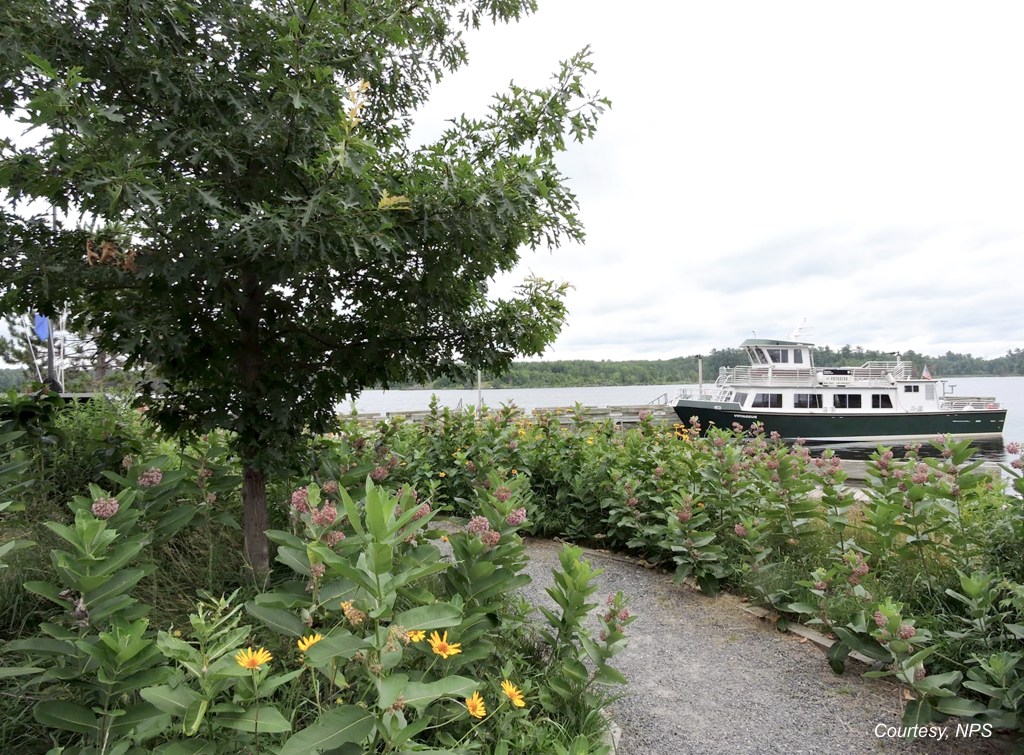
The one-acre Ethnobotanical Garden sits on the shores of Black Bay, near the park’s main visitor center. It includes not only a wide range of native plants, but also a reconstruction of a traditional Ojibwe encampment.
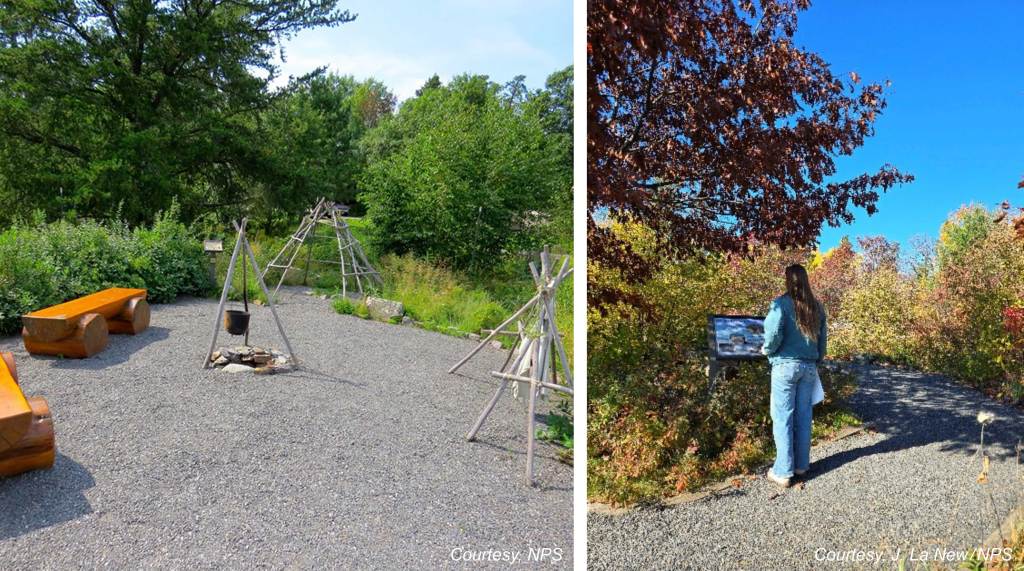
Wayside signs along the paths help visitors learn about the plants, as do dozens of plant markers that list the common name, Ojibwe name, Ojibwe pronunciation, the traditional Ojibwe use for each plant and a sketch of the plant.
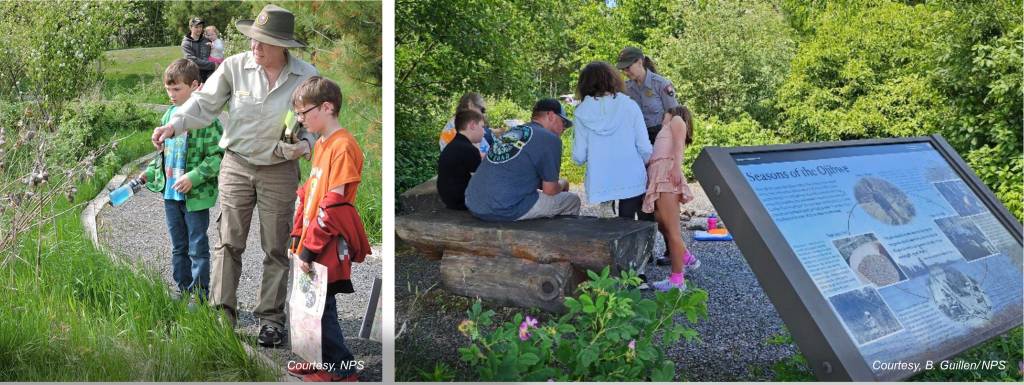
The garden is a popular spot for school groups and families. Park rangers and volunteers regularly offer tours of the garden, explaining the value of native plants and the importance of eradicating invasive species. Children can also earn a Junior Ranger badge when they sign up for special Ethnobotanical Garden Explorer programs and learn about the cultural history and uses of the park’s native plants.
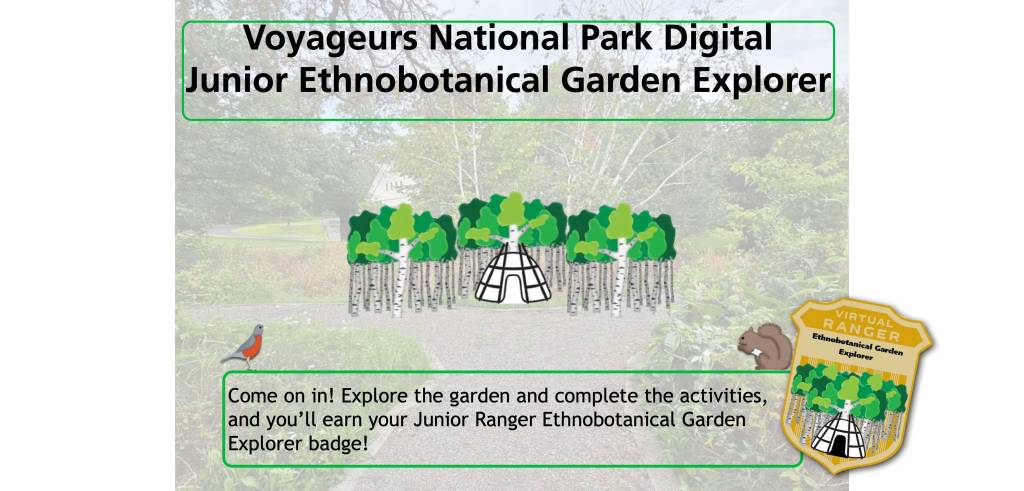
Or if they complete the online-only activities within the digital Ethnobotanical Garden Explorer Junior Ranger Book, they can earn a copy of the digital badge.

